15 Facts About American Holidays Most People Miss
American holidays feel familiar on the surface — turkey dinners, fireworks, presents under the tree. But scratch beneath that comfortable layer and something more interesting appears. The stories behind these celebrations carry details that rarely make it to the dinner table conversation or the elementary school pageant.
Some of these facts shift how you see holidays you’ve celebrated your entire life. Others explain why certain traditions feel oddly persistent or strangely hollow.
Martin Luther King Jr. Day Took Nearly Two Decades to Pass
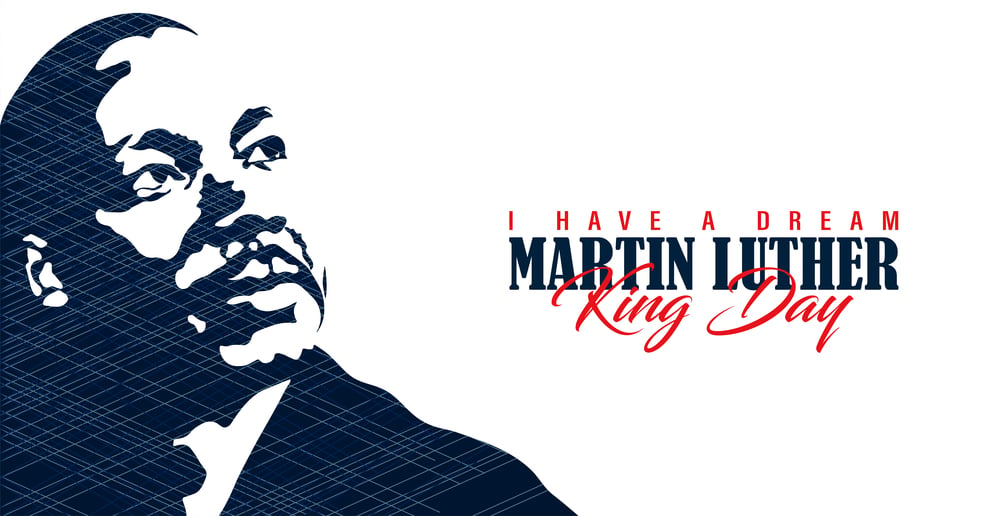
The holiday honoring Martin Luther King Jr. wasn’t signed into law until 1983. Even then, it took until 2000 for all 50 states to officially observe it.
Thanksgiving Wasn’t About the Pilgrims Until the 1900s
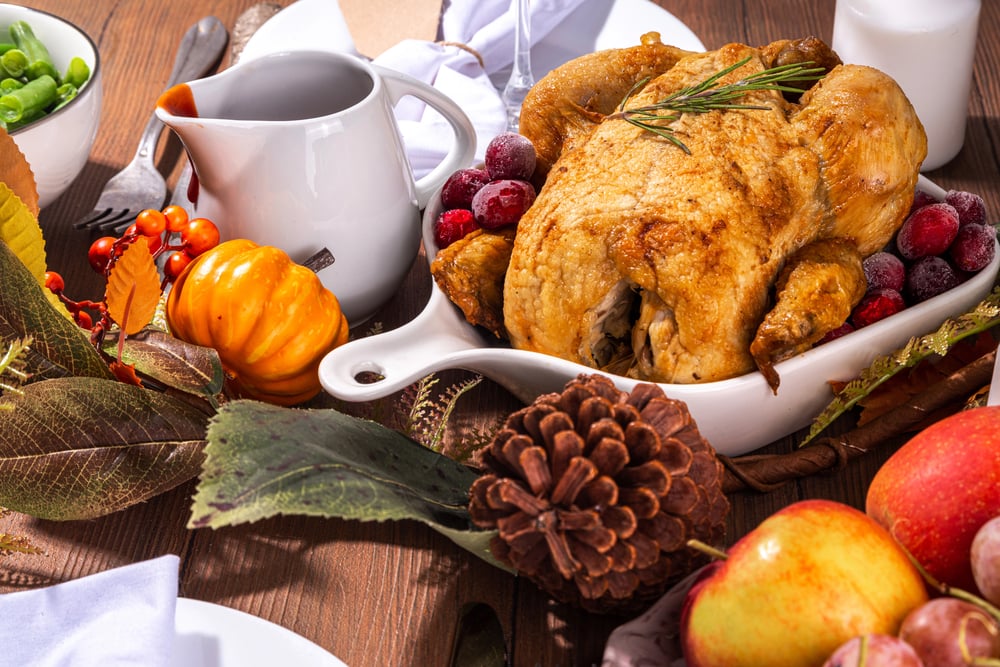
Before the 20th century, most Americans thought of Thanksgiving as a general harvest celebration. The Pilgrims-and-Indians narrative got attached later, largely through school textbooks and Norman Rockwell paintings.
Earlier generations celebrated Thanksgiving without any particular origin story in mind.
Presidents’ Day Was Never Meant to Honor All Presidents
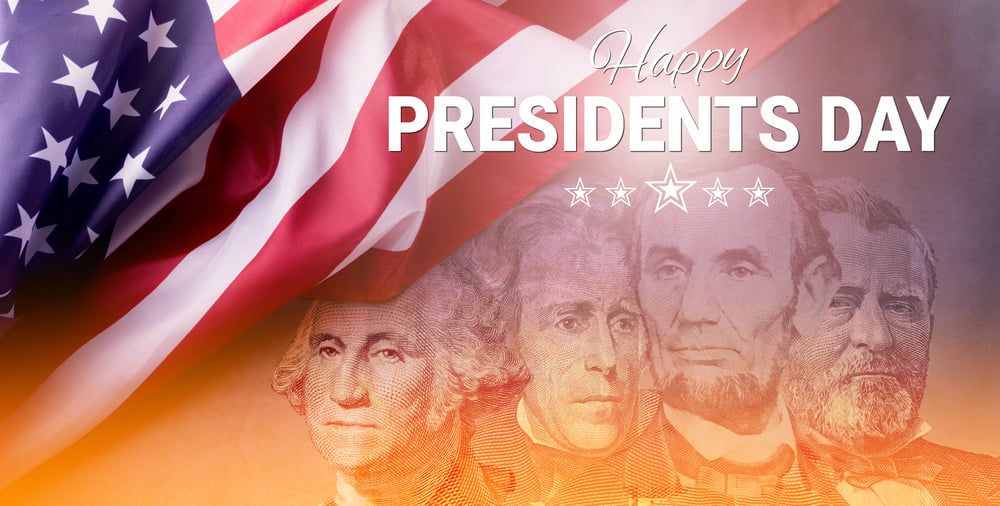
The federal holiday is still officially called “Washington’s Birthday” — and that’s it. The “Presidents’ Day” label emerged from retail marketing in the 1980s, when stores realized they could sell more mattresses and cars with a broader presidential theme.
George Washington remains the only president with a dedicated federal holiday, though most people assume it includes Lincoln (whose birthday is actually February 12, not the third Monday in February when the holiday falls).
Memorial Day Started as Decoration Day for Union Soldiers
The holiday began after the Civil War when communities would gather to place flowers on Union graves — hence “Decoration Day.” What’s quietly remarkable about this: it started as a distinctly Northern tradition, honoring only Union dead, but somehow evolved into a day that honors all American military casualties.
That transformation took decades and required a kind of national amnesia about the holiday’s partisan origins. And yet here we are, placing flags on Confederate and Union graves alike, which would have baffled the people who started the tradition.
Valentine’s Day Became Commercial by Accident

A Massachusetts woman named Esther Howland received an ornate Valentine’s card from England in the 1840s and thought she could make better ones herself. She started a business that became so successful it essentially created the American Valentine’s Day industry.
One person’s craft project became a billion-dollar holiday. Her cards were intricate, layered confections of lace and ribbon that made the simple love note feel inadequate by comparison.
Columbus Day Exists Because of a Lynching
Italian-Americans pushed for Columbus Day after 11 Italian-Americans were lynched in New Orleans in 1891 — the largest mass lynching in U.S. history. The holiday was meant to prove Italian-Americans belonged in the country by celebrating an Italian explorer.
President Benjamin Harrison proclaimed the first Columbus Day that same year, though it didn’t become a federal holiday until 1968. The irony has aged poorly: a holiday meant to counter prejudice now gets criticized for celebrating colonization.
Independence Day Was Celebrated on the Wrong Date for Years
Congress actually voted for independence on July 2, 1776. July 4th was just when they approved the final wording of the Declaration.
John Adams insisted July 2nd should be the national celebration and was genuinely annoyed that July 4th caught on instead. Some early celebrations happened on July 2nd, July 4th, or both, until July 4th finally won out through sheer repetition.
Labor Day Was Moved to Avoid Socialist Connections
Most of the world celebrates workers on May 1st — International Workers’ Day — which commemorates the 1886 Haymarket affair in Chicago. American officials deliberately chose September for Labor Day to distance the holiday from its more radical international counterpart.
They wanted a celebration of workers that felt safely patriotic rather than revolutionary. The timing worked: September Labor Day became associated with barbecues and back-to-school sales rather than labor strikes and socialist speeches.
Halloween Almost Died in America
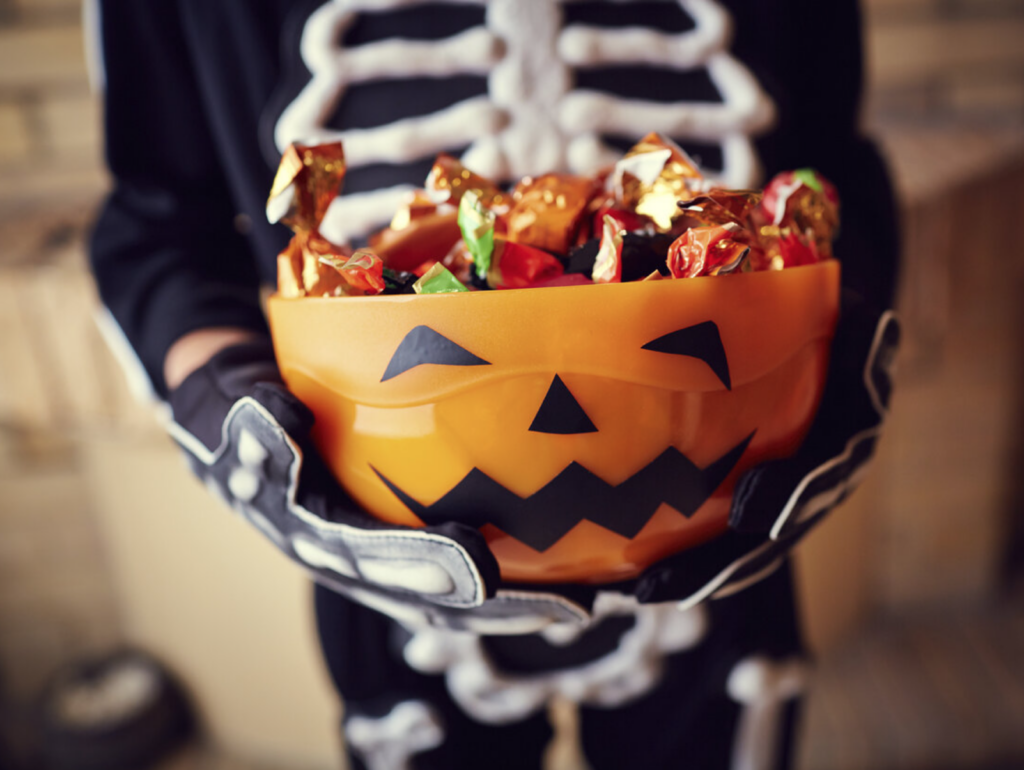
Puritans banned Halloween celebrations, and the holiday nearly disappeared from American culture entirely. It survived primarily in immigrant communities — Irish, Scottish, and German — who kept the traditions alive in pockets.
The modern version emerged in the early 1900s when communities tried to make Halloween less destructive by organizing parties and encouraging costumes over pranks. What we think of as traditional Halloween is actually a 20th-century compromise between old-world customs and American concerns about property damage.
Veterans Day Used to End at Exactly 11 AM
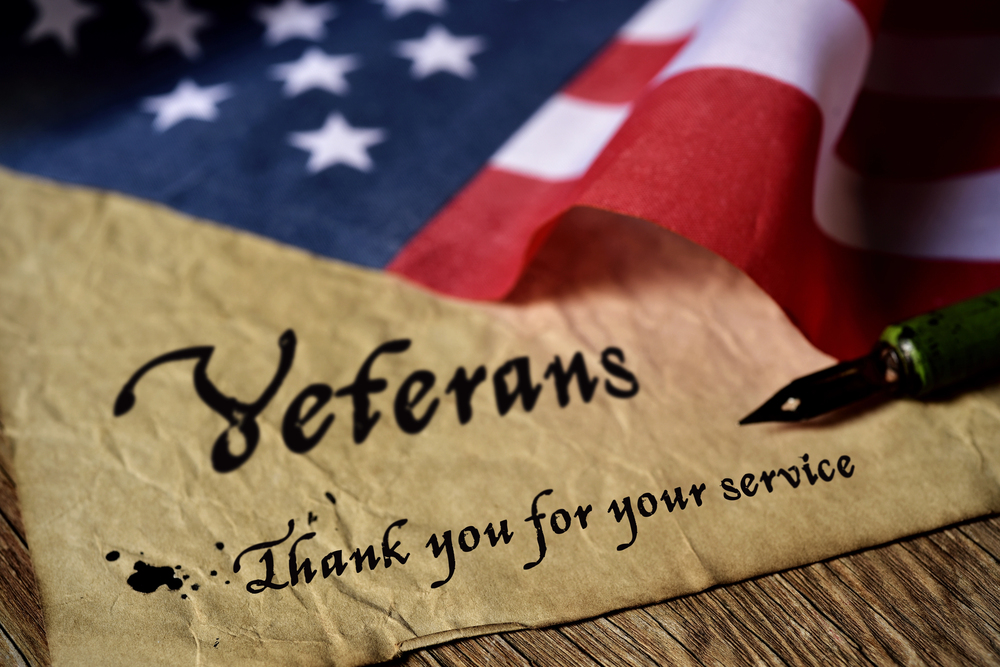
Armistice Day — now Veterans Day — originally included a moment of silence at 11 AM on November 11th, marking the exact time fighting ended in World War I: the 11th hour of the 11th day of the 11th month. Traffic would stop.
Conversations would pause. The precision mattered because it connected people directly to that specific moment when the guns went quiet.
Most Americans have no idea this tradition existed, much less why 11 AM once carried such weight.
Earth Day Was Scheduled to Avoid Conflict
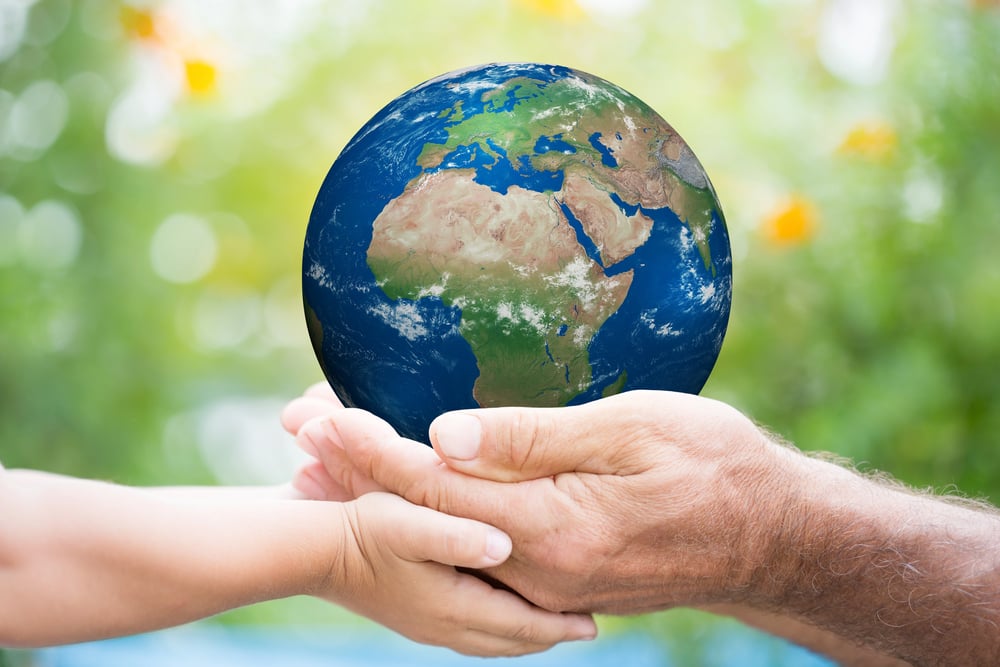
April 22nd was chosen for the first Earth Day in 1970 because it fell between spring break and final exams — maximizing college student participation. Organizers also made sure it didn’t conflict with religious holidays or patriotic celebrations.
The date had no environmental significance whatsoever. Pure logistics created what now feels like a sacred spot on the calendar, which says something about how traditions actually form (through practical considerations that get forgotten) versus how we imagine they form (through meaningful symbolism).
Flag Day Exists Because of a Dentist
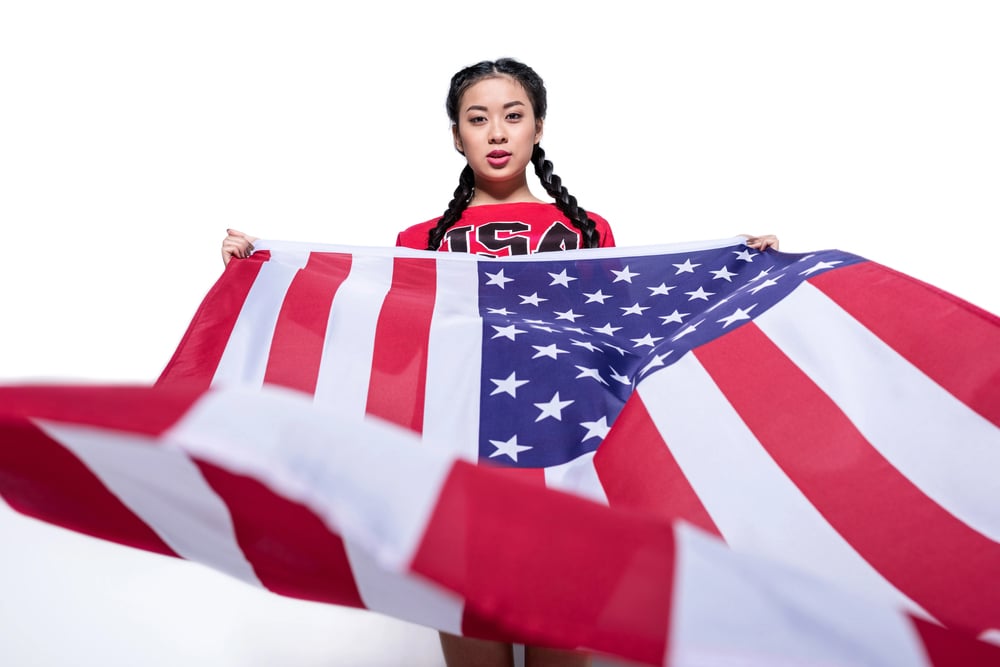
A Wisconsin dentist named Bernard Cigrand spent decades lobbying for a holiday to honor the American flag. He wrote articles, gave speeches, and organized celebrations for over 30 years before Congress finally established Flag Day in 1949. One man’s obsession became a national observance.
Cigrand started this campaign in 1885 and didn’t see it succeed until he was in his 80s, which qualifies as either admirable persistence or slightly concerning fixation.
Groundhog Day Has German Roots
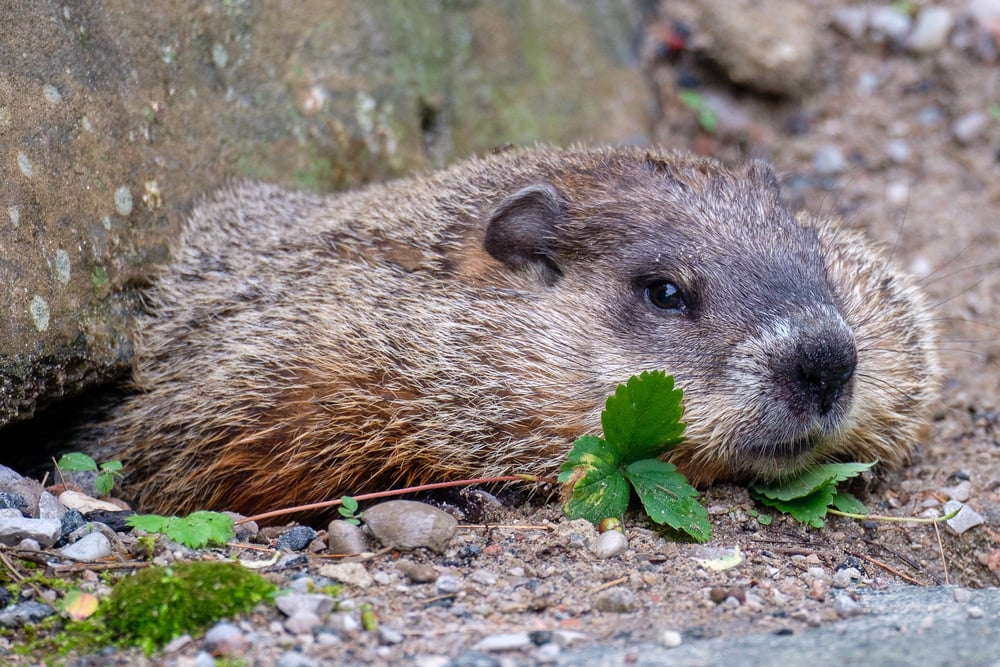
Pennsylvania German settlers brought the tradition from Europe, where people watched badgers and hedgehogs for weather predictions. Groundhogs became the American substitute because Pennsylvania had plenty of them and they emerged from hibernation at the right time.
Punxsutawney Phil became famous through a combination of German immigrant traditions, local newspaper coverage, and the fact that groundhogs are more photogenic than badgers. The whole enterprise still gets treated seriously by local officials, which is oddly endearing.
New Year’s Day Wasn’t Always January 1st

Before 1752, Americans celebrated New Year’s on March 25th, following the old English calendar. The switch to January 1st happened when Britain adopted the Gregorian calendar, but it created confusion for decades.
Some people celebrated twice, some ignored the change entirely, and some couldn’t remember which date was supposed to be official. Colonial records from that period show both dates being used interchangeably, creating headaches for historians trying to figure out when things actually happened.
Patriot Day Was Named to Avoid September 11th
The official name “Patriot Day” was chosen specifically so the holiday wouldn’t be called “September 11th” or “9/11 Day.” Congress wanted the focus on patriotism and remembrance rather than the date itself becoming the brand.
It’s one of the few American holidays where officials actively avoided using the obvious name. The euphemistic approach reflects how difficult it remains to figure out the right way to memorialize recent tragedy — too direct feels exploitative, too indirect feels like avoidance.
The Stories We Keep and Lose

Holidays accumulate layers the way old houses do — additions that made sense at the time, renovations that served their purpose, details that get painted over and forgotten. What survives isn’t always the most important part, just the most repeatable part.
The Massachusetts woman who accidentally created Valentine’s Day, the Wisconsin dentist who spent 30 years lobbying for Flag Day, the deliberate scheduling around college finals that gave us Earth Day — these details feel more human than the official explanations we usually hear. They suggest that our national celebrations emerged from individual obsessions, practical compromises, and historical accidents rather than grand democratic consensus. Which might be the most American thing about them.
More from Go2Tutors!

- The Romanov Crown Jewels and Their Tragic Fate
- 13 Historical Mysteries That Science Still Can’t Solve
- Famous Hoaxes That Fooled the World for Years
- 15 Child Stars with Tragic Adult Lives
- 16 Famous Jewelry Pieces in History
Like Go2Tutors’s content? Follow us on MSN.