15 Facts About Bhutan: the Land of the Thunder Dragon
There’s a small kingdom tucked into the eastern Himalayas that most people couldn’t point to on a map. Bhutan sits between India and China, sheltered by mountains that kept it almost entirely hidden from the outside world for centuries.
1. The Name Comes From the Sound of Thunder

The “Thunder Dragon” in Bhutan’s nickname isn’t a metaphor. The Himalayan storms that roll through the region produce some of the most dramatic thunder you’ll hear anywhere on earth.
2. Bhutan Measures Success Differently

Most countries track their progress through GDP — gross domestic product. Bhutan tracks something else.
3. Tourism Comes With a Daily Fee

You can’t just book a flight and show up. Bhutan charges most visitors a Sustainable Development Fee — currently set at $100 per person per day — on top of what you spend on accommodation, food, and transport.
4. Carbon Negative, Not Just Neutral
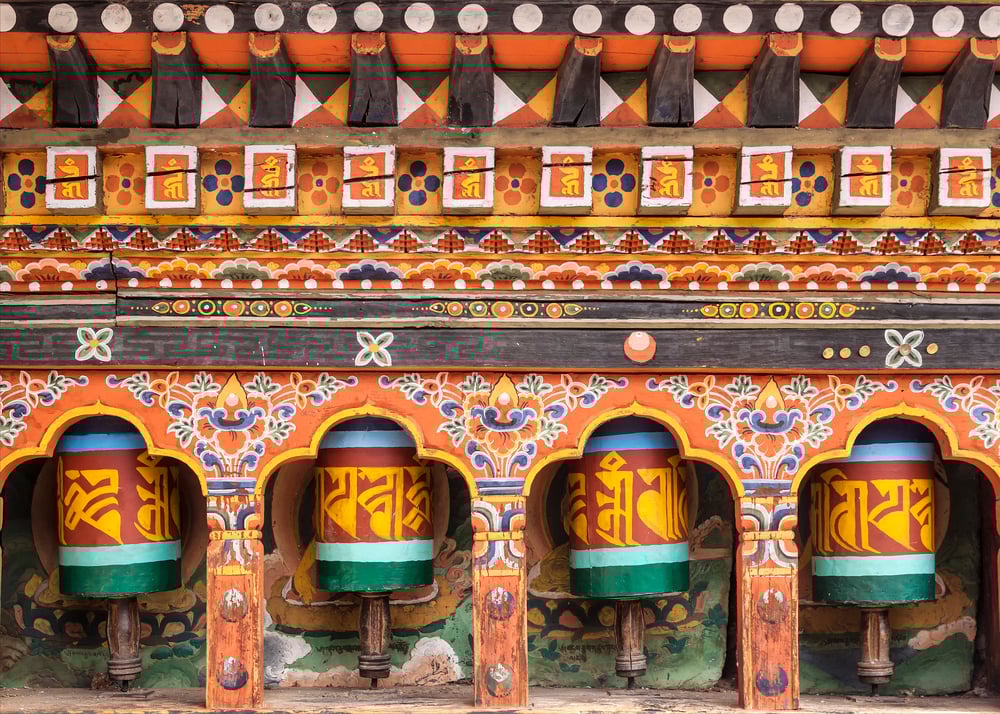
A lot of countries talk about becoming carbon neutral. Bhutan is already carbon negative, meaning it absorbs more carbon dioxide than it produces.
5. Plastic Bags Were Banned Early

Bhutan banned plastic bags in 1999. That was long before most of the world started having serious conversations about plastic waste.
6. Buddhism Shapes Nearly Everything
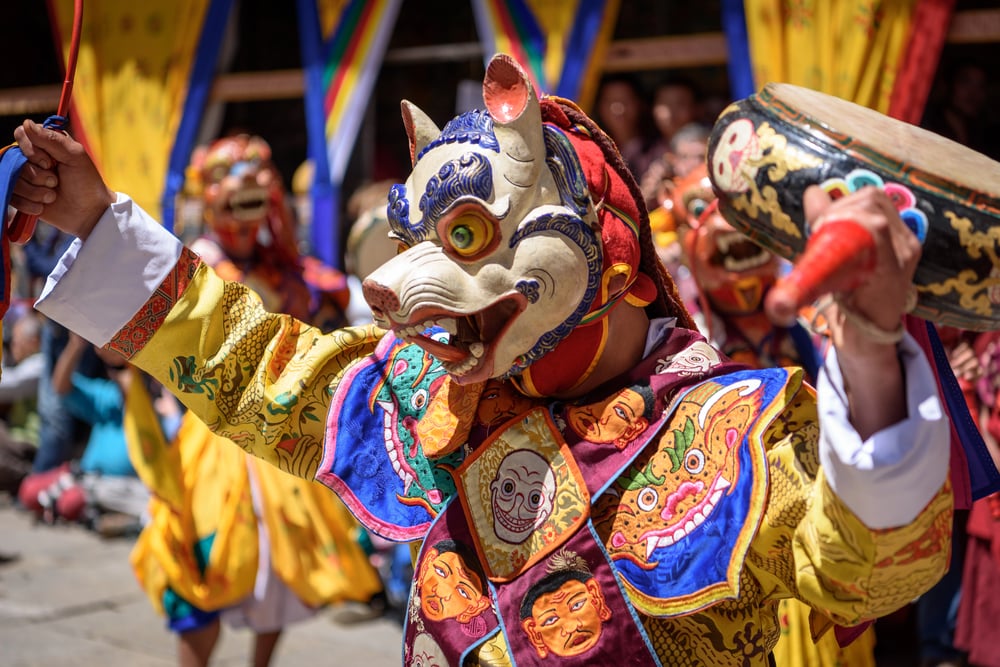
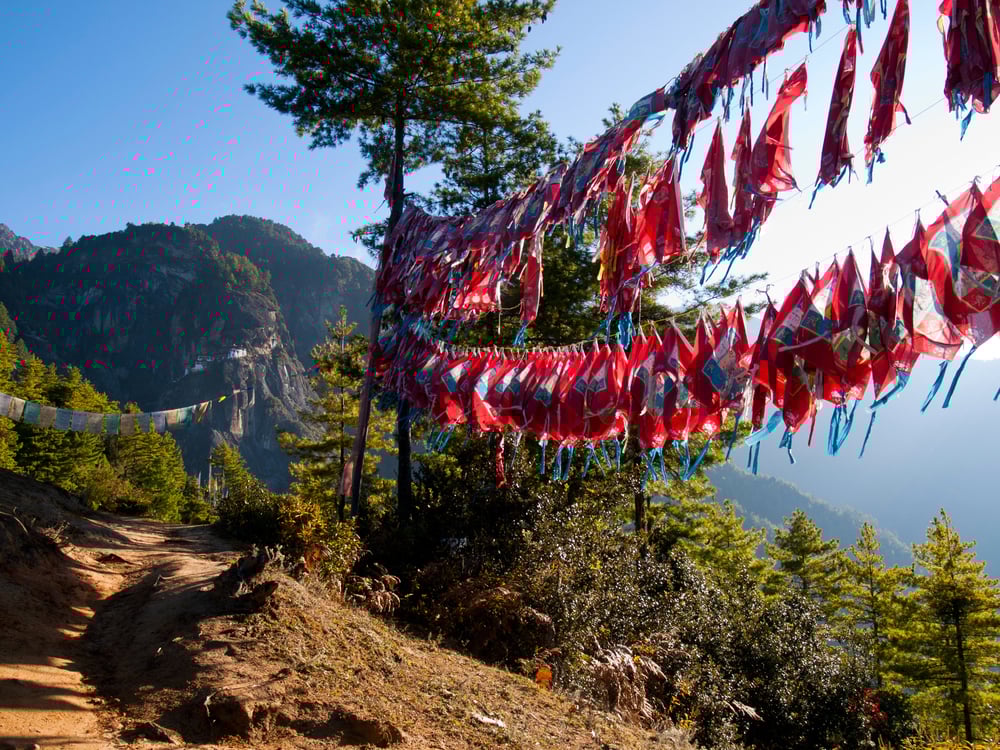
Around 75% of the population practices Vajrayana Buddhism, and it’s hard to overstate how much this shapes daily life. Prayer flags flutter from rooftops and mountain passes.
7. Archery Is the National Sport
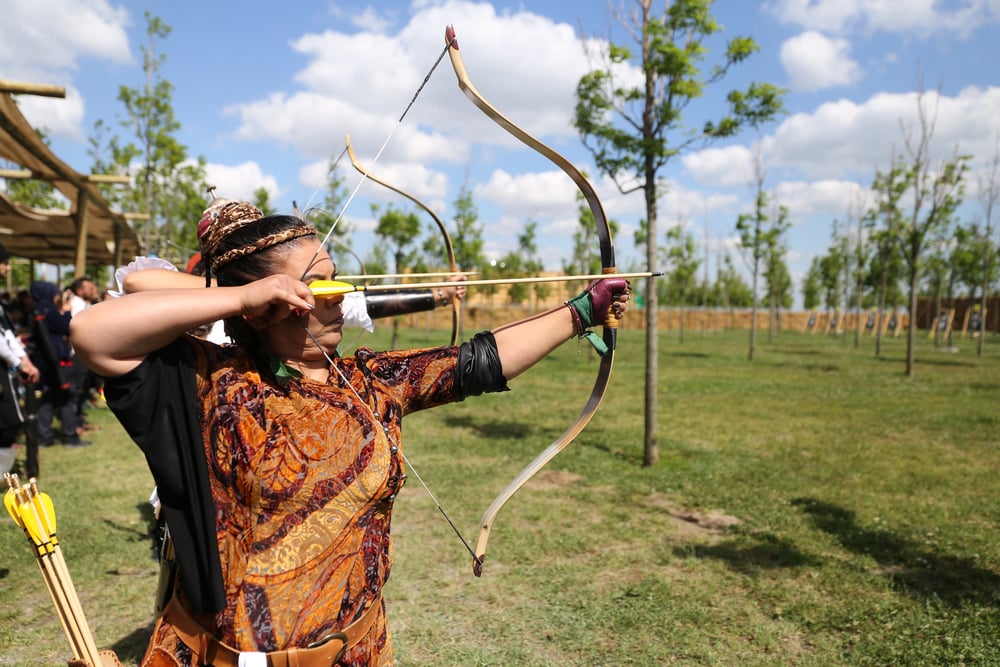
Bhutan’s national sport isn’t something most people would guess. Archery has been practiced here for centuries, and the modern version involves competitors shooting at targets placed 145 meters apart.
8. Television Arrived in 1999

Bhutan held out on television for a long time. The country only introduced TV and the internet to the public in 1999, becoming one of the last places in the world to do so.
9. The Roads Are Relatively New Too
Bhutan had no paved roads until the 1960s. Before that, everything moved on foot or by mule.
10. The Population Is Tiny

For all its outsized reputation, Bhutan is home to fewer than 800,000 people. That makes it one of the least populated countries in Asia.
11. Bhutanese Architecture Follows Strict Rules

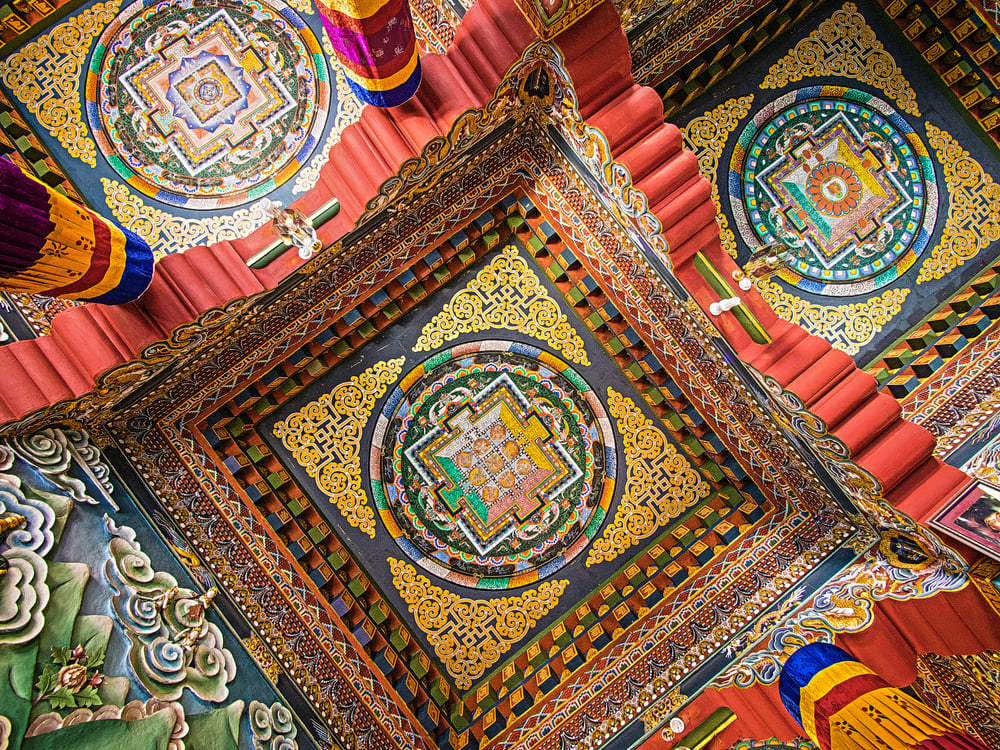
Buildings in Bhutan have to follow traditional architectural guidelines. New construction must incorporate traditional designs — specific window styles, sloped roofs, ornate wooden detailing.
12. The Monarchy Is Relatively Young
Bhutan became a constitutional monarchy in 2008, transitioning from an absolute monarchy. The current king, Jigme Khesar Namgyel Wangchuck, took the throne in 2006 and is widely popular.
13. The Tiger’s Nest Is Real
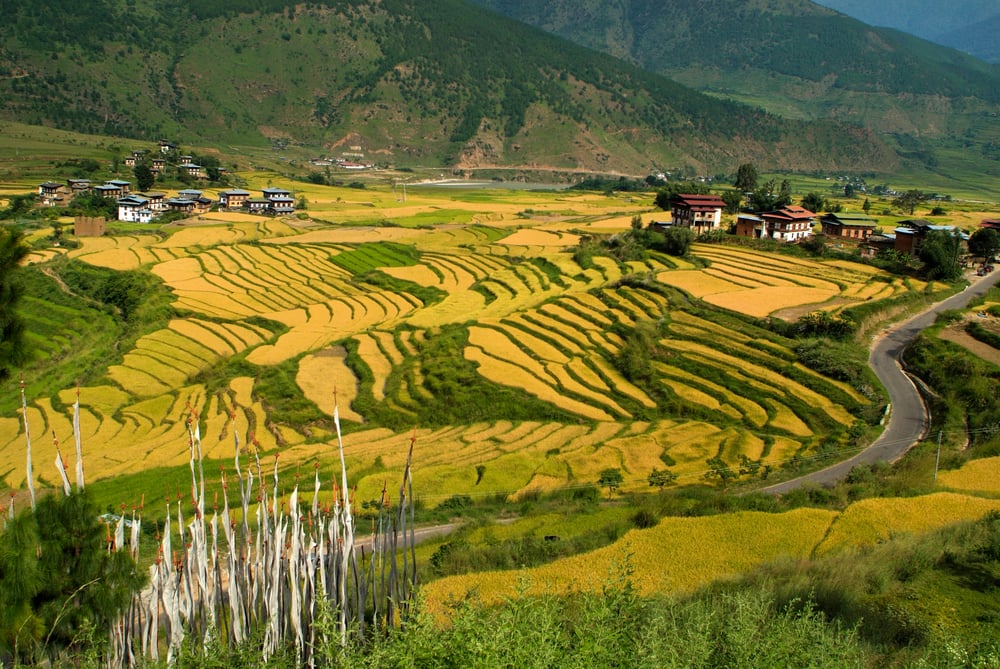
High above the Paro Valley, tucked into sheer rock walls, sits Paro Taktsang – often known as Tiger’s Nest. This monastery hangs 900 meters up, built right into the edge of a cliff.
14. They Use a Different Calendar
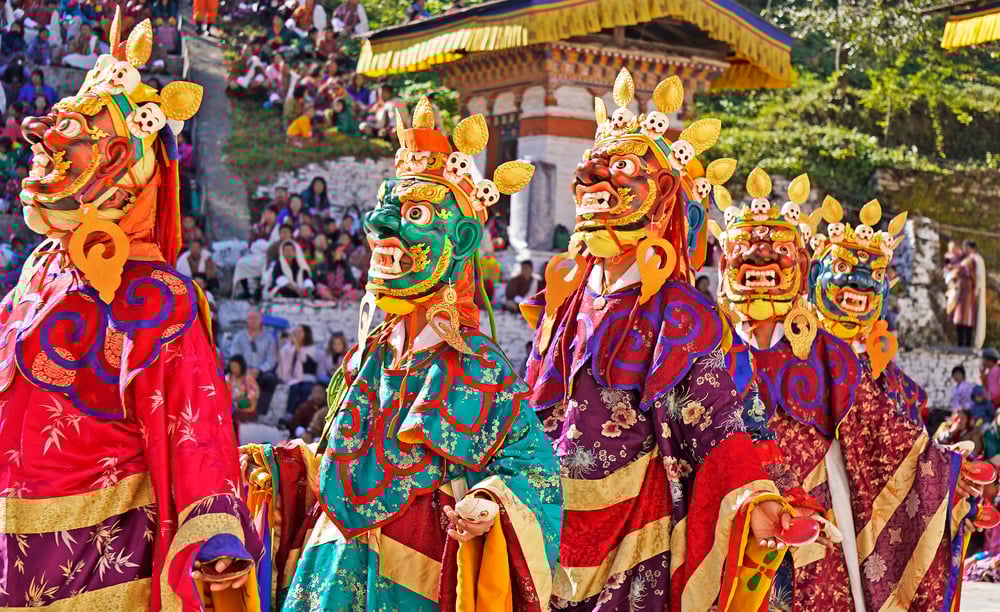
On certain days, Bhutan follows an old moon-based system for ceremonies while also using the modern yearly count. Festivals known as Tsechus happen when that older cycle says it’s time – moments deeply rooted in how people live there.
15. Happiness Changes Just Like Everything Else
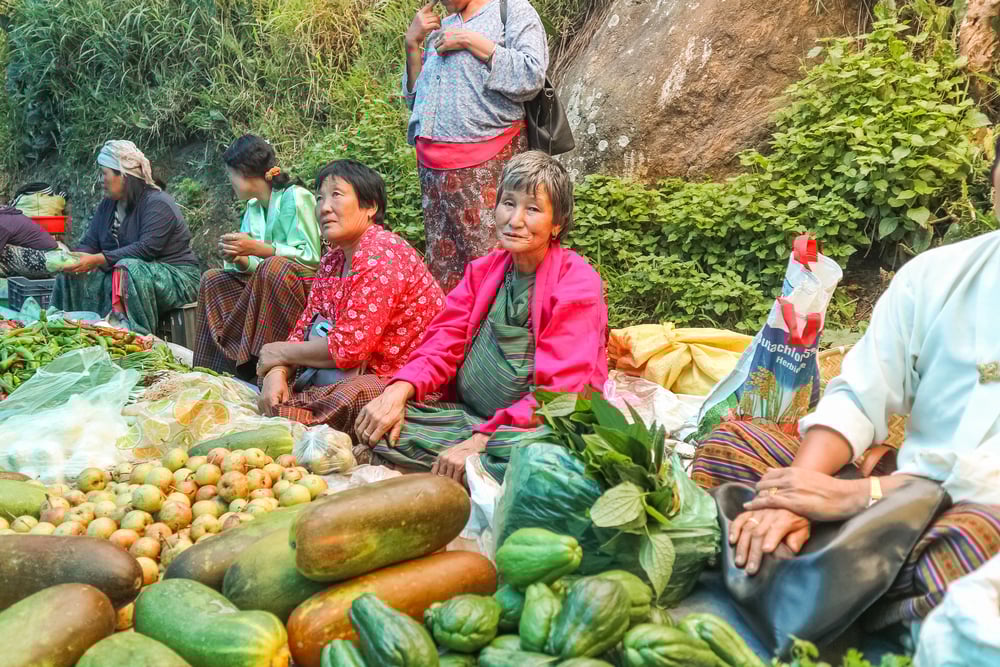
Bhutan could seem like some perfect answer to modern life. Not so fast. Real struggles live here too – young people without jobs, villages emptying as folks move to towns, outside forces tugging at a tucked-away way of being.
A Kingdom That Embraced Slow
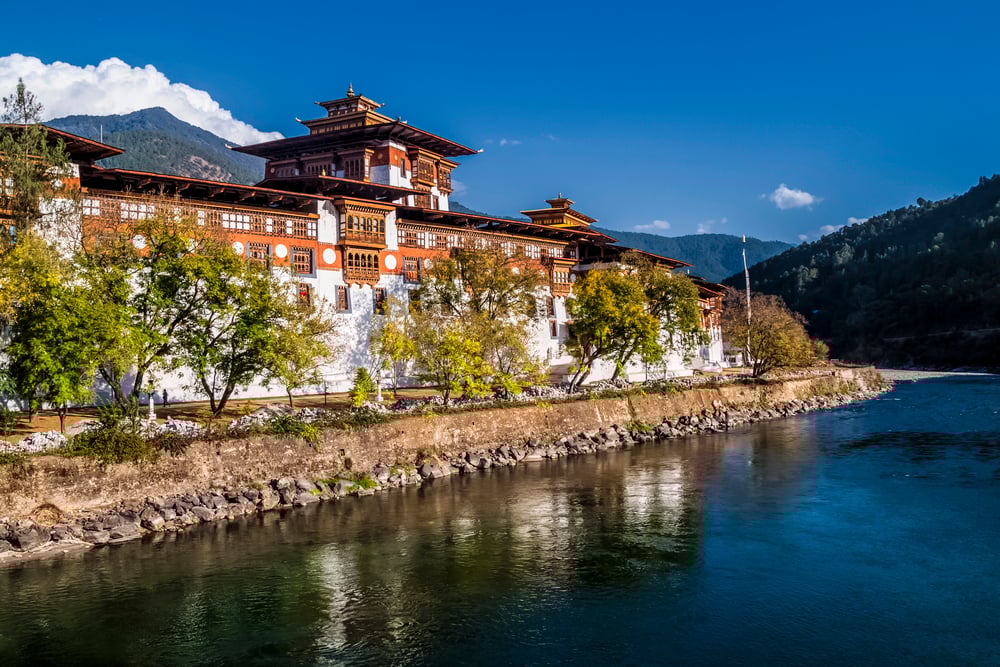
Slowing down became the norm while everywhere else raced ahead. Bhutan took another path – not from lack of progress, but from choice, guided by quiet conviction.
More from Go2Tutors!

- The Romanov Crown Jewels and Their Tragic Fate
- 13 Historical Mysteries That Science Still Can’t Solve
- Famous Hoaxes That Fooled the World for Years
- 15 Child Stars with Tragic Adult Lives
- 16 Famous Jewelry Pieces in History
Like Go2Tutors’s content? Follow us on MSN.