15 Lesser-Known Pyramids You’ve Never Heard Of
When most people think of pyramids, their minds immediately conjure images of the iconic structures at Giza or perhaps the step pyramids of Central America. These architectural marvels have become so synonymous with ancient achievement that they overshadow hundreds of equally impressive pyramid structures scattered across the globe.
Beyond the famous examples lie remarkable pyramid complexes built by diverse civilizations, each with unique designs, purposes, and historical significance that often escape public attention. Here is a list of 15 fascinating pyramid structures that deserve more recognition.
These structures showcase the global nature of this architectural form and the ingenious variations that different cultures developed.
Pyramid of Cestius
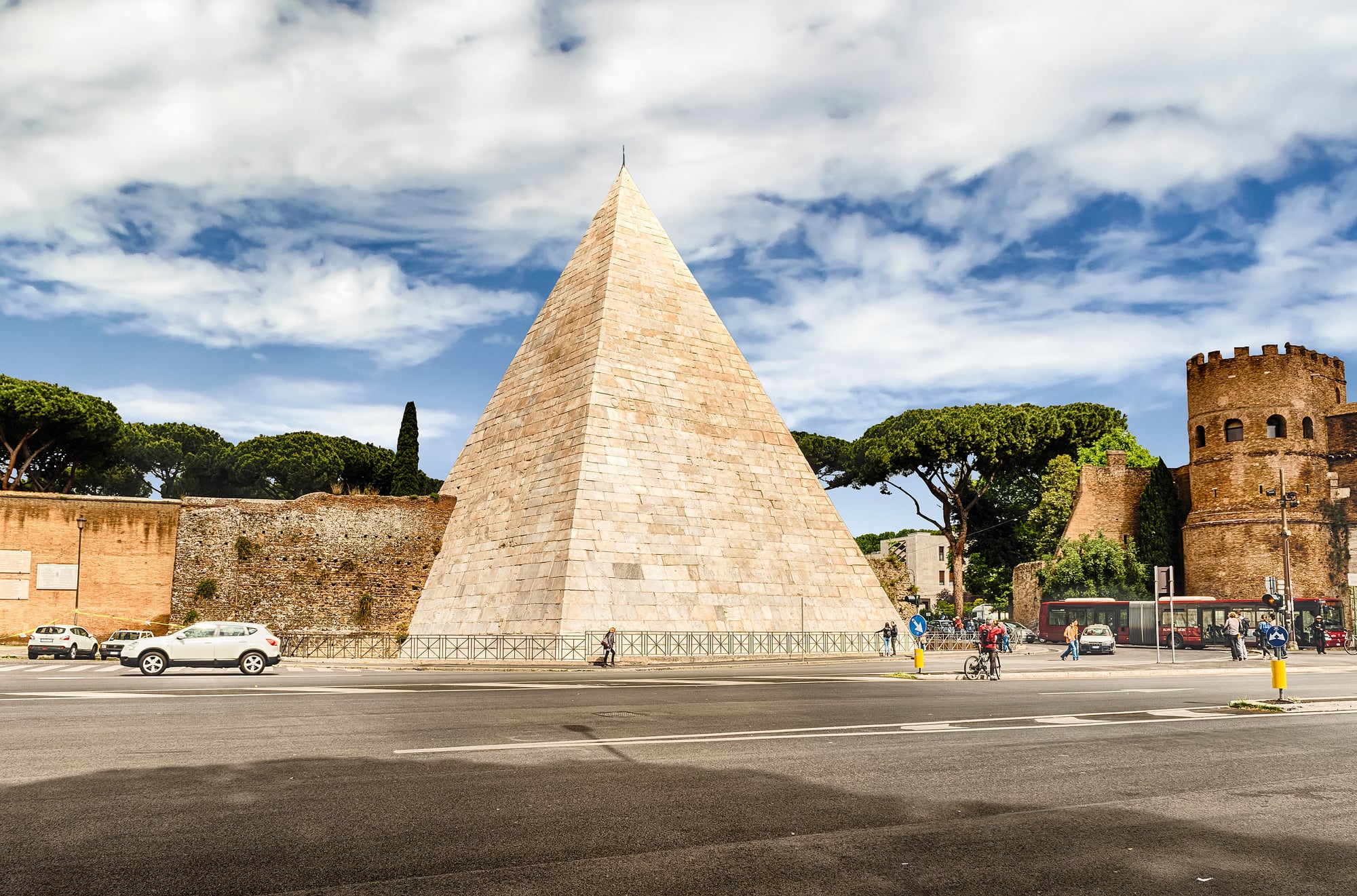
Hidden in plain sight within Rome’s city limits stands a foot-tall pyramid built around BC as a tomb for Roman magistrate Gaius Cestius. This unusual structure represents the Roman fascination with Egyptian culture following their conquest of the region, featuring a much steeper angle than authentic Egyptian pyramids.
The monument was later incorporated into the Aurelian Walls that surrounded ancient Rome, helping preserve it while many other Roman structures deteriorated over the centuries.
Nubian Pyramids

Sudan actually contains more pyramids than Egypt, with over distinct pyramid structures scattered across ancient Nubian lands. These monuments, built for the monarchs of Kush and Nubia, feature distinctive steep sides and relatively small bases compared to their Egyptian counterparts.
Despite being constructed nearly years after the Egyptian pyramids that likely inspired them, these impressive structures remain remarkably well-preserved in the desert landscape around cities like Meroë, where dozens create a stunning skyline far from typical tourist routes.
Like Go2Tutors’s content? Follow us on MSN.
El Tajín Pyramids
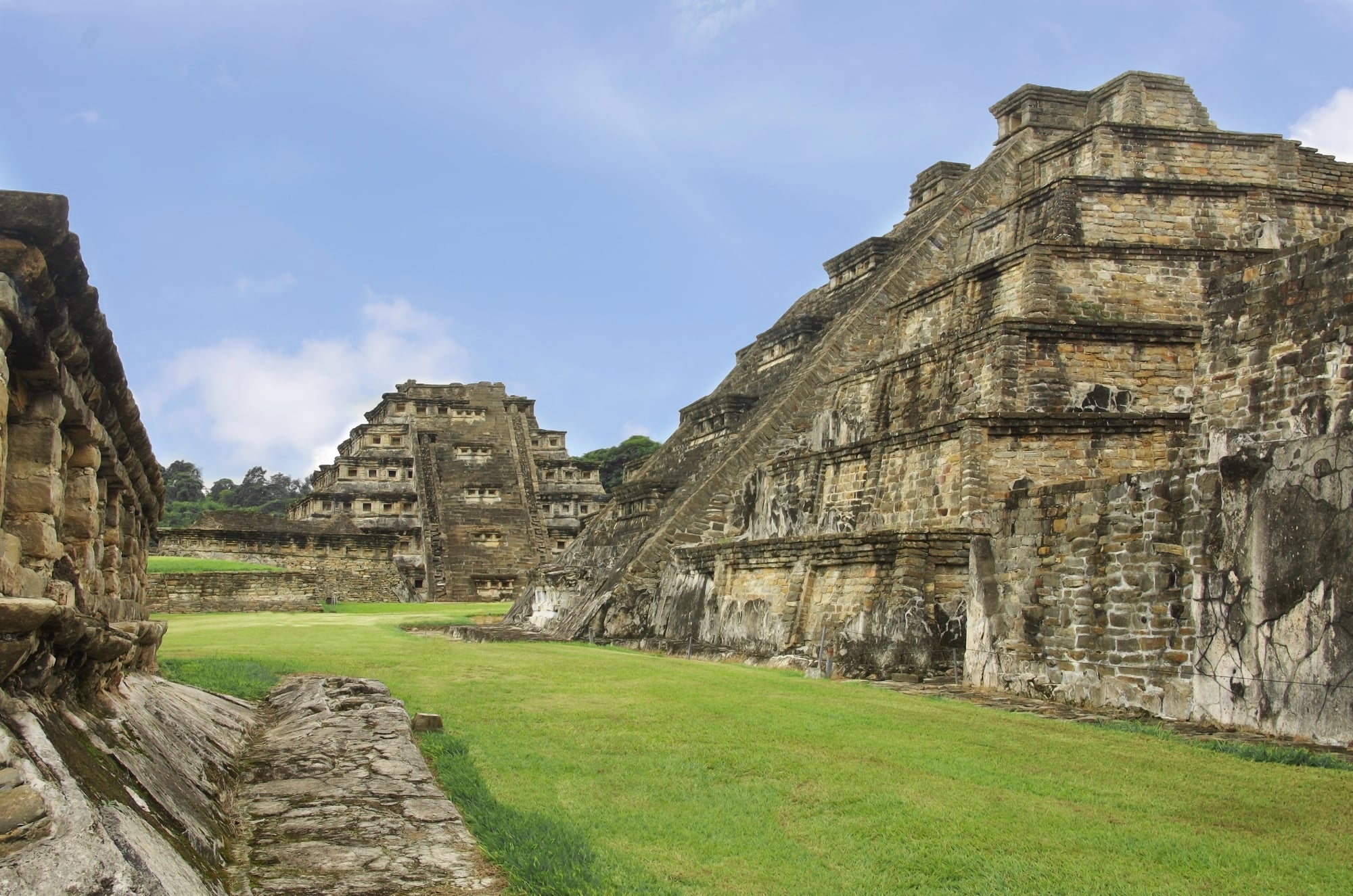
Located in the Mexican state of Veracruz, the Pyramid of the Niches at El Tajín features recessed niches embedded across its seven terraced levels, likely corresponding to the solar calendar. This architectural wonder formed part of a major urban center that flourished between CE, yet receives a fraction of the visitors who flock to better-known Mexican archaeological sites.
The pyramid’s distinctive design, with its perfect mathematical precision and symmetry, demonstrates the sophisticated astronomical knowledge of the Totonac civilization who constructed it.
Monte d’Accoddi

Sardinia hosts what appears to be the Mediterranean’s only true ziggurat-style pyramid, a unique structure dating to approximately BCE. This ancient monument combines elements of Near Eastern ziggurats with local architectural traditions, suggesting possible cultural exchange far earlier than many historians previously believed.
Originally topped with a small temple reached by a long ramp, this structure predates many more famous pyramids and challenges assumptions about the isolated development of Mediterranean island cultures during the Copper Age.
Pyramids of Güímar

Tenerife in the Canary Islands features six stepped pyramids whose origins remain contentious among archaeologists and historians. While some researchers claim they represent merely agricultural stone terraces built in the century, others point to their precise astronomical alignments with solstice events and potentially ancient construction techniques.
The structures gained international attention when Thor Heyerdahl, famous for the Kon-Tiki expedition, suggested possible connections between these formations and step pyramids found in Mexico and ancient Mesopotamia.
Like Go2Tutors’s content? Follow us on MSN.
Pyramid of Hellinikon

Greece may seem an unlikely location for pyramids, yet near the village of Argos stands an ancient structure believed to date from approximately BCE. Built from large limestone blocks without mortar, this mysterious pyramid features a perfectly preserved corbeled arch entrance and internal chambers unlike typical Greek architecture of any period.
The unusual construction methods and orientation have generated numerous theories about its purpose, from a soldier monument to an astronomical observatory, though its dating and purpose remain subjects of academic debate.
Pyramid of Teopanzolco
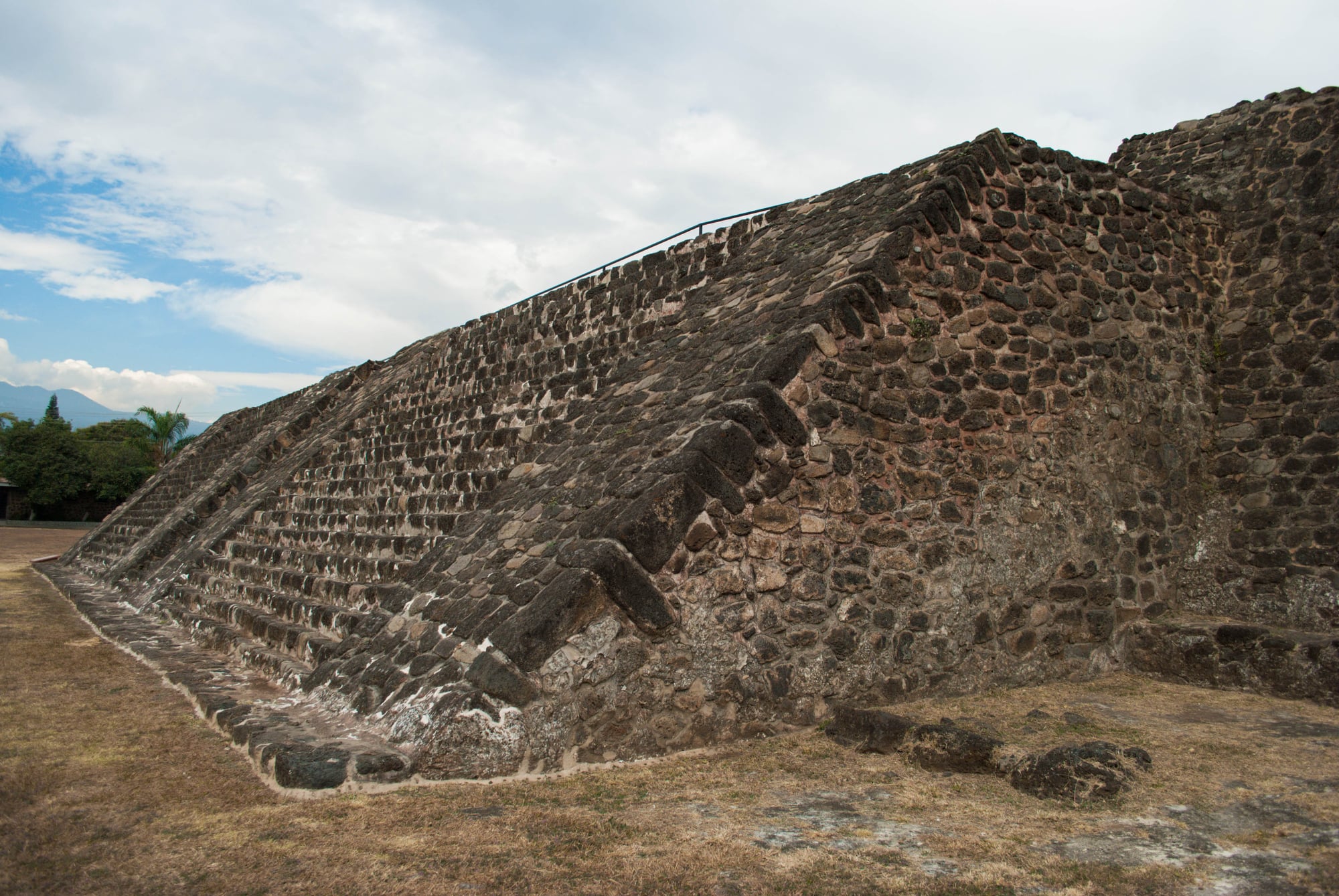
This Aztec pyramid complex at present-day Cuernavaca, overshadowed by its more well-known neighbors at Teotihuacan, features a distinctive double pyramid shape with two staircases leading to distinct temples devoted to various deities. A previously unidentified older structure inside the pyramid was discovered by recent earthquake damage, indicating that it was constructed on top of an ancient sacred site that dates to around CE.
The architectural style offers important insights into the transfer of architectural knowledge throughout Mesoamerican civilizations by illustrating a shift between Toltec and Aztec design principles.
Chogha Zanbil
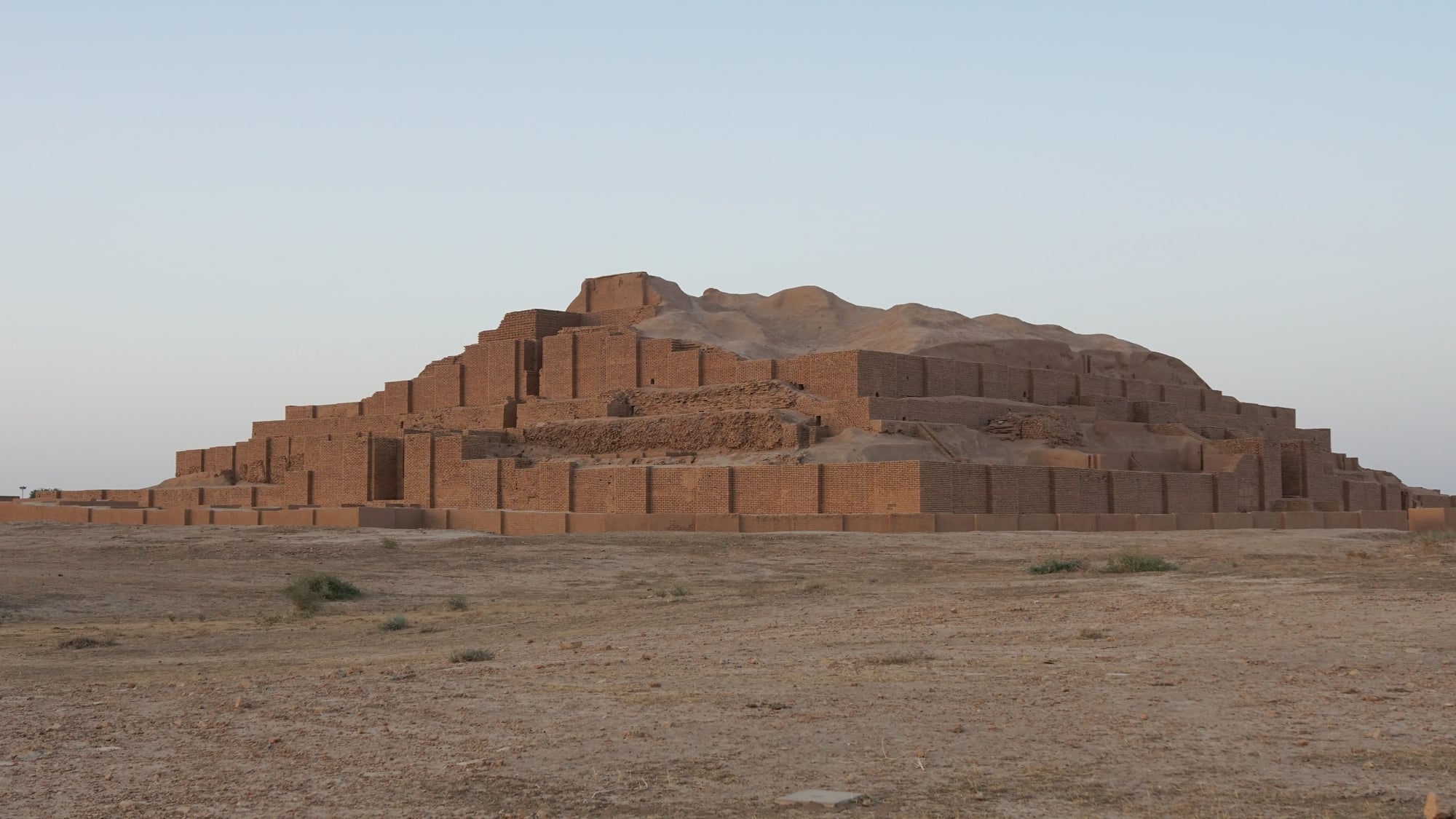
Iran hosts one of the world’s best-preserved ziggurats, a massive five-story pyramid structure built around BCE in the ancient Elamite city of Dur Untash. This UNESCO World Heritage site originally stood feet tall and featured a distinctive square spiral design with an inner sanctum accessible only to priests and royalty.
The structure’s mud bricks contain inscriptions in cuneiform, many still legible today, detailing religious practices and royal proclamations that offer rare insights into this often-overlooked ancient civilization.
Like Go2Tutors’s content? Follow us on MSN.
Monks Mound
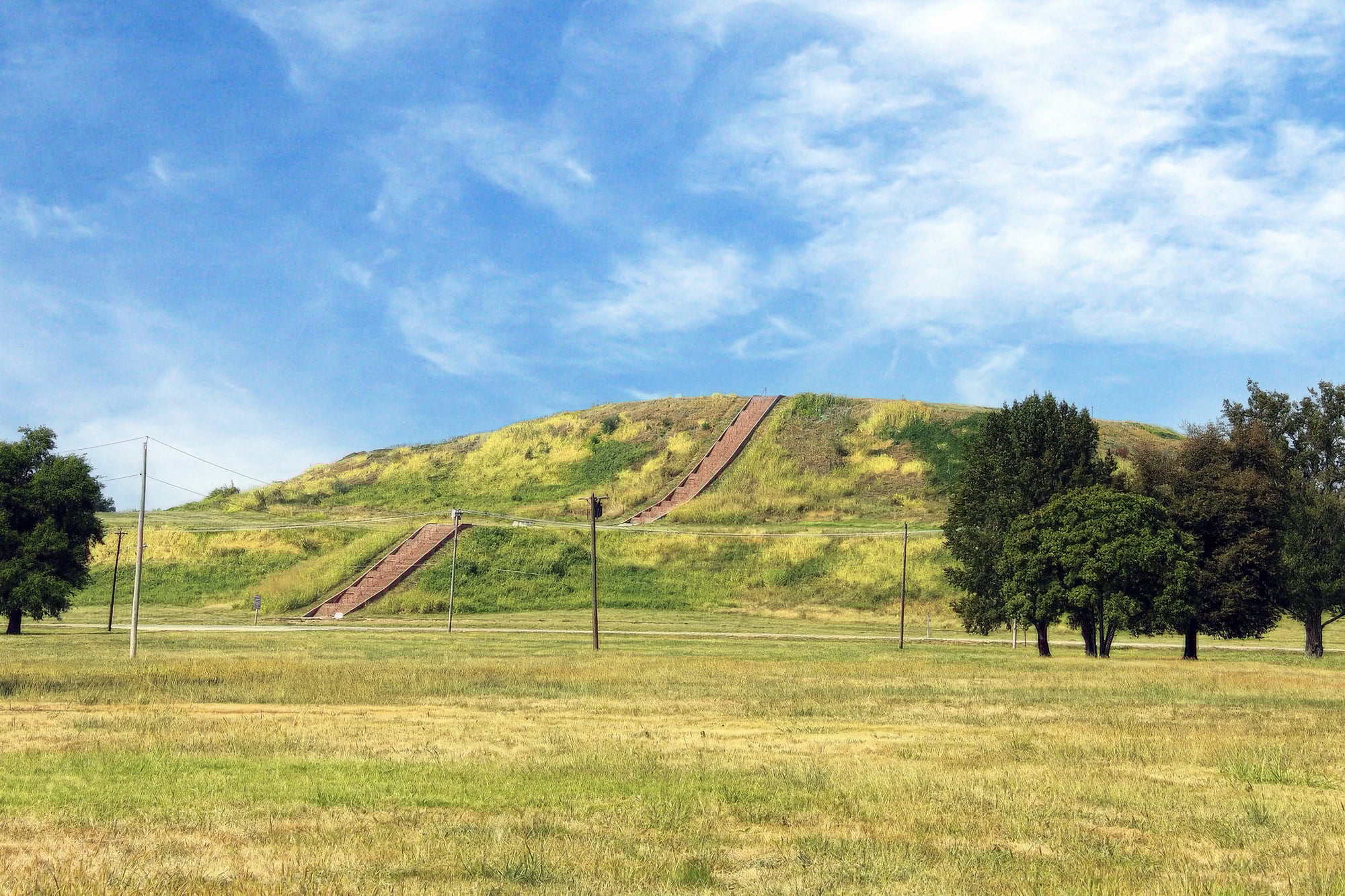
North America’s largest prehistoric earthen construction stands not in Mexico but in Illinois, where the Cahokia civilization constructed enormous pyramid-shaped mounds across their metropolitan center. The largest, Monks Mound, contains over million cubic feet of earth, creating a massive terraced pyramid structure that once supported a large wooden temple.
This engineering feat, completed without metal tools, draft animals, or wheeled vehicles around CE, demonstrates the sophisticated capabilities of pre-contact North American societies rarely acknowledged in mainstream historical narratives.
Pyongyang Pyramid

North Korea’s capital features one of the world’s largest modern pyramids, the unfinished Ryugyong Hotel rising feet over the city skyline. Construction began in as a Cold War statement of national prowess but halted due to engineering problems and economic troubles, leaving the structure empty for decades.
After resuming exterior completion in , the story pyramid-shaped skyscraper stands as a surreal monument to architectural ambition, though its interior reportedly remains largely unfinished despite its striking glass and concrete exterior.
Pyramid of Djoser
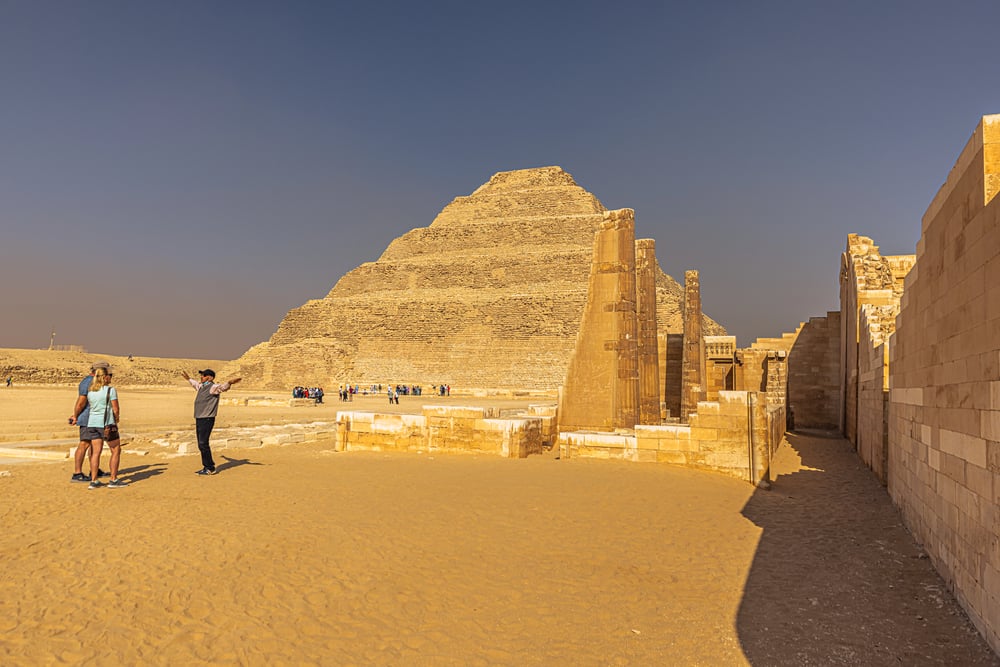
Egypt’s first pyramid is not completely unknown, although despite its revolutionary historical significance, it is visited significantly less frequently than its Giza brethren. Around BCE, the renowned architect Imhotep created this step pyramid, which marks the significant shift from basic mastaba tombs to actual pyramid construction.
The complex that surrounds it contains the oldest large-scale stone structures in the world, including impressive fluted columns that predate comparable Greek designs by more than years. All of these structures are preserved within a vast ceremonial courtyard that served as a model for subsequent royal monuments that would be built for millennia.
Like Go2Tutors’s content? Follow us on MSN.
Bosnian Pyramid
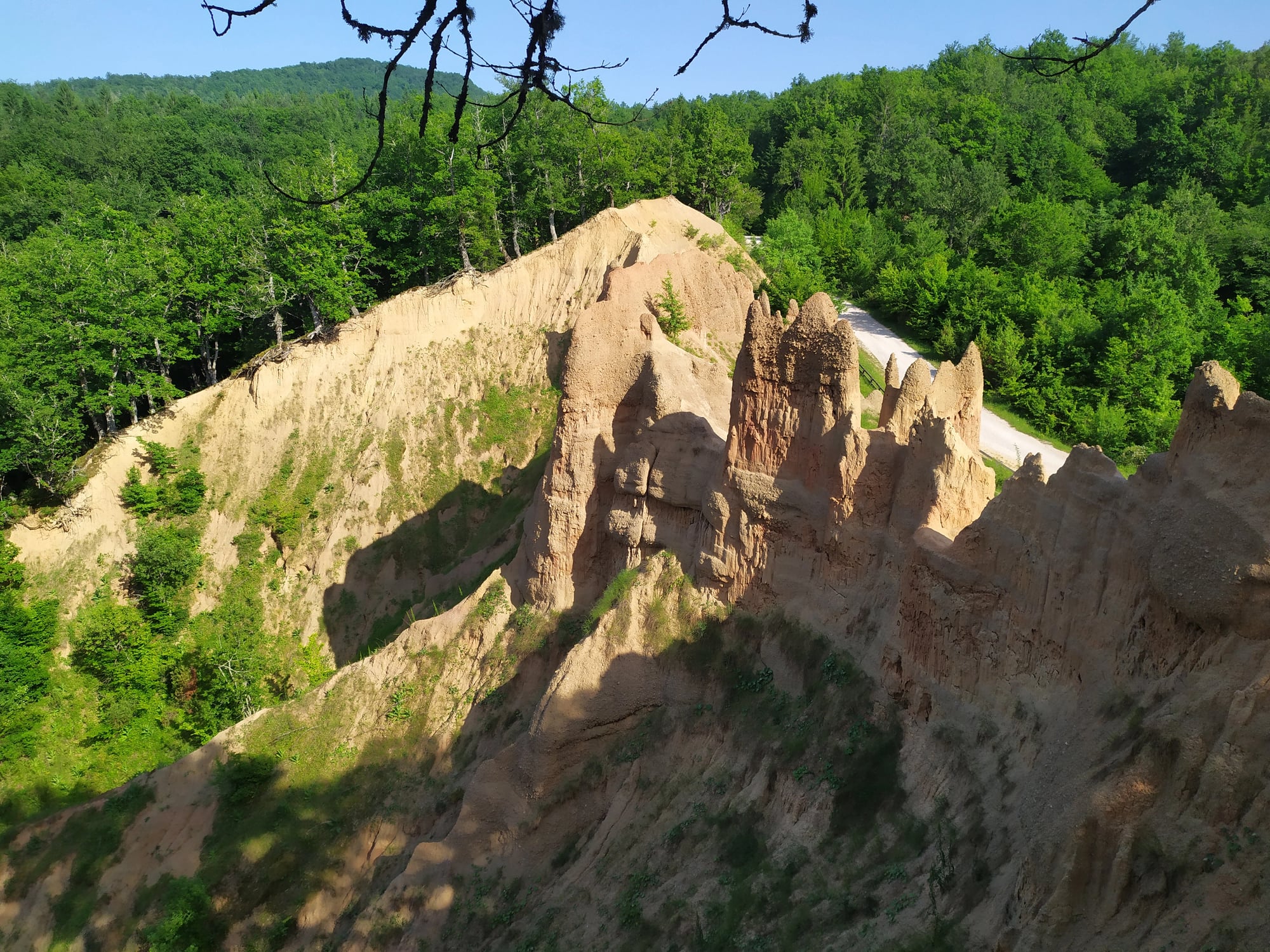
Controversy surrounds the hills near Visoko, Bosnia, which some researchers claim represent the world’s largest and oldest pyramids, potentially dating back years. Mainstream archaeologists overwhelmingly consider these natural formations rather than human-made structures, pointing to typical geological processes that can create pyramid-shaped hills.
Nevertheless, the site attracts thousands of visitors and amateur researchers annually who point to allegedly discovered underground tunnels and perfectly aligned corners as evidence of ancient construction, making it one of archaeology’s most contentious modern debates.
Pyramid of Cholula
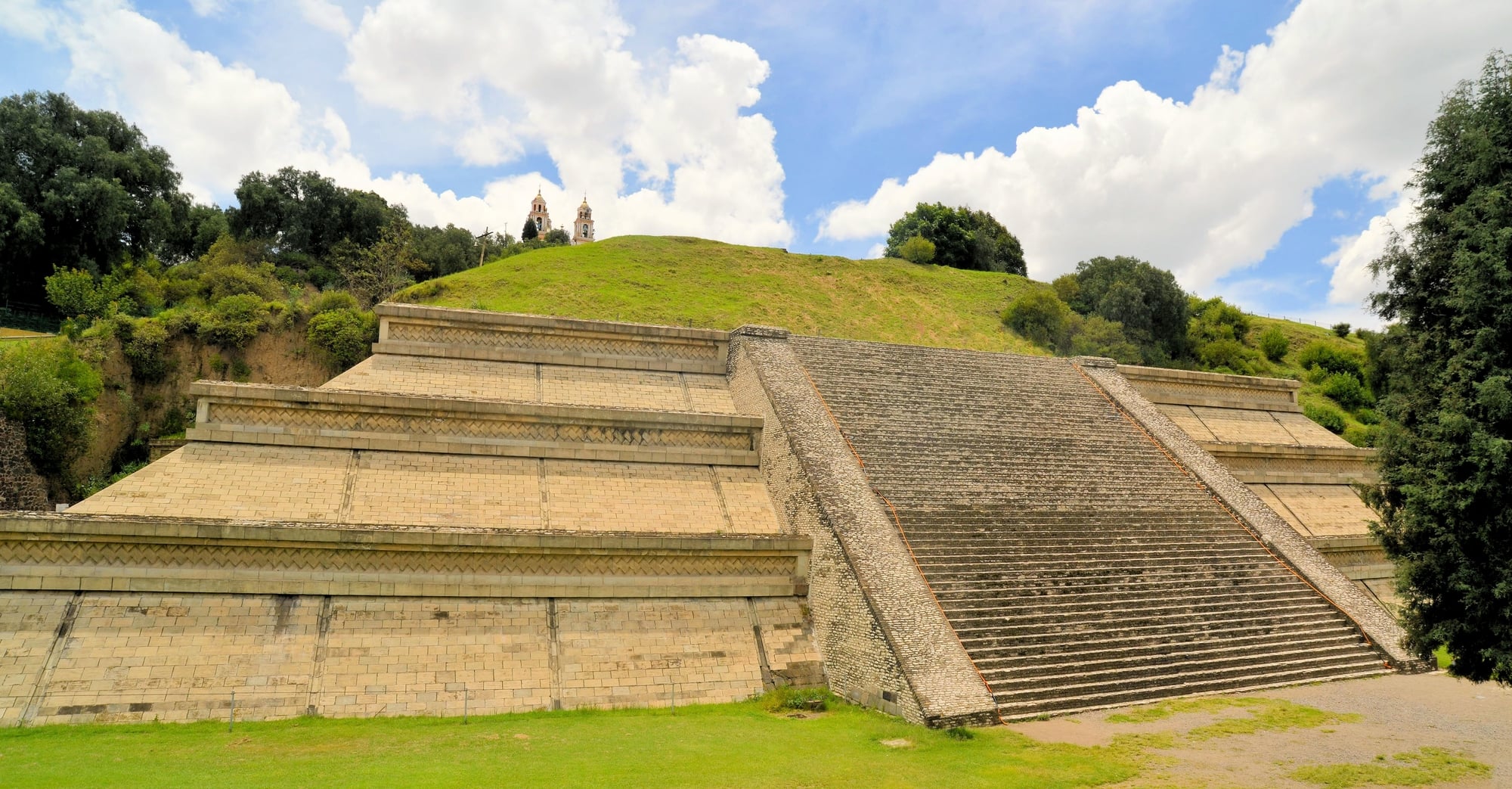
The largest pyramid by volume in the world stands not in Egypt but in Mexico, where the Great Pyramid of Cholula covers nearly acres and reaches feet high. This massive structure, easily mistaken for a natural hill with a colonial church built on top, contains multiple construction phases beginning around BCE.
Archaeological work has uncovered only about of the structure, revealing elaborate murals, altars, and evidence of astronomical alignment that indicate its importance as a religious center across multiple pre-Colombian civilizations spanning nearly years of continuous use.
Pyramids of Xochicalco
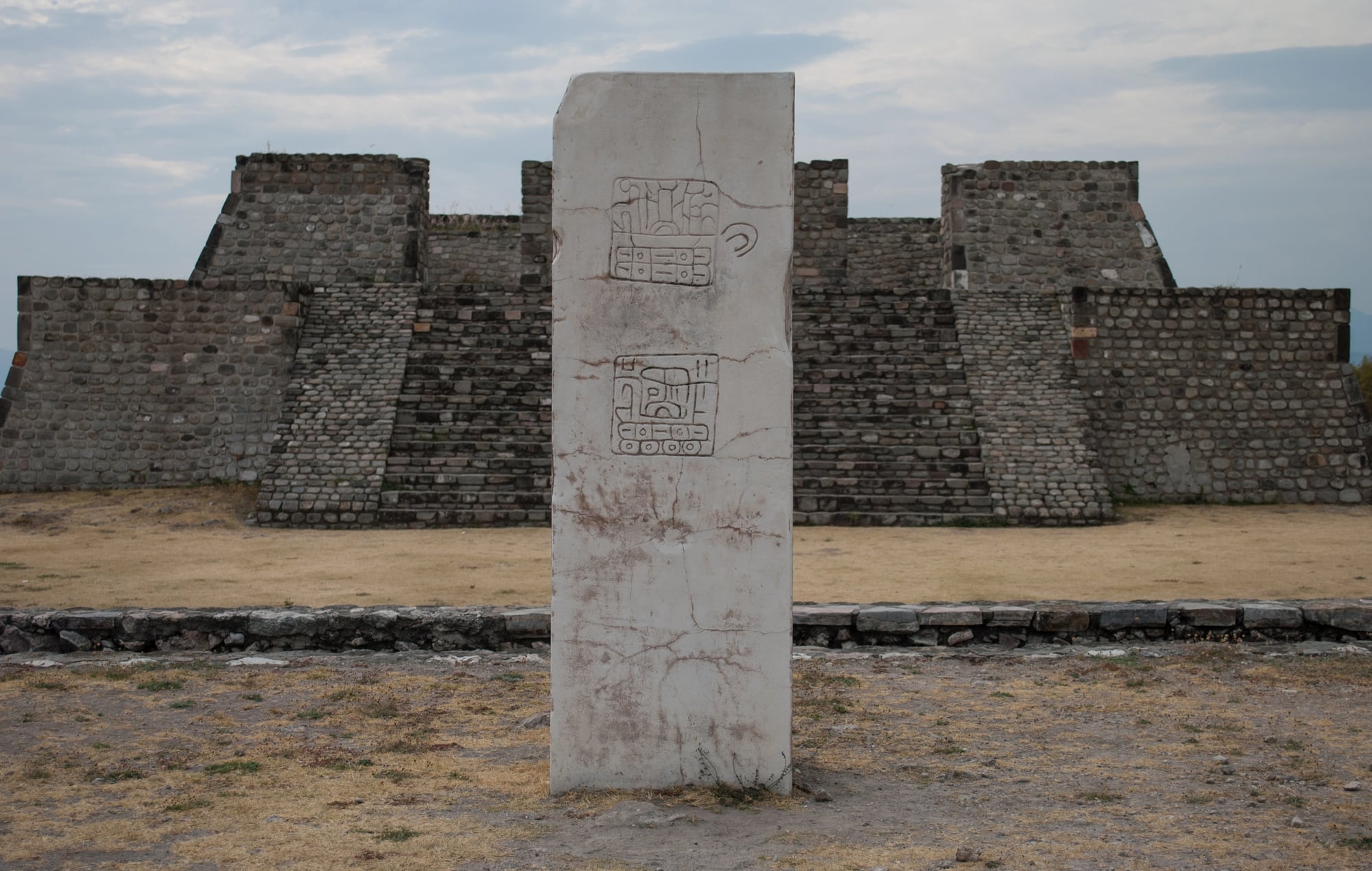
Perched on a hilltop in central Mexico, these pyramids feature some of the most intricate astronomical carvings found anywhere in the ancient world. The Temple of the Feathered Serpent contains detailed reliefs showing what many archaeologists interpret as a Venus calendar, alongside images of rulers from different Mesoamerican cultures.
This cosmopolitan trading center, flourishing between CE after Teotihuacan’s decline, served as a meeting place for diverse cultural traditions, resulting in architectural elements combining styles from multiple civilizations into a unique synthetic expression.
Like Go2Tutors’s content? Follow us on MSN.
La Danta Pyramid
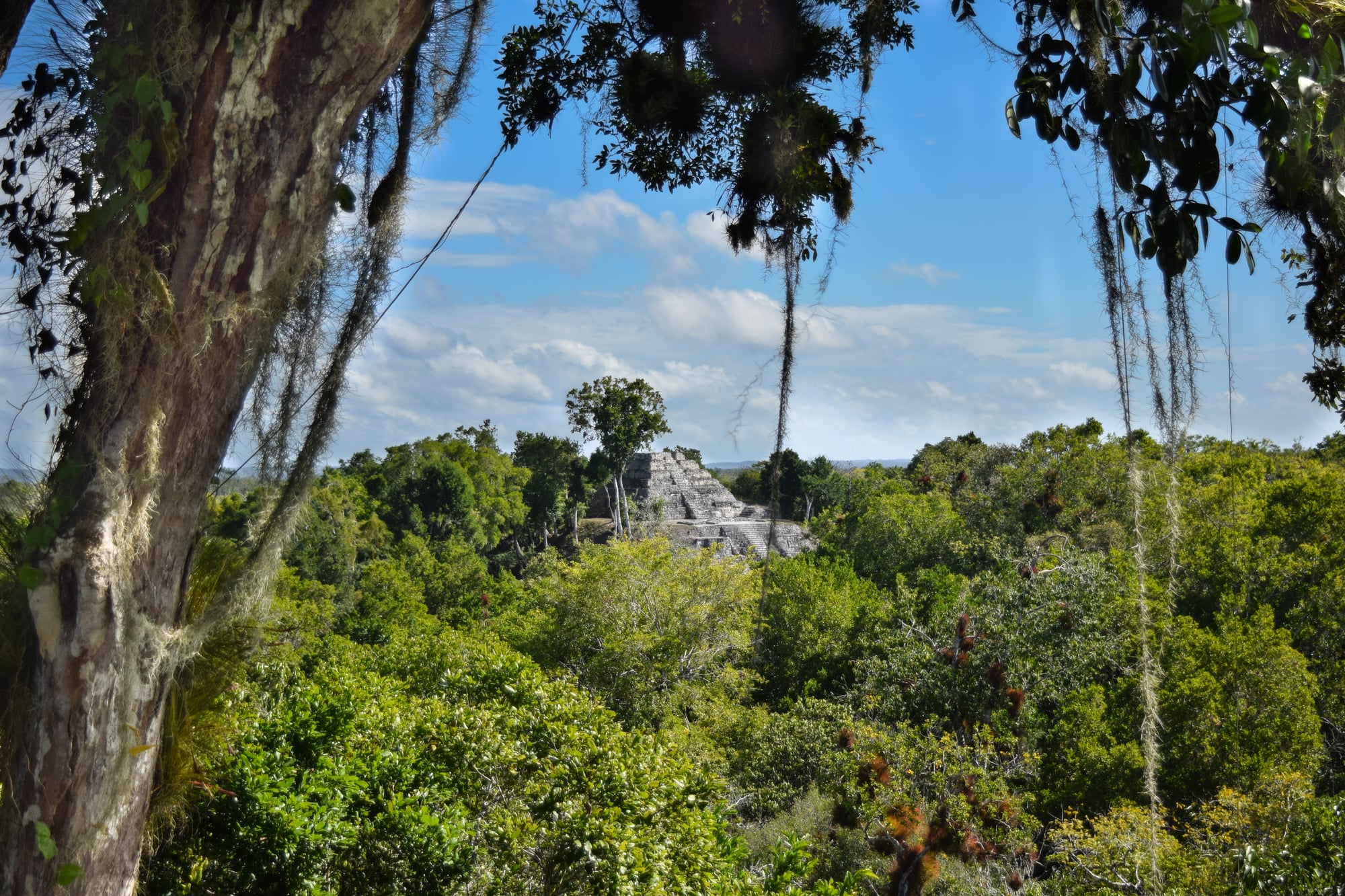
Rising feet from the jungle floor in Guatemala’s El Mirador Basin, this massive Maya structure may rank as the most voluminous pyramid in the world, with an estimated million cubic feet of material. Despite its enormous size, this archaeological wonder remains relatively unknown because reaching it requires a challenging two-day jungle trek.
The complex predates the better-known Classic Maya period, having been constructed during the Preclassic era around BCE, suggesting Maya architectural sophistication developed far earlier than many popular accounts suggest.
Beyond the Shadow of Giza

These lesser-known pyramids reveal how this architectural form captured human imagination across continents and millennia, adapted to diverse cultural needs from royal tombs to astronomical observatories, religious temples to modern expressions of national aspiration. The shared human impulse to build upward toward the sky manifested in remarkably similar structures despite vast distances and limited contact between many of these civilizations.
Each pyramid tells a unique story about the society that created it, from their mathematical understanding and engineering capabilities to their religious beliefs and political organization. While the famous pyramids deservedly attract attention for their scale and preservation, these overlooked examples demonstrate that pyramid building represented a nearly universal architectural language spoken across ancient cultures worldwide rather than the achievement of just a few famous civilizations.
More from Go2Tutors!

- 16 Restaurant Chains That Went Too Fast
- 12 Things Sold in the 80s That Are Now Illegal
- 15 Strange Things People Have Tried to Ban (And Failed)
- 16 Collectibles People Tossed Out Too Soon
- 17 Myths from Your Childhood That Were Actually Based on Real Things
Like Go2Tutors’s content? Follow us on MSN.



