15 Facts About The Louvre Museum
Home to the ‘Mona Lisa’ and the ‘Venus de Milo,’ the Louvre in Paris draws crowds far and wide. Millions step through its doors every year, pulled by layers of art stacked across time.
Though grand in scale, it feels intimate up close. Centuries live within those walls – painted, carved, built.
Few places hold so much while seeming to whisper rather than shout. Built long ago as a stronghold, the Louvre slowly changed shape across centuries.
Not just galleries and statues now, it grew quietly into the biggest home for art on Earth. What if the Louvre held secrets beyond paintings?
Its scale whispers stories few expect. Size alone doesn’t capture its rhythm – centuries pulse through hallways.
Imagine corridors where empires quietly unfold. Not just art, but time stacked in layers.
Each fact peels back something hidden beneath grandeur.
It Started As A Medieval Fortress
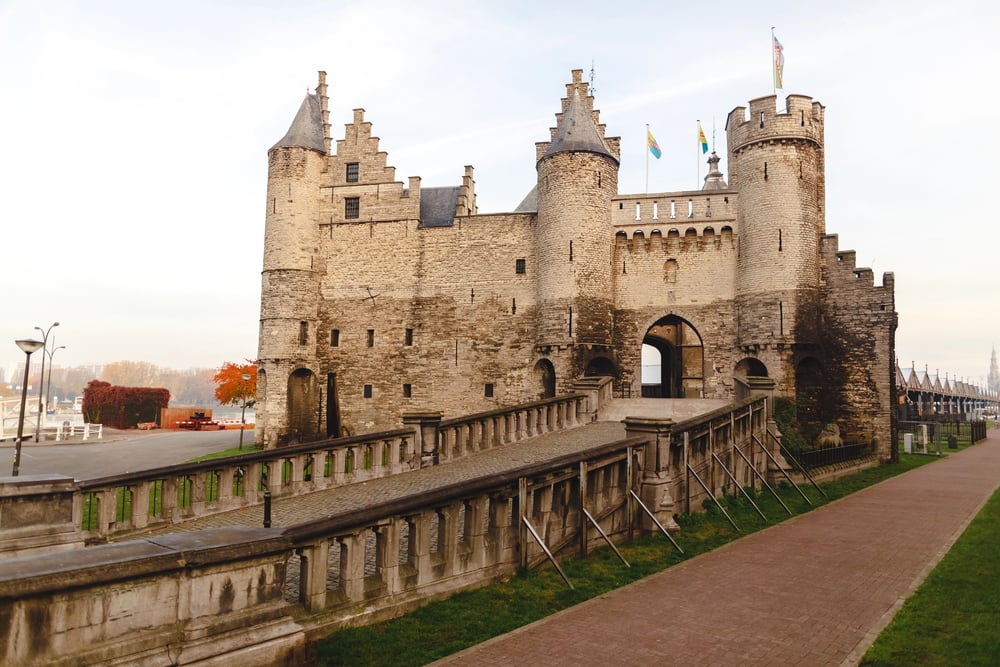
Long before it became a museum, the Louvre began as a defensive fortress built in the late 12th century. King Philip II ordered the construction around 1190 to protect Paris from potential invasions while he was away on the Third Crusade.
The structure included thick stone walls, towers, and a massive central keep designed for military defense. Over time, however, the fortress lost its strategic importance as Paris expanded and new fortifications were built elsewhere.
Even today, visitors can still see remnants of those original foundations in the museum’s basement, offering a glimpse into the Louvre’s earliest chapter.
It Became A Royal Palace
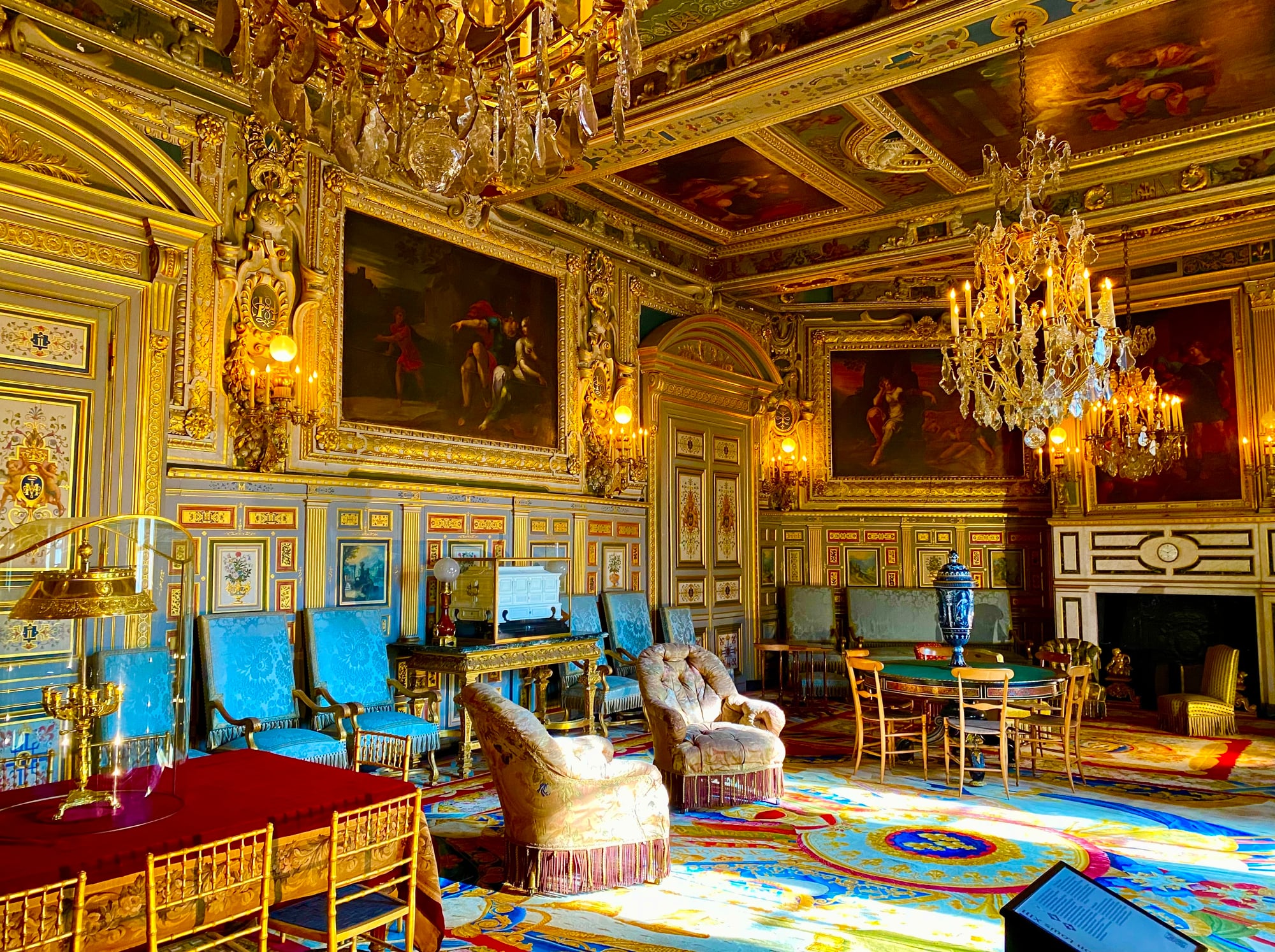
During the 16th century, the Louvre began transforming from a fortress into a royal residence. French kings gradually renovated the building, replacing defensive features with elegant halls and grand living spaces.
King Francis I played a major role in this transformation. A passionate supporter of the arts, he invited Italian artists to France and began assembling an impressive royal art collection.
That collection eventually formed the foundation of what would later become the museum’s holdings. For several centuries, French monarchs continued expanding and decorating the palace, turning it into a symbol of royal power and cultural prestige.
The Museum Opened During The French Revolution
The Louvre officially became a public museum in 1793 during the French Revolution. Revolutionary leaders believed that art once owned by the monarchy should belong to the people of France.
The newly opened museum displayed several hundred artworks taken from royal collections and confiscated estates. At the time, the concept of a national museum open to the public was still relatively new.
This decision helped transform the Louvre into a cultural institution rather than a private palace, marking a major shift in how art was shared with society.
It Is The Largest Art Museum In The World
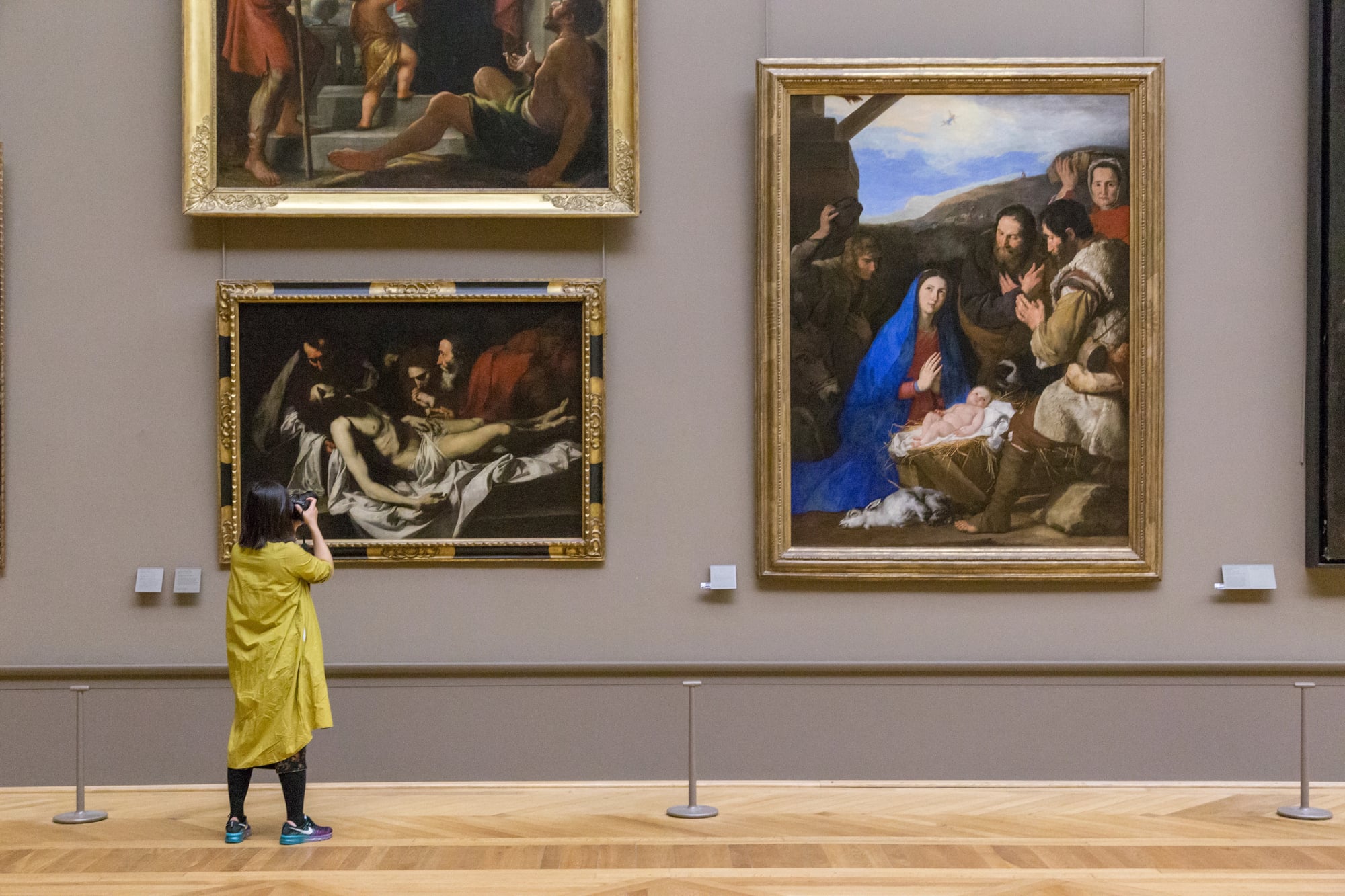
The Louvre holds the title of the largest art museum on the planet. The museum complex covers roughly 782,000 square feet of exhibition space.
Within those galleries are more than 35,000 works of art on display at any given time. The full collection is far larger, with hundreds of thousands of artifacts preserved in storage or research archives.
Walking through every gallery in a single visit would be nearly impossible. Many visitors choose to focus on specific wings or periods of art because the museum’s scale can easily fill an entire day.
The Mona Lisa Is Surprisingly Small
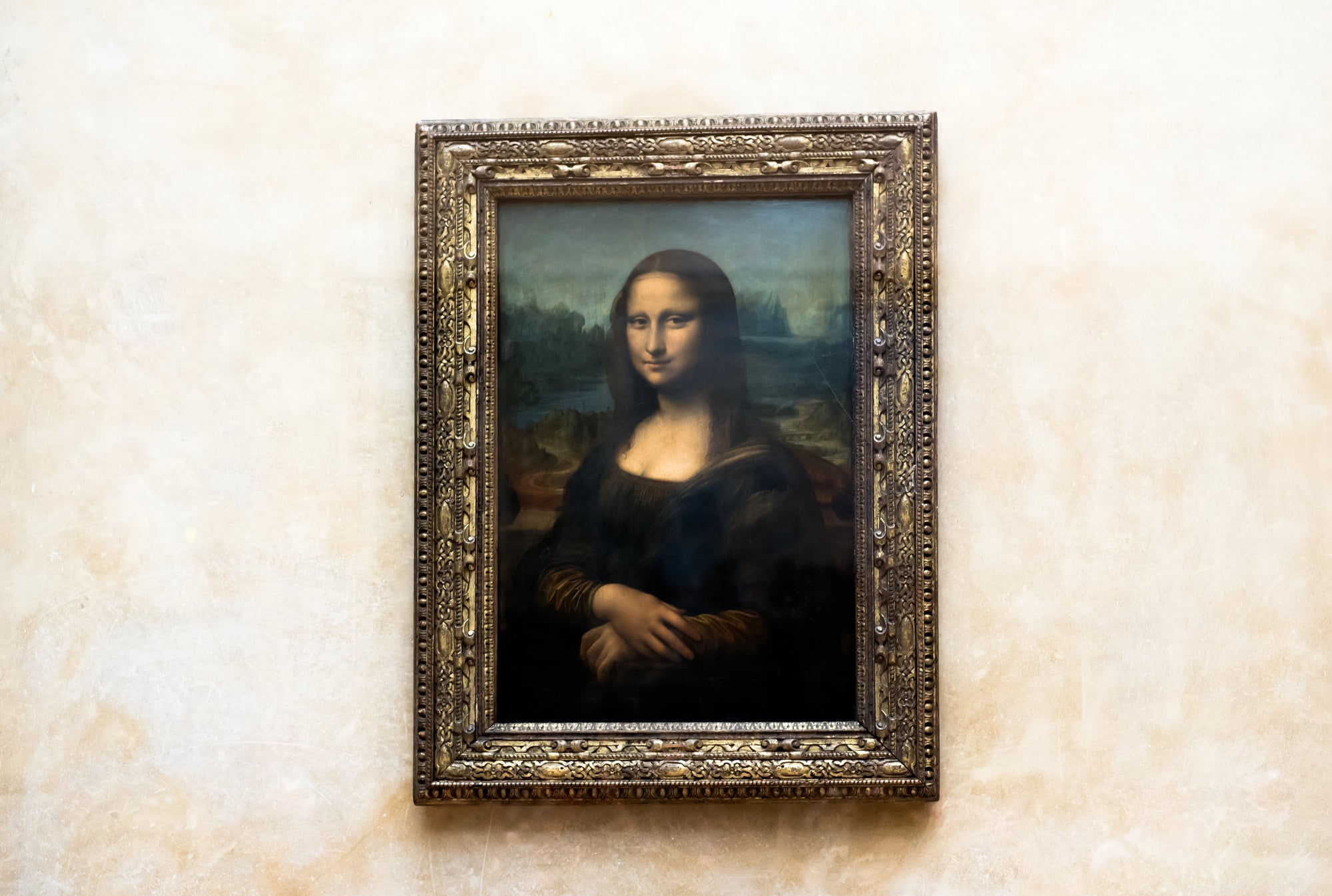
Perhaps the most famous artwork in the Louvre is Leonardo da Vinci’s ‘Mona Lisa.’ Despite its enormous reputation, the painting itself is smaller than many visitors expect.
The portrait measures only about 30 inches by 21 inches. It sits behind protective glass and is displayed in a climate-controlled case to ensure its preservation.
Crowds often gather around the painting, making it one of the most photographed pieces of art in the world. Even so, its quiet expression and subtle detail continue to fascinate viewers centuries after it was created.
The Louvre Pyramid Was Once Controversial
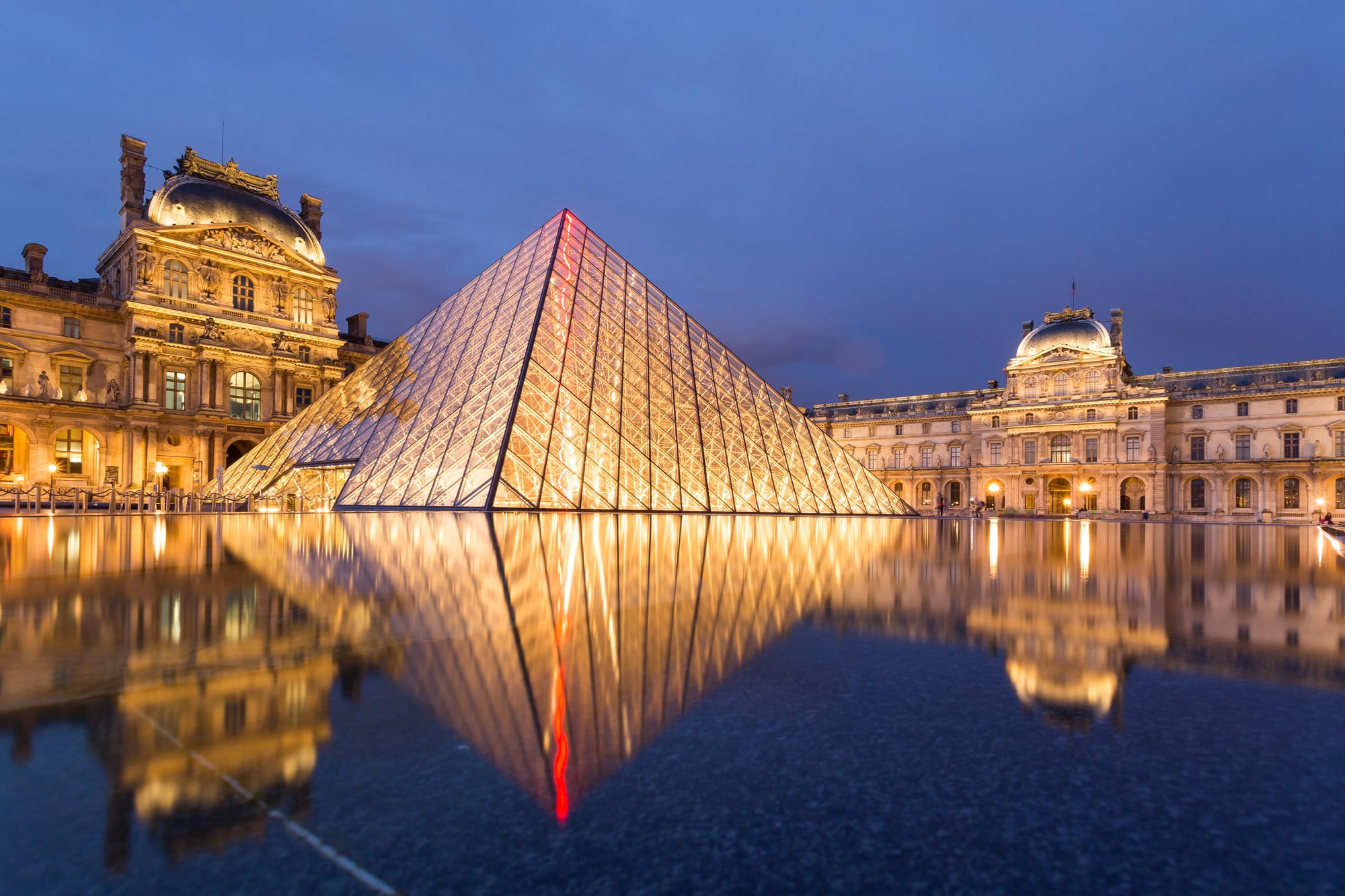
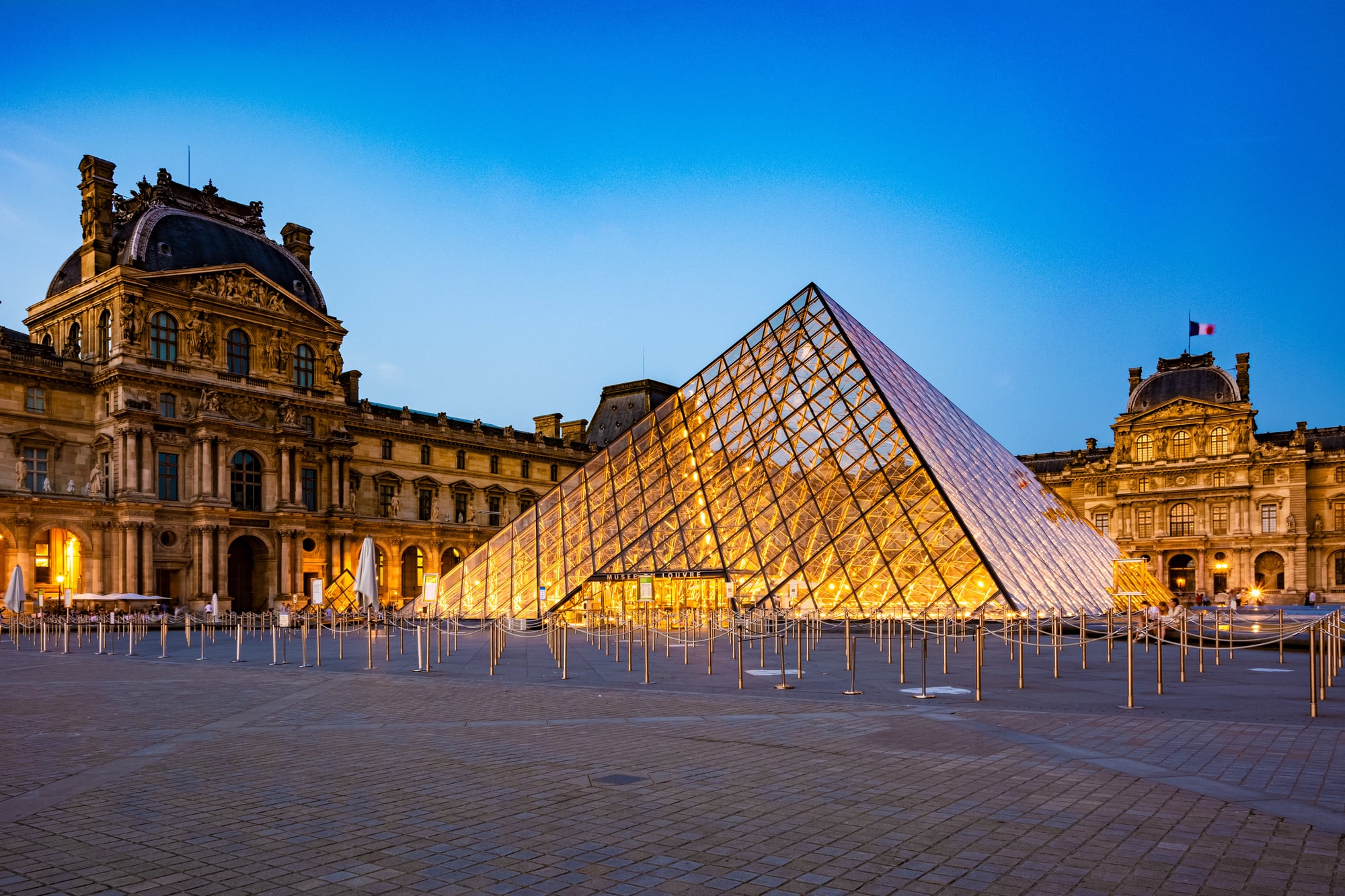
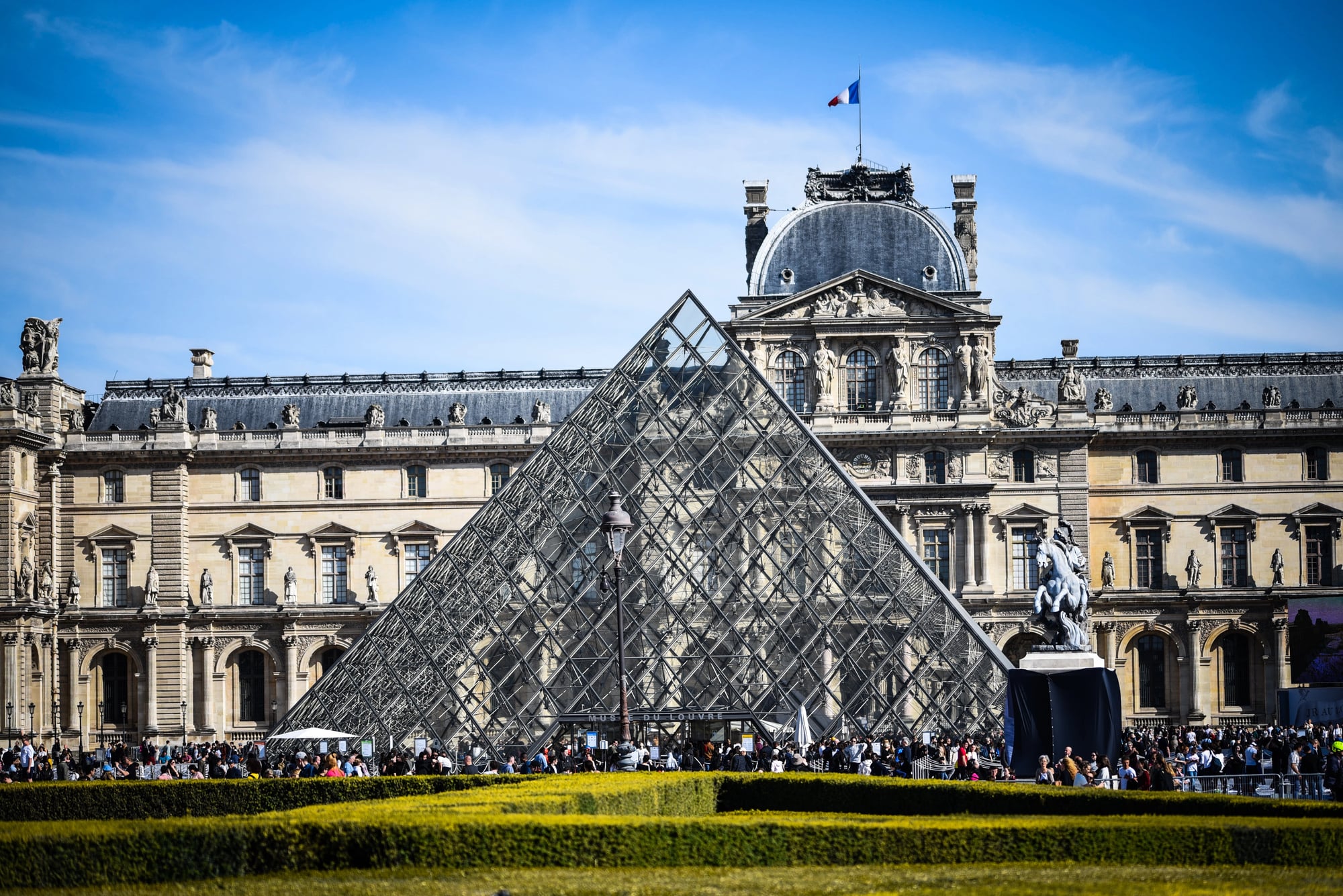
Today the glass pyramid in the Louvre’s courtyard is one of Paris’s most recognizable landmarks. When it was first proposed in the 1980s, however, the design sparked intense debate.
Architect I. M. Pei designed the pyramid as the museum’s new main entrance, using modern glass panels to contrast with the surrounding historic buildings. Critics initially argued that the contemporary structure clashed with the classical architecture of the palace.
Over time, the pyramid became widely accepted and eventually celebrated. It now serves as both an entrance and a symbol of the museum’s blend of history and modern design.
Napoleon Expanded The Museum’s Collection

Napoleon Bonaparte played a major role in expanding the Louvre’s collection during the early 19th century. As French armies moved across Europe, artworks from conquered territories were transported back to Paris.
For a time, the museum was even renamed the ‘Musée Napoléon.’ Many masterpieces arrived in the Louvre during this period, dramatically increasing the size and prestige of the collection.
After Napoleon’s defeat, some of those works were returned to their countries of origin. Still, the expansion helped solidify the Louvre’s reputation as one of the world’s greatest art institutions.
It Has More Than Eight Curatorial Departments
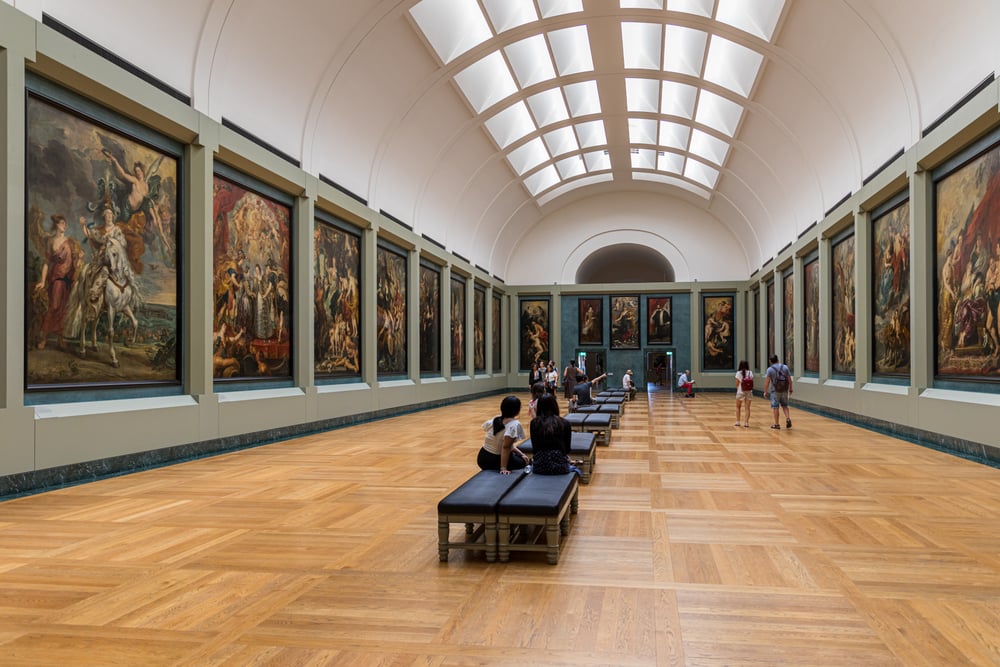
The Louvre’s collection spans thousands of years of human creativity, organized into several specialized departments. These departments include Egyptian antiquities, Near Eastern antiquities, Greek and Roman art, decorative arts, paintings, sculptures, and Islamic art.
Each department manages research, preservation, and exhibition planning for its area of expertise. Specialists study the artifacts carefully to understand their history and cultural context.
This structure allows the museum to maintain one of the most diverse and comprehensive collections of art and historical objects anywhere in the world.
The Museum Receives Millions Of Visitors Each Year
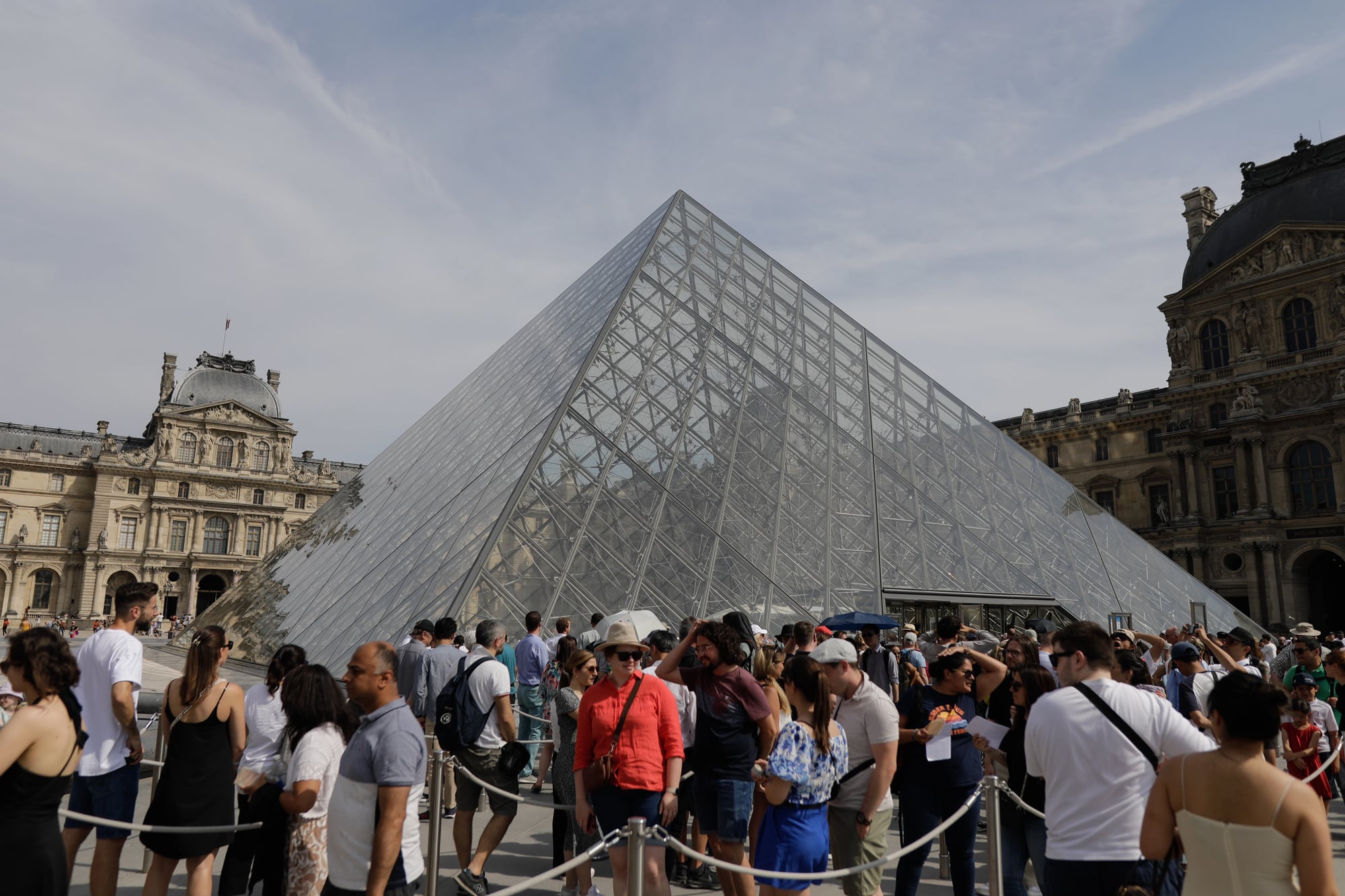
The Louvre consistently ranks among the most visited museums on the planet. In many years, it attracts around nine to ten million visitors from across the globe.
Tourists often include the museum as a highlight of any trip to Paris. The chance to see famous works of art alongside ancient artifacts draws people with a wide range of interests.
Even so, the museum continues to adapt to the demands of such large crowds, using timed tickets and expanded visitor services to manage the flow of guests.
The Winged Victory Of Samothrace Greets Visitors
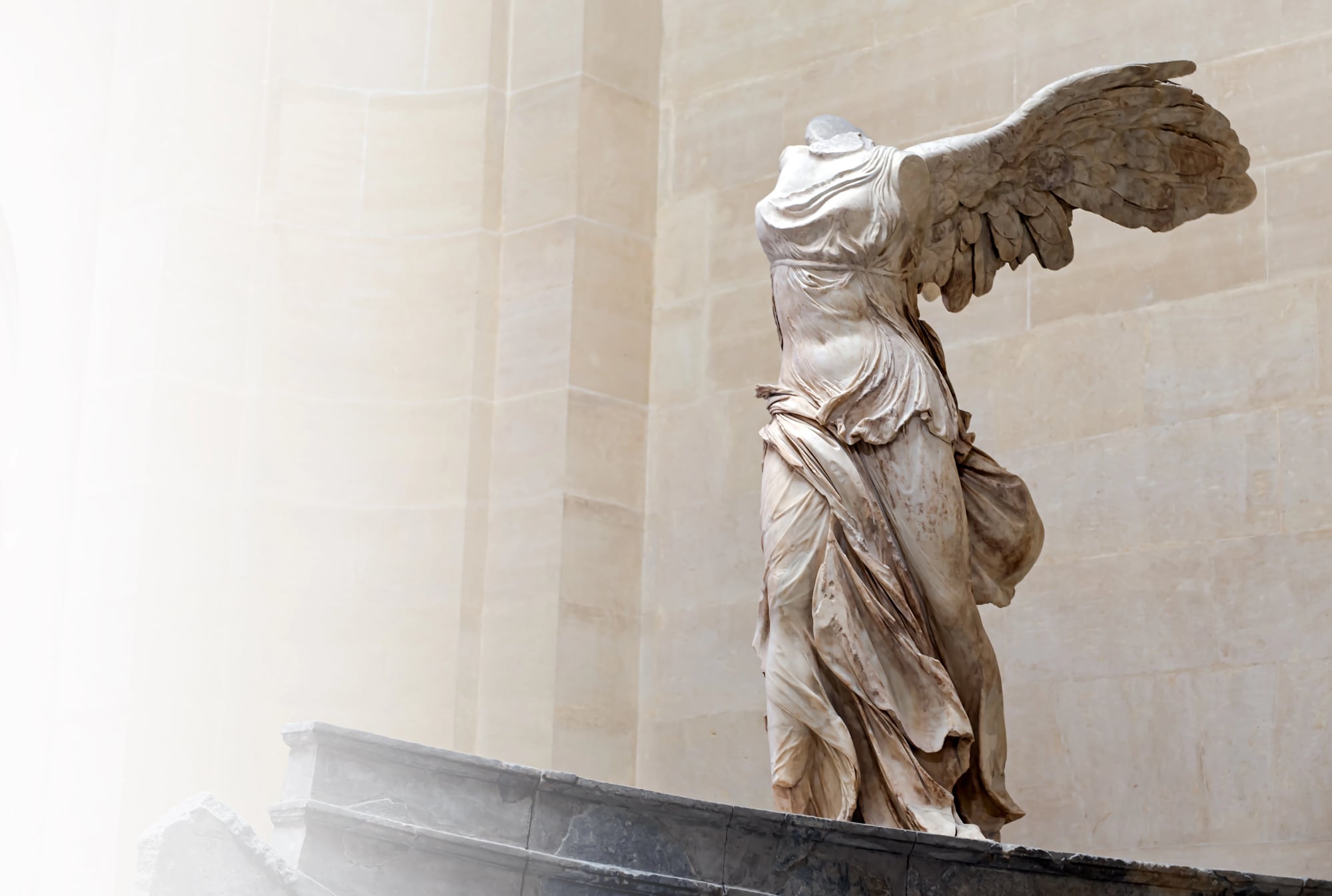
One of the most dramatic sculptures in the Louvre is the ‘Winged Victory of Samothrace.’ The ancient Greek statue stands at the top of a grand staircase in the museum’s Denon Wing.
The sculpture depicts Nike, the Greek goddess of victory, standing at the prow of a ship with wings spread wide. Although the statue’s head and arms are missing, the sense of movement in the flowing stone drapery remains striking.
Discovered in 1863 on the island of Samothrace, the sculpture quickly became one of the Louvre’s most celebrated works.
The Louvre Once Had A Different Main Entrance
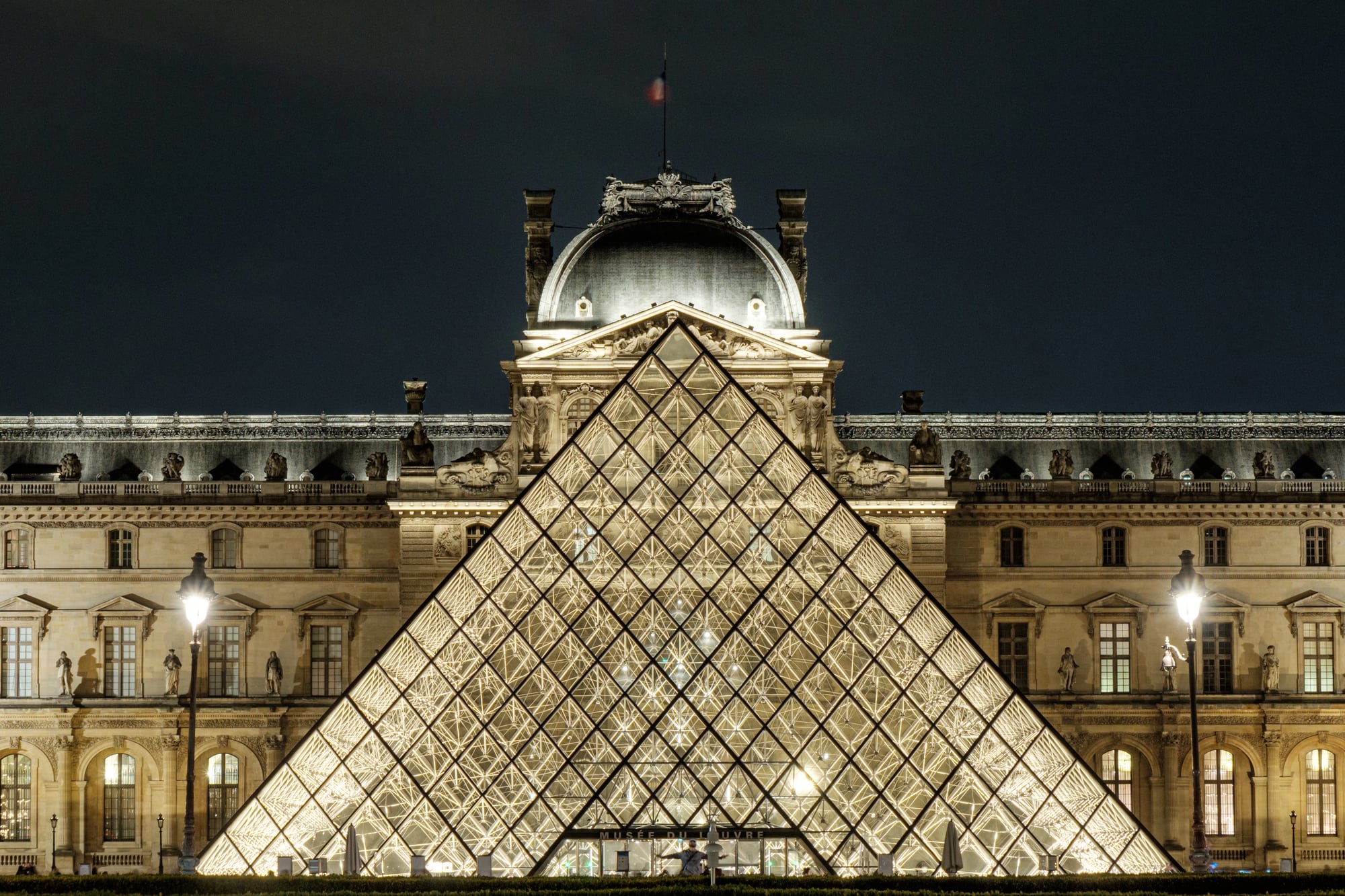
Before the glass pyramid was built, visitors entered the Louvre through various doors scattered around the massive complex. This arrangement often created confusion and long lines.
The pyramid, completed in 1989, helped solve this problem by centralizing visitor access beneath the courtyard. An underground lobby now distributes visitors to different wings of the museum.
This design improved both navigation and crowd management, allowing the museum to welcome millions of visitors more efficiently.
The Louvre Survived World War II Thanks To A Secret Plan
When World War II began, French museum officials took extraordinary steps to protect the Louvre’s treasures. Curators secretly packed thousands of artworks into crates and transported them to castles and remote countryside locations.
The operation began shortly before German forces entered Paris. Staff members worked around the clock to move paintings and sculptures out of the museum.
Because of these efforts, many of the Louvre’s most valuable pieces avoided damage during the war.
The Louvre Has Its Own Museum Branch In Abu Dhabi
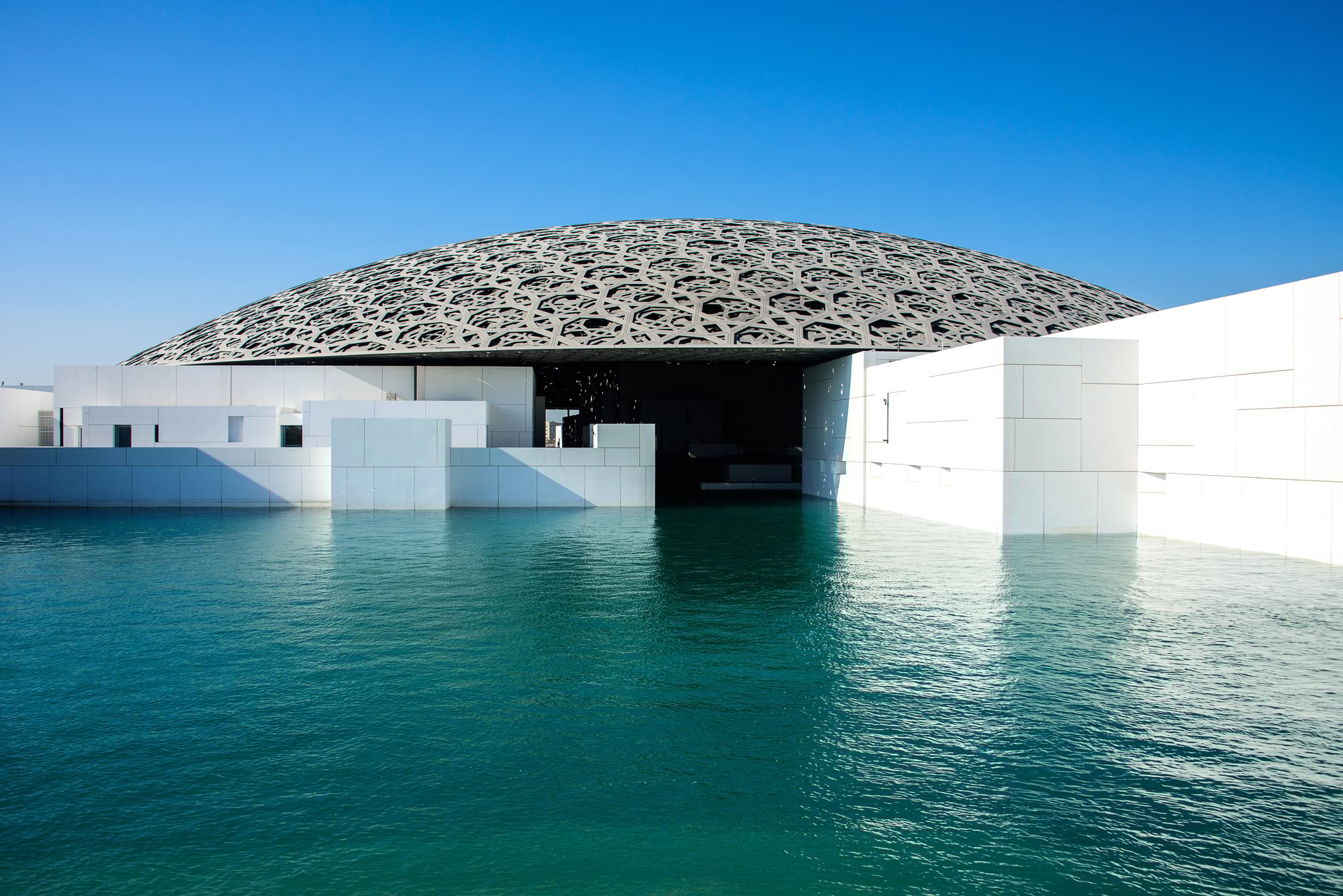
In 2017, the Louvre expanded its global presence with the opening of the Louvre Abu Dhabi in the United Arab Emirates. The museum was created through a partnership between France and Abu Dhabi.
Although the institution operates independently, it borrows artworks from French museums and draws inspiration from the Louvre’s curatorial expertise. The striking building features a massive dome that creates intricate patterns of light across the galleries.
This collaboration reflects the Louvre’s influence as a cultural institution far beyond Paris.
The Louvre Appears In Numerous Films And Books
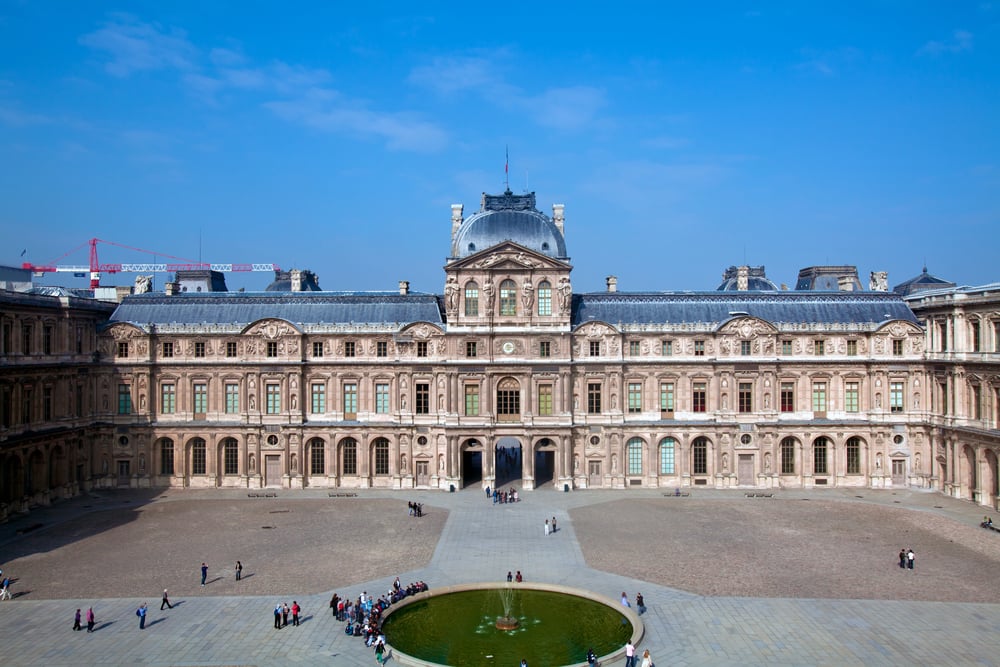
Because of its historical significance and iconic architecture, the Louvre frequently appears in movies, novels, and documentaries. Filmmakers often use its grand galleries and courtyards as dramatic settings.
One of the most widely known appearances came in the film adaptation of ‘The Da Vinci Code,’ which begins with scenes inside the museum. The Louvre’s labyrinth of corridors and artworks provides an atmospheric backdrop for storytelling.
These appearances have helped introduce the museum to audiences who might never have visited Paris.
It Would Take Months To See Everything
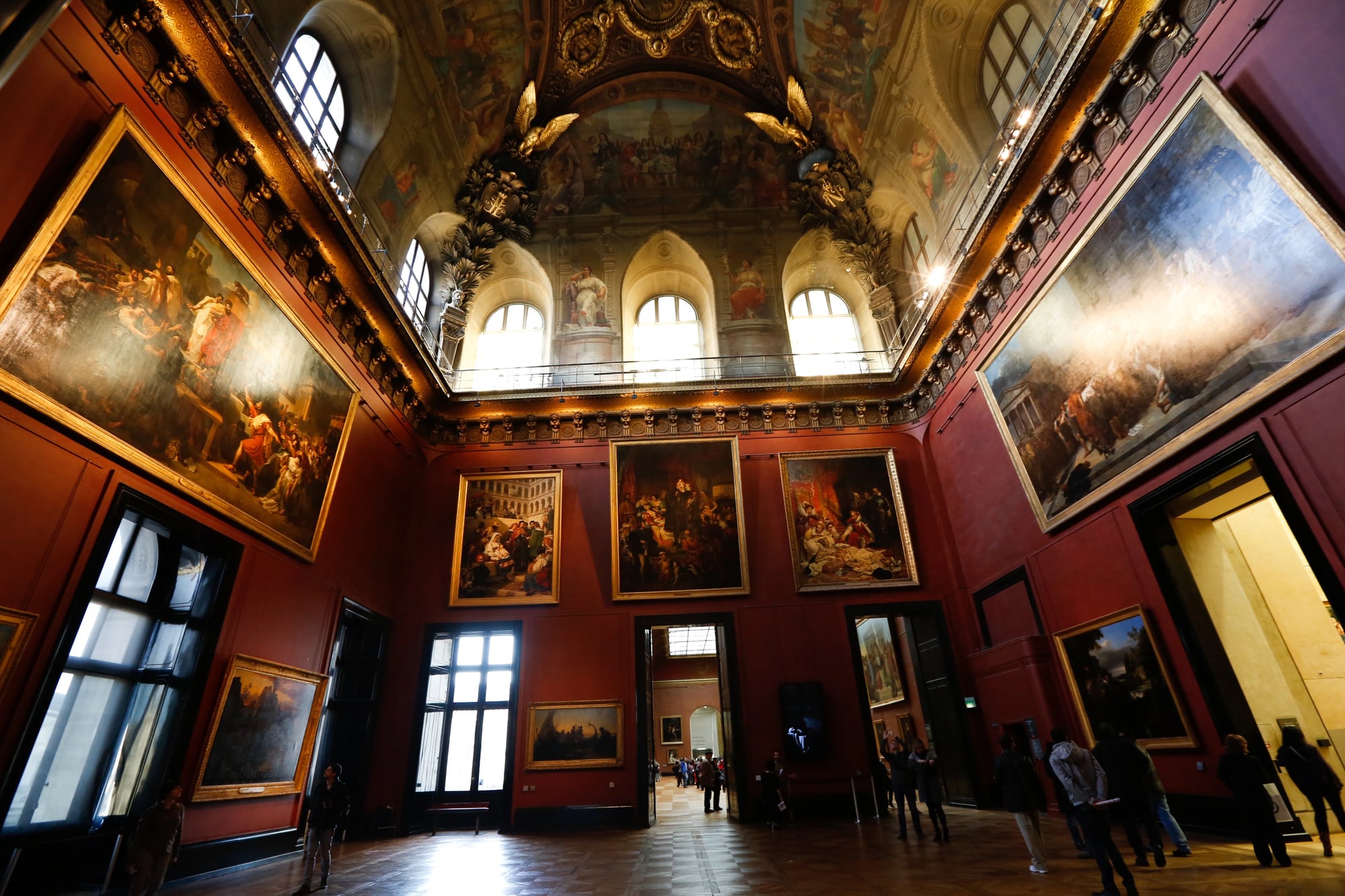
Visitors sometimes underestimate the sheer scale of the Louvre’s collection. With more than 35,000 works on display and hundreds of rooms to explore, seeing every object would require a remarkable amount of time.
Even moving quickly through the galleries, a visitor might spend several days exploring the museum. Art historians who study the collection professionally often spend years focusing on specific sections.
Still, that immense scale is part of the Louvre’s appeal. Every visit reveals something new, from famous masterpieces to hidden corners filled with centuries of artistic achievement.
Why The Louvre Still Captures The World’s Imagination
Change shaped the Louvre across ages – war, power shifts, dreams of beauty. Born as stone walls long ago, it slowly changed form while Paris grew around it.
Power moved through its halls before art filled them. Size alone does not explain its presence; time did that.
Inside the Louvre, old stones whisper stories long before paintings ever hung. Masterpieces live there, yes – yet time itself seems built into the floors and ceilings.
Walk one hall, meet minds from centuries gone, their ideas still breathing. Art flows here alongside discovery, each room a doorway opened by those who reached far beyond their age.
Right now, visitors still pour into the building – curious minds drawn by shelves stacked with centuries of making and thinking. Somehow, this place breathes; it holds echoes of old hands shaping beauty while speaking quietly to today’s eyes.
More from Go2Tutors!

- The Romanov Crown Jewels and Their Tragic Fate
- 13 Historical Mysteries That Science Still Can’t Solve
- Famous Hoaxes That Fooled the World for Years
- 15 Child Stars with Tragic Adult Lives
- 16 Famous Jewelry Pieces in History
Like Go2Tutors’s content? Follow us on MSN.