16 Forgotten Cosmonauts In Space History
Soviet space history gets dominated by household names like Yuri Gagarin and Valentina Tereshkova, overshadowing countless other pioneers who risked everything for humanity’s cosmic ambitions. These forgotten heroes faced the same dangers, endured identical training hardships, and contributed equally to our understanding of space travel. Yet their stories remain buried in classified archives and overshadowed by more famous missions.
Here’s a list of 16 forgotten cosmonauts whose contributions deserve recognition.
Pavel Belyayev
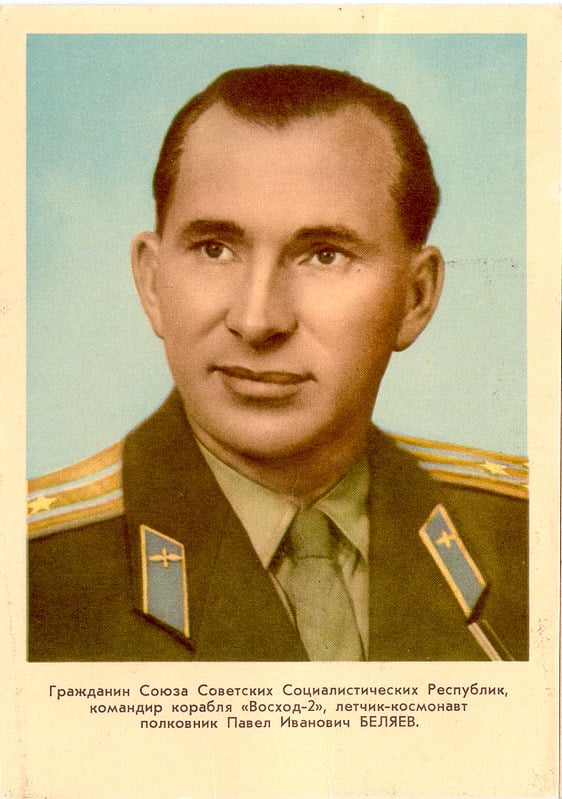
Belyayev commanded the harrowing Voskhod 2 mission in 1965, during which Alexei Leonov performed humanity’s first spacewalk. When automatic guidance systems failed during reentry, Belyayev manually piloted the spacecraft to a crash landing in Siberian wilderness—hundreds of miles off target. He and Leonov spent two freezing nights surrounded by wolves before rescue teams finally located them.
Georgy Dobrovolsky
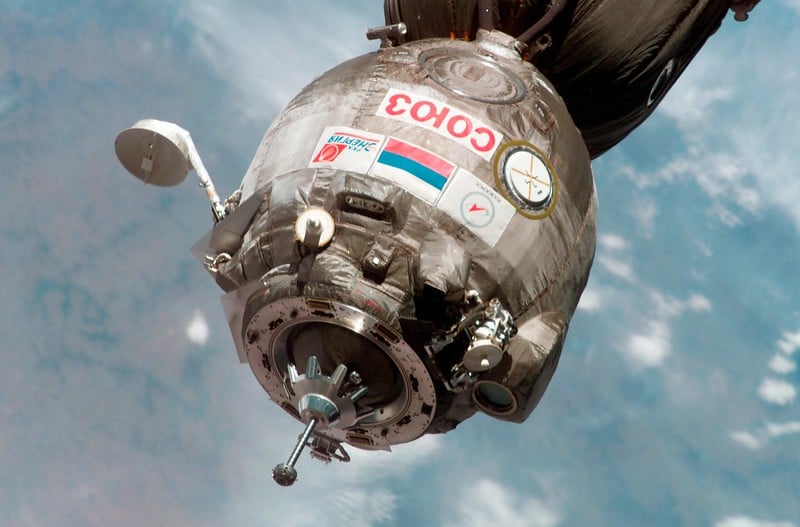
Dobrovolsky commanded the tragic Soyuz 11 mission that ended with the first human deaths in space. The crew successfully docked with Salyut 1 space station and spent 23 days conducting experiments—a duration record at the time. A faulty ventilation valve during undocking caused rapid cabin depressurization, killing all three crew members just minutes before landing.
Gherman Titov
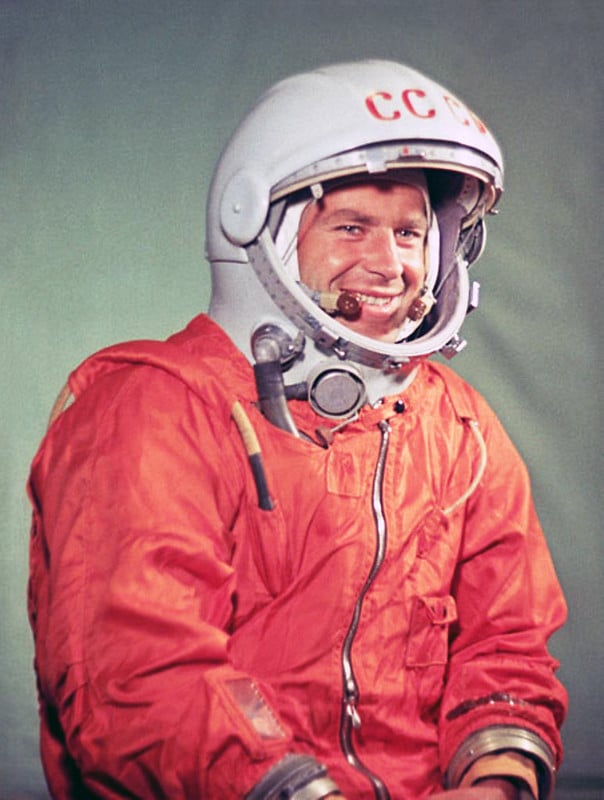
Titov became the second human in orbit aboard Vostok 2 in 1961, just four months after Gagarin’s historic flight. At 25, he remains the youngest person ever to orbit Earth—spending over 25 hours in space and completing 17 orbits. His mission proved humans could function normally during extended weightlessness, though he suffered severe space sickness that nearly compromised the flight.
Vladimir Komarov
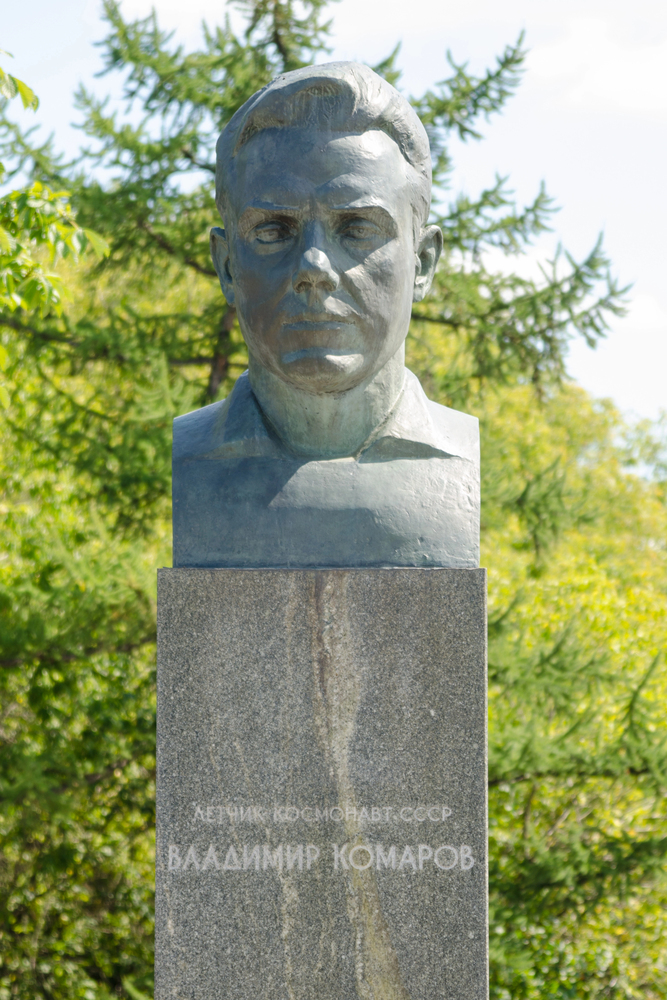
— Photo by Madhourses
Komarov died during Soyuz 1’s return to Earth in 1967 when both main and backup parachutes failed to deploy properly. He reportedly knew the spacecraft had serious technical problems before launch but flew anyway to protect his backup pilot and close friend, Yuri Gagarin. His final radio transmissions included angry words about the mission planners who’d sent him up in a defective vehicle.
Alexei Leonov
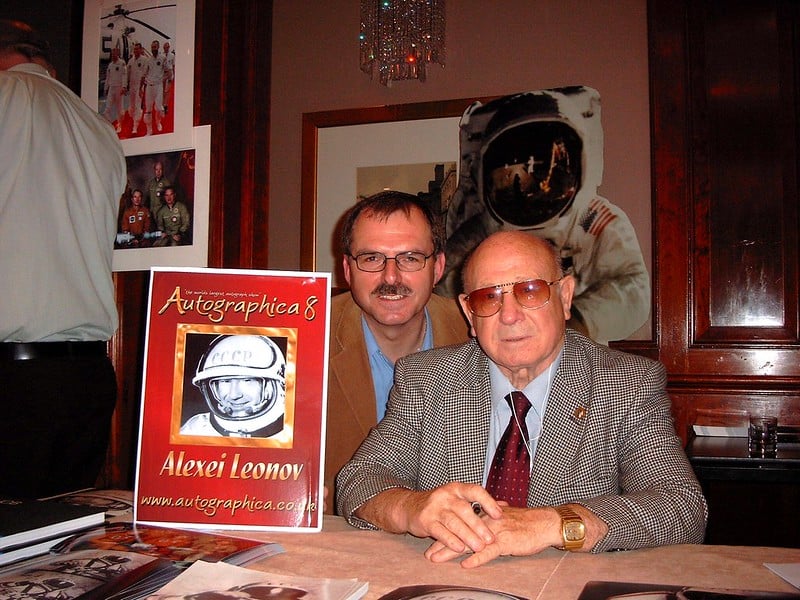
Though famous for the first spacewalk, Leonov’s near-death experience during that 1965 mission gets overlooked. His spacesuit inflated so much in the vacuum that he couldn’t fit back through the airlock—forcing him to dangerously reduce suit pressure. He barely squeezed inside before oxygen depletion would’ve killed him, then helped manually pilot their off-course landing in wolf-infested wilderness.
Boris Volynov
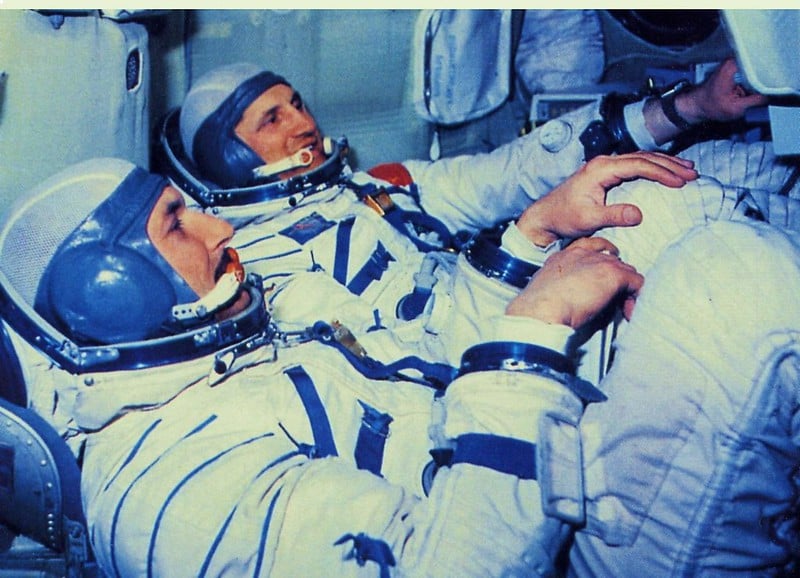
Volynov survived one of the most terrifying reentries in space history during Soyuz 5 in 1969. The service module failed to separate, causing the spacecraft to tumble wildly through the atmosphere—subjecting him to crushing G-forces and extreme heat. He endured a bone-jarring hard landing in snow-covered fields, emerging with broken teeth but otherwise intact.
Valery Kubasov
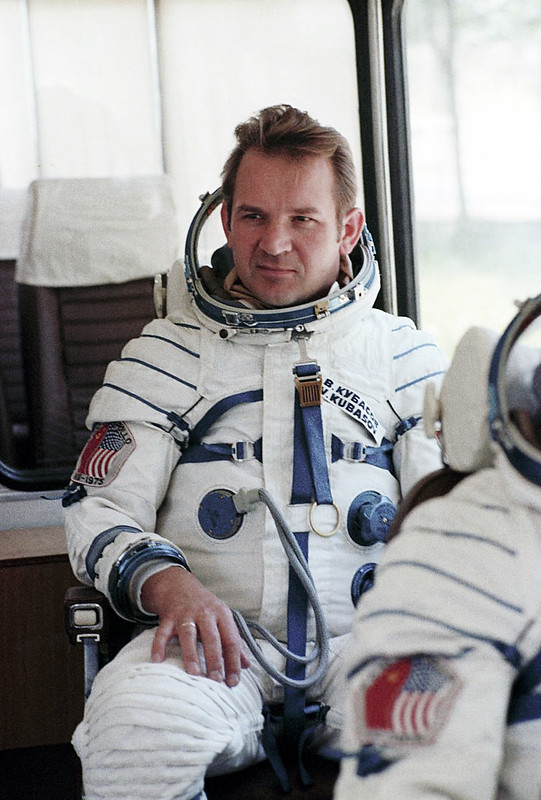
Kubasov flew on the historic Apollo-Soyuz Test Project in 1975, the first joint American-Soviet space mission during the Cold War. Earlier, he’d been grounded from a lunar mission due to suspected tuberculosis exposure—likely saving his life since that crew died in a launch pad fire. His welding experiments in space pioneered manufacturing techniques still used today.
Anatoly Filipchenko
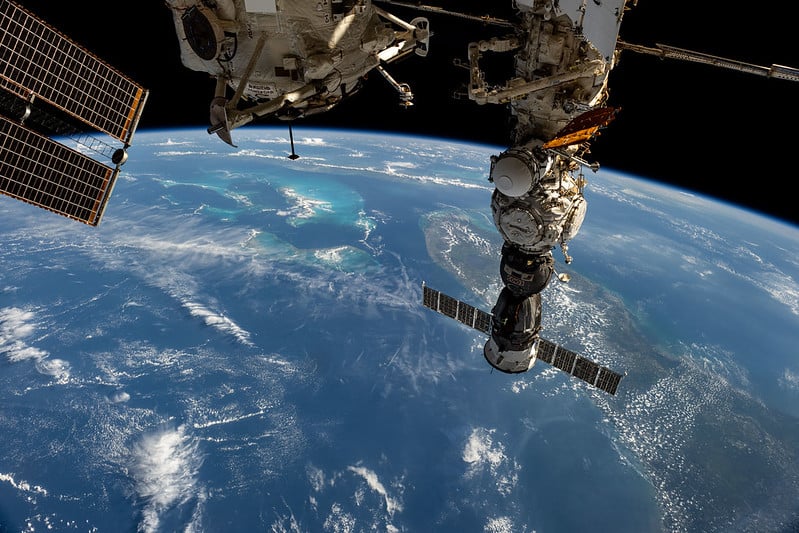
Filipchenko commanded two successful Soyuz missions but was overshadowed by more dramatic flights. He piloted the first successful docking between two crewed spacecraft in 1969, proving orbital rendezvous techniques essential for future space stations. His calm professionalism during equipment malfunctions earned respect from both Soviet and American space programs.
Pyotr Klimuk
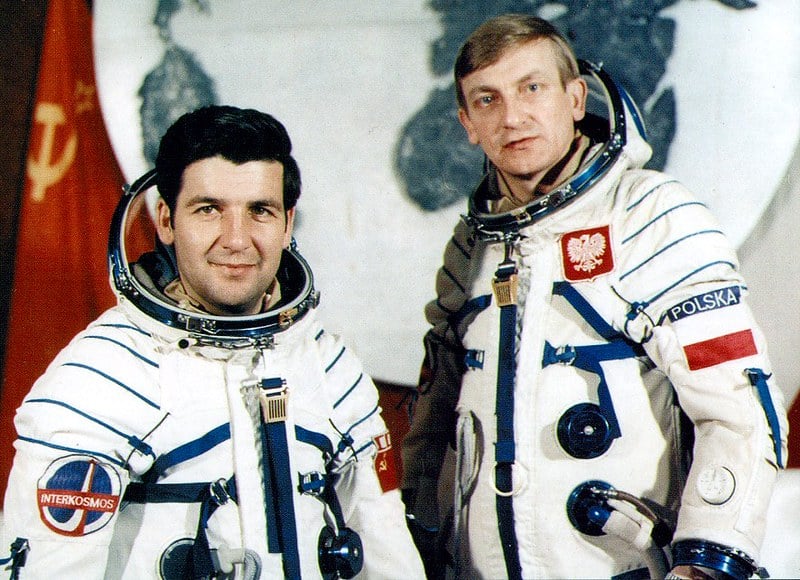
Klimuk completed three space missions between 1973 and 1978, spending over 78 days in orbit conducting scientific experiments. His flights included the first international crew with a Polish cosmonaut—helping establish Soviet space diplomacy with Warsaw Pact nations. Despite his extensive experience, he remains largely unknown outside space history circles.
Vitaly Sevastyanov
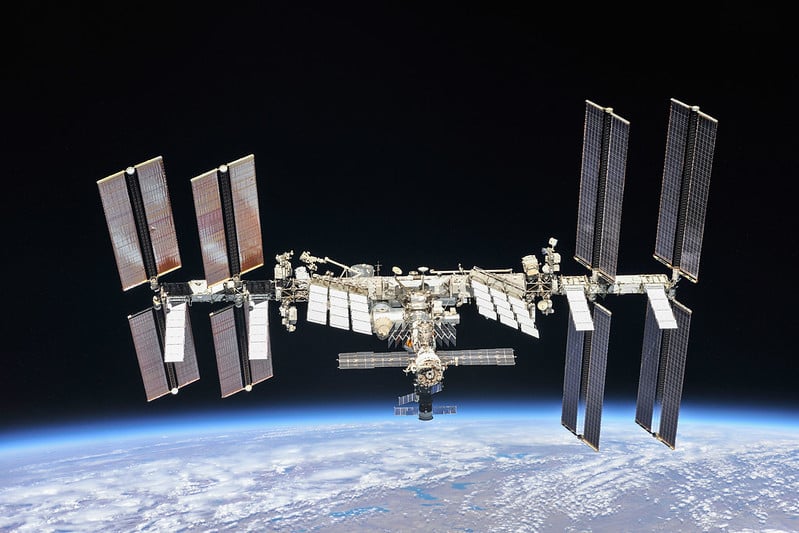
Sevastyanov set endurance records during two long-duration Salyut missions, proving humans could survive months in weightlessness. His 63-day flight in 1975 was the longest at the time—requiring extensive medical monitoring and rehabilitation upon return. He later became a prominent space medicine researcher, developing exercise protocols still used on the International Space Station.
Vladimir Shatalov
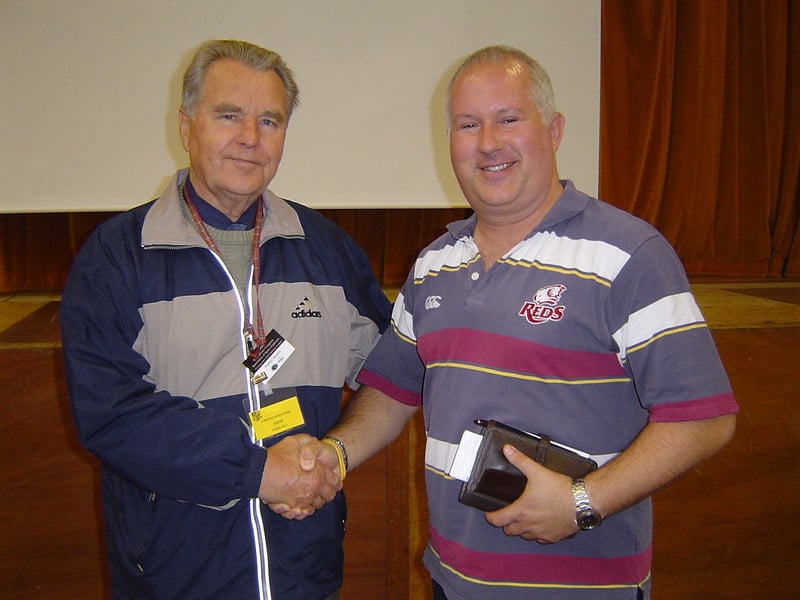
Shatalov commanded four space missions and pioneered complex orbital rendezvous procedures that made space stations possible. His precise piloting during early Soyuz flights established docking techniques used throughout the Soviet space program. Despite his crucial contributions to space station development, he’s rarely mentioned in popular space histories.
Yevgeny Khrunov
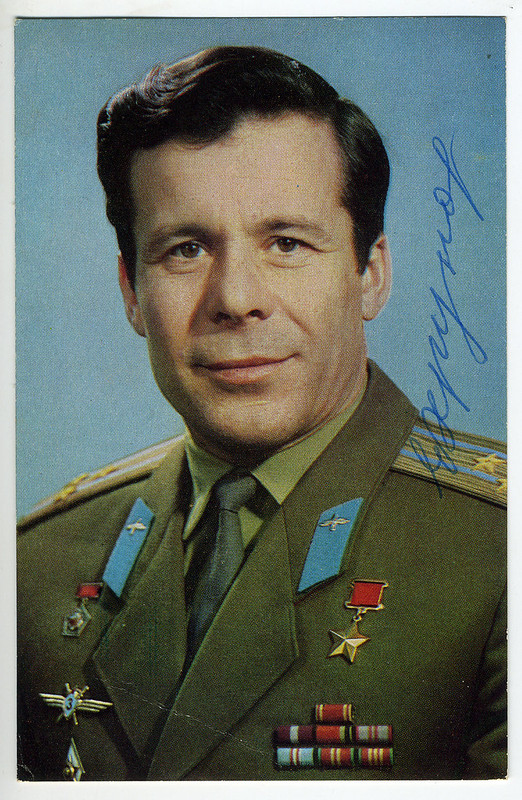
Khrunov performed the first crew transfer between spacecraft in 1969, spacewalking from one Soyuz to another during orbital flight. This risky maneuver demonstrated techniques later used for space station crew rotations and emergency rescues. His pioneering extravehicular activity helped prove that complex operations were possible in the harsh space environment.
Viktor Gorbatko
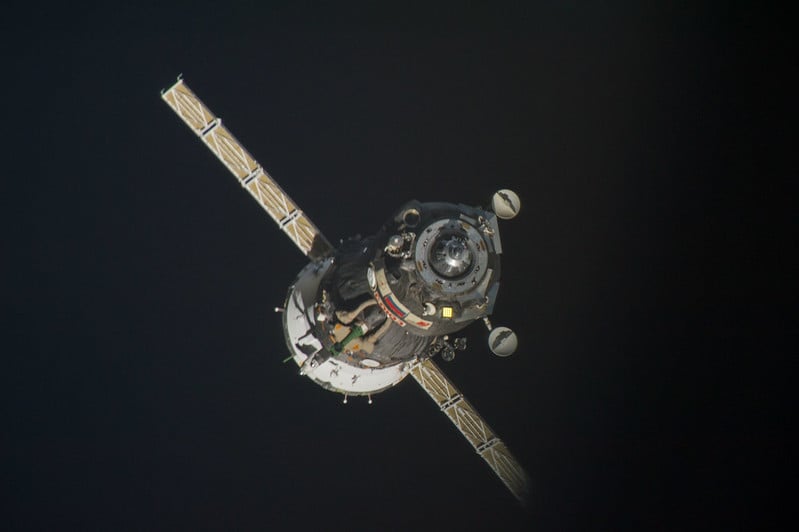
Gorbatko flew three missions spanning the Soyuz and Salyut programs, including an international flight with a Vietnamese cosmonaut. His flights helped establish the Soviet Union’s Intercosmos program, which offered spaceflight opportunities to communist allies. He later trained international crews and promoted space cooperation during the final years of the Cold War.
Oleg Makarov
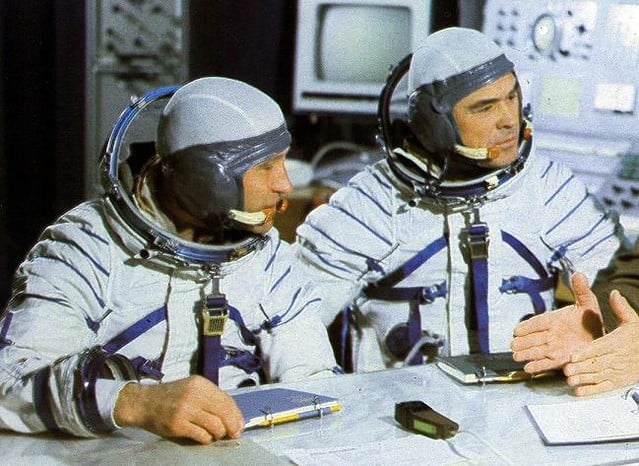
Makarov survived a launch abort in 1975 when his Soyuz rocket exploded shortly after liftoff, subjecting the crew to dangerous G-forces during emergency escape. He later completed two successful missions to Salyut space stations, conducting extensive scientific research. His survival of the near-fatal launch failure demonstrated the effectiveness of Soviet escape systems.
Alexei Gubarev
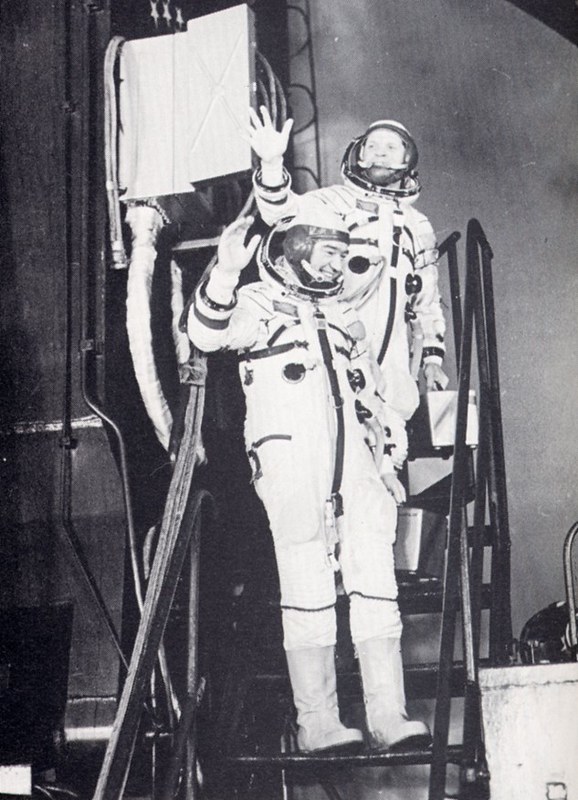
Gubarev commanded two Salyut missions and flew with the first Czechoslovakian cosmonaut as part of the Intercosmos program. His steady leadership during equipment failures and his mentoring of international crew members helped expand Soviet space diplomacy. He later worked as a test pilot and contributed to spacecraft design improvements.
Georgy Grechko
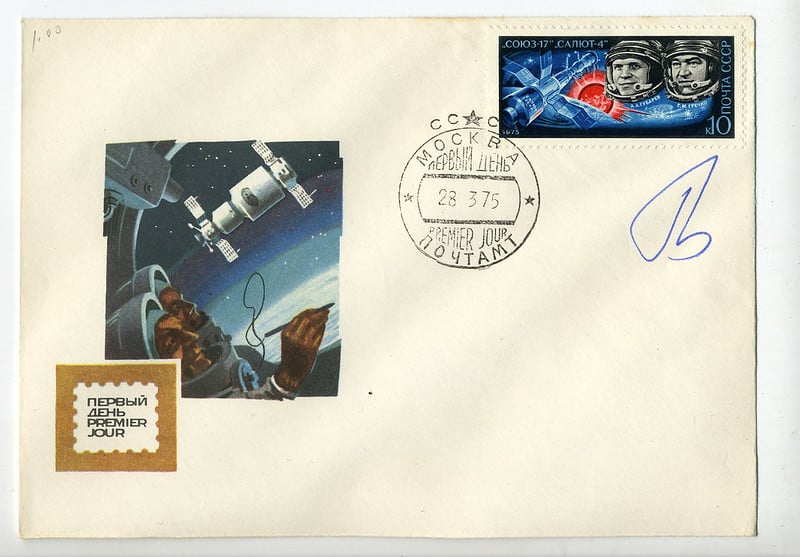
Grechko completed three space missions and set multiple endurance records during the Salyut program era. His technical expertise proved invaluable during equipment repairs and system troubleshooting in orbit. Despite his significant contributions to space station operations and his engaging personality, he remains relatively unknown compared to earlier space pioneers.
Shadows of the Space Race
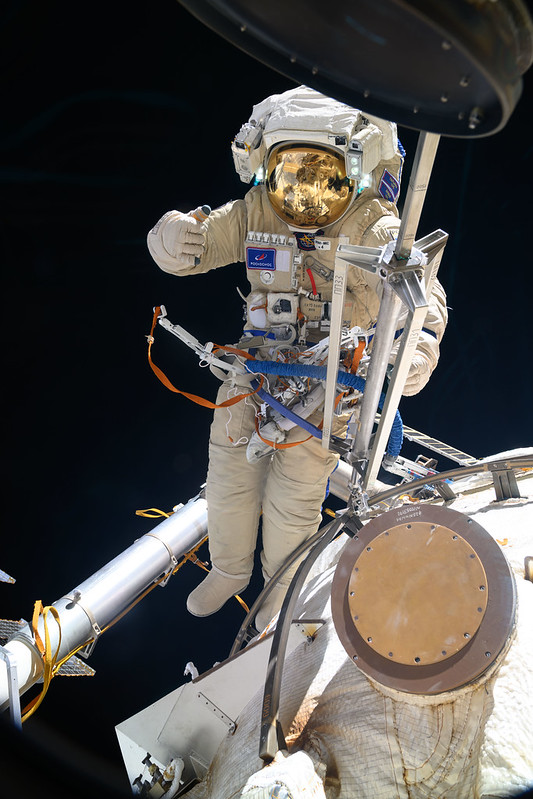
These overlooked heroes remind us that space exploration succeeded through collective courage rather than individual brilliance alone. While famous names dominate history books, hundreds of cosmonauts risked everything to push humanity’s boundaries beyond Earth’s atmosphere. Their sacrifices, innovations, and quiet determination built the foundation for today’s international cooperation in space, proving that true exploration requires not just pioneers, but entire communities willing to reach for the stars together.
More from Go2Tutors!

- 16 Historical Figures Who Were Nothing Like You Think
- 12 Things Sold in the 80s That Are Now Illegal
- 15 VHS Tapes That Could Be Worth Thousands
- 17 Historical “What Ifs” That Would Have Changed Everything
- 18 TV Shows That Vanished Without a Finale
Like Go2Tutors’s content? Follow us on MSN.