American Revolution Turning Points
The American Revolution didn’t follow a straight path from rebellion to independence. The outcome remained uncertain for years.
Britain had the world’s most powerful military, unlimited resources, and professional soldiers. The colonists had farmers with muskets, no navy, and a government that barely functioned.
Victory required luck, timing, and specific moments when everything changed. These turning points transformed a doomed rebellion into a successful revolution.
Lexington and Concord Lit the Match
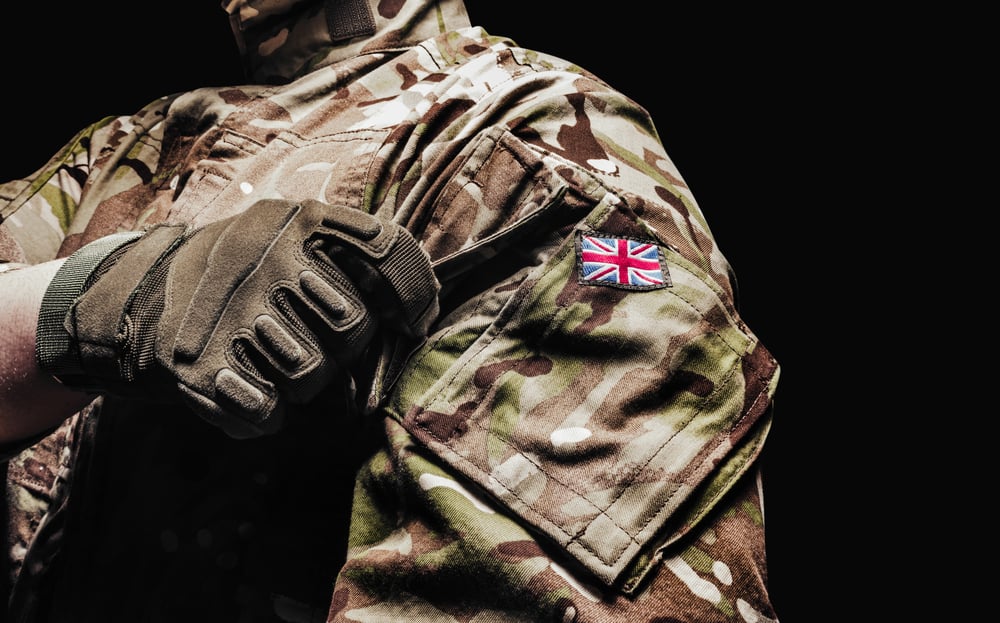
British troops marched toward Concord on April 19, 1775, planning to seize colonial weapons and arrest rebel leaders. Paul Revere and William Dawes warned the countryside, and militia gathered to block the British advance.
The first shots at Lexington killed eight colonists. The British continued to Concord, destroyed some supplies, then faced a growing militia force.
The retreat back to Boston became a nightmare. Colonial fighters shot from behind trees, walls, and buildings.
British casualties mounted throughout the day. This battle mattered because it erased any chance of peaceful reconciliation.
Both sides had killed each other. The British realized they faced organized resistance, not just political complaints.
Colonists learned they could fight professional soldiers and survive. The war had begun whether anyone wanted it or not.
Bunker Hill Proved Colonists Would Fight
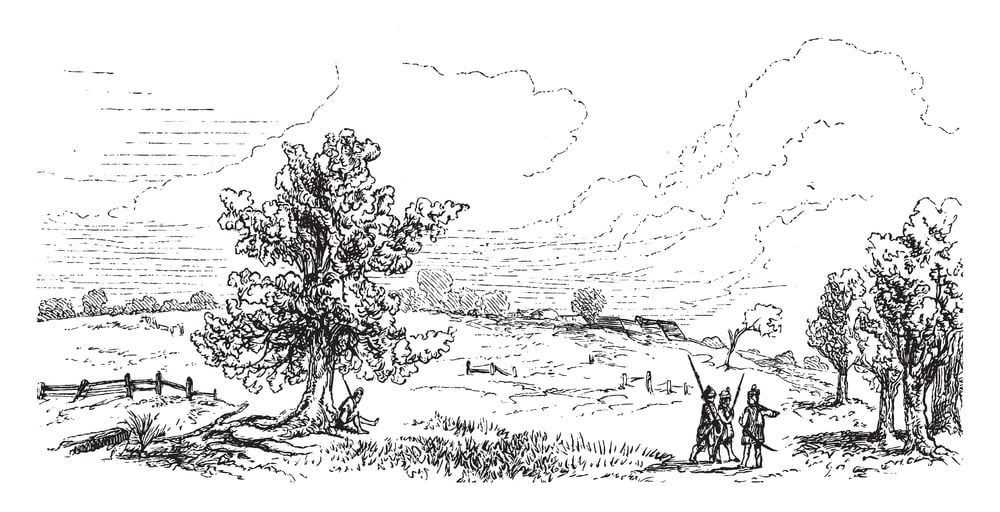
The Battle of Bunker Hill on June 17, 1775, showed that colonial militia would stand and fight even against massed British infantry charges. The colonists built fortifications on Breed’s Hill overlooking Boston.
British commanders decided to assault directly rather than surround the position. Three times British troops marched up the hill in tight formations.
Twice the colonists drove them back with devastating fire. The third charge succeeded only because the defenders ran out of ammunition and had to retreat.
British casualties exceeded 1,000 men from a force of about 2,400. The British won the battle but learned a terrible lesson.
Defeating colonial forces would cost enormous casualties. The colonists learned they could face the British army in direct combat.
That psychological shift changed how both sides viewed the conflict.
The Declaration Made Compromise Impossible
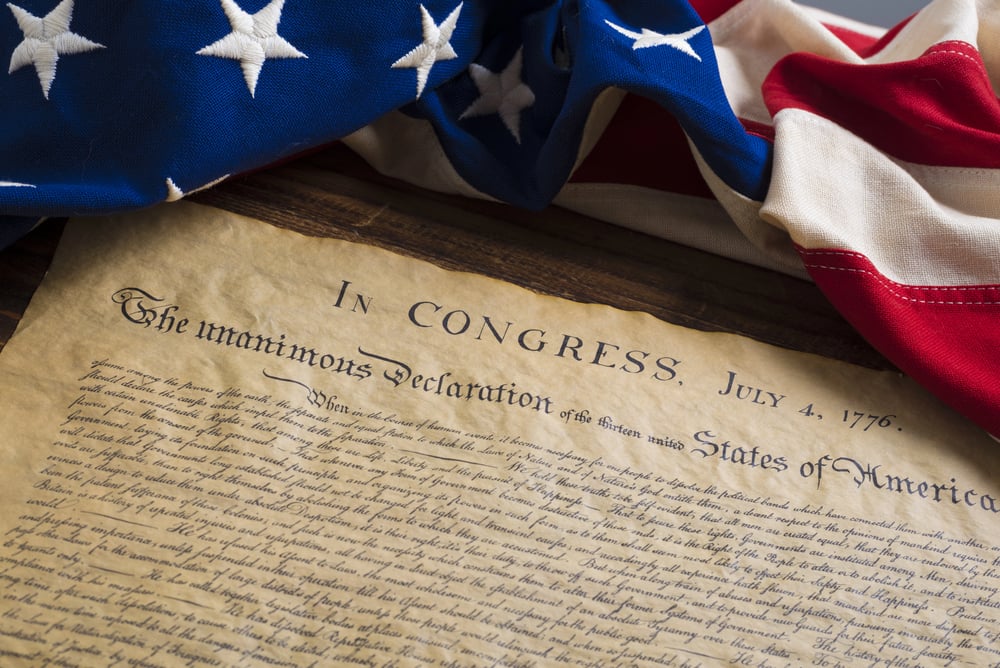
The Continental Congress debated independence throughout early 1776. Many colonists hoped for reconciliation with Britain.
The Declaration of Independence, adopted July 4, 1776, eliminated that possibility. The document transformed a dispute about taxes and representation into a war for independence.
You couldn’t negotiate a middle ground after declaring yourself a separate nation. The colonists had to win completely or face execution for treason.
The declaration also changed international politics. Foreign powers might support colonies seeking independence but wouldn’t back rebels fighting their legitimate government.
The legal status of the conflict shifted, opening possibilities for French and Spanish intervention.
Washington Crossed the Delaware When Hope Was Dying
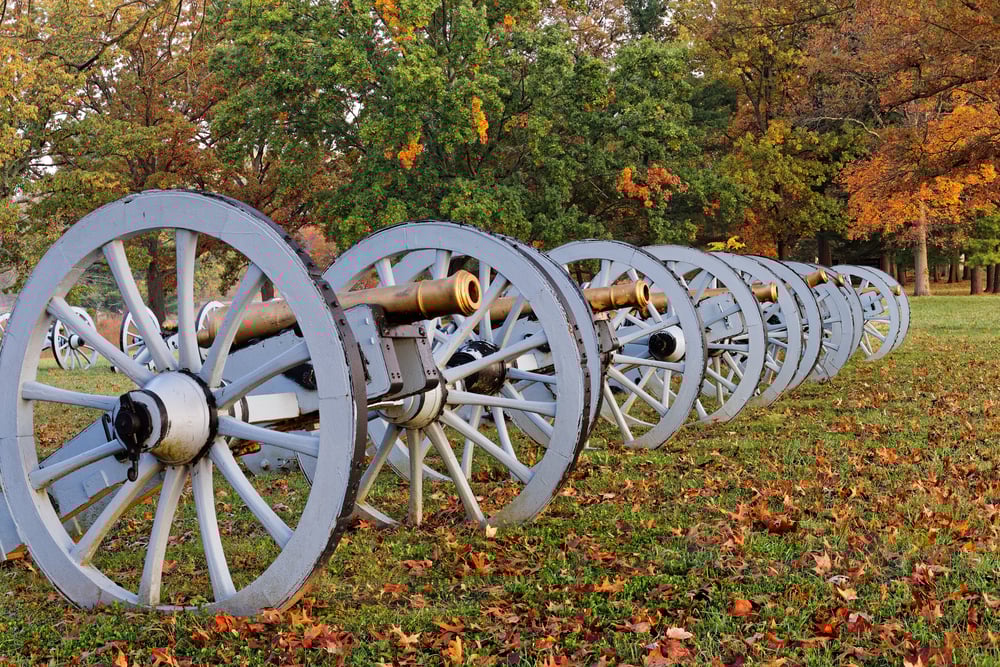
By December 1776, the Continental Army was dissolving. Enlistments were expiring.
The army had retreated across New Jersey. British forces controlled most of the middle colonies.
The revolution looked finished. Washington attacked Trenton on December 26, catching Hessian troops celebrating Christmas.
The Americans killed or captured nearly 1,000 enemy soldiers while suffering minimal casualties themselves. A week later, Washington defeated British forces at Princeton.
These small victories changed the war’s momentum completely. Soldiers who were about to go home re-enlisted.
The Continental Congress gained confidence. Foreign observers reconsidered whether the Americans might actually win. Washington proved that aggressive action could reverse even desperate situations.
Saratoga Convinced France to Enter the War
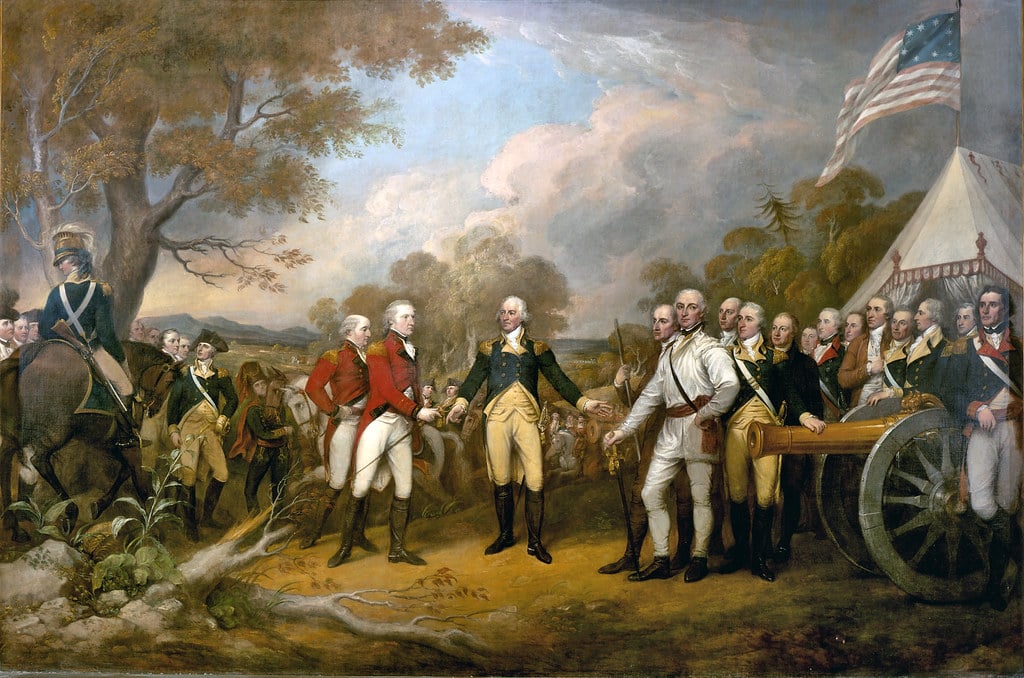
The Battles of Saratoga in September and October 1777 represented the war’s true turning point. British General John Burgoyne led an army south from Canada, planning to split New England from the other colonies.
Colonial forces surrounded and defeated him, capturing his entire army. This victory demonstrated that Americans could defeat major British forces in conventional battles.
The British surrender at Saratoga shocked European observers. French officials, who had been secretly supporting the Americans, now saw a chance to damage their British rivals.
France signed an alliance with the United States in February 1778, providing military support, supplies, and most importantly, a navy. The revolution transformed from a colonial rebellion into an international war.
Britain now faced threats around the globe, not just in North America.
Valley Forge Forged a Real Army

— Photo by igorkozhin@yandex.ru
The Continental Army spent the winter of 1777-1778 at Valley Forge, enduring cold, hunger, and disease. About 2,000 soldiers died from illness and exposure.
The suffering was terrible, but something important happened during those months. Baron von Steuben, a Prussian military officer, drilled the army in European military tactics.
He taught soldiers to march in formation, load weapons efficiently, and execute complex battlefield maneuvers. The army that emerged from Valley Forge could fight as well as British regulars.
This training mattered as much as any battle. The Continental Army stopped being a collection of militia units and became a professional fighting force.
Soldiers learned to trust each other and follow orders under pressure. The difference showed in every subsequent battle.
Monmouth Showed the New Army’s Capability
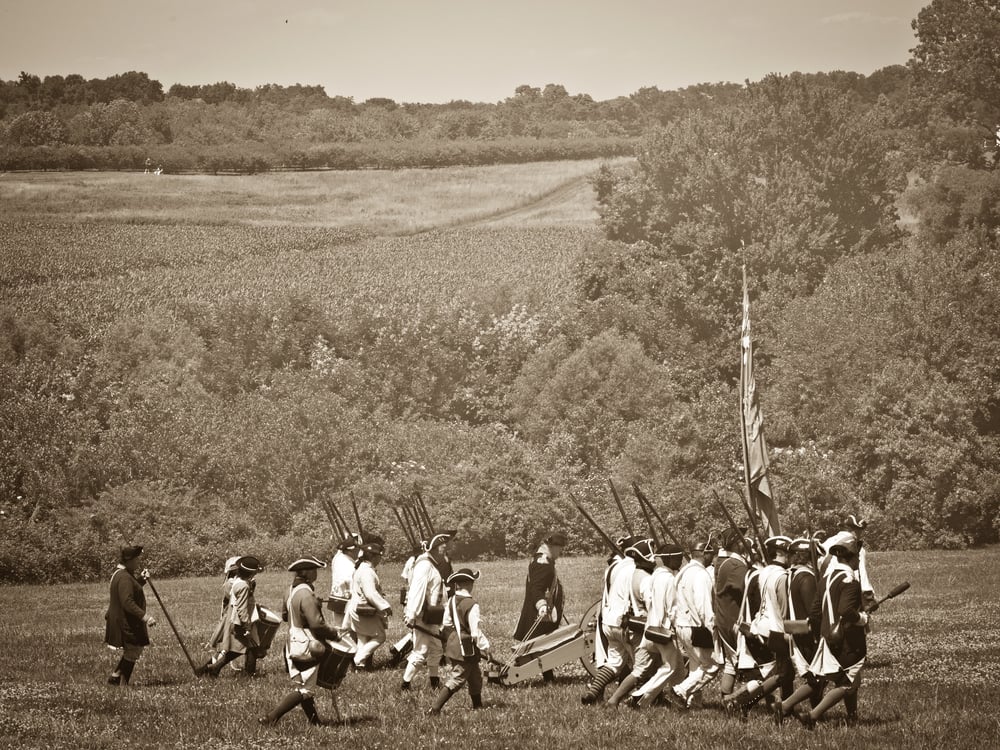
The Battle of Monmouth on June 28, 1778, was the first major engagement after Valley Forge. British forces evacuated Philadelphia and marched toward New York.
Washington ordered an attack on their column. The battle started poorly when General Charles Lee ordered a confused retreat.
Washington arrived, stopped the retreat, and reorganized the army under fire. The Continental Army then fought the British to a standstill in brutal heat.
Both sides claimed victory, but the strategic outcome favored the Americans. The Continental Army had faced British regulars in open combat and held the field.
European training combined with American determination produced an army that could compete with any force Britain fielded.
The War Shifted South and Changed Character

After Monmouth, major fighting moved to the southern colonies. British strategy assumed southern Loyalists would support the army and help pacify the region.
This assumption proved disastrously wrong. The southern campaign became a vicious civil war.
Loyalists and Patriots murdered each other, burned farms, and terrorized civilians. British forces controlled cities but couldn’t secure the countryside.
Partisan fighters like Francis Marion operated from swamps and forests, attacking supply lines and isolated garrisons. This shift benefited the Americans.
British forces spread across the South couldn’t concentrate against Washington’s army. The irregular warfare played to American strengths.
British generals found that every military victory left them strategically weaker.
King’s Mountain Broke Loyalist Support
The Battle of King’s Mountain on October 7, 1780, destroyed the Loyalist militia that British strategy depended on. A force of about 1,000 Loyalists under British Major Patrick Ferguson faced 900 frontier militia.
The Patriot forces surrounded Ferguson’s position and advanced uphill, shooting from behind trees and rocks. Ferguson died leading counterattacks, and his force surrendered.
The Patriots killed many prisoners after the battle ended. This victory shattered British plans for using Loyalist forces to control the South.
Loyalists who survived learned that British protection meant nothing. The frontier militia proved they could defeat organized military forces.
British General Cornwallis lost his auxiliary troops just as he needed them most.
Cowpens Perfected American Tactics
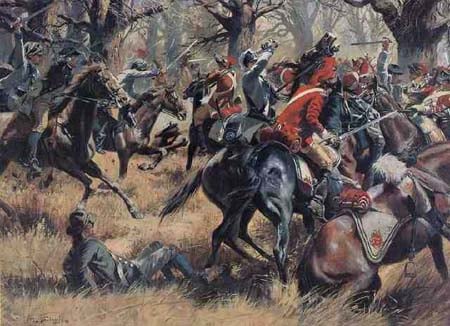
At the Battle of Cowpens on January 17, 1781, General Daniel Morgan used American strengths against British weaknesses perfectly. He positioned militia in front of regular Continental troops, telling them to fire two volleys and then retreat.
British Lieutenant Colonel Banastre Tarleton saw the militia retreat and assumed victory. His forces charged forward directly into Continental regulars and cavalry.
The Americans destroyed Tarleton’s force, killing or capturing nearly 90 percent of his men. Morgan understood how militia and regulars could work together.
He turned the militia’s tendency to retreat early into an advantage. The tactics at Cowpens influenced how American commanders fought the remaining battles.
British forces couldn’t adapt to this style of warfare.
Guilford Courthouse Drained British Strength
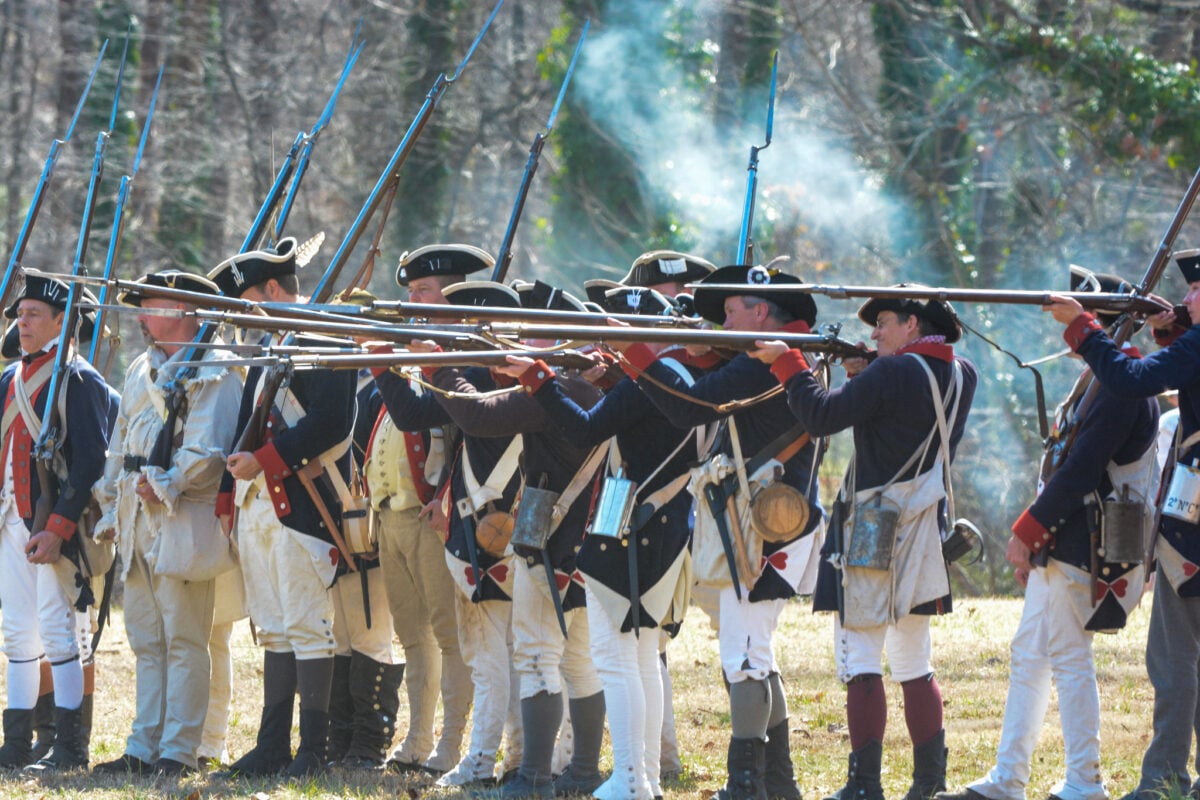
The Battle of Guilford Courthouse on March 15, 1781, demonstrated how American forces could win by losing. Cornwallis attacked an American position with about 1,900 troops against 4,400 Americans.
The British won the field but suffered casualties exceeding 25 percent of their force. Cornwallis couldn’t replace these losses.
The Americans could. This pattern repeated throughout the southern campaign.
British victories cost them soldiers they desperately needed. American defeats hurt but didn’t destroy their ability to continue fighting.
After Guilford Courthouse, Cornwallis marched to Virginia hoping to find supplies and reinforcements. This decision led directly to the war’s end.
His weakened army couldn’t survive a siege, and he had placed himself in a vulnerable position.
Yorktown Ended the Fighting
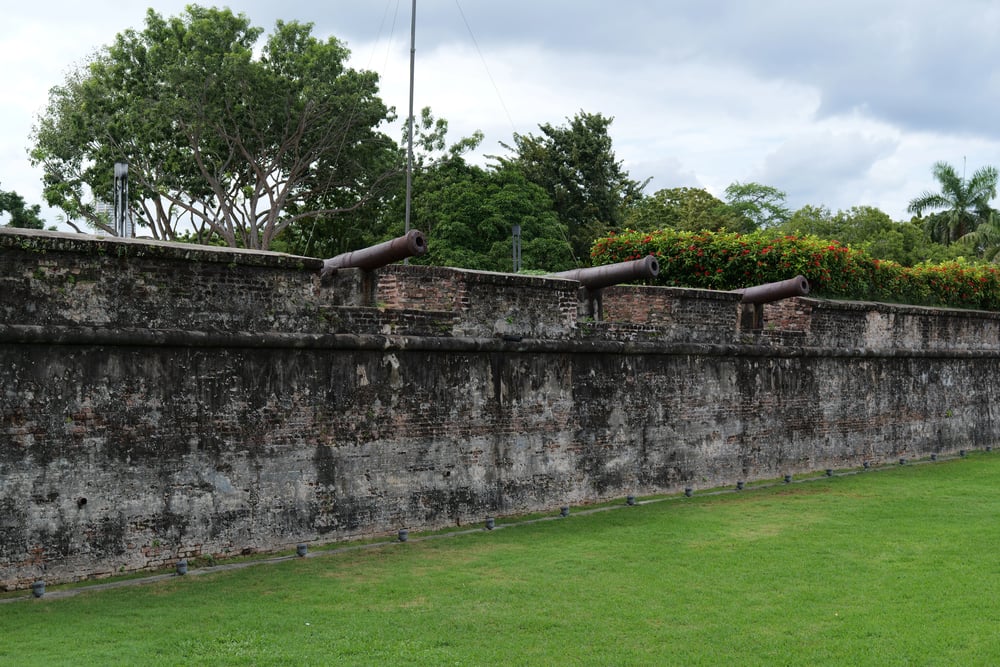
— Photo by kalama stock
Fortress walls rose at Yorktown, Virginia, as Cornwallis waited for British ships to bring supplies and troops. Down from the north came Washington alongside French commander Rochambeau, leading an army of Americans and Frenchmen.
Cutting off escape by sea, French warships under Admiral de Grasse sealed the mouth of the Chesapeake Bay. Cornwallis was stuck, cut off by sea because French warships blocked any escape.
His position grew hopeless when American and French forces closed in around his lines. Shells rained down, tearing apart walls and trenches.
With supplies gone and no relief coming, he gave up on a cool autumn day – October 19, 1781. Roughly eight thousand soldiers laid down their arms.
Even though British soldiers remained stationed across America, ready to keep battling, voices back home began rising in protest. War weariness spread fast when news arrived of yet another defeated army.
Money drained away, men came home in coffins – people questioned what it was all for. Lawmakers finally agreed: no more attacks, just talks instead.
Decisions shifted not on battlefields, but inside a crowded hall where votes changed everything.
The Treaty of Paris Secured Independence

Fewer than two full years slipped by after Yorktown before negotiations quietly faded. By September the third, seventeen eighty-three, a document called the Treaty of Paris stamped approval – suddenly maps changed, lines drawn not in blood but ink and word.
Only after long fighting did freedom arrive – westward the fresh lines ran, following the river carving across the terrain. Because they pushed hard at talks, fishing spots close to Canadian shores remained accessible.
Far off, royal control stood strong among tropical isles and deep woods above. Letting go of thirteen colonies happened, yet Britain kept grip elsewhere without retreat.
Never before had change shown so plainly in the way countries acted afterward. Peace came first, then dignity tagged along just behind.
People who lived under faraway kings started living by rules they made themselves. Across oceans and into foreign courts, acknowledgment quietly spread.
A fight that launched in anger closed with quiet talks overseas.
When Everything Could Have Gone Differently

Things nearly fell apart back then. If Washington’s men had failed to escape early on, the effort might have died instantly. Help from France showed up – yet it could just as well have stayed away.
Smarter choices by British commanders might have turned the tide. Loyalist backing in the colonies never took shape – but had it grown strong, rebellion could have been crushed.
Fate leaned toward the American side, just slightly. Victories in combat came hand in hand with sharp diplomacy overseas, while Britain faltered step by step.
Momentum shifted like tides – each change feeding the next, advantages piling up fast, chances emerging out of empty air. Start down the path from Lexington to Yorktown.
See how close things were to unfolding differently. Victory didn’t arrive because plans were perfect – instead, it showed up when chance, decisions, and timing briefly matched.
Those turns – the ones that truly mattered – emerged through smart moves by single figures, battles snatched from defeat, or foreign aid arriving at last. Everything shifted quickly after those.
Never promised. Only made real. That’s why.
A fraction of an inch stood between victory and defeat – tighter than most imagine. That instant offered no guarantee, still belief held on, barely, keeping the uprising alive till the end.
More from Go2Tutors!

- The Romanov Crown Jewels and Their Tragic Fate
- 13 Historical Mysteries That Science Still Can’t Solve
- Famous Hoaxes That Fooled the World for Years
- 15 Child Stars with Tragic Adult Lives
- 16 Famous Jewelry Pieces in History
Like Go2Tutors’s content? Follow us on MSN.



