Smart Home Gadgets Revolutionizing Life
The way people live at home has changed dramatically over the past few years. Technology that once seemed like something out of a science fiction movie now sits on kitchen counters, hangs on walls, and even answers questions from the ceiling.
These devices don’t just make life easier—they’re reshaping how families interact with their living spaces every single day. Let’s look at the devices that are making the biggest difference in homes across the country.
Robot vacuum cleaners
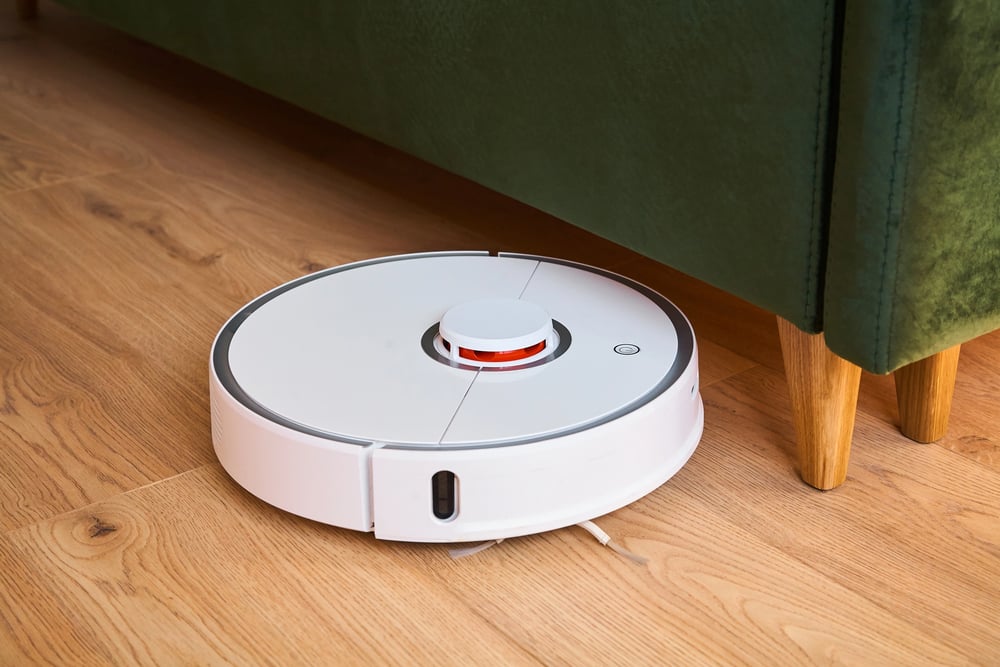
These little machines zip around floors while homeowners relax on the couch or run errands across town. They map out rooms, avoid furniture, and return to their charging stations when the battery runs low.
Some models even empty their own dust bins into larger containers that only need attention once a month. The best part is coming home to clean floors without lifting a finger.
Smart thermostats
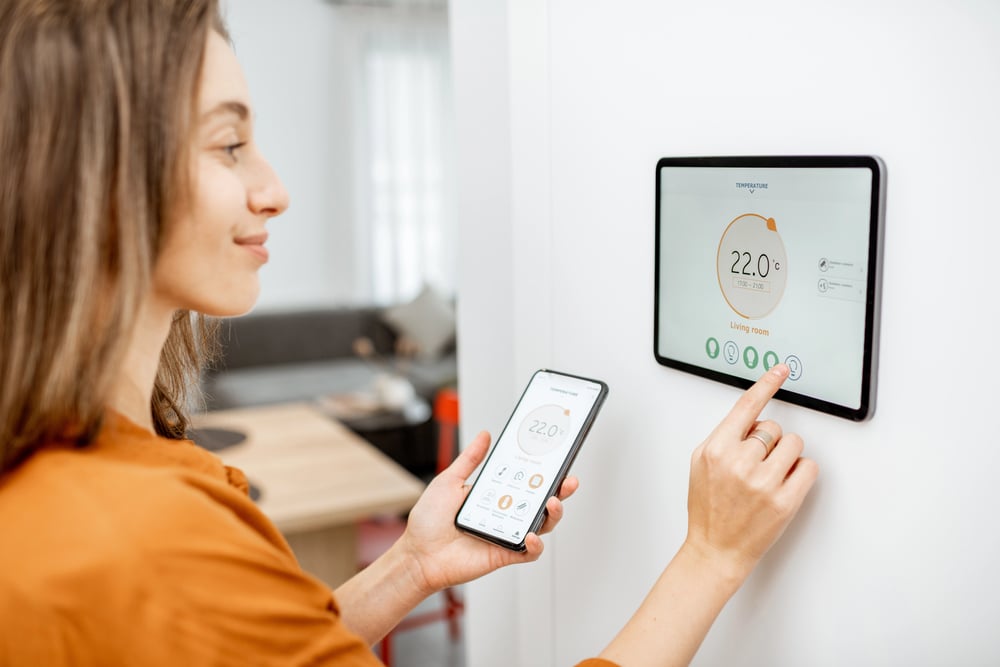
A device on the wall now learns when people wake up, leave for work, and come back home. It adjusts temperatures automatically to save energy during empty hours and creates comfort right before anyone walks through the door.
Many models show exactly how much money they’re saving each month, and some utility companies even offer rebates for installing them. The average household cuts heating and cooling costs by 10 to 23 percent after switching to one of these systems.
Video doorbells
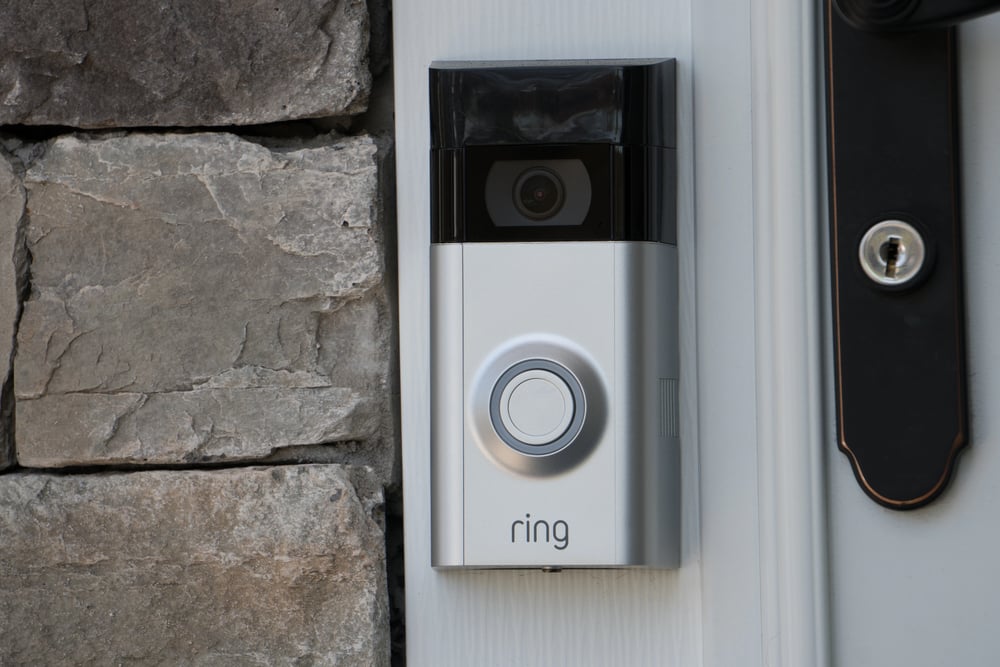
Answering the door has entered a whole new era. These devices show who’s standing on the front porch even when homeowners are hundreds of miles away on vacation.
They record footage when motion is detected, send alerts to smartphones, and let people have two-way conversations with delivery drivers or unexpected visitors. Package theft has dropped significantly in neighborhoods where these doorbells have become common.
Smart locks
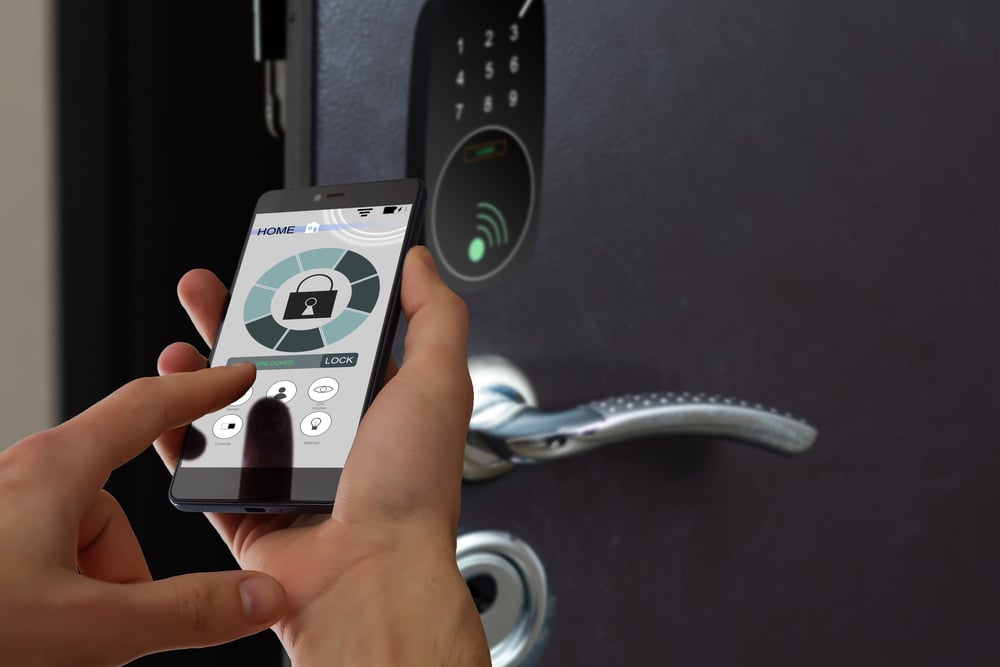
Keys are becoming relics of the past. Modern locks open with fingerprints, phone apps, or temporary codes shared with guests and service workers.
Parents can let kids into the house after school without leaving work early, and vacation rental owners manage access for different guests without ever mailing a physical key. The system logs every time someone enters or exits, creating a detailed record that proves useful for security and simple curiosity.
Voice-activated speakers
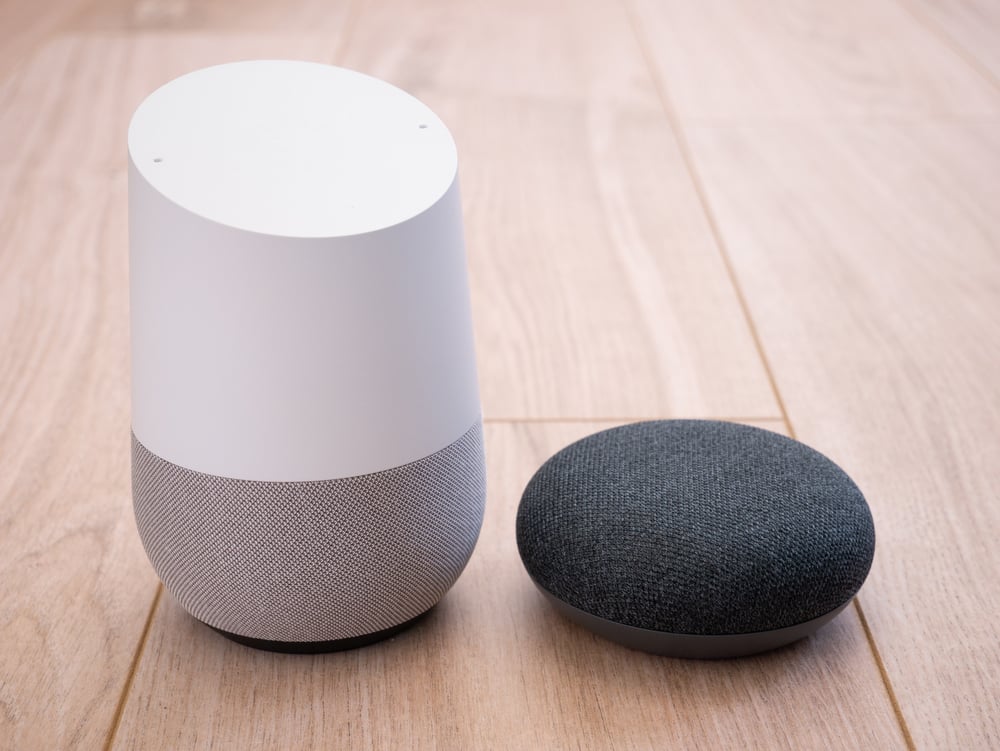
These cylindrical devices answer questions, play music, set timers, and control other gadgets through simple spoken commands. They’ve become kitchen assistants that read recipes aloud while cooks keep their hands free for chopping vegetables.
Kids use them for homework help, and busy parents rely on them to manage shopping lists that update in real time. The speakers connect to thousands of other devices, acting as central hubs for entire smart home systems.
Smart lighting systems
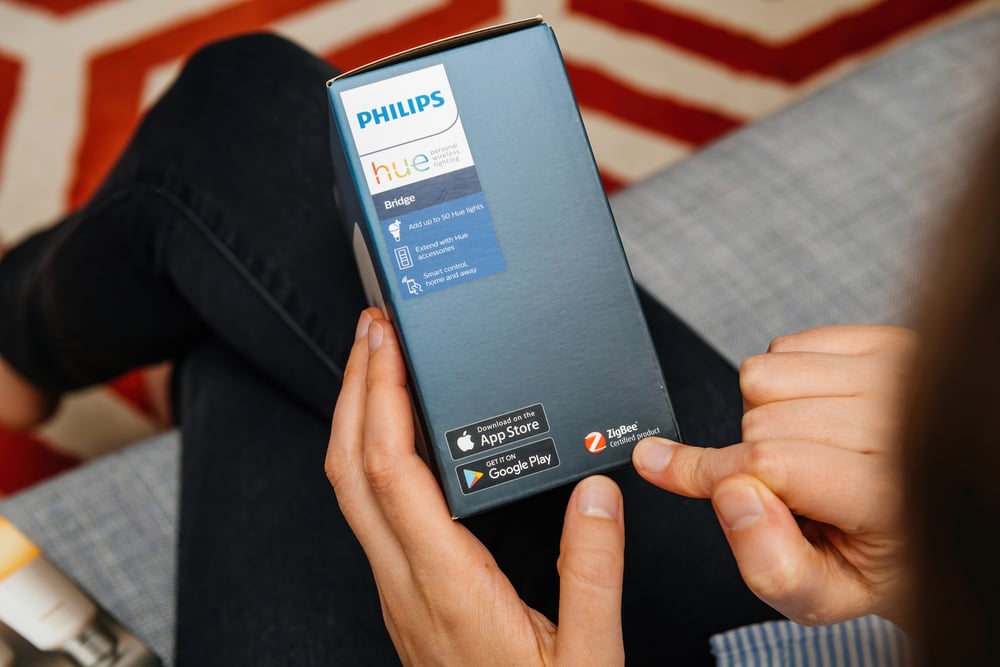
Bulbs now change colors, dim automatically, and turn on or off based on whether anyone is in the room. Some systems mimic natural sunlight patterns to help people wake up gently in the morning or wind down before bed.
Others flash red when the security system detects something unusual or pulse to the beat of music during parties. Energy usage drops because lights no longer stay on in empty rooms all day.
Leak detection sensors
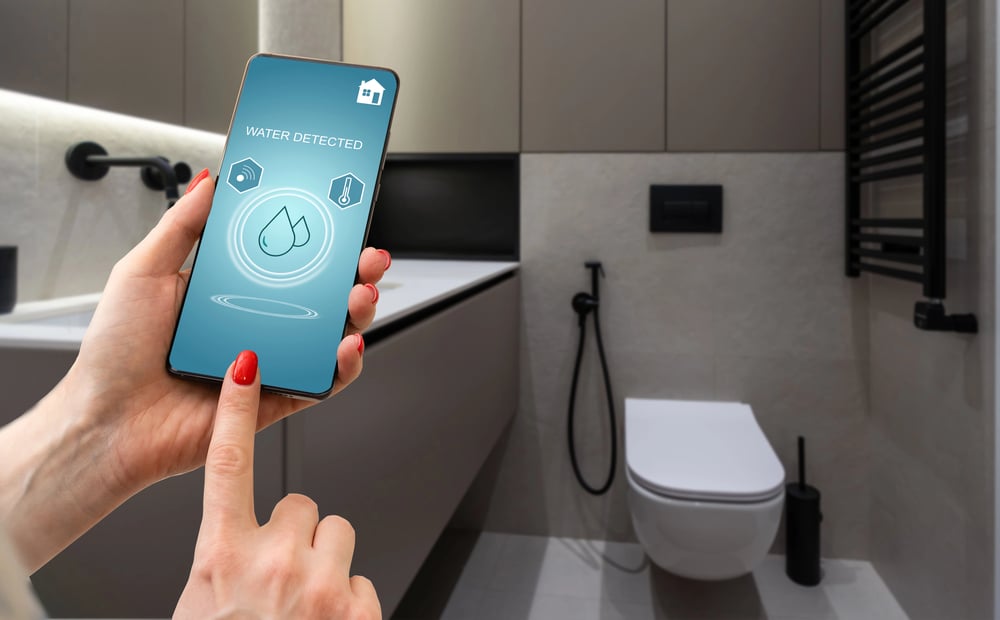
These small devices sit near water heaters, under sinks, and behind washing machines, waiting to catch problems before they become disasters. When moisture appears where it shouldn’t, they send urgent alerts to smartphones and can even shut off main water valves automatically.
Homeowners have avoided thousands of dollars in water damage thanks to warnings that arrived while they were at work or asleep upstairs. Insurance companies have started offering discounts to customers who install these sensors.
Smart refrigerators
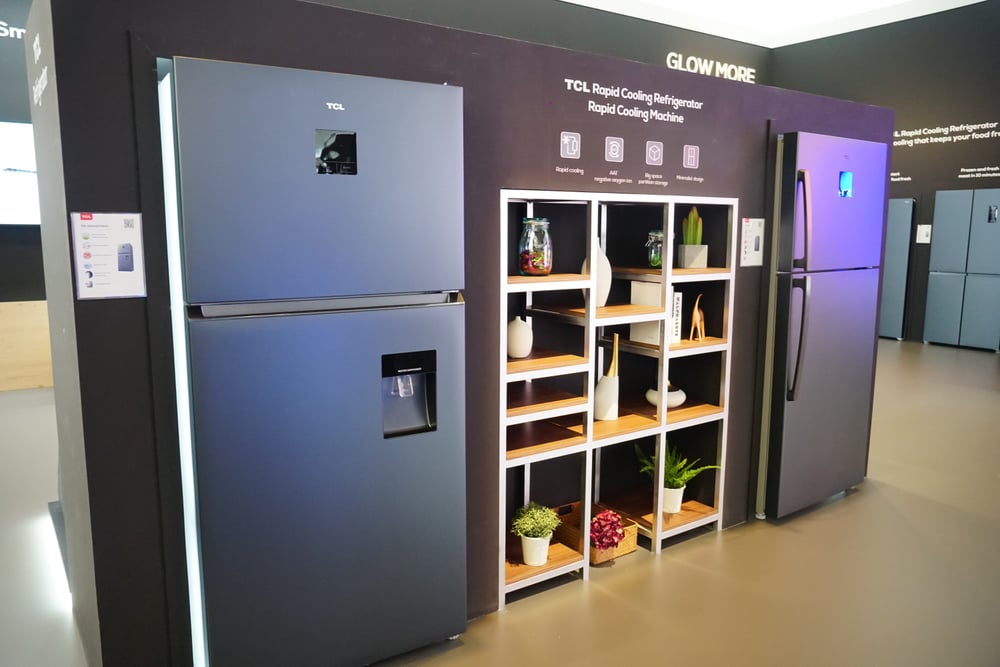
Modern fridges show their contents on exterior touchscreens and send expiration date reminders before food spoils. Some models have internal cameras that let shoppers check what’s running low while standing in grocery store aisles.
They suggest recipes based on available ingredients and can even order replacements automatically when supplies run out. The family calendar, weather forecast, and streaming music all appear on the same screen where shopping lists used to hang with magnets.
Air quality monitors
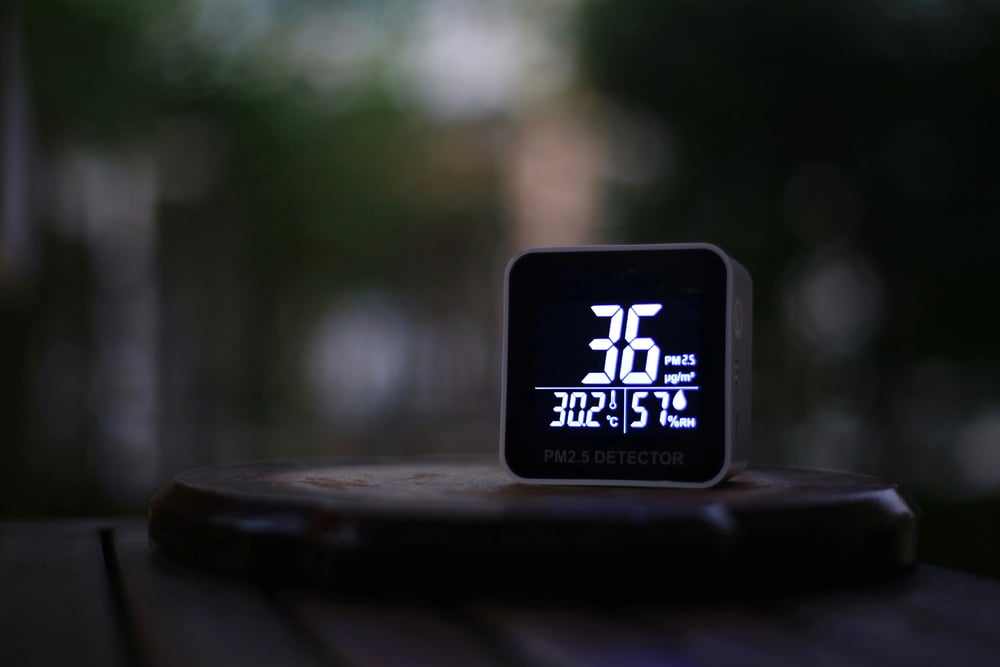
Indoor air affects health more than most people realize, and these monitors measure everything from dust particles to carbon dioxide levels. They work with ventilation systems to improve circulation when readings show poor conditions.
Some connect to air purifiers that activate automatically when pollen counts rise or when cooking creates smoke. Parents with children who have asthma have found these devices particularly valuable for managing symptoms before they worsen.
Smart sprinkler controllers
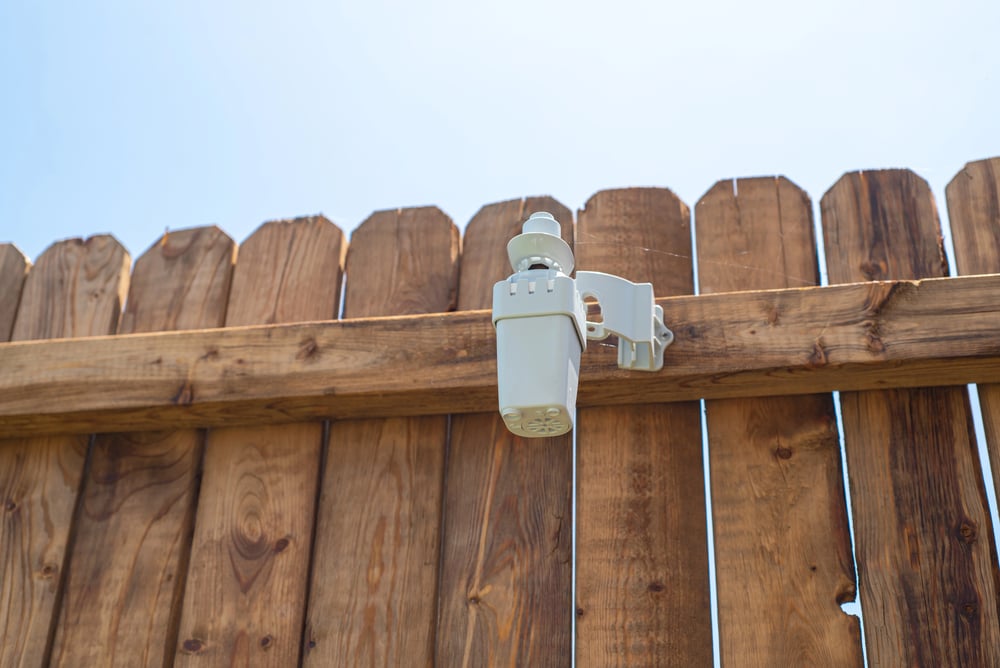
Yards get exactly the right amount of water based on weather forecasts, soil moisture, and plant types. These controllers skip watering sessions when rain is coming and adjust schedules as seasons change.
Water bills drop by an average of 30 percent, and lawns often look healthier because they’re not being overwatered during humid periods. Some cities offer rebates for these systems because they reduce strain on municipal water supplies during droughts.
Security cameras with recognition technology
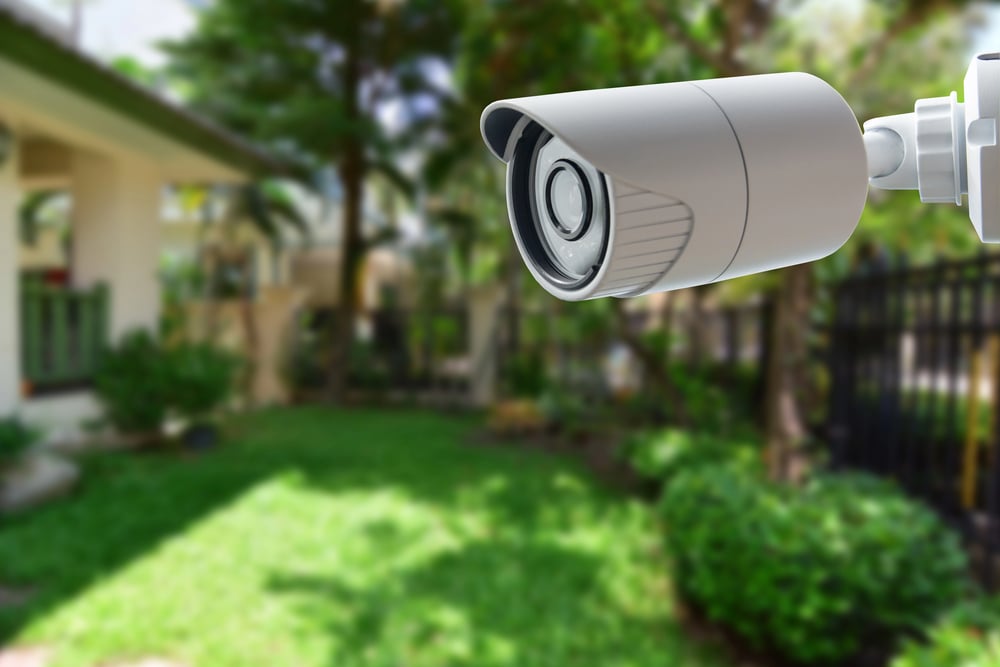
Cameras now tell the difference between family members, delivery workers, and strangers. They can ignore pets walking through the yard while alerting homeowners to unfamiliar people near windows.
The footage is stored in the cloud, accessible from anywhere with an internet connection. Some models spotlight and track movement automatically, creating clear video even in complete darkness.
Neighborhoods with visible cameras report lower rates of break-ins and vandalism.
Smart plugs
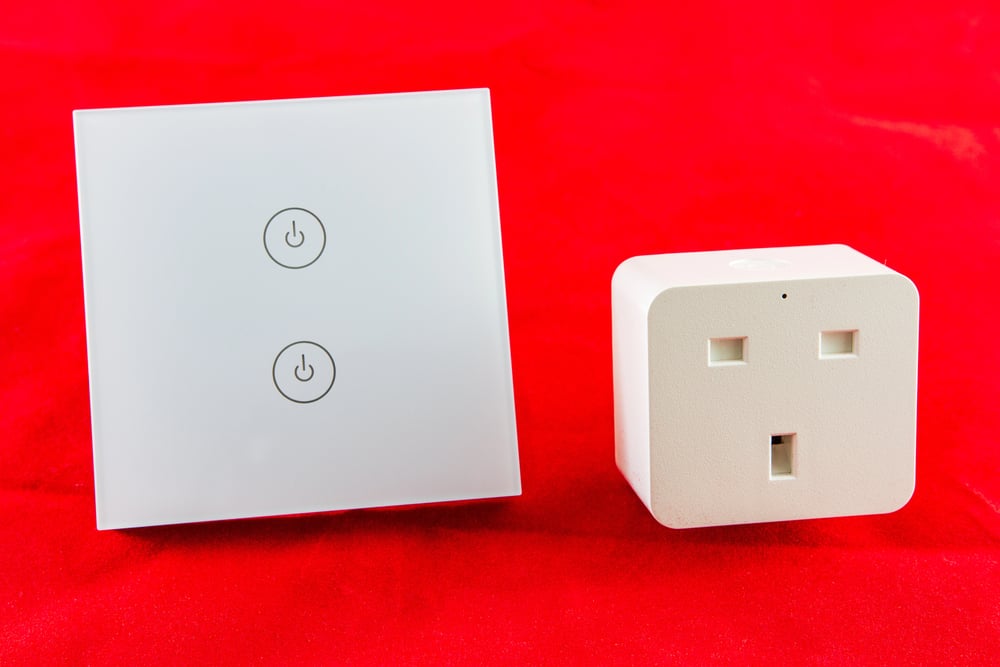
These adapters turn ordinary appliances into connected devices without replacing anything. Coffee makers start brewing before alarm clocks go off, holiday lights turn on at sunset automatically, and space heaters shut down when temperatures reach comfortable levels.
They also reveal which appliances use the most electricity, helping families identify energy wasters. A lamp in the living room can now respond to voice commands or turn on when someone arrives home after dark.
Garage door controllers
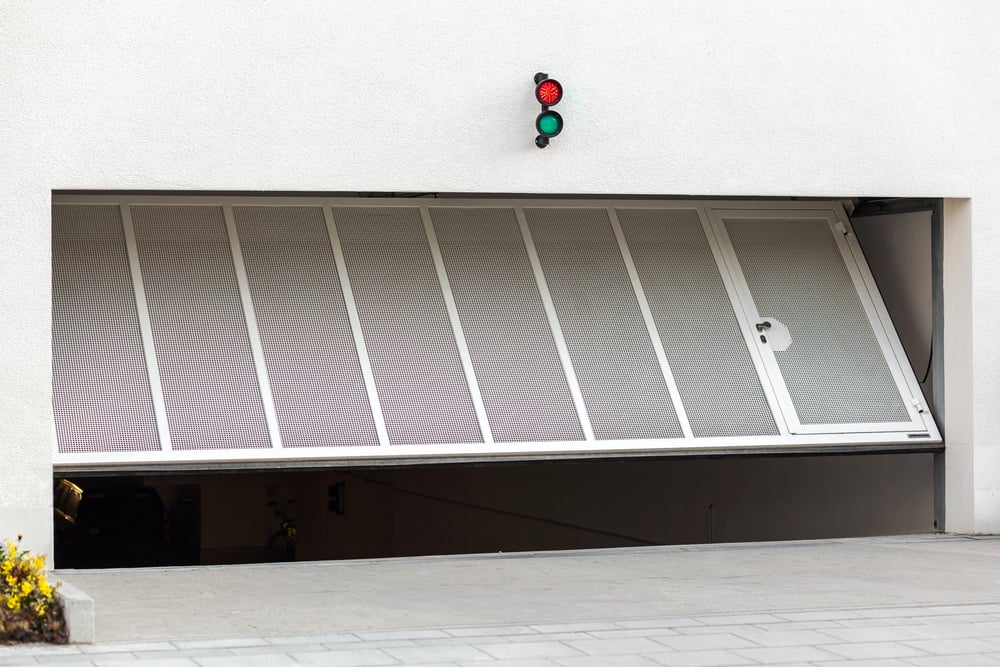
From anywhere, knowing if the garage door shut takes almost no effort. Alerts pop up whenever a door lingers open past its usual window, giving instant awareness.
Phone apps step in to seal it without needing to return home. Temporary entry rolls out for visitors or deliveries using digital passes locked to certain hours.
Each tap of the opener gets recorded, building a quiet history of comings and goings – like spotting exactly when teens slipped through the door after curfew.
Smart smoke and carbon monoxide detectors
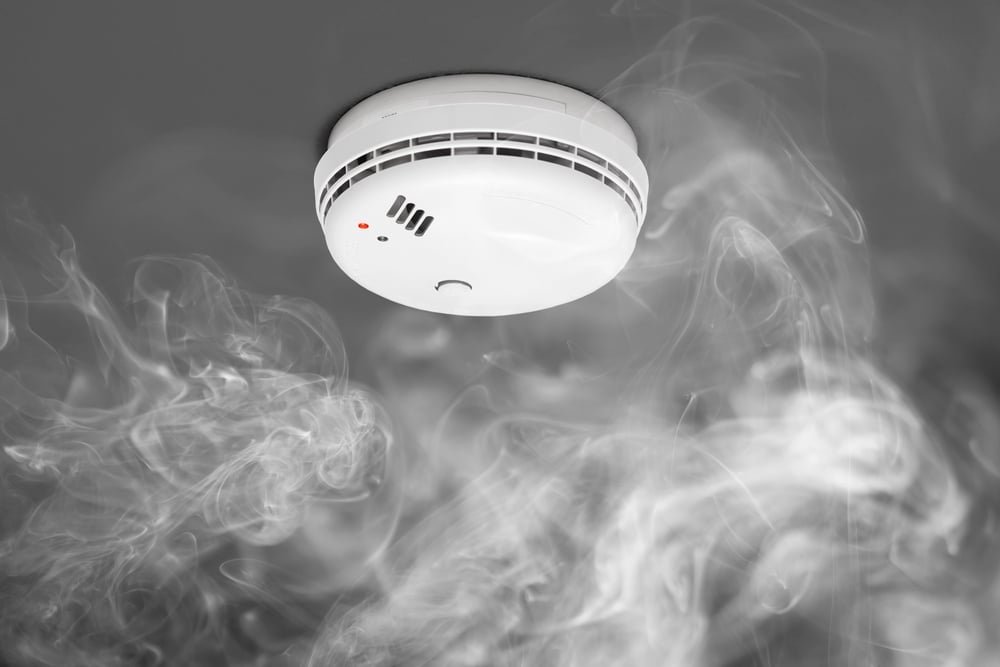
Not just a loud alarm when trouble hits – these gadgets speak up, telling you exactly where smoke or carbon monoxide shows up. Voice alerts come from inside the unit itself while messages zip off to your phone at the same time.
When silence follows an alert, it reaches out to chosen people automatically. Without needing reminders, they check themselves often, making sure everything works right.
A quiet warning comes long before power fades, giving plenty of time to swap batteries. Light spills out in some versions, guiding feet safely through dark halls if flames break loose after bedtime.
Automated pet feeders
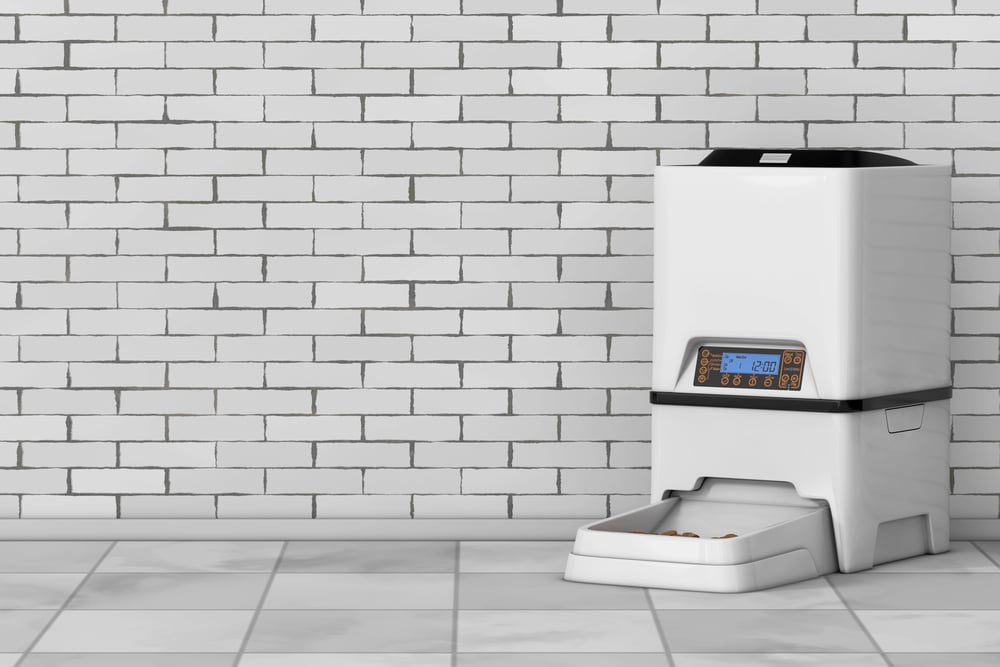
Pets receive food right on time, especially if someone stays late at the office or heads out town. When timers go off, machines drop exact amounts – no extra scoops piling up into chubby cats or dogs.
A lens tucked inside peers into the room, showing chew sessions live from miles away; certain gadgets pipe voices down through tiny speakers nearby the bowl. Each bite gets logged by software that nudges owners when munching slows or skips days.
Where homes are heading

Day by day, tech quietly takes over chores once done by hand. Those quirky toys from a few years back now live in most households like trusted helpers.
Because setup grows simpler and prices drop steadily, more houses plug into this shift every season. Smarts build up slowly inside each device until they feel almost aware.
Most folks care less about circuits or code than the calm moments gained after everything just works.
More from Go2Tutors!

- The Romanov Crown Jewels and Their Tragic Fate
- 13 Historical Mysteries That Science Still Can’t Solve
- Famous Hoaxes That Fooled the World for Years
- 15 Child Stars with Tragic Adult Lives
- 16 Famous Jewelry Pieces in History
Like Go2Tutors’s content? Follow us on MSN.