Largest Gold Reserves Held by Governments
Gold has held a special position in the world economy for centuries. Well before the development of modern financial systems, gold has been a reliable form of wealth for governments to build their currencies upon.
Even in modern times, long after the gold standard was abandoned in most national monetary systems, central banks still hold enormous stores of gold in secure vaults around the world. These reserves provide a financial security blanket. In times of economic instability, gold provides a form of wealth that doesn’t rely on the performance of any particular currency or financial system.
For that reason, many countries hold enormous stores of gold, hidden away in secure vaults beneath their central banks or in highly secure facilities. Here’s a closer look at the governments that hold the most gold reserves and why they’re still important in modern finance.
United States

The United States holds the largest official gold reserve in the world by a wide margin. The country possesses more than 8,000 metric tons of gold, much of it stored in highly secure facilities such as Fort Knox in Kentucky and the United States Bullion Depository.
Additional reserves are kept at the Federal Reserve Bank of New York and other protected locations. These reserves were accumulated primarily during the twentieth century, when the United States operated under the gold standard and global trade flowed heavily through American financial institutions.
Even after the country moved away from gold-backed currency in the 1970s, the government retained its vast stockpile. Today, the reserve remains a powerful symbol of financial strength and long-term stability.
Germany

Germany holds the second-largest gold reserve in the world, with more than 3,300 metric tons stored in national vaults and a few international facilities. Much of the gold was accumulated during decades of strong export-driven economic growth after World War II.
For many years, portions of Germany’s reserves were stored abroad in cities such as New York, London, and Paris as a safeguard during the Cold War. In recent years, however, the German central bank has repatriated a significant share of that gold back to Frankfurt.
The move reflected both logistical convenience and public interest in knowing where the country’s wealth is physically stored.
Italy

Italy ranks among the top holders of gold reserves, with roughly 2,400 metric tons under the control of the Bank of Italy. The country accumulated much of this gold during the decades following World War II, when European economies rebuilt their financial systems and strengthened central bank reserves.
Italy’s gold holdings are particularly notable because they represent a large share of the nation’s overall financial reserves. Despite changes in global monetary systems, the Bank of Italy continues to treat gold as an important component of financial security.
The reserve provides reassurance to investors and reflects the country’s long-standing commitment to monetary stability.
France

France maintains one of the world’s largest official gold reserves, with approximately 2,400 metric tons held by the Banque de France. Much of this gold is stored in an enormous underground vault in Paris known informally as ‘La Souterraine.’
The French reserve expanded significantly during the twentieth century as the country rebuilt its financial position after periods of conflict and economic instability. Today, France continues to regard gold as a critical strategic asset.
Even in an era dominated by digital finance and global currencies, the country maintains its reserve as a hedge against economic uncertainty.
Russia
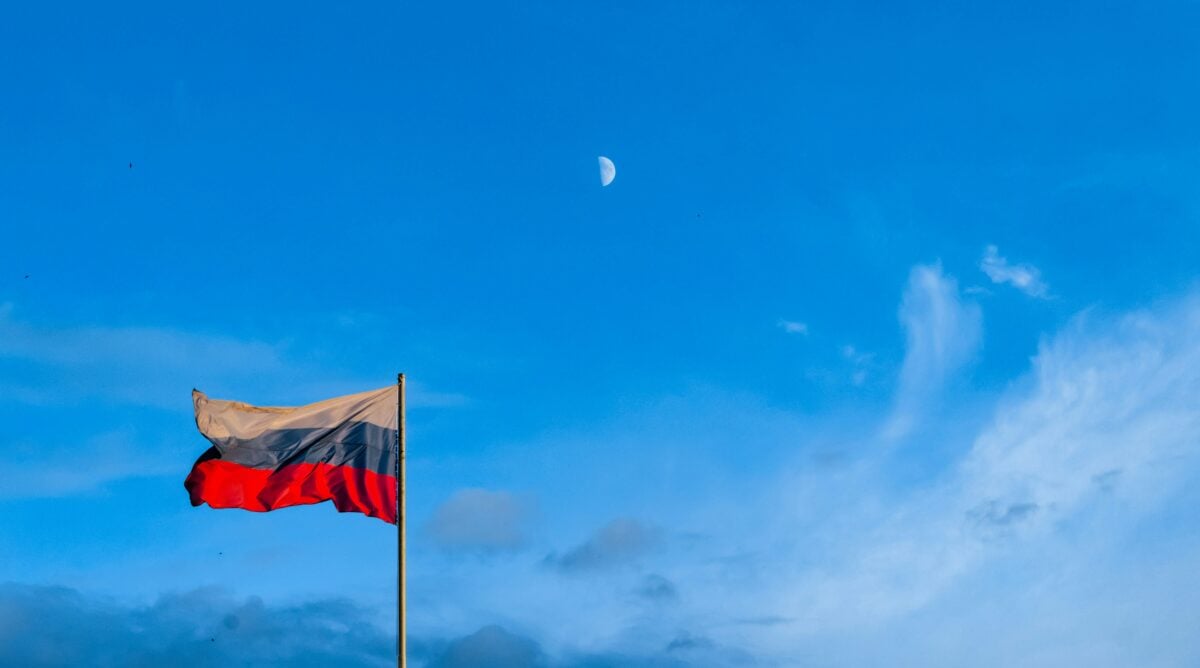
Russia has steadily expanded its gold reserves over the past two decades. The Central Bank of Russia now holds more than 2,300 metric tons, making it one of the largest holders in the world.
The country’s strategy reflects a deliberate effort to diversify national reserves away from foreign currencies. By increasing its gold holdings, Russia strengthens its financial independence and reduces exposure to international sanctions or currency volatility.
As a result, gold has become a central pillar of Russia’s broader economic planning.
China

China possesses one of the largest gold reserves in the world, officially reporting more than 2,000 metric tons. The People’s Bank of China has steadily increased its holdings over the years as the country’s global economic influence has expanded.
Gold plays an important symbolic and strategic role in China’s financial planning. While the nation holds substantial reserves in foreign currencies, increasing gold holdings helps diversify those assets.
In addition, the accumulation of gold supports China’s broader efforts to strengthen confidence in its financial system and international economic standing.
Switzerland

Switzerland holds one of the largest gold reserves relative to the size of its economy. The Swiss National Bank controls more than 1,000 metric tons, a legacy of the country’s long-standing reputation as a global financial center.
For many years, Switzerland maintained a strong link between its currency and gold. Although that system ended in the late twentieth century, the country retained a significant portion of its reserves.
Even so, gold continues to play an important role in reinforcing Switzerland’s reputation for financial stability and careful monetary management.
India

India’s central bank holds more than 800 metric tons of gold, reflecting the country’s deep historical connection to the metal. Gold has long played a cultural and economic role in Indian society, where it is widely used in jewelry, celebrations, and long-term savings.
In recent decades, the Reserve Bank of India has steadily increased its gold reserves as part of a broader strategy to strengthen national financial security. The accumulation also reflects India’s growing role in the global economy.
As the country continues to expand economically, its gold reserve remains a valuable safeguard against financial turbulence.
Japan
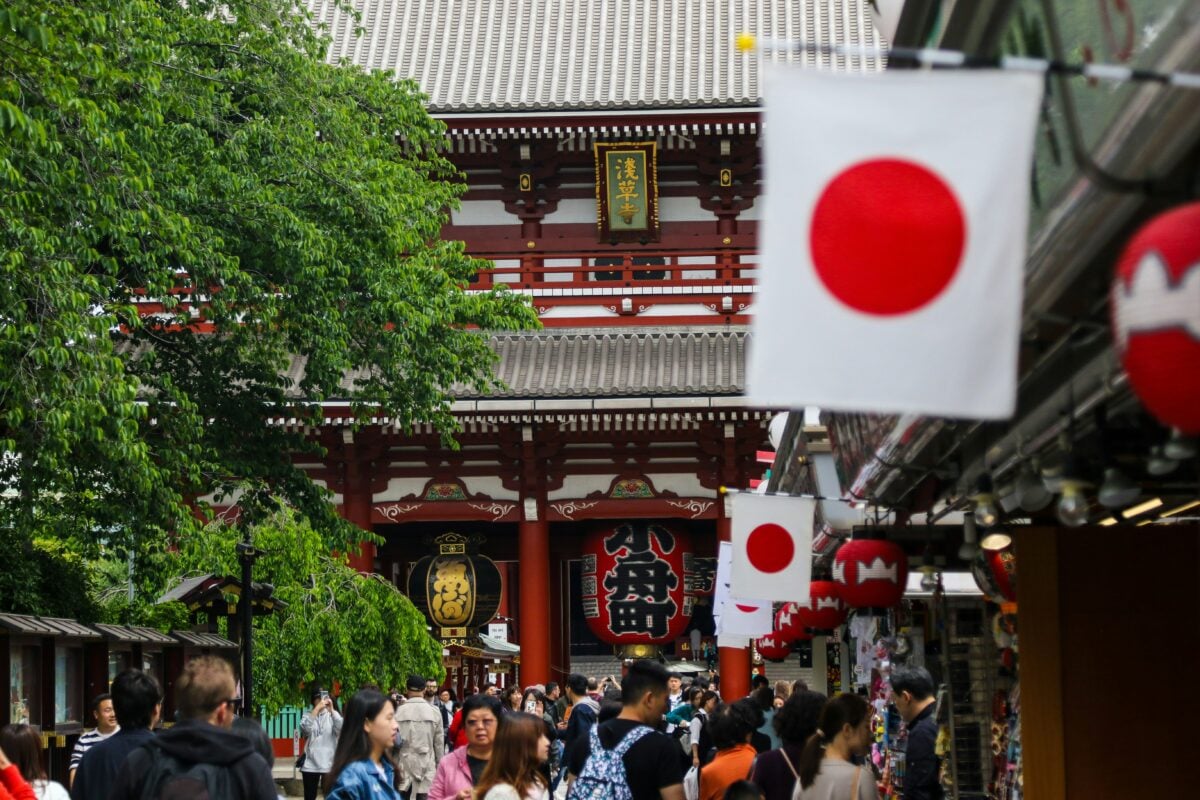
Japan maintains a gold reserve of more than 800 metric tons through the Bank of Japan. While gold represents only a portion of the country’s total reserves, it serves as an important complement to the large foreign currency holdings Japan maintains.
The Japanese government has historically focused on currency reserves tied to international trade, particularly the U.S. dollar. Still, gold provides an additional layer of financial diversification.
During periods of global economic stress, the metal offers stability that complements Japan’s broader financial strategy.
Netherlands

The Netherlands holds roughly 600 metric tons of gold through the Dutch central bank. Although smaller than the reserves of larger economies, this stockpile represents a substantial financial asset for the country.
In recent years, the Netherlands has also moved part of its gold reserve back to domestic vaults in Amsterdam after decades of storing significant quantities abroad. The decision reflected both security considerations and public interest in maintaining direct control over national assets.
Turkey

Turkey has emerged as one of the fastest-growing holders of official gold reserves in recent years. The Central Bank of the Republic of Turkey now maintains several hundred metric tons as part of its national financial reserves.
Gold plays a particularly important role in Turkey’s economy because of the country’s strong domestic demand for the metal. The government has also encouraged commercial banks to include gold deposits within the national reserve system.
This strategy helps strengthen financial resilience while tapping into the country’s longstanding cultural relationship with gold.
The Enduring Role of Gold
Yet even in today’s digital age of financial transactions and complex financial products, gold maintains a unique position in the strategic plans of governments and central banks worldwide. The largest gold reserves are a testament to decades of economic planning and a history of trade relationships and a desire for financial credibility.
These massive gold reserves are not often in the news headlines, but they play a vital role in keeping the financial systems of nations stable and secure. During periods of economic and financial uncertainty, having massive gold reserves provides comfort and increases investor confidence in a country’s financial system.
As the world continues to change and evolve in terms of financial markets and systems, it is obvious that gold will continue to be a key component of a country’s strategic plan for many decades to come.
More from Go2Tutors!

- The Romanov Crown Jewels and Their Tragic Fate
- 13 Historical Mysteries That Science Still Can’t Solve
- Famous Hoaxes That Fooled the World for Years
- 15 Child Stars with Tragic Adult Lives
- 16 Famous Jewelry Pieces in History
Like Go2Tutors’s content? Follow us on MSN.