15 Famous Things That Were Supposed to Be Temporary
Many of the world’s most iconic landmarks, technologies, and cultural phenomena weren’t planned to last. These supposedly short-term creations ended up becoming permanent fixtures in our world, often through a mixture of public affection, practical usefulness, or simple happenstance.
Their stories remind us that permanence isn’t always part of the original blueprint. Here is a list of 15 famous things that were initially meant to be temporary but stood the test of time instead.
Eiffel Tower
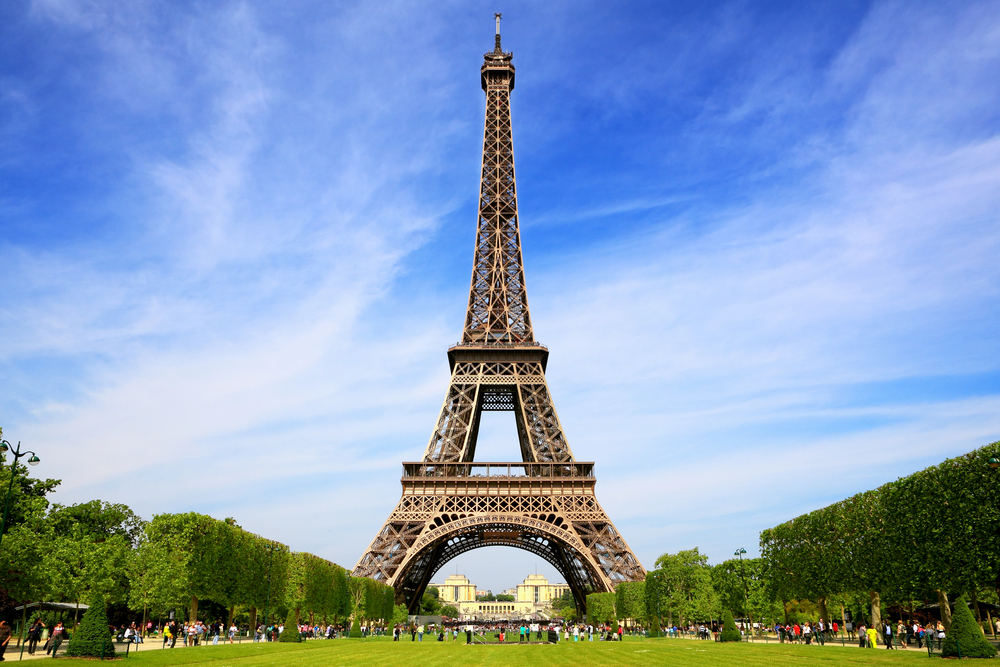
The Eiffel Tower was built as the entrance arch for the World’s Fair and was planned to last just twenty years. Parisians initially despised the structure, calling it an eyesore and a blight on the city’s elegant landscape.
Its salvation came when officials realized its height made it perfect for the new radio transmission technology, transforming a temporary attraction into the enduring symbol of France.
SPAM
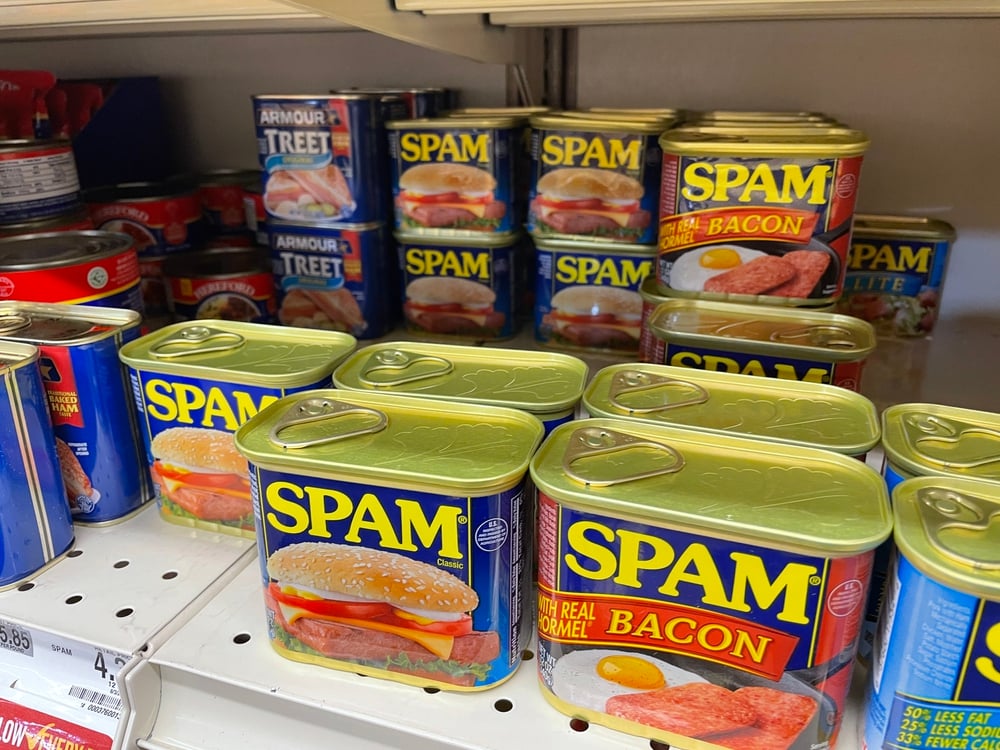
SPAM was created as a way to sell pork shoulder, an unpopular cut of meat during the Great Depression. Hormel Foods saw it as a temporary product to boost profits during economic hardship, not as a future cultural icon.
The canned meat became a staple during World War II when fresh meat was scarce, cementing its place in pantries worldwide for decades beyond its intended run.
The Hollywood Sign

The iconic Hollywood sign originally read ‘Hollywoodland’ and was erected as a temporary billboard for a real estate development. The sign was supposed to last just eighteen months to advertise upscale homes in the hills above Los Angeles.
When the housing development failed during the Great Depression, the sign remained and eventually became the globally recognized symbol of the entertainment industry we know today.
London Eye

The London Eye was planned as a temporary attraction to celebrate the millennium, with a five-year permit. The massive observation wheel quickly became one of London’s most popular attractions, drawing millions of visitors annually.
Its overwhelming success convinced city officials to make it permanent, transforming what was meant to be a brief celebration into one of the UK’s most visited paid attractions.
The Paint Job on the Golden Gate Bridge
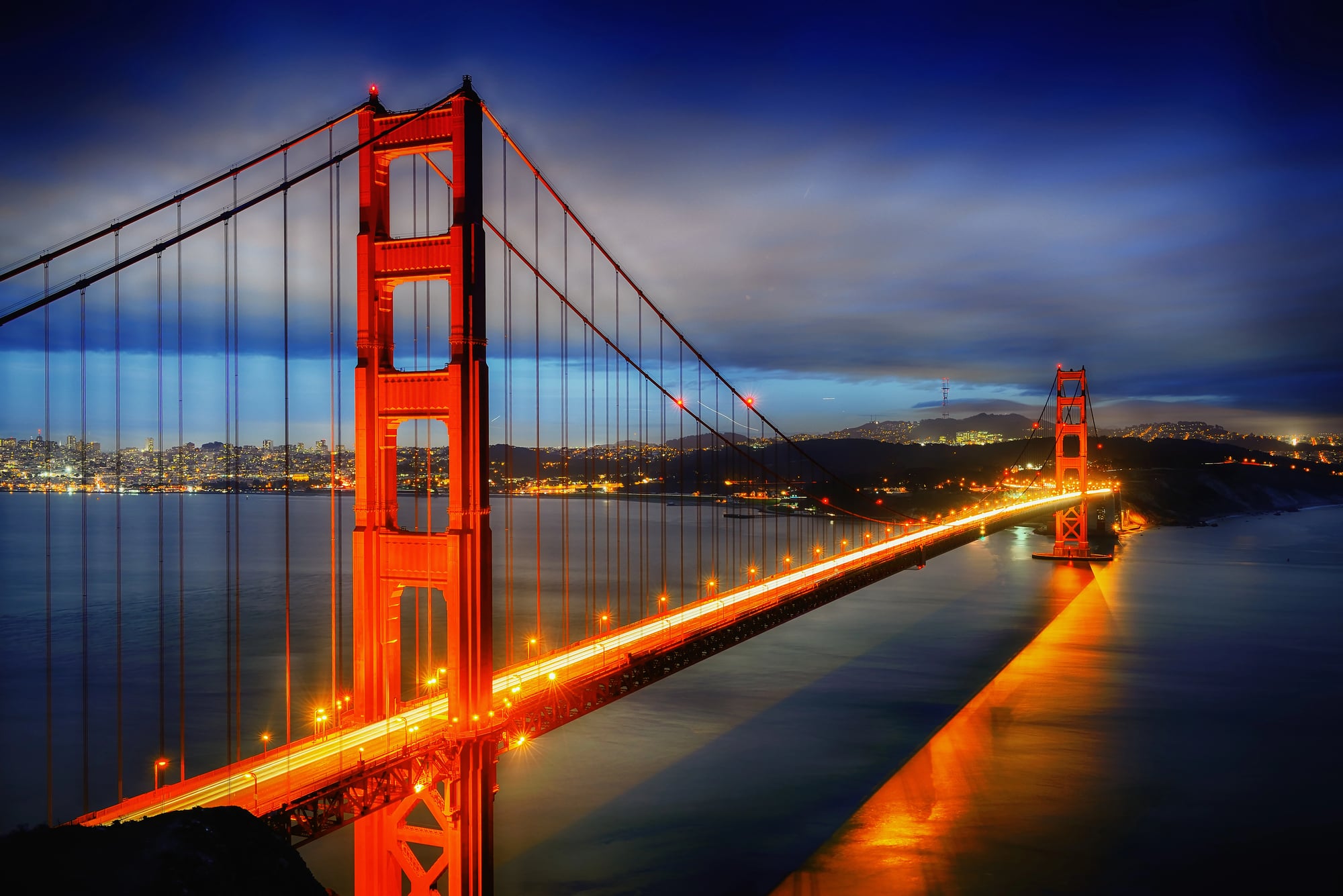
The distinctive ‘International Orange’ color of the Golden Gate Bridge was originally just a primer coat. The U.S. Navy had pushed for the bridge to be painted in yellow and black stripes to ensure visibility for passing ships.
The consulting architect was so taken with how the primer looked against San Francisco’s fog and surrounding hills that the temporary undercoat became the bridge’s permanent signature color.
Leaning Tower of Pisa

The Leaning Tower of Pisa wasn’t supposed to lean—or stay standing for centuries. Construction began, but the tower started tilting during building due to a shallow foundation on soft soil.
Rather than being demolished as a failed project, builders adjusted the upper floors to compensate for the lean. What began as a structural failure transformed into one of the world’s most famous architectural oddities, drawing tourists for over eight hundred years.
Monopoly

The board game Monopoly was created not for entertainment but as a teaching tool called ‘The Landlord’s Game.’ Designer Elizabeth Magie intended it to demonstrate the dangers of wealth concentration in the hands of monopolists.
The game was meant to be educational and temporary, not entertaining and permanent. Parker Brothers eventually acquired and marketed it as the property-trading game that has sold hundreds of millions of copies worldwide.
Olympic Stadium in London

The main stadium for the London Olympics was designed to be partially dismantled after the games. The plan called for reducing its eighty-thousand-seat capacity to a more modest twenty-five thousand for future events.
Public sentiment and practical considerations led to a change of plans, and the stadium became the permanent home of West Ham United Football Club. What was meant to be a downsized venue remains a full-scale athletic landmark in London’s East End.
Mount Rushmore
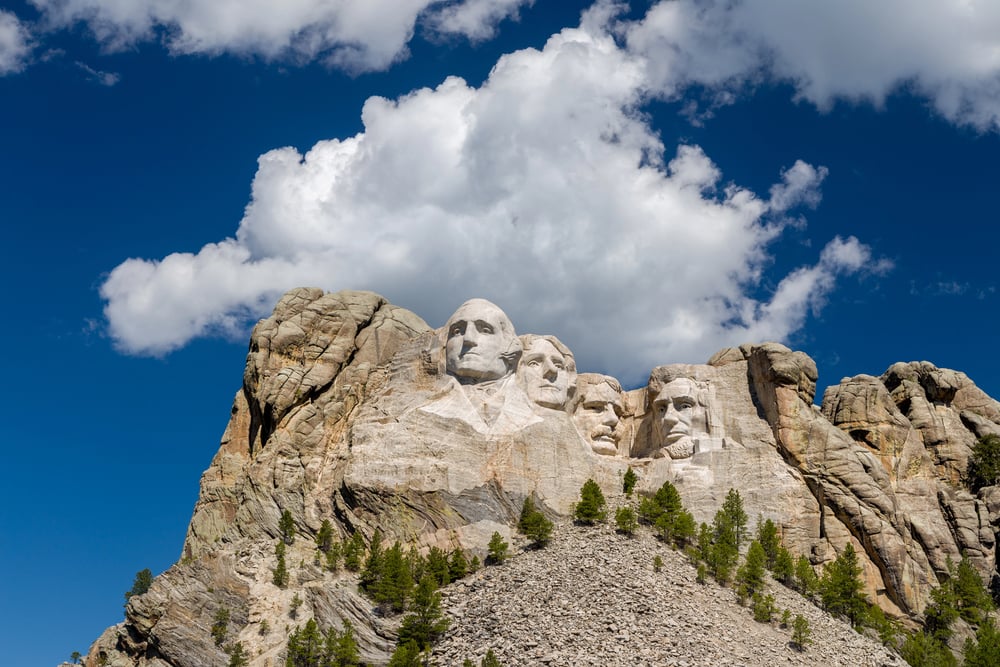
Mount Rushmore was initially planned to feature the presidents from head to waist, not just their faces. Creator Gutzon Borglum died before completion, and funding ran out during the Great Depression, leaving the monument in its current state.
What looks like a finished design to modern visitors was actually a temporary stopping point in a much grander vision that was never fulfilled.
Statue of Liberty’s Color

The Statue of Liberty’s distinctive green patina wasn’t part of the original design. When France gifted the statue to America, it was a shiny copper color that was expected to be maintained.
Engineers quickly realized that maintaining the copper finish would be impractical given the statue’s size and exposure to the elements. The temporary oxidation that turned the copper green became its permanent and now-beloved appearance.
The QWERTY Keyboard

The QWERTY keyboard layout was designed as a temporary solution for early typewriters to prevent keys from jamming. The arrangement purposely slowed typing by placing common letter combinations far apart.
Despite being created as a mechanical workaround for nineteenth-century technology, this ‘temporary’ layout persisted through electric typewriters and into the digital age. Modern keyboards no longer face the mechanical limitations that inspired QWERTY, yet we continue using this intentionally inefficient design.
Fenway Park
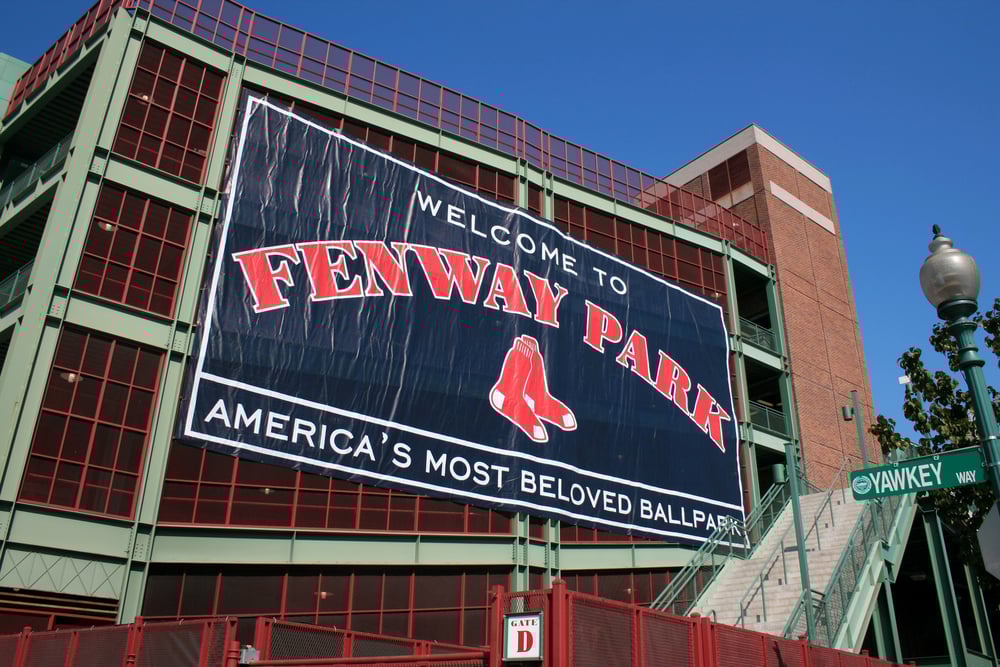
Fenway Park, home of the Boston Red Sox since nineteen twelve, was built as a stopgap facility after the previous ballpark burned down. Team owners intended to replace it with a larger, more modern stadium once finances permitted.
Economic realities and growing fan attachment to the park’s quirky features—like the famous Green Monster left field wall—transformed a temporary solution into the oldest ballpark in Major League Baseball and a beloved national landmark.
Great Sphinx Nose

The Great Sphinx’s missing nose wasn’t part of the original design but became its permanent appearance. Contrary to popular belief that Napoleon’s troops shot it off, the nose was likely destroyed centuries earlier.
Egyptian authorities initially planned to restore the nose but eventually accepted the altered appearance as part of the monument’s evolution. What was supposed to be a temporary defacement became the Sphinx’s most recognizable feature.
The Willis Tower Name
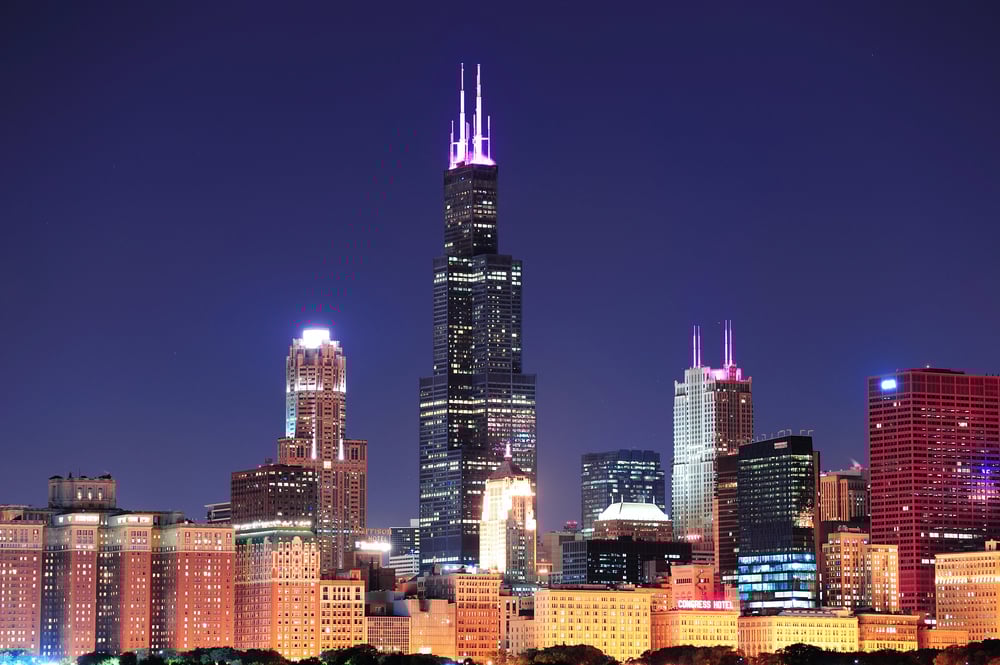
When Sears sold its naming rights to the Willis Group, many Chicagoans considered the name change to Willis Tower a temporary inconvenience they would ignore. Despite more than a decade under the new name, many locals and tourists still call it the Sears Tower.
Building owners expected the transition to be complete within a few years, but the temporary resistance has proven remarkably enduring, with many maps and tour guides still referencing both names.
National World War II Memorial
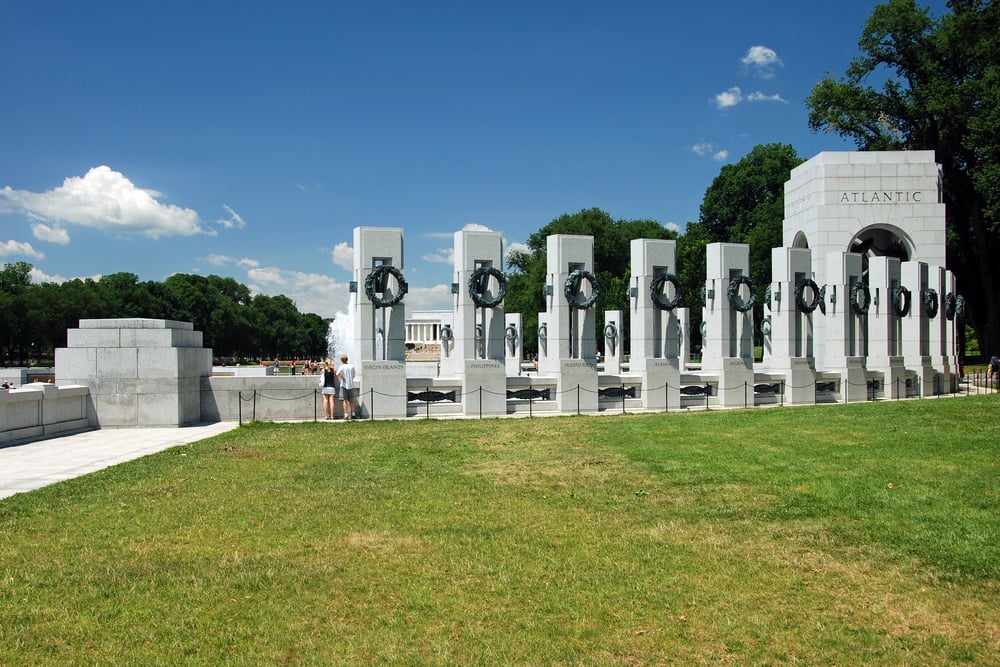
The National World War II Memorial in Washington D.C. was initially approved as a temporary installation with a seven-year permit. Concerns about overcrowding the National Mall led to this restriction.
Public and veteran support was so overwhelming that Congress passed special legislation making it a permanent fixture on the Mall. What began as a time-limited tribute evolved into one of the most visited memorials in the capital.
Timeless Transitions
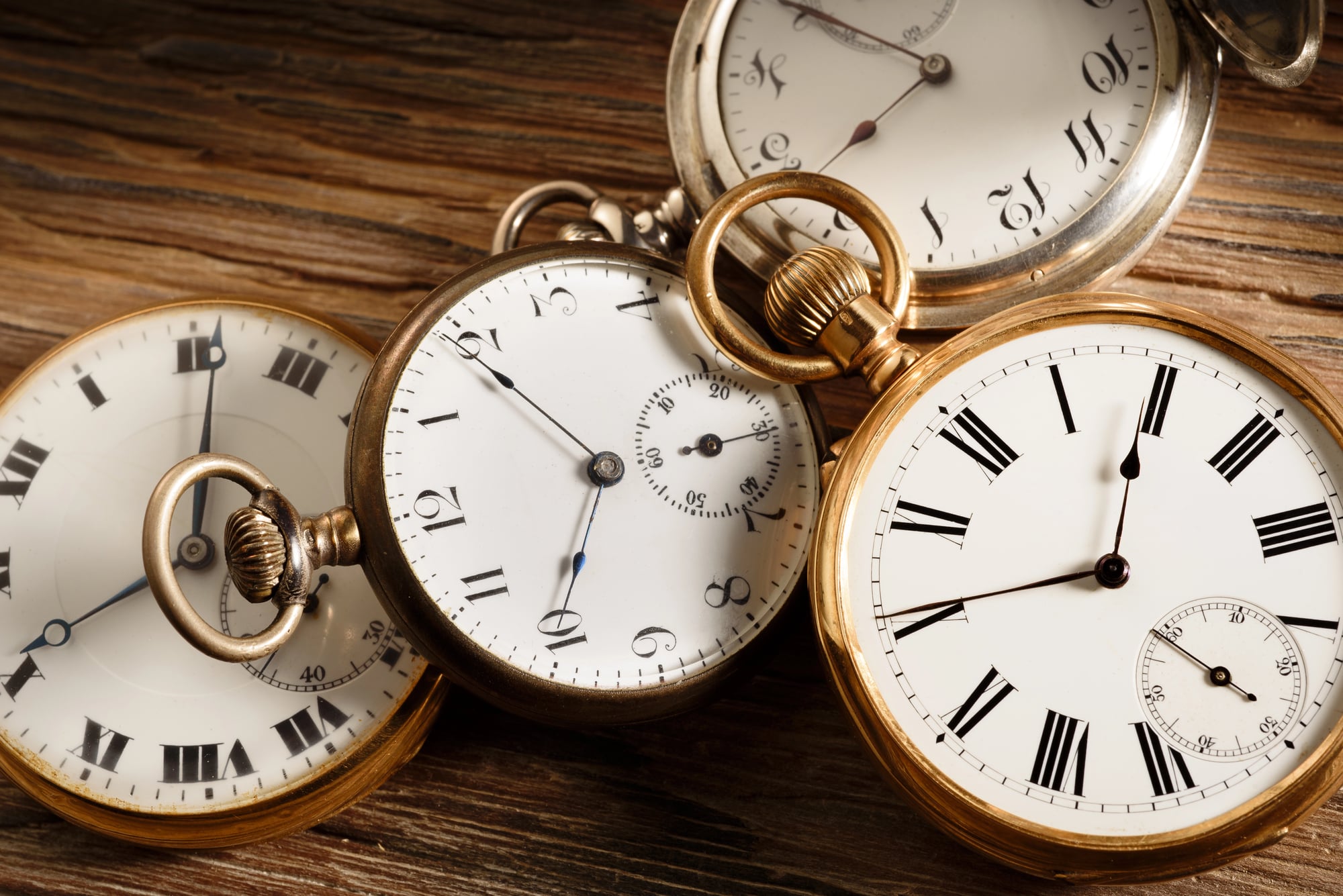
These examples demonstrate how temporary solutions often find permanent places in our world and cultural identity. The transformation from temporary to timeless occurs through a mixture of public affection, practical utility, and historical circumstance.
These unplanned permanences remind us that some of our most cherished landmarks and traditions emerged not from careful long-term planning but from improvisation and adaptation to changing circumstances.
More from Go2Tutors!

- The Romanov Crown Jewels and Their Tragic Fate
- 13 Historical Mysteries That Science Still Can’t Solve
- Famous Hoaxes That Fooled the World for Years
- 15 Child Stars with Tragic Adult Lives
- 16 Famous Jewelry Pieces in History
Like Go2Tutors’s content? Follow us on MSN.



