Forgotten Architectural Marvels Of The Ancient World
Walking through modern cities, surrounded by glass towers and steel frames, it’s easy to forget that thousands of years ago, civilizations were creating structures that would make today’s architects pause in wonder. These weren’t just buildings—they were statements carved in stone, testaments to human ambition that have largely vanished from memory.
While everyone knows about the pyramids and the Colosseum, countless other architectural masterpieces have slipped into obscurity, their stories buried beneath centuries of dust and neglect.
The Pharos Of Alexandria
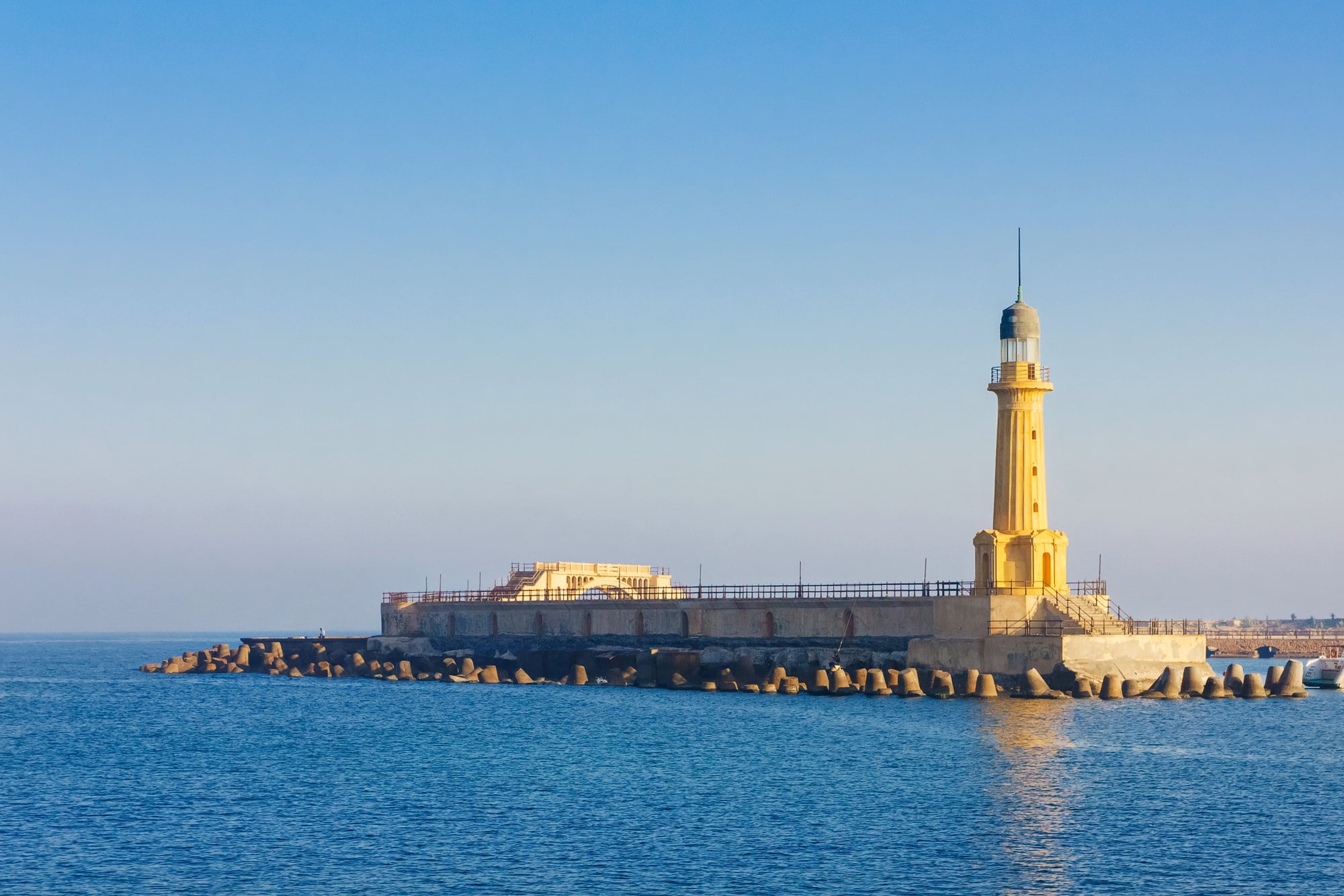
This lighthouse didn’t just guide ships. It redefined what humans thought possible.
Standing over 350 feet tall on the island of Pharos, it was the world’s first skyscraper. Three distinct tiers rose from the Mediterranean: a square base, an octagonal middle, and a circular top crowned with a statue of Poseidon.
The light could be seen from 30 miles away. Gone.
Earthquakes took it piece by piece between the 12th and 14th centuries.
The Ishtar Gate Of Babylon
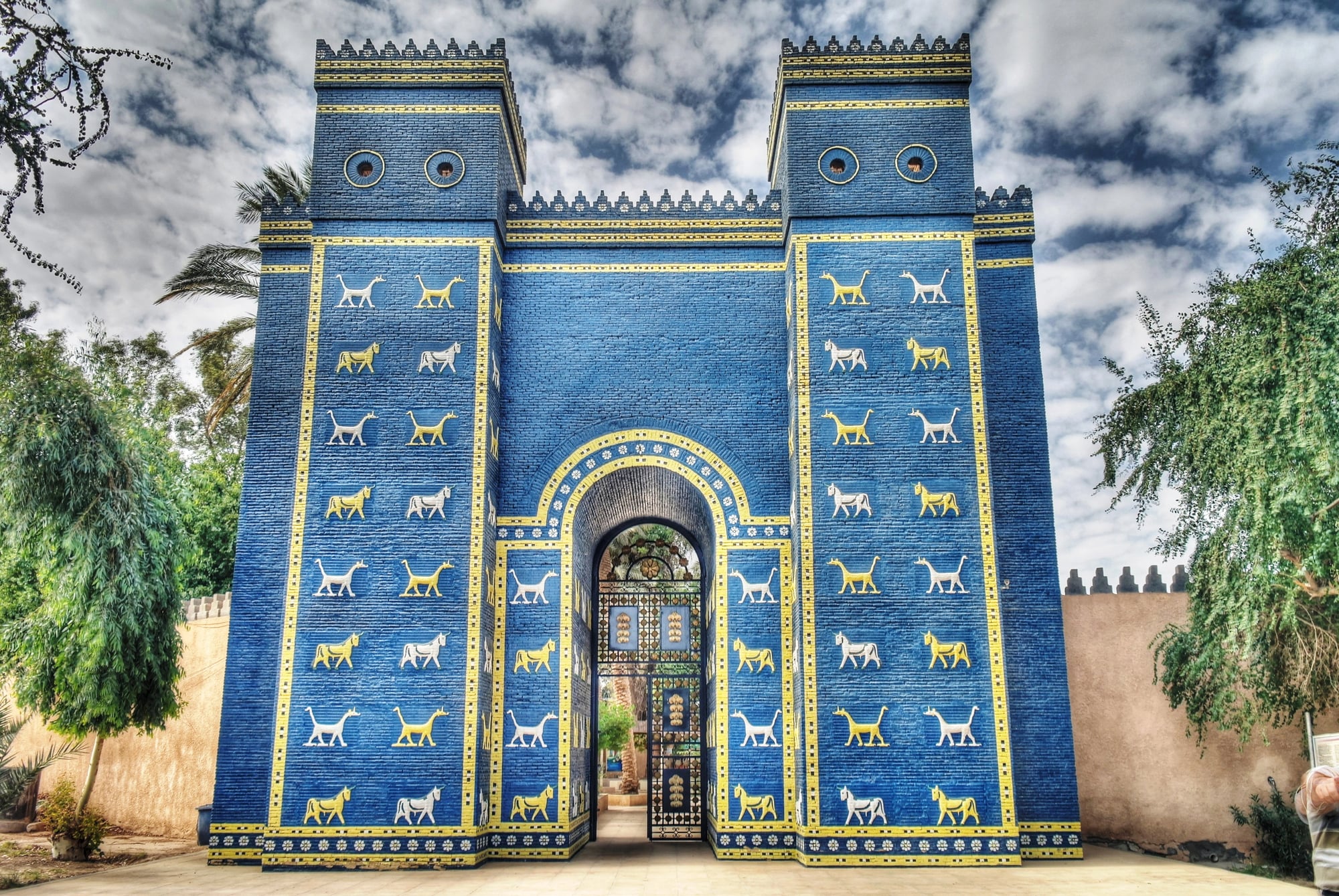
When Nebuchadnezzar II decided to build a gateway worthy of his empire (and this was a man who didn’t think small), he created something that belonged more to dreams than to the dusty reality of 6th-century Babylon—a wall of glazed blue bricks that seemed to hold the sky itself, decorated with golden dragons and bulls that prowled along its surface as if they might step down at any moment and claim the streets below. And the thing about walking through those gates, past creatures that glowed like they’d been dipped in sunlight, past walls that stretched upward until they seemed to disappear into the heavens themselves: it must have felt less like entering a city than like crossing into another world entirely.
But empires fall. Babylon crumbled, the gates were buried, and for centuries, those golden dragons slept under tons of earth.
The Ishtar Gate wasn’t just an entrance—it was theater, designed to make every visitor understand exactly how small they were in comparison to Babylonian power. So when archaeologists finally unearthed fragments of those blue bricks, when they saw those golden animals emerging from the dirt after 2,500 years of darkness, they weren’t just discovering ruins.
They were finding proof that humans have always understood: sometimes the most important architecture isn’t about shelter. Sometimes it’s about awe.
The Colossus Of Rhodes
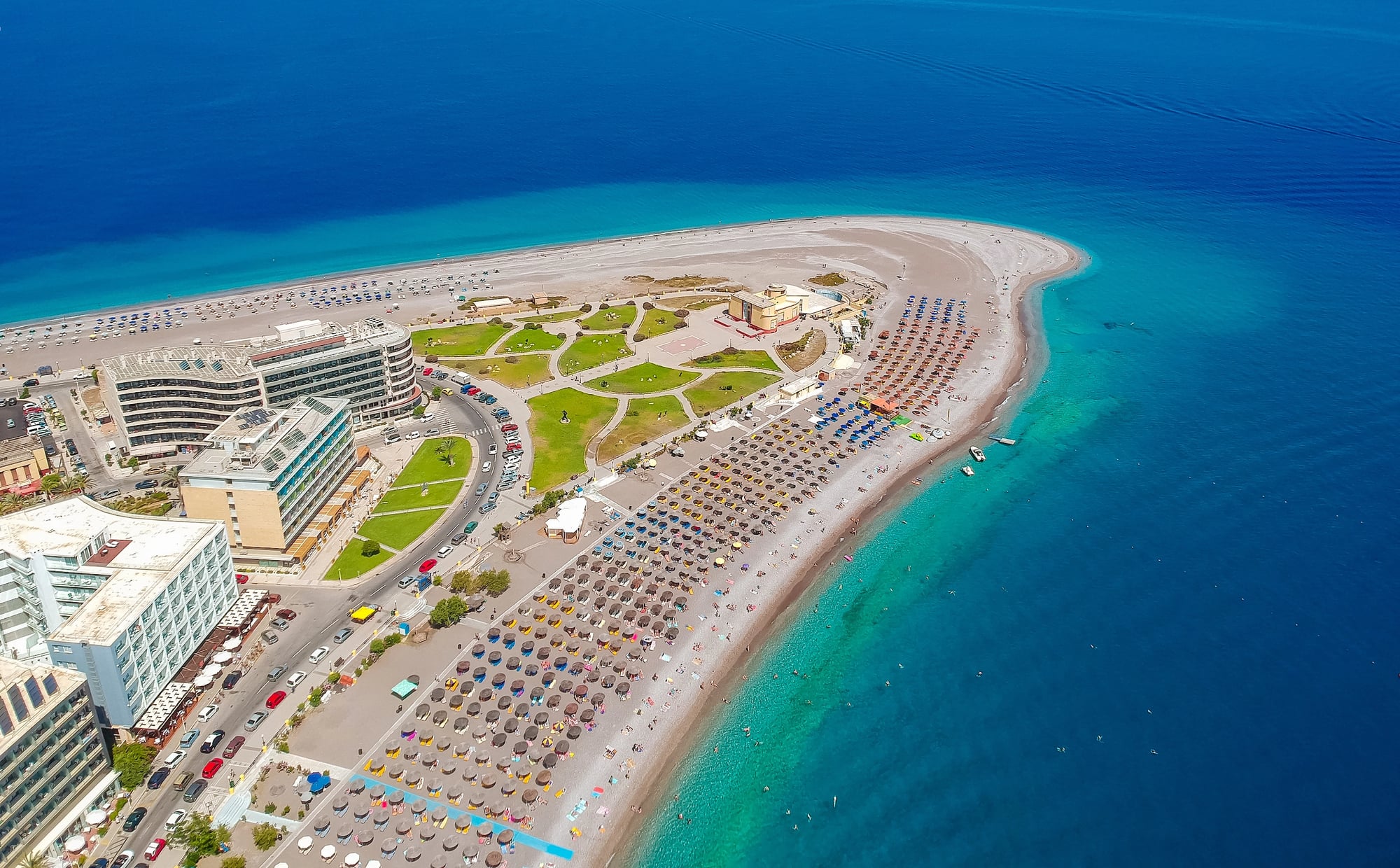
The statue was pure arrogance, and it worked perfectly.
After successfully defending their island against a siege, the Rhodians melted down the abandoned weapons and built a 108-foot bronze statue of Helios, the sun god. It towered over the harbor entrance, reminding every approaching ship exactly who controlled these waters.
Sailors could see it from miles away—this gleaming giant standing guard over one of the most important ports in the ancient world.
Earthquakes brought it down after just 56 years. Even broken, it remained a tourist attraction for eight centuries.
The Throne Hall Of Persepolis
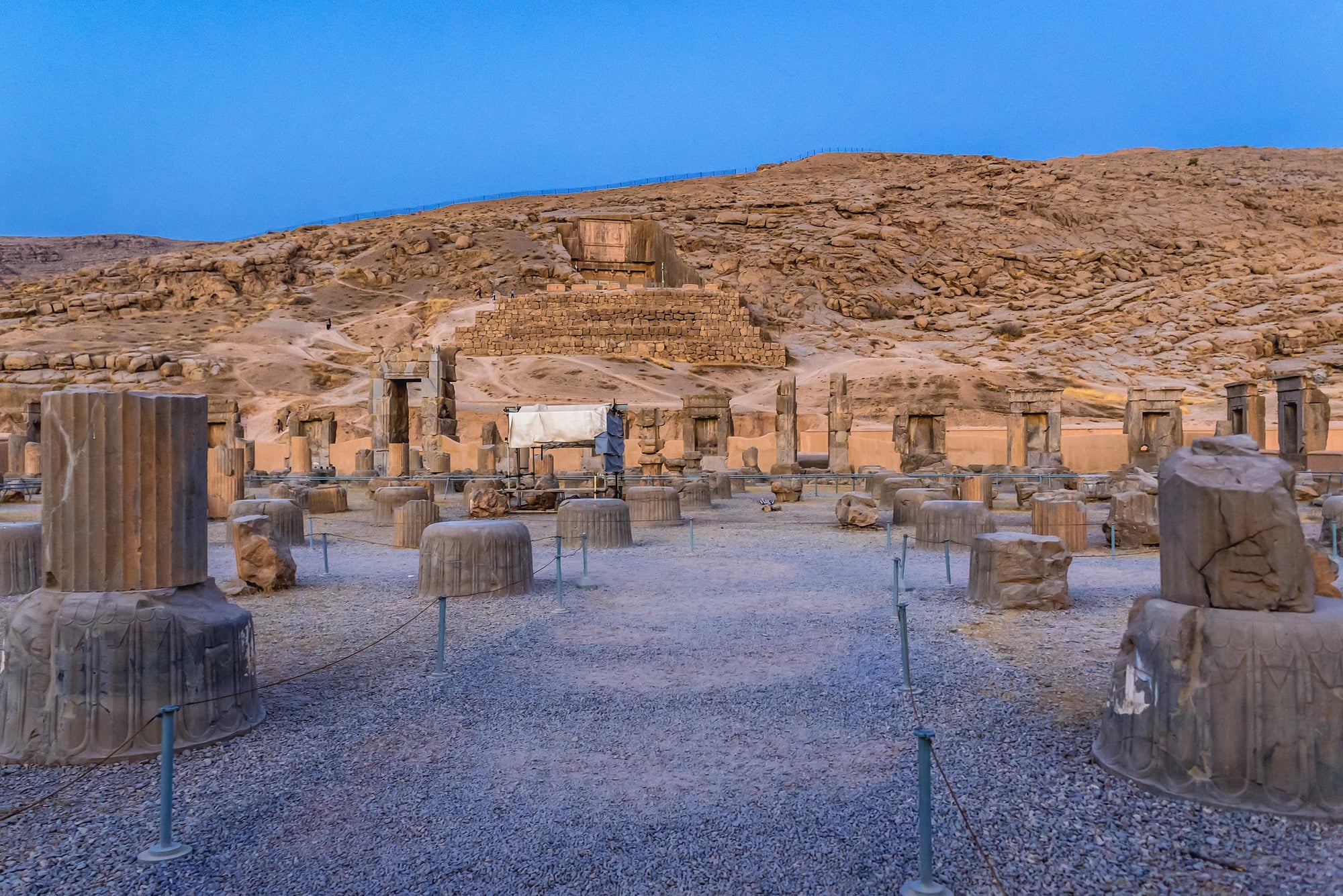
Darius I understood something fundamental about power that modern leaders have forgotten: if you’re going to rule an empire stretching from India to Greece, your palace better look the part, and the Apadana at Persepolis—with its forest of fluted columns rising 65 feet into the air, each one topped with the heads of lions and bulls—wasn’t just architecture, it was foreign policy made manifest in stone. The hall could hold 10,000 people, and when delegations from across the known world climbed those wide ceremonial staircases (past relief carvings showing their own people bringing tribute, just in case they’d forgotten why they were there), when they finally entered that vast space where light filtered down between columns that seemed to go on forever, the message was unmistakable: this is what an empire looks like when it’s not apologizing for anything.
Alexander burned it to the ground in 330 BCE, whether by accident during a drunken party or as deliberate revenge for Persian raids on Greece—historians still argue about his motivations, but the flames didn’t care about historical debate.
What’s remarkable is how much of Persepolis survived that fire, how those carved tributaries still march up the ceremonial staircases carrying their gifts to kings who turned to dust 2,500 years ago. Standing there now, among the broken columns and toppled capitals, you can still feel the weight of all that vanished authority pressing down like summer heat.
The Circus Maximus
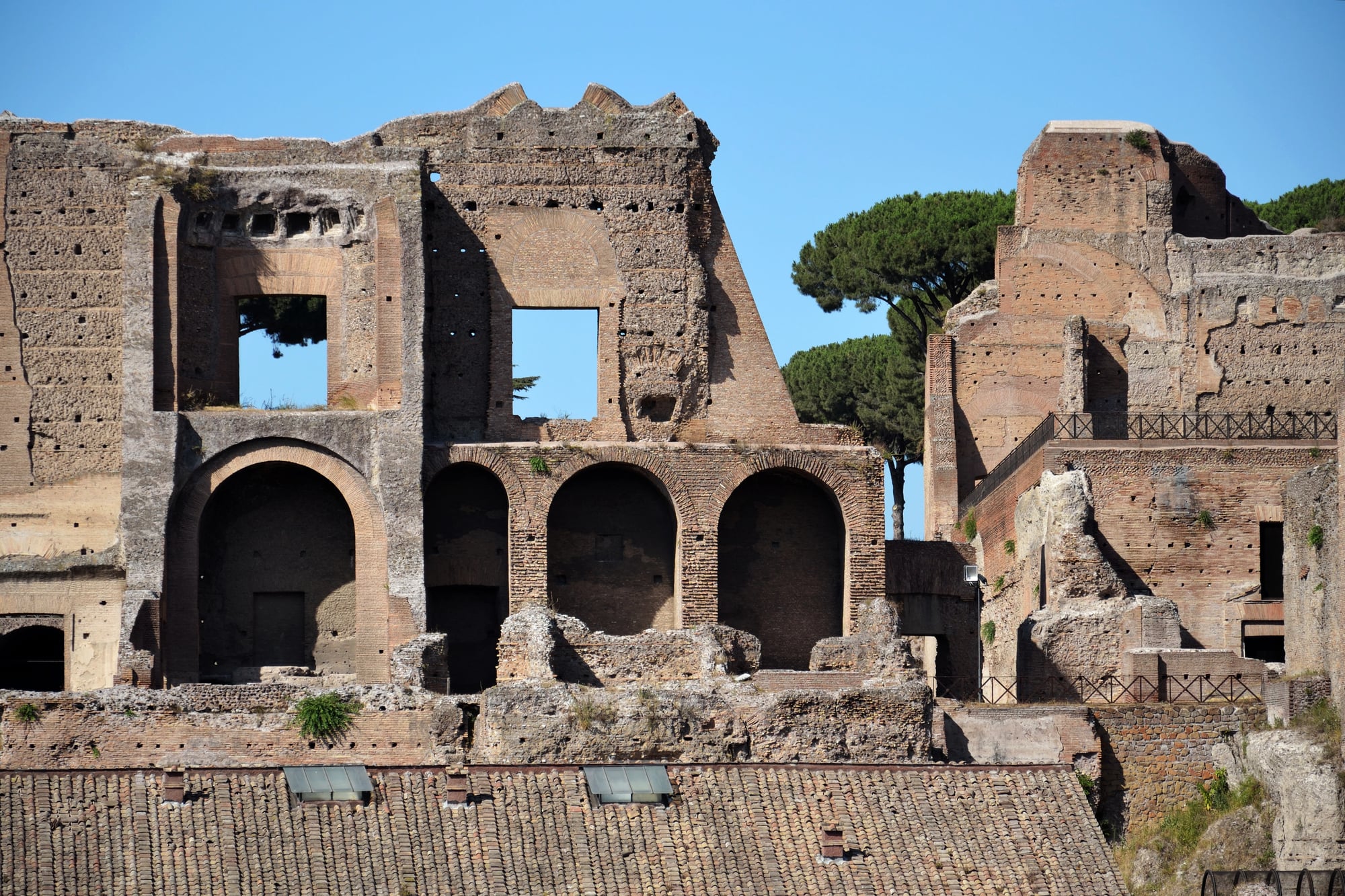
The largest stadium ever built deserves better than a grassy field.
At its peak, this racetrack could seat approximately 150,000 spectators—a substantial portion of Rome’s population. The track itself stretched over 2,000 feet, with a central barrier decorated with Egyptian obelisks and bronze dolphins that marked each completed lap.
Chariot races here weren’t just entertainment; they were Rome’s Super Bowl, World Cup, and Olympics rolled into one.
Today, it’s just an empty space where Romans walk their dogs. The stones were stripped away centuries ago to build other projects.
The Palace Of Ctesiphon
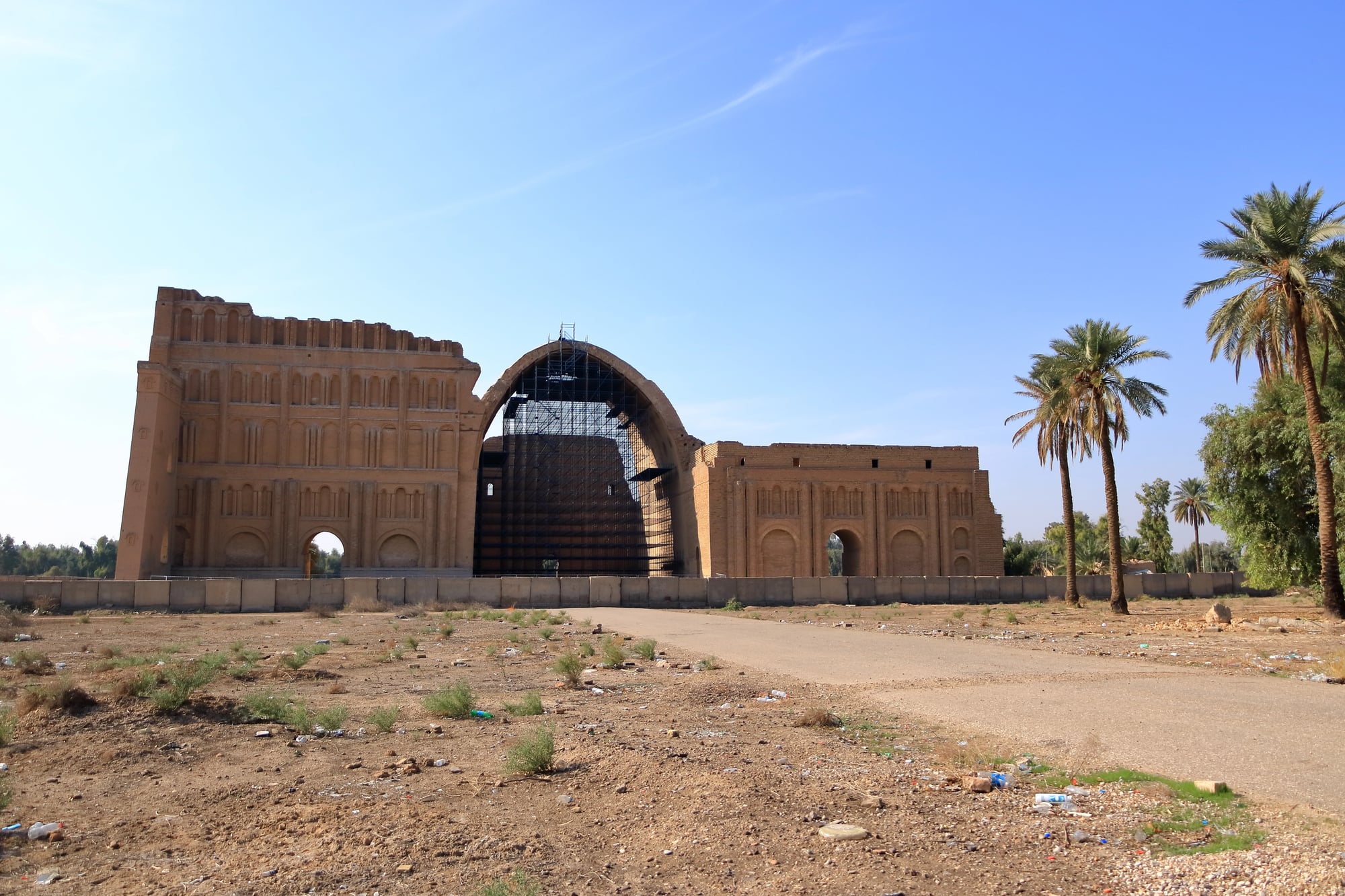
Sassanian architects in 6th-century Persia looked at the technical limitations of their time and decided those limitations were suggestions, not rules, then proceeded to build something that shouldn’t have been possible: a throne hall spanned by a single brick vault stretching 84 feet across without any supporting columns—a feat that wouldn’t be matched in Europe for another thousand years. The palace rose from the banks of the Tigris like a man-made mountain, its facade a rhythm of blind arcades that created shadows deep enough to stand in during the blazing Mesopotamian summers, and that enormous central arch (the Taq Kasra, they called it) opened onto an audience chamber where the King of Kings received ambassadors from Constantinople and Chang’an with equal indifference.
Wars came and went. The Sassanids fell to Arab conquest, the Arabs were replaced by Mongols, the Mongols gave way to Ottomans, and through it all, that impossible arch kept standing—until 1888, when the Tigris finally undermined its foundations and brought most of it down.
What remains is a fragment, really, but even in ruin, the scale of the thing is staggering. That’s the thing about truly ambitious architecture: even when it falls, it falls magnificently.
The Baths Of Caracalla

Roman bathing was a competitive sport, and these baths were the championship arena.
The complex covered 62 acres and could accommodate 1,600 bathers simultaneously. This wasn’t just about getting clean—it was a social club, gym, library, and art gallery combined.
The caldarium (hot room) alone was larger than most modern shopping malls, its dome reaching 130 feet overhead.
Mosaics covered the floors, marble lined the walls, and the whole operation was heated by an elaborate hypocaust system that channeled hot air through the walls and floors.
The Renaissance stripped away most of the decoration. What’s left gives you the skeleton but not the flesh.
The Ziggurat Of Ur
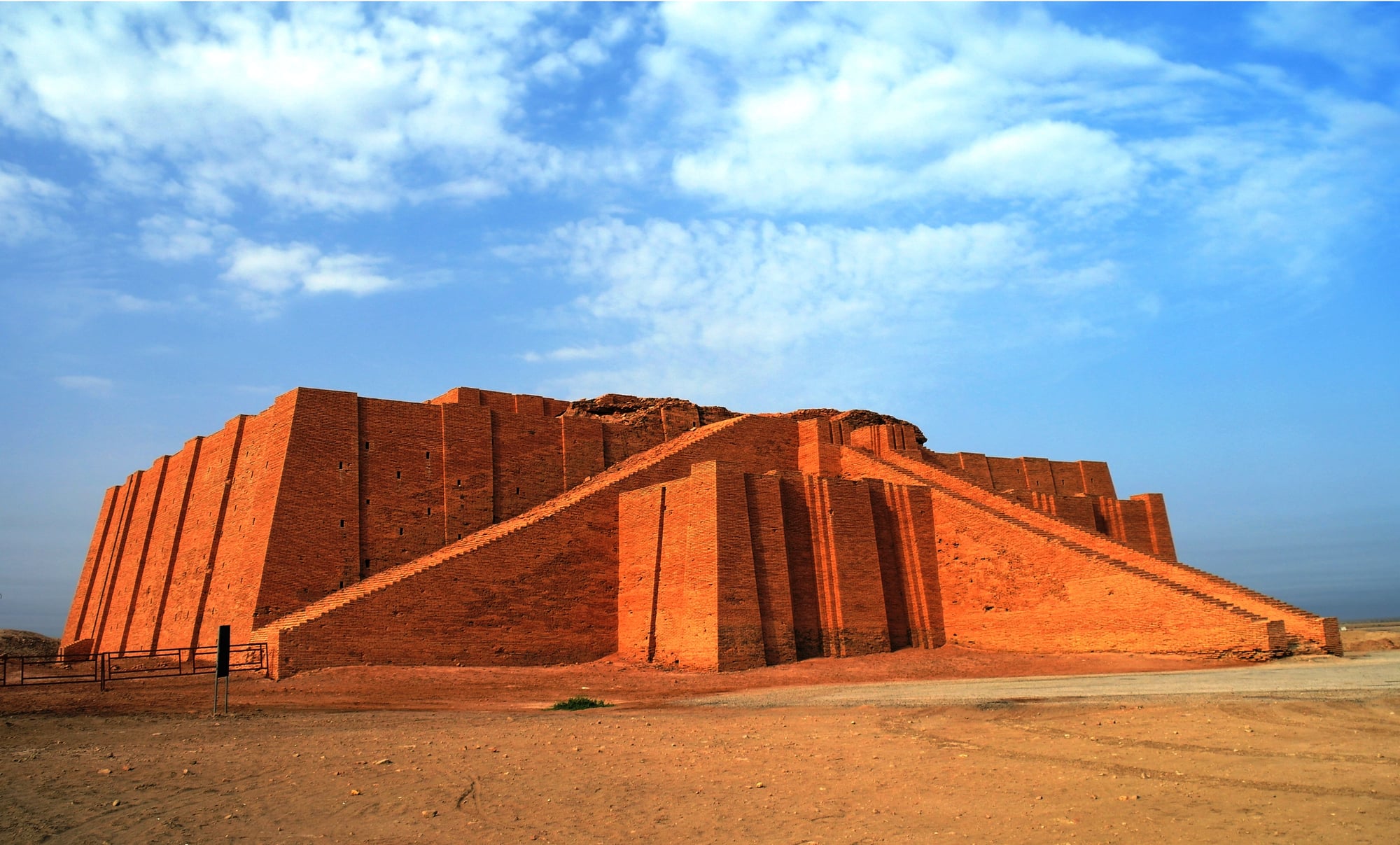
If you wanted to get close to the gods in ancient Mesopotamia, you built a staircase that could be seen from the next kingdom, and the Great Ziggurat of Ur—constructed around 2100 BCE when most of the world was still figuring out basic metalwork—rose from the desert like a man-made mountain with three terraced levels that climbed toward heaven in perfect geometric progression. This wasn’t just a temple; it was a cosmic diagram built in brick and bitumen, each level representing a different realm of existence, the whole structure serving as a bridge between the human world below and the divine sphere above where Nanna, the moon god, supposedly kept his earthly residence.
The builders understood something about proportion and scale that modern architects spend years in school trying to learn: how to make stone feel light, how to make massive feel graceful, how to create something that dominates the landscape without seeming to crush it.
What Saddam Hussein’s archaeologists restored in the 1980s was well-intentioned but wrong in almost every detail—they built it too steep, too sharp, too much like a modern idea of what ancient should look like rather than what ancient actually looked like. But even their flawed reconstruction can’t entirely obscure the original genius of the design.
The Library Of Alexandria

The Mouseion wasn’t just a library—it was the ancient world’s attempt at containing all human knowledge.
Ptolemy I didn’t mess around. Every ship entering Alexandria’s harbor had its scrolls confiscated, copied, and catalogued.
Scholars from across the Mediterranean came to study here, supported by royal patronage that let them focus entirely on research.
The collection may have reached 700,000 scrolls, covering everything from medicine to mathematics to poetry.
The decline was gradual, then sudden. Funding dried up, scholars left, and the scrolls scattered.
By the time Arab armies arrived in 641 CE, there wasn’t much left to burn.
The Pont Du Gard

Roman engineers looked at the problem of moving water across a valley and decided that gravity, properly harnessed, could perform miracles—so they built something that looks like a bridge but functions like a barely perceptible slope, carrying an aqueduct across the Gardon River in southern France with such mathematical precision that the water drops only 56 feet over the entire 30-mile journey from source to city. Three tiers of arches rise 160 feet above the water, each level calculated to distribute weight in a way that lets the whole structure stand without mortar (the stones are held together by their own weight and Roman engineering stubbornness), and the water channel at the top, lined with waterproof cement, slopes downward at a gradient so subtle you can barely detect it with modern instruments.
For 500 years, 44 million gallons of fresh water flowed across this bridge every day, supplying the fountains and baths and private homes of Nîmes with the casual abundance that made Roman civilization possible.
And here’s the thing that gets you when you’re standing underneath it, craning your neck up at those perfect arches: this wasn’t even considered remarkable at the time. The Romans built hundreds of these aqueducts.
This was just their Tuesday. But Tuesday, as it turns out, was pretty magnificent.
The Temple Of Artemis At Ephesus

Croesus of Lydia had money to burn, so he built a temple that made the gods themselves seem underfunded.
The structure took 120 years to complete. One hundred and twenty-seven marble columns, each 60 feet tall, supported a roof that covered an area larger than a football field.
The columns themselves were carved with relief sculptures, and the interior housed one of the ancient world’s most famous cult statues of Artemis.
St. Paul’s preaching in Ephesus triggered riots—the local silversmiths were losing money because people stopped buying silver models of the temple.
The building survived Christian disapproval but couldn’t survive Christian recycling.
The marble ended up in Constantinople’s churches.
The Palace Of Minos At Knossos
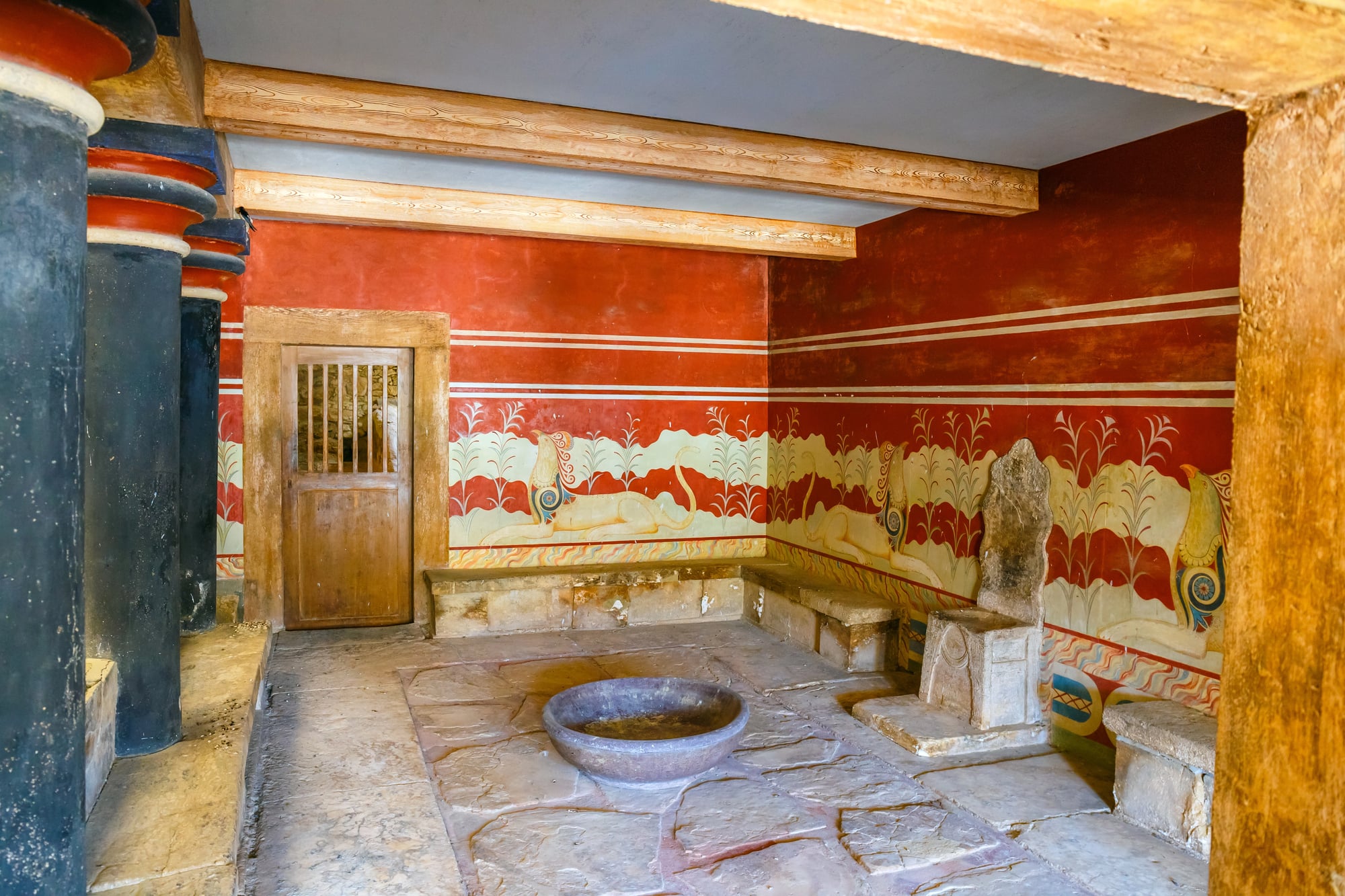
Minoan architects on ancient Crete built something that confounded everyone who came after them: a palace complex so sprawling and labyrinthine that later Greeks assumed it must have been designed to contain monsters rather than to house kings, with corridors that branch and reconnect in patterns that seem almost organic, rooms that open onto other rooms without any obvious hierarchy or central planning principle, staircases that climb to terraces overlooking courtyards where sacred bulls once leaped over the heads of acrobats in religious ceremonies that we still don’t fully understand.
The whole place feels less like architecture than like organized chaos—over 1,400 rooms spread across six acres, connected by a network of passages that twist and turn with a logic that died with Bronze Age civilization.
Sir Arthur Evans reconstructed portions of it in the early 1900s, but his restoration work (all those concrete columns painted bright red, all those reconstructed frescoes) tells us more about Edwardian ideas of what ancient grandeur should look like than about what the Minoans actually built.
Still, walking through those reconstructed halls, past walls decorated with dolphins and bull-leapers and bare-breasted priestesses, you get a sense of a civilization that approached power differently than anyone who came after them—less martial, more theatrical, equally impressive but harder to understand.
The Hanging Gardens Of Babylon
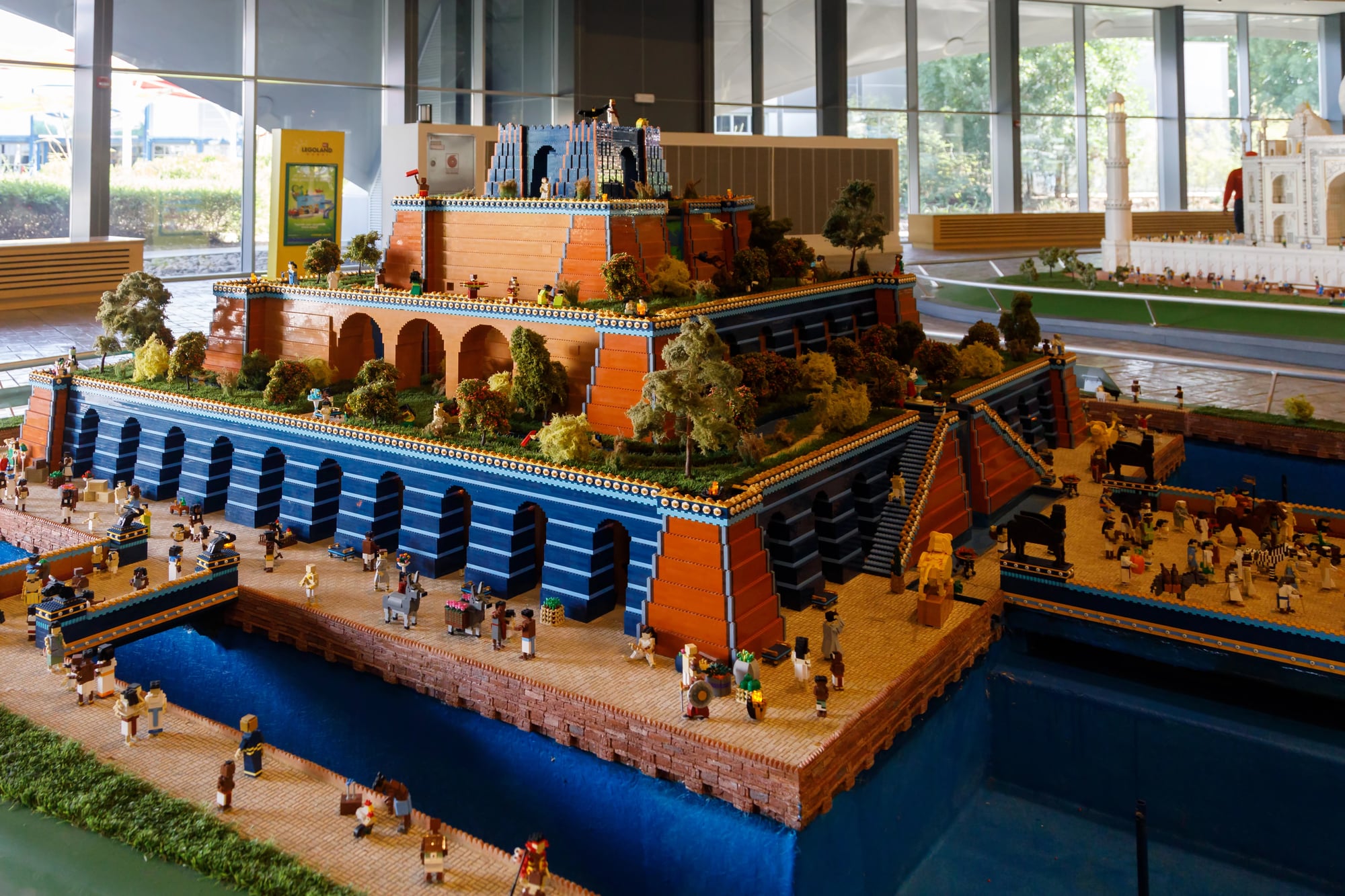
Nobody can prove they existed, which somehow makes them more fascinating.
Ancient sources describe terraced gardens rising in tiers above the city, irrigated by an elaborate system of pumps and chains that lifted water from the Euphrates.
Supposedly built by Nebuchadnezzar II for his wife, who missed the green hills of her homeland.
The engineering required—waterproofing, drainage, structural support for soil and trees—would have been staggering.
Modern archaeology has found no trace of them.
Either they’ve been completely erased, or they were always more legend than reality.
Both possibilities are equally intriguing.
Echoes In Stone
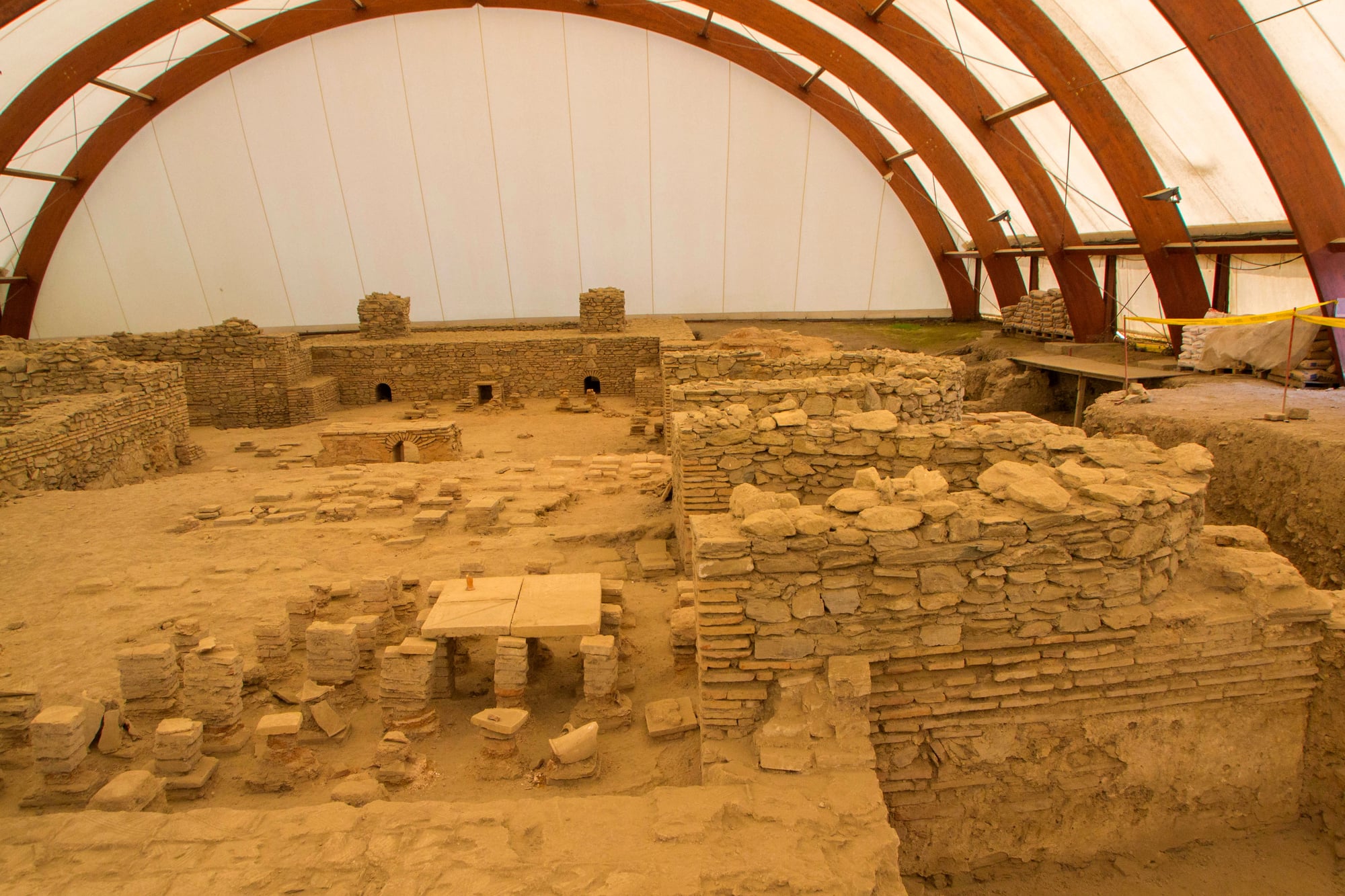
These vanished marvels share something that modern architecture often lacks: they weren’t afraid to be audacious. Each one represented a civilization at the peak of its confidence, willing to pour resources and decades of labor into projects that served no practical purpose beyond demonstrating what human ambition could accomplish.
They remind us that the greatest buildings aren’t just shelters—they’re arguments about what matters, carved in stone and meant to last forever.
That most of them didn’t survive makes them no less important; if anything, their absence makes their original audacity seem even more remarkable.
More from Go2Tutors!

- The Romanov Crown Jewels and Their Tragic Fate
- 13 Historical Mysteries That Science Still Can’t Solve
- Famous Hoaxes That Fooled the World for Years
- 15 Child Stars with Tragic Adult Lives
- 16 Famous Jewelry Pieces in History
Like Go2Tutors’s content? Follow us on MSN.