15 Fascinating Facts About Ferrari Cars
There’s something about a Ferrari that makes people stop and stare. It doesn’t matter if you’re a car enthusiast or someone who barely knows the difference between a V6 and a V8 — when a Ferrari passes by, you notice.
But beyond the good looks and the exhaust note that rattles your chest, there’s a deeper story worth knowing. Here are 15 facts about Ferrari that might surprise you.
1. Enzo Ferrari Didn’t Actually Want to Make Road Cars

Enzo Ferrari’s real passion was racing. He founded the company to fund his motorsport ambitions, and producing road cars for the public was more of a financial necessity than a dream.
He reportedly called his road car customers “the enemies” because they took resources away from racing. That tension between commerce and competition is baked into Ferrari’s DNA to this day.
2. The Prancing Horse Has Nothing to Do with Ferrari’s Origins
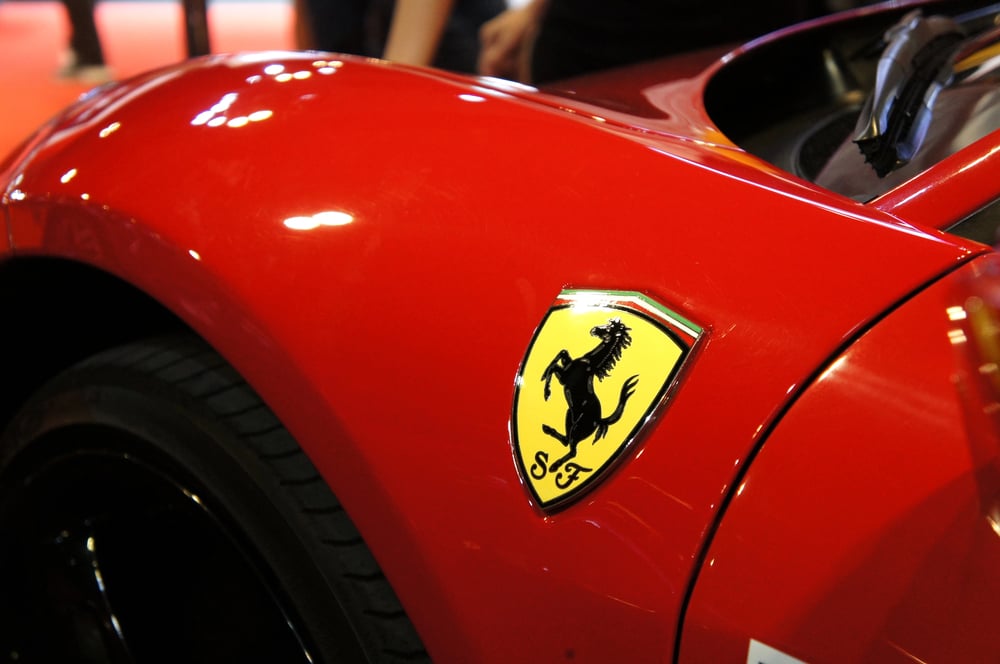
The famous Cavallino Rampante — the black prancing horse on a yellow background — didn’t come from Enzo Ferrari’s imagination. It was given to him by the mother of Francesco Baracca, a World War I Italian fighter ace who had the horse painted on his aircraft.
She suggested Enzo use it as a good luck symbol. He did, and it stuck.
3. Ferrari Once Built a Tractor

Before establishing what would become the Ferrari brand, Enzo Ferrari worked for Alfa Romeo and ran a racing team under the Scuderia Ferrari banner. In those early years, the company manufactured machine tools and hydraulic grinders — and yes, at one point, agricultural tractors.
The contrast with what Ferrari represents today is hard to wrap your head around.
4. The Color Red Has a Racing History, Not a Marketing One

Ferrari’s association with red goes back to the early days of Grand Prix racing, when nations were each assigned a color. Italy’s color was red — Rosso Corsa, or “racing red.”
All Italian race cars, including Ferraris, competed in that shade for decades. By the time Ferrari became a household name, the color had already become inseparable from the brand.
5. Ferrari Produces a Surprisingly Small Number of Cars
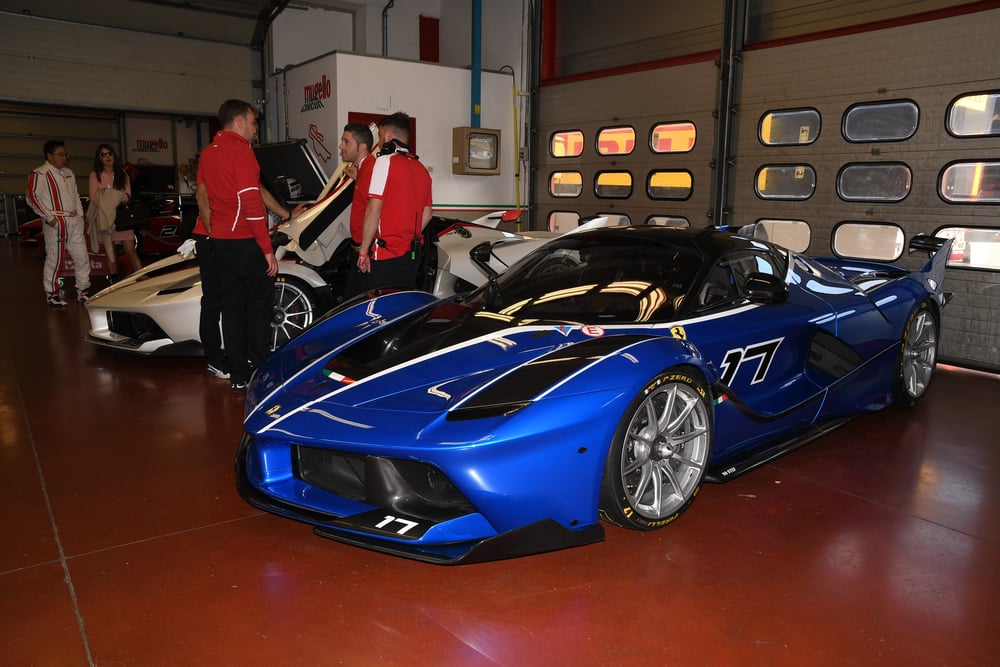
Ferrari deliberately keeps production numbers low. Even in record years, the company produces well under 15,000 cars annually.
This is a conscious choice. Ferrari has turned away from volume manufacturing to protect exclusivity and maintain the waiting lists that keep demand consistently higher than supply.
Some models have waiting periods of several years.
6. Every Ferrari Engine Is Hand-Built by a Single Technician

At the Maranello factory, each engine is assembled by one person from start to finish. That technician signs a metal plate that gets attached to the engine before it leaves the factory.
So somewhere on your Ferrari, there’s a person’s name — a reminder that behind all the technology, a human being put that engine together by hand.
7. Ferrari Has Won More Formula 1 Constructors’ Championships Than Anyone Else
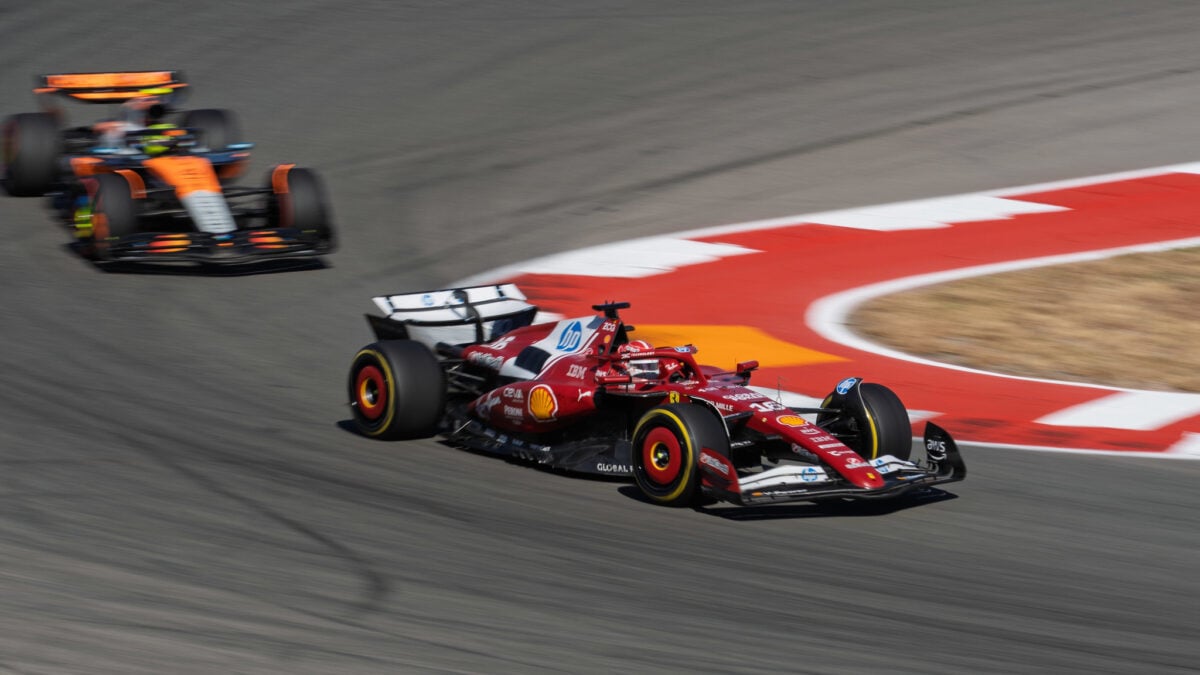
The Scuderia Ferrari Formula 1 team is the oldest and most successful constructor in the sport’s history. With over 240 race victories and more than 16 constructors’ titles, the team has a record no other constructor comes close to matching.
Ferrari is the only team to have competed in every single Formula 1 season since the championship began in 1950.
8. The LaFerrari Was the First Hybrid Ferrari
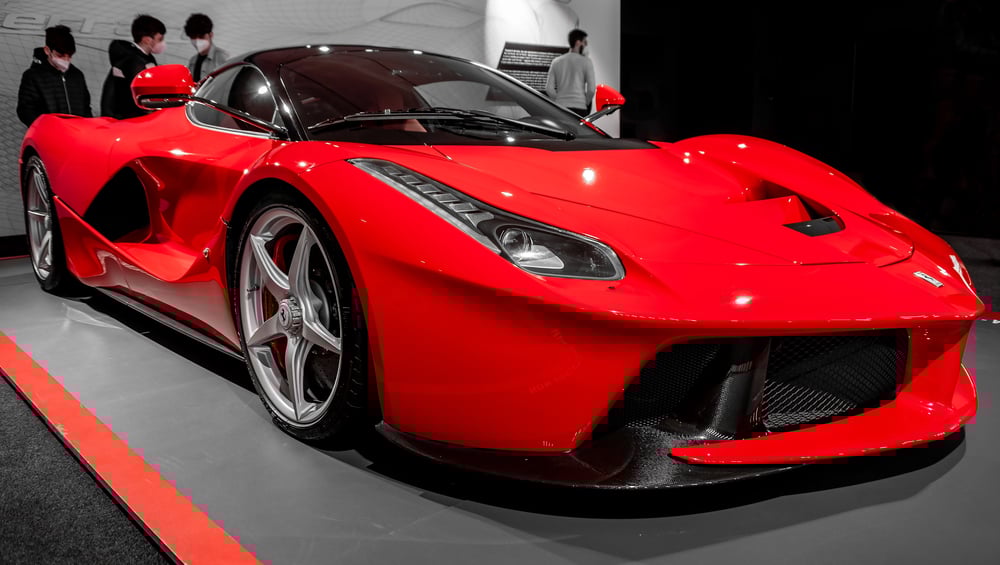
When Ferrari released the LaFerrari in 2013, it marked the company’s first use of hybrid technology in a road car. The system, called HY-KERS, combined a 6.3-liter V12 with an electric motor to produce 950 horsepower total.
Only 499 were made, and all were sold before the car was even officially revealed to the public.
9. Ferrari Owns a Theme Park

Since 2010, Ferrari World Abu Dhabi has operated on Yas Island in the United Arab Emirates. It holds the record for the world’s largest indoor theme park and is home to Formula Rossa — the fastest roller coaster on the planet, reaching speeds of 240 km/h.
A second Ferrari World opened in Barcelona in 2017. It’s a strange concept for a brand built on exclusivity, but somehow it works.
10. The Company Has a Unique Policy on Selling to Celebrities

Ferrari has been known to refuse sales to certain customers — including celebrities. The brand has reportedly blacklisted buyers who modified their cars in ways Ferrari deemed embarrassing, resold vehicles too quickly for profit, or otherwise acted in ways that didn’t align with the company’s image.
Justin Bieber was allegedly added to the list after wrapping his Ferrari in chrome. Ferrari takes the reputation of its cars seriously enough to turn away money over it.
11. Ferrari Buyers Often Have to Prove Their Loyalty First

Getting your hands on a new, limited-edition Ferrari isn’t just a matter of having enough money. Ferrari maintains a customer hierarchy, and buying a hypercar like the SF90 XX Stradale or an Icona model often requires a history of purchasing other Ferraris first.
The brand uses this approach to keep its most exclusive cars in the hands of collectors who genuinely value them — and to stop them from ending up at auction immediately after delivery.
12. The Sound of a Ferrari Engine Is Legally Protected

Ferrari has trademarked the sound of its V12 engines in certain markets. The exhaust note produced by models like the 812 Superfast is considered part of the brand’s identity — not just an engineering outcome.
This is one of the few cases where a company has sought legal protection over a sound rather than a logo or name.
13. Ferrari Has Its Own School for Professional Drivers
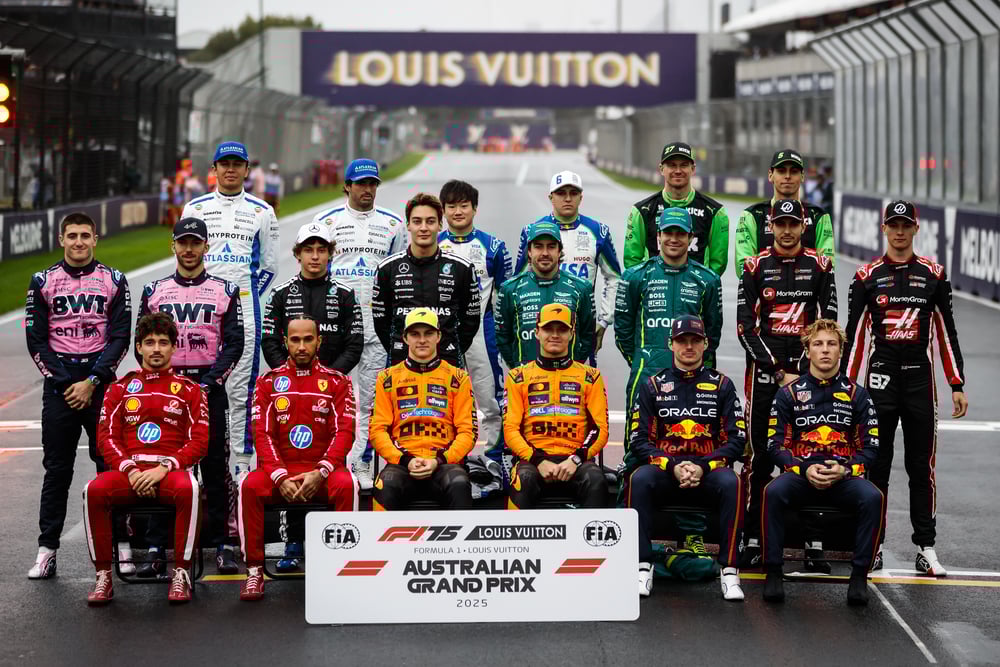
Young racers aiming for Formula 1 get spotted by the Ferrari Driver Academy early. From karting tracks to single-seaters, talent shows up in small machines first.
Training happens under close watch at Maranello, where speed meets discipline. Charles Leclerc made his way through it – later sliding into a red F1 cockpit.
So did Carlos Sainz, building laps before stepping onto the main grid. Drivers live sharp routines: fitness drills mixed with simulator runs and feedback loops. Scouting reaches deep into lower series, watching who pushes clean limits.
Not every quick kid lasts – the pressure reveals character more than pace. Few pipelines run tighter or demand more precision than this one. Success means earning stripes far from home, inside a legendary name.
14. Maranello Runs on Ferrari

Ferrari arrived in Maranello back in 1943, and ever since, the place has grown around the brand. About four thousand people who build those cars call this town home, out of just seventeen thousand residents overall.
Right at its heart stands the museum dedicated entirely to the marque. You’ll find eateries offering meals inspired by classic car names on their menus.
Over time, telling where the community ends and the automaker begins feels nearly impossible.
15. Ferrari Logo Colors Hold Meaning

Out of Modena came Enzo Ferrari, born under the same golden sky now painted behind the prancing horse. That dark stallion stands bold on the bright field, placed there because of a promise tied to the Baracca name.
Decisions like these weren’t made lightly – they stuck through decades once they took hold. Glance at the badge today, and it holds more than design, it carries years folded tight into polished shape.
More Than Just a Car
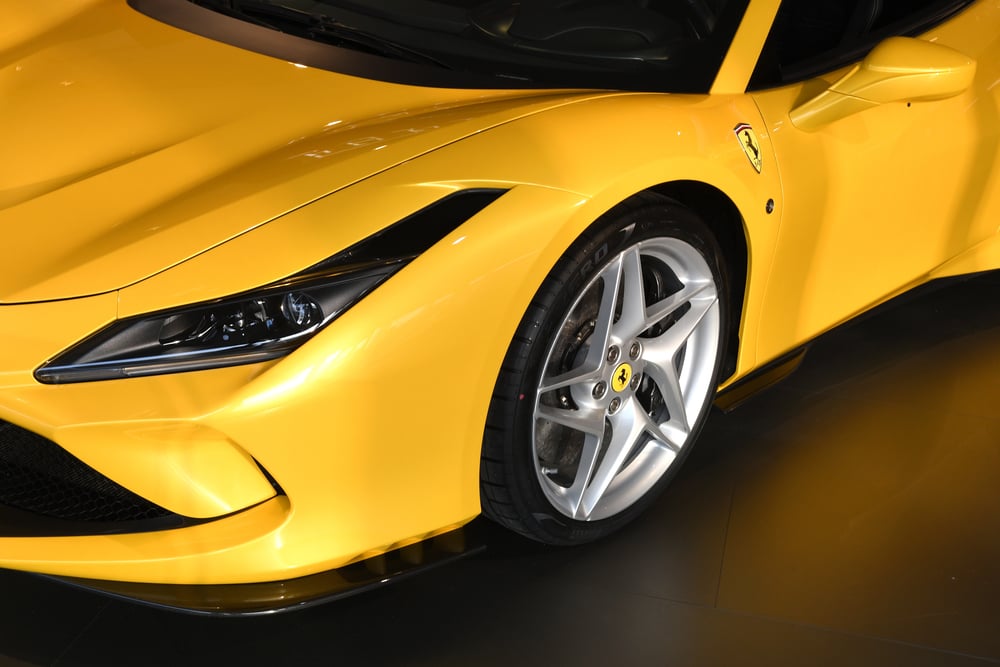
Ferrari stands out because it turned into an idea, not merely a car. Look at the mechanics, track every race season, spend hours in Maranello walking past old models – yet something slips through your fingers.
Driven by a single hunger – speed – then somehow growing beyond it; now everyone knows what it means without being told. Few businesses ever reach that point even after generations of effort.
More from Go2Tutors!

- The Romanov Crown Jewels and Their Tragic Fate
- 13 Historical Mysteries That Science Still Can’t Solve
- Famous Hoaxes That Fooled the World for Years
- 15 Child Stars with Tragic Adult Lives
- 16 Famous Jewelry Pieces in History
Like Go2Tutors’s content? Follow us on MSN.