Strange Laws From the Middle Ages
The Middle Ages weren’t just about knights, castles, and dragons. Life between roughly 500 and 1500 CE was governed by some truly head-scratching rules that would make modern lawmakers cringe.
These laws reflected a society where religion, superstition, and rigid class structures dominated every aspect of daily life. While some laws made sense at the time, others were so bizarre that they’re almost hard to believe.
From football being banned to whales becoming royal property, medieval Europe had regulations that covered everything imaginable. Here is a list of strange laws from the Middle Ages.
Football Was Banned as Too Violent

Medieval football bears little resemblance to the sport we know today. The game used an inflated pig’s bladder as an orb and had goals that could be miles apart, with virtually no rules except getting the orb to a predetermined point.
Mob violence, widespread destruction, and even deaths commonly accompanied matches as entire villages brawled their way across the countryside. Kings across Europe banned the game multiple times, but the Bishop of Tréguier took things furthest in 1440 when he declared the sport ‘dangerous and scandalous’ and threatened excommunication for anyone caught playing.
Animals Could Be Tried in Court

Medieval Europeans sometimes put animals on trial just like human criminals. Small creatures like mice and insects received ecclesiastical trials for destroying grain or damaging churches, usually resulting in excommunication.
Larger animals like pigs and horses faced secular prosecution for injury or murder and typically got death sentences. In one French case, a pig that killed a young child was hanged for murder, while the negligent owner received a separate conviction.
The trials even included defense attorneys who would argue that their animal clients lacked the evil intent necessary for conviction.
You Needed Permission to Get Married

Peasants working for landowners couldn’t marry without their master’s blessing. The law was even harsher for women—if a peasant woman’s husband died, her landowner could force her to marry another man of his choosing within a short timeframe.
Refusal meant punishment, which could range from fines to physical beatings. This brutal system reinforced the feudal hierarchy and treated peasants more like property than people, reminding them that even their most personal decisions weren’t truly their own.
Meals Were Limited to Two Courses

In 1336, England passed sumptuary laws restricting people to meals with no more than two courses, regardless of social rank. Soup counted as a full course meal and wasn’t just a side dish or sauce.
The goal was to reduce excessive eating and prevent lower classes from imitating the lifestyles of their social superiors. Exceptions were made for certain festivals like Christmas, when three courses were permitted.
These laws reflected the medieval obsession with maintaining clear class distinctions in every aspect of life.
Whales Belonged to the Monarchy

King Edward II passed a law in 1324 declaring whales, sturgeons, dolphins, and porpoises caught within about three miles of shore to be ‘royal fish.’ The king got the head of any whale that washed ashore, while the queen got the tail.
Edward’s greed was obvious—these creatures fetched high prices at medieval markets, and whale oil was extremely valuable. The law has never been repealed and technically still applies today, meaning British fishermen who catch these species near shore are supposed to ask the Crown’s permission to keep them.
Blowing Your Nose Could Get You Fined

In Newmarket, England, blowing your nose in the street was illegal. The law existed to protect valuable racehorses from getting sick, as the town had become a major center for horse racing.
Anyone walking around with a head cold or fever also had to pay a fine. People with hay fever must have found this rule particularly miserable, forced to either stay home or suffer in silence.
Horse racing was serious business, and the health of expensive animals apparently mattered more than human comfort.
You Could Fight to Prove Your Innocence

Trial by combat allowed accused criminals to fight in single combat to prove their innocence, based on the belief that God would grant victory to the righteous. Depending on the accusation, you could either fight personally or nominate a deputy called a champion.
Women, the elderly, the infirm, and minors were required to use champions since they couldn’t fight effectively themselves. The last properly documented trial by combat in England occurred in 1597, though the law wasn’t officially abolished until 1819 after someone tried to use it in a case.
Dying in Parliament Entitled You to a State Funeral

This peculiar law still technically exists in the United Kingdom. Anyone who dies in the Houses of Parliament is officially entitled to a state funeral.
The rule was designed to prevent people from bringing dying relatives into Parliament so they’d be eligible for an elaborate, publicly funded ceremony. While it’s unlikely anyone would try this today, the law remains on the books as one of those strange legal fossils that nobody bothered to remove.
Curfews Required Extinguishing All Fires

The medieval curfew was literal—the term comes from the French ‘couvre-feu,’ meaning ‘cover fire.’ All lights and fires had to be put out by a certain hour each evening. This made sense given that most buildings were made of wood and thatch, making fire an ever-present danger.
Breaking curfew could result in fines or worse, and the rule helped authorities maintain control over nighttime activities. The tradition evolved into modern curfews, though thankfully we’re no longer required to sit in darkness after a certain hour.
Peasants Couldn’t Wear Fancy Clothes

Sumptuary laws dictated what people could wear based on their social status. In England, only royalty could wear ermine fur, while only nobility could sport garments with gold or silver embroidery.
The middle and lower classes were stuck with simpler, less ostentatious clothing. In Italy during the 1500s, wearing a zibellino—a dead sable with its head and feet covered in jewels—could land you in trouble if you weren’t rich enough.
These laws existed solely to maintain visible class distinctions and prevent social climbers from dressing above their station.
Pointed Shoes Had Length Limits

England passed laws restricting how long men’s shoe tips could be. The fashion trend of the time involved absurdly long, pointed shoes called crakows, with tips so exaggerated they sometimes had to be tied to the wearer’s legs to prevent tripping.
The nobility didn’t appreciate commoners adopting their fancy footwear, so they banned shoe tips longer than two inches for anyone below the rank of knight. The law was pure snobbery designed to keep the lower classes from imitating aristocratic fashion.
Finding a Dead Body Made You Responsible

If you discovered a corpse, you became the ‘first finder’ and were expected to appear in court to testify about it. In an era without police officers or forensic investigators, courts relied on whoever stumbled upon the body to provide information.
If you failed to show up, not only did you get in trouble, but so did your entire village. This encouraged community responsibility but also probably made people think twice before reporting deaths they found.
Tennis Was Banned for Commoners

Young men who weren’t aristocrats were forbidden from playing tennis throughout medieval Europe. The law was enforced year-round except during Christmas, when everyone got a brief reprieve.
Tennis was considered a sport for the wealthy and powerful, and keeping commoners off the courts maintained social boundaries. The ban reflected the medieval obsession with ensuring that certain activities remained exclusive privileges of the upper classes, even something as simple as hitting an orb with a racket.
Eating Mince Pies on Christmas Was Illegal

Thomas Cromwell banned mince pies on Christmas Day as part of his campaign to destroy ‘pagan’ customs in England. The tradition was seen as having heathen origins that needed to be stamped out. Thankfully, Charles II reinstated the practice when he became king, allowing British people to enjoy their little pies again.
The law demonstrates how religious zealotry could criminalize even harmless holiday traditions, turning festive treats into acts of defiance.
Entire Villages Could Be Punished

In a case from the 1200s, an entire village was punished for ‘failing to wash the lord’s sheep.’ The specifics of what happened weren’t recorded, but apparently neglecting to clean your master’s livestock was serious business.
Collective punishment was common in medieval times—if a murderer escaped during a riot, authorities could pick seven random men from the area and put them through various tests to determine guilt. Poor sheep.
Religious Laws Restricted Marital Relations
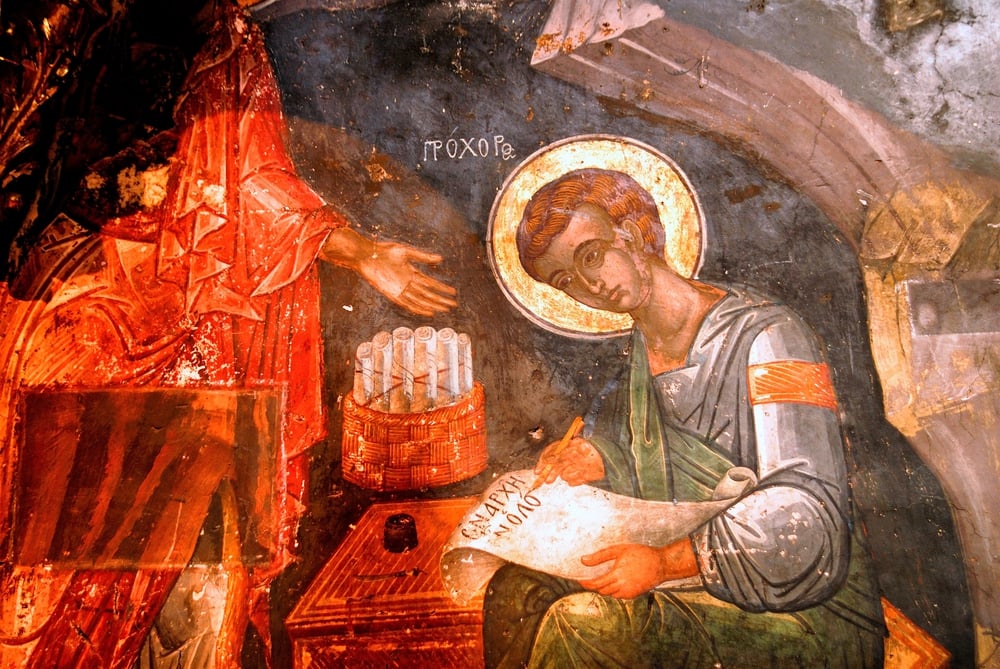
Throughout the Middle Ages, religious laws tried to control when married couples could have relations. In an average week, couples could only be intimate on four days—Thursday and Friday were forbidden for preparing for Holy Communion, and Sunday was the Lord’s day.
Additionally, there were 47 to 62 days during Lent, 35 days before Christmas, and 40 to 60 days around Pentecost when relations were completely banned. Medieval people believed eye contact was crucial to attraction, and the church felt compelled to regulate even the most intimate aspects of married life.
When Rules Reflected Fear

These bizarre medieval laws reveal a society governed by superstition, religious fervor, and an obsession with maintaining social order at all costs. While they seem absurd now, they reflected genuine concerns of the time—from fire safety to disease prevention to keeping the peasantry firmly in their place.
Many of these laws thankfully disappeared as society progressed, though a few technically remain on the books as historical curiosities. They serve as reminders that what seems normal in one era can appear completely ridiculous in another.
More from Go2Tutors!

- The Romanov Crown Jewels and Their Tragic Fate
- 13 Historical Mysteries That Science Still Can’t Solve
- Famous Hoaxes That Fooled the World for Years
- 15 Child Stars with Tragic Adult Lives
- 16 Famous Jewelry Pieces in History
Like Go2Tutors’s content? Follow us on MSN.