Weirdest Sports in Olympics
The Olympics showcase the world’s greatest athletes competing in events that test human limits. Most people know about swimming, track, and gymnastics, but the Games have included some truly bizarre competitions over the years.
Some of these odd sports lasted just one Olympics before getting cut, while others stuck around longer than anyone expected. The International Olympic Committee has tried all kinds of unusual activities, hoping they would capture audiences and prove athletic worth.
Here’s a look at some of the strangest sports that have appeared at the Olympics throughout history.
Tug of war

This playground favorite was an actual Olympic sport from 1900 to 1920. Teams of eight men grabbed a thick rope and pulled as hard as they could until one side dragged the other across a line.
Britain dominated the event, winning five medals total, including two golds. The sport required raw strength and teamwork, but Olympic organizers eventually decided it didn’t fit the modern athletic image they wanted.
City police departments and military units often formed the competing teams, making it less about pure athleticism and more about which country had the strongest workers.
Live pigeon shooting

The 1900 Paris Olympics included a shooting competition where participants aimed at live birds instead of clay targets. Leon de Lunden from Belgium won by killing 21 pigeons, while nearly 300 birds died during the event.
Blood and feathers covered the field by the end of competition. Public outcry over animal cruelty ensured this sport never returned to the Games.
It remains the only Olympic event where animals were intentionally killed as part of the competition.
Solo synchronized swimming

Synchronized swimming for one person sounds like a contradiction since the word ‘synchronized’ implies coordinating with others. Yet this event existed from 1984 to 1992, with swimmers performing choreographed routines alone in the pool.
Judges scored them on artistic impression and technical skill while they moved to music. The sport got cut because organizers realized the whole point of synchronized swimming was the team element.
Watching one person do underwater ballet just didn’t have the same visual impact as seeing groups move together.
Rope climbing

Athletes raced to climb a vertical rope as fast as possible, with heights ranging from 25 to 50 feet depending on the year. The sport appeared in the Olympics from 1896 to 1932, testing upper body strength and technique.
American George Eyser won gold in 1904 despite having a wooden leg, climbing 25 feet in just 7 seconds. Gymnasts dominated the event since they already trained for similar skills.
The Olympics dropped rope climbing as the gymnastics program expanded to include more varied apparatus work.
Plunge for distance
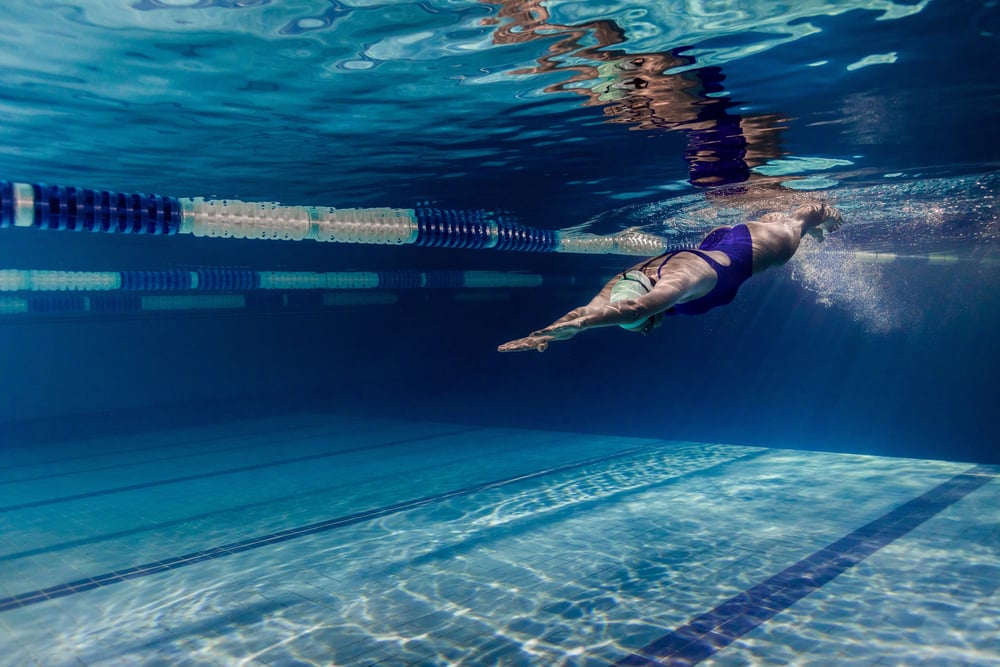
Competitors dove into the pool and then glided underwater as far as possible without moving their arms or legs. The 1904 St. Louis Olympics featured this one time, with American William Dickey winning by traveling 62 feet, 6 inches.
Athletes held their breath and maintained a streamlined position, hoping momentum would carry them farther than opponents. The event got criticized for being incredibly boring to watch since contestants just floated motionless underwater.
Spectators literally stared at a still pool waiting for someone to surface.
Obstacle swimming

The 1900 Paris Olympics held a 200-meter swimming race through the Seine River that included climbing over a pole, scrambling over a row of boats, and swimming under another row of boats. Australian Frederick Lane won while navigating the bizarre course through dirty river water.
The event combined swimming ability with problem-solving skills and pure determination. Organizers realized pretty quickly that adding random obstacles didn’t improve competitive swimming and actually made it harder to judge fairly.
Club swinging

Athletes swung heavy wooden clubs in choreographed patterns, similar to rhythmic gymnastics but with more dangerous equipment. The sport appeared in 1904 and 1932, with competitors judged on form, control, and artistic presentation.
American Edward Hennig won the 1904 event with a routine that impressed judges. The clubs looked like oversized bowling pins and required serious grip strength to control.
Olympic officials eventually decided the event was too niche and didn’t showcase enough athletic diversity.
Dueling pistols

Competitors at the 1906 and 1908 Olympics shot at dummy targets dressed in formal coats, aiming for where a person’s torso would be. The mannequins wore proper dueling attire complete with fancy jackets.
Shooters stood at regulation dueling distance and fired at these dressed-up targets. The sport tried to capture the skill of actual dueling without the death part.
It got removed because simulating violence, even against dummies, didn’t match the peaceful Olympic ideals the Games wanted to promote.
Horse long jump

Riders tried to make their horses jump as far as possible horizontally, measured from takeoff to landing. The 1900 Paris Olympics included this once, with Belgian Constant van Langhendonck winning at just over 20 feet.
Organizers quickly realized that measuring horizontal horse jumps was difficult and inconsistent. The event also raised concerns about horse safety since pushing for maximum distance increased injury risk.
Equestrian events shifted focus to show jumping and dressage, which better demonstrated the partnership between horse and rider.
Motor boating

Powerboat racing appeared at the 1908 London Olympics with three different race categories based on boat type. British racer Bernard Redwood won two gold medals in his country’s only appearance in the sport.
Engine problems and rough water conditions made several races chaotic and hard to manage. The Olympics decided motor sports didn’t align with human athletic achievement since machines did most of the work.
This remains one of the only times a motorized sport made it into the Summer Games.
Town planning

The 1928 Amsterdam Olympics included an architecture competition where participants submitted city planning designs. Alfred Hensel from Germany won a silver medal for his stadium design proposals.
Artists, architects, and designers competed in various creative categories from 1912 to 1948. These art competitions existed because founder Pierre de Coubertin believed the Olympics should celebrate human achievement in all forms.
They got removed after 1948 when officials decided the Games should focus purely on physical sports and athletic competition.
Hot air ballooning

Pilots competed in distance and altitude challenges during the 1900 Paris Olympics, though the status of these balloon events as official Olympic sports remains debated. Participants tried to fly the farthest or highest in their hot air contraptions.
Weather conditions played a huge role in who won, making the competition somewhat random. The early Olympics included lots of experimental events as organizers figured out what belonged in the Games.
Balloon racing obviously didn’t make the cut for long-term inclusion.
Tandem bicycle sprint

Two riders worked together on a bicycle built for two, scoring against other pairs in the 2000 Sydney Olympics. The sport combined individual cycling skills with precise teamwork since both riders had to pedal in perfect sync.
France dominated the event, winning gold in its only Olympic appearance. Track cycling had plenty of other events that tested similar skills without needing special tandem bikes.
The sport got dropped after just one Games despite being reasonably popular with spectators.
Croquet
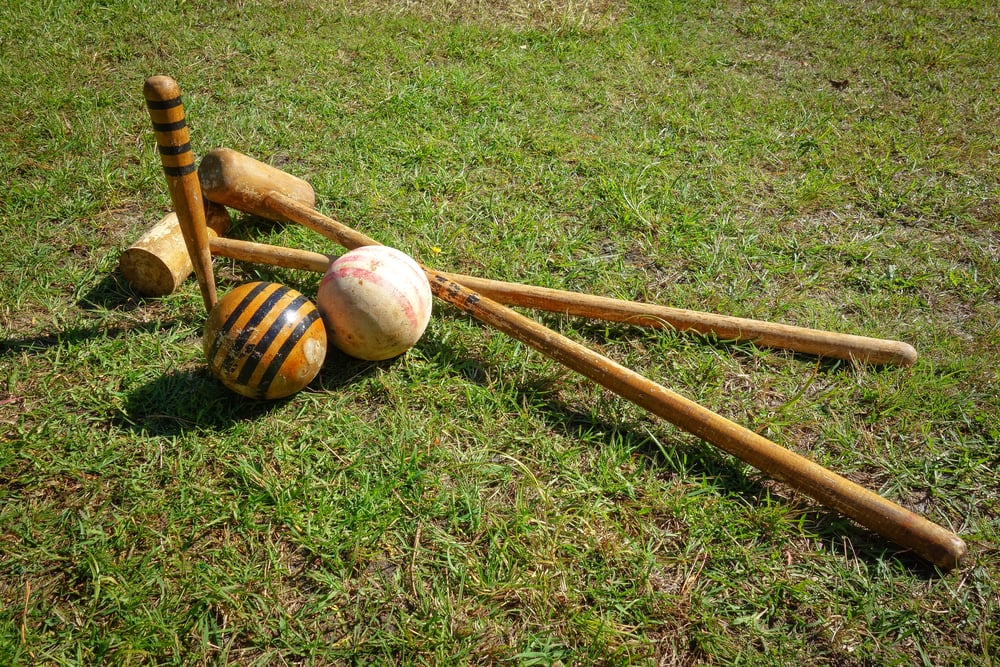
The 1900 Paris Olympics featured croquet, a lawn game usually associated with garden parties and relaxed weekends. Only France entered as competitors, so French athletes won all the medals by default.
One match had just a single spectator, making it probably the least-watched Olympic event ever. The sport required precision and strategy but not the explosive athleticism the Olympics usually showcase.
Croquet never returned after its disastrous debut, though it remains popular as a casual backyard activity.
100-meter freestyle for sailors

Back then at the 1897 Athens Games, only sailors from Greek navy vessels could enter a special swim race right there in the bay. Ioannis Malokinis came out ahead, even if nobody kept precise records of how fast he swam.
It wasn’t about speed alone – more like checking real-life water survival abilities seafarers used every day. Entry blocked anyone who hadn’t worked on boats, narrowing things sharply compared to almost any other Olympic contest before or after.
Since such job-limited contests clashed with broader participation ideals behind the Olympics, they dropped it straight away afterward.
Ski ballet

Spinning, leaping, dancing – skiers shaped precise movements down soft hills at the 1988 and 1992 Winter Games, though only for show. Music played while athletes blended glides and grace much like ice performers do.
Bright costumes stood out against snow as each act unfolded with careful drama. Despite effort, it failed to draw lasting crowds.
Downhill thrills mattered more to most who follow skiing than rhythm on slopes.
What once felt odd now fits right in
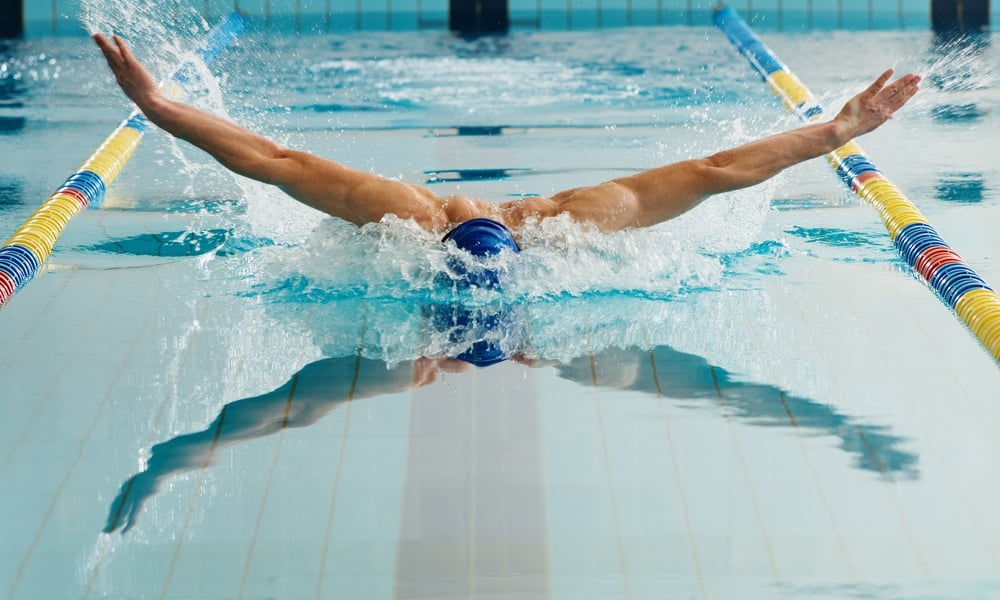
Change shapes the Olympics more than most notice. Back in 1900, some contests made sense then but appear strange now – future viewers may laugh at today’s events just as hard.
Newer activities such as skateboarding and surfing join while older ones fade out when they lose appeal. Odd past competitions show how much trial happens behind tradition.
Laughter often follows those odd moments from decades ago – they stick around because they’re unforgettable.
More from Go2Tutors!

- The Romanov Crown Jewels and Their Tragic Fate
- 13 Historical Mysteries That Science Still Can’t Solve
- Famous Hoaxes That Fooled the World for Years
- 15 Child Stars with Tragic Adult Lives
- 16 Famous Jewelry Pieces in History
Like Go2Tutors’s content? Follow us on MSN.