15 Festivals That Got Out of Hand
Festivals are supposed to be celebrations—times when people come together to enjoy music, art, food, and community. But sometimes, even the best-laid plans can spiral into chaos faster than you can say ‘refund please.’
From weather disasters to security failures, poor planning to outright fraud, these gatherings prove that when things go wrong at a festival, they really go wrong. Whether it’s Mother Nature throwing a curveball or organizers biting off more than they can chew, festival disasters have become legendary for all the wrong reasons.
Here is a list of 15 festivals that went from celebration to catastrophe.
Altamont Free Concert (1969)
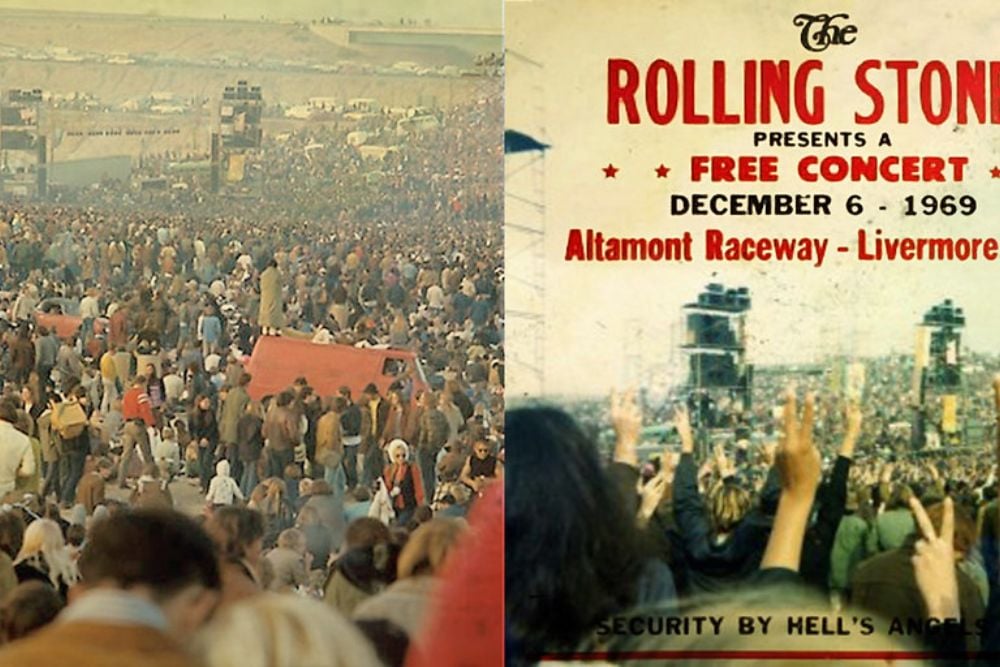
The Rolling Stones’ free concert at Altamont Speedway in California was supposed to be ‘Woodstock West,’ but it became one of the most notorious disasters in festival history when 300,000 people showed up and a Hells Angel stabbed an 18-year-old attendee to death just 20 feet from the stage during the Stones’ performance. The decision to hire the Hells Angels as security turned what should have been a peaceful celebration into a violent nightmare.
The victim, Meredith Hunter, was killed while Mick Jagger performed ‘Under My Thumb,’ though the band continued playing, unaware of the tragedy unfolding in front of them.
Woodstock ’99
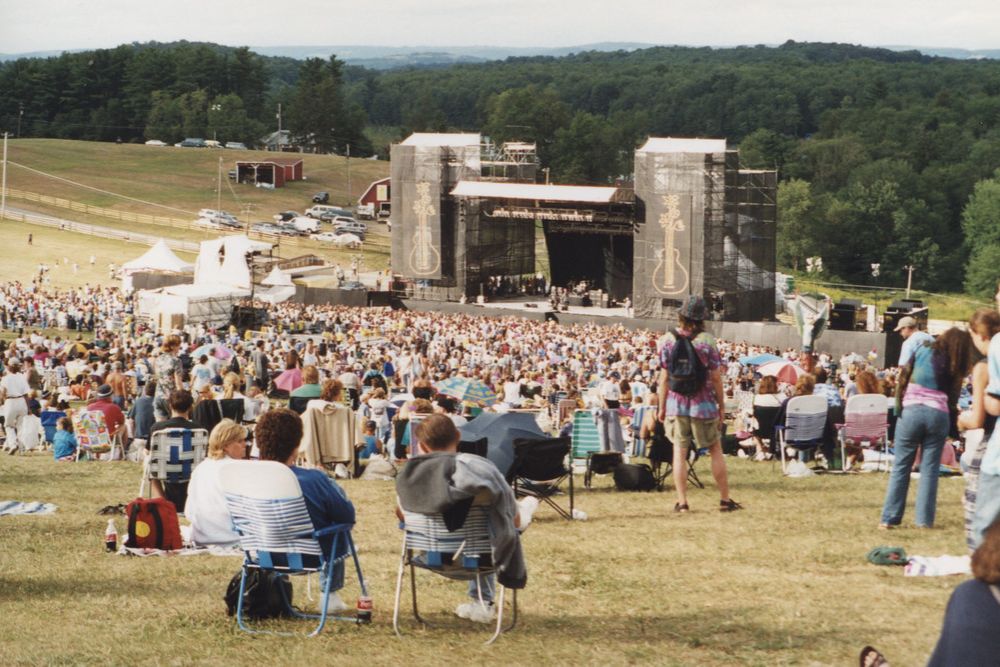
What was meant to honor the original Woodstock turned into three days of rioting, vandalism, and violence, with multiple reports of harassment, three deaths, and over 250 hospitalizations. The festival’s commercialized atmosphere, overpriced water, poor sanitation, and oppressive heat created a powder keg that exploded during the final night.
Attendees set bonfires using vendor booths and infrastructure, turning the festival grounds into a scene that looked more like a war zone than a music celebration.
Like Go2Tutors’s content? Follow us on MSN.
Fyre Festival (2017)
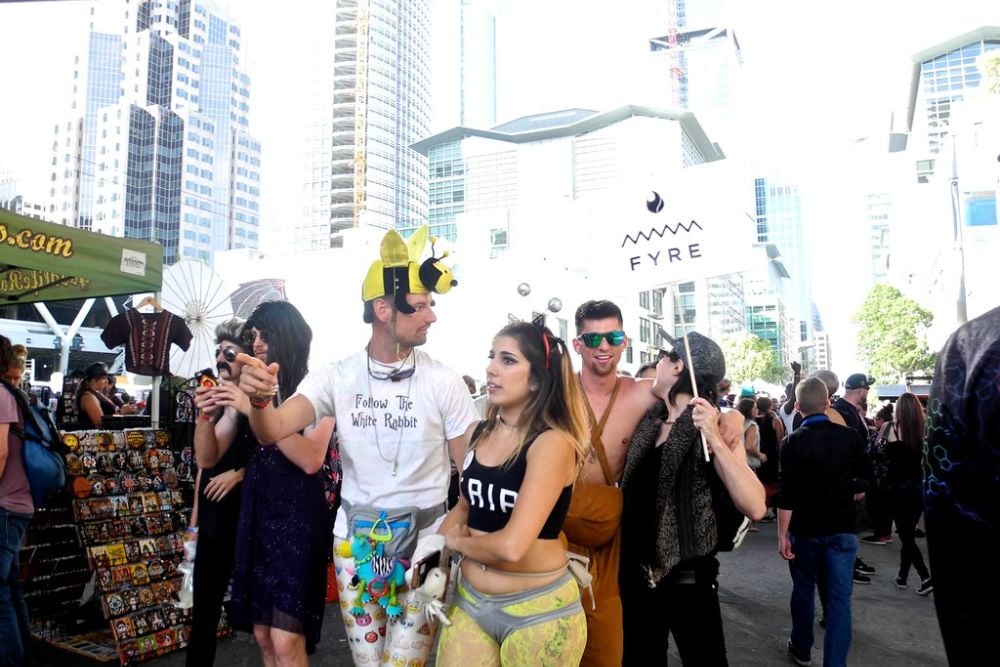
The calamitous Fyre Festival raised the bar for festival failures, from sweaty cheese and limp salads that were apparently passed off as meals to organizers being so over their heads that they forgot simple things like requiring workers. Promoted as a luxury experience in the Bahamas with supermodel influencers and gourmet dining, attendees instead found disaster relief tents, soggy sandwiches, and no artists to perform.
The festival became the poster child for social media fraud and led to multiple criminal charges for organizer Billy McFarland.
TomorrowWorld (2015)
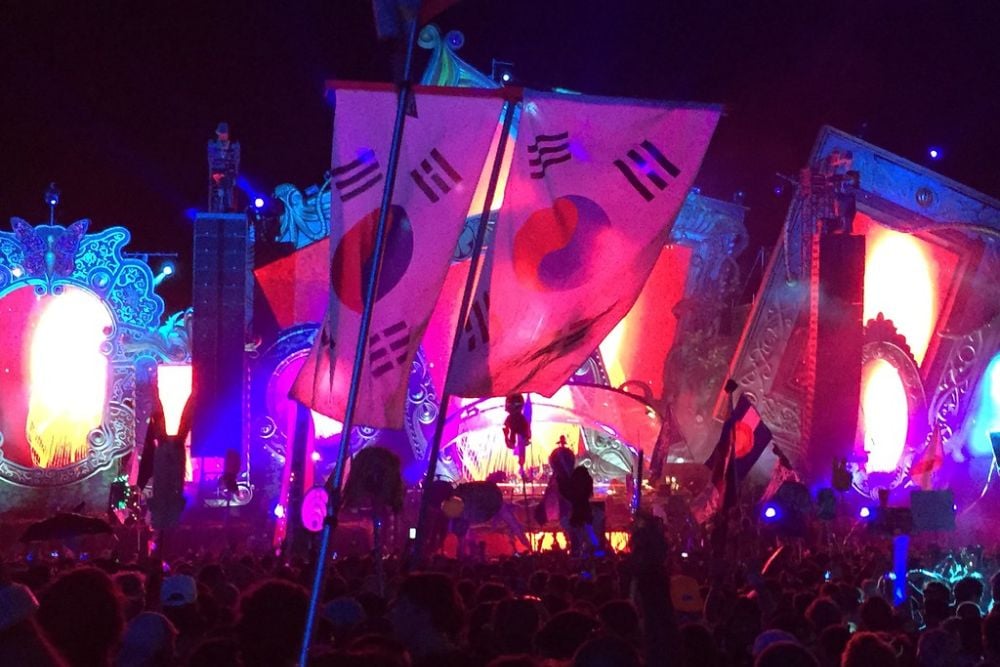
Heavy rain turned the fields at TomorrowWorld in Georgia into a sinking mud pit, and organizers decided to limit transport services back to surrounding areas, which left thousands stranded. Festival-goers were stuck for hours in knee-deep mud with no way to leave the venue.
Many abandoned their cars and walked miles through the muck to reach main roads, while others spent the night sleeping in the rain-soaked campgrounds without adequate facilities.
Astroworld (2021)
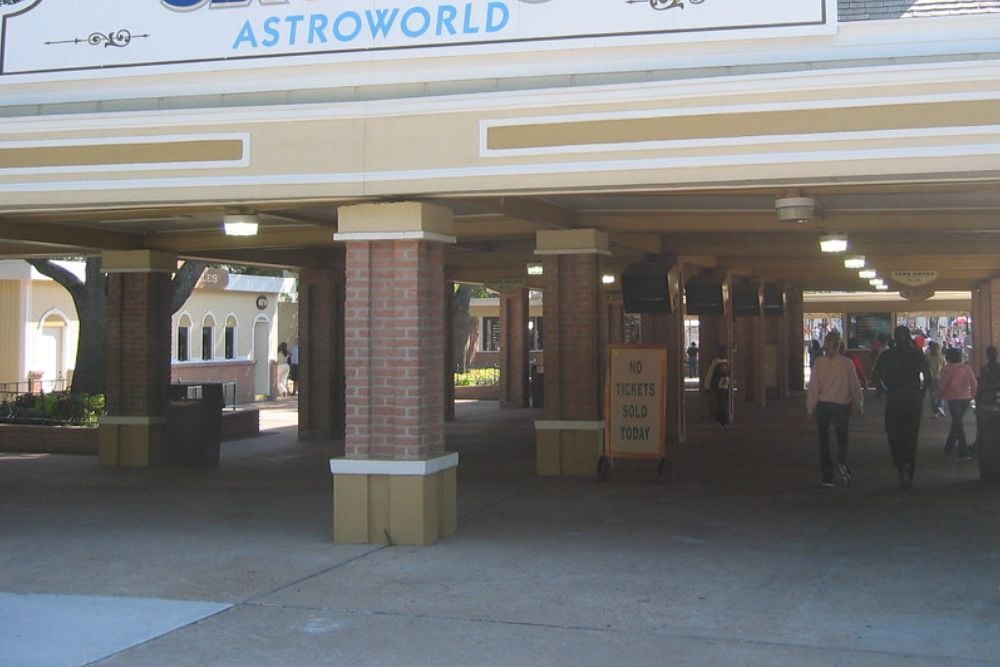
Travis Scott’s festival in Houston became a deadly crowd surge disaster when 50,000 people packed into NRG Park. Eight people died and hundreds were injured as the crowd compressed toward the stage during Scott’s performance.
Despite obvious signs of distress in the audience, the show continued for nearly 40 minutes after officials declared it a ‘mass casualty event.’
Like Go2Tutors’s content? Follow us on MSN.
Roskilde Festival (2000)
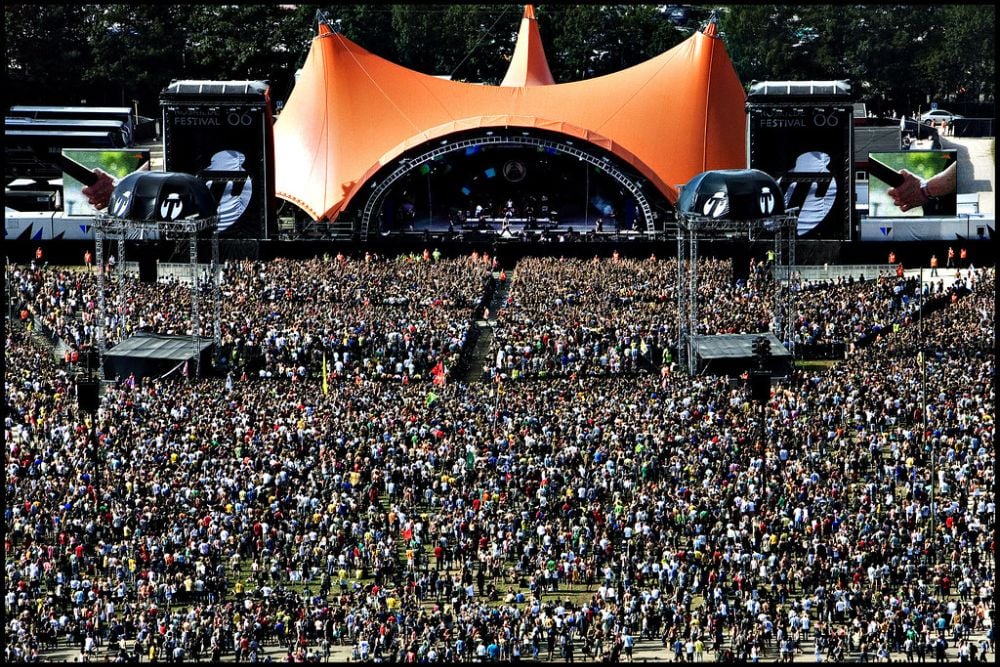
Denmark’s typically peaceful Roskilde Festival turned tragic when nine people were crushed to death during Pearl Jam’s performance. The crowd surge happened when fans rushed toward the stage, creating a deadly compression that trapped victims beneath other concert-goers.
The incident led to major changes in festival safety protocols and crowd management techniques across Europe.
Mawazine Festival (2009)

The Mawazine Festival in Morocco ended in the deaths of 11 people after a stampede trampled them when 70,000 fans packed into the stadium to see Abdelaziz Stati perform, and police failed to properly secure exits for the masses. The tragedy occurred when concertgoers rushed toward the exits simultaneously, creating a bottleneck that turned deadly.
The incident highlighted the dangers of inadequate crowd control planning at large venues.
Rock am Ring (2016)
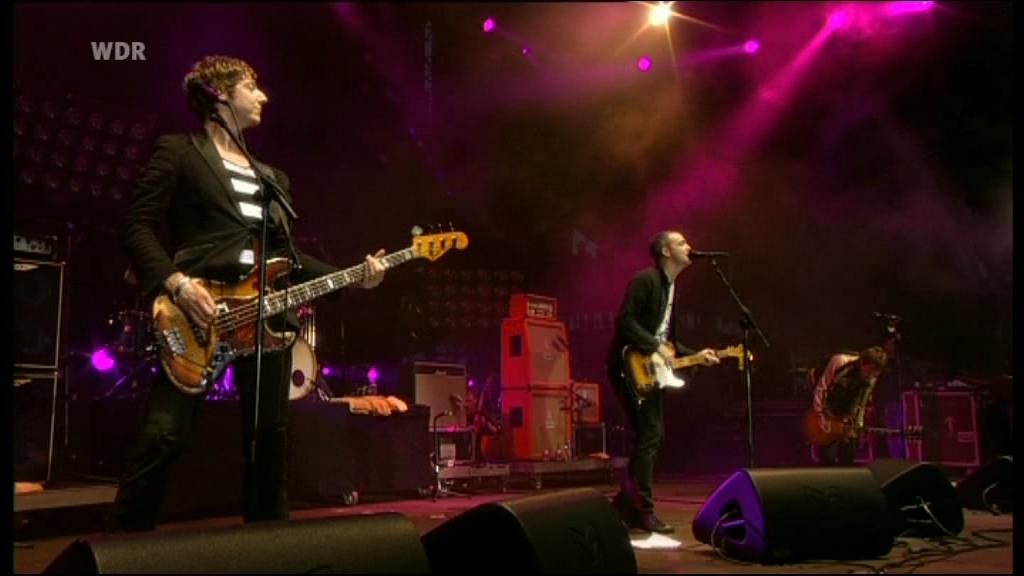
Germany’s Rock am Ring festival was evacuated twice due to severe weather warnings, but not before lightning strikes and tornadoes terrorized attendees. Over 90 people were injured by lightning, and the festival’s main stage area was completely destroyed by violent storms.
Fans huddled in cars and emergency shelters as emergency services struggled to maintain order during the chaos.
Like Go2Tutors’s content? Follow us on MSN.
XO Music Festival (2023)

XO Music Festival promised seven stages, performances by 100 artists, and a series of Instagram-worthy perks such as an indoor skating rink and a foam pit, but none of this actually happened—the festival was canceled days before it was supposed to begin. Attendees who had already traveled to the venue found empty fields instead of festival grounds.
The promised luxury accommodations were nonexistent, leaving thousands of people stranded with no refunds and no recourse.
Burning Man (2023)
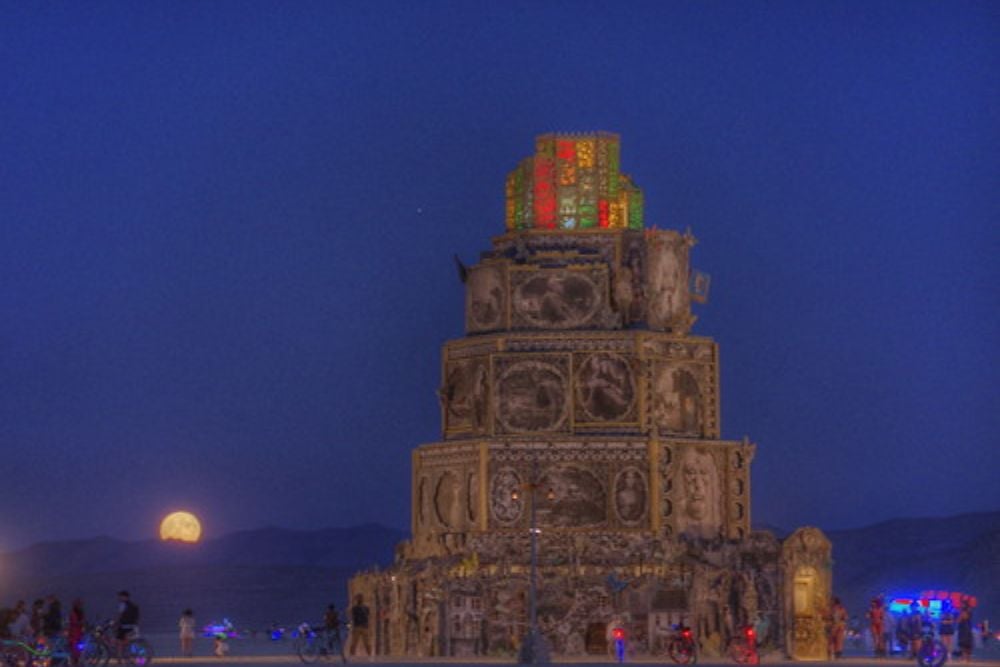
The annual gathering in Nevada’s Black Rock Desert turned into a muddy prison when unexpected rainfall turned the desert floor into impassable clay. Over 70,000 attendees were trapped for days with limited food, water, and sanitation facilities.
The access roads became so treacherous that even emergency vehicles couldn’t navigate them, leaving the community essentially cut off from the outside world.
We Came as Romans Festival (2019)
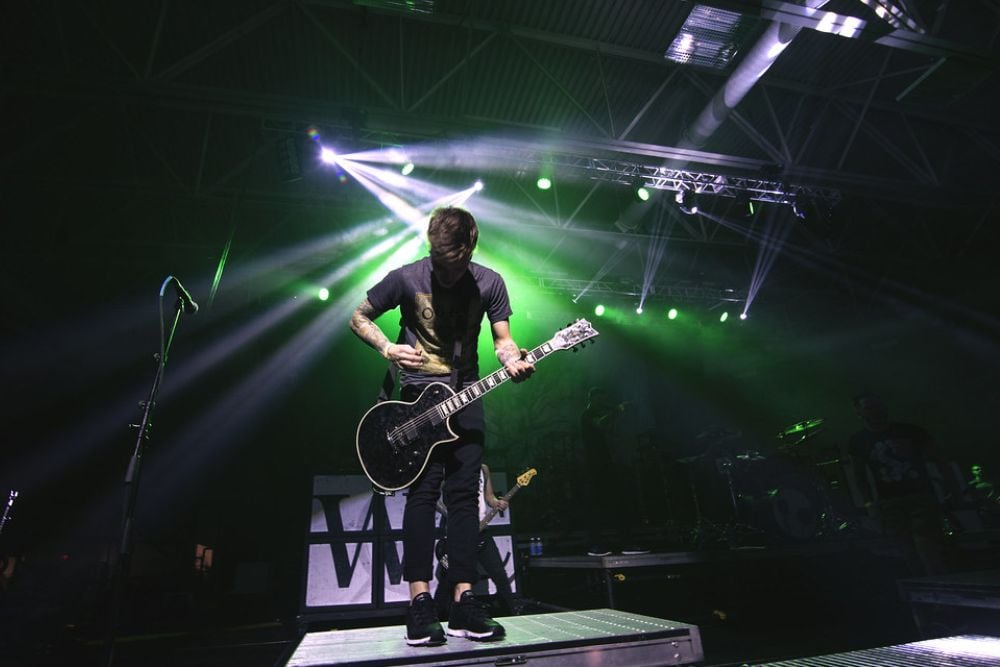
This Michigan festival collapsed spectacularly when organizers failed to secure proper permits and vendors. Fans arrived to find no food, no water, and no artists performing on empty stages.
The festival grounds lacked basic infrastructure like working restrooms and security, creating dangerous conditions that forced authorities to shut down the event entirely.
Like Go2Tutors’s content? Follow us on MSN.
Gathering of the Vibes (2012)
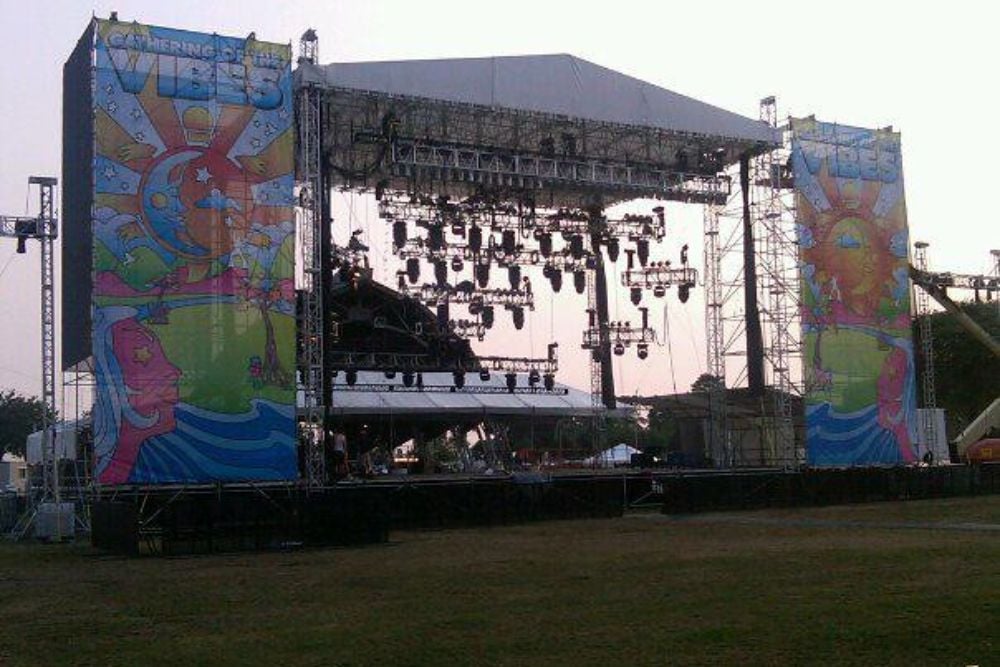
Connecticut’s Gathering of the Vibes became a logistical nightmare when Hurricane Sandy’s aftermath left the venue flooded and without power. Thousands of fans were stranded without working facilities while organizers scrambled to salvage what they could.
The combination of weather damage and poor emergency planning turned what should have been a peaceful music festival into a survival situation.
Peace in the Hood (1995)
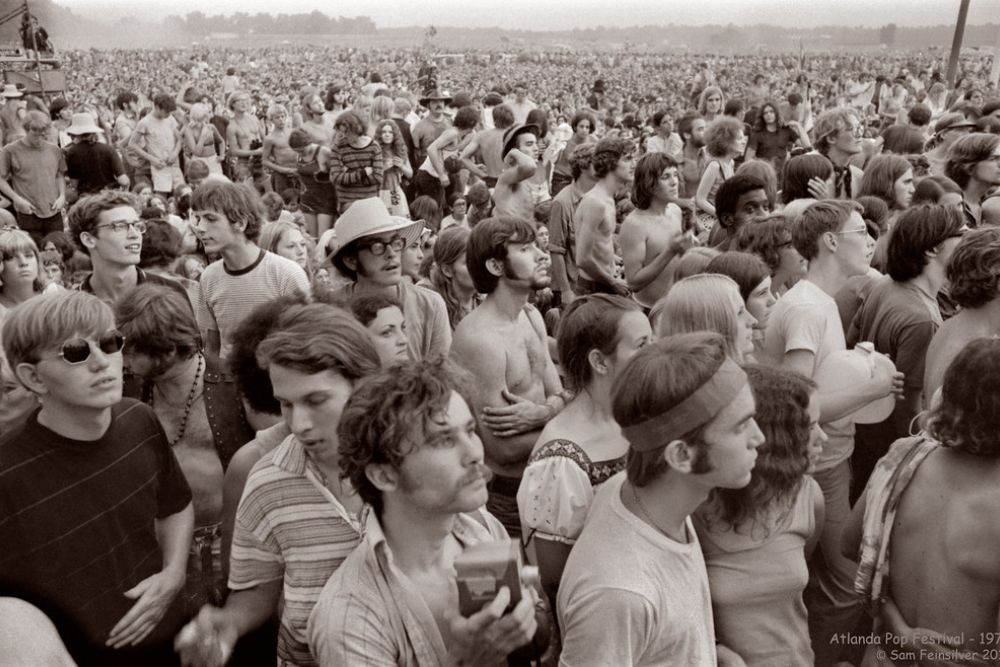
This Atlanta festival devolved into a riot when overcrowding and poor organization created dangerous conditions. Violence broke out among attendees, leading to multiple injuries and arrests.
The festival’s security was completely overwhelmed by the chaos, and police had to use tear gas to disperse crowds that had turned destructive.
DashCon (2014)
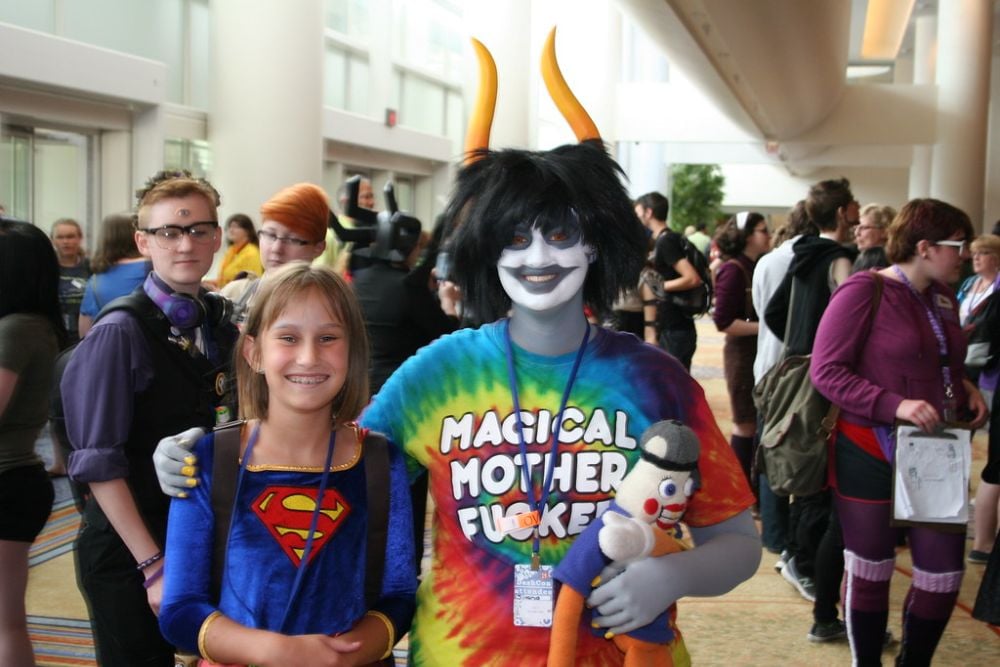
While not a music festival, this fan convention in Illinois became infamous for its spectacular collapse when organizers ran out of money mid-event. Attendees were asked to literally donate cash to keep the convention running, leading to the bizarre ‘extra hour in the bounce house’ meme when disappointed attendees were offered additional time in a children’s inflatable as compensation for canceled events.
Like Go2Tutors’s content? Follow us on MSN.
Route 91 Harvest (2017)
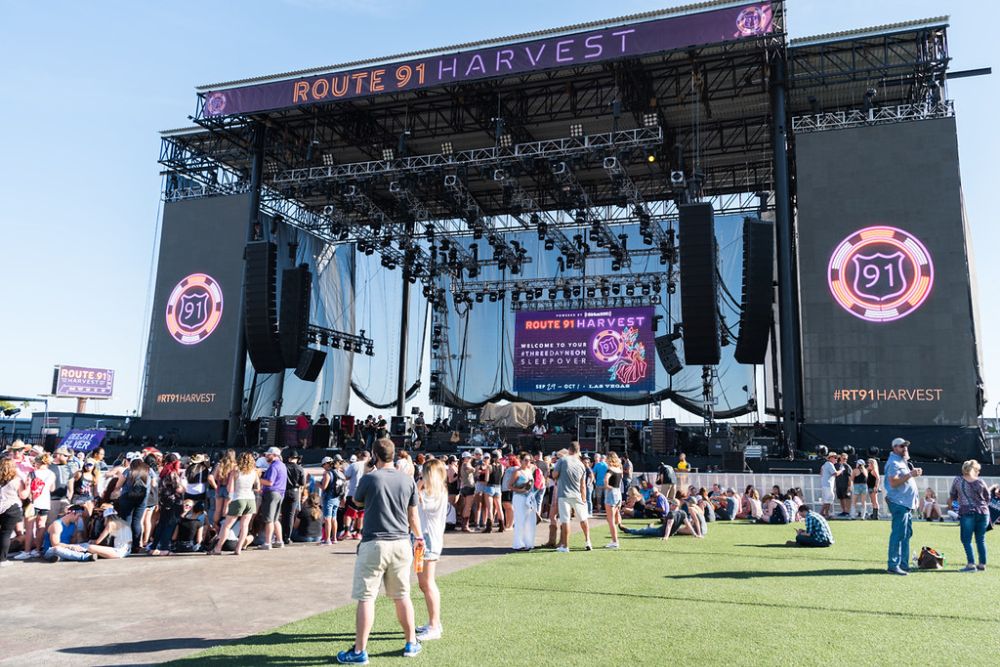
The Route 91 Harvest Festival in Las Vegas became the site of the deadliest mass shooting in modern American history, making it the biggest fatal event at a U.S. music festival. A gunman opened fire from a nearby hotel window, killing 58 people and wounding over 800 others during Jason Aldean’s performance.
The tragedy forever changed how festivals approach security and emergency response planning.
When Good Times Turn Bad
These festival disasters remind us that massive gatherings of people are complex operations that require careful planning, adequate resources, and backup plans for when things go sideways. From natural disasters that no one could predict to human failures that absolutely should have been prevented, each of these events left lasting scars on the festival industry.
The silver lining is that many of these catastrophes led to better safety protocols, improved emergency planning, and more rigorous oversight that helps protect future festival-goers from similar disasters.
More from Go2Tutors!

- 16 Historical Figures Who Were Nothing Like You Think
- 12 Things Sold in the 80s That Are Now Illegal
- 15 VHS Tapes That Could Be Worth Thousands
- 17 Historical “What Ifs” That Would Have Changed Everything
- 18 TV Shows That Vanished Without a Finale
Like Go2Tutors’s content? Follow us on MSN.