14 City Nicknames With Bizarre Backstories
Cities around the world have earned unique monikers over the centuries – some flattering, others less so. While many nicknames celebrate a city’s beauty or achievements, others emerged from peculiar historical circumstances, misunderstandings, or downright strange events that shaped a city’s identity.
Here is a list of 14 city nicknames with truly bizarre backstories that reveal fascinating insights into urban history and culture.
The Big Apple
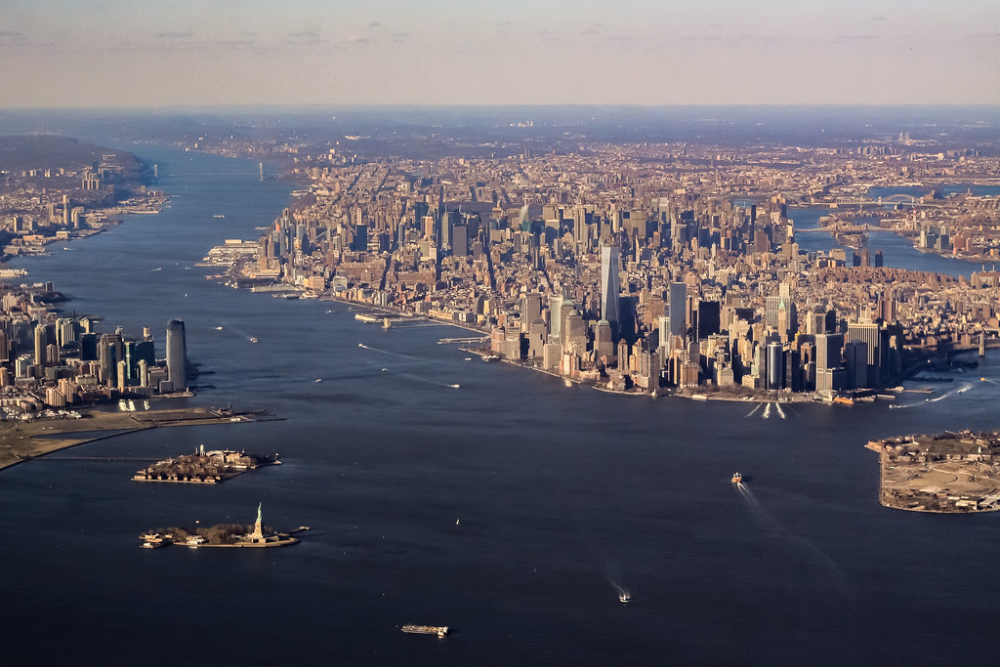
New York City’s famous nickname didn’t originate from the fruit stands of Manhattan. It actually began in the 1920s among jazz musicians, who used ‘apple’ as slang for any big city.
The term specifically caught on for NYC when horse racing columnist John Fitz Gerald used it repeatedly in his writings, referring to the big prizes (‘apples’) at New York racetracks. The nickname was later popularized in a 1970s tourism campaign that rescued it from obscurity.
The Windy City

Chicago earned this moniker not primarily from its weather conditions, as commonly believed. The nickname instead originated in the 1880s when Chicago and New York were competing to host the 1893 World’s Fair.
New York newspapers began calling Chicago ‘the Windy City’ to mock the supposedly long-winded, boastful politicians who were advocating for their city. Despite Chicago winning the World’s Fair, the teasing nickname stuck permanently.
Like Go2Tutors’s content? Follow us on MSN.
The City of Brotherly Love

Philadelphia’s nickname appears heartwarming but has an unexpected linguistic origin. The name comes directly from the Greek words ‘phileo’ (love) and ‘adelphos’ (brother), which William Penn combined when naming the city in 1682.
The irony lies in how this peaceful Quaker settlement, founded on principles of harmony, later experienced significant religious conflicts and violent riots throughout its history—quite contrary to its loving nickname.
Beantown

Boston’s quirky nickname dates back to colonial times when the city was obsessed with a particular food. During the 17th and 18th centuries, Boston became famous for its baked beans slow-cooked in molasses.
This bean fixation was so prominent that sailors and traders began referring to the city as ‘Beantown.’ The tradition became embedded in Boston’s identity, even though modern Bostonians rarely eat these traditional beans anymore.
Sin City
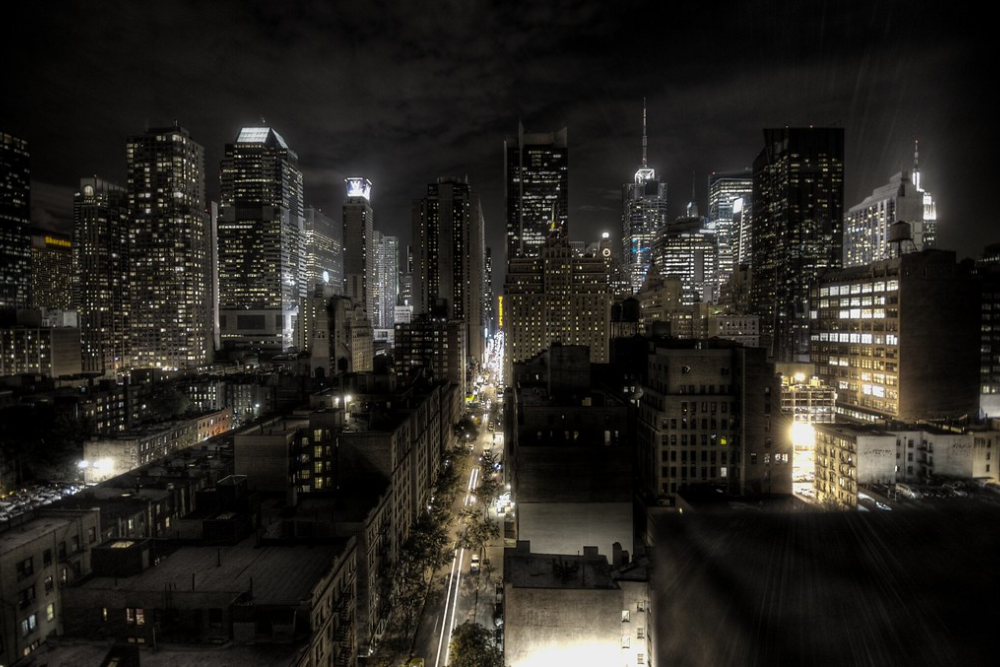
Las Vegas earned its notorious nickname through a perfect storm of permissive laws and strategic marketing. In the early 1930s, Nevada legalized gambling during the Great Depression as an economic survival strategy.
Combined with quickie divorces and later, mob involvement, the city developed a reputation for vice that it eventually embraced rather than fought. By the 1950s, this ‘sinful’ identity became a deliberate marketing strategy that transformed a desert settlement into an entertainment empire.
Like Go2Tutors’s content? Follow us on MSN.
Motown

Detroit’s musical nickname originated from a small record company that changed American culture forever. The term combines ‘motor’ and ‘town,’ referencing the city’s automotive industry.
In 1959, Berry Gordy founded Motown Records with an $800 loan, creating a distinctive sound that crossed racial boundaries during segregation. The label became so synonymous with Detroit’s identity that the nickname transferred from the company to the entire city.
The Eternal City

Rome’s ancient nickname comes from a surprisingly arrogant belief held by its early citizens. Ancient Romans genuinely believed their city would stand forever, regardless of what happened to the rest of the world.
The 1st-century poet Tibullus first recorded the term ‘Urbs Aeterna’ (Eternal City) in his writings. Remarkably, while the Roman Empire eventually collapsed, the city itself has indeed survived for nearly three millennia, making the boastful nickname somewhat prophetic.
The Big Easy
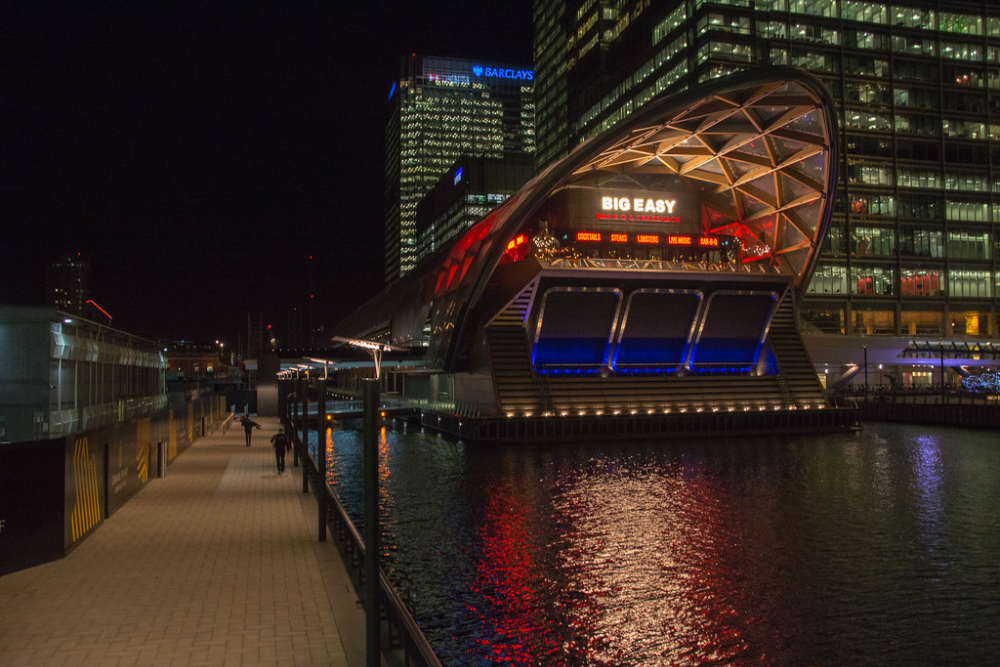
New Orleans got this laid-back nickname from an unexpected comparison to another American city. The term emerged in the early 20th century when musicians contrasted New Orleans’ relaxed music scene and lifestyle with the hectic pace of New York (The Big Apple).
Local jazz musicians could find regular, easy work in New Orleans compared to the competitive New York environment. The nickname perfectly captured the city’s relaxed attitude toward time and its celebration of leisure.
Like Go2Tutors’s content? Follow us on MSN.
Tinseltown

Hollywood’s glittering nickname originated as a criticism rather than a compliment. Early film critics coined the term ‘Tinseltown’ in the 1910s and 1920s to mock the perceived superficiality and fake glamour of the emerging film industry—tinsel being a cheap, shiny decorative material that looks like gold but has no real value.
Over time, the industry embraced this initially derogatory term, transforming it into a celebration of Hollywood’s escapist fantasy and glamour.
The Emerald City

Seattle’s verdant nickname wasn’t inspired by ‘The Wizard of Oz’ as many assume. The term was created in 1981 by a convention and visitors bureau contest seeking a new city slogan.
The winning entry highlighted Seattle’s lush greenery and abundant evergreen trees that thrive in the rainy climate. What makes this bizarre is that the nickname was essentially manufactured through a marketing campaign yet it feels so authentic that many believe it has historical roots stretching back centuries.
The City of Light
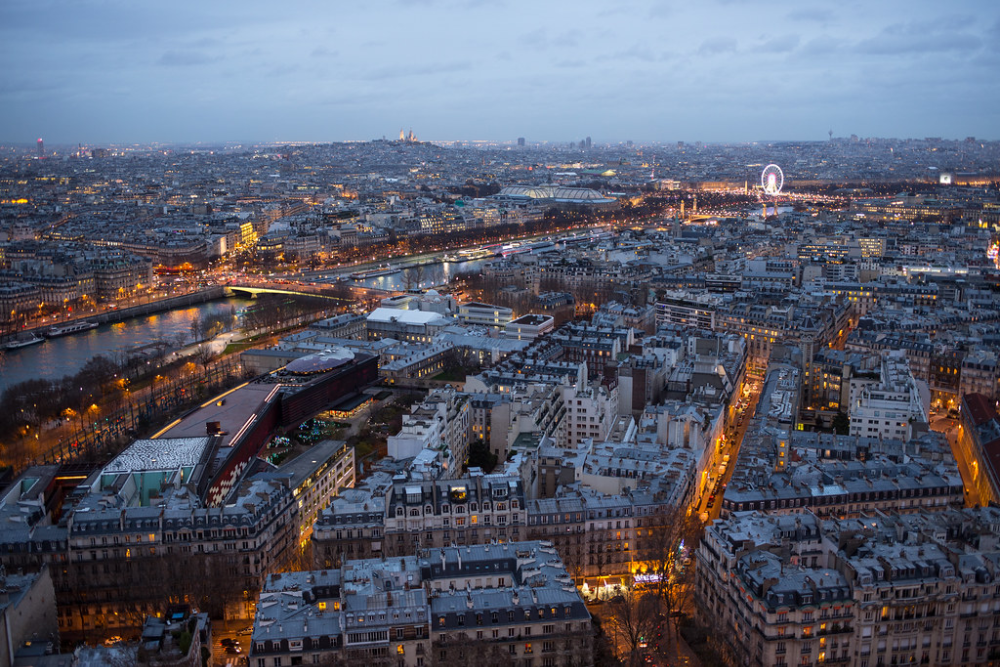
Paris earned its illuminating nickname through a mixture of historical innovation and metaphorical significance. In the 1660s, Louis XIV ordered lanterns hung on main streets, making Paris one of the first European cities with permanent street lighting.
This early enlightenment was later enhanced when Paris became a center of intellectual progress during the Age of Enlightenment. The nickname gained permanence when Paris installed over 56,000 gas lamps in the 1820s, literally becoming Europe’s brightest city.
Like Go2Tutors’s content? Follow us on MSN.
Charm City
Baltimore’s pleasant nickname has a surprisingly desperate origin story. The name was concocted in 1975 by advertising copywriters working on a campaign to improve the city’s deteriorating image.
Mayor William Donald Schaefer was struggling to combat urban decay and negative press, so marketers invented ‘Charm City’ out of thin air to highlight the city’s hidden appeal. This artificially created nickname somehow stuck and became genuinely embraced by locals.
The Athens of the South

Nashville received its classical nickname due to an unusually high concentration of educational institutions. In the 19th century, the city became home to over two dozen colleges and universities, creating an intellectual hub in the American South.
The city embraced this identity so thoroughly that it built a full-scale replica of the Parthenon for Tennessee’s 1897 Centennial Exposition. Instead of removing this temporary structure, Nashville preserved it, permanently cementing its connection to ancient Greece.
The Mistake on the Lake
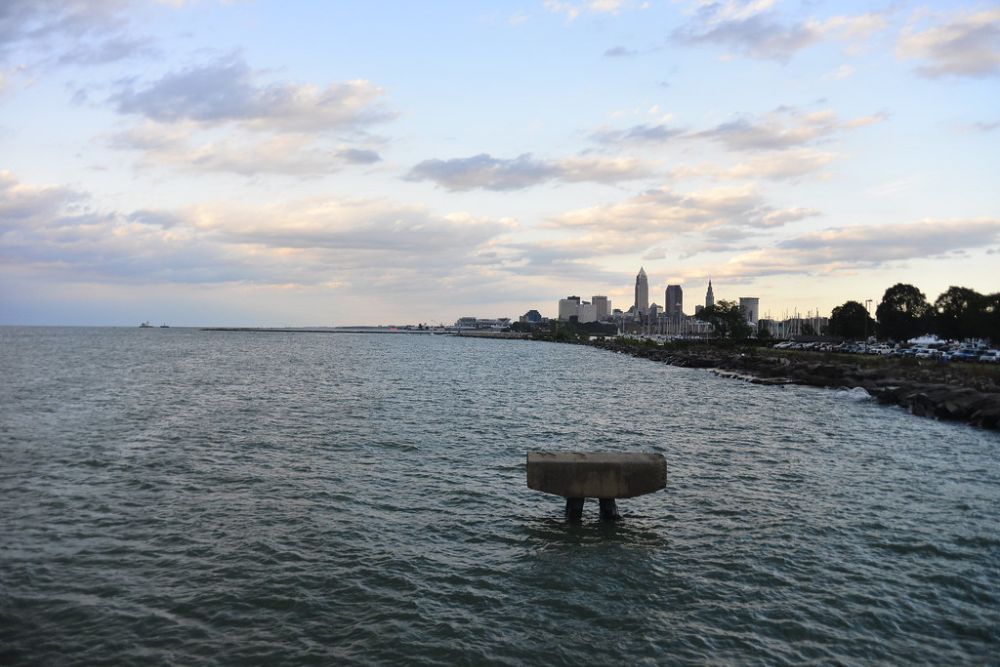
Cleveland earned this unflattering nickname through a series of environmental and economic disasters. The harsh moniker gained prominence after the Cuyahoga River famously caught fire in 1969 due to severe pollution.
Combined with financial default in 1978 and the declining industrial base, national media used the phrase to encapsulate Cleveland’s troubles. Remarkably, locals reclaimed this insulting nickname with self-deprecating humor, sometimes using it affectionately despite its negative origins.
Like Go2Tutors’s content? Follow us on MSN.
Urban Legends Behind City Identities
The bizarre backstories behind these city nicknames reveal how urban identities form through a complex mixture of historical accidents, deliberate marketing, and cultural evolution. What begins as an insult can become a badge of honor; what starts as advertising can develop authentic cultural significance.
These nicknames demonstrate how cities, like people, often earn reputations for reasons far different from than they might have chosen for themselves.
More from Go2Tutors!

- 16 Restaurant Chains That Went Too Fast
- 12 Things Sold in the 80s That Are Now Illegal
- 15 Strange Things People Have Tried to Ban (And Failed)
- 16 Collectibles People Tossed Out Too Soon
- 17 Myths from Your Childhood That Were Actually Based on Real Things
Like Go2Tutors’s content? Follow us on MSN.