16 Things Supermarkets Looked Like in the 1970s Compared to Today
The local grocery store used to feel like visiting your neighborhood — everyone knew the butcher’s name, checkout lanes moved at conversation speed, and shopping carts had that particular squeak that announced your arrival three aisles away. Walking into a modern supermarket after growing up in the 1970s can feel like stepping into a different universe entirely.
The fluorescent lights are brighter, the aisles stretch wider, and somehow everything feels both more abundant and more impersonal at the same time.
Checkout Lines
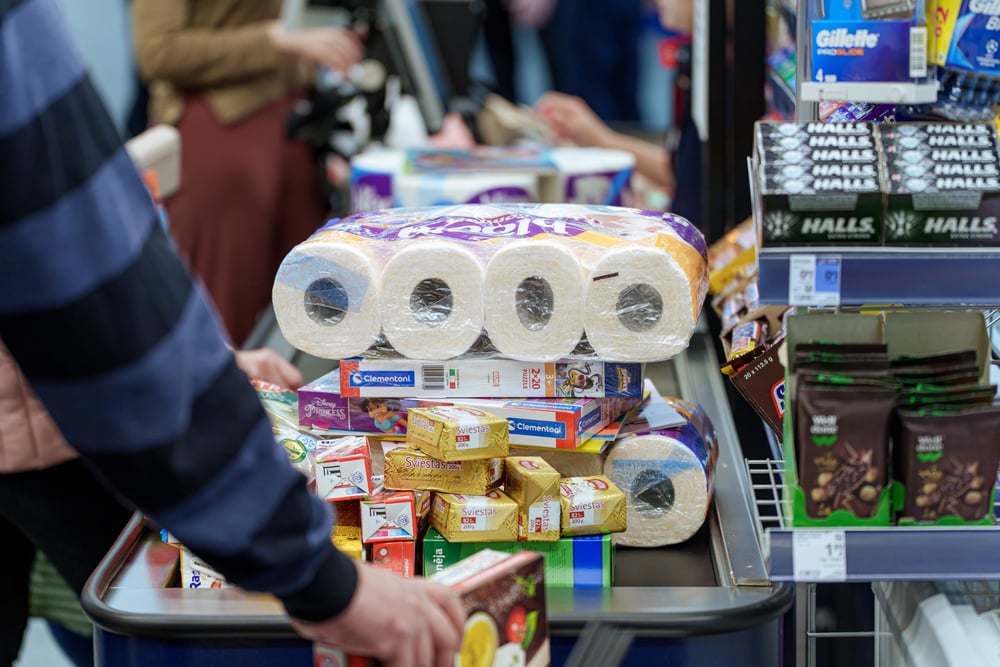
The checkout experience moved like molasses back then. No scanners, no beeping sounds — just cashiers who knew prices by heart and rang up each item on mechanical registers that required actual muscle to operate.
Every purchase became a small performance as the cashier punched keys with authority and the register responded with satisfying mechanical chunks. Today’s self-checkout stations would have seemed like science fiction.
The idea that customers would scan their own groceries, bag their own items, and essentially work for free while shopping would have been laughable.
Product Selection
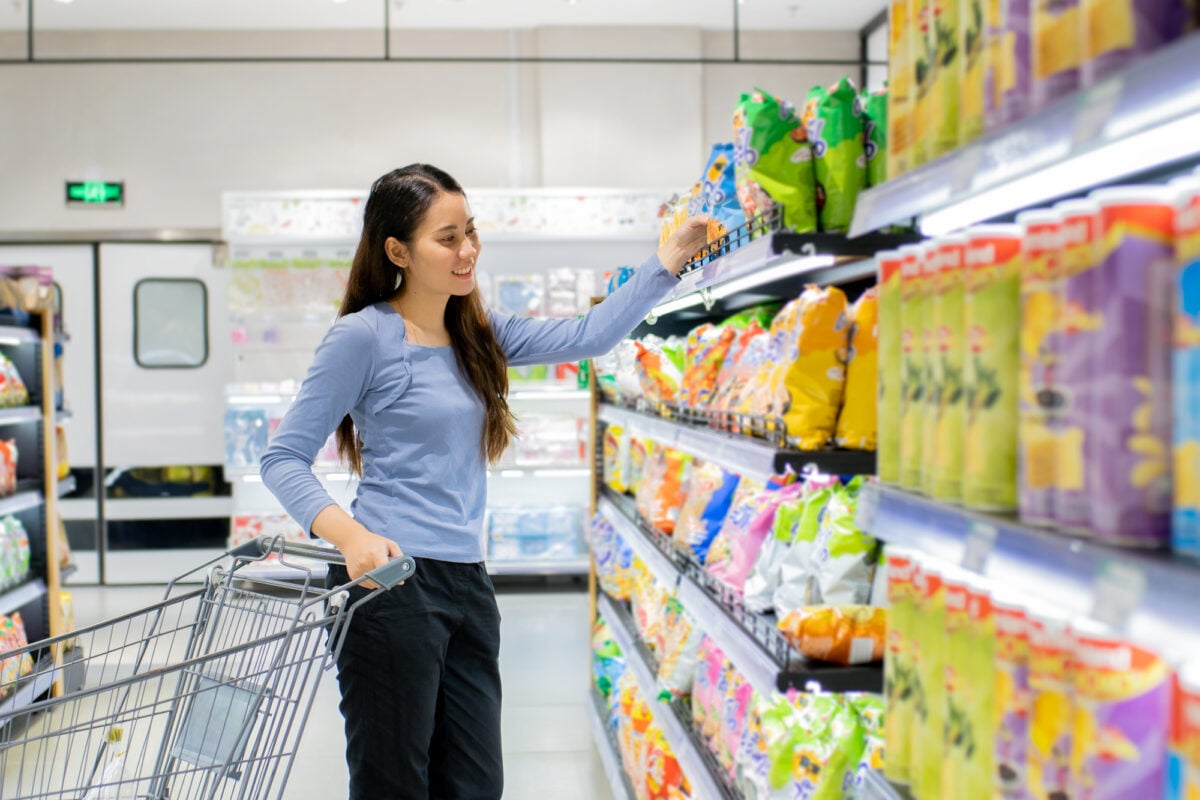
So you wanted cereal in 1975 — you had maybe fifteen choices, and that felt like plenty. Corn Flakes, Rice Krispies, Frosted Flakes if your parents were feeling generous.
The cereal aisle took up maybe twenty feet of shelf space, and you could see every option without turning your head. Modern cereal aisles stretch for what feels like city blocks, with choices that splinter into subcategories that didn’t exist back then (ancient grains, protein-enhanced, probiotic, gluten-free versions of things that never contained gluten in the first place).
And yet, for all those options, most people grab the same box they always do — which is saying something about the illusion of choice versus actual satisfaction.
Shopping Cart Design
There’s something stubborn about the way old shopping carts moved through those narrow aisles — four wheels that rarely agreed on direction, metal baskets that showed their age through honest dents and scratches, and a particular rhythm to their movement that you had to learn rather than fight. Each cart had personality, which sounds ridiculous until you remember how you’d always grab the same one if you could find it.
Today’s carts glide like they’re apologizing for existing. Larger, quieter, engineered to disappear into the background of the shopping experience.
But somehow that old cart with the wobbly front wheel that pulled slightly left felt more like a companion than a tool. You worked together to get the job done, and that small collaboration made the whole experience feel less solitary.
Produce Sections
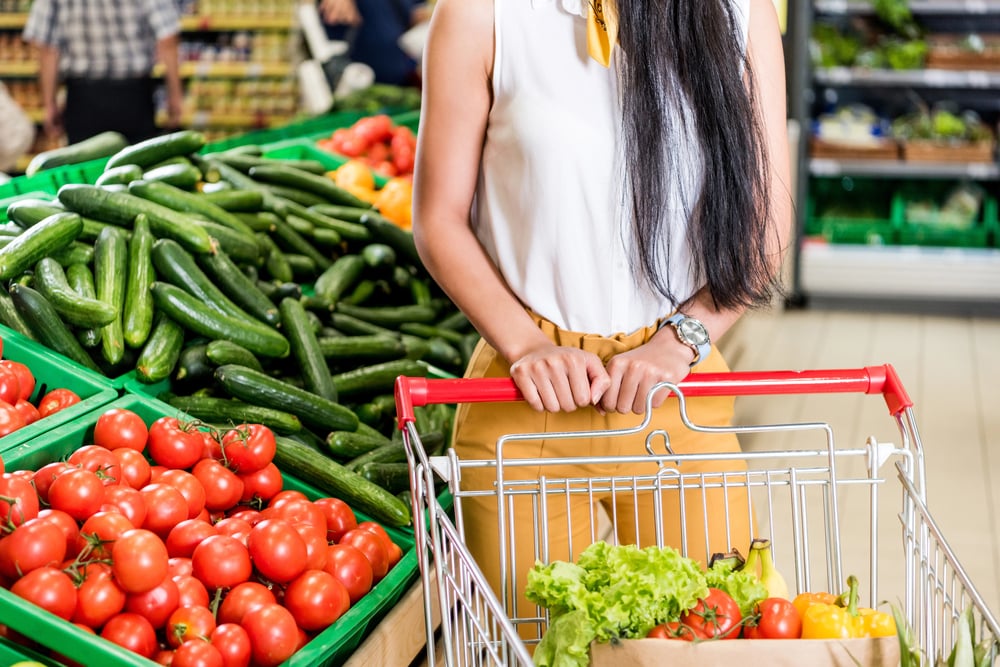
Vegetables came as they were — dirty carrots with actual dirt, lettuce that hadn’t been triple-washed and vacuum-sealed, apples that showed their imperfections without shame. The produce section felt connected to actual farms, actual seasons, actual weather patterns that affected what appeared on the shelves.
Everything gets the spa treatment now. Pre-washed, pre-cut, wrapped in enough plastic to mummify a small car.
Organic options cost twice as much for the privilege of eating food the way it used to come standard. The irony tastes expensive.
Store Layouts
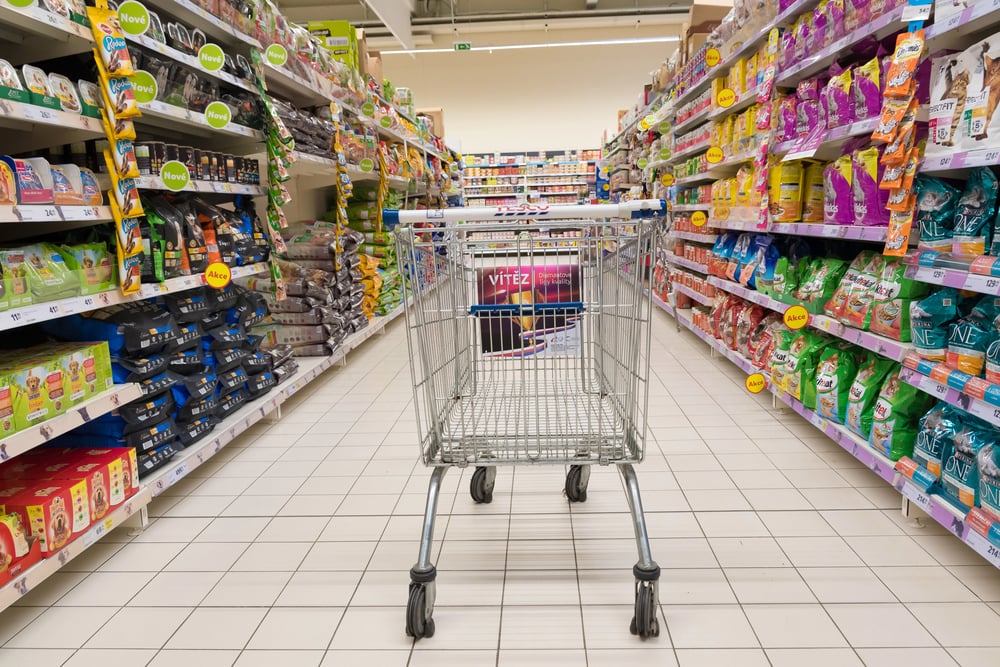
Grocery stores back then followed a logic you could understand. Produce near the front, meat counter along the back wall, frozen foods in their own section that you saved for last so nothing would melt on the drive home.
The whole store could be navigated in a predictable pattern, and you rarely got lost looking for basic necessities.
Meat Departments
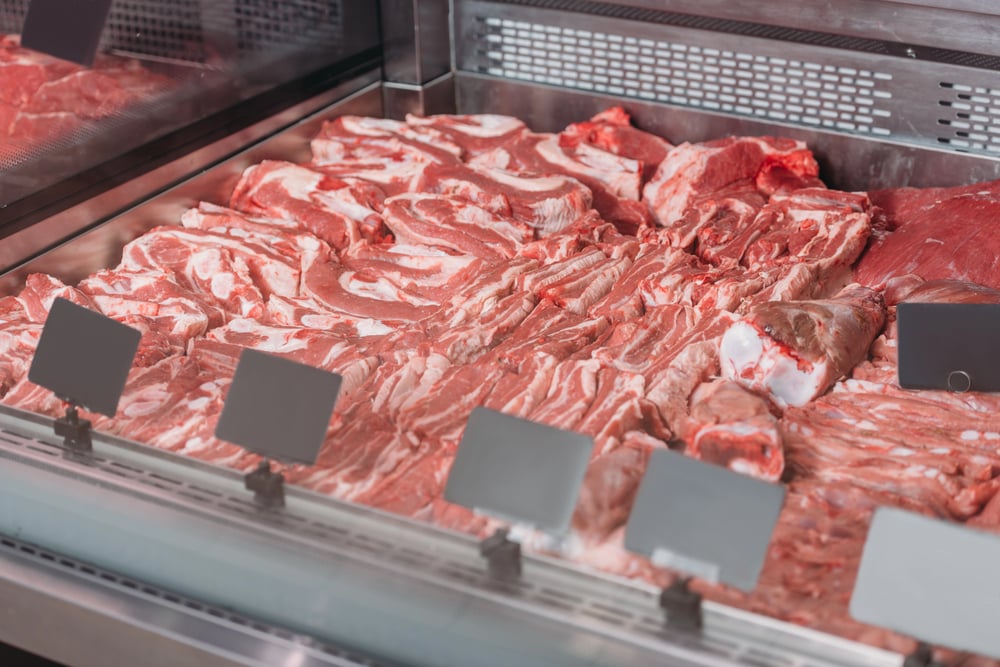
The butcher knew your family’s preferences and would set aside the good cuts when you called ahead. White coats, paper hats, and the sound of actual cutting happening behind a counter where you could watch your order being prepared. Ground beef got ground that day, and steaks were cut to whatever thickness you requested.
Modern meat departments wrap everything in advance and price it by computer algorithms. The personal relationship between customer and butcher has been replaced by efficiency, which works fine until you want something that isn’t already packaged.
Then you realize what was lost in translation.
Product Packaging
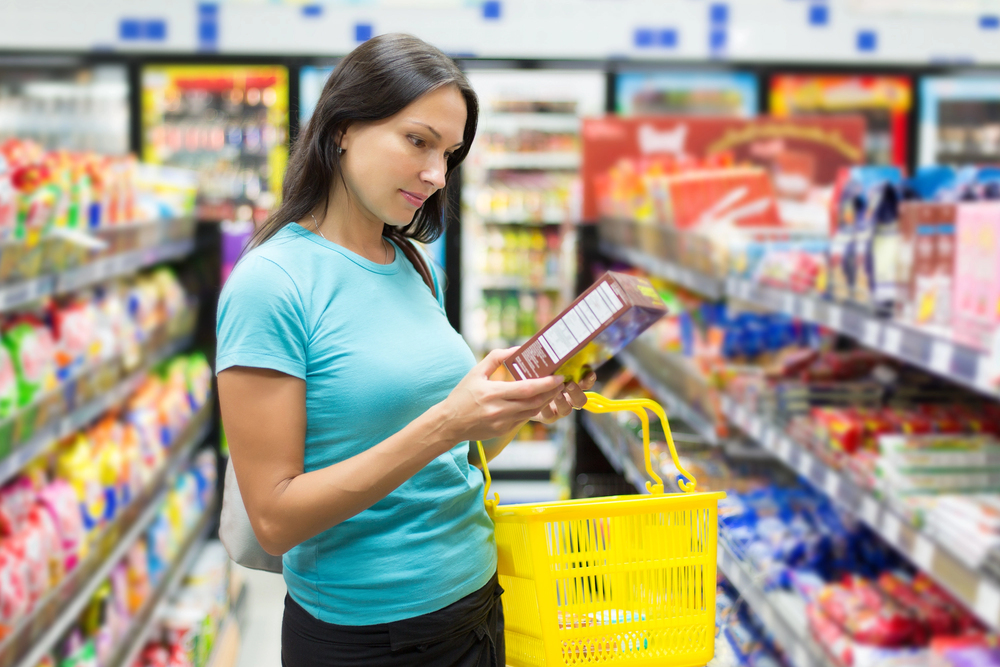
Everything came in boxes, cans, or glass jars (and those jars became drinking glasses once emptied, which seemed like getting something extra for free rather than recycling). Packaging served one purpose — protecting the food inside — without trying to convince anyone of anything beyond basic freshness and nutritional content.
But here’s the thing that might seem quaint now: you trusted the product to speak for itself once you got it home, and (this is the part that feels almost foreign today) it usually did exactly what it promised without requiring you to become an expert in reading between the lines of marketing copy. So much of what fills modern packages is air, marketing psychology, and promises that the actual food struggles to keep.
The old packages were smaller, denser, and somehow more honest about their contents. And yet, people complain less about being misled back then — which suggests that straightforward packaging might have actually been the more sophisticated approach.
Store Atmosphere
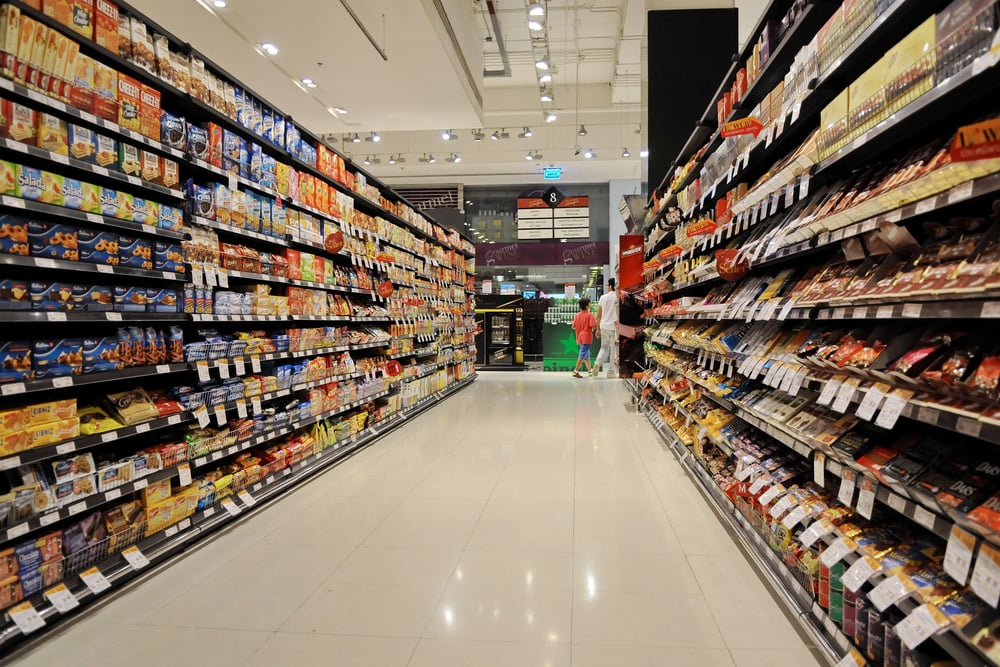
The whole experience moved at human speed back then. Conversations happened naturally — between customers waiting in line, with employees who had time to answer questions, even with strangers comparing prices on similar items.
Shopping felt social in a way that wasn’t forced or manufactured. Today’s stores are engineered for efficiency above all else.
The music plays at calculated volumes, the lighting is designed to make produce look appealing, and the layout guides traffic flow like an airport. Nothing wrong with any of that, exactly, but it creates a different kind of energy — one that prioritizes getting things done over human connection.
Price Displays
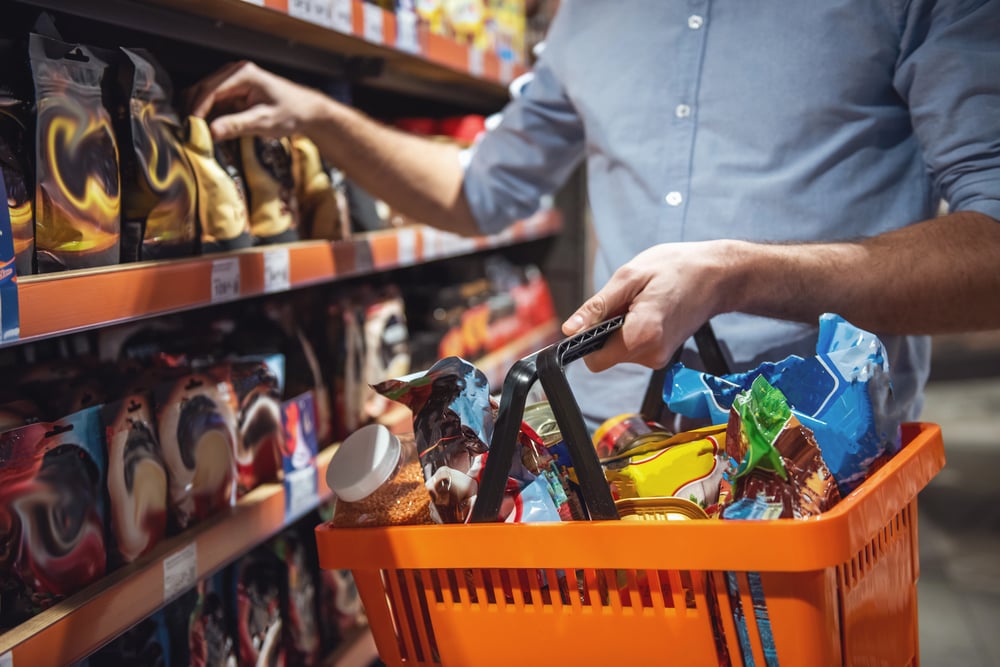
Prices got written by hand on little stickers or stamped directly onto products. When something went on sale, employees walked the aisles with pricing guns, marking down items one at a time.
Price changes happened slowly, deliberately, and usually stayed put for weeks at a time. The psychological manipulation was simpler too — sale prices ended in round numbers, not the .99 cents that trains your brain to see $3.99 as “three dollars something” instead of “almost four dollars.”
The old pricing felt more honest, even if it was sometimes higher.
Deli Counters
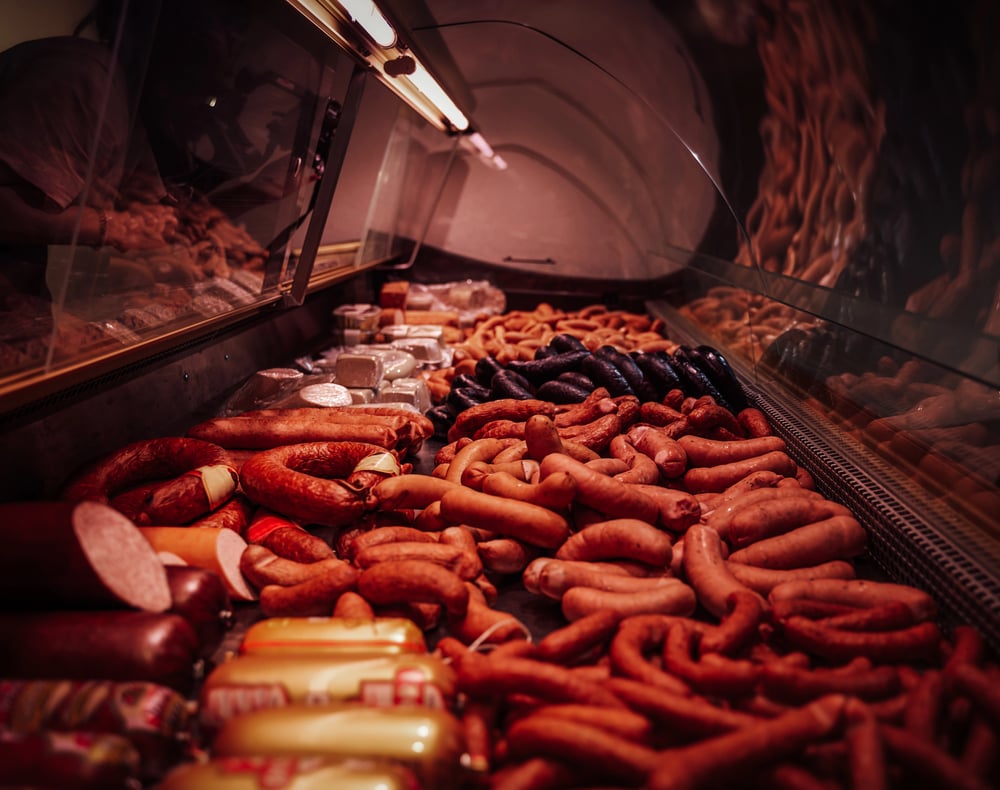
There’s something theatrical about watching a skilled deli worker shave ham so thin you could read through it, then pile it onto wax paper with the kind of casual precision that comes from doing something the same way for twenty years (and doing it right every single time, which matters more than it sounds). The whole interaction required patience from both sides — the customer had to wait while their order was prepared exactly as requested, and the worker took pride in getting the thickness just right, the weight as close to what was asked for as possible.
But the waiting was part of the experience, not an inconvenience to be eliminated. You’d watch other orders being prepared, maybe change your mind about what you wanted, definitely learn something about how the person in front of you preferred their turkey sliced.
It was slower, sure, but it was also more human — which turns out to be worth something after all.
Frozen Food Sections
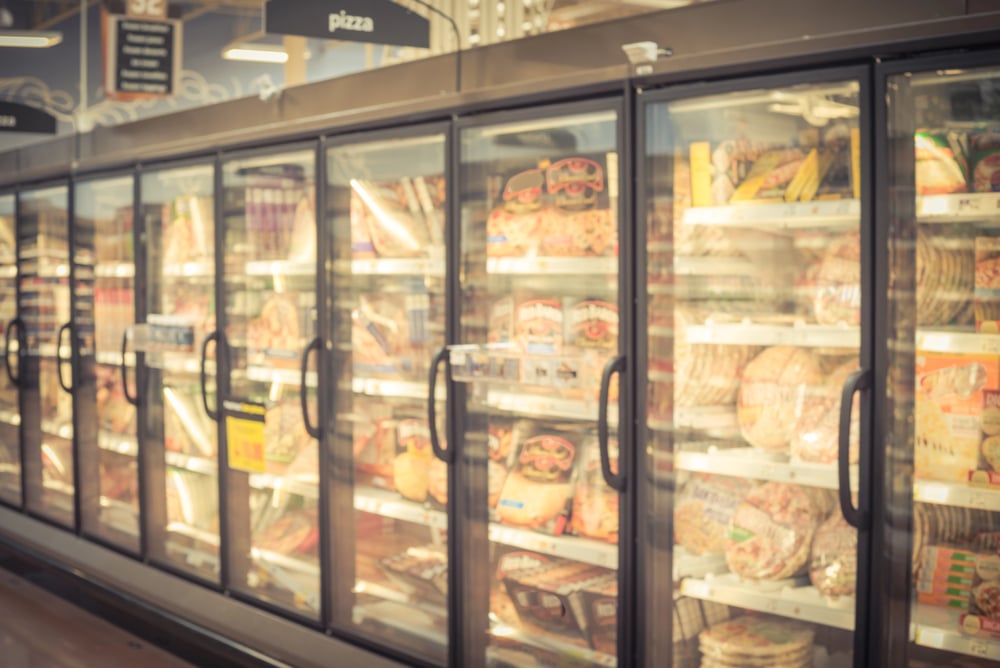
Frozen foods lived in chest-style freezers that you had to dig through to find what you wanted. TV dinners came in aluminum trays that doubled as baking dishes, and the selection focused on basics — vegetables, some prepared meals, ice cream that came in actual containers instead of plastic tubs designed to look bigger than they were.
The frozen food aisles today stretch forever and contain options that would have seemed impossible back then — entire cuisines, dietary restrictions accounted for, preparation methods that didn’t exist in home kitchens. Progress, definitely, but also a kind of overwhelming abundance that makes simple decisions feel complicated.
Employee Uniforms
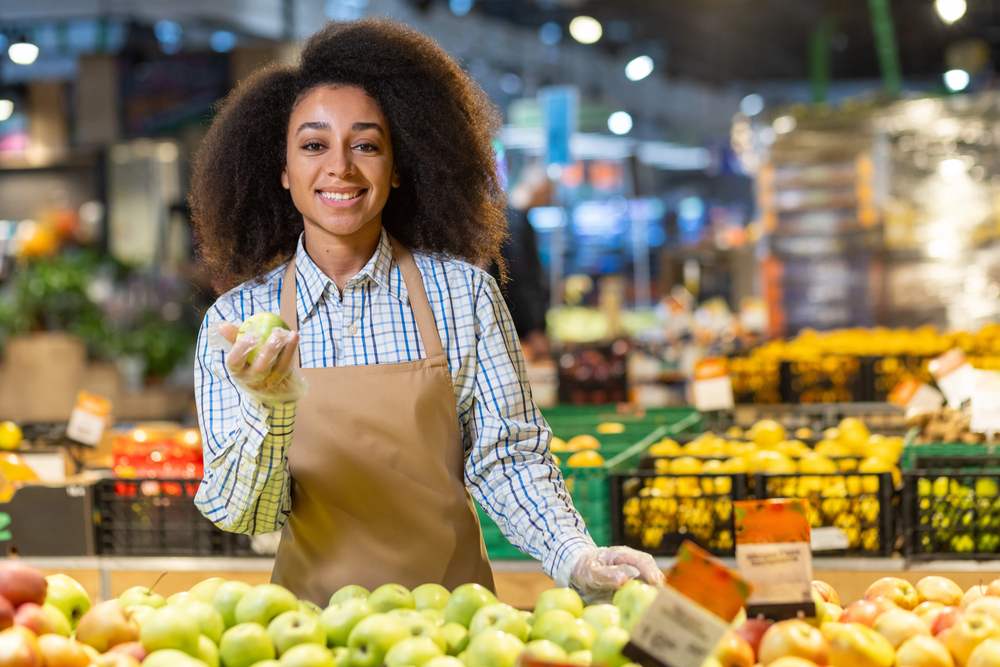
Grocery store employees wore actual uniforms — not branded polo shirts or aprons with corporate logos, but proper uniforms that made their role clear and gave them a kind of professional authority. The butcher looked like a butcher, the produce manager looked like someone who knew vegetables, and checkout clerks wore uniforms that suggested competence rather than brand loyalty.
There was dignity in those uniforms that current retail clothing doesn’t quite capture. The old uniforms announced that the person wearing them had a specific skill set and took pride in doing their job well.
Customer Service Desks
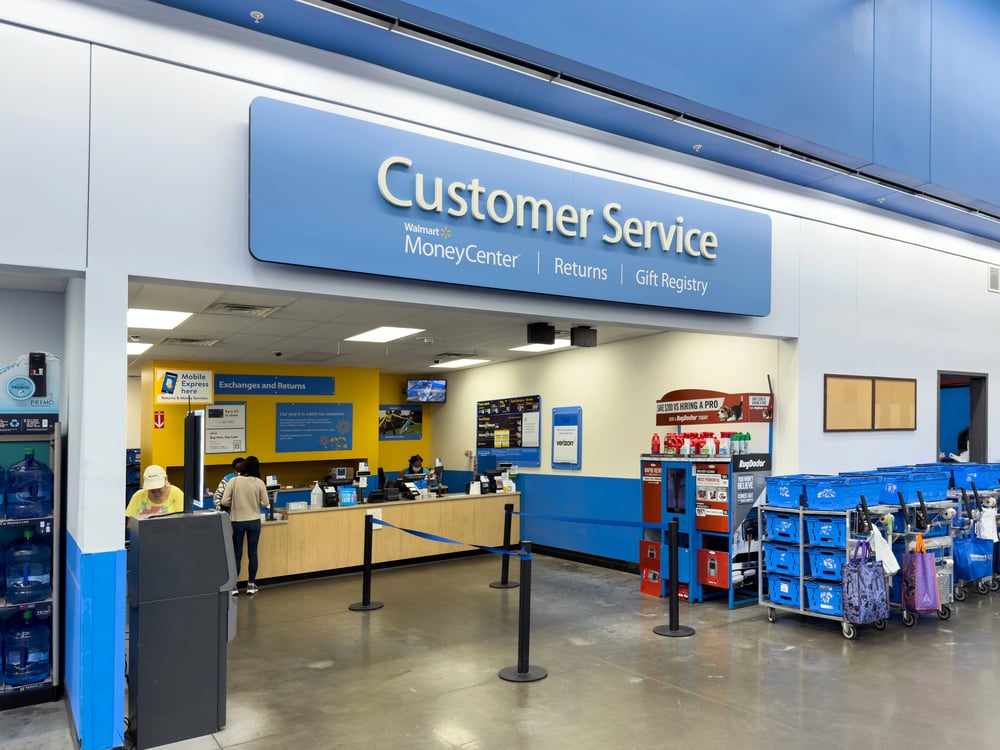
Customer service meant talking to someone who had actual authority to solve problems. Returns happened without receipts if the employee recognized you as a regular customer.
Rain checks got written by hand when sale items sold out, and someone would actually call you when the next shipment arrived. The personal touch made everything work better, even when the systems were technically less sophisticated.
Trust replaced technology, and somehow things got resolved faster despite having fewer official policies to follow.
Store Hours
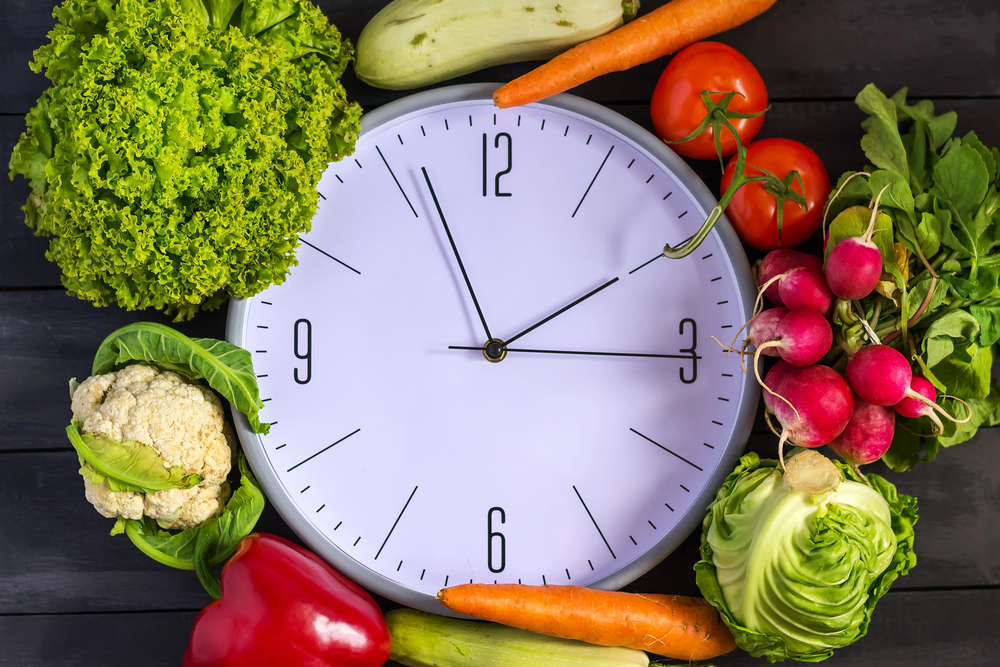
Grocery stores closed at reasonable hours and stayed closed on Sundays. This created a rhythm to shopping that required planning — you couldn’t just run out for milk at 11 PM on a Wednesday.
The limited hours made each shopping trip feel more important, more intentional. The convenience of 24-hour shopping came with trade-offs that weren’t obvious at first.
Always-available doesn’t necessarily mean better available, and sometimes constraints create better habits than unlimited options do.
Promotional Materials
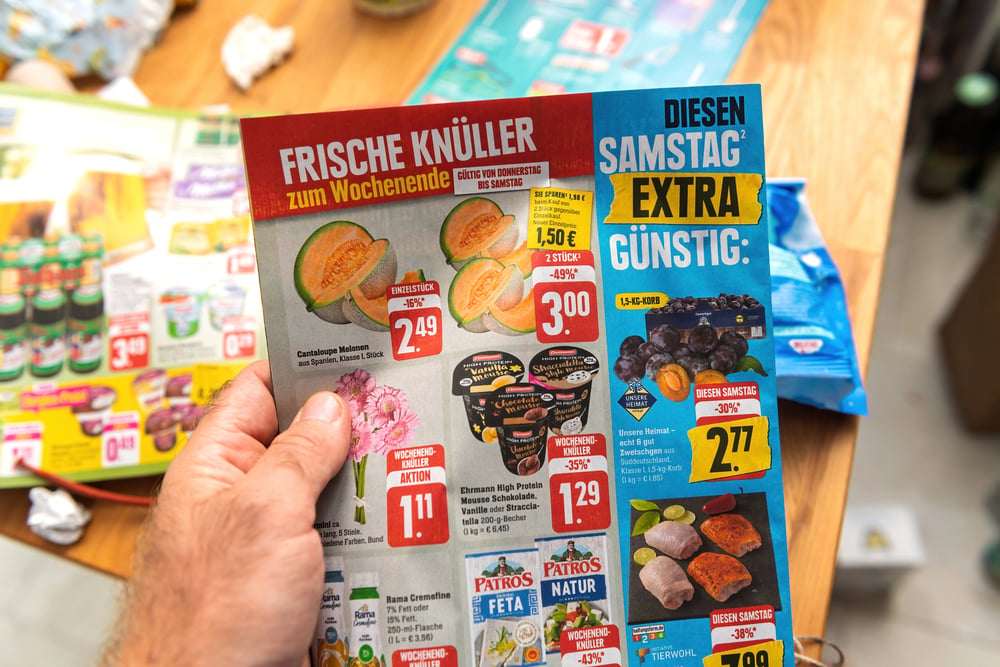
Sales got advertised through newspaper circulars that families actually read and planned around. Coupons came from those circulars or were mailed directly to homes, not downloaded onto loyalty cards or accessed through apps.
The whole promotional system assumed that customers had time to pay attention and plan ahead. Modern promotional strategies target impulse purchases and last-minute decisions.
The shift from planned shopping to responsive buying changed the whole relationship between stores and customers in ways that go beyond simple convenience.
Payment Methods
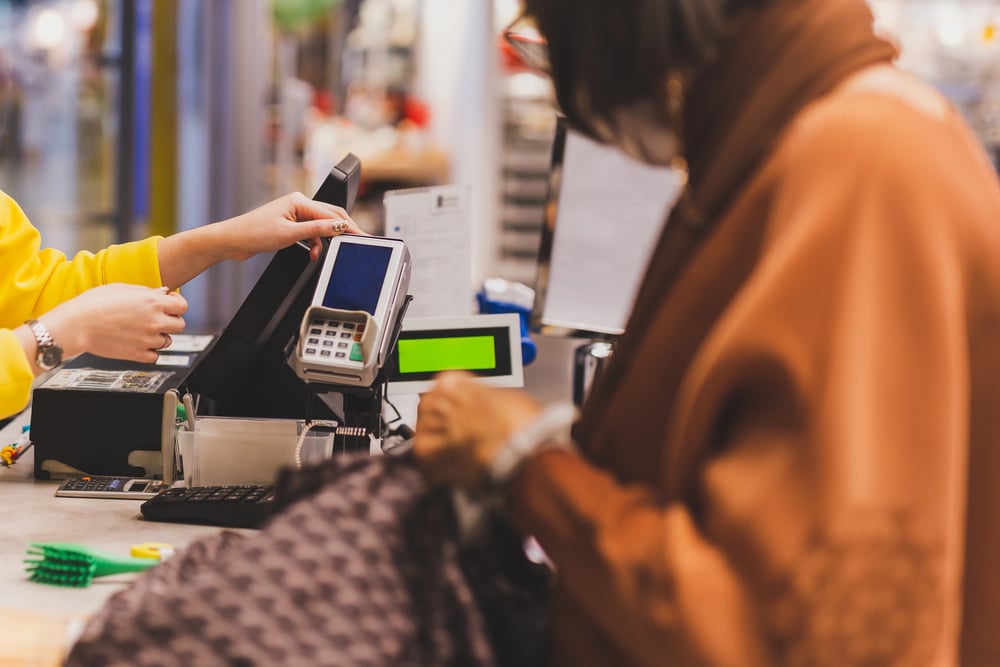
Cash and checks — that was it. No credit cards at most stores, definitely no debit cards, and the idea of paying with your phone would have sounded like something from a science fiction movie.
Every transaction required either exact change or the ritual of check-writing, which slowed everything down but also made each purchase feel more deliberate. The speed of modern payments eliminates friction, which makes spending easier but also makes it less conscious.
There was something to be said for having to count out twenty-dollar bills or take the time to write a check — it made you aware of what you were spending in a way that tapping a card doesn’t quite replicate.
Echoes of a Different Time

Looking back at 1970s supermarkets reveals how much we’ve gained and lost in the pursuit of efficiency and choice. The old stores were smaller, slower, and more limited — but they were also more personal, more connected to their communities, and somehow more honest about what they were selling and why.
Modern supermarkets solve problems that absolutely need solving, but they also created new problems that we’re still learning to navigate. The real difference isn’t in the products or the technology — it’s in the assumption about what shopping should feel like.
The old way assumed that buying food was a social activity that deserved time and attention. The new way treats it as a task to be completed as efficiently as possible.
Both approaches have merit, but only one of them feels like it was designed for human beings rather than optimized for systems.
More from Go2Tutors!

- The Romanov Crown Jewels and Their Tragic Fate
- 13 Historical Mysteries That Science Still Can’t Solve
- Famous Hoaxes That Fooled the World for Years
- 15 Child Stars with Tragic Adult Lives
- 16 Famous Jewelry Pieces in History
Like Go2Tutors’s content? Follow us on MSN.



