15 Fishing Myths That Have Been Debunked by Science
This uncle of mine always insisted fish couldn’t feel any pain. He’d say it straight to my face while he was putting a worm on a hook that was basically doing backflips.
It turns out he got a lot of things wrong, but this particular one really got under my skin. Science has pretty much taken a sledgehammer to most of the fishing advice that people share around boat ramps and bait shops these days.
It’s pretty shocking how many ‘facts’ about fishing turn out to be complete garbage. Marine biologists have spent years testing all this wisdom from the old-timers, and what they found is really something else.
Here’s a list of 15 fishing myths that got completely demolished as a result of actual research.
Fish Don’t Feel Any Pain
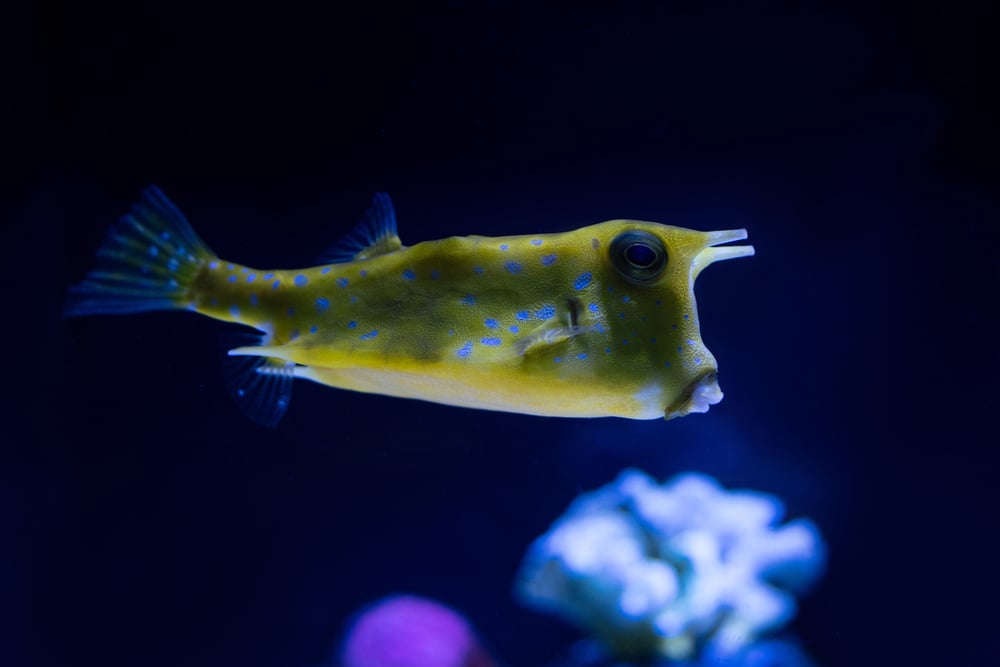
So about that—fish absolutely do feel pain. Scientists discovered these things they call nociceptors in fish brains, and they’re basically the same pain sensors that humans have got.
Fish release stress chemicals when they get hurt and they’ll change how they act to avoid getting hurt again in the future. Sound familiar at all?
The whole ‘fish don’t feel pain’ thing was probably just something people said to themselves so they could feel better about it.
Fish Are Unable to See Fishing Line
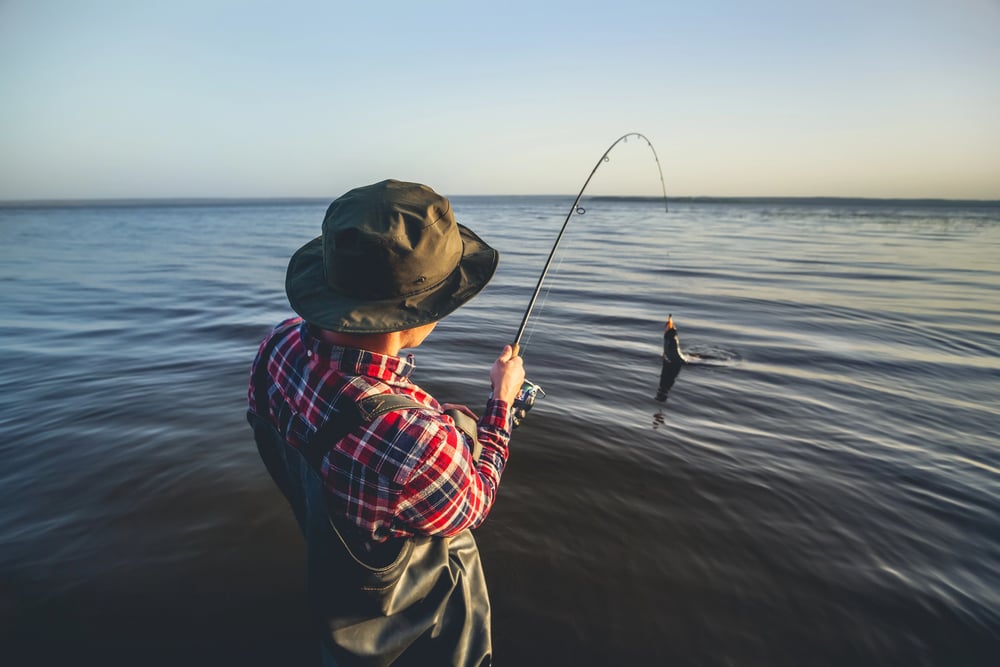
This one really gets on my nerves because it’s so obviously wrong if you just think about it for a minute. Fish spend their whole lives searching for tiny, see-through things that are floating around in water—that’s basically what most of their food looks like anyway.
Clear fishing line isn’t some kind of magical invisibility cloak or anything. Studies that used underwater cameras show fish reacting to lines constantly, especially when the water’s clear.
Like Go2Tutors’s content? Follow us on MSN.
Fish Will Only Bite During Certain Moon Phases
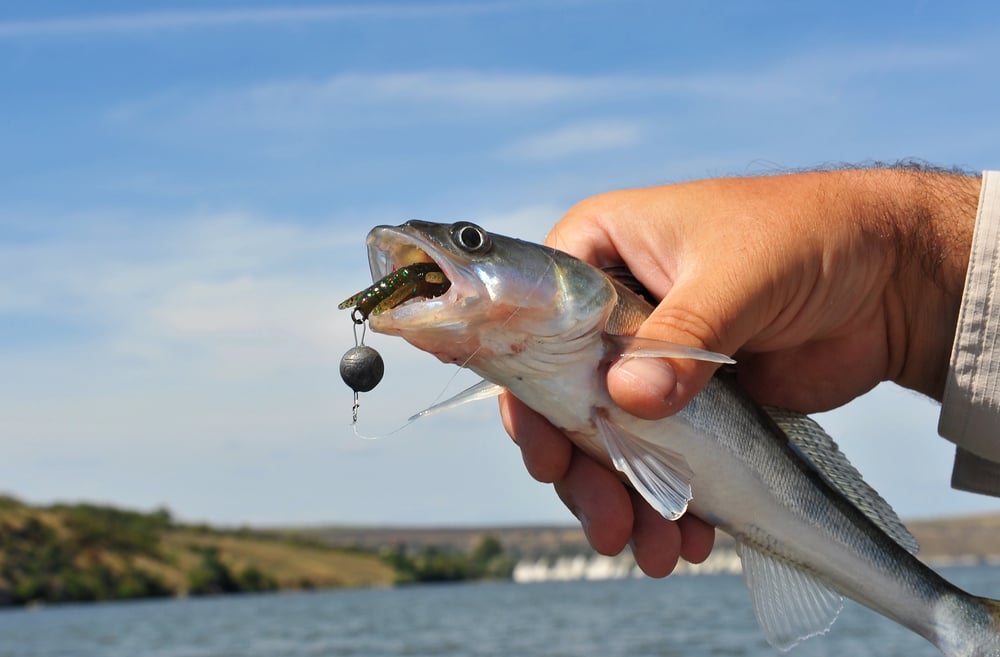
Solunar tables and those moon phase charts are all over the place, but they’re mostly just nonsense. Researchers spent months tracking fish feeding patterns and discovered that moon phases have pretty much zero impact on when fish decide to eat.
Sure, some species might show tiny changes during full moons, but it’s nothing compared to things like weather, water temperature, or just basic hunger. That moon calendar your grandfather used isn’t worth the paper they printed it on.
Bigger Lures Will Catch Bigger Fish
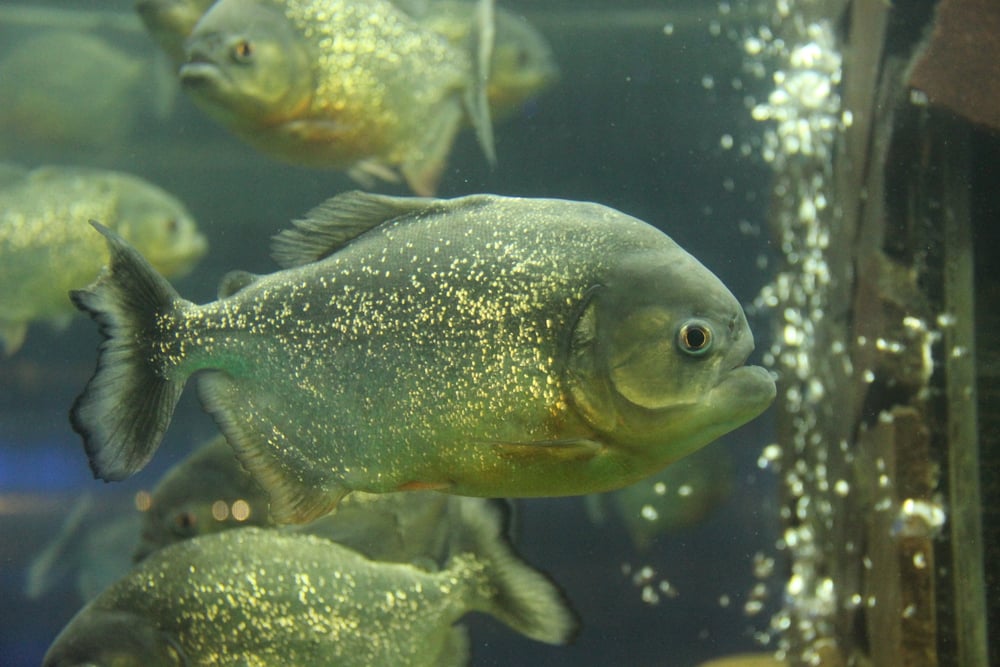
This seems pretty obvious until you figure out that big fish didn’t get big by wasting energy chasing after oversized meals all the time. Large bass would rather just sip a small insect off the surface than burn calories wrestling around with some ridiculous 8-inch lure.
Fish are lazy creatures, just like people are. They want the easiest meal they can possibly find, not the biggest challenge available.
Fish Only Have Three-Second Memory Spans
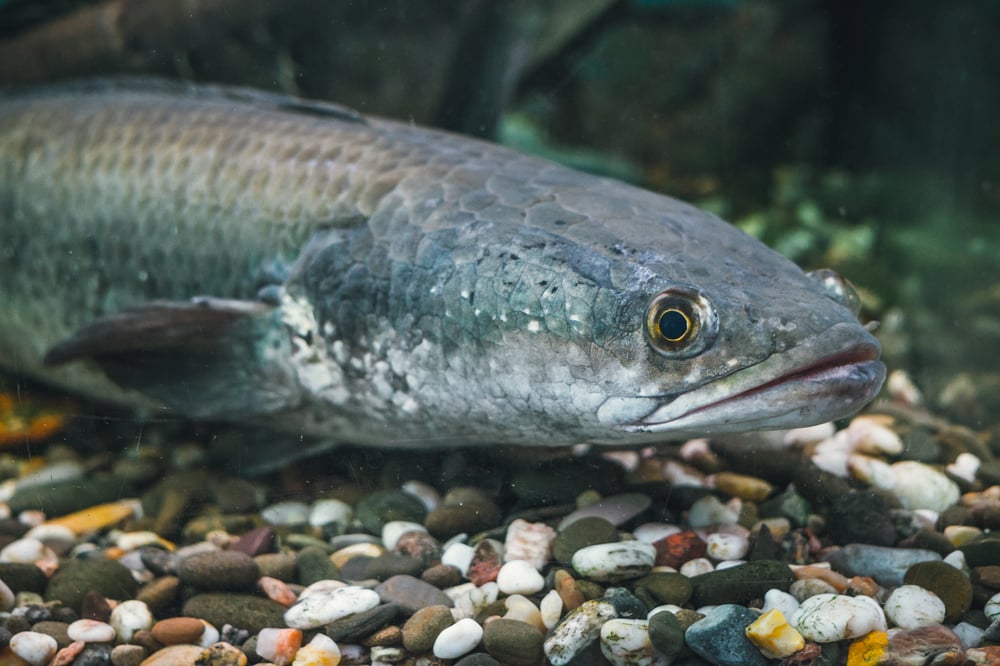
Whoever came up with this lie probably wanted to sell more fishbowls to people. Fish can actually remember stuff for weeks, months, even years depending on what species we’re talking about.
They learn feeding schedules, they recognize faces, and they navigate really complex routes through their environment. Some fish are way smarter than people want to give them credit for—definitely smarter than anyone who actually believes the three-second myth.
Like Go2Tutors’s content? Follow us on MSN.
Red Lures Are Best for Deep Water
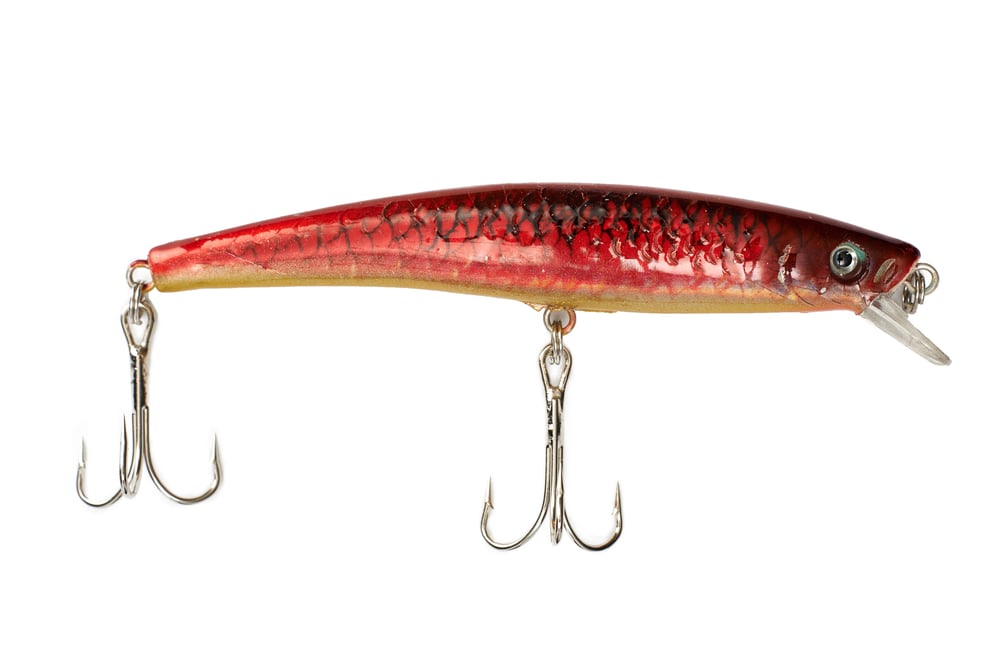
Basic physics completely destroys this one. Red light gets absorbed first when you go underwater, which means red lures actually become harder to see at depth, not easier like people think.
Blue and green colors stay visible for much longer as you go deeper down. All those ‘deep water red’ lures they sell in tackle shops are based on completely backwards thinking.
Water filters out red light faster than it does any other color.
Fish Will Bite Better Before Storms Hit
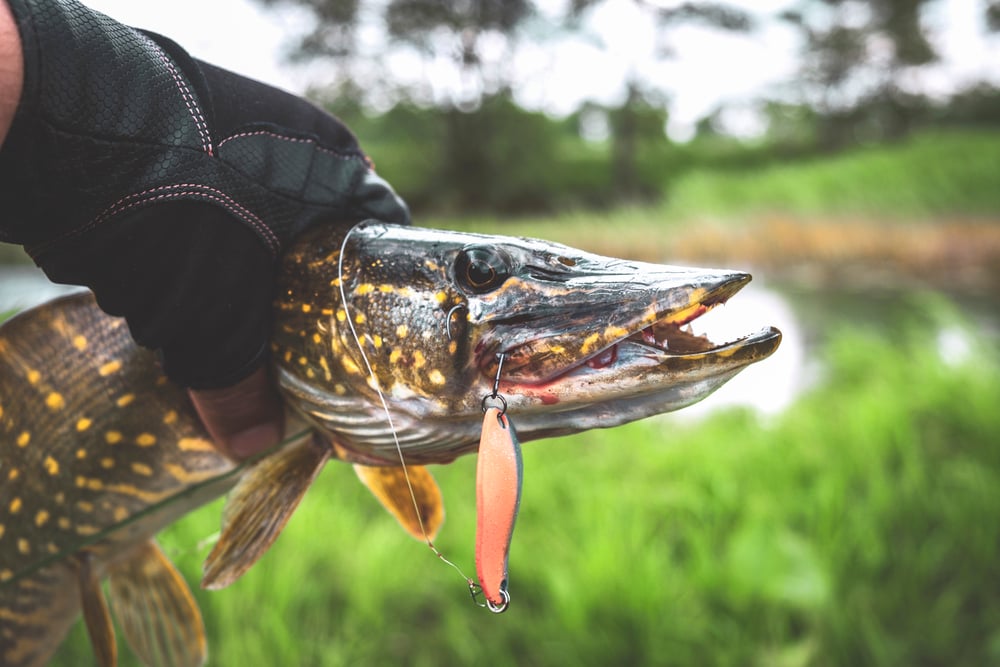
Barometric pressure does have an effect on fish behavior, but not in the way that most anglers think it does. Fish typically slow down before storms hit because they can sense the pressure changes that are coming.
They’re not going on some kind of feeding rampage—they’re basically battening down the hatches like smart animals do whenever bad weather is approaching. The pre-storm feeding frenzy is mostly just wishful thinking on our part.
Catch and Release Won’t Harm Fish
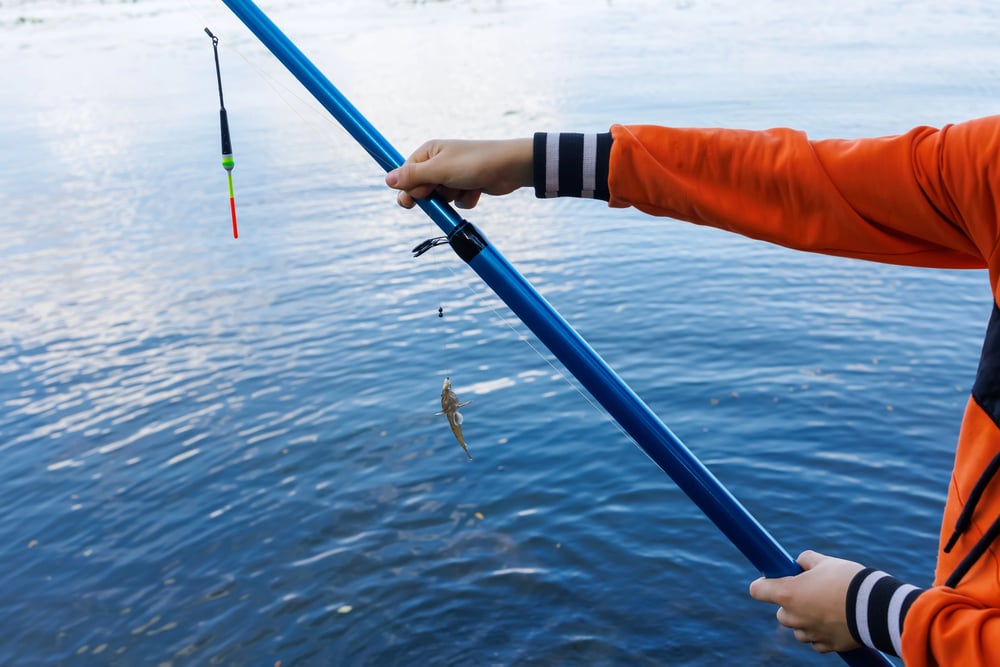
Let’s just be realistic about this. Getting dragged around by a hook that’s stuck in your mouth, getting handled by giant creatures, and then getting tossed back into the water isn’t exactly what you’d call a spa day. Studies show that catch and release does stress fish out and it can affect whether they survive or not.
It’s still way better than keeping every single fish you catch, but pretending it’s completely harmless is just making people feel better about their hobby.
Like Go2Tutors’s content? Follow us on MSN.
Fish Won’t Bite in Cold Water
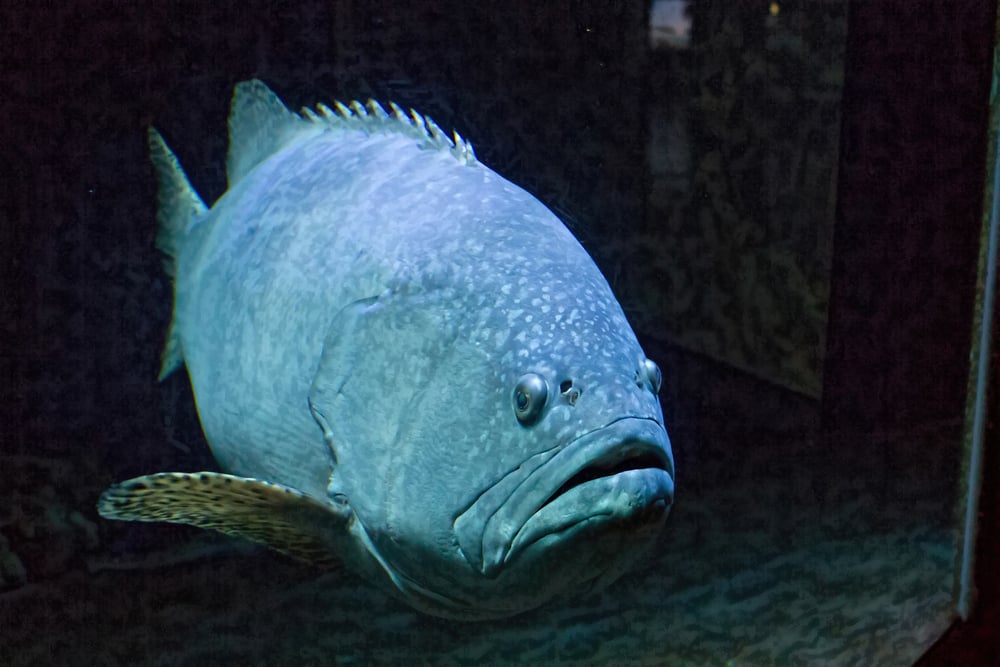
Fish metabolism does slow down when the water gets cold, but they don’t just completely stop eating altogether. Winter fishing can actually be more predictable because fish will concentrate in specific areas where the water’s warmer and food is easier to find.
Plenty of anglers catch fish through ice all the time, so the idea that cold water equals no bites is clearly wrong. It just requires you to use different techniques than usual.
Expensive Lures Will Catch More Fish
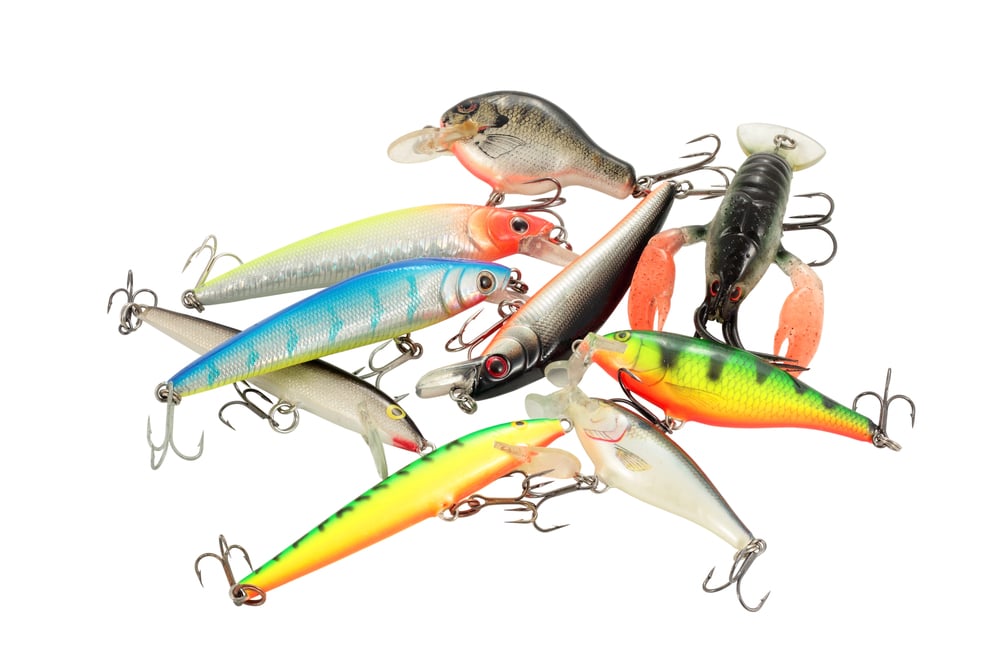
Marketing departments absolutely love this myth, but it’s completely false in reality. Cheap lures often work way better than expensive ones because they have more natural action when they’re in the water.
Fish don’t care about brand names, custom paint jobs, or how much something ended up costing. They care about whether it looks and moves like food does. It’s really that simple.
Fish Will Swallow Hooks Right Away
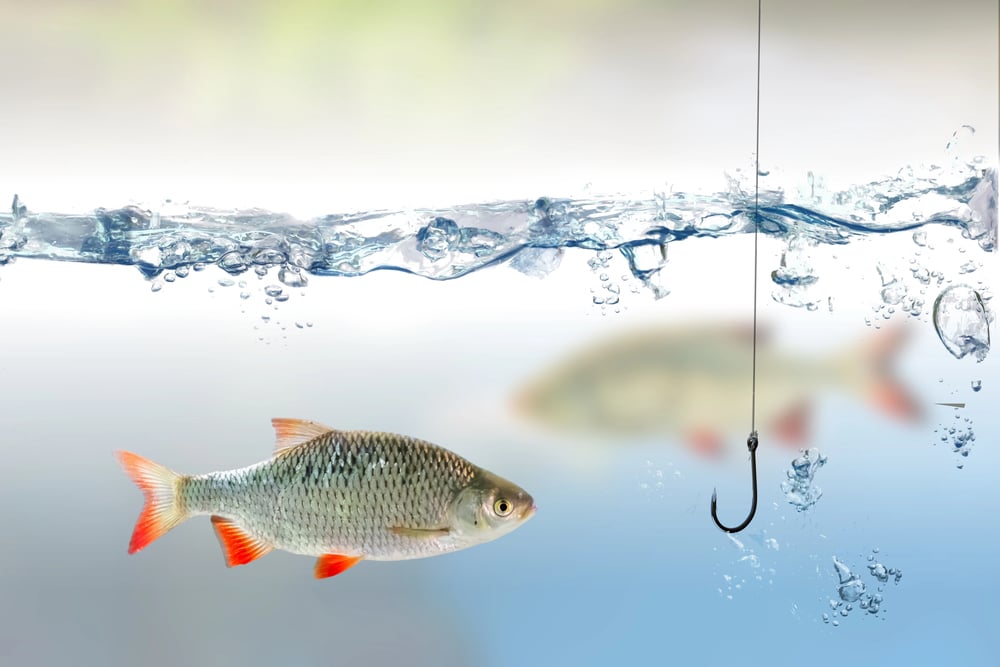
High-speed cameras show that fish actually mess around with baits for several seconds before they decide to swallow them completely. This gives anglers way more time to set the hook than most people actually realize they have.
The mad rush to yank the rod as soon as you feel any kind of bite often does more harm than good in the end. Fish aren’t vacuum cleaners or anything—they taste things first before committing.
Like Go2Tutors’s content? Follow us on MSN.
Live Bait Will Always Beat Artificial Lures
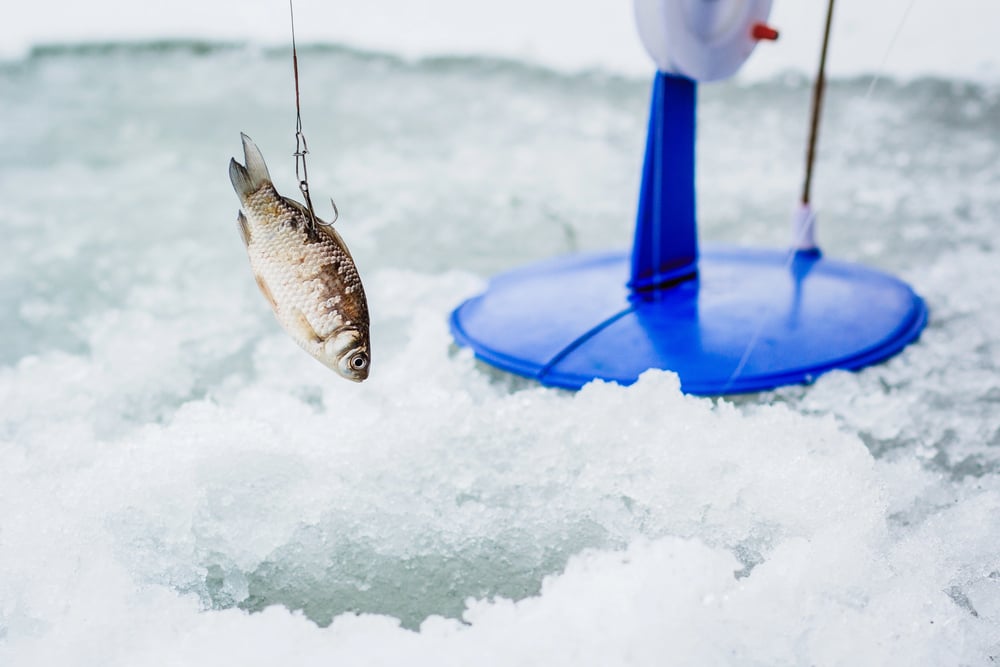
Sometimes live bait wins out, sometimes artificials end up doing better. It really depends on water conditions, what species you’re trying to target, and how well you present whatever you’re offering.
Artificial lures can actually outperform live bait in certain situations because they move consistently and you can control them more precisely. There’s no magic bullet when it comes to fishing.
Fish Feeding Times Will Follow Strict Schedules
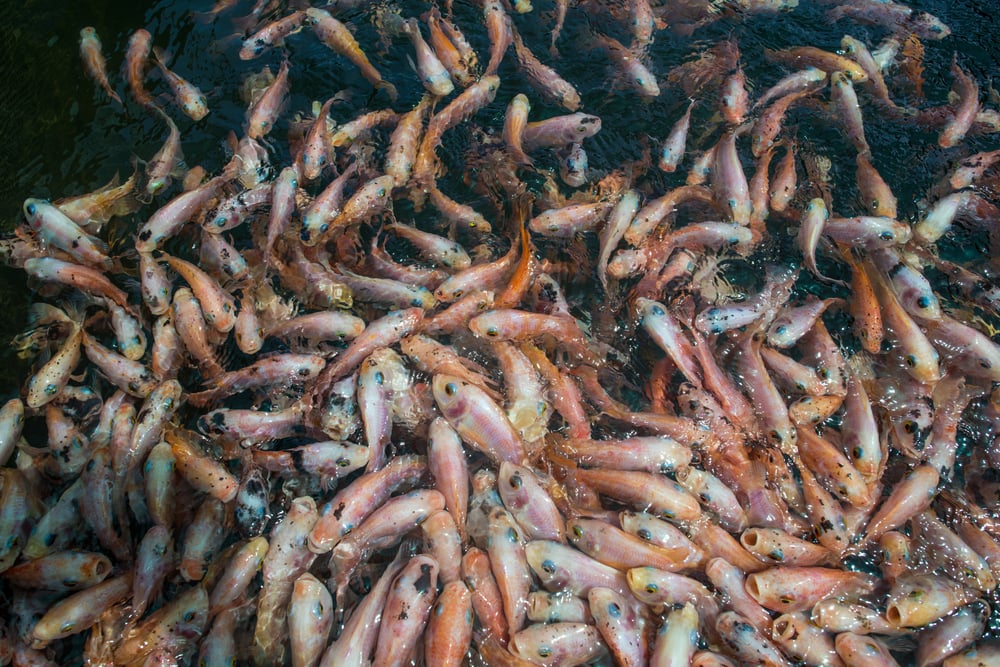
Fish don’t punch time clocks like office workers do. While dawn and dusk are often productive times to fish, fish will feed throughout the day whenever they’re hungry and food happens to be available.
Some species are actually more active during the middle of the day, especially in deeper water or when it’s overcast outside. Rigid feeding schedules are something humans invented, not a fish behavior that actually exists.
Shiny Lures Will Spook Fish in Clear Water
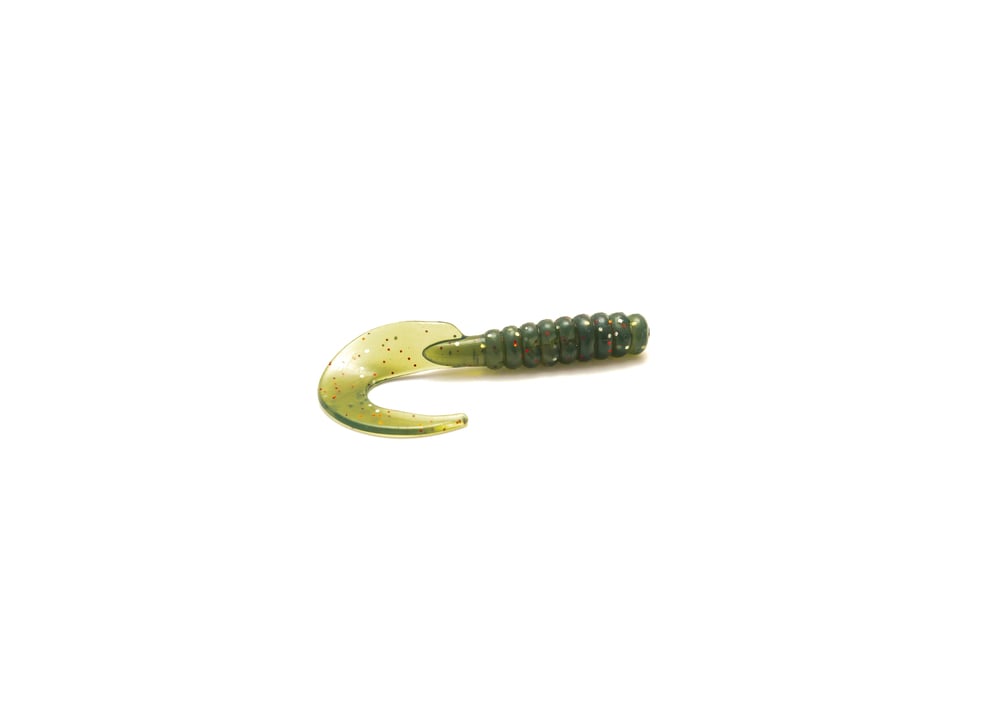
This sounds pretty logical but it’s actually backwards from reality. Shiny objects underwater create the same exact light patterns that baitfish scales produce naturally.
Instead of scaring predators away from the area, flash and reflection usually end up triggering feeding responses instead. The key is matching the amount of flash to the conditions you’re fishing in, not avoiding reflective lures altogether when the water’s clear.
Like Go2Tutors’s content? Follow us on MSN.
Fish Are Unable to Hear Sounds Above Water
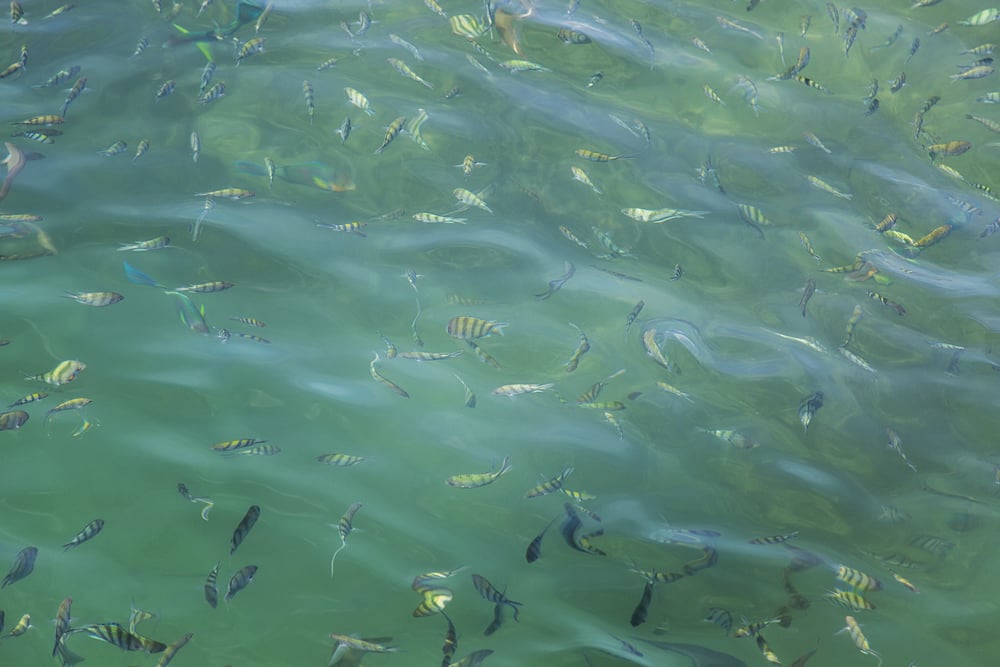
Fish absolutely do hear sounds from above the surface, especially low-frequency vibrations like footsteps on a dock or gear hitting the boat deck. Normal conversation doesn’t seem to bother most fish very much, but heavy walking or dropping equipment will definitely alert them to your presence in the area.
Sound travels through water incredibly well—much better than most anglers actually realize it does.
The Truth Ends Up Hurting Sometimes

Testing these old fishing myths has been like watching a bunch of dominoes fall down one after another. One by one, scientific research has knocked down beliefs that seemed completely rock-solid for generations of anglers.
Traditional fishing wisdom isn’t completely worthless or anything, but mixing it with actual facts makes everyone way more successful when they’re out on the water. The best anglers today use techniques that actually work based on real fish behavior, not outdated assumptions that sound good.
Sometimes the truth ends up being more complicated than the myths were, but it’s also more effective when you’re actually trying to catch fish.
More from Go2Tutors!

- 16 Historical Figures Who Were Nothing Like You Think
- 12 Things Sold in the 80s That Are Now Illegal
- 15 VHS Tapes That Could Be Worth Thousands
- 17 Historical “What Ifs” That Would Have Changed Everything
- 18 TV Shows That Vanished Without a Finale
Like Go2Tutors’s content? Follow us on MSN.