Common Words That Are Acronyms
You probably use acronyms every day without even realizing it.
Some abbreviations get used so much they just become regular words, and most people have no idea they started as a string of initials.
It’s kind of wild when you think about it—these technical terms or military jargon or brand names just slowly morphed into normal vocabulary.
Let’s look at some everyday words that are actually acronyms (and yes, you’ve definitely been saying these without knowing what the letters stand for).
Scuba

Self-Contained Underwater Breathing Apparatus.
The term was coined in 1952 by Major Christian Lambertsen, and it caught on way faster than saying the full phrase every time.
Now “scuba diving” is just what you call it, and nobody spells it in all caps anymore. It’s completely transitioned into being a regular word.
Radar

Radio Detection and Ranging.
Developed during World War II, radar was originally top-secret military technology.
The acronym stuck because it was shorter and honestly just sounded cooler than explaining the whole radio wave detection thing every time (which gets tedious fast).
Now we use it for everything from weather forecasting to police speed traps to saying you’re “under the radar.”
Laser
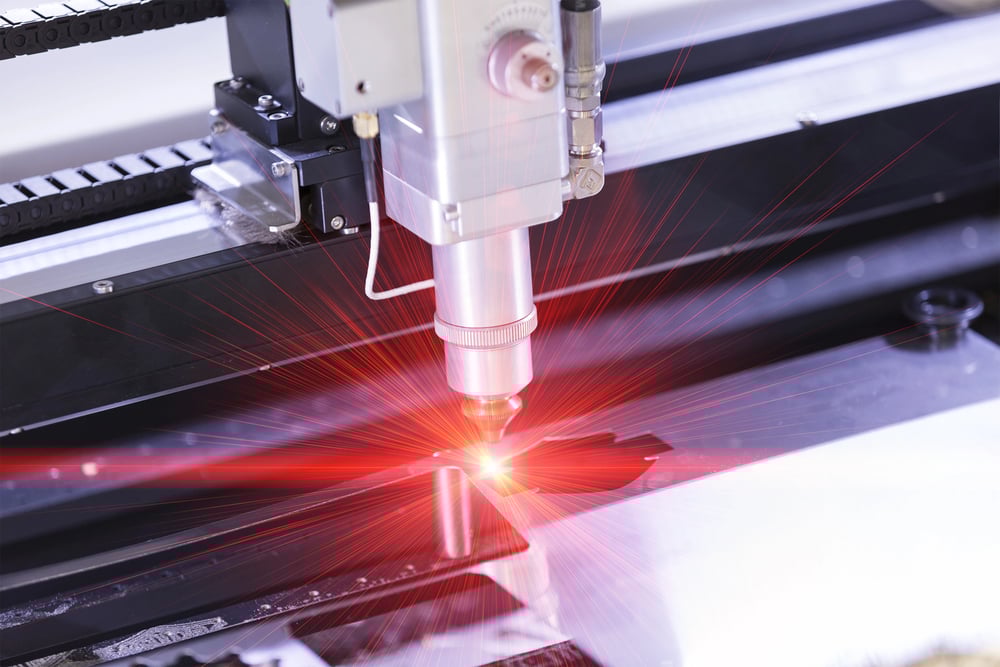
Light Amplification by Stimulated Emission of Radiation.
This one sounds incredibly technical when you spell it out, which makes sense because it literally is.
Gordon Gould coined the term in 1957, and thank god he made it an acronym because nobody wants to say that full phrase.
We’ve got laser pointers, laser tag, laser eye surgery—it’s everywhere now.
Snafu

Situation Normal: All Fouled Up. Military slang from World War II (though soldiers definitely weren’t saying “fouled”).
It described the constant chaos and confusion of military operations, and it caught on because it perfectly captured that feeling of “yeah, everything’s a mess, what else is new?” The term escaped the military and now people use it in everyday conversation to mean any kind of confused situation or mistake.
Taser
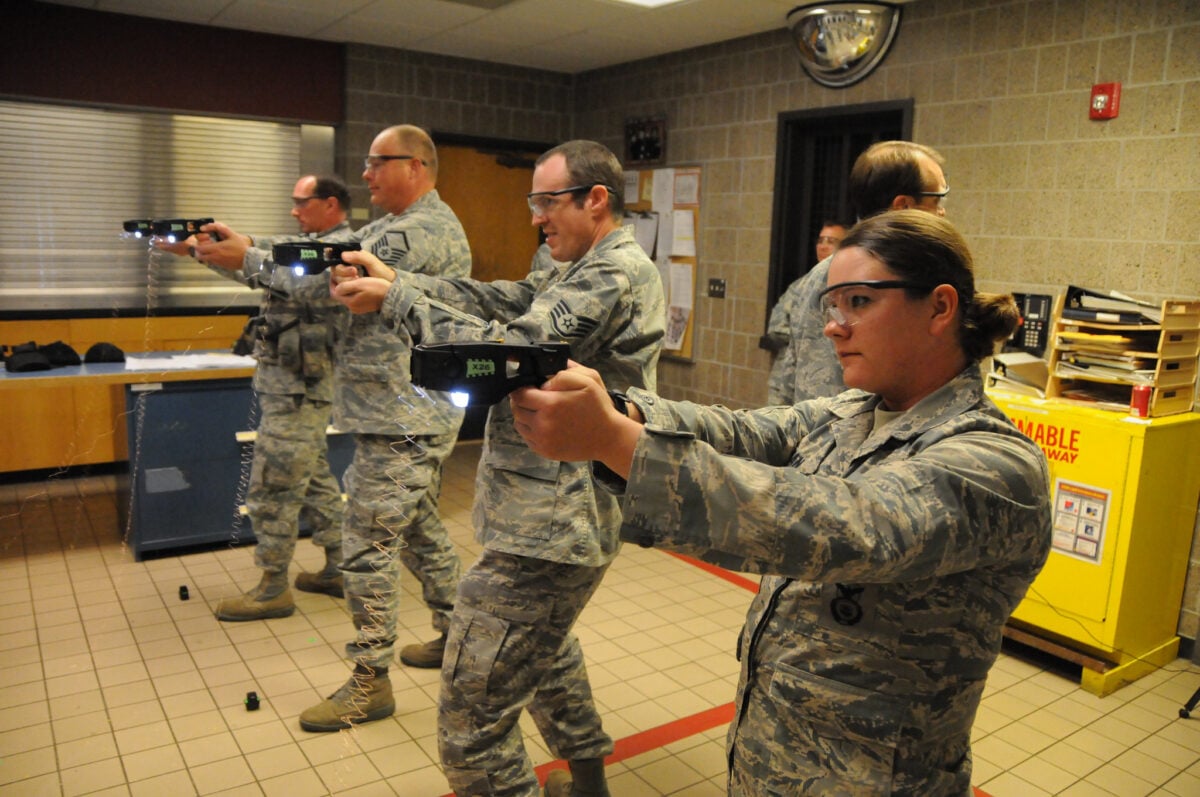
Thomas A. Swift’s Electric Rifle. Yeah, this one’s weird—it’s named after a fictional character from a 1911 novel.
Jack Cover invented the taser in 1974 and was apparently a big fan of the Tom Swift books he read as a kid.
The books featured a character who invented an electric rifle, so Cover named his invention after it.
Most people have no clue there’s a century-old young adult novel behind the word.
Awol

Absent Without Leave.
Pure military terminology that’s been around since the Civil War era.
Soldiers who disappeared without permission were marked AWOL, and eventually the acronym just became a word people use for anyone who’s gone missing or unreachable.
“He went AWOL” doesn’t require military context anymore.
Zip Code

Zone Improvement Plan.
The U.S. Postal Service introduced ZIP codes in 1963 to make mail sorting faster and more efficient.
Each number in your ZIP code actually means something specific about geographic location, but nobody thinks about that (or calls it a Zone Improvement Plan code, because that sounds ridiculous).
It’s just your zip code.
Spam
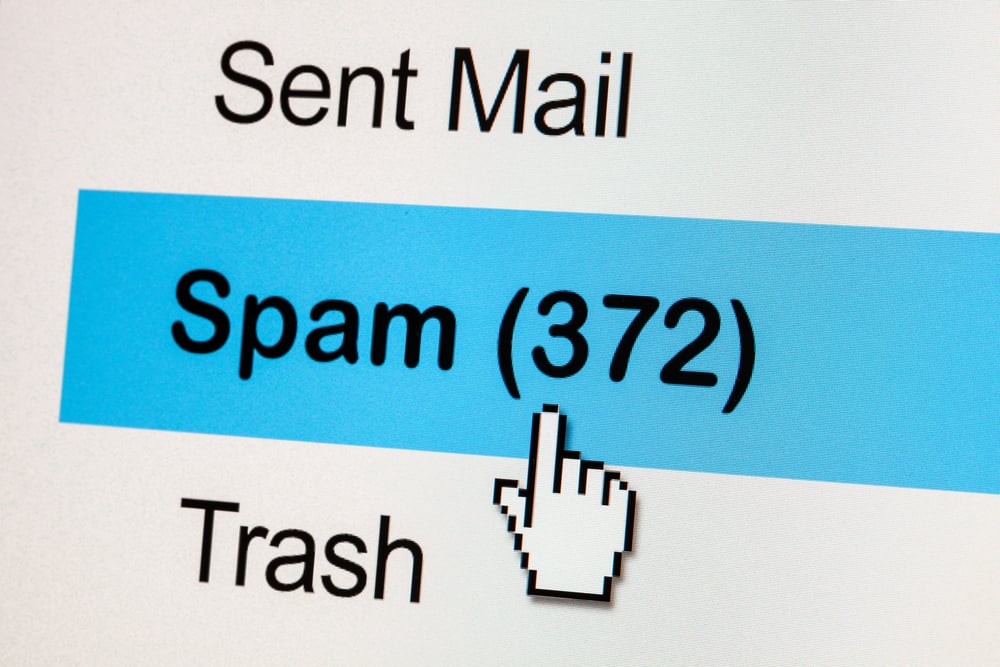
This one’s actually debated.
The canned meat product SPAM (Spiced Ham, allegedly) came first in 1937, but when unwanted emails started flooding inboxes in the 1990s, people called it spam after a Monty Python sketch where they say “spam” repeatedly.
So is email spam an acronym? Not really, but the meat product might be, and that’s where the term originated.
It’s complicated and honestly nobody’s totally sure anymore.
Captcha
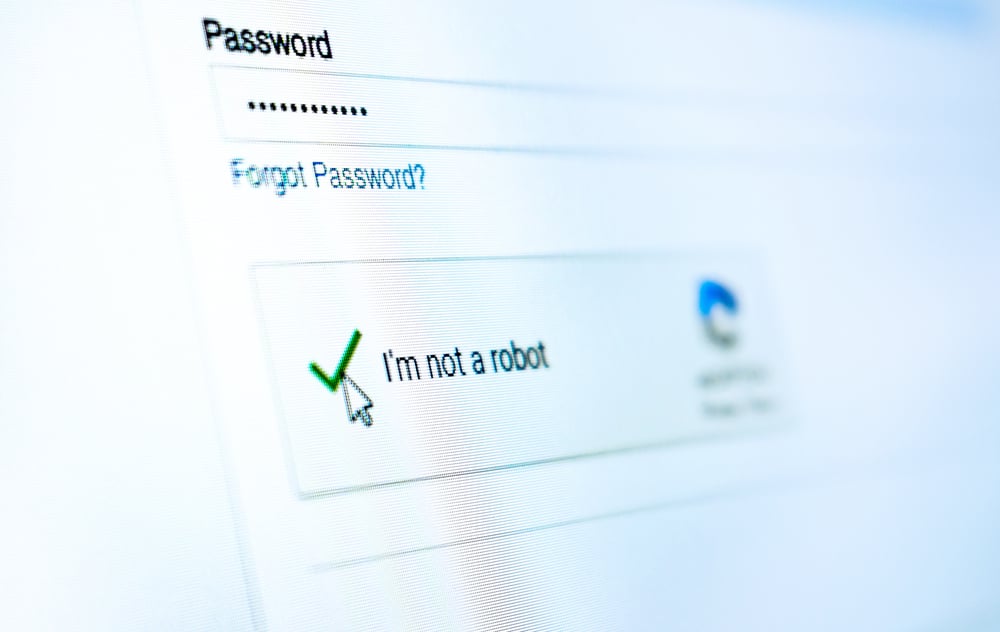
Completely Automated Public Turing test to tell Computers and Humans Apart.
Those annoying boxes where you have to prove you’re not a robot? That’s a CAPTCHA.
The name references Alan Turing’s test for machine intelligence, and the acronym perfectly describes what it does, but most people just know it as that frustrating thing where you click on crosswalks or type distorted letters.
SIM Card
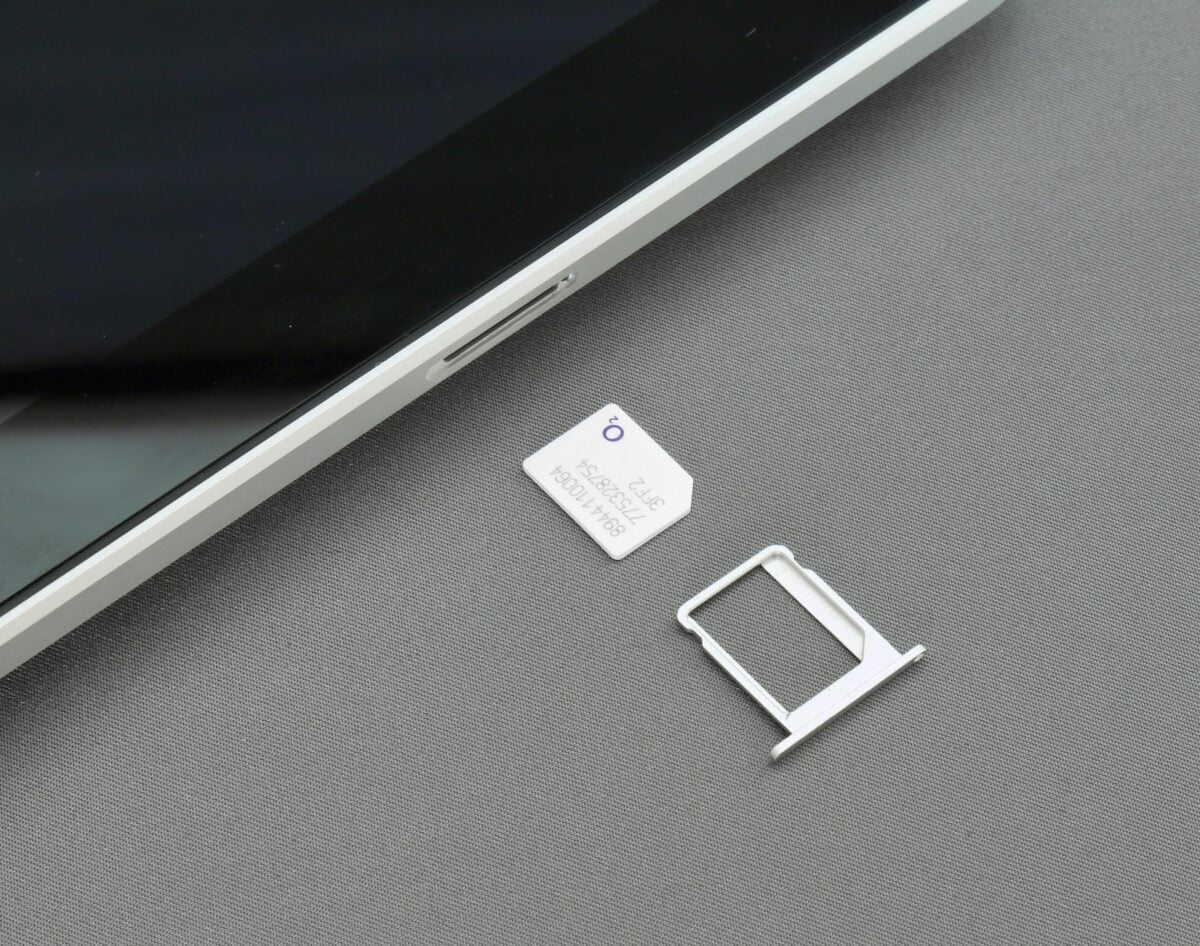
Subscriber Identity Module card.
Everyone has one in their phone (or they used to before eSIMs became a thing), but basically nobody knows what SIM stands for.
It’s the chip that connects your phone to your carrier’s network and stores your phone number.
Now we’re moving to eSIMs and the acronym might become obsolete entirely, which is kind of fitting for technology.
GIF

Graphics Interchange Format.
Steve Wilhite created the GIF in 1987, and people still argue about how to pronounce it (he said it’s “jiff” but most people say “gif” with a hard G and honestly both are fine at this point).
It’s become the universal term for those short animated images you send in messages, and nobody spells out what it stands for anymore.
Swat
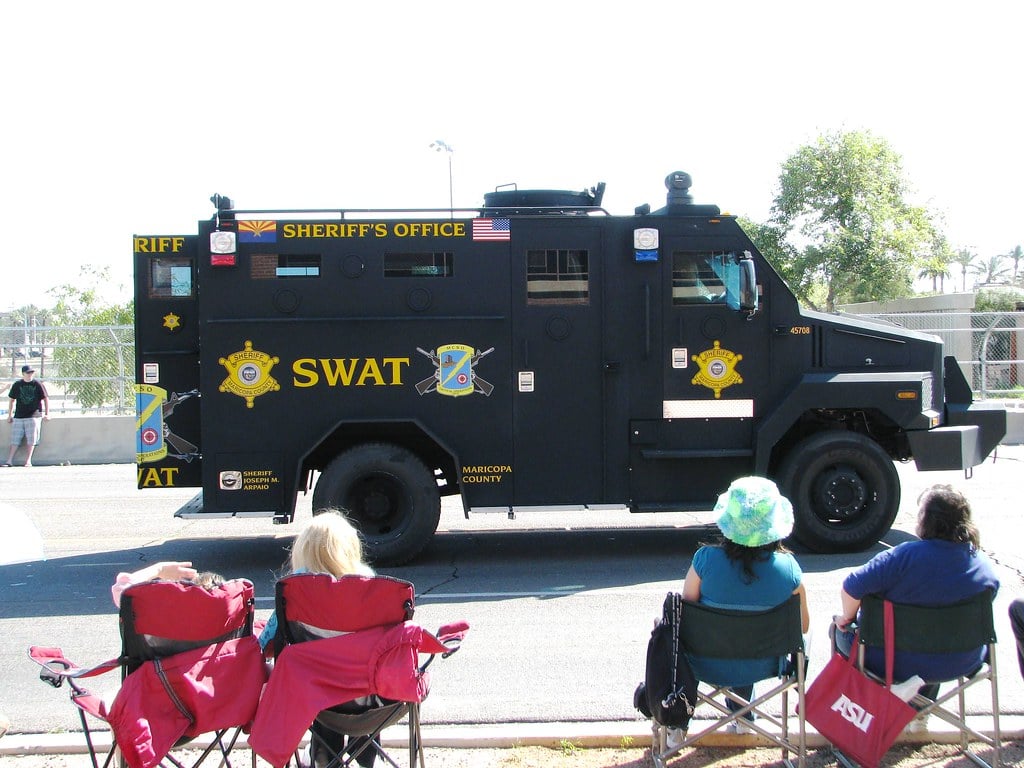
Special Weapons and Tactics. SWAT teams started in Los Angeles in the 1960s as specialized police units for high-risk situations.
The acronym has become so standard that you see it lowercase (swat team) and people use “swat” as a verb now, like “they swatted the fly.”
The word has completely detached from its law enforcement origins in casual usage.
Care Package

Cooperative for American Remittances to Europe.
CARE packages were originally relief supplies sent to Europe after World War II, starting in 1945.
The organization CARE put together these packages of food and essentials.
Now “care package” just means any box of goodies someone sends you (usually your mom when you’re at college), and the original acronym meaning is completely forgotten.
PIN
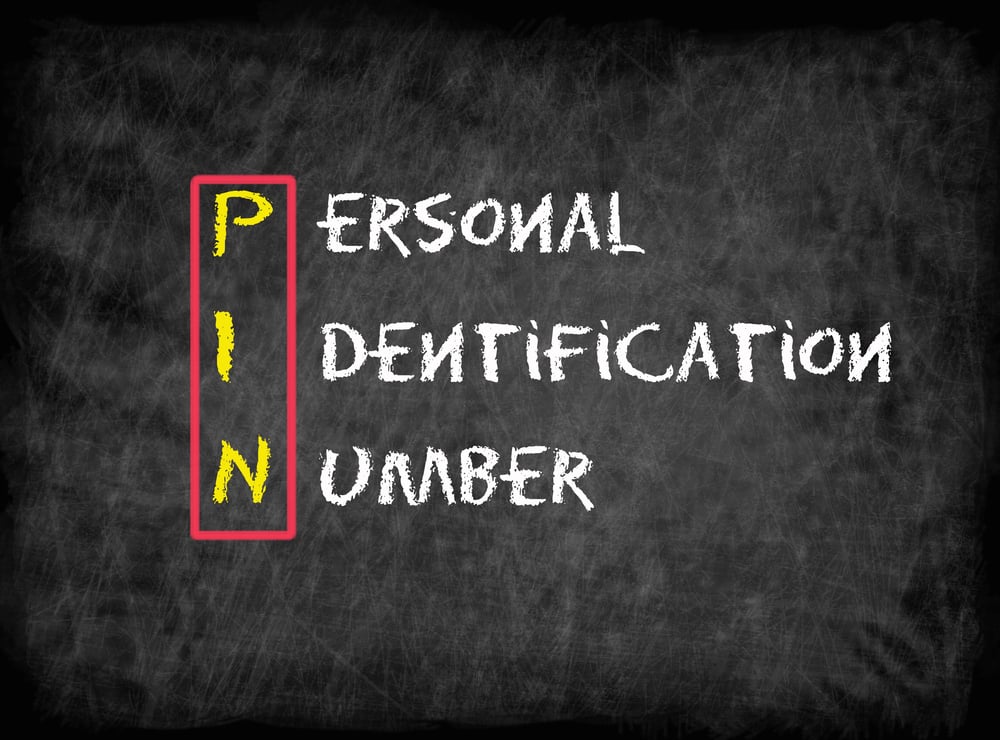
Personal Identification Number.
You enter your PIN at ATMs and for debit cards, but saying “PIN number” is technically redundant since the N already stands for number.
Nobody cares though, people say PIN number all the time.
James Goodfellow invented the concept in 1966, and now PINs are everywhere for security verification.
When Acronyms Stop Being Acronyms

At times, short forms turn into regular words.
Not thinking about each letter anymore, skipping caps, never spelling out the meaning.
Speech changes, expert lingo slips into daily talk, soon no one recalls – or even wonders – where it started.
That’s simply life – terms carry pasts, yet those fade once the term proves handy enough to stay put.
More from Go2Tutors!

- The Romanov Crown Jewels and Their Tragic Fate
- 13 Historical Mysteries That Science Still Can’t Solve
- Famous Hoaxes That Fooled the World for Years
- 15 Child Stars with Tragic Adult Lives
- 16 Famous Jewelry Pieces in History
Like Go2Tutors’s content? Follow us on MSN.



