15 Foods That Are Illegal to Import Into America
America’s borders aren’t just protected by security checkpoints and customs agents—they’re also guarded by some pretty strict food import laws. While you might think bringing back that amazing cheese from France or exotic fruit from Thailand would be a harmless souvenir, the U.S. Department of Agriculture and FDA have other plans.
These restrictions exist for good reasons, from preventing disease outbreaks to protecting local agriculture. Here’s a list of 15 foods that will get confiscated faster than you can say ‘but it’s just a snack.’
Fresh Fruits and Vegetables

Most fresh produce gets the red light at customs, and for good reason. Fruits and vegetables can harbor pests, diseases, and invasive species that could devastate American crops.
Even that innocent-looking apple from your airplane meal gets tossed if you try to bring it through customs. The agricultural inspection process is so thorough that even dried fruit often gets rejected if it’s not from an approved source.
Unpasteurized Dairy Products
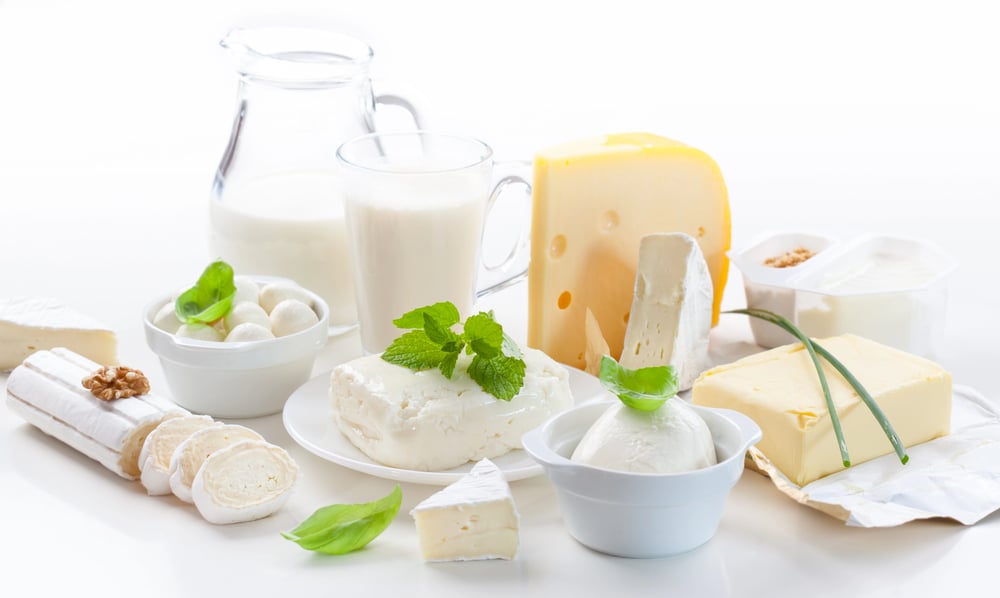
Raw milk cheeses and unpasteurized dairy products are major no-nos unless they’ve been aged for at least 60 days. This rule exists because unpasteurized dairy can carry dangerous bacteria like listeria and salmonella.
That creamy French camembert you fell in love with during your Paris vacation will have to stay a memory unless it meets the aging requirements.
Like Go2Tutors’s content? Follow us on MSN.
Fresh Meat and Poultry
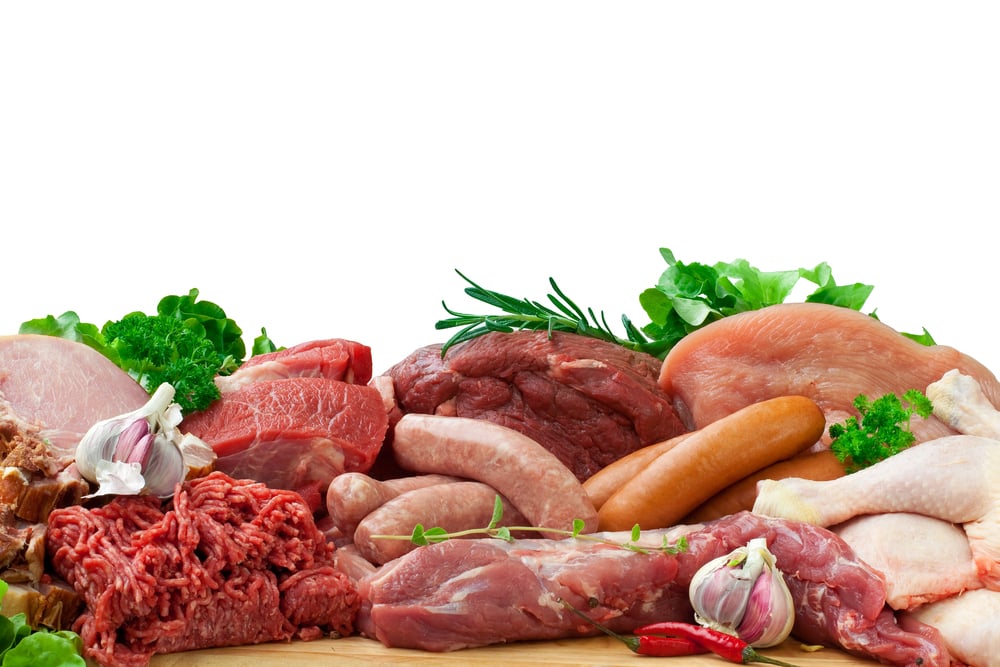
Bringing fresh, frozen, or dried meat across U.S. borders is like trying to smuggle contraband. The risk of introducing diseases like foot-and-mouth disease or avian flu is too high for authorities to take chances.
Even that fancy Italian prosciutto or German bratwurst you wanted to share with friends back home will end up in the customs confiscation bin.
Bird’s Nest Soup Ingredients

Those expensive edible bird nests used in traditional Chinese cuisine are completely banned from import. The concern isn’t just about bird flu—it’s also about protecting wild bird populations from over-harvesting.
Even processed versions of bird’s nest soup often get rejected at customs because verification of their safety and legality is nearly impossible.
Bushmeat
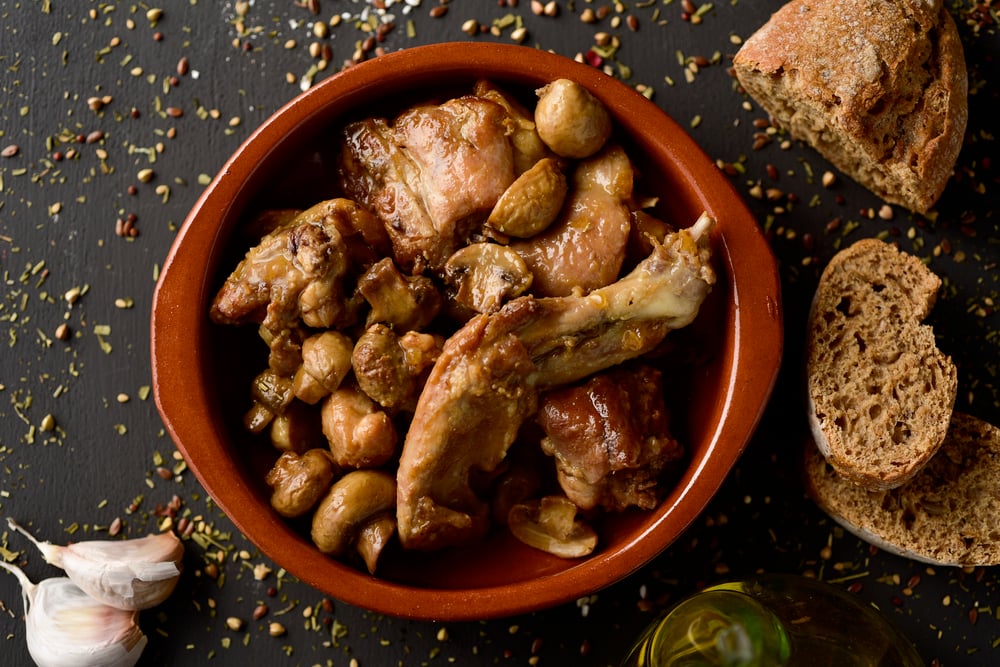
Any meat from wild animals, often called bushmeat, is strictly prohibited regardless of how it’s prepared. This includes everything from wild boar to exotic game meats that might be common in other countries.
The ban exists to prevent the spread of diseases that can jump from animals to humans, plus it helps combat illegal wildlife trafficking.
Like Go2Tutors’s content? Follow us on MSN.
Kinder Surprise Eggs
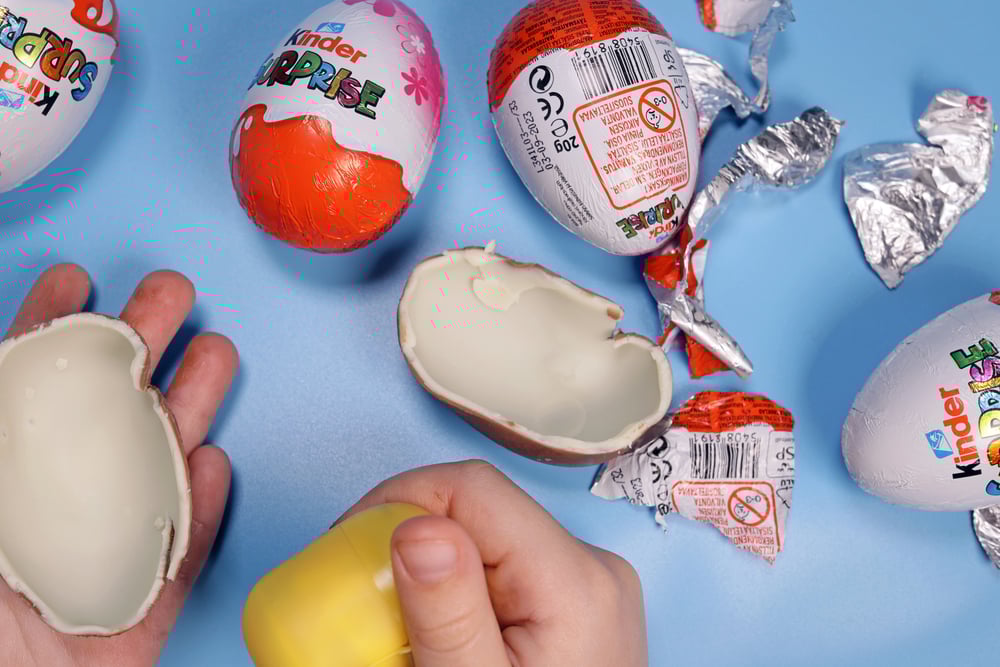
These popular European treats with toys inside are banned not because of food safety, but because of choking hazards. The FDA considers any food with non-edible objects embedded inside to be unsafe.
Regular Kinder chocolates without the toy surprise are perfectly legal, but the original eggs with hidden prizes will get confiscated every time.
Absinthe with Thujone
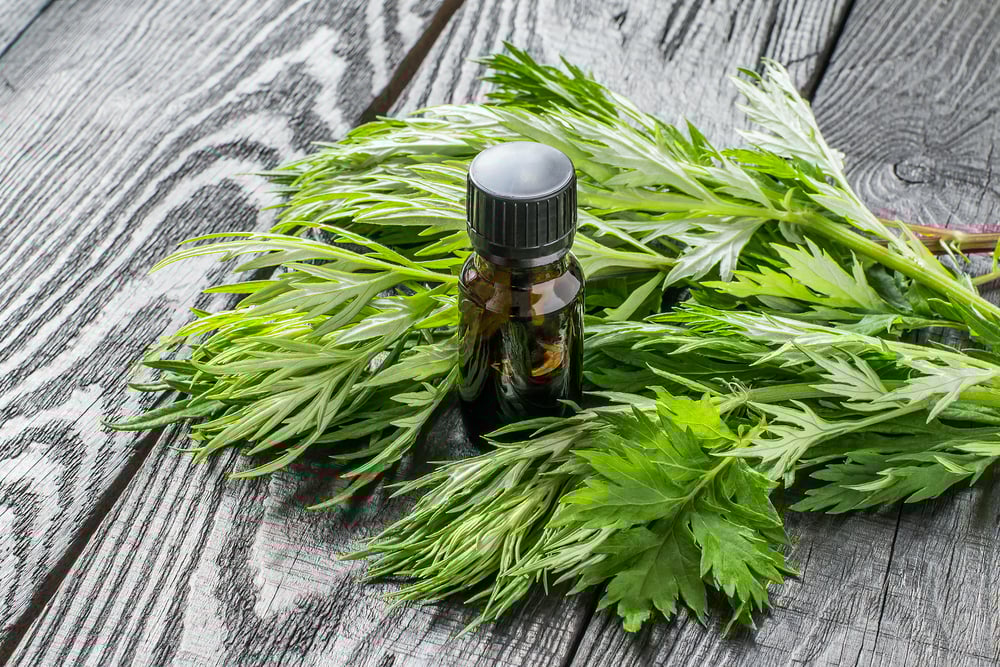
Traditional absinthe containing thujone, a compound found in wormwood, remains illegal to import. While some absinthe brands are now legal in the U.S., they must be thujone-free or contain extremely low levels.
That authentic bottle of green fairy from Switzerland or France likely contains too much thujone to make it past customs legally.
Haggis
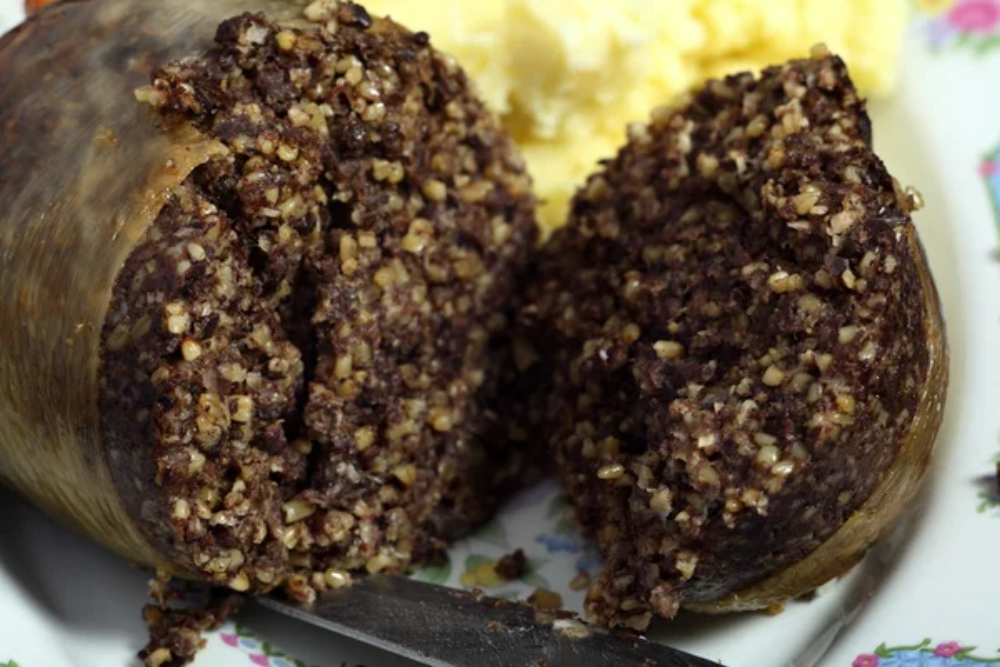
Scotland’s national dish faces a ban because it contains sheep lung, which the USDA considers unfit for human consumption. Traditional haggis recipes have included lungs for centuries, but American food safety regulations draw the line at organ meats from the respiratory system.
Even commercially produced haggis from the UK gets rejected at the border.
Like Go2Tutors’s content? Follow us on MSN.
Casu Marzu Cheese
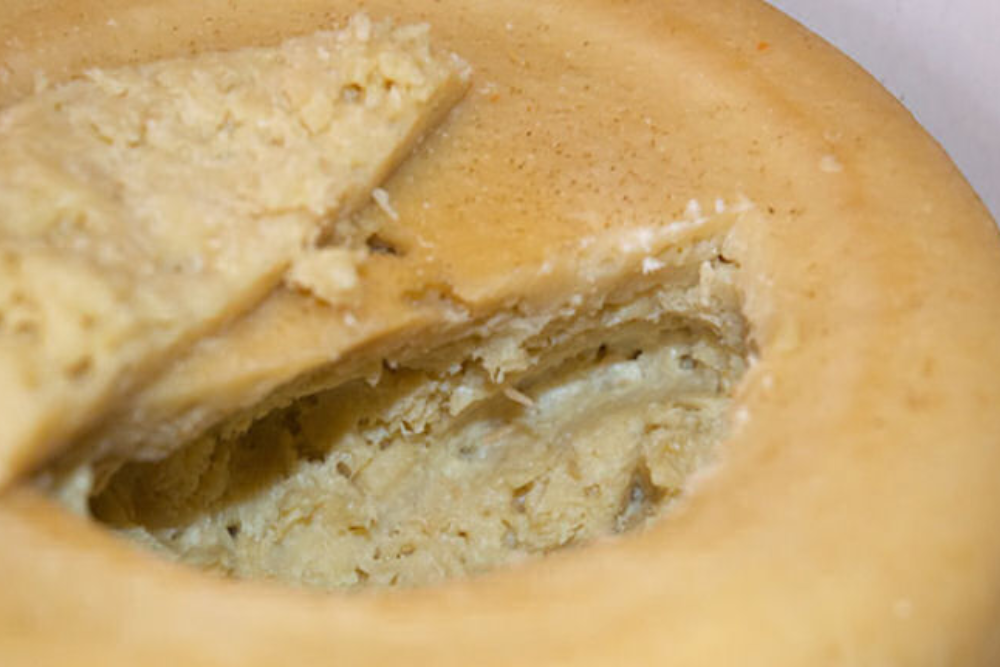
This Italian cheese intentionally infested with live maggots is banned for obvious reasons. While it’s considered a delicacy in parts of Italy, the FDA isn’t interested in allowing live insects in imported food products.
The cheese’s unique aging process involves flies laying eggs in it, creating a squirming, living cheese that definitely doesn’t meet American food standards.
Beluga Caviar
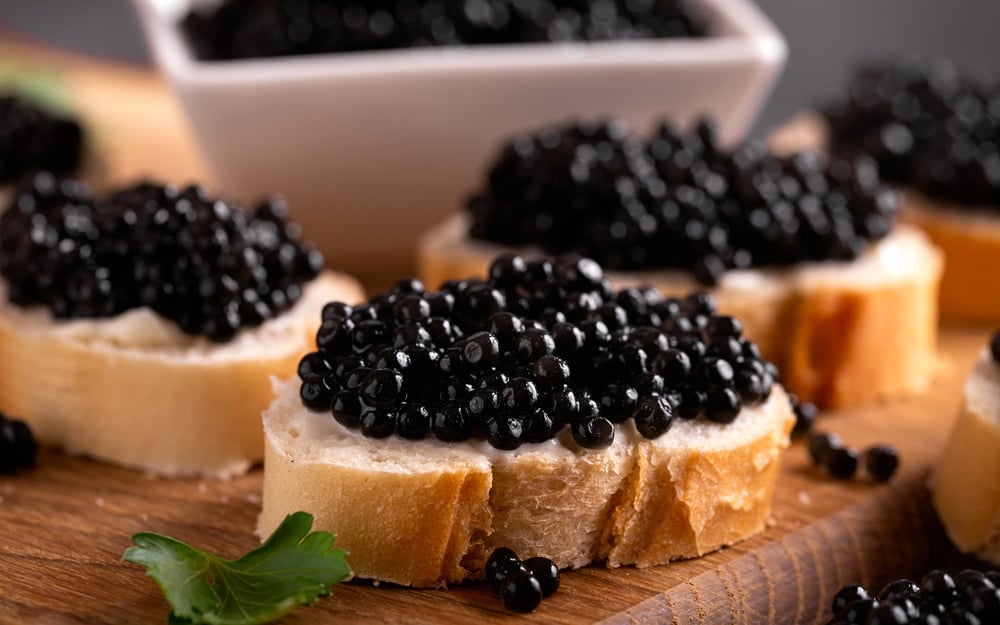
Wild beluga caviar from the Caspian Sea is banned due to conservation concerns, not food safety issues. The beluga sturgeon is critically endangered, and importing their eggs would contribute to their extinction.
Farm-raised alternatives are available, but the real deal from wild beluga remains off-limits to protect the species.
Pig Blood Cake
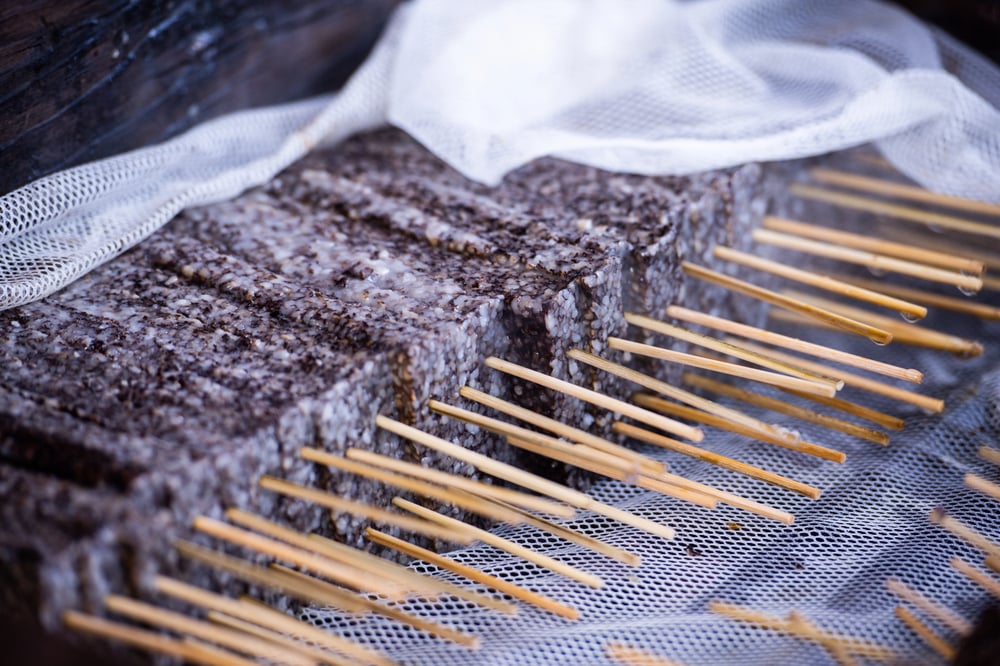
Popular in some Asian cuisines, pig blood cake and similar blood-based foods are banned from import. The concern centers around potential disease transmission through blood products.
While blood sausages and similar products are made domestically in the U.S., importing blood-based foods from other countries presents too many health risks.
Like Go2Tutors’s content? Follow us on MSN.
Tonka Beans
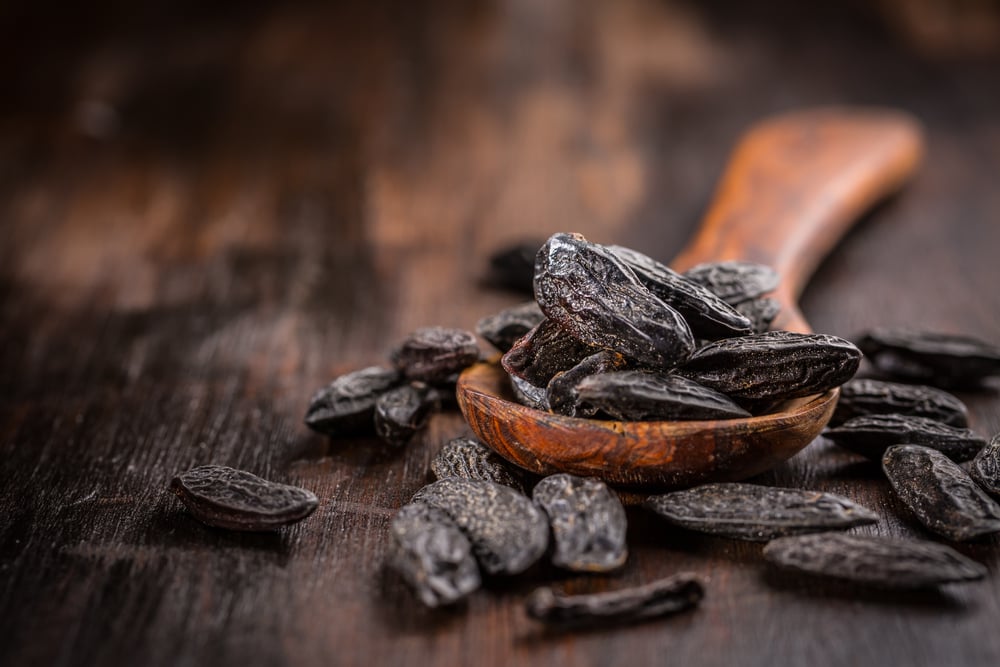
These aromatic beans from South America contain coumarin, a compound that can be toxic in large amounts. While they’re prized by gourmet chefs for their vanilla-like flavor, the FDA considers them unsafe for food use.
Even small quantities for personal use typically get confiscated because there’s no safe level established for consumption.
Ackee Fruit
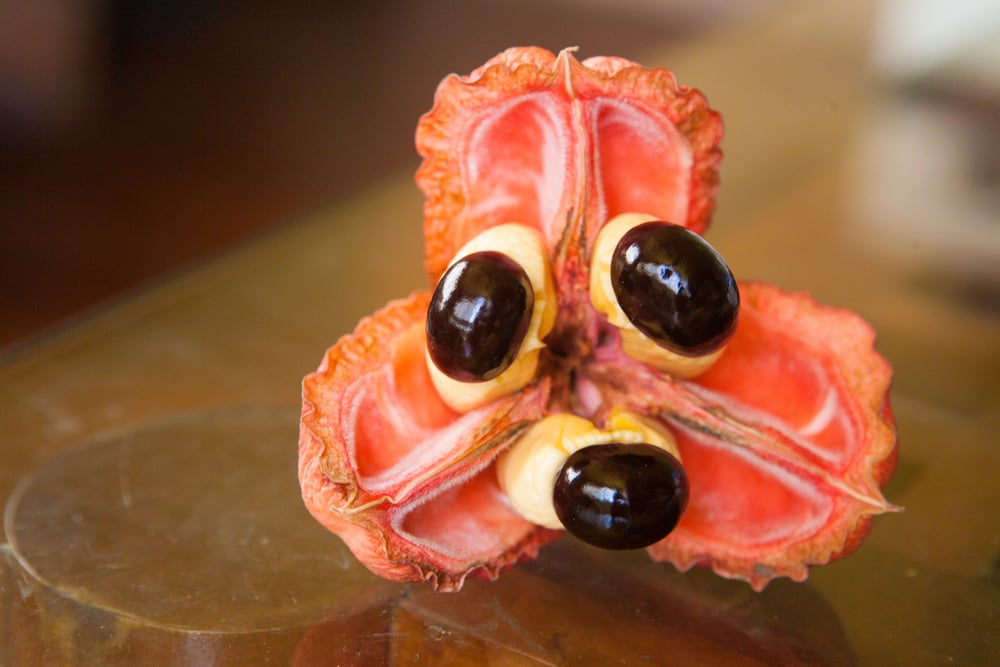
Jamaica’s national fruit is banned in its fresh form because unripe ackee contains dangerous toxins that can cause severe illness or death. Only canned ackee that has been properly processed and approved is allowed into the country.
The fruit must be harvested at exactly the right time and prepared correctly to be safe for consumption.
Sassafras Root
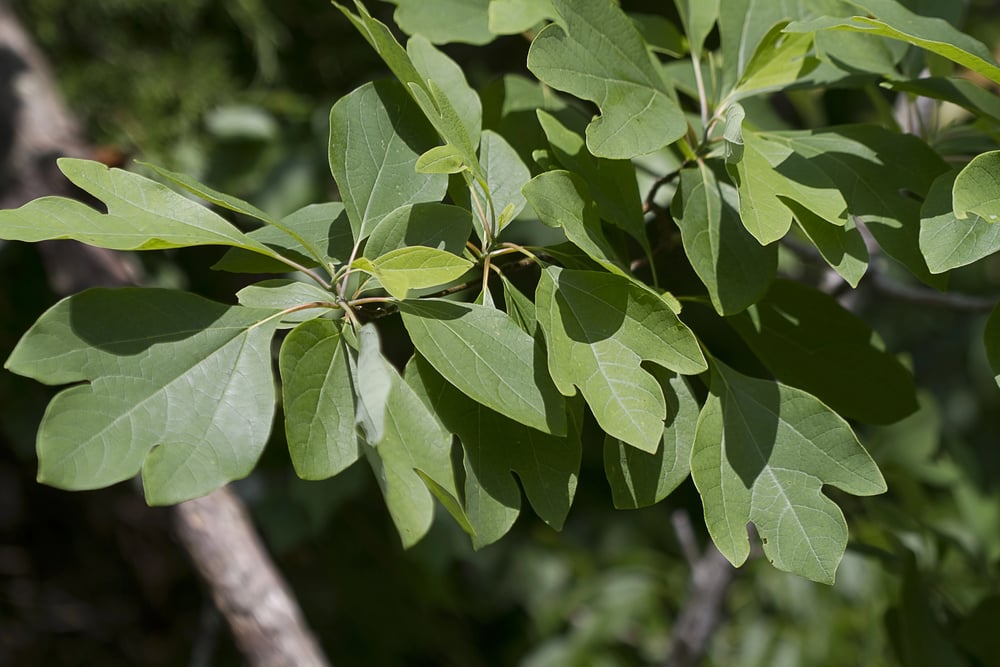
Once used to flavor root beer and various folk remedies, sassafras root contains safrole, a compound that’s been linked to liver damage and cancer. While sassafras extract without safrole is legal, importing the raw root or products containing natural sassafras is prohibited.
The ban extends to any food products that might contain natural sassafras flavoring.
Like Go2Tutors’s content? Follow us on MSN.
Mangosteen
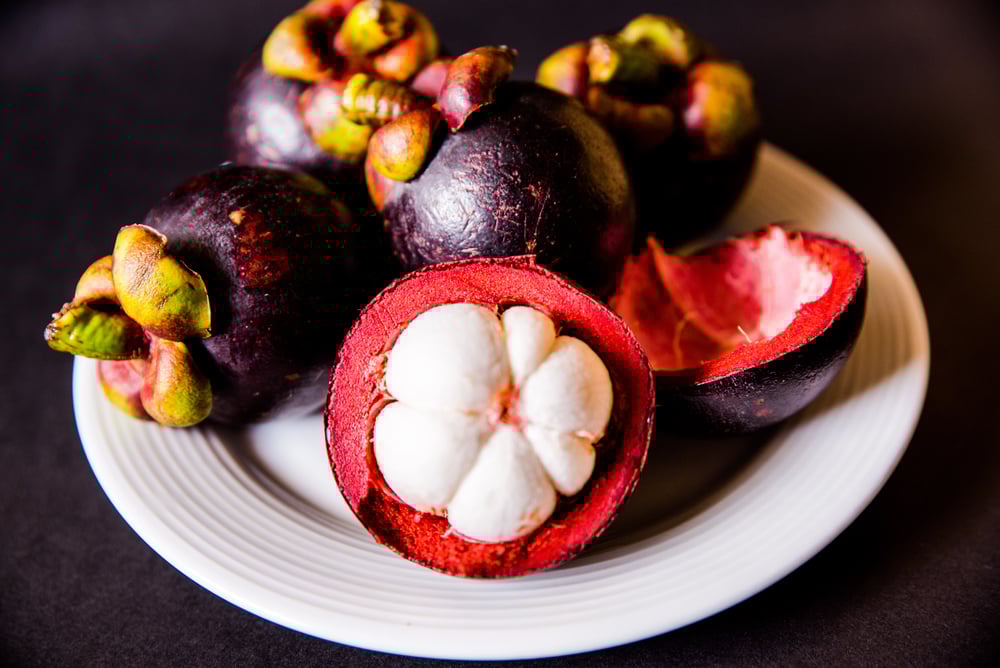
Fresh mangosteen fruit faces import restrictions due to concerns about fruit flies and other pests that could damage American agriculture. While frozen, canned, or irradiated mangosteen might be allowed under certain conditions, fresh fruit rarely makes it through customs.
The restrictions vary depending on the country of origin and processing methods used.
Protecting America’s Dinner Table
These import restrictions might seem excessive when you’re standing at customs watching your carefully selected food souvenirs get tossed in the trash. However, each ban represents lessons learned from past agricultural disasters or public health scares that cost billions of dollars and countless lives.
The rules continue evolving as new threats emerge and food safety science advances. While it’s disappointing to leave that perfect cheese or exotic fruit behind, these regulations help ensure that American agriculture and public health remain protected from invisible threats that could arrive in seemingly innocent packages.
More from Go2Tutors!

- 16 Historical Figures Who Were Nothing Like You Think
- 12 Things Sold in the 80s That Are Now Illegal
- 15 VHS Tapes That Could Be Worth Thousands
- 17 Historical “What Ifs” That Would Have Changed Everything
- 18 TV Shows That Vanished Without a Finale
Like Go2Tutors’s content? Follow us on MSN.