Collectibles That Turned Into Cultural Icons
Some things begin modestly.
A basic plastic figure.
A comic book with a deck of trading cards inside.
A basketball court-specific pair of sneakers.
Then something changes.
The object becomes more than just a possession; it becomes a symbol of something greater, such as a historical event, a social movement, or even a version of yourself that you would like the world to see.
It’s no coincidence that something goes from collectible to cultural icon, and it certainly doesn’t happen overnight.
It’s a strange journey from basement memento to museum-worthy artifact, influenced by celebrity endorsement, scarcity, nostalgia, and occasionally just plain luck.
Timing and cultural resonance are frequently what distinguish the timeless icons from the forgotten fads.
A collectible surpasses its initial function completely when it embodies the essence of a time period while also providing something that feels genuine and personal.
Here’s a closer look at how some collectibles made their way into popular culture from card binders and toy boxes.
Each one narrates a tale about our memories, our values, and the reasons behind the persistence of certain items.
Air Jordan Sneakers

In 1985, Nike took a gamble on a rookie basketball player named Michael Jordan.
The company wasn’t dominating the basketball footwear market at the time, and their pitch to Jordan was ambitious – a signature shoe line that broke every unwritten rule about what basketball sneakers should look like.
Bold red and black colorways (color combinations).
Premium leather construction.
A high-top silhouette that screamed defiance rather than conformity.
The NBA famously banned Jordan’s on-court shoe – actually the Nike Air Ship, though Nike’s marketing campaign cleverly blurred the distinction with the retail Air Jordan 1.
Nike leaned into the controversy with ads that positioned the shoe as rebellious.
Suddenly, wearing Jordans wasn’t just about basketball performance.
It became a statement.
Nike aimed for $3 million in first-year revenue.
They generated $126 million.
What happened next changed not just sneaker culture but how brands think about athlete endorsements entirely.
Jordan’s dominance on the court gave the shoes credibility, but hip-hop artists and cultural tastemakers elevated them to something else.
Rappers referenced them in lyrics.
They appeared in music videos and films.
The shoes became synonymous with style, aspiration, and success – far beyond the basketball court where they originated.
Today, Air Jordans remain a global phenomenon.
Retro releases sell out within minutes.
The Jumpman logo is instantly recognizable across every continent, and collectors treat vintage pairs like fine art.
Pokémon Trading Cards

When Pokémon cards arrived in North America in January 1999, launched by Wizards of the Coast, they ignited a collecting frenzy unlike anything the toy industry had seen.
Kids traded them on playgrounds.
Schools banned them after disputes over lopsided trades got out of hand.
Parents lined up outside stores hoping to snag rare holographic cards before they vanished from shelves.
The cards offered something irresistible – the thrill of the hunt.
Opening a pack meant you might pull a Charizard, the crown jewel of the original Base Set, or you might get common cards you already owned.
That element of chance, combined with the emotional connection fans had to the Pokémon franchise through video games and the animated series, created perfect conditions for obsession.
The late 1990s and early 2000s represented peak mania, but interest eventually cooled as those kids became teenagers too cool for pocket monsters.
Still, the cards never truly disappeared.
Nostalgia kept them alive, and when those same kids became adults with disposable income, they returned to reclaim pieces of their childhood.
By the 2020s, Pokémon cards experienced a spectacular resurgence, fueled by social media unboxing videos and celebrity collectors.
A rare PSA 10 Pikachu Illustrator card sold for $5.275 million in 2022.
Logan Paul famously paid $3.5 million for what he believed was a sealed Base Set Booster Box, though it later turned out to contain fake G.I. Joe cards – a cautionary tale about authentication.
As of 2024, over 52 billion cards have been produced worldwide, representing generational memory that millions shared simultaneously.
Comic Books

Long before cinematic universes dominated box offices, comic books were the scrappy underdogs of entertainment.
Dismissed as juvenile distractions, they were printed on cheap paper and sold for pocket change.
Kids read them, traded them, and often threw them away when they got bored.Unsplash/Waldemar BrandtKids read them, traded them, and often threw them away when they got bored.
Nobody imagined they’d one day be worth more than houses.
The transformation began quietly.
As those kids grew up, some held onto their collections, recognizing that certain issues held significance beyond entertainment value.
First appearances of iconic characters.
Milestone storylines.
Artwork by legendary illustrators.
As supply dwindled and nostalgia grew, values climbed.
The explosion of superhero films in the 21st century accelerated everything.
Characters that lived in relative obscurity suddenly became household names, and collectors scrambled to own the comics where those characters first appeared.
A pristine copy of Action Comics #1, featuring Superman’s debut in 1938, sold for $3.25 million in 2021.
Amazing Fantasy #15, which introduced Spider-Man in 1962, commanded $3.6 million that same year.
Other books like Detective Comics #27 and Batman #1 have also crossed into seven-figure territory.
Comic books became cultural artifacts, preserved in climate-controlled cases and graded by professional services like CGC (Certified Guaranty Company).
What was once disposable became precious, recognized as legitimate art with lasting cultural value.
LEGO Sets

LEGO bricks have existed since the company patented its modern interlocking brick design in 1958, building on earlier ‘Automatic Binding Bricks’ from 1949.
For decades, they were simply excellent toys – durable, creative, endlessly reusable.
Parents appreciated them.
Kids loved them.
Then LEGO started releasing licensed sets tied to major franchises like Star Wars, Harry Potter, and Marvel, and everything changed.
Suddenly, LEGO wasn’t just about generic buildings.
It was about recreating specific moments from beloved films and stories.
The Ultimate Collector’s Series Millennium Falcon, released in both 2007 and 2017 editions, wasn’t just a toy – it was a display piece, a conversation starter, a badge of fandom.
Sealed versions now resell for over $5,000.
Adult collectors began referring to themselves as AFOLs – Adult Fans of LEGO – and the company embraced them.
Sophisticated architectural sets and exclusive releases catered specifically to grown-ups willing to spend hundreds or thousands on elaborate projects.
The cultural shift happened because LEGO understood something fundamental: adults want permission to play.
By positioning their products as both nostalgic and legitimately impressive from an engineering standpoint, they created space for grown-ups to indulge without embarrassment.
Vinyl Records
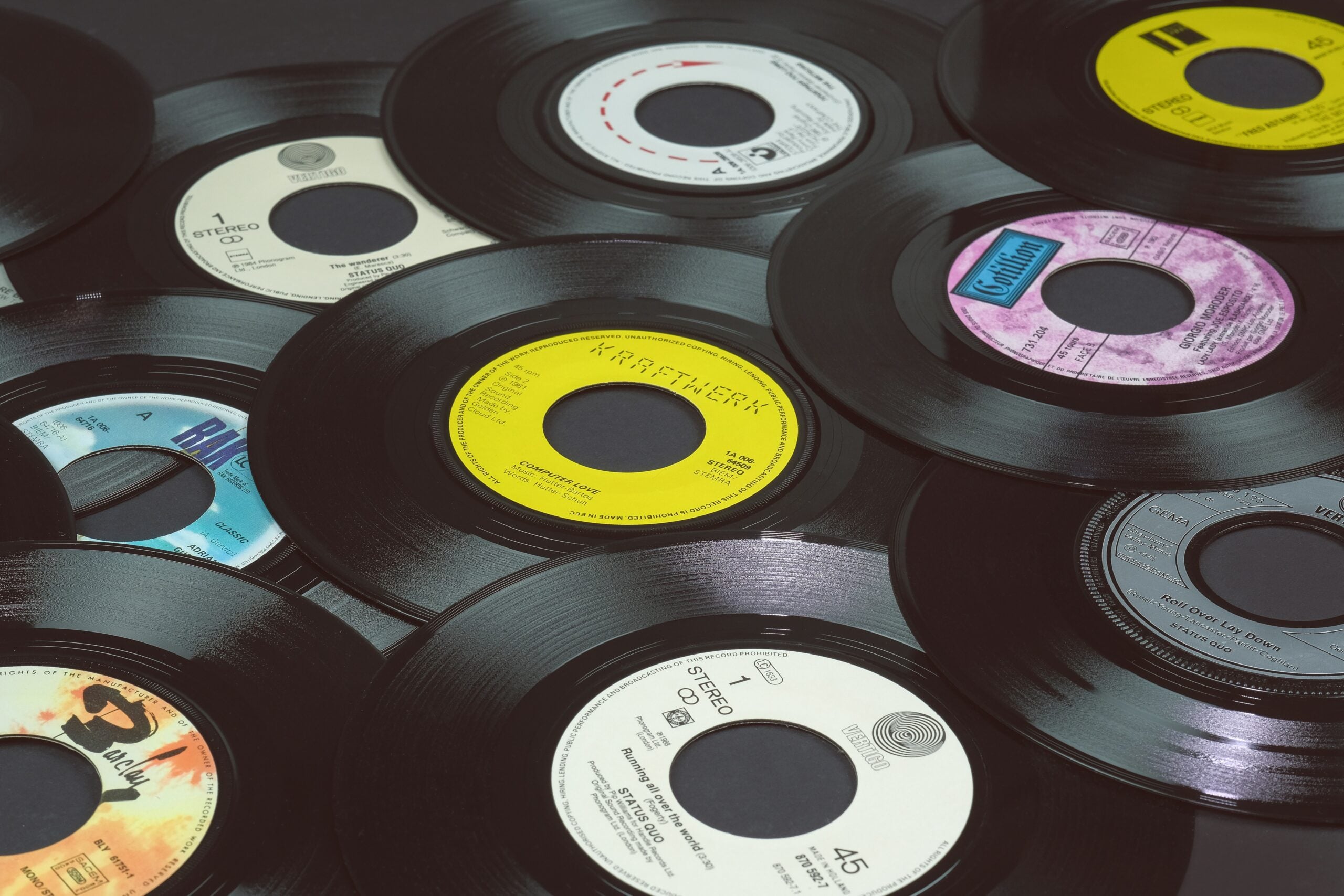
The vinyl record’s journey to icon status is particularly fascinating because it technically died, only to resurrect itself more popular than ever.
When CDs arrived in the 1980s, followed by digital music in the 2000s, vinyl seemed destined for landfills and garage sales.
Collectors held on, but mainstream audiences moved on.
Then something unexpected happened.
People started missing the ritual.
The act of pulling a record from its sleeve, placing it on a turntable, and listening to an entire album without skipping tracks felt intentional in a way that streaming never could.
By 2023, vinyl outsold CDs in the United States for the first time since 1987 – a remarkable comeback.
What was old became new again.
Independent record stores saw renewed traffic, bolstered by initiatives like Record Store Day, which launched in 2008 and helped revitalize vinyl collecting culture.
Major artists began releasing vinyl alongside digital versions.
Limited-edition pressings with colored vinyl or special packaging became collectible immediately.
Ringo Starr’s personal copy of The Beatles’ White Album, serial number 0000001, sold for $790,000 in 2015.
Vinyl records became cultural icons because they offered something digital music couldn’t – a physical, tangible connection to music.
In an era where everything lives in the cloud, owning something you can hold feels meaningful.
Action Figures
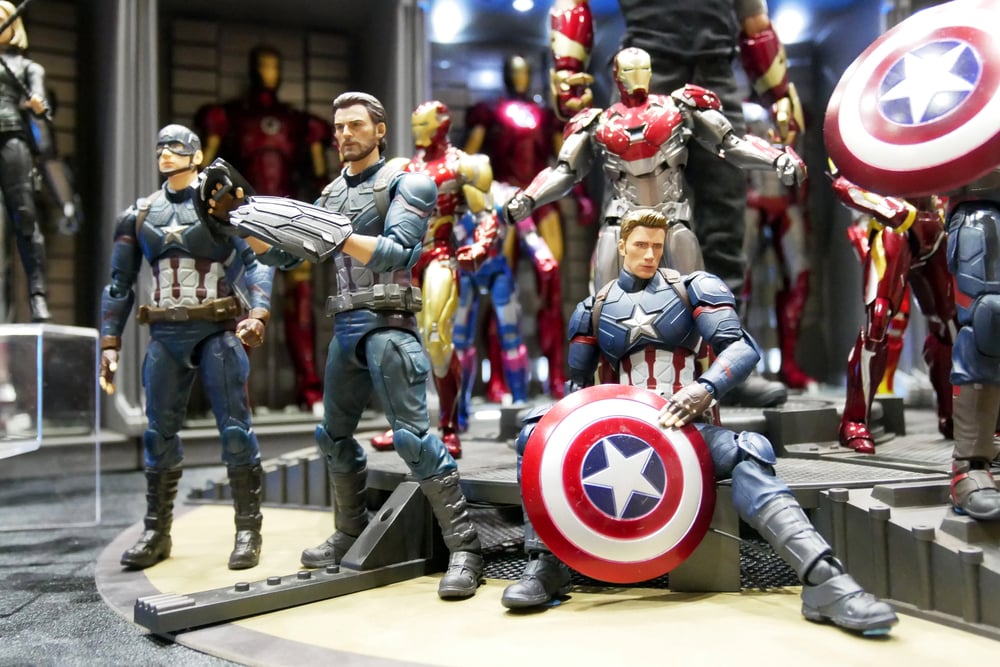
Action figures occupy a strange space in collecting culture.
They were toys, meant to be played with, yet the most valuable ones are those that remained unopened in their original packaging.
The term ‘action figure’ itself was coined with G.I. Joe’s debut in 1964, preceding the modern collectible market by over a decade.
But the modern action figure market truly exploded with Star Wars in 1977.
Kenner’s 3.75-inch figures allowed kids to recreate scenes from the films, and demand was so intense that the company resorted to selling the ‘Early Bird Certificate Package’ – literally empty boxes with promises of figures to come later.
Those early Star Wars figures, particularly rare variants like the 1978 Luke Skywalker with Double-Telescoping Lightsaber, now sell for over $100,000 if unopened.
G.I. Joe, Transformers, He-Man, and Teenage Mutant Ninja Turtles – each franchise created its own collecting ecosystem.
Companies began producing adult-oriented figures with superior articulation and premium packaging specifically for collectors who’d never open them.
The cultural impact extends beyond individual toys.
Action figures represent specific eras of childhood for entire generations.
They’re time capsules, preserving memories of Saturday morning cartoons, birthday parties, and playground trades.
What Endures and Why

Collectibles that become icons have certain characteristics in common.
They retain their individual significance while making connections to larger cultural movements.
Natural or artificial scarcity works to their advantage.
Beyond their physical form, they convey tales about times, dreams, and our past selves and future selves.
These items ceased to be merely things and instead became icons.
They became conduits for community, identity, and memory.
Collectors preserve aspects of culture they fear may be lost by curating their own museums in addition to owning these artifacts.
Sometimes it takes years to distinguish between an icon and a collectible.
What seemed worthless yesterday might be valuable today, and what is important today might be forgotten tomorrow.
The allure of this ambiguity lies in the potential for something commonplace to become extraordinary with the right amount of time, attention, and cultural resonance.
More from Go2Tutors!

- The Romanov Crown Jewels and Their Tragic Fate
- 13 Historical Mysteries That Science Still Can’t Solve
- Famous Hoaxes That Fooled the World for Years
- 15 Child Stars with Tragic Adult Lives
- 16 Famous Jewelry Pieces in History
Like Go2Tutors’s content? Follow us on MSN.