15 Forests So Dense They’re Basically Natural Cities
The world’s most densely packed forests stand as remarkable testimonies to nature’s architectural genius. Within these woodland giants, layers upon layers of vegetation create complex ecosystems that rival human settlements in their intricacy and organization.
From towering canopies that filter sunlight to bustling forest floors teeming with life, these natural metropolises operate with astonishing efficiency. Here is a list of 15 forests so incredibly dense they function like natural cities, complete with their own infrastructure, neighborhoods, and even transportation systems.
Amazon Rainforest

The undisputed champion of forest density spans nine South American countries and houses roughly 10% of the world’s known biodiversity. Its canopy is so thick in places that rainfall can take up to 10 minutes to reach the ground after hitting the uppermost leaves.
Scientists estimate that a single acre may contain up to 750 tree species and 1,500 flowering plants.
Daintree Rainforest
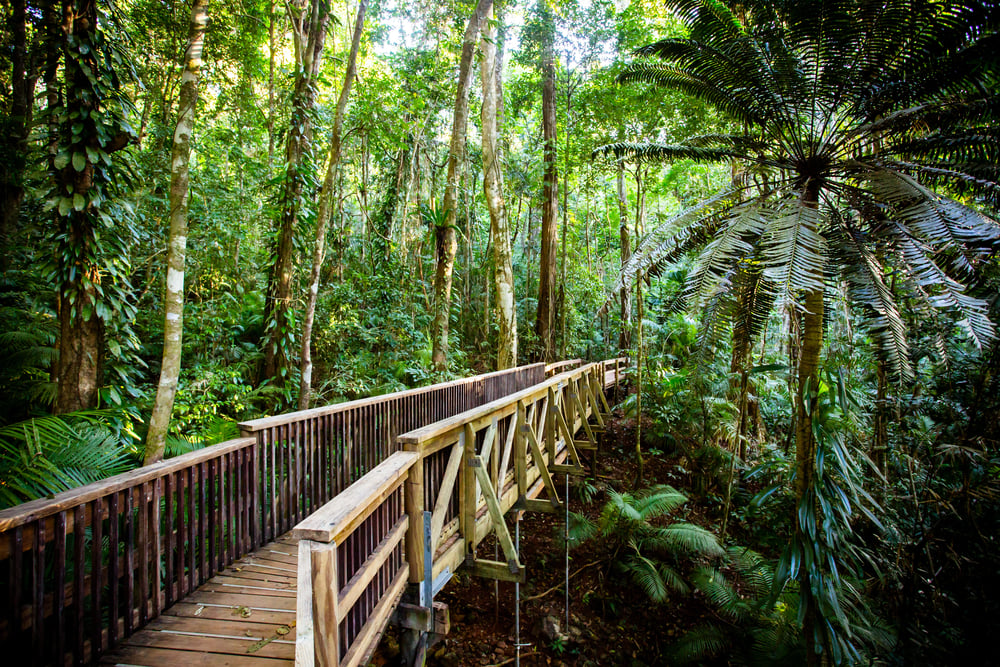
Australia’s ancient woodland dates back 180 million years, making it the oldest continuous tropical rainforest on Earth. The density here creates a multi-level ecosystem where plants grow on top of other plants in a space-maximizing strategy that mirrors urban high-rises.
Its canopy reaches heights of 150 feet and in some sections blocks 98% of sunlight from reaching the forest floor.
Like Go2Tutors’s content? Follow us on MSN.
Aokigahara Forest
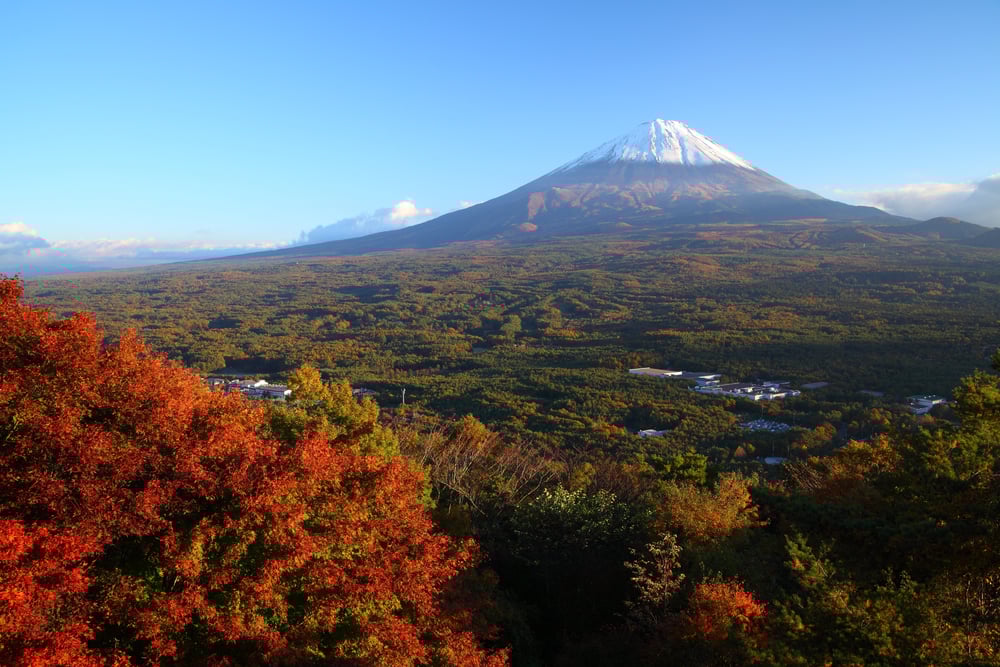
At the base of Mount Fuji in Japan lies this eerily dense sea of trees growing on hardened lava. The forest floor consists of twisted, exposed roots and volcanic rock which makes navigation extraordinarily difficult.
Trees grow so closely together that wind is practically nonexistent within their depths, creating an unusual stillness that adds to its mysterious atmosphere.
Black Forest
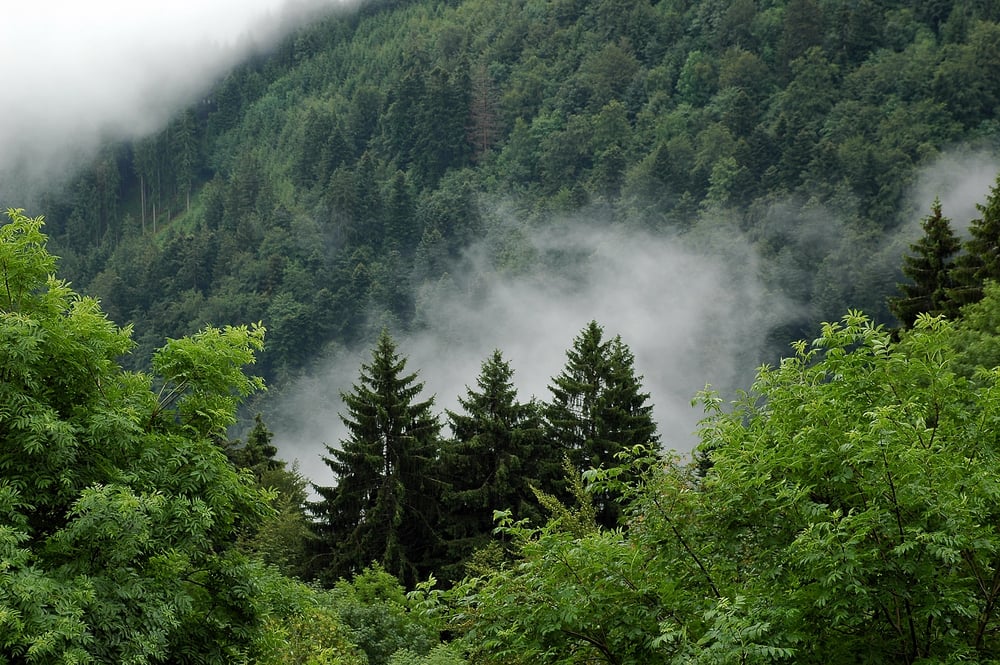
Germany’s famous woodland features a canopy of Norway spruce and fir trees so thick that minimal light penetrates to the ground, creating its namesake darkness. The density historically made it impenetrable to outsiders, allowing distinct cultural traditions to develop among its isolated communities.
Its closely packed trees create natural wind barriers and microclimates throughout the region.
Sagano Bamboo Forest
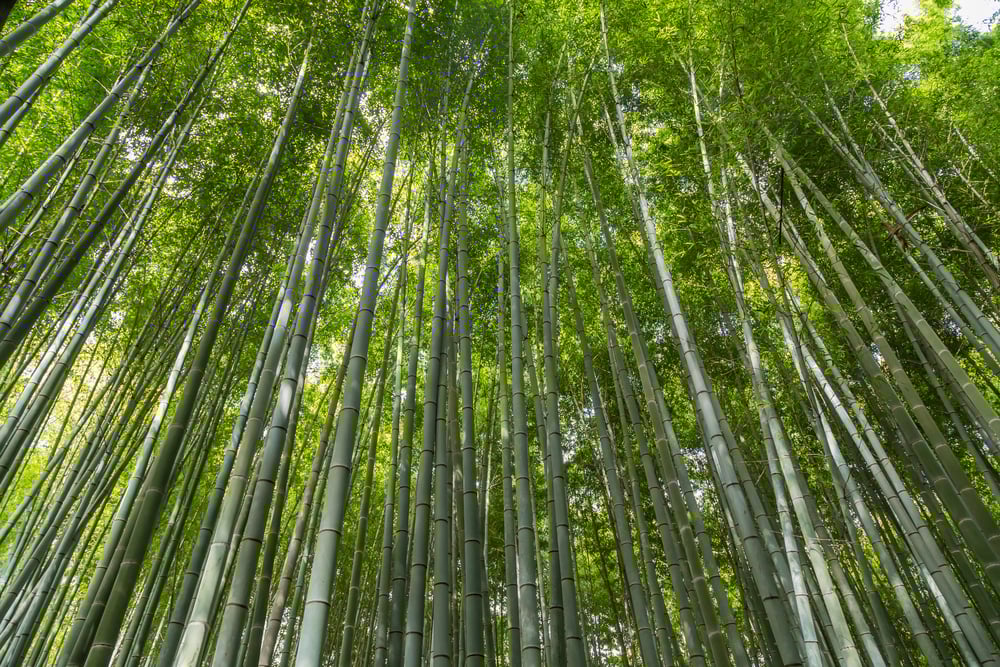
This remarkable Japanese forest consists of bamboo stalks growing mere inches apart, creating natural corridors that feel like designed pathways. The bamboo grows at astonishing speeds—up to 3 feet per day—constantly reinforcing the forest’s density.
These tightly packed groves create a distinctive sound as wind passes through, recognized by Japan as one of the country’s natural soundscapes.
Like Go2Tutors’s content? Follow us on MSN.
Olympic National Forest
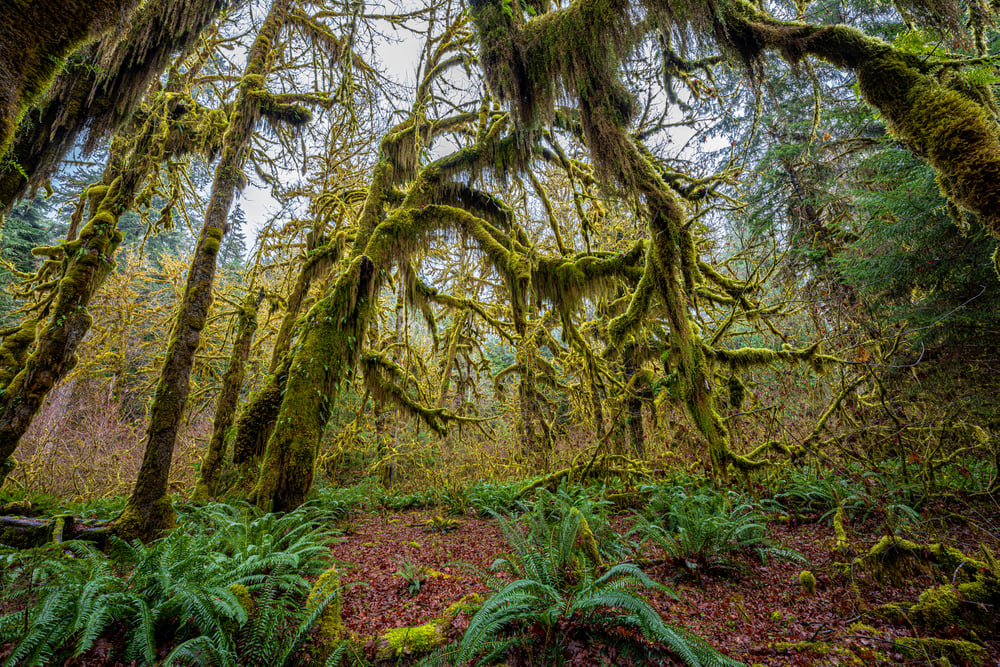
Washington state’s temperate rainforest achieves remarkable density through multiple vegetation layers including mosses, ferns, shrubs, and massive trees. A single fallen tree becomes a ‘nurse log’ hosting dozens of new trees, creating natural apartment-like arrangements of life.
The forest receives up to 150 inches of annual rainfall, fueling growth that results in biomass concentration four times greater than tropical rainforests.
Białowieża Forest

Straddling Poland and Belarus, this primeval woodland represents Europe’s last significant stretch of old-growth forest that once covered the continent. Ancient oak trees grow so closely that their branches interlock to form natural arches and corridors.
The forest floor features a complex understory creating vertical density that supports Europe’s largest land mammal, the European bison.
Monteverde Cloud Forest
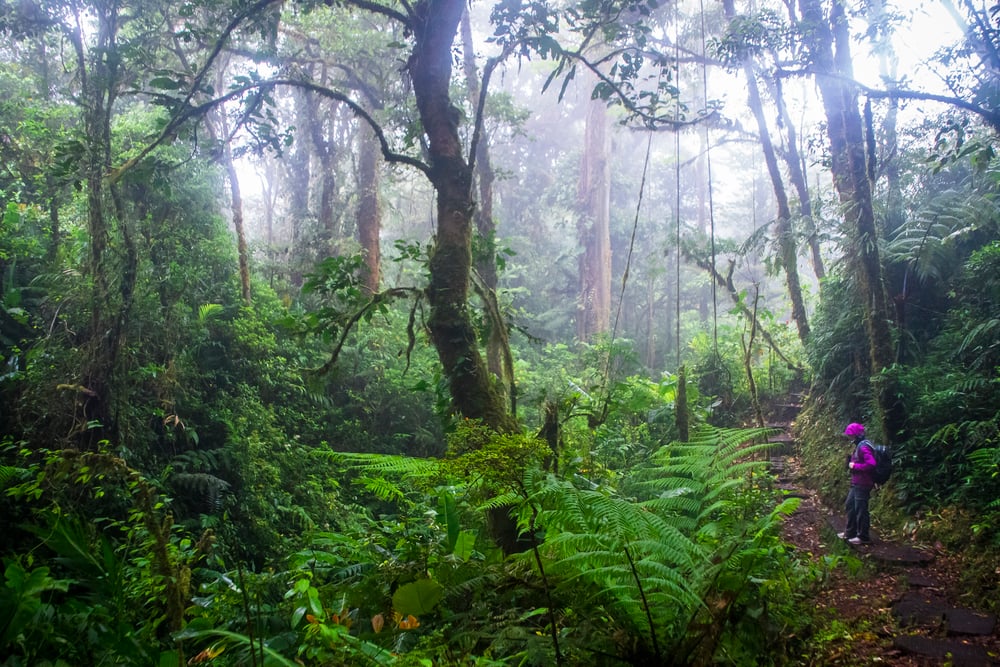
Costa Rica’s misty mountain forest lives perpetually in clouds, creating extraordinary vegetation density. The constant moisture supports plants growing on plants—with up to 8 layers of vegetation occupying the same space.
A single acre can contain more than 100 mammal species, 400 bird species, and thousands of plant varieties all coexisting in this natural high-rise.
Like Go2Tutors’s content? Follow us on MSN.
Tongass National Forest

America’s largest national forest in Alaska creates density through a combination of massive trees and almost impenetrable understory vegetation. These closely packed trees form natural wind and weather barriers, protecting interior sections from harsh coastal conditions.
Some areas contain trees so tightly grouped that wildlife must follow specific natural pathways, much like city streets.
Xishuangbanna Tropical Forest

This Chinese rainforest achieves remarkable density through its stratification—distinct layers of vegetation stacked upon each other like urban zoning. The forest hosts thousands of species within a relatively small area due to its vertical organization.
Its dense canopy creates a humidity trap that allows tropical species to thrive much farther north than typically possible.
Sundarbans Mangrove Forest
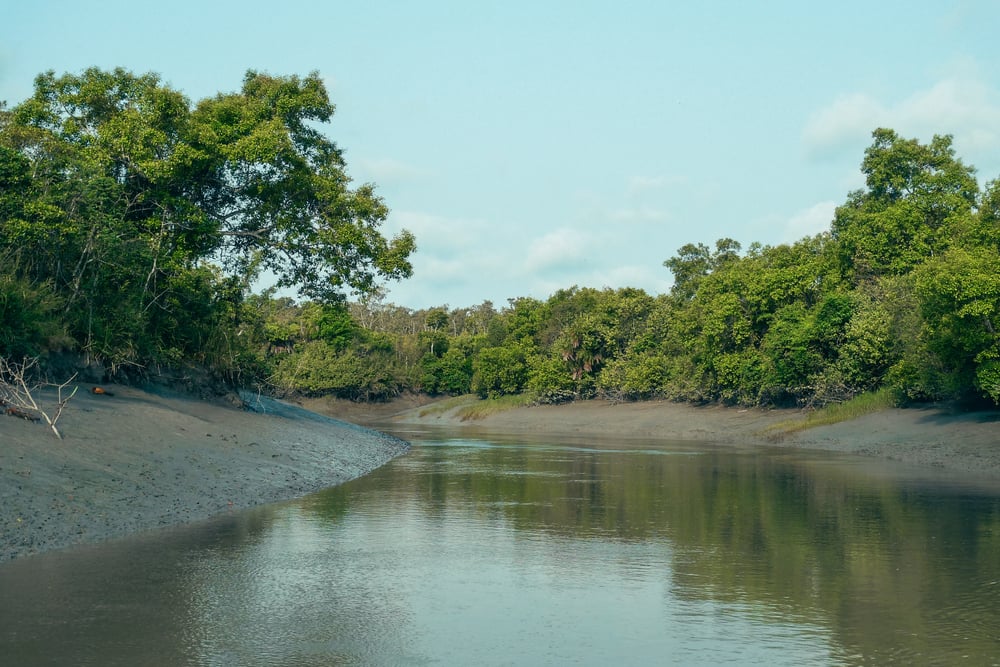
Spanning Bangladesh and India, this unique coastal forest creates incredible density through its tangled network of roots. The mangroves grow so closely intertwined that they form natural flood barriers and water filtration systems.
This natural infrastructure protects inland areas and provides nursery habitat for countless marine species in its labyrinthine root systems.
Like Go2Tutors’s content? Follow us on MSN.
Hoh Rainforest
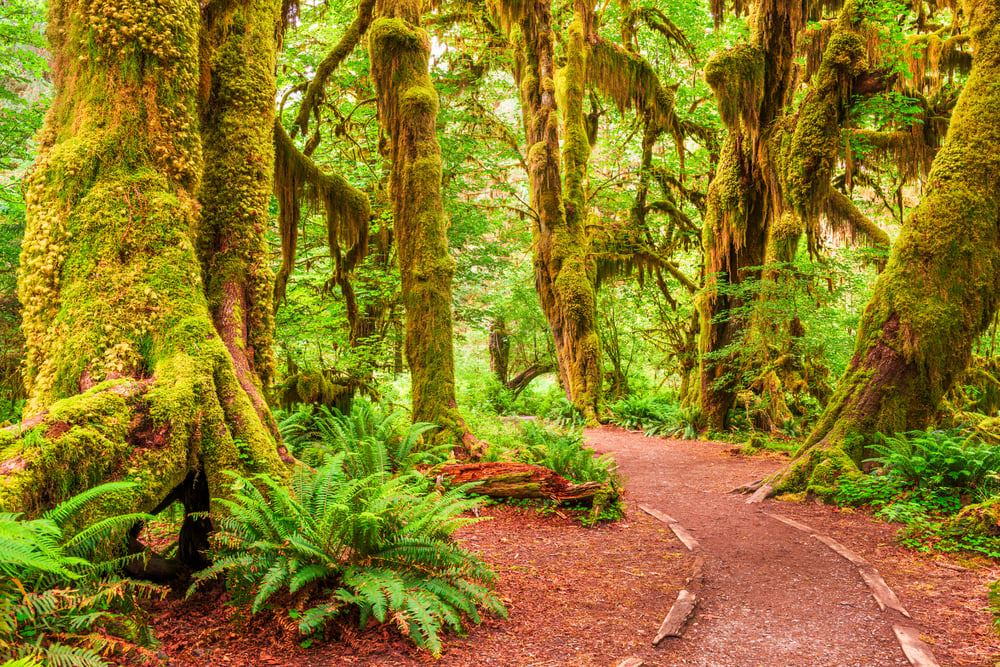
Located in Washington’s Olympic Peninsula, this temperate rainforest features trees draped in mosses and ferns, adding substantial bulk to already massive vegetation. A phenomenon called ‘canopy soils’ allows plants to grow on top of other plants dozens of feet above ground.
The forest stores more biomass per acre than almost any ecosystem on Earth, creating density that rivals urban concentrations.
Tarkine Forest
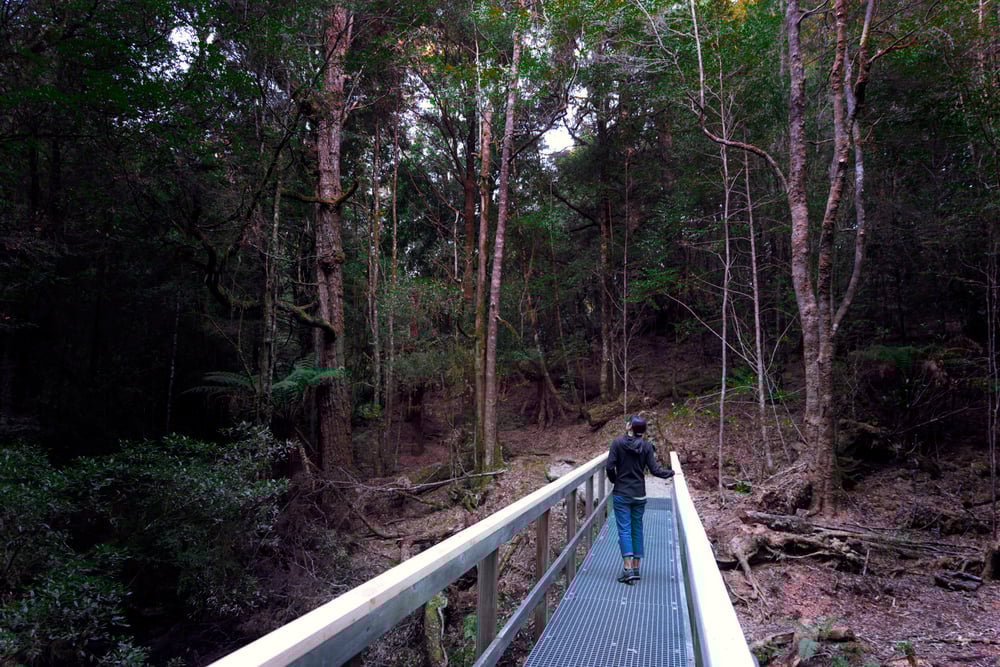
Tasmania’s ancient woodland contains trees over 60 meters tall with understories so dense they’re almost impenetrable. The forest structure includes multiple complete ecosystems stacked vertically within the same space.
Its mycelium network connecting trees creates a natural communication system comparable to underground utilities in human cities.
Congo Rainforest
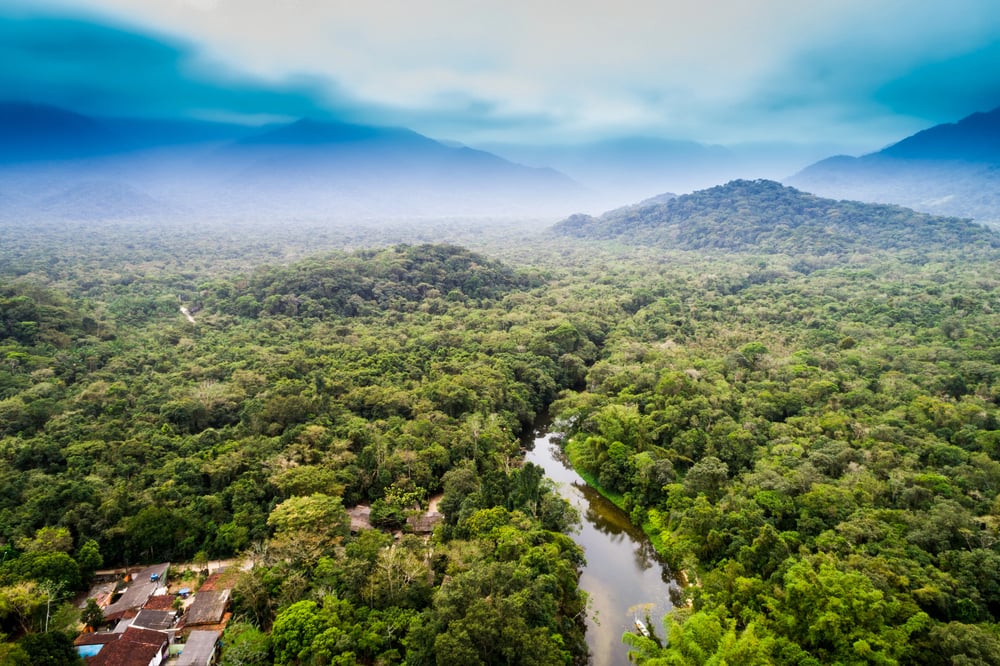
Africa’s green lung features sections where sunlight barely reaches the ground due to the layered canopy structure. Trees grow in such proximity that their roots form interlocking networks, creating natural platforms and bridges.
The forest houses communities of animals living their entire lives in different vertical zones, never touching the ground—like natural high-rise dwellers.
Like Go2Tutors’s content? Follow us on MSN.
Kinabalu Park Forest

Malaysia’s mountain forest achieves incredible density through extraordinary species concentration—over 5,000 plant types in a relatively small area. The forest stacks vegetation so efficiently that scientists continue discovering new species despite decades of exploration.
Its density creates multiple microclimates within walking distance of each other, similar to how urban neighborhoods develop distinct characteristics.
Nature’s Urban Planning Success
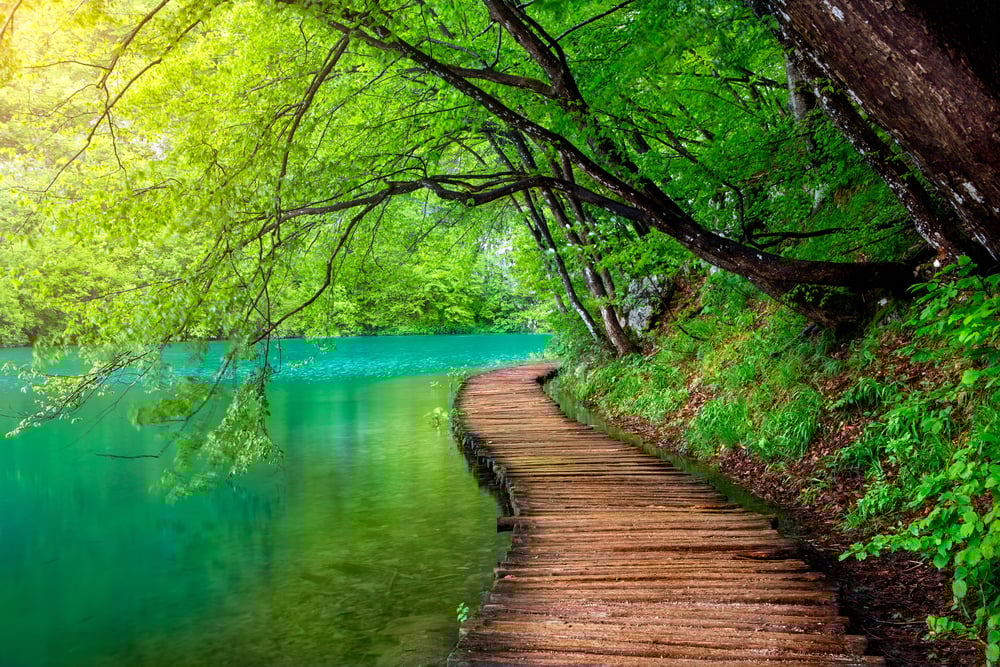
These magnificent forests demonstrate how nature perfected complex three-dimensional living arrangements long before humans conceived of cities. Their intricate layering of life, efficient use of space, and interconnected systems continue inspiring sustainable urban design worldwide.
While our concrete jungles impress with their scale and complexity, these natural metropolises remind us that the original architects of dense, functional living spaces weren’t human at all.
More from Go2Tutors!

- 18 Unexpectedly Valuable Collectibles You Might Have Lying Around
- 15 Things Every Teenager in the ’70s Did That Teens Today Wouldn’t Understand
- 15 Strange Things People Have Tried to Ban (And Failed)
- 15 Inventions That Were Immediately Banned After Being Created
- 20 Actors Who Were Almost Cast in Iconic Roles
Like Go2Tutors’s content? Follow us on MSN.