15 Forgotten Board Games from the ’80s That Are Now Sought By Collectors
The 1980s brought us MTV, neon everything, and some of the most bizarre board games ever manufactured. While Monopoly and Scrabble dominated family game nights, toy companies were busy cranking out experimental titles that mixed pop culture with cardboard in wonderfully strange ways.
Most disappeared into garage sales and thrift store bins, forgotten relics of Reagan-era excess. But something funny happened over the past decade.
Collectors started hunting down these oddball games with the same intensity once reserved for vintage comic books and baseball cards. Original copies that sold for $3.99 at Toys”R”Us now command triple-digit prices on auction sites.
The more obscure the title, the higher the bidding wars climb.
Dark Tower
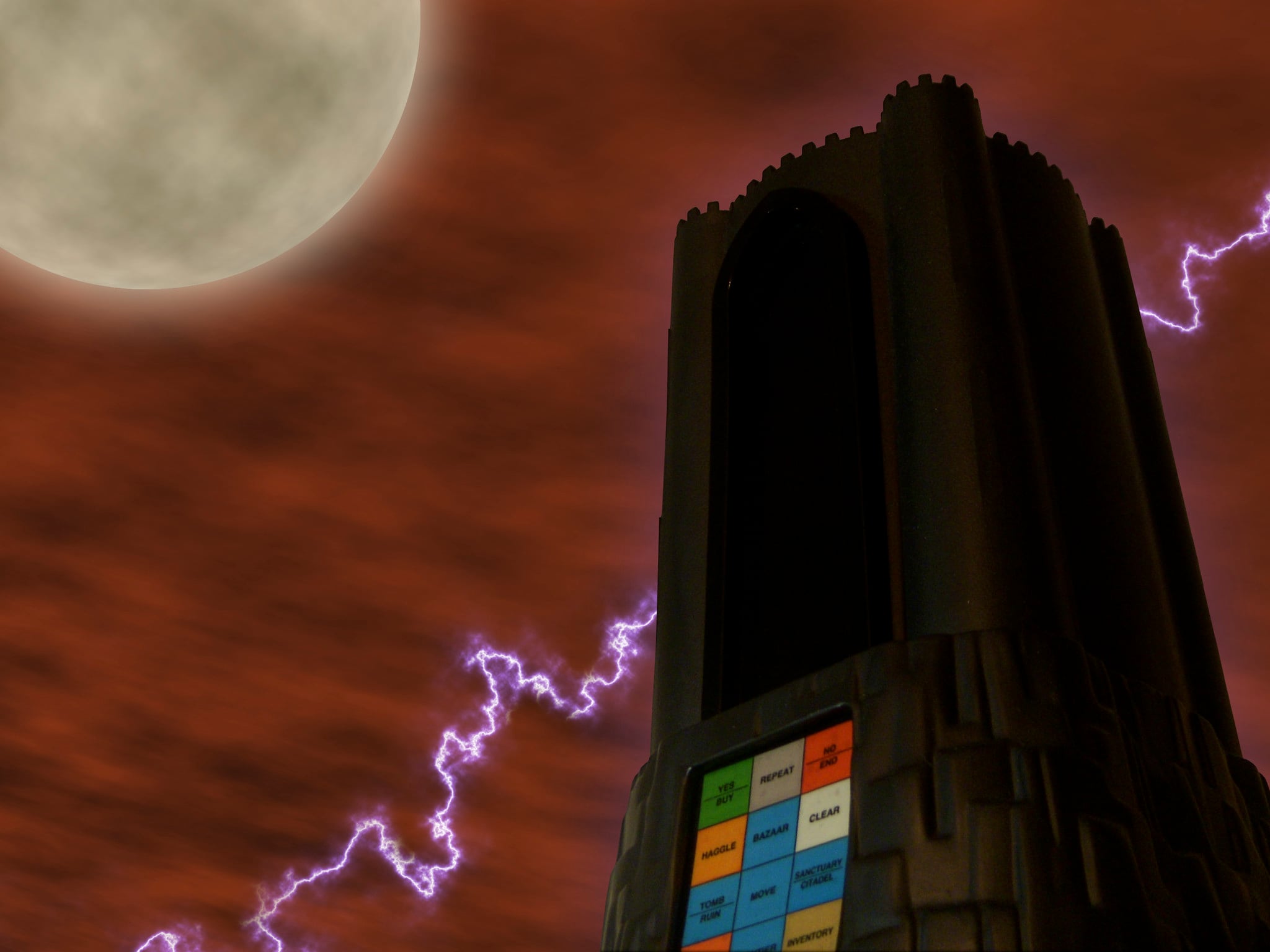
This electronic fantasy adventure towered over kitchen tables like something from a science fiction movie. The plastic tower in the center lit up, made sounds, and tracked your progress through a post-apocalyptic wasteland filled with brigands and cursed treasure.
The tower broke constantly. Circuit boards fried, motors seized, and the digital display flickered out after a few dozen games.
Most parents threw the whole thing away rather than deal with repairs.
Fireball Island
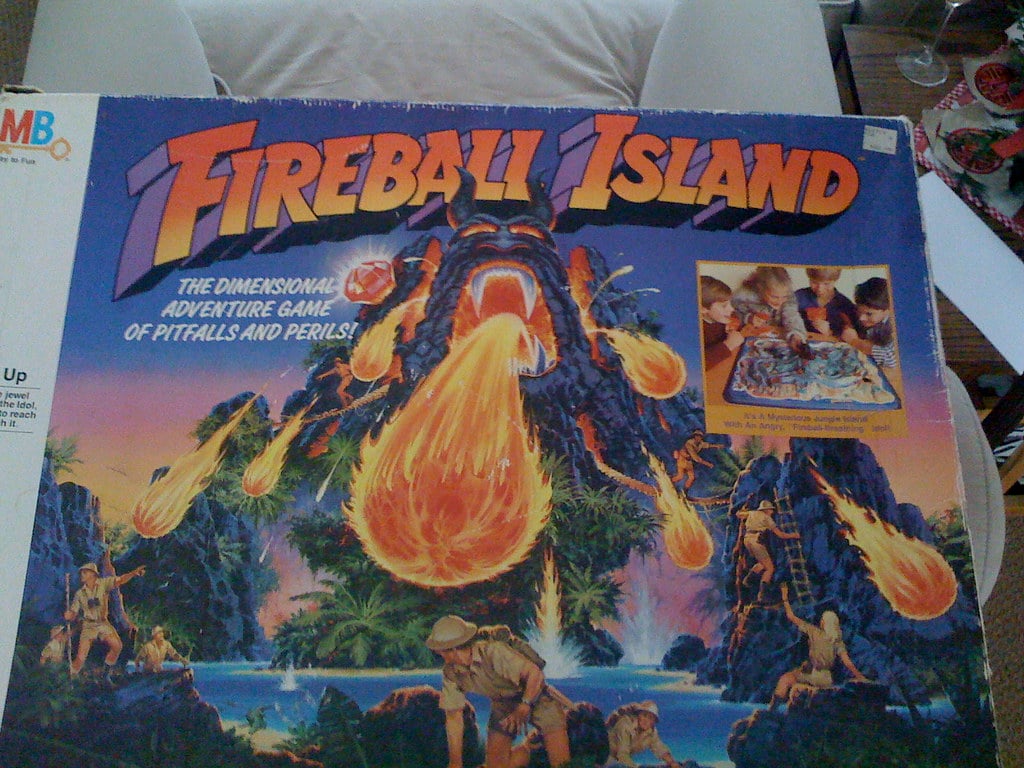
King Kong meets Indiana Jones on a three-dimensional island where marble fireballs rolled down carved pathways to crush your plastic explorer. The board folded out into a sculptured landscape complete with bridges, caves, and a massive gorilla statue perched at the summit.
Setting up the game took longer than playing it (which usually ended when someone accidentally launched all the marbles at once and sent them scattering across the living room floor), but that never seemed to matter because the spectacle of watching those red spheres bounce down the mountainside never got old, even when your guy got flattened for the third time in a row.
And the sound they made hitting the plastic — that hollow thock-thock-thock — became the soundtrack to countless Saturday afternoons when the weather was too lousy to go outside. The game had exactly one strategy: get to the treasure first and hope the volcano didn’t erupt on your turn.
Atmosfear

Video horror came to board games through a VHS tape that served as your game master. A hooded figure called The Gatekeeper taunted players while creepy music played in the background, creating genuine tension around what was essentially a race through a haunted house.
The tape timer created real pressure. You had exactly 60 minutes to escape, and The Gatekeeper would randomly single out players for special punishments.
The whole experience felt like being trapped inside a cheesy horror movie — which was exactly the point.
Electronic Mall Madness
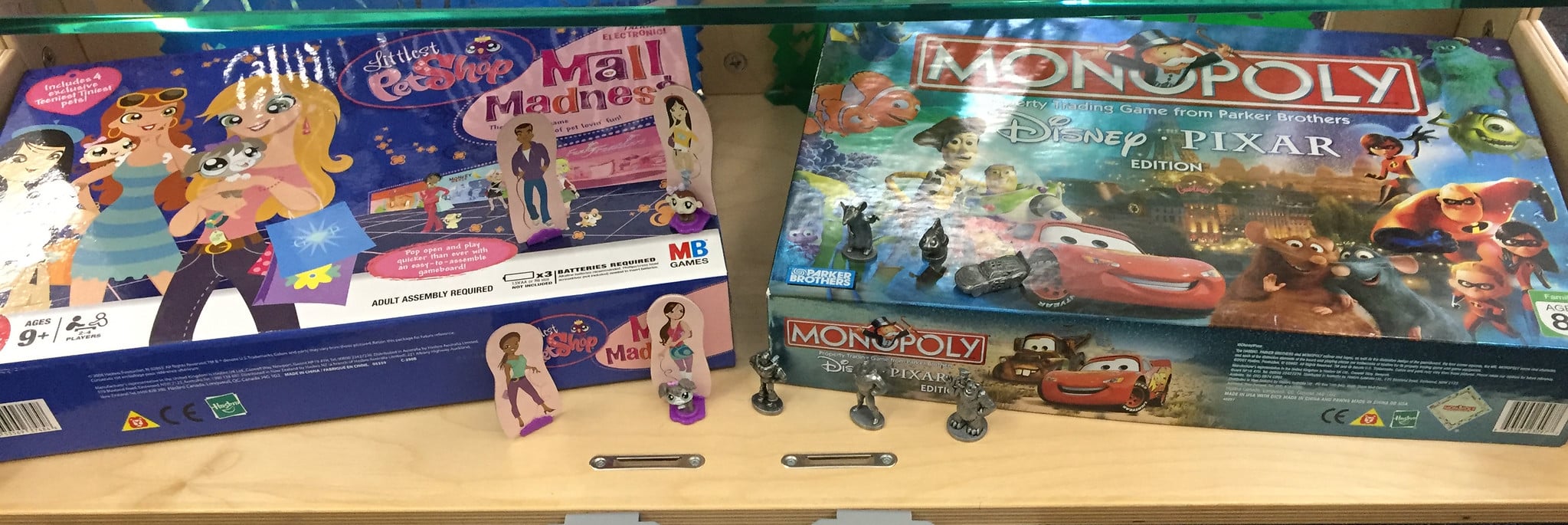
Shopping became a competitive sport in this battery-powered tribute to consumer culture. Players raced through a plastic mall, collecting items from stores while an electronic voice announced sales and clearances over the speaker system.
The game perfectly captured the shallow materialism of the decade. Victory meant buying the most stuff before your credit ran out.
The electronic announcements grew annoying after the first few rounds, but kids kept playing anyway because the miniature mall was genuinely impressive for its time.
Crossbows And Catapults

Medieval warfare shrunk down to coffee table size, complete with working siege engines that actually launched plastic projectiles at enemy castle walls. The game combined building with destruction — you constructed fortifications, then tried to knock down your opponent’s with tiny crossbows and catapults that had surprising accuracy.
Pieces went missing immediately (those little plastic boulders disappeared under couches and behind radiators never to be seen again), and the castle walls cracked after repeated bombardments, but watching those miniature weapons work never stopped being satisfying.
The game rewarded engineering as much as strategy: players who built smart, stable siege engines dominated those who just loaded up and fired randomly. And when someone scored a direct hit that sent an entire wall section flying, the table erupted in cheers that had nothing to do with winning or losing and everything to do with the pure physics of tiny projectiles doing exactly what they were supposed to do.
Lazer Tag

The arena shooter moved indoors with infrared guns and electronic vests that registered hits. Players stalked each other around the house in what felt like training for some futuristic sport that might actually exist someday.
The technology was impressive for 1986, but the execution was clunky. Sensors failed to register obvious hits, batteries died mid-game, and the guns were too delicate for the rough play they inevitably attracted.
Still, the concept was so appealing that kids tolerated the technical problems.
Stay Alive
Survival came down to avoiding the pits in a constantly shifting board. Players turned cranks to move sections of the playing surface, opening and closing gaps that could swallow the marbles representing other players.
The mechanism was simple but brutal. One wrong turn and your marble dropped through the board into oblivion.
Games ended quickly, usually with someone getting frustrated and spinning all the cranks at once to dump everyone into the void.
Girl Talk

Truth or dare became a board game with cards that asked increasingly personal questions as players moved around a pink and purple board decorated with hearts and fashion accessories. The game promised to reveal secrets and strengthen friendships through strategic oversharing.
Most of the questions were tame by today’s standards, but in 1988 they felt daringly personal. The game worked best at sleepovers where the social dynamics were already charged with pre-teen drama.
The board itself was incidental — the cards drove everything.
Legend Of Zelda Adventure Board Game
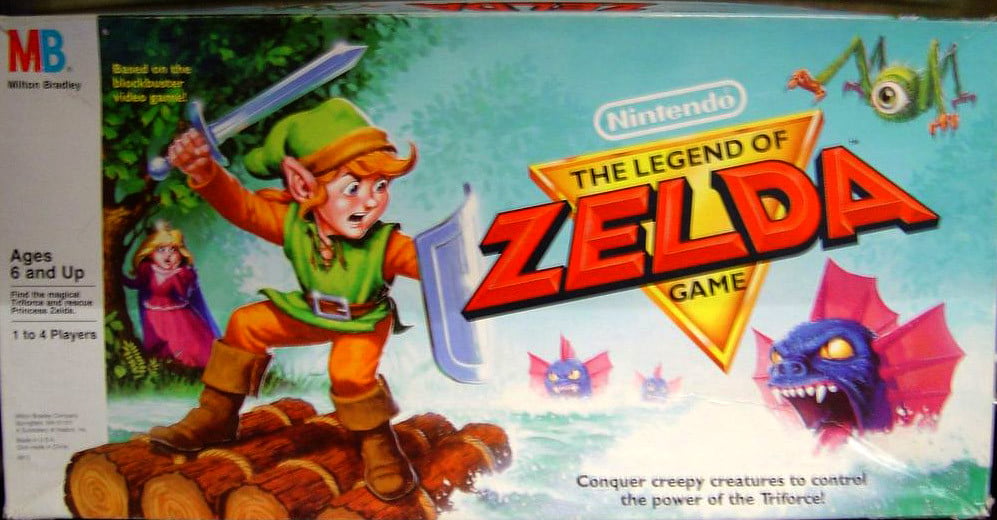
Nintendo’s fantasy world translated poorly to cardboard, creating a confusing maze of dungeons, treasures, and monsters that never quite captured the magic of the video game. Players moved Link through various rooms while fighting Ganon’s minions and collecting items that granted special powers.
The game suffered from the same problem that plagued most video game adaptations: it tried to recreate an electronic experience with analog components (dice, cards, and static boards that couldn’t match the fluid exploration that made the original game compelling).
But for Zelda fans, owning any piece of official merchandise felt special enough to overlook the clunky gameplay, and the artwork on the cards and board captured that distinctive fantasy aesthetic that made the video game world so appealing. So kids played it anyway, even when the rules didn’t quite work and the dungeons felt more like homework than adventure.
Captain Power
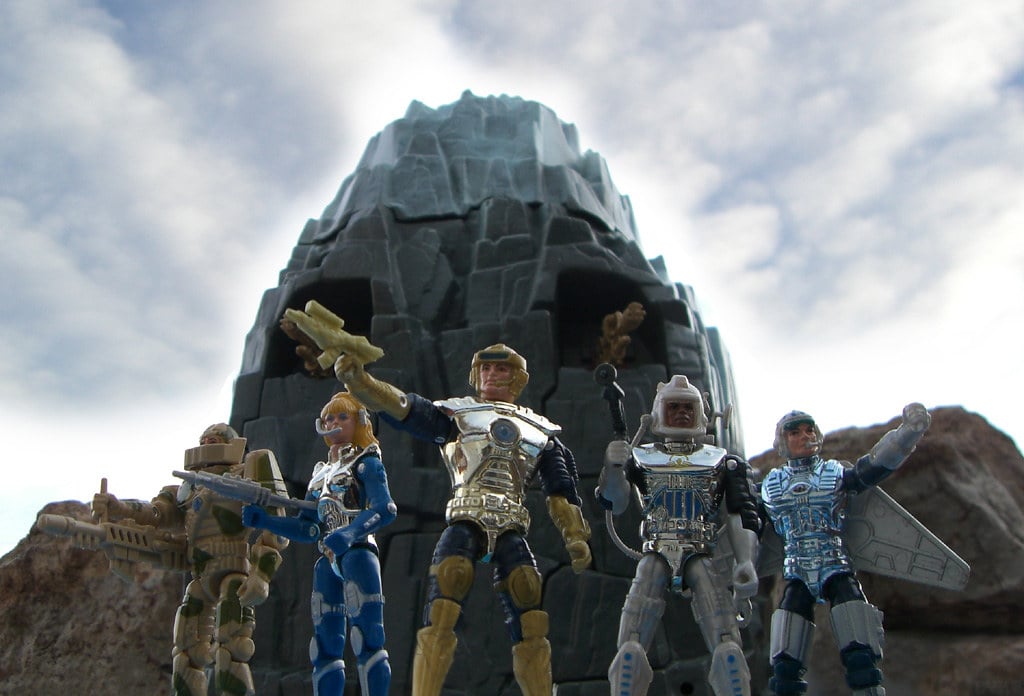
The short-lived TV series spawned an interactive board game where players used light-sensing ships to battle video sequences on screen. The XT-7 fighter craft could actually “shoot” at targets on the television and register hits through infrared technology.
The show lasted one season, making the game an immediate collectible. The technology was ahead of its time, combining physical toys with electronic media in ways that wouldn’t become standard until decades later.
Working copies are increasingly rare because the delicate sensors broke easily.
Key To The Kingdom

Castle exploration met puzzle-solving in a game where players searched for treasure in a three-dimensional castle with removable room tiles. Hidden compartments and secret passages were built into the board itself, creating genuine discoveries as the game progressed.
The construction was impressive. Rooms had actual depth, and finding hidden treasures felt like real exploration rather than just moving a pawn around a flat surface.
The complexity worked against it commercially, but that same intricacy makes surviving copies highly prized by collectors.
13 Dead End Drive
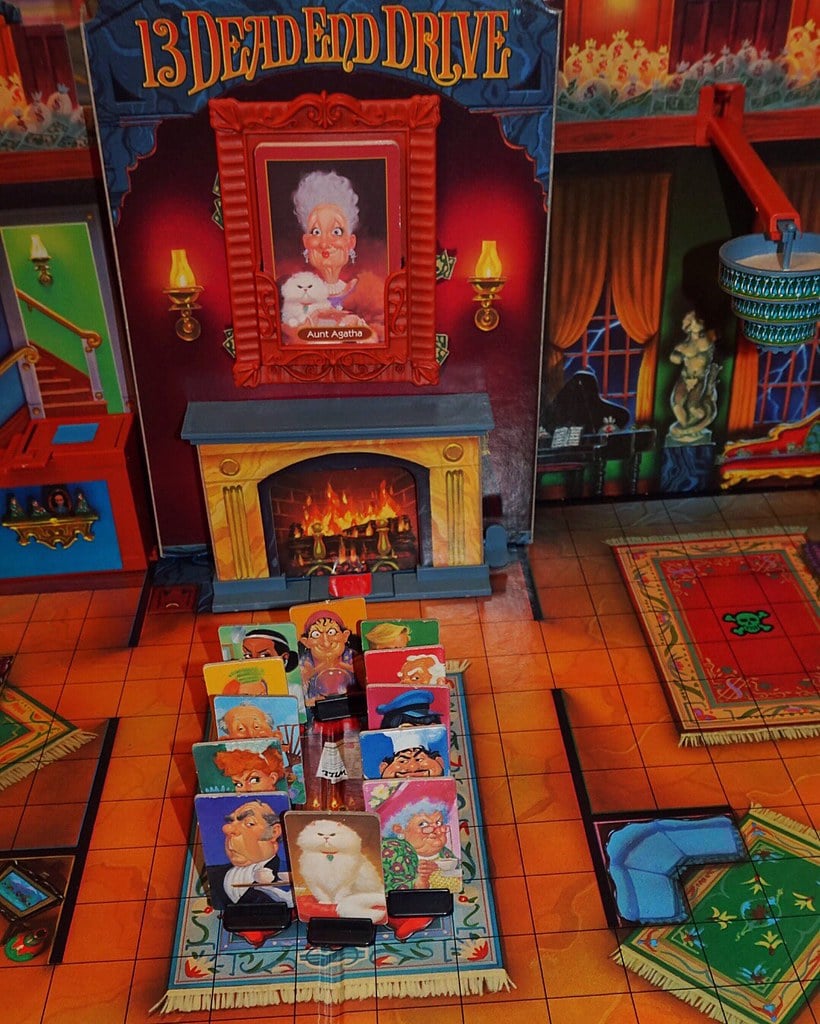
Murder mystery became a dark comedy in this game where players eliminated each other using elaborate death traps built into a Victorian mansion board. Chandelier crashes, suit of armor accidents, and bookshelf collapses dispatched characters in cartoonish but surprisingly detailed ways.
The game embraced its morbid premise with enthusiasm. Each trap had moving parts that actually worked, and watching them spring into action provided most of the entertainment.
The mystery element was secondary to the spectacle of orchestrated mayhem.
Voice Of The Mummy

Ancient Egypt came to life through a battery-powered sarcophagus that spoke commands and riddles while players explored a pyramid board searching for treasure. The mummy’s voice was suitably creepy, and the game created genuine atmosphere despite its simple mechanics.
The voice box was the star of the show. When it worked properly, it transformed a basic treasure hunt into something that felt genuinely mystical and slightly dangerous.
Technical problems were common, but the concept was strong enough to maintain interest even when the electronics failed.
Bargain Hunter
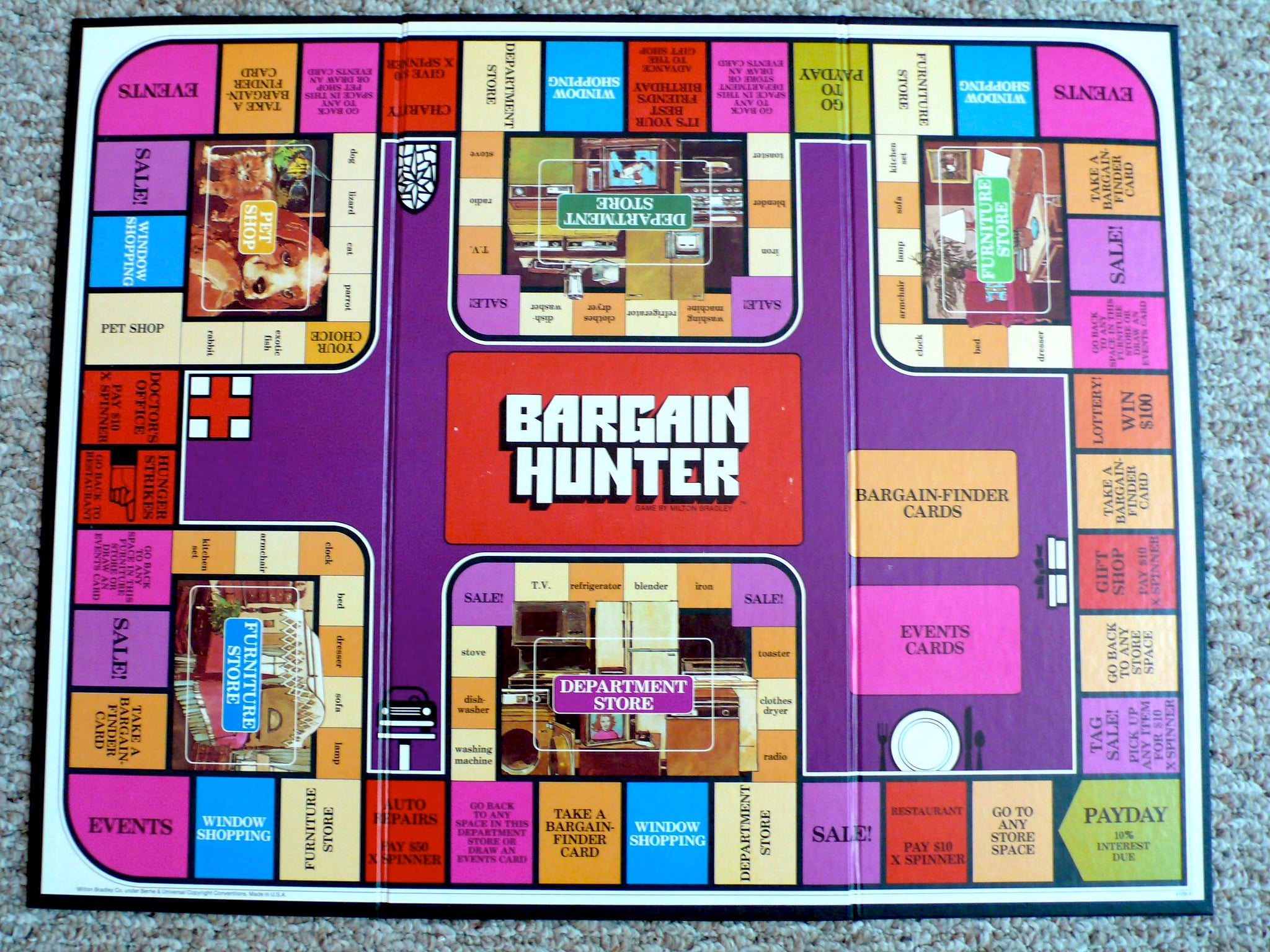
Department store shopping became a competitive game where players raced through a mall layout collecting items from their shopping lists while managing limited budgets. The game included actual product catalogs and price comparisons that reflected real retail economics.
The game taught basic consumer skills while celebrating the shopping culture of the 1980s. Players learned to compare prices, manage money, and make strategic purchasing decisions.
The educational value was real, even if the underlying message about consumer happiness feels dated now.
Omega Virus
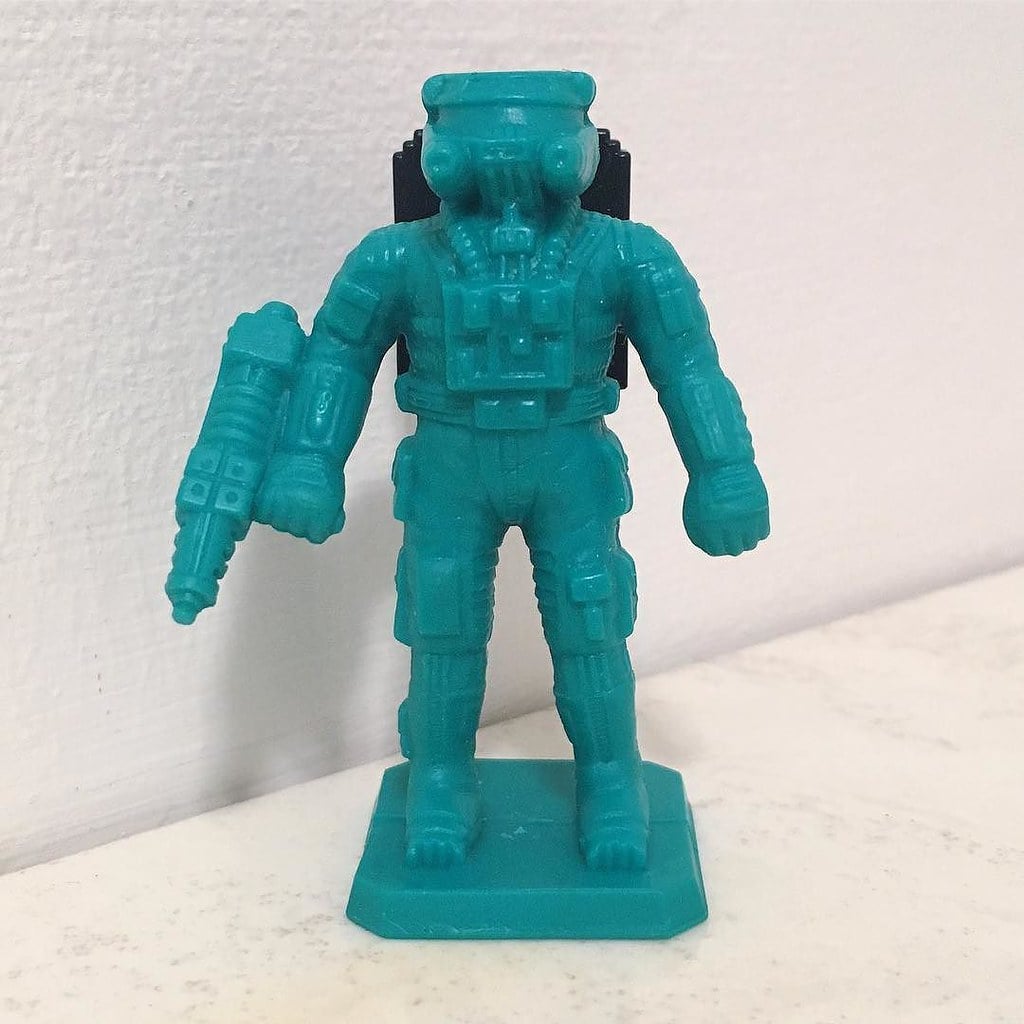
A computer virus trapped players inside a space station where they had to gather equipment and find the access codes needed to destroy the digital threat. The electronic game board tracked player locations and dispensed clues through a built-in speaker system.
The science fiction premise felt genuinely futuristic in 1992. Players communicated with the computer through a simple keypad interface, and the game responded with synthesized speech and sound effects.
The technology was primitive but effective at creating tension and atmosphere that pure board games couldn’t match.
The Lasting Appeal Of Forgotten Treasures

These games represent more than nostalgic curiosities. They capture a specific moment when toy companies were willing to experiment with wild concepts and expensive manufacturing techniques that would never survive today’s focus group testing.
The combination of bold ideas and flawed execution created gaming experiences that were simultaneously frustrating and unforgettable — which turns out to be exactly what collectors are looking for decades later.
More from Go2Tutors!

- The Romanov Crown Jewels and Their Tragic Fate
- 13 Historical Mysteries That Science Still Can’t Solve
- Famous Hoaxes That Fooled the World for Years
- 15 Child Stars with Tragic Adult Lives
- 16 Famous Jewelry Pieces in History
Like Go2Tutors’s content? Follow us on MSN.



