15 Things You Didn’t Know About the Day the Hindenburg Exploded
The Hindenburg disaster stands as one of history’s most infamous aviation catastrophes. On May 6, 1937, the German passenger airship LZ 129 Hindenburg caught fire and was destroyed during its attempt to dock at Naval Air Station Lakehurst in Manchester Township, New Jersey. The tragedy was captured on film, photographed, and reported by radio broadcaster Herbert Morrison, whose emotional eyewitness account became legendary.
Here is a list of 15 surprising facts about that fateful day that changed aviation history forever.
Perfect Weather Delayed the Landing

Ironically, the weather was ideal for the Hindenburg’s last flight until it wasn’t. Actually, the airship was supposed to dock earlier in the day, but local thunderstorms caused a delay.
Choosing to wait out the weather, Captain Max Pruss spent several hours circling the beach of New Jersey. Due to this delay, air conditions had drastically changed by the time the Hindenburg eventually neared the mooring pole at Lakehurst, which may have contributed to the accident.
Not Everyone Died

Despite the horrific nature of the disaster, the survival rate was surprisingly high. Of the 97 people aboard (62 passengers and 35 crew members), 62 survived. The death toll was 35 people, 13 passengers, 22 crew members, and one ground worker.
Many people jumped from the burning airship as it neared the ground, which actually saved numerous lives. The relatively low altitude of the airship when it caught fire about 180 feet, gave many a chance to escape, though with injuries.
It Was the First Major Disaster Captured on Film

The Hindenburg disaster marks one of the first major catastrophes captured on film and broadcast across multiple media formats. Four newsreel teams were present at the landing field, recording the approach and the subsequent disaster.
These films became some of the most recognized disaster footage in history. Newspapers around the world ran the photos on their front pages the next day, creating lasting images that remain iconic to this day.
The Explosion Occurred in Seconds
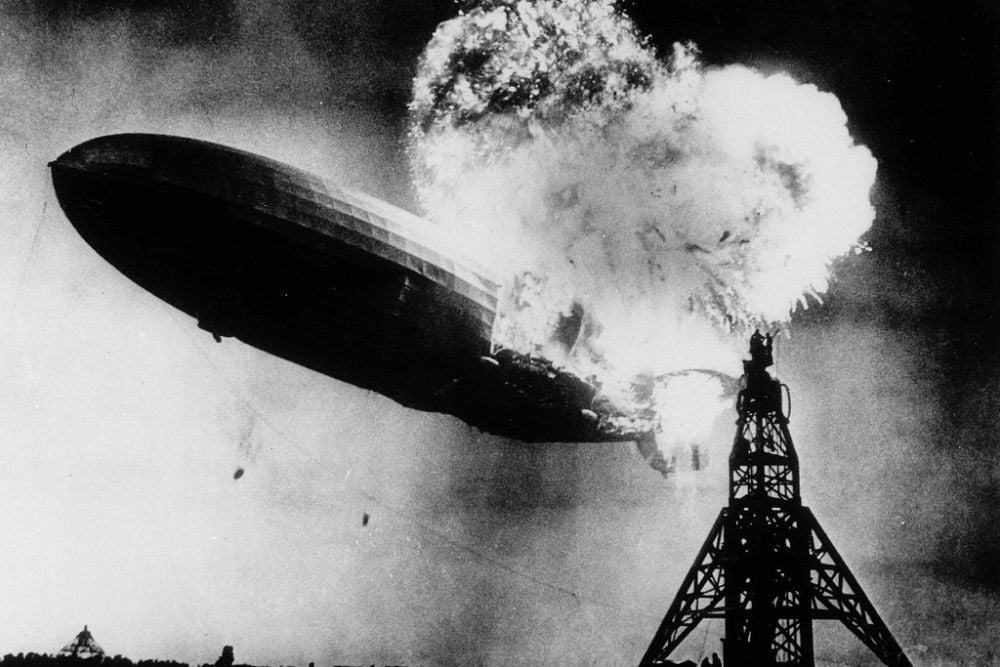
The entire disaster unfolded with terrifying speed. From the first visible flames to the airship being completely engulfed, it took only about 37 seconds.
Witnesses described seeing a small flicker near the tail section, followed by flames rapidly spreading throughout the massive structure. The hydrogen-filled airship was consumed so quickly that many passengers and crew had almost no time to react or seek escape routes.
Herbert Morrison Wasn’t Even Supposed to Be There

The radio reporter whose emotional broadcast became synonymous with the disaster, Herbert Morrison of Chicago’s WLS radio, wasn’t originally scheduled to cover the landing. He was sent to Lakehurst as part of a special feature on airship travel, which was considered the luxury transportation of the future.
His famous words, ‘Oh, the humanity!’ came during his live eyewitness account, though contrary to popular belief, his broadcast wasn’t heard live across America, it was recorded and aired the next day.
The Hindenburg Had Previously Made 36 Successful Transatlantic Crossings
Before its final flight, the Hindenburg had completed 36 transatlantic voyages without incident. The airship was the pride of Nazi Germany’s Zeppelin fleet and had successfully carried over 2,600 passengers across the Atlantic Ocean in the year before the disaster.
It had established itself as a reliable and luxurious means of transportation, which made the sudden and catastrophic nature of its destruction all the more shocking to the public.
Passengers Had Just Finished Lunch
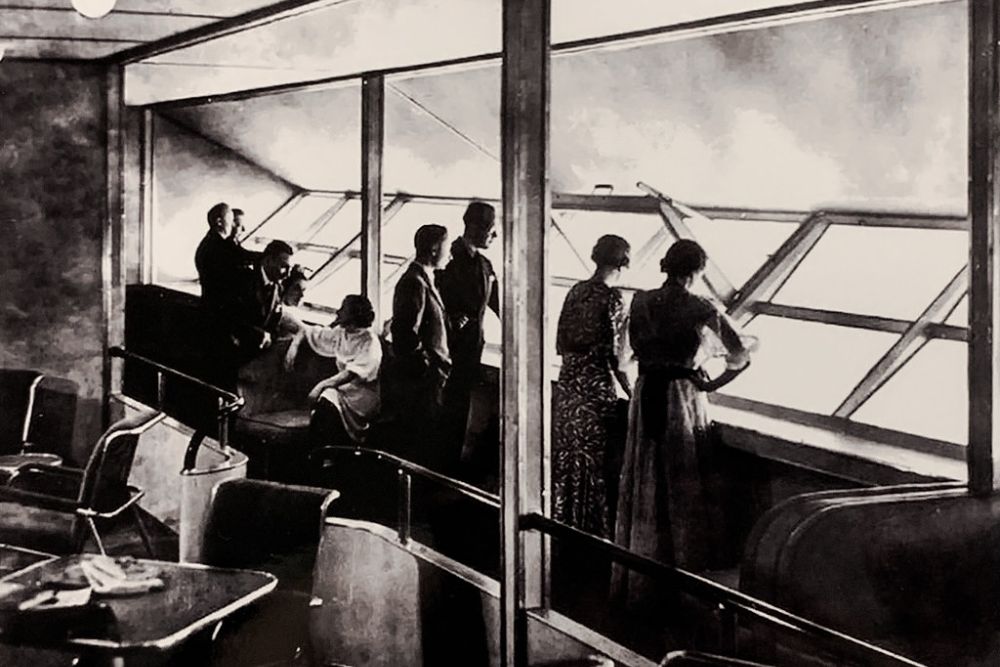
Minutes before the disaster, passengers on the Hindenburg had finished their lunch in the airship’s elegant dining room. The meal service had been expedited because they were preparing for landing.
Some survivors later recalled having just put away their belongings and gathered near the windows to see the approaching landing field when the fire broke out. This ordinary moment of travel routine made the sudden catastrophe even more jarring.
There Was a Dog on Board

A German shepherd named Ulla was the only animal aboard the final flight. The dog belonged to passenger Joseph Späh, a German acrobat returning from performances in the United States.
Späh had smuggled his pet aboard in defiance of regulations. When the fire broke out, he broke Ulla free from the kennel where she was being kept, but sadly, the dog did not survive the disaster.
Späh himself managed to jump from a window, suffering a broken ankle but otherwise surviving.
The Crew Was Highly Experienced

Captain Max Pruss and his crew were among the most experienced airship operators in the world. Pruss had served as a commanding officer on multiple Zeppelins and had thousands of hours of flight time.
Despite his extensive experience, he could do nothing to prevent the disaster once it began. Pruss survived the explosion but suffered severe burns to his face and body while trying to save passengers and fellow crew members.
The Landing Ropes Had Just Been Dropped

The timing of the disaster couldn’t have been worse from a flight operations perspective. The airship had just dropped its landing ropes to the ground crew and was in the final moments of mooring when the fire ignited.
The ground crew had actually grabbed the ropes and was preparing to winch the massive airship to its mooring mast. Had the fire occurred just a few minutes later, the airship would have been secured, and evacuation might have been more orderly.
Some Passengers Had Champagne in Hand

In a grim twist of fate, some first-class passengers were holding champagne glasses when disaster struck. As was traditional on luxury airship voyages, champagne was to be served during the landing procedure as passengers gathered at the windows to watch the spectacle of arrival.
Several survivors later recounted having just been handed glasses when they felt the airship shudder and saw the first signs of fire.
The Weather Vane Still Exists
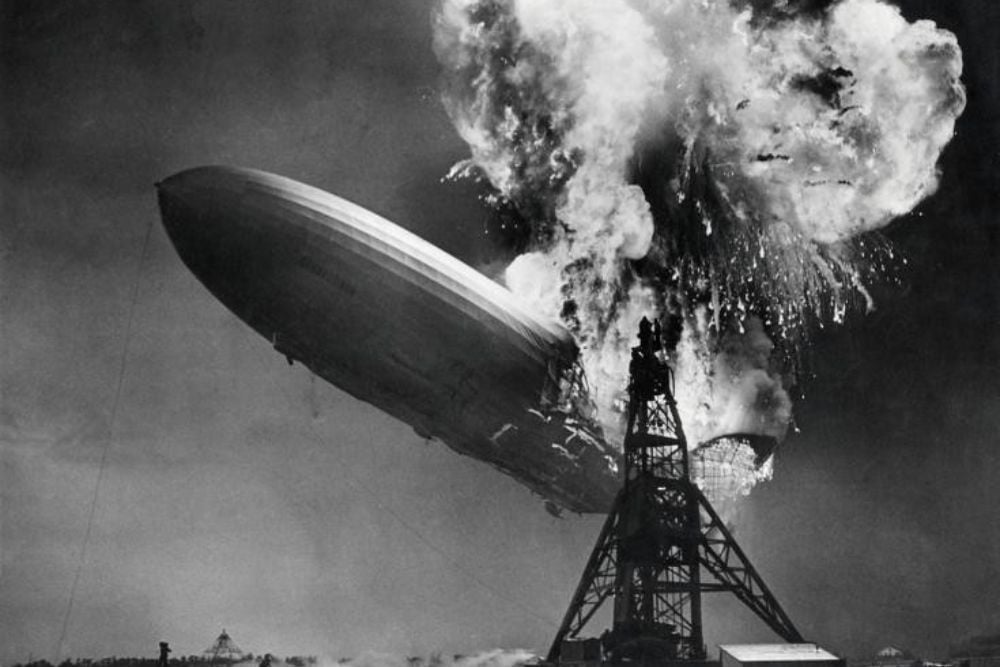
The airship was approaching the mooring mast when it burst into flames, and the impact damaged a weather vane at the landing field. That same weather vane still exists today at the crash site, which is now a National Historic Landmark.
The bent and damaged vane serves as one of the few remaining physical artifacts from that fateful day, standing as a silent witness to the disaster that changed aviation history.
Someone Took Color Photographs

While most images of the disaster are the famous black and white newsreel footage, there were actually color photographs taken that day. A passenger named Arthur Cofod Jr. had brought along a color camera and took several photos before the disaster.
Additionally, some professional color photos were taken of the burning wreckage. These rare color images give an even more vivid and haunting dimension to a historical event that most people only visualize in grayscale.
The Disaster Changed Radio Broadcasting Standards

Herbert Morrison’s emotional reporting during the disaster had a lasting impact on broadcast journalism. At the time, radio announcers were expected to maintain composed, detached deliveries regardless of circumstances.
Morrison’s raw emotional response, with his voice cracking and moments of speechlessness, changed expectations for broadcast journalism during traumatic events. His broadcast became a template for how reporters could convey the human impact of tragic events.
The Investigation Remains Inconclusive

Despite extensive investigations at the time and continued analysis by historians and scientists in the decades since, the exact cause of the Hindenburg disaster remains disputed. Theories range from sabotage to static electricity igniting leaking hydrogen, or even the airship’s outer covering being highly flammable.
A 2013 study suggested that the aluminum paint used on the outer skin may have contributed to a static spark that ignited leaking hydrogen, but no single theory has been definitively proven correct.
The Legacy Lives On
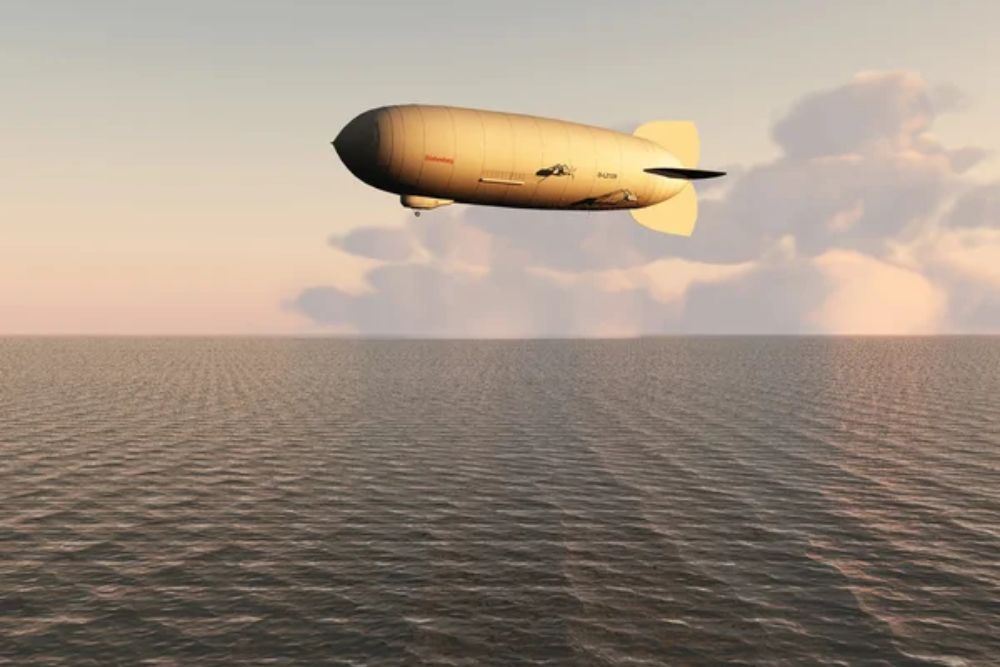
The Hindenburg disaster didn’t just end an era of airship travel; it changed how we think about transportation safety forever. Within hours of the disaster, companies around the world began reconsidering the use of hydrogen in aircraft.
The tragedy led directly to the development of stricter safety regulations across all forms of transportation. Today, the site in Lakehurst, New Jersey still attracts visitors who come to see the memorial and concrete outline marking where the massive airship fell to earth.
The disaster serves as a reminder of both human technological ambition and its inherent fragility.
More from Go2Tutors!

- The Romanov Crown Jewels and Their Tragic Fate
- 13 Historical Mysteries That Science Still Can’t Solve
- Famous Hoaxes That Fooled the World for Years
- 15 Child Stars with Tragic Adult Lives
- 16 Famous Jewelry Pieces in History
Like Go2Tutors’s content? Follow us on MSN.