20 Things from the 90s That Kids Nowadays Don’t Know
The 1990s felt like a different universe compared to today’s world. Technology was clunky, entertainment came in physical forms, and patience was a virtue everyone had to practice whether they liked it or not.
Kids grew up with experiences that seem almost ancient now, even though they happened just a few decades ago. Let’s take a look at some everyday realities from the 90s that today’s generation would find completely strange.
Rewinding VHS Tapes Before Returning Them
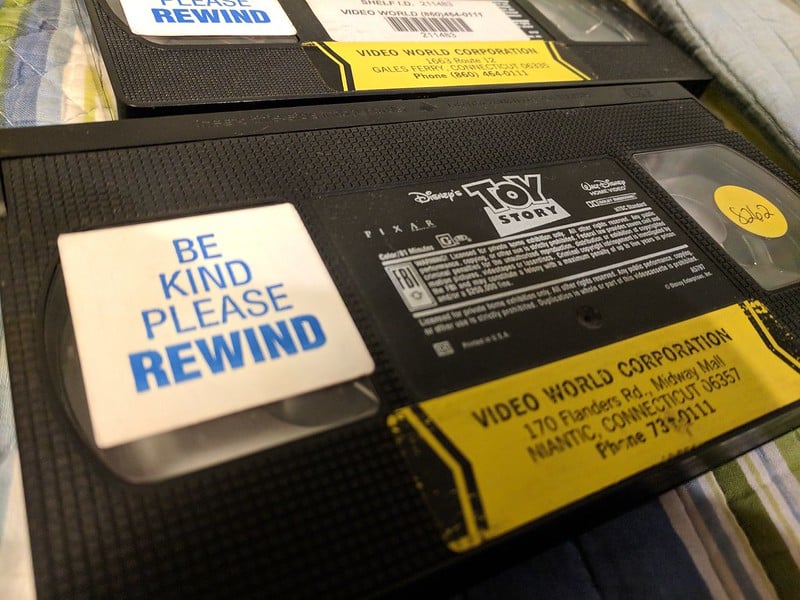
Video rental stores had a simple rule that everyone understood: be kind and rewind. Customers had to physically rewind their VHS tapes before bringing them back, or face a small fee.
Some people even bought separate rewinding machines because doing it in the VCR took forever and wore out the player. The whole process added an extra step to movie night that today’s instant streaming has completely eliminated.
Calling a House Phone and Asking for Someone

Making plans with friends meant calling their home number and hoping they answered. More often than not, a parent or sibling picked up first, which meant a brief conversation before finally reaching the intended person.
There was always that awkward moment of identifying yourself to someone else’s mom or dad. The idea of directly reaching someone through their personal device didn’t exist yet.
Waiting a Week for the Next Episode

Television shows aired on specific days at specific times, and missing an episode meant waiting months for a rerun. Fans gathered around their TVs at the exact moment their favorite show started, making it an event rather than background noise.
Entire families planned their evenings around must-see TV, and workplace conversations on Friday mornings revolved around what happened on Thursday night. Binge-watching wasn’t even a concept anyone could imagine.
Using a Paper Map in the Car

Road trips required actual navigation skills and a passenger willing to be the designated map reader. Folding those massive maps back to their original shape was practically impossible, so most glove compartments contained crumpled, coffee-stained maps.
Wrong turns meant pulling over to figure out where things went sideways, sometimes adding hours to a trip. The phrase ‘recalculating route’ didn’t exist because GPS was still a military tool.
Recording Songs Off the Radio
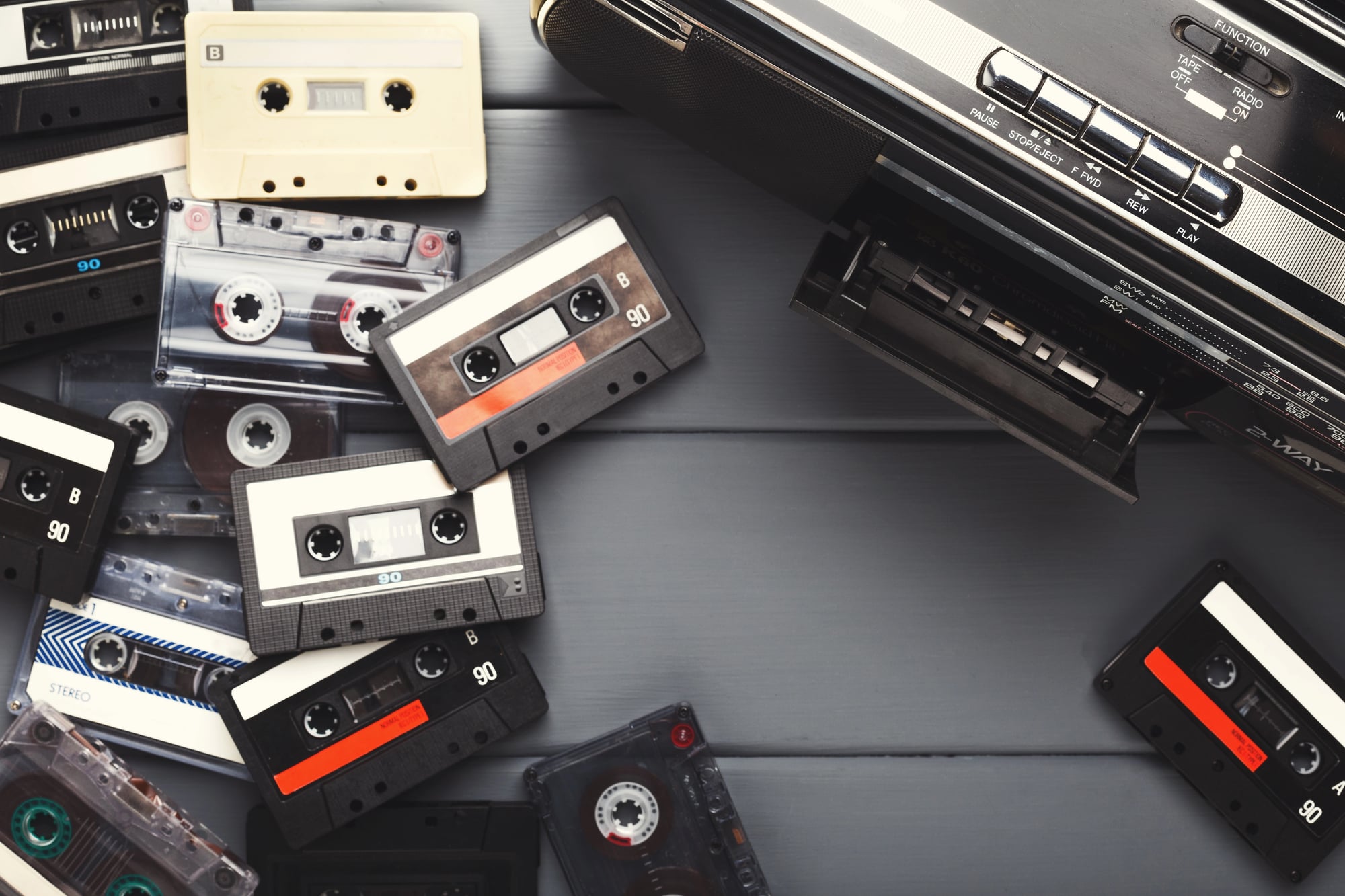
Creating the perfect mixtape meant sitting by the radio with a blank cassette, waiting for a favorite song to play. The goal was to press record at the exact right moment and stop before the DJ started talking over the ending.
Hours went into crafting these personalized music collections, which made them incredibly meaningful gifts. The frustration of finally hearing a song only to have it interrupted by a commercial break was universal.
Printed Directions from MapQuest

Early internet users discovered MapQuest, which provided turn-by-turn directions they could print before leaving home. These printouts became essential travel companions, though the directions sometimes led people to dead ends or nonexistent streets.
Drivers had to trust the paper in their hands because there was no way to adjust once the journey started. Running out of ink before printing meant either borrowing from a neighbor or memorizing the route.
Dial-up Internet Sounds

Connecting to the internet required unplugging the phone line and listening to a series of beeps, screeches, and static. The connection process took several minutes, and someone picking up the phone anywhere in the house would instantly disconnect everything.
Families argued over phone versus internet time since both couldn’t happen simultaneously. That distinctive connection noise became the soundtrack of digital exploration.
Blockbuster Late Fees

Renting movies came with strict return deadlines, and being even a day late meant paying extra. Some people racked up fees that exceeded the cost of actually buying the movie.
The walk of shame when returning overdue rentals was real, especially when the cashier announced the amount owed in front of other customers. Weekend releases often sold out completely, requiring backup movie choices.
Blowing Into Game Cartridges

When Nintendo games froze or wouldn’t load, the universal fix was removing the cartridge and blowing into it. Nobody knew if this actually worked or if it was just a placebo effect, but everyone did it anyway.
Game rental stores even had special cleaning kits, though most kids stuck with the blowing method. The ritual became so ingrained that it continued long after CD-based systems took over.
Writing in a Physical Diary with a Tiny Lock

Personal thoughts went into notebooks with flimsy locks that any determined sibling could pop open with a paperclip. These diaries held crushes, secrets, and daily observations that would seem trivial now but felt earth-shattering then.
The privacy they offered was mostly symbolic, but the act of handwriting private thoughts created a different kind of intimacy. Some people decorated their pages with stickers, ticket stubs, and photos from disposable cameras.
Watching Scrambled Premium Channels

Cable boxes in the 90s didn’t fully block premium channels, instead scrambling the picture into distorted, barely watchable images. Kids would sit there trying to make sense of the audio and occasional clear moments, hoping to catch something interesting.
The scrambled picture looked like digital confetti mixed with random color bars. Everyone knew someone who claimed to have a descrambler box, though it rarely worked as advertised.
Using Pay Phones with Collect Calls

Public pay phones stood on nearly every street corner, taking quarters for local calls. Long-distance calls cost significantly more, so people invented the collect call trick where they’d say their name as ‘Pickmeupatfive’ when the operator asked.
The recipient would decline the charges but get the message anyway. Pay phone booths even had phone books chained to them, thick yellow directories that somehow always had pages torn out.
Developing Film and Waiting Days for Photos
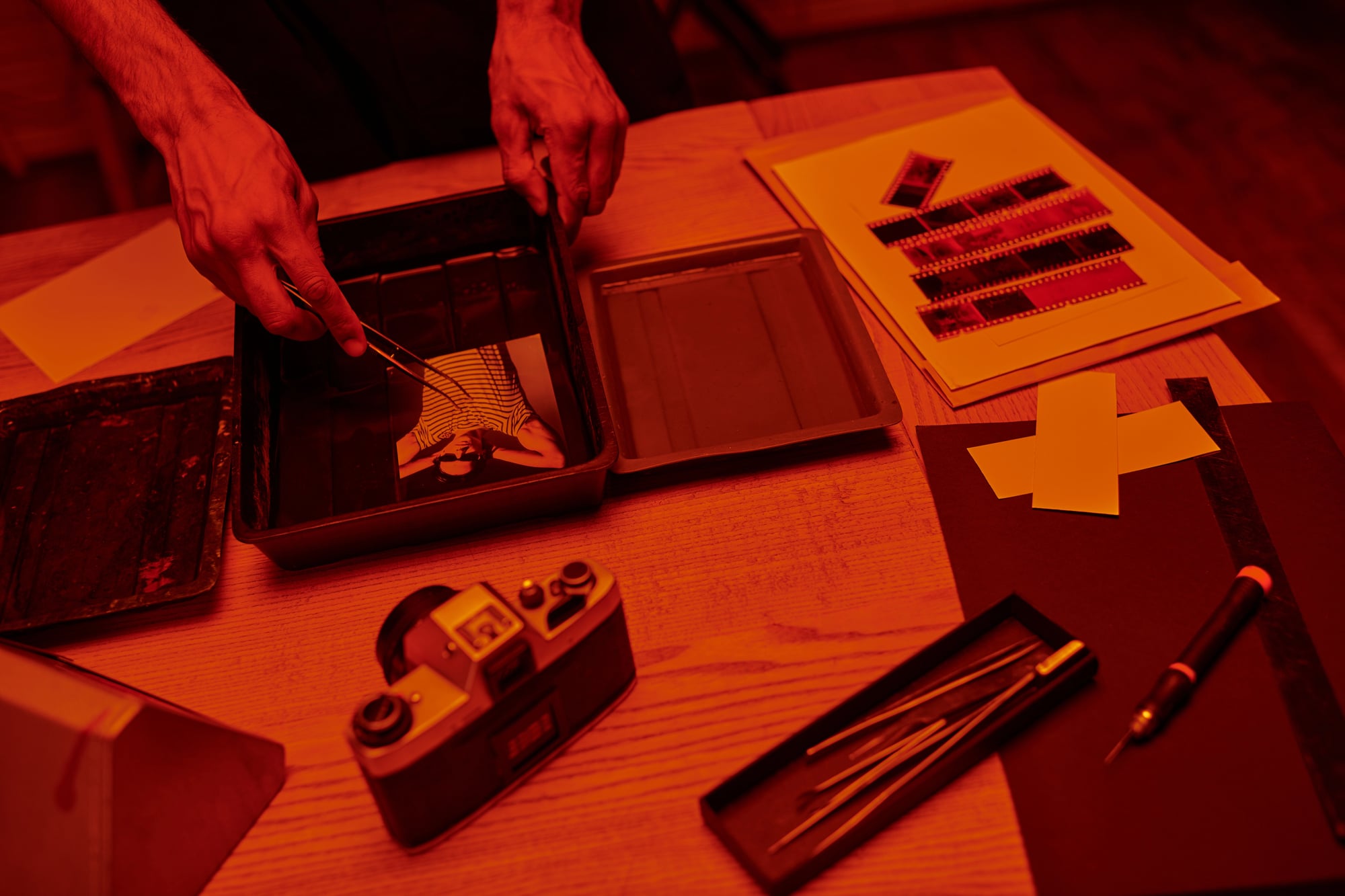
Taking pictures meant being selective because each roll of film only held 24 or 36 shots. After finishing a roll, it went to a pharmacy or photo shop for developing, which took anywhere from an hour to a week.
The anticipation of seeing how the photos turned out was part of the experience, along with the disappointment when half came out blurry. Double prints cost extra, and wallet-sized photos were the standard way to share images with friends.
TV Guide Magazine for Programming Schedules
Finding out what was on television required consulting a thick magazine that listed every channel’s schedule for the week. Families subscribed to TV Guide and planned their viewing based on its pages, circling shows they didn’t want to miss.
The magazine came out weekly, so any last-minute schedule changes weren’t reflected. Remote controls existed, but channel surfing meant genuinely not knowing what might be on.
Carrying a Discman with Anti-skip Protection

Portable CD players revolutionized music listening, but they had a major flaw: skipping. Walking, running, or any sudden movement could make the CD jump, interrupting the music.
Manufacturers eventually added anti-skip protection, which gave a few seconds of buffer using electronic memory. Still, anyone exercising with a Discman learned to move very smoothly or accept the constant interruptions.
Passing Notes in Class

Communication during school hours happened through elaborately folded paper notes passed hand to hand across classrooms. These notes contained everything from homework answers to relationship drama to Friday night plans.
Teachers confiscating notes and reading them aloud was a constant threat that added excitement to the exchange. The folding techniques themselves became an art form, with some patterns taking a dozen steps to complete.
Using Encyclopedias for Research

School reports meant trips to the library to check out heavy encyclopedia volumes from sets that cost hundreds of dollars. These books represented the most current information available, even though some were years out of date.
Students took handwritten notes or made photocopies of relevant pages, a process that could take hours. Home encyclopedia sets were status symbols that families displayed in living rooms.
Leaving Messages on Answering Machines
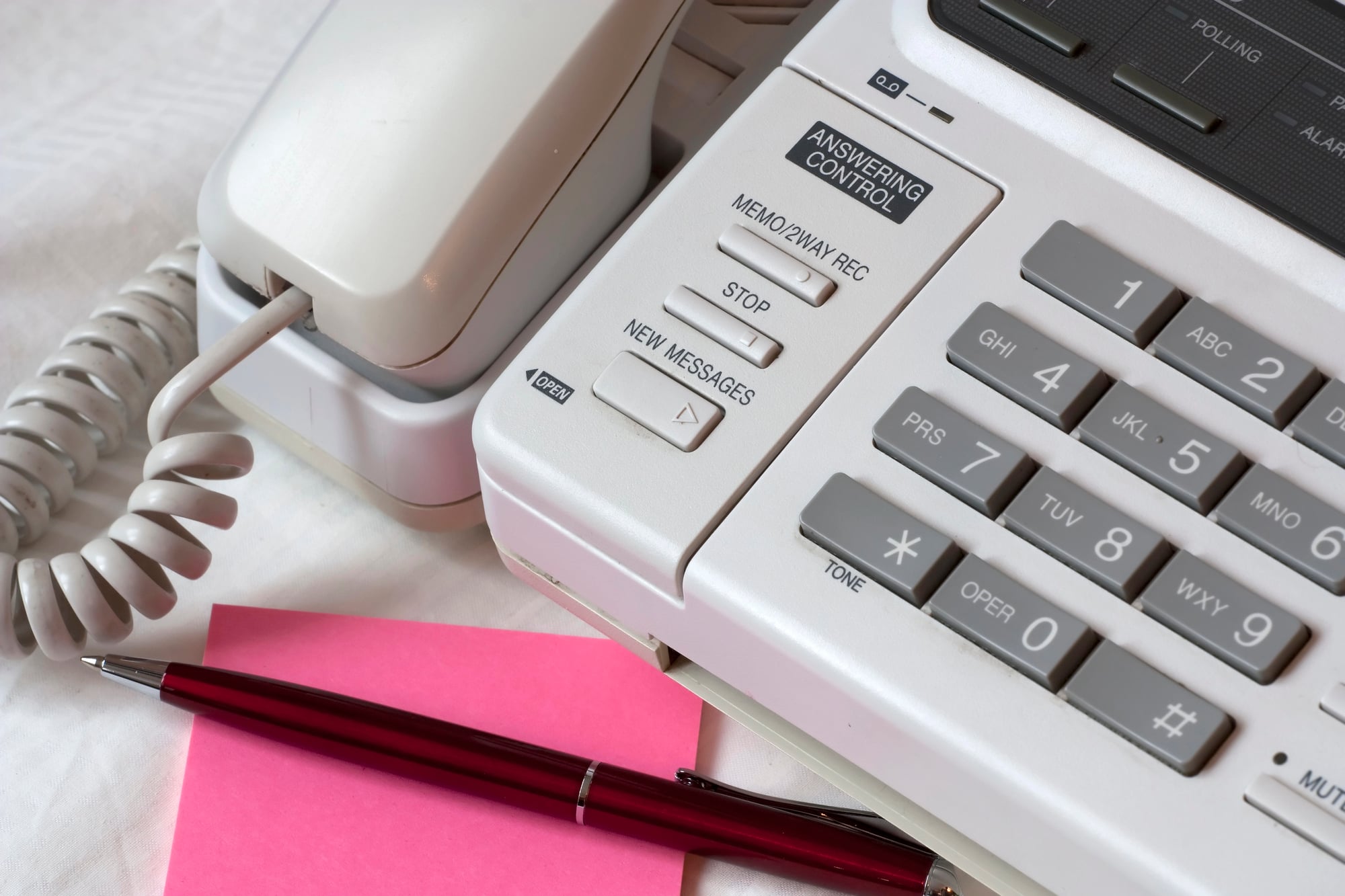
Answering machines recorded messages on tape when people weren’t home to answer their phones. Coming home meant checking the machine for a blinking light that indicated someone had called.
The outgoing message became a form of personal expression, with some people recording elaborate or funny greetings. There was always that moment of panic when accidentally recording over an important message.
Saturday Morning Cartoon Lineups

Mornings kicked off before sunrise, eyes glued to the screen as cartoon after cartoon unfolded – only on Saturdays did they play. Skip one weekend, miss a chunk of what happened; reruns were rare, so timing mattered.
Breakfast became a ritual: bowls filled with sweetened grain puffs, eaten cross-legged near the TV while still dressed in sleep clothes. Ad breaks slipped between scenes like clockwork, pushing plastic figures, candy-flavored oat bits, movies opening next month.
Each pause served up something new made just for those watching closely.
Adjusting Rabbit Ear Antennas for Better Reception
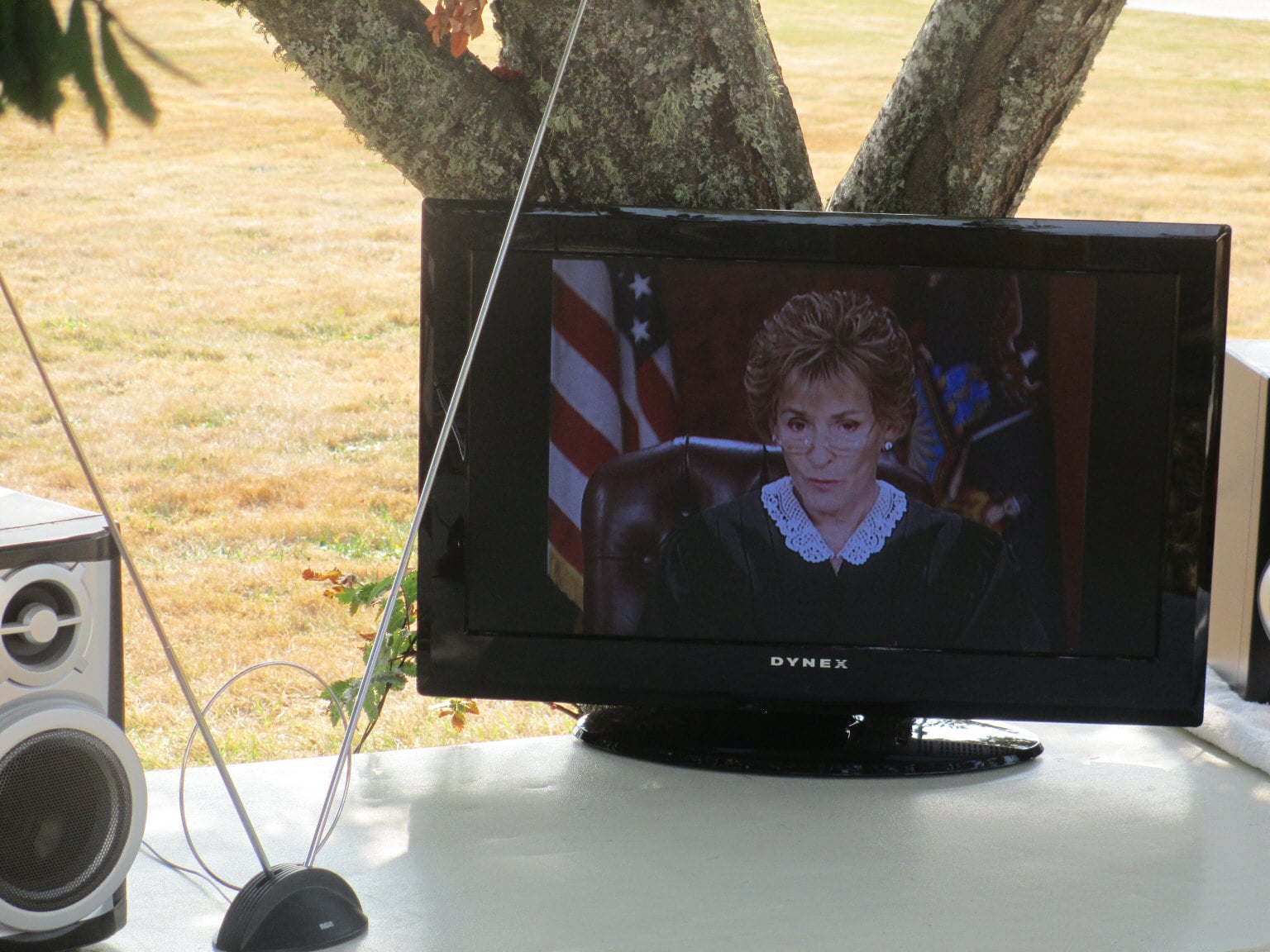
Standing beside the set, arms raised, adjusting thin metal rods usually meant better odds of a steady image on screen. One person twisted the wires while someone else called out from the couch when colors snapped into place.
Rain or wind could scramble everything, even if yesterday’s broadcast played without a hitch. Foil crumpled onto the ends sometimes helped – people tried it nearly every time signals faded.
Here Is Where Everything Disappeared

Flicking through a paper map under dim light taught focus few know today. Instant answers on glass screens replaced that slow search, changing how time feels spent.
Patience grew naturally when waiting was the only option available back then. Devices now think ahead so humans often do not bother preparing at all.
Stories about rewinding tapes to find one scene sound fictional to those born later. Connection meant delayed replies by mail or voice messages left behind.
Thirty short years flipped daily habits upside down without asking anyone first .
More from Go2Tutors!

- The Romanov Crown Jewels and Their Tragic Fate
- 13 Historical Mysteries That Science Still Can’t Solve
- Famous Hoaxes That Fooled the World for Years
- 15 Child Stars with Tragic Adult Lives
- 16 Famous Jewelry Pieces in History
Like Go2Tutors’s content? Follow us on MSN.