18 Building Materials That Repair Themselves Naturally
Imagine a world where buildings fix their cracks, roads seal their potholes, and concrete structures heal minor damage without human intervention. This isn’t science fiction—it’s happening right now through revolutionary self-healing materials that are transforming construction and engineering.
These innovative materials contain built-in repair mechanisms that activate when damage occurs, extending lifespans and reducing maintenance costs dramatically. Here is a list of 18 building materials that can repair themselves naturally.
Self-Healing Concrete

Traditional concrete develops cracks over time, but self-healing concrete contains dormant bacteria that spring into action when water enters a crack. These bacteria produce limestone as they consume nutrients embedded in the concrete, effectively sealing the damage.
The process works like having tiny construction workers living inside your building materials, ready to patch things up whenever needed.
Bio-Concrete with Limestone-Producing Bacteria
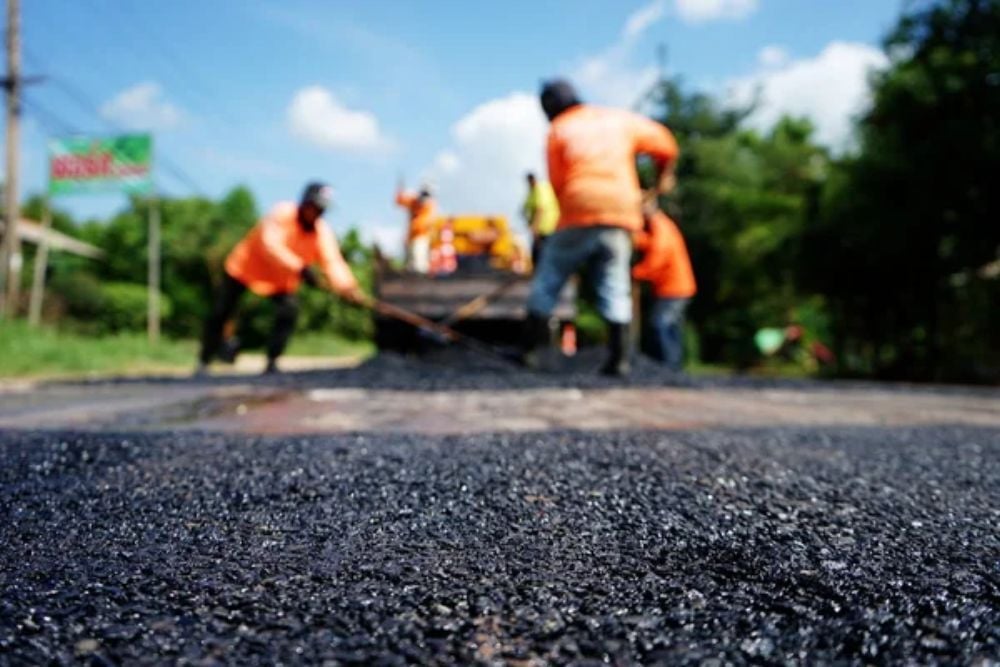
This specialized concrete goes beyond basic self-healing by incorporating specific bacterial strains that thrive in alkaline environments. When cracks form and moisture penetrates, the bacteria activate and begin producing calcium carbonate—essentially limestone—that fills and seals the gaps.
The material can heal cracks up to 0.8 millimeters wide completely on its own.
Like Go2Tutors’s content? Follow us on MSN.
Shape Memory Alloy Reinforced Materials

Shape memory alloys remember their original form and return to it when heated, making them perfect for self-repairing applications. When embedded in building materials, these alloys can close cracks by contracting back to their programmed shape when temperature changes occur.
It’s like having materials with a built-in memory of what they’re supposed to look like.
Microcapsule-Based Healing Systems

Tiny capsules filled with healing agents are distributed throughout these materials like microscopic first-aid kits. When damage occurs, the capsules break open and release their contents—usually polymers or adhesives—that flow into cracks and harden.
This creates an automatic repair system that works without any external intervention.
Vascular Self-Healing Composites

These materials contain networks of hollow channels, similar to blood vessels, filled with healing agents. When damage occurs, the ‘vessels’ rupture and deliver repair materials directly to the affected area.
The system can even be designed to flow continuously, providing ongoing protection and repair capability throughout the material’s lifetime.
Like Go2Tutors’s content? Follow us on MSN.
Self-Healing Asphalt

Road surfaces take tremendous abuse, but self-healing asphalt contains steel wool fibers that can be heated using induction heating. The heat softens the asphalt binder, allowing small cracks to close and the surface to reform.
Some versions use capsules filled with rejuvenating oils that activate when the pavement cracks.
Autonomic Healing Polymers

These advanced plastics contain catalyst systems that automatically trigger chemical reactions when damage occurs. The polymers can reform chemical bonds that were broken during cracking, essentially rewelding themselves at the molecular level.
They work like having molecular-scale repair crews constantly on standby.
Self-Repairing Coatings
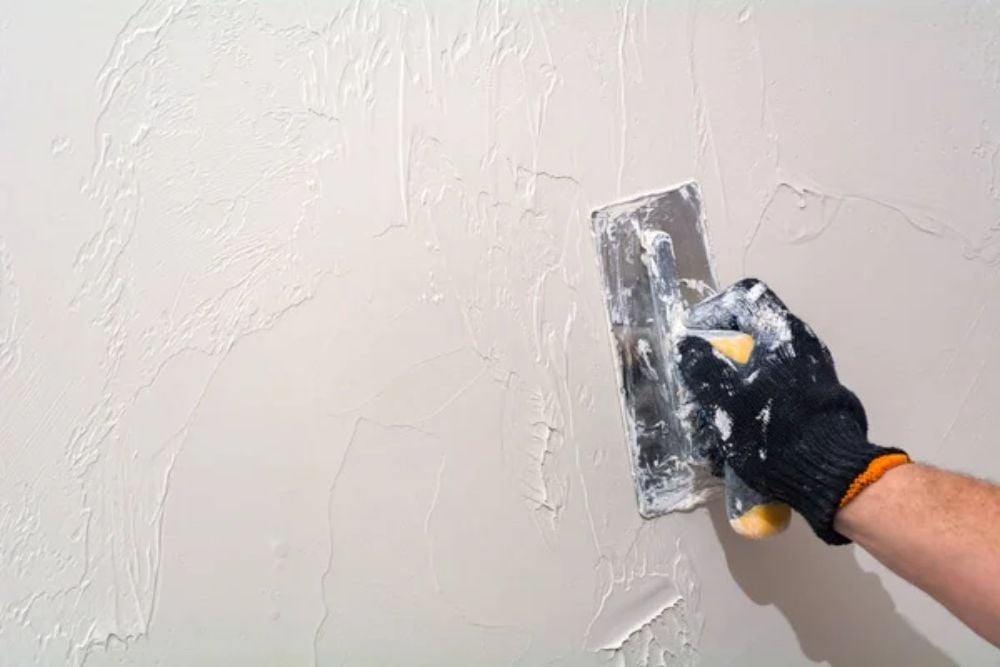
Protective coatings with self-healing properties contain reservoirs of coating material that release when scratches or chips occur. The material flows into the damaged area and cures, restoring the protective barrier.
These coatings are particularly valuable for exterior building surfaces exposed to weather and wear.
Like Go2Tutors’s content? Follow us on MSN.
Thermally Activated Healing Materials

Temperature changes trigger the repair process in these materials, making them ideal for climates with significant temperature fluctuations. The thermal cycling causes embedded healing agents to activate and flow into cracks, or it can trigger shape changes in embedded components that close gaps mechanically.
Fiber-Reinforced Self-Healing Composites

Hollow fibers distributed throughout these materials carry healing agents under pressure. When the composite cracks, it breaks the fibers and releases the healing agents directly into the crack.
The system provides both structural reinforcement and repair capability in a single solution.
pH-Triggered Healing Systems

These materials respond to chemical changes that occur during damage, particularly pH shifts. When cracks form and expose the material to environmental conditions, the pH change triggers the release of healing agents.
This makes them particularly effective for structures exposed to varying environmental conditions.
Like Go2Tutors’s content? Follow us on MSN.
Magnetic Field Activated Materials
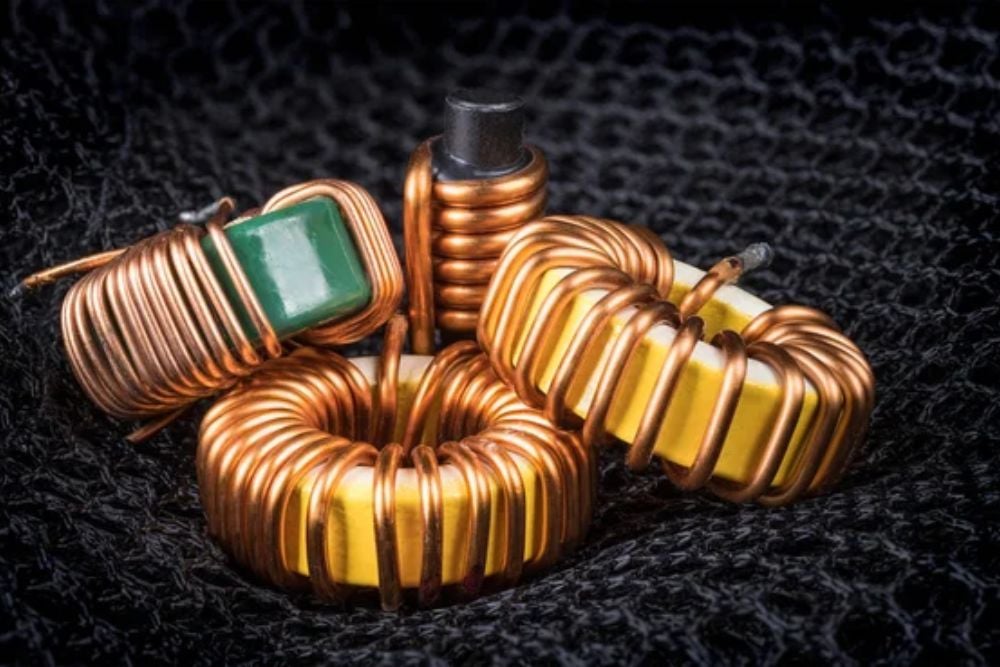
Embedded magnetic particles allow these materials to be healed using external magnetic fields. The magnetic forces can move healing agents through the material or cause shape changes that close cracks.
This gives building owners the ability to actively trigger healing processes when needed.
Enzyme-Based Healing Materials
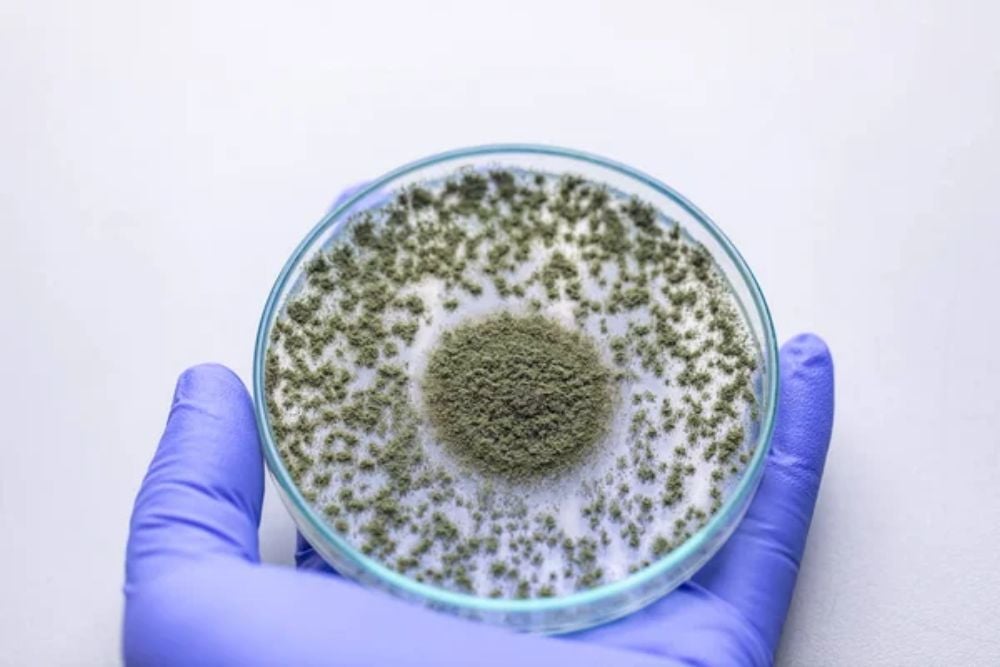
Living enzymes embedded in these materials catalyze repair reactions when damage occurs. The enzymes remain dormant until activated by specific conditions, then they facilitate chemical processes that rebuild the damaged material structure.
It’s like having biological repair mechanisms built into synthetic materials.
Light-Activated Self-Healing Systems

UV light or other specific wavelengths trigger healing processes in these photosensitive materials. When exposed to the right type of light, embedded photoinitiators start chemical reactions that repair cracks and restore material properties.
This allows for controlled, on-demand healing using natural or artificial light sources.
Like Go2Tutors’s content? Follow us on MSN.
Reversible Cross-Link Polymers

These materials can break and reform their internal chemical bonds repeatedly without losing strength. When stress causes bonds to break, they can reconnect automatically under the right conditions, healing the damage.
This gives the material multiple chances to repair itself over its lifetime.
Self-Healing Metal Alloys
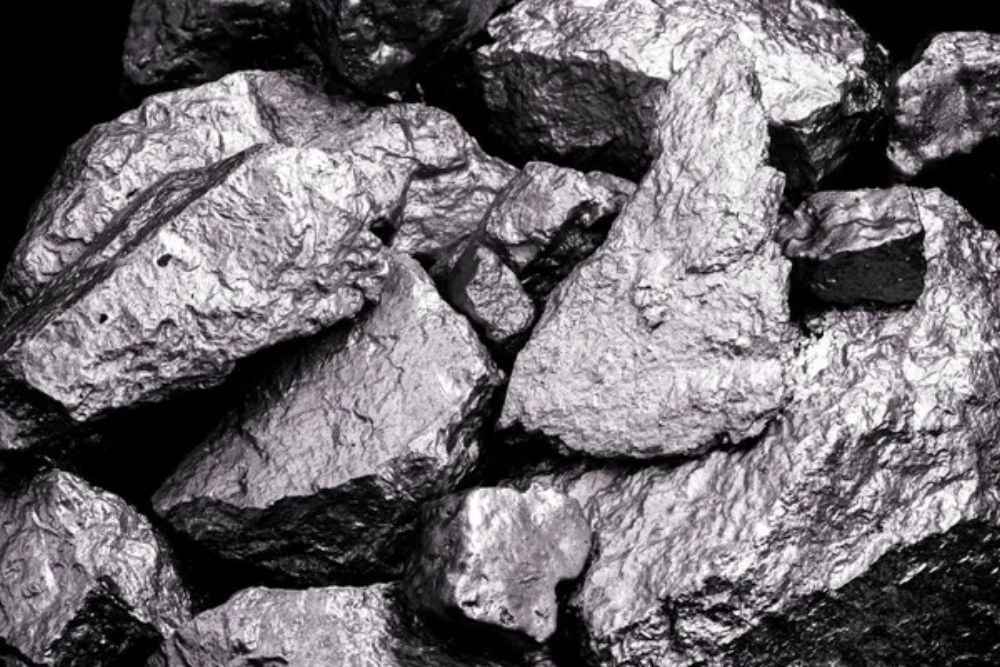
Specially formulated metal alloys can heal small cracks through diffusion processes at elevated temperatures. Atoms migrate to fill gaps and restore the metal’s structure, similar to how bone tissue repairs itself.
These materials are particularly valuable for structural components subject to thermal cycling.
Humidity-Responsive Healing Materials
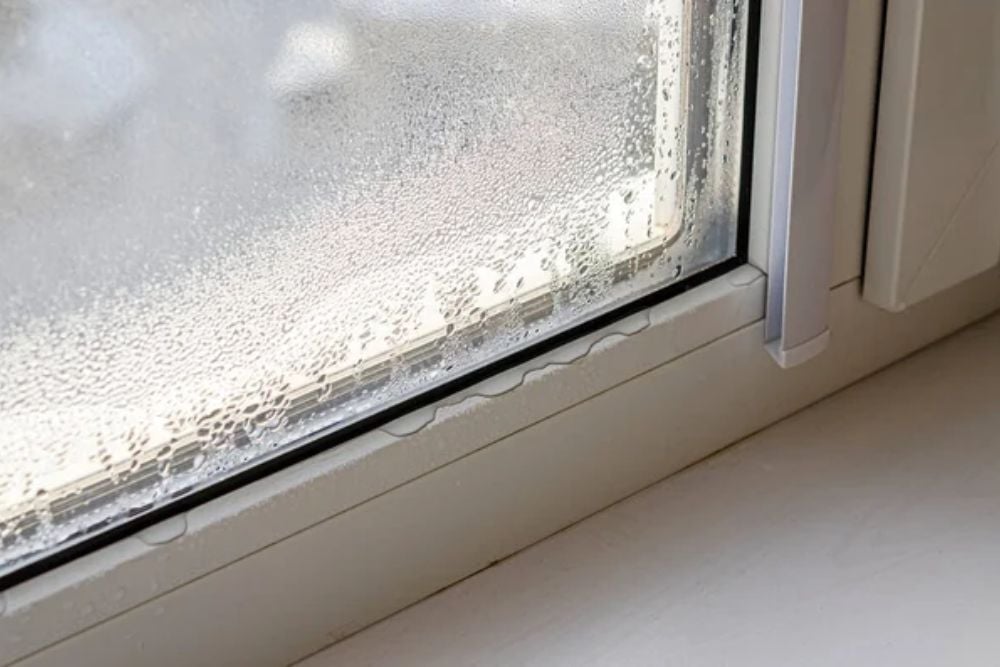
Moisture in the air triggers healing processes in these materials, making them well-suited for most building environments. When humidity levels reach certain thresholds, embedded healing agents activate and begin repairing any existing damage.
This provides ongoing protection in typical building conditions.
Like Go2Tutors’s content? Follow us on MSN.
Multi-Stage Healing Composites
These sophisticated materials have multiple healing mechanisms that activate in sequence, providing redundant repair capabilities. If the first healing system is exhausted or fails, backup systems take over to continue protecting the material.
This creates highly resilient building materials that can handle repeated damage over many years.
The Future Built to Last

Self-healing building materials represent a fundamental shift from reactive maintenance to proactive material design. These innovations are already reducing construction costs, extending building lifespans, and creating more sustainable infrastructure.
As these technologies mature and become more affordable, they’ll likely become standard components in construction, making our built environment more resilient and self-sufficient than ever before.
More from Go2Tutors!

- 16 Restaurant Chains That Went Too Fast
- 12 Things Sold in the 80s That Are Now Illegal
- 15 Strange Things People Have Tried to Ban (And Failed)
- 16 Collectibles People Tossed Out Too Soon
- 17 Myths from Your Childhood That Were Actually Based on Real Things
Like Go2Tutors’s content? Follow us on MSN.