Incredible Stories Of the Worst Typos in History
History loves a good mistake. The bigger the blunder, the more entertaining it becomes decades later.
Typos have a strange power to outlive the documents they were supposed to ruin, turning human error into legendary comedy. Sometimes a single misplaced letter can cost fortunes, spark international incidents, or accidentally rewrite religious doctrine.
These aren’t your everyday autocorrect fails or hasty email mistakes. These are the typos that made headlines, changed laws, and left their mark on history books.
Each one serves as a reminder that even the most careful proofreaders are still human — and humans have been making spectacular mistakes long before spell-check existed.
The Wicked Bible
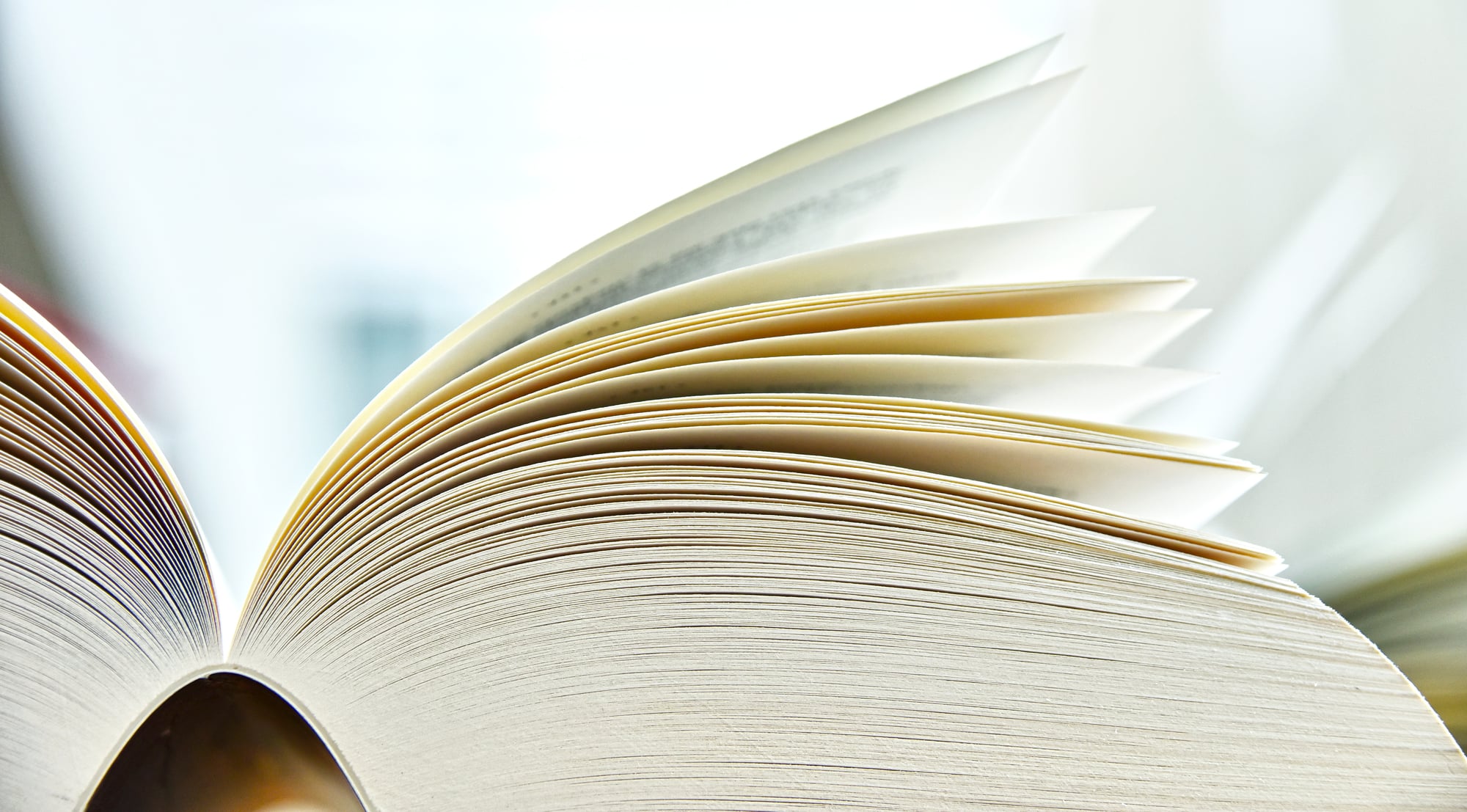
In 1631, royal printers Robert Barker and Martin Lucas produced what became known as the most expensive typo in publishing history. They accidentally omitted the word “not” from the seventh commandment, transforming “Thou shalt not commit adultery” into “Thou shalt commit adultery.”
King Charles I was not amused. The printers were fined 300 pounds — roughly equivalent to $50,000 today — and stripped of their printing license.
Most copies were destroyed immediately, but a few survived. Those rare copies now sell for tens of thousands of dollars, proving that sometimes the biggest mistakes become the most valuable treasures.
The Treaty Of Paris Translation Error
Diplomatic documents require precision, which makes the 1783 Treaty of Paris translation error particularly fascinating (and expensive). When American and British negotiators finalized the treaty ending the Revolutionary War, they had to work with multiple language versions — and the translators made a critical geographical mistake that would haunt both nations for decades.
The error involved boundary descriptions between what would become the United States and British Canada, specifically around the Lake of the Woods region. But here’s where it gets interesting: the mistake wasn’t caught until surveyors tried to actually map the border years later.
They discovered that the treaty’s language described geographical features that simply didn’t exist where the document claimed they should be. So both countries spent the next several decades arguing over territory that had been accidentally defined by a translator’s misunderstanding of North American geography.
NASA’s Hyphen Disaster
Space missions operate on precision measured in fractions of seconds. A single character can mean the difference between orbit and catastrophe.
In 1962, NASA’s Mariner 1 spacecraft lasted exactly four minutes and 53 seconds before ground control destroyed it. The culprit was a missing hyphen in the guidance computer’s code.
That tiny punctuation mark represented the difference between a successful Venus mission and $18.5 million worth of space debris. Engineers called it “the most expensive hyphen in history.”
The Chilean Peso Coin Mistake
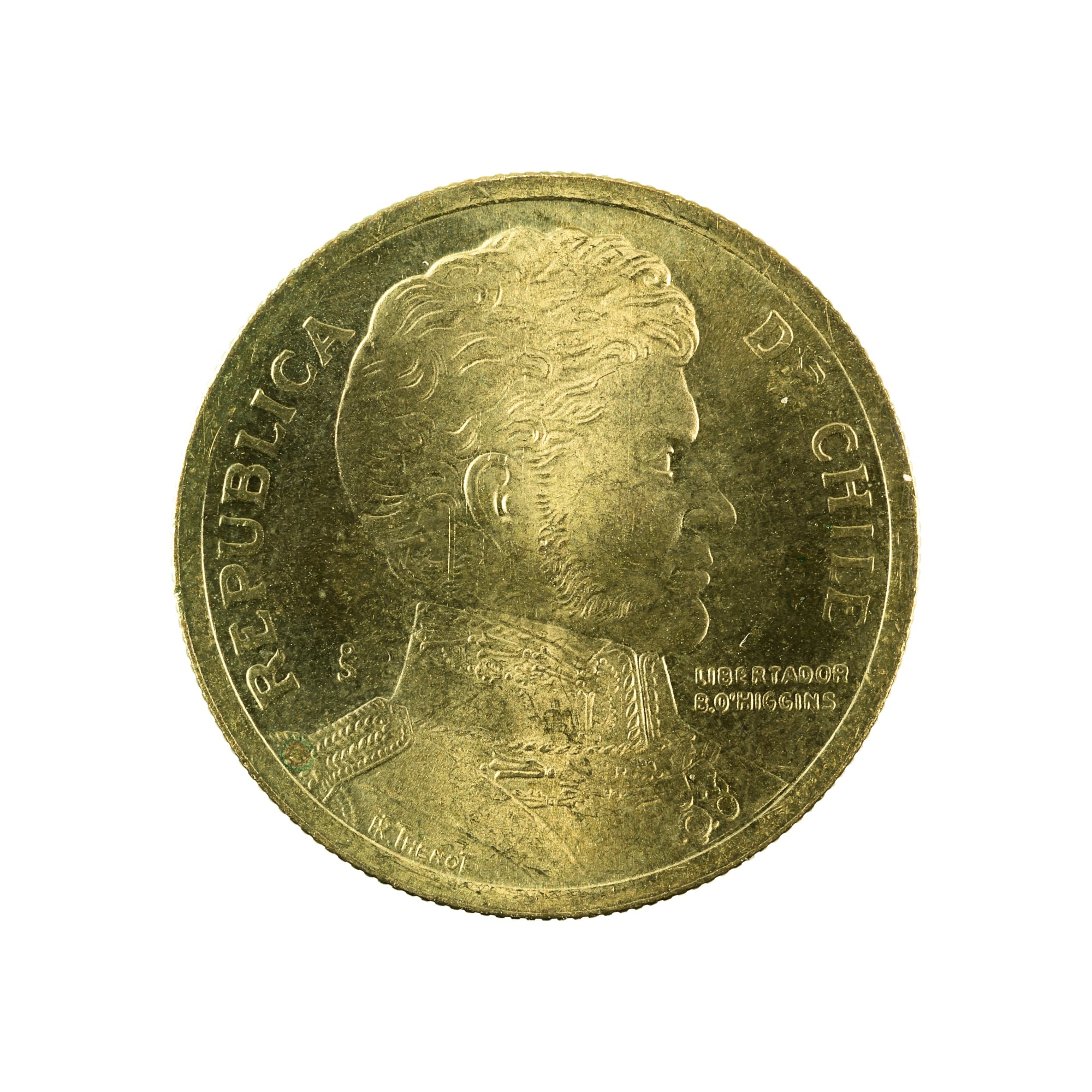
The Chilean mint proved that even government institutions aren’t immune to embarrassing typos. In 2008, they released thousands of 50-peso coins with “CHIIE” instead of “CHILE” stamped on them.
The error went unnoticed for months. By the time officials caught it, the misprinted coins were already in circulation across the country.
Rather than recall them, Chile decided to let the mistake stand. Those coins are still legal tender today, serving as permanent reminders that proofreading matters even in government mints.
The $225 Million Comma
Punctuation carries weight in legal documents — sometimes more weight than anyone expects. In 2006, a misplaced comma in a Canadian telecommunications contract cost Rogers Communications $2.13 million (Canadian), which translates to roughly $225 million in today’s currency when you factor in the broader implications.
The contract was supposed to lock in a five-year rate with Aliant Inc., but the comma placement suggested that either party could cancel the agreement with one year’s notice. And that’s exactly what Aliant did.
The comma sat there, innocent and tiny, while lawyers argued over whether it changed the entire meaning of the multi-million-dollar agreement. (It did.)
Rogers eventually had to renegotiate at much higher rates, all because someone placed a comma where a semicolon belonged — or maybe where no punctuation belonged at all.
The Bible’s “Fool” Psalm
Religious texts demand accuracy, yet human error creeps in anyway. The 1702 “Printers Bible” contained a typo that transformed Psalm 14:1 from a statement about godlessness into an absurd contradiction.
The verse should read “The fool hath said in his heart, there is no God.” Instead, it printed as “The fool hath said in his heart, there is a God.”
The theological implications were staggering. Suddenly, the Bible appeared to be calling believers fools rather than atheists.
Church leaders were horrified, printers scrambled to fix the error, and collectors eventually turned the mistake into a valuable curiosity.
The Pasta Sauce Stock Crash
Markets move on information, and sometimes that information gets scrambled in transmission. In 2013, a single-letter typo in a press release caused Unilever’s stock to plummet temporarily, wiping out millions in market value within minutes.
The press release was supposed to announce the sale of certain food brands. Instead, a typo suggested that Unilever was selling its entire food division — including major brands worth billions.
Automated trading systems picked up the “news” and began selling Unilever shares rapidly. Human traders quickly realized the error, but not before the stock had taken a significant hit.
The whole episode lasted less than an hour, yet it demonstrated how a single mistyped character could create financial chaos in the digital age.
Yellow Pages’ $10 Million Mistake
Business directories seem straightforward enough until someone makes a catastrophic alphabetization error. In 1988, Yellow Pages accidentally listed a company under the wrong letter, causing a legal battle that lasted years.
The company had paid premium rates for prominent placement under their correct alphabetical category. Instead, they ended up buried in the wrong section where customers would never find them.
Sales plummeted, the business suffered significant losses, and the owners sued Yellow Pages for damages. The case eventually settled for several million dollars, making it one of the most expensive alphabetization mistakes in publishing history.
The Gerber Baby Food Scare

Sometimes typos create panic rather than just embarrassment. In 1995, a misprint in Gerber’s ingredient list sparked nationwide concern about baby food safety.
A packaging error listed “salt” instead of the actual preservative ingredient. Parents across the country panicked, thinking Gerber was adding inappropriate amounts of sodium to infant formula.
The company had to issue immediate recalls, publish corrected information, and launch a public relations campaign to reassure customers. The incident cost millions in lost sales and damaged consumer confidence, all because someone typed the wrong ingredient name on thousands of labels.
The Declaration Of Independence Draft Error
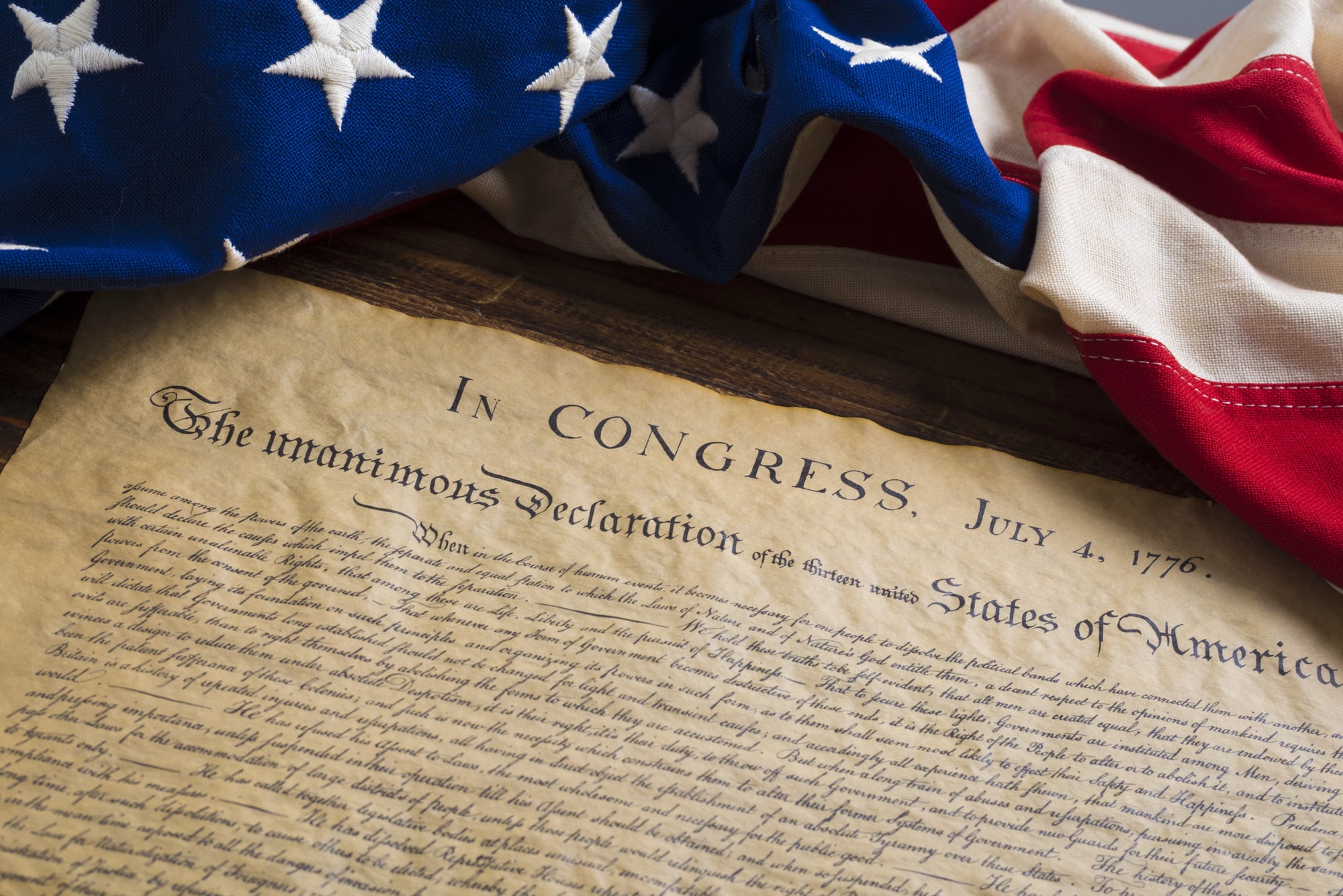
Even America’s founding documents weren’t immune to typos. John Hancock’s secretary made a transcription error in one of the early copies of the Declaration of Independence that changed the meaning of a crucial phrase about taxation.
The error didn’t affect the final version that was signed and ratified, but it caused confusion among delegates who were working from different copies. Some historians argue that the typo actually led to more robust debate about the specific language, ultimately improving the final document.
Sometimes mistakes force people to pay closer attention to what they’re actually trying to say.
The Medical Journal Dosage Error

Medical publications require absolute precision, especially when it comes to drug dosages. In 1999, a decimal point error in a prominent medical journal caused doctors worldwide to prescribe medication at ten times the intended strength.
The journal had to issue immediate corrections and contact medical institutions globally to prevent patient harm. Several hospitals reported adverse reactions before the error was caught and corrected.
The incident led to stricter proofreading protocols for medical publications and highlighted how typos in scientific literature can have serious consequences.
The Olympic Ceremony Program Mistake
The 1988 Seoul Olympics opening ceremony program contained a typo that inadvertently created an international diplomatic incident. The error misspelled the name of a participating country in a way that referenced a sensitive historical dispute.
The mistake appeared in programs distributed to thousands of international visitors and was broadcast on television worldwide. Diplomatic protests followed, apologies were issued, and the organizing committee had to reprint all materials at considerable expense.
The error became a reminder that even ceremonial documents require careful attention to political sensitivities.
The Stock Symbol Mix-Up
In 2005, a Japanese broker’s typo triggered one of the largest single-day trading losses in market history. The trader meant to sell one share for 600,000 yen but instead typed an order to sell 600,000 shares for one yen each.
The error wasn’t caught immediately because the company’s systems allowed the transaction to proceed. By the time anyone noticed, massive sell orders had already flooded the market, causing the stock price to crash and creating losses estimated at $225 million.
The incident led to improved safeguards in electronic trading systems and became a cautionary tale about the importance of double-checking orders before hitting “enter.”
When Letters Change Everything
These stories share a common thread that runs deeper than simple carelessness. They reveal how much trust we place in the written word and how quickly that trust can be shaken by a single misplaced character.
Each typo represents a moment when human fallibility collided with systems designed to be perfect — legal contracts, religious texts, financial markets, government documents. The truly remarkable thing isn’t that these mistakes happened, but how they expose the delicate balance between human oversight and technological precision.
Even in our age of spell-check and autocorrect, the most consequential errors often slip through because they’re technically correct words used in the wrong context. No computer would flag “CHIIE” as wrong if it didn’t know it was supposed to be a country’s name.
More from Go2Tutors!

- The Romanov Crown Jewels and Their Tragic Fate
- 13 Historical Mysteries That Science Still Can’t Solve
- Famous Hoaxes That Fooled the World for Years
- 15 Child Stars with Tragic Adult Lives
- 16 Famous Jewelry Pieces in History
Like Go2Tutors’s content? Follow us on MSN.