Actors Fired For Bizarre Reasons
Behind the scenes, Hollywood thrives on chaos few see coming. When deals crumble without warning, it’s usually not about fame or money.
A shift in direction between director and star can freeze everything mid-motion. Fans notice only when names vanish from credits.
Just yesterday someone was set to lead a film – today another face shows up instead. What looks like chance often hides tensions too tangled to fix.
Nowhere is stability guaranteed when tensions rise behind closed doors. Sometimes it’s a small clash, other times a video shown too soon.
Projects shift before people do, that much seems clear. Reputation matters less once cameras stop rolling.
Decisions land fast, especially if money’s involved. What feels sudden often has warning signs off screen.
Take a moment to consider performers let go under circumstances odder than most would expect. Some exits came without warning, others followed strange demands.
A few left after decisions that made little sense even then. Each story carries its own twist, defying what feels normal in show business departures.
Ryan Gosling
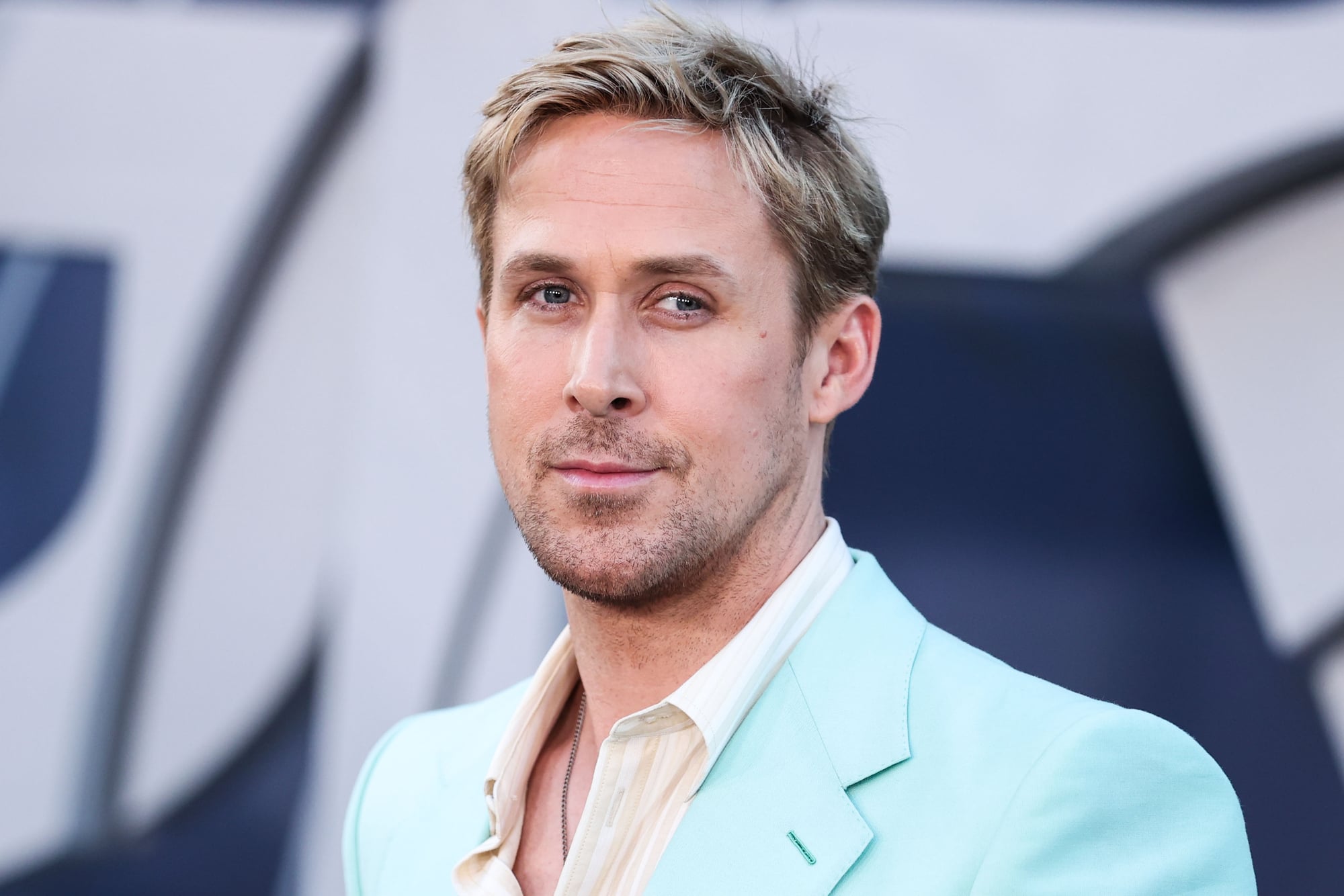
In 2009, Ryan Gosling was cast in Peter Jackson’s adaptation of The Lovely Bones. He began preparing for the role by gaining a significant amount of weight, believing the character required a heavier physical presence.
When filming approached, Jackson reportedly disagreed with that interpretation. The production moved forward without him, and Mark Wahlberg ultimately stepped into the part.
The explanation centered on creative differences, but the visual transformation made headlines. The idea that an actor could lose a major role for committing too fully to a vision felt almost ironic.
Still, the situation underscored how tightly controlled large studio projects can be. When interpretation and direction fall out of sync, even well-intentioned preparation can become a liability.
Megan Fox

Megan Fox was removed from the Transformers franchise after publicly criticizing director Michael Bay’s working style. Her comments compared his directing approach to that of a dictator, and the remarks quickly circulated in entertainment media.
Shortly after, she did not return for the third installment. Official explanations emphasized production decisions, but industry observers widely connected her departure to the public dispute.
The timing made the message clear: major franchises often have little tolerance for public criticism. Even so, Fox later reflected that the experience shaped her career perspective.
The episode became a case study in how public comments can alter professional trajectories in blockbuster filmmaking.
Charlie Sheen
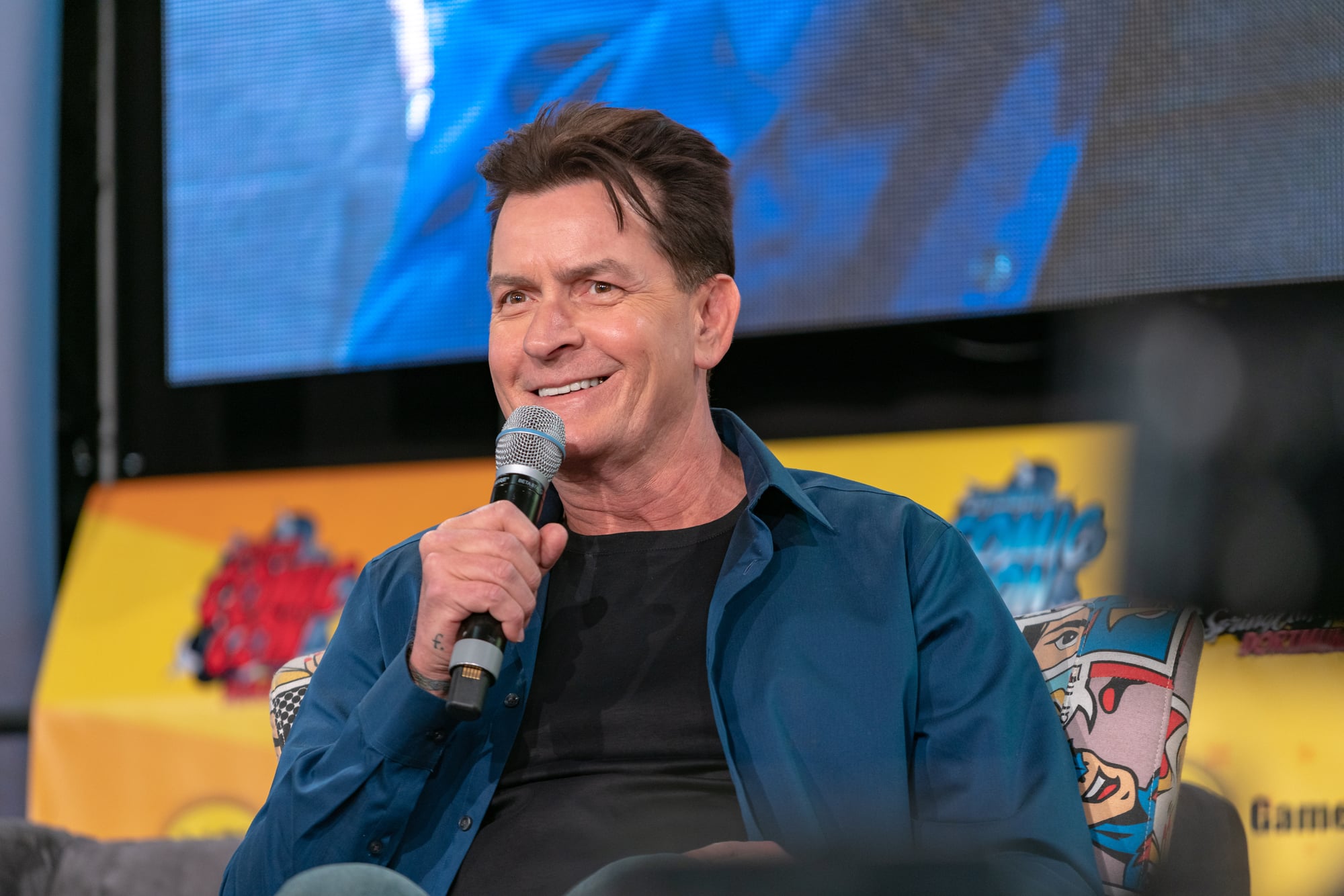
Charlie Sheen’s exit from Two and a Half Men was less quiet and far more chaotic. After public feuds, erratic interviews, and clashes with series creator Chuck Lorre, Sheen was formally dismissed from the show in 2011.
At the time, it was one of the highest-rated sitcoms on television. The firing followed a string of headlines that blurred the line between personal conduct and professional responsibility.
The network ultimately decided the turmoil was too disruptive to continue. Ashton Kutcher was later cast as a new character to sustain the series.
The situation highlighted how off-screen behavior can directly affect long-running productions. Even a central star can be replaced when instability threatens the broader project.
Edward Norton

Edward Norton played Bruce Banner in the 2008 film The Incredible Hulk, part of the early Marvel Cinematic Universe. Despite the film’s moderate success, Norton did not return for future installments.
Marvel Studios later cited creative differences as the reason for recasting the role with Mark Ruffalo. Reports suggested that Norton’s hands-on involvement in script revisions and editing created tension.
While not dramatic in a tabloid sense, the departure surprised fans who expected continuity in a developing franchise. On the other hand, the recast ultimately became one of the smoother transitions in superhero film history.
It demonstrated how studios sometimes prioritize collaborative chemistry over individual vision.
Stuart Townsend
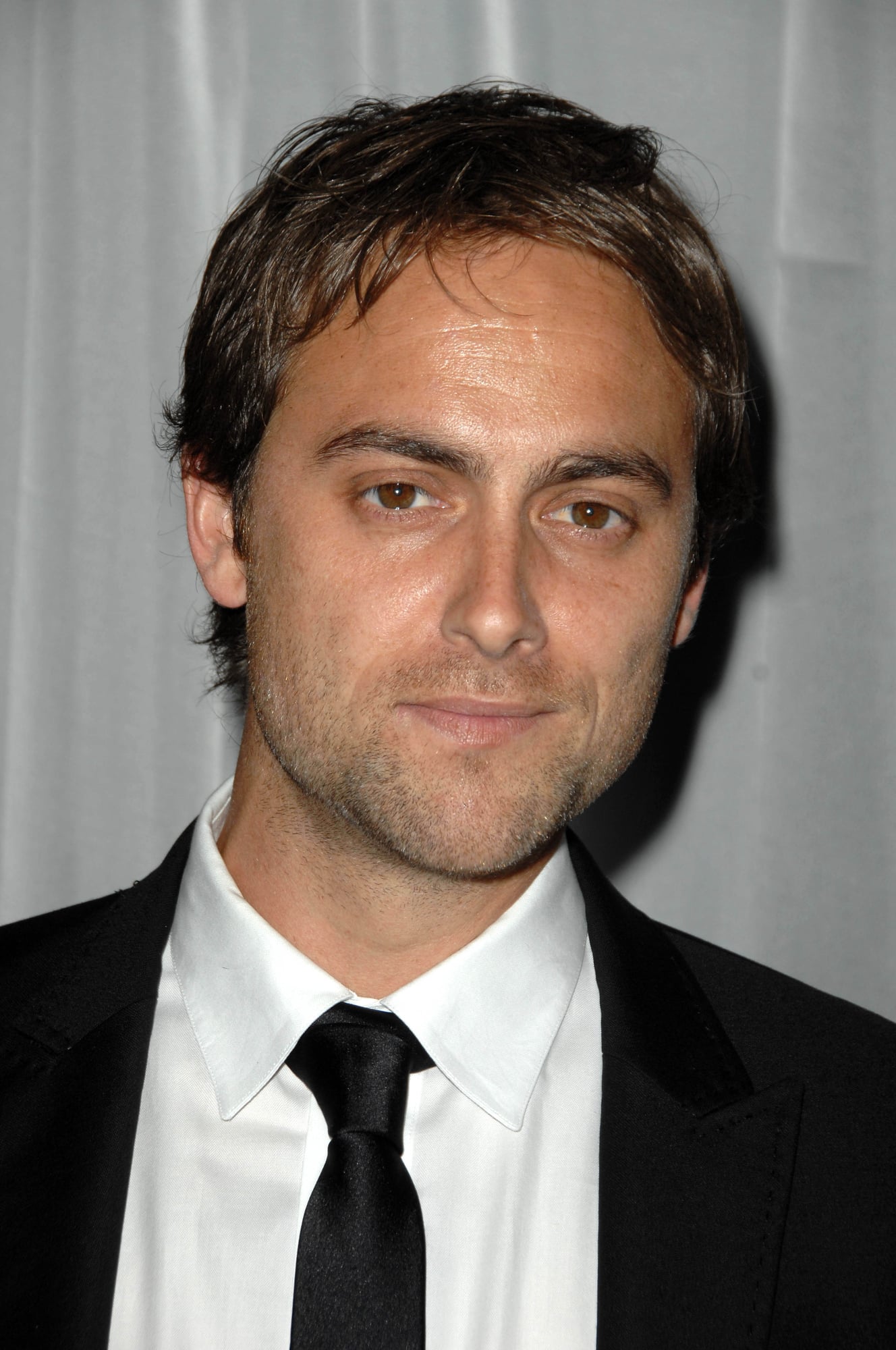
Stuart Townsend was originally cast as Aragorn in The Lord of the Rings trilogy. After rehearsals and initial preparations, director Peter Jackson made a last-minute decision that the role required an older presence.
Townsend was replaced by Viggo Mortensen just days before filming began. The abrupt change stunned observers, given the scale of the production.
Recasting a lead character so close to shooting could have derailed the schedule. Instead, Mortensen’s portrayal became iconic.
The episode remains one of the more dramatic examples of a creative pivot at the eleventh hour. It reflects how casting decisions can evolve even after months of planning.
Terrence Howard

Terrence Howard portrayed James Rhodes in the first Iron Man film. When negotiations began for the sequel, contract discussions reportedly broke down over salary adjustments.
Howard was subsequently replaced by Don Cheadle. The situation became a talking point because Howard had been one of the higher-paid actors in the original film.
The rapid rise of the franchise shifted leverage within the cast. Financial disagreements, rather than performance concerns, drove the change.
That said, the recast blended into the growing Marvel universe with minimal disruption. Audiences adapted quickly, illustrating how franchises can absorb even noticeable cast alterations.
Lori Petty
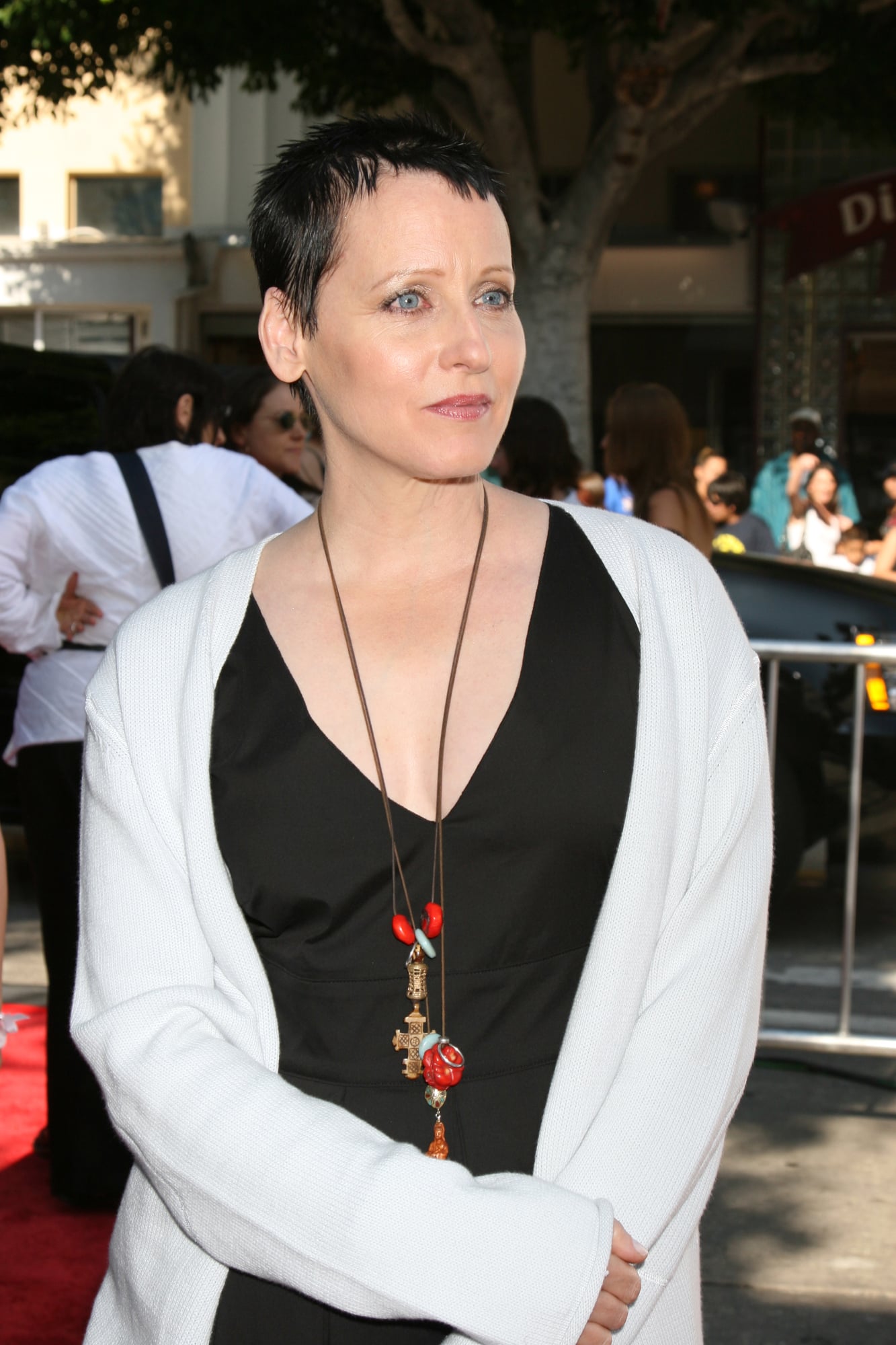
Lori Petty was initially cast as the female lead in Demolition Man. After early filming, she was replaced by Sandra Bullock.
Official statements cited a lack of chemistry between Petty and co-star Sylvester Stallone. The reason stood out because chemistry is often subjective.
Recasting after filming begins is costly and logistically complicated. Yet studios sometimes make swift changes to preserve perceived on-screen dynamics.
In hindsight, Bullock’s performance helped elevate the film’s profile. Still, the decision remains an example of how intangible factors can outweigh prior commitments.
James Remar
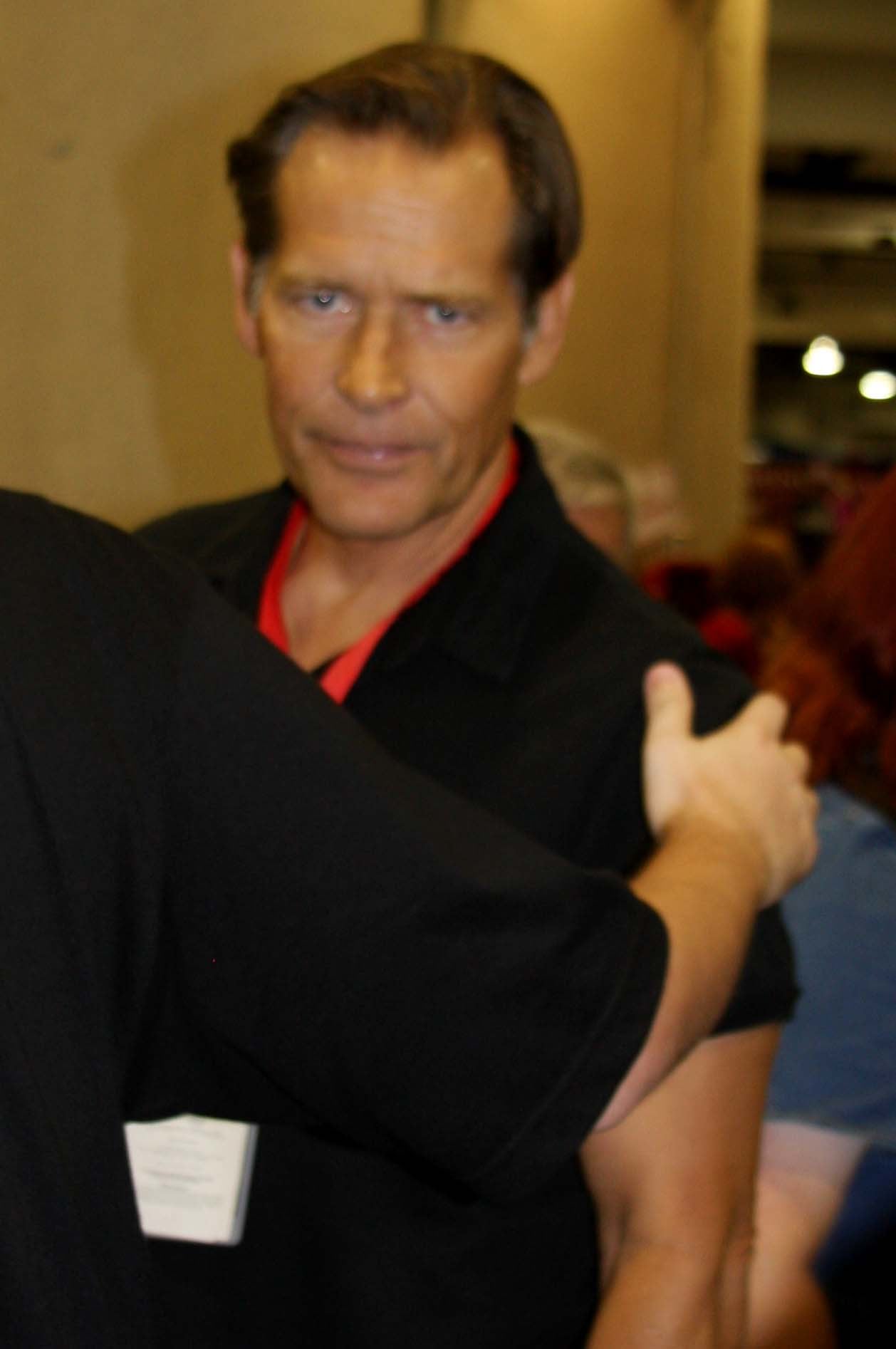
James Remar was originally cast as Corporal Hicks in Aliens. After filming had already begun, he was dismissed and replaced by Michael Biehn.
Reports later revealed that Remar’s departure stemmed from personal issues affecting production. The recasting required creative adjustments and reshoots.
For a major sequel, that level of disruption could have been risky. Instead, the film went on to become a genre landmark.
The incident shows how behind-the-scenes challenges can quietly reshape a film’s final form without most audiences ever realizing it.
Kevin Spacey

Kevin Spacey’s removal from All the Money in the World marked one of the most high-profile recastings in recent memory. After allegations surfaced against him in 2017, director Ridley Scott made the decision to replace Spacey with Christopher Plummer.
The film was already completed. The production undertook extensive reshoots just weeks before release.
Plummer filmed his scenes rapidly, and the revised version premiered on schedule. The scale and speed of the replacement were unprecedented.
The move reflected a broader industry shift toward reputational accountability. Studios increasingly weigh public perception and ethical considerations alongside financial investment.
Why These Firings Still Fascinate

Sometimes a fired actor makes headlines, simply by showing how shaky big jobs really are. Not teamwork alone keeps shows alive – image matters just as much, yet timing often decides everything.
Slip on one piece, the whole plan shifts without warning. Roles get recast before anyone sees it coming.
Not every exit happens for the same reason. Creative clashes open the door for some to leave.
Contract issues push others out the gate. Behavior off set sometimes seals a fate too.
Each case differs on paper. Yet one thing stays true across them all.
Safety in a part lasts only until viewers see the finished film. Still, people stay hooked, drawn by how smooth scenes hide messy deals underneath.
A role might vanish overnight, yet great moments occasionally spark from sudden shifts. Though movies thrive on make-believe, letting go of a main performer shows life rarely follows script.
What stays surprising is how fragile the whole picture really is.
More from Go2Tutors!

- The Romanov Crown Jewels and Their Tragic Fate
- 13 Historical Mysteries That Science Still Can’t Solve
- Famous Hoaxes That Fooled the World for Years
- 15 Child Stars with Tragic Adult Lives
- 16 Famous Jewelry Pieces in History
Like Go2Tutors’s content? Follow us on MSN.