15 Free Ways People Entertained Themselves in the ’60s
The 1960s represented a fascinating cultural shift in America, where, despite economic growth, many families still valued simple pleasures that didn’t cost a dime. Before smartphones and endless streaming options, people found creative ways to enjoy themselves without spending money. The decade was filled with community-centered activities and DIY entertainment that fostered genuine connections.
Here is a list of 15 free ways people entertained themselves during the 1960s, showcasing how fun didn’t always require opening your wallet.
Neighborhood Block Parties
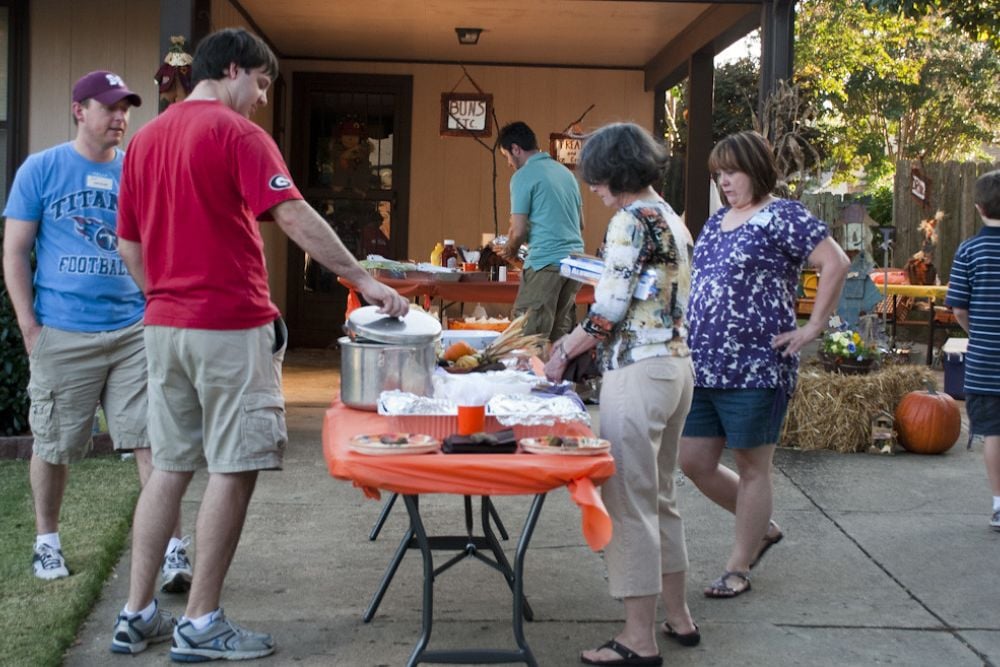
Neighbors would spontaneously gather in streets temporarily closed to traffic, bringing potluck dishes and portable record players. These impromptu celebrations strengthened community bonds and often lasted from afternoon until well after sunset.
Children would play games while adults chatted, creating memories that lasted long after the street reopened.
Backyard Stargazing

The space race captured America’s imagination, turning ordinary citizens into amateur astronomers. Families would spread blankets on their lawns and identify constellations with homemade star charts.
The 1969 moon landing especially popularized this activity, with parents using cardboard tubes as makeshift telescopes to teach children about the cosmos.
Record Listening Parties
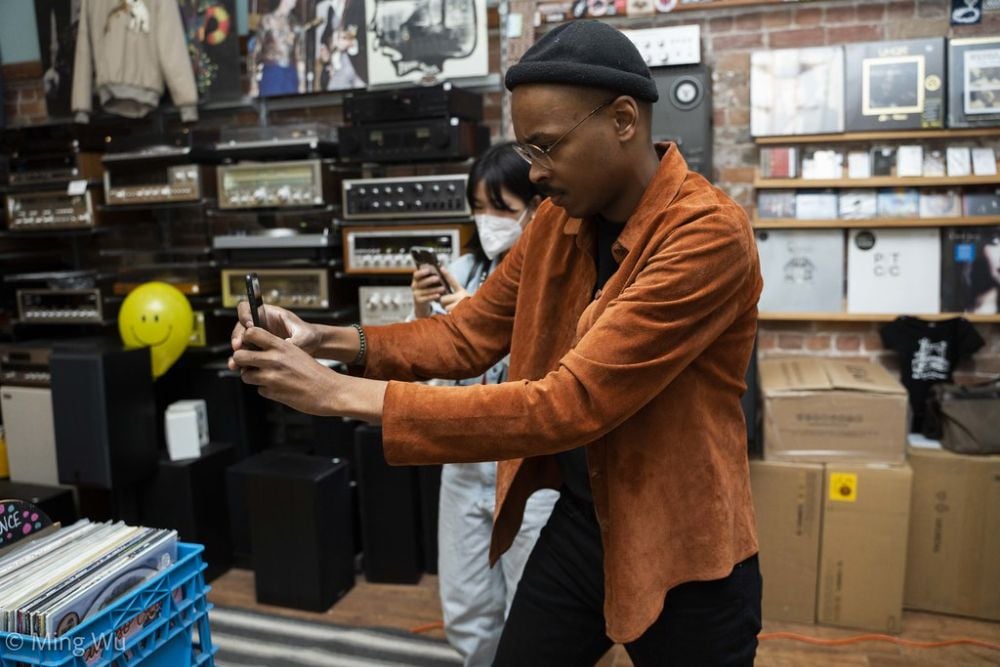
Teens would gather at someone’s home to listen to new albums, analyzing lyrics and discussing musical innovations. The shared experience of hearing The Beatles or Bob Dylan for the first time became cultural touchstones.
Friends would take turns playing DJ, carefully handling vinyl records and debating which songs would become classics.
Peace Rallies
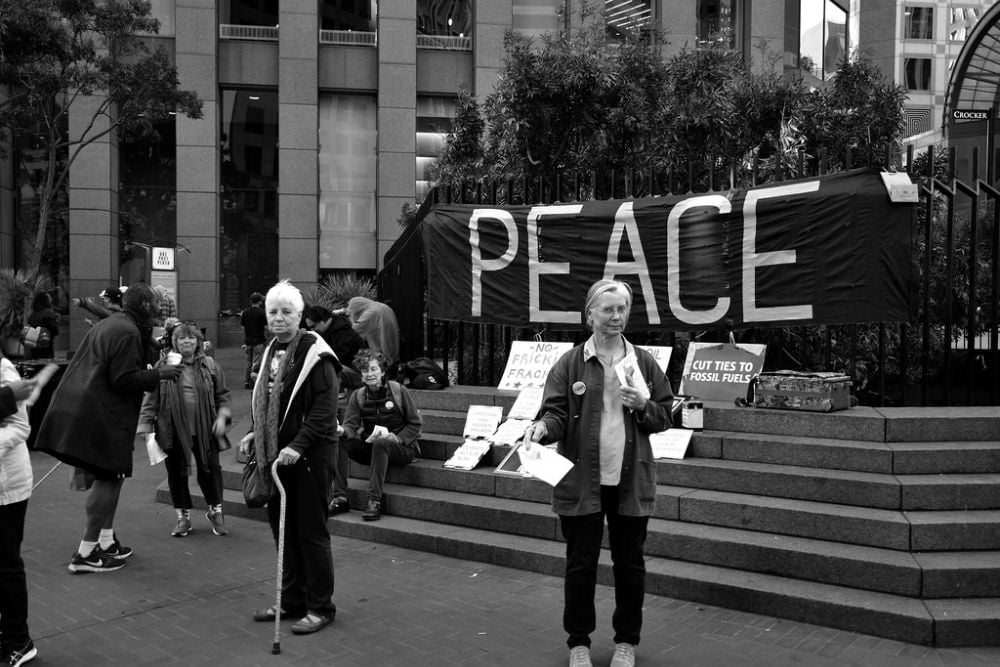
Young people gathered in parks and public spaces to advocate for social change and peace. These gatherings often featured impromptu musical performances and poetry readings.
What began as political activities evolved into cultural events where people connected over shared values and visions for the future.
Drive-in Movie Sneaking
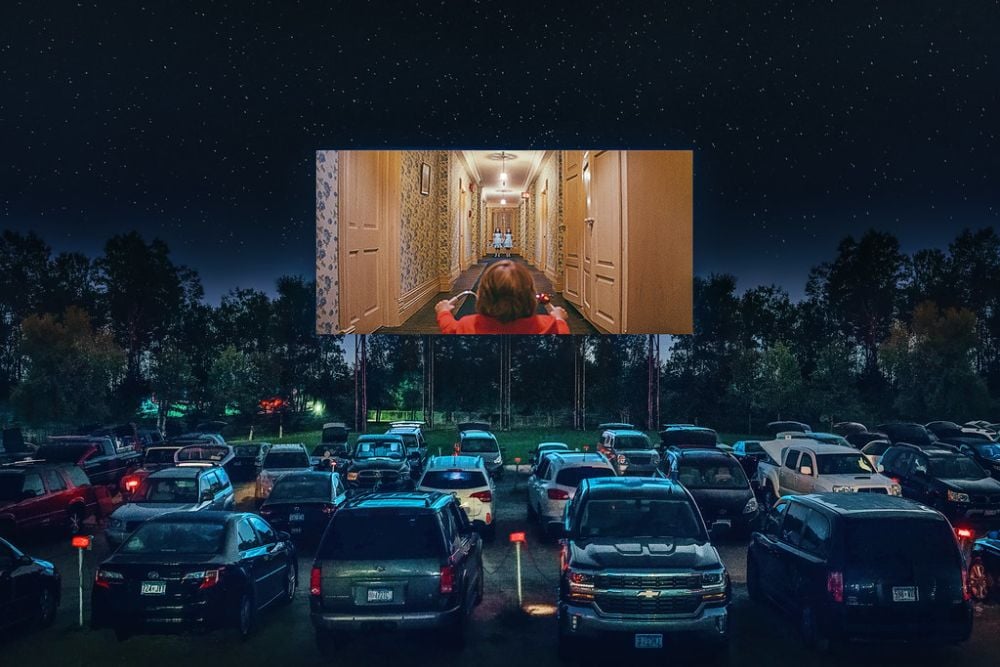
Teenagers perfected the art of sneaking into drive-in theaters, hiding in trunks, or walking through unmanned side entrances. Once inside, they’d join friends who had legitimately paid or find empty spaces to watch blockbusters under the stars.
This slightly rebellious activity became almost a rite of passage for 1960s youth.
Hula Hooping Contests
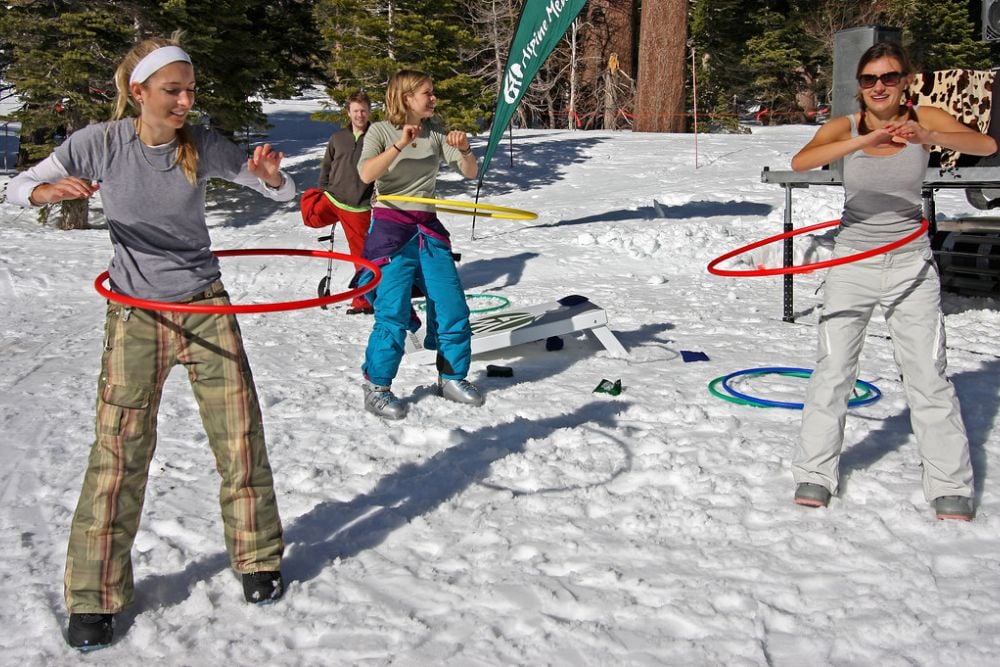
Neighborhood kids would gather to show off their hula hooping skills, seeing who could keep the plastic ring spinning longest. The simple plastic toy became a competitive sport with improvised rules and neighborhood championships.
Children would practice for hours, developing impressive tricks that earned playground fame.
Beach Bonfires
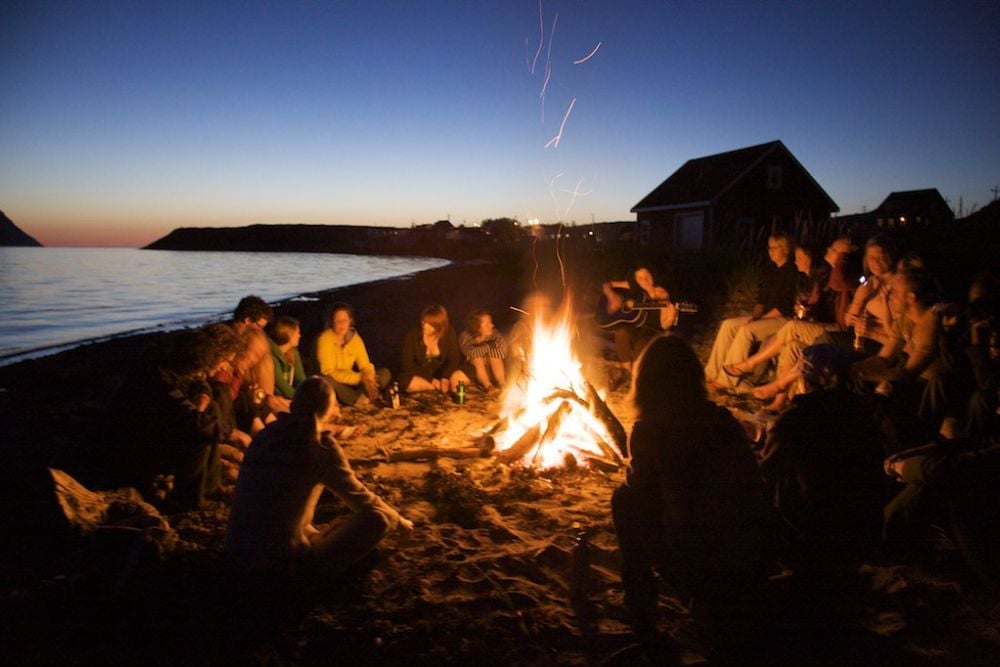
Coastal dwellers gathered driftwood to build evening bonfires where they’d sing, tell stories, and watch waves crash against the shore. These gatherings became perfect settings for guitar-playing folk enthusiasts to share music.
The combination of firelight, ocean sounds, and community created magical evenings that cost nothing but created everything.
Library Exploration
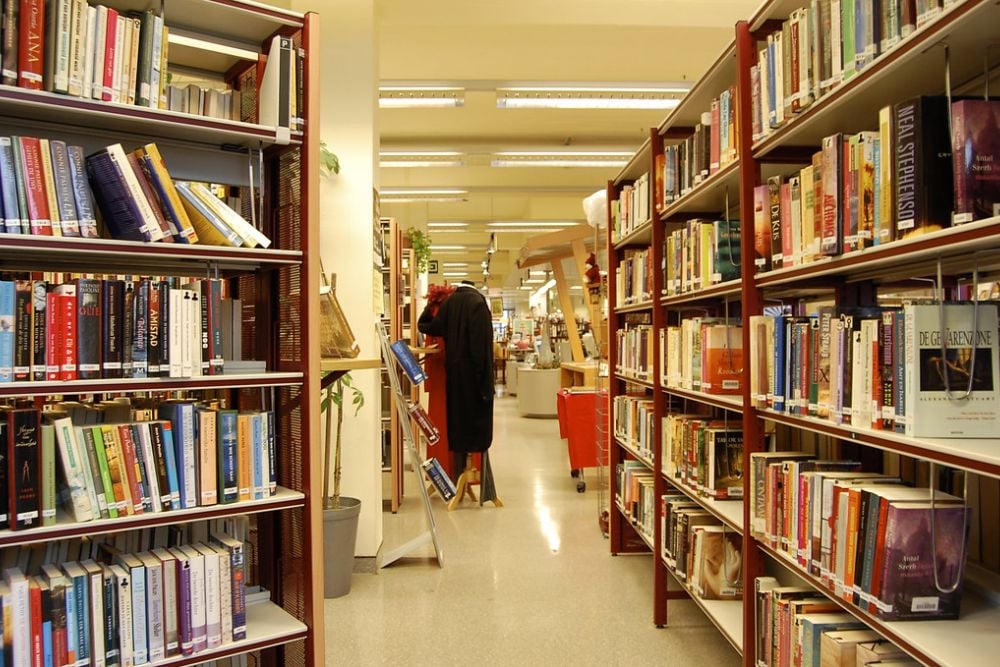
Public libraries became social hubs where people could read magazines, newspapers, and books in air-conditioned comfort. Children would participate in summer reading programs while teens researched topics that interested them.
The library offered both escapism through literature and practical knowledge acquisition without spending a penny.
Pickup Sports Games
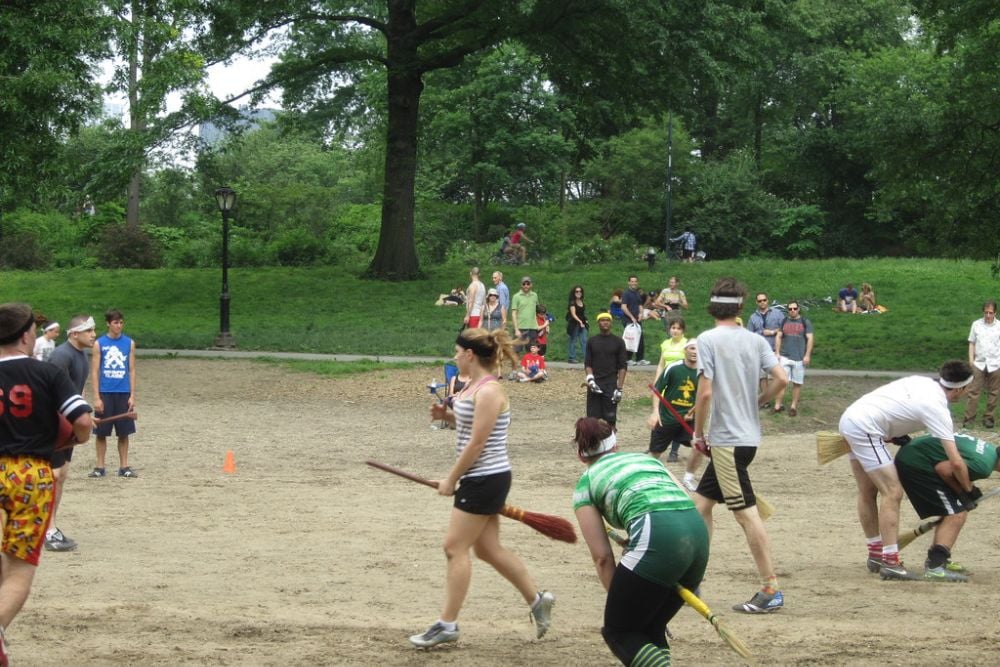
Vacant lots transformed into baseball diamonds, football fields, or basketball courts depending on the season. Neighborhood kids would organize themselves into teams using whatever equipment they had available.
Games would continue until dusk, with flexible rules that adapted to the number of players and available space.
Swap Meets
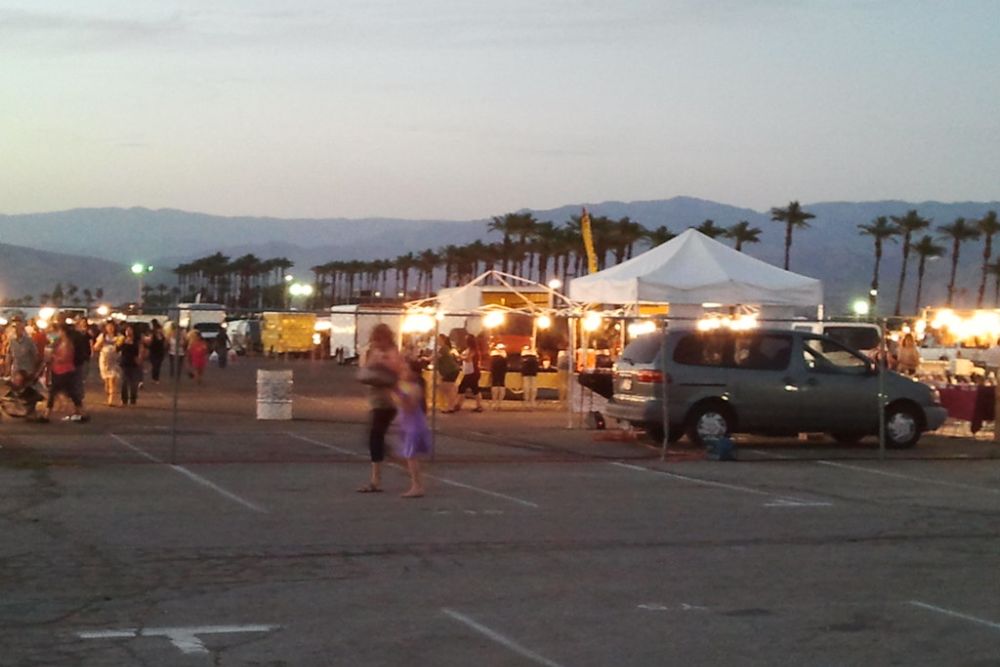
Friends would gather to trade everything from comic books to record albums, giving new life to items they’d grown tired of. These informal exchanges became social events where stories about prized possessions were shared.
People developed bargaining skills and expanded their collections without spending money, just by trading what they no longer wanted.
Hiking and Nature Walks
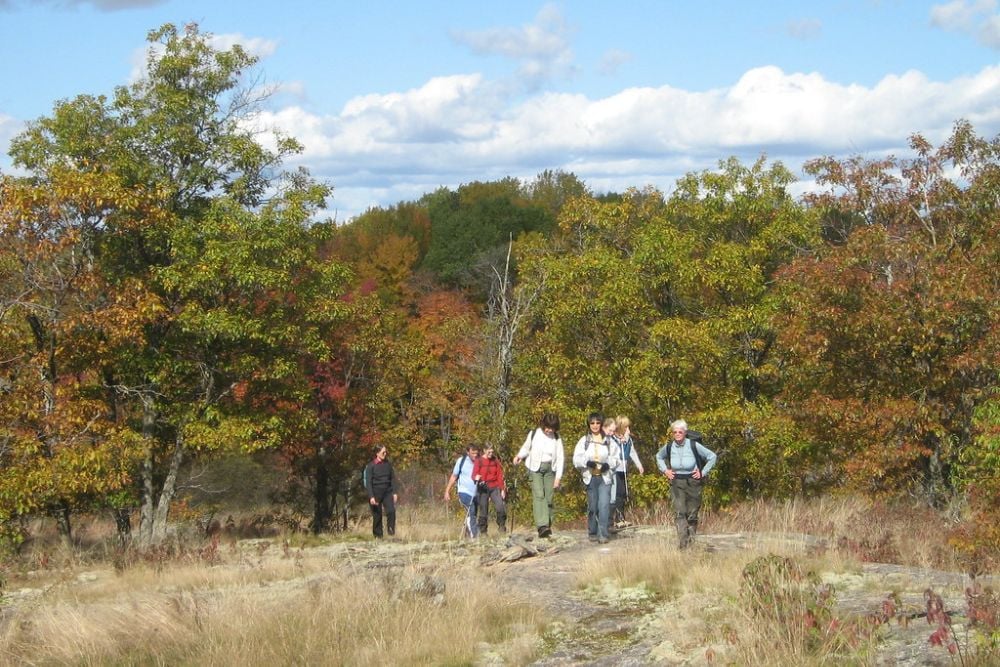
Families explored local trails and parks, identifying plants and wildlife with free guides from community centers. The environmental movement of the ’60s sparked renewed interest in connecting with nature.
Children collected fascinating rocks, leaves, and flowers to display at home as souvenirs of their adventures.
Street Corner Harmonizing
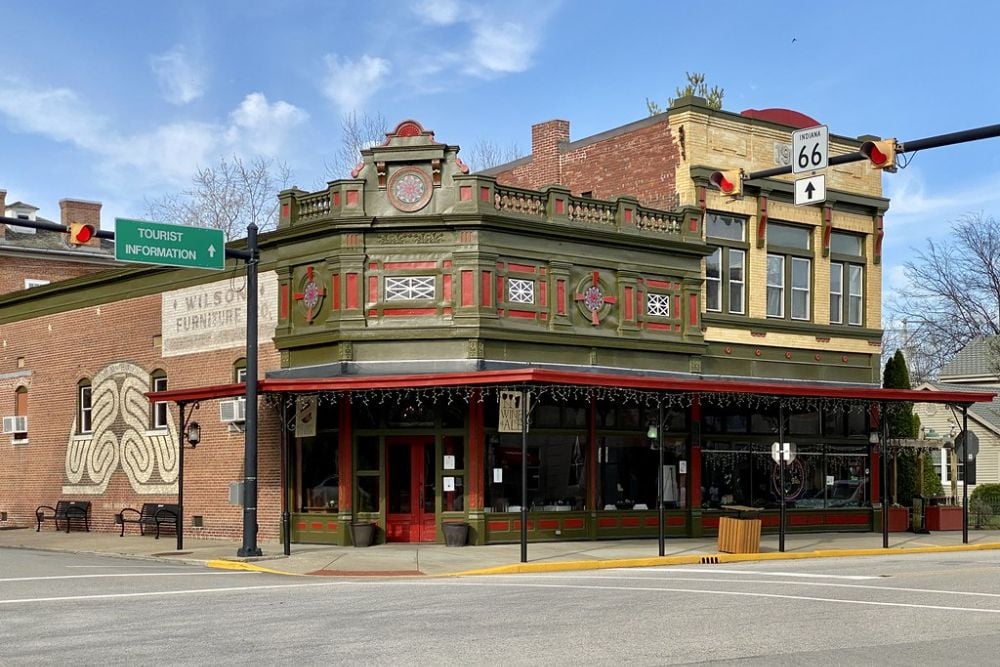
Young men formed impromptu doo-wop and vocal groups, practicing harmonies on street corners and in park bandshells. These performances often attracted small crowds of appreciative listeners from the neighborhood.
The a cappella tradition created musical communities and sometimes launched local performers to broader recognition.
Political Canvassing

Young adults channeled their energy into political campaigns, going door-to-door to discuss candidates and issues. This free activity provided social connection and a sense of purpose during a politically charged decade.
Volunteers would gather afterward to share stories and strategies, forming friendships based on shared values.
Garage Band Practice
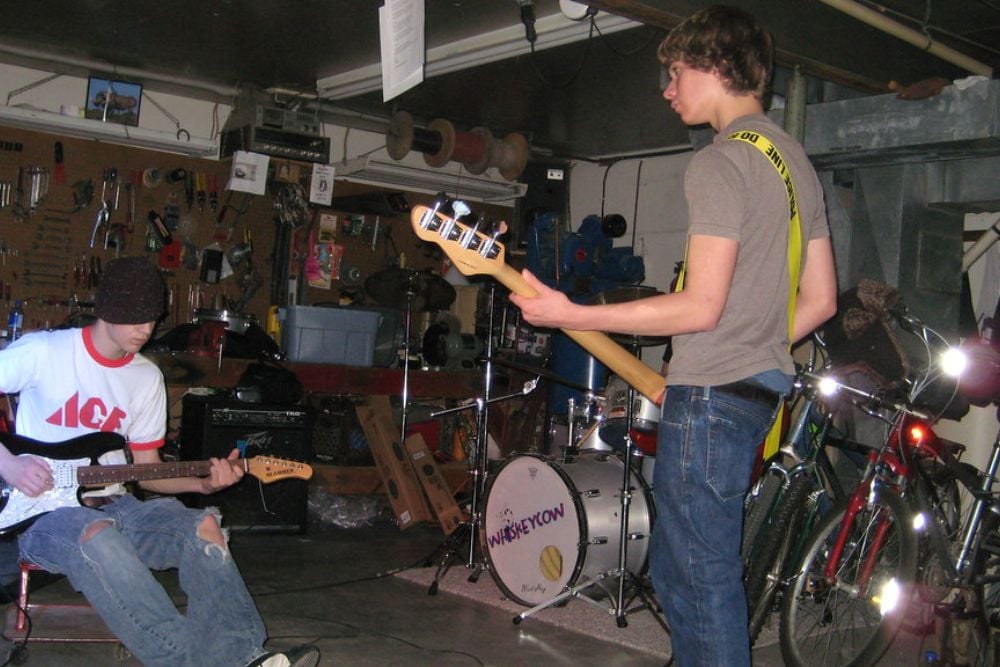
Teenagers inspired by rock music converted garages and basements into rehearsal spaces for newly formed bands. Neighbors might complain about the noise but also gather to listen when the practice sounded particularly good.
These amateur musicians inspired younger kids who would watch in awe, dreaming of starting their own groups someday.
Community Gardens
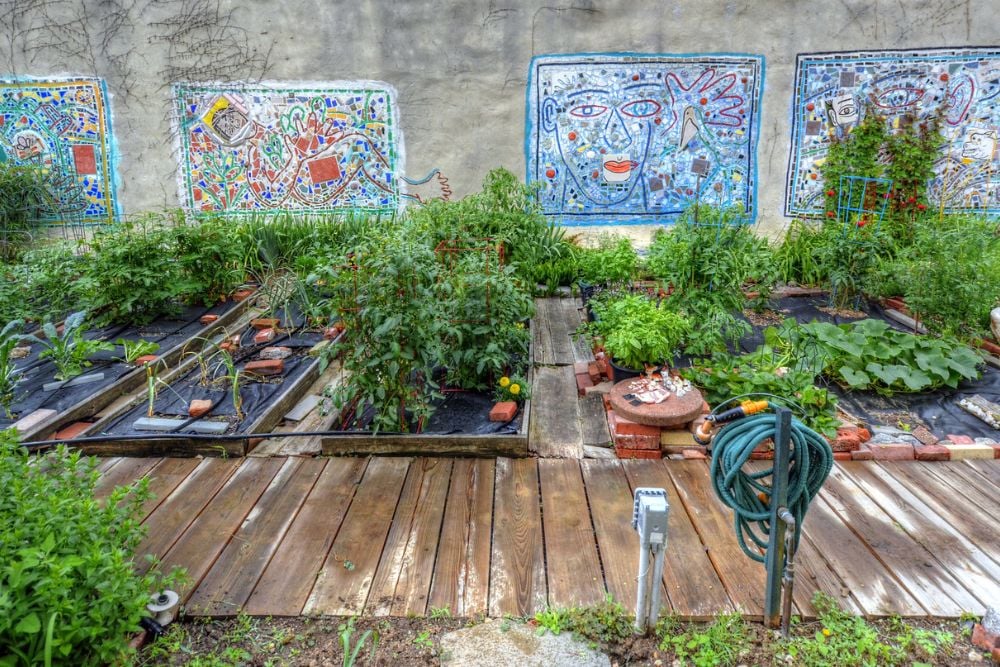
Vacant urban lots were transformed into productive gardens where neighbors grew vegetables and flowers together. These green spaces provided fresh food and became outdoor classrooms where gardening knowledge passed between generations.
The shared work created a sense of ownership and pride in previously neglected spaces.
The Legacy of Free Fun

The free entertainment of the 1960s reflected core values of creativity, community, and resourcefulness that defined the era. These activities fostered face-to-face interactions that seem increasingly rare in today’s digital world.
While technology has expanded our entertainment options enormously, there’s something heartwarming about the simple, cost-free pleasures that brought people together during this transformative decade. Perhaps the greatest lesson from ’60s entertainment is that the most meaningful experiences often come without a price tag.
More from Go2Tutors!

- The Romanov Crown Jewels and Their Tragic Fate
- 13 Historical Mysteries That Science Still Can’t Solve
- Famous Hoaxes That Fooled the World for Years
- 15 Child Stars with Tragic Adult Lives
- 16 Famous Jewelry Pieces in History
Like Go2Tutors’s content? Follow us on MSN.