15 Unusual Facts About Lightning Strikes
Lightning has captivated humans for millennia, inspiring everything from ancient mythology to modern scientific research. While most people know the basics about staying safe during thunderstorms, the world of lightning holds far more mysteries than you might expect.
From glowing orbs that defy physics to invisible gamma ray bursts more powerful than atomic bombs, lightning produces phenomena that sound like science fiction but are completely real. Scientists continue to discover new aspects of lightning that challenge our understanding of atmospheric electricity.
Here is a list of 15 unusual facts about lightning strikes that reveal just how bizarre and fascinating this natural phenomenon really is.
Orb Lightning Creates Floating Spheres of Mystery
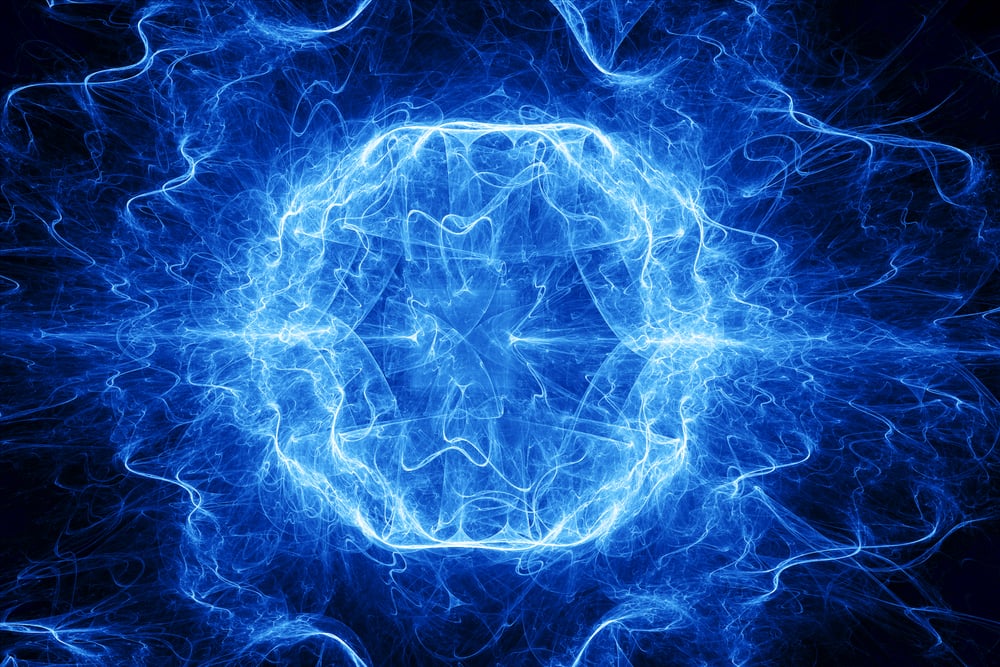
Orb lightning appears as luminescent, spherical objects ranging from pea-sized to several meters in diameter that can float through the air for seconds or even minutes. These glowing spheres can be white, yellow, red, orange, purple or green, and witnesses report them floating into homes, passing through closed windows, or appearing in the middle of rooms.
Despite thousands of reported sightings over the centuries, scientists still can’t fully explain how these mysterious orbs form or maintain their energy. One theory suggests they’re created when lightning strikes salt water, but researchers admit that if orb lightning was easy to make, we would have made it by now.
Red Sprites Dance 50 Miles Above Thunderstorms
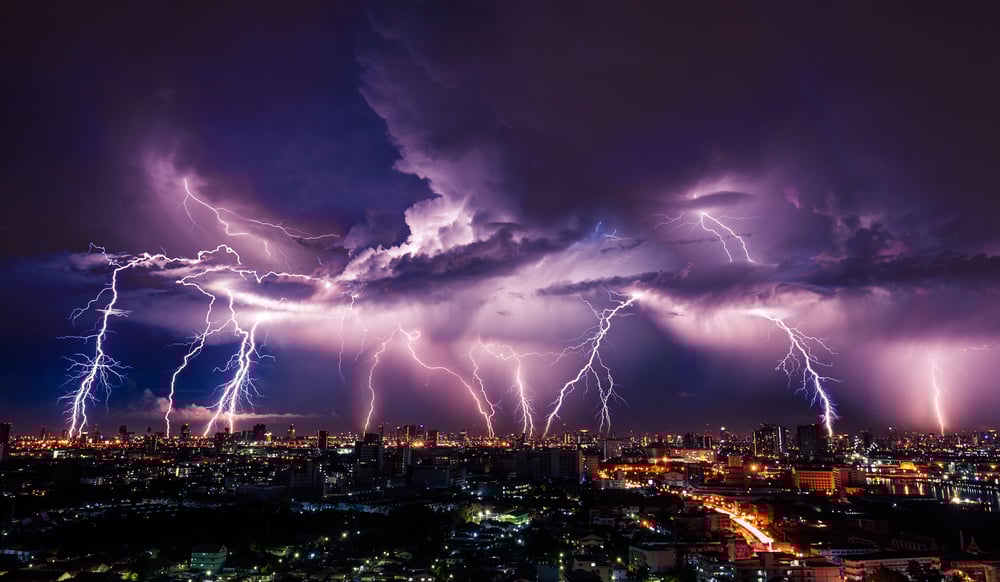
Sprites are electrical discharges that occur 50 to 90 kilometers above Earth’s surface, appearing as red, jellyfish-shaped bursts of electricity that dance above thunderstorms. These ethereal phenomena can extend up to 60 miles from the cloud top and are described as resembling jellyfish, carrots, or columns.
Sprites were first photographed accidentally in 1989 when scientists testing a low-light video camera captured what would later be named after Shakespeare’s mythical air spirits. They’re so dim that they can only be seen at night, and they typically last just a few milliseconds.
Like Go2Tutors’s content? Follow us on MSN.
Dark Lightning Produces Invisible Gamma Ray Bursts
Normal lightning also produces x-rays that can be detected at the ground, but terrestrial gamma ray flashes appear to originate where strong electric fields act as particle accelerators. These gamma ray bursts are so intense they can travel through hundreds of kilometers of air, and a single burst can release as much energy as a small atomic bomb.
When pilots fly through thunderstorms, these invisible gamma-ray flashes can dose passengers with radiation equivalent to a full-body CT scan. Fortunately, scientists consider the radiation risk minimal, so there’s no need to avoid flying during storms.
Lightning Creates Glass Fossils Called Fulgurites
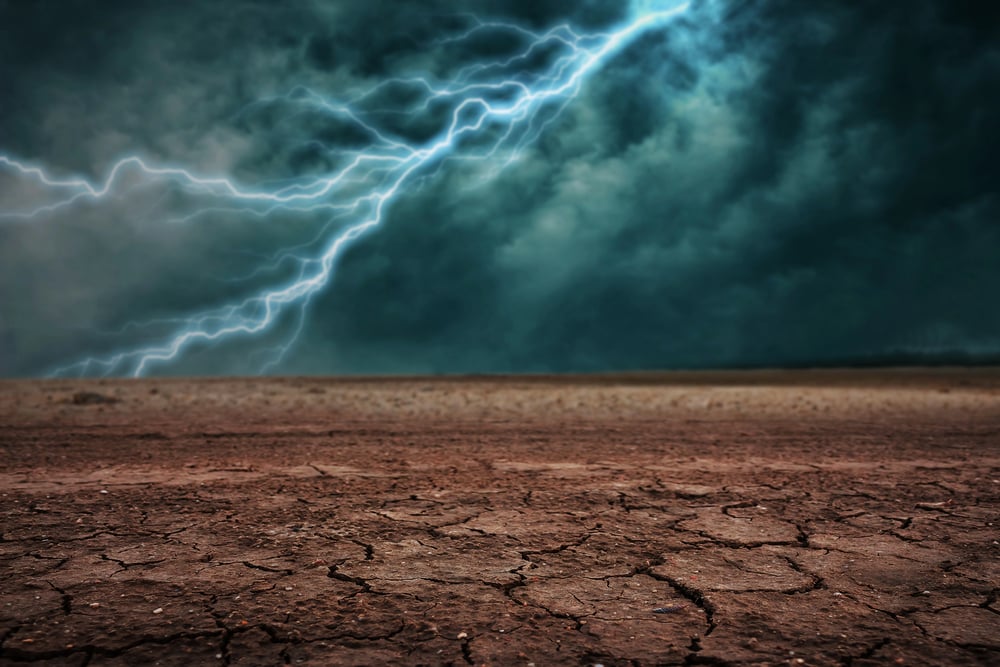
When lightning strikes sand or rock, the extreme heat can fuse minerals beneath the surface into a tube called a fulgurite. These ‘petrified lightning’ formations occur when lightning melts and fuses particles together into glass-like tubes, though they’re quite rare to find.
These ‘lightning fossils’ have been found worldwide, despite being relatively uncommon. The tubes follow the exact path the lightning took underground, creating intricate branching patterns that preserve the moment of impact in glass form.
Positive Lightning Packs Ten Times More Power
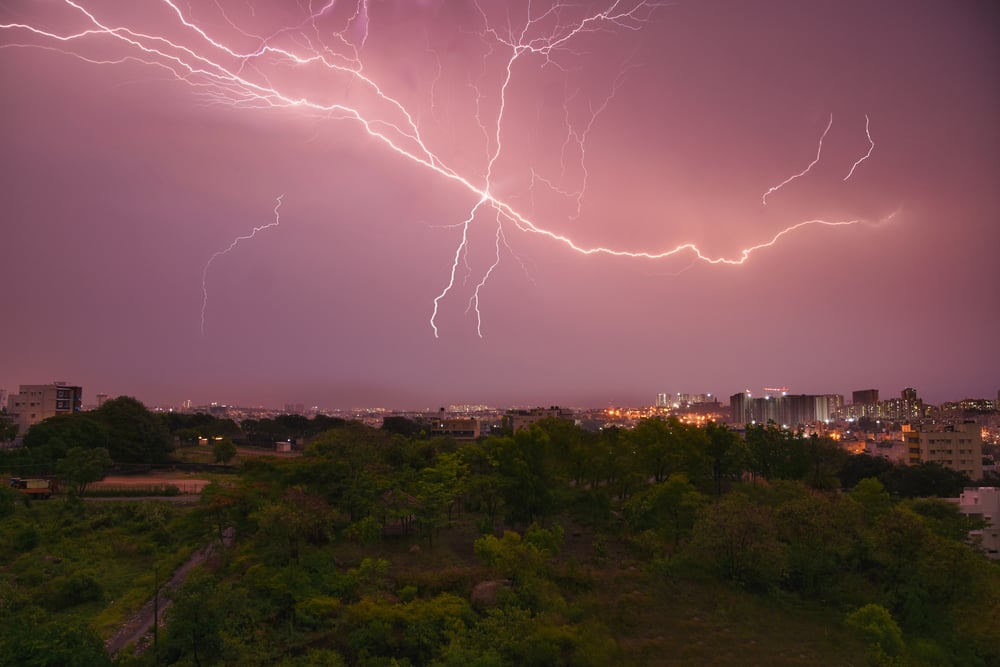
While most lightning is negative, positive lightning makes up only 5 to 10 percent of strikes but produces nearly a billion volts and 300,000 amps compared to negative lightning’s 300 million volts and 30,000 amps. Positive lightning originates in the positively charged tops of storm clouds and can stretch across the sky to strike ‘out of the blue’ more than 10 miles from the storm where it was born.
This type often comes after a storm seems to have passed, making it particularly dangerous because people think they’re safe. It’s aptly called a ‘bolt from the blue’ since it frequently strikes under clear skies.
Like Go2Tutors’s content? Follow us on MSN.
Lightning is Five Times Hotter Than the Sun’s Surface

Lightning can heat the air around it to 50,000 degrees Fahrenheit—five times hotter than the sun’s surface. This extreme heat causes surrounding air to rapidly expand and vibrate, creating the thunder we hear shortly after seeing a flash.
The intense heat will vaporize water inside a tree, creating steam that may blow the tree apart. Despite reaching these incredible temperatures, a lightning channel is only one to two inches in diameter, surrounded by a region of charged particles.
The Empire State Building Gets Hit 25 Times Per Year

Contrary to the popular saying, lightning often strikes the same place repeatedly, especially if it’s a tall, pointy, isolated object like the Empire State Building, which gets hit about 25 times per year. Height, pointy shape, and isolation are the dominant factors controlling where lightning will strike, not metal objects or jewelry.
This makes skyscrapers, radio towers, and mountain peaks frequent lightning targets. The repeated strikes occur because these structures provide the most direct path between the charged clouds and the ground.
Blue Jets Shoot Upward at 200,000 Miles Per Hour

Blue jets emanate upwards from cloud tops at speeds of about 100 to 140 kilometers per second and have a conical shape extending up to around 50 kilometers in altitude. These blue-colored phenomena are brighter than sprites and are believed to be due to emission lines from neutral and ionized molecular nitrogen.
Blue jets last 200 to 300 milliseconds and are mainly generated by thunderstorms with high rates of negative cloud-to-ground lightning. Unlike sprites, blue jets initiate from the cloud tops and travel upward into the atmosphere.
Like Go2Tutors’s content? Follow us on MSN.
ELVES Create 300-Mile Wide Rings of Light

ELVES are rapidly expanding disk-shaped regions of glowing that can be up to 300 miles across, lasting less than a thousandth of a second. They occur above areas of active cloud-to-ground lightning and result when an energetic electromagnetic pulse extends up into the ionosphere.
These ring-shaped halos are reddish and ultra-fast bursts of electricity bright enough to see during daylight. ELVES were discovered in 1992 by a low-light video camera on the Space Shuttle.
Lake Maracaibo Records Over One Million Lightning Strikes Yearly

Surrounded by mountains, Lake Maracaibo’s 5,000 square miles absorb heat during the day and release warm moist air upward at night, mixing with cool air from the Andes to create unusual weather patterns. This helped the area set a record for the world’s most lightning per square kilometer, with more than one million strikes every year.
The phenomenon occurs almost nightly and has been dubbed the ‘Catatumbo Lightning’ after the river that feeds into the lake. This consistent lightning display has been used as a natural lighthouse for centuries.
Lightning Strikes Create Lichtenberg Patterns on Skin

Lightning facts include that strikes can leave fractal patterns on the skin of people, both effects due to how hot lightning actually is. These temporary tattoo-like marks are called Lichtenberg figures, named after the German physicist who first studied electrical discharge patterns.
Nine out of every ten people survive lightning strikes, though hundreds suffer from lasting symptoms including memory loss, dizziness, weakness, and numbness. The branching patterns typically fade within days or weeks after the strike.
Like Go2Tutors’s content? Follow us on MSN.
Dry Lightning Starts Forest Fires Without Rain

Lightning strikes that often cause forest fires occur without the rainstorms people usually associate with them, called dry lightning. This phenomenon is most likely to happen in western United States during late spring and early summer.
Dry lightning forms when precipitation evaporates before reaching the ground, leaving only the electrical activity behind. These strikes are particularly dangerous because there’s no accompanying rain to help extinguish any fires they start.
Lightning Occurs 100 Times Per Second Worldwide
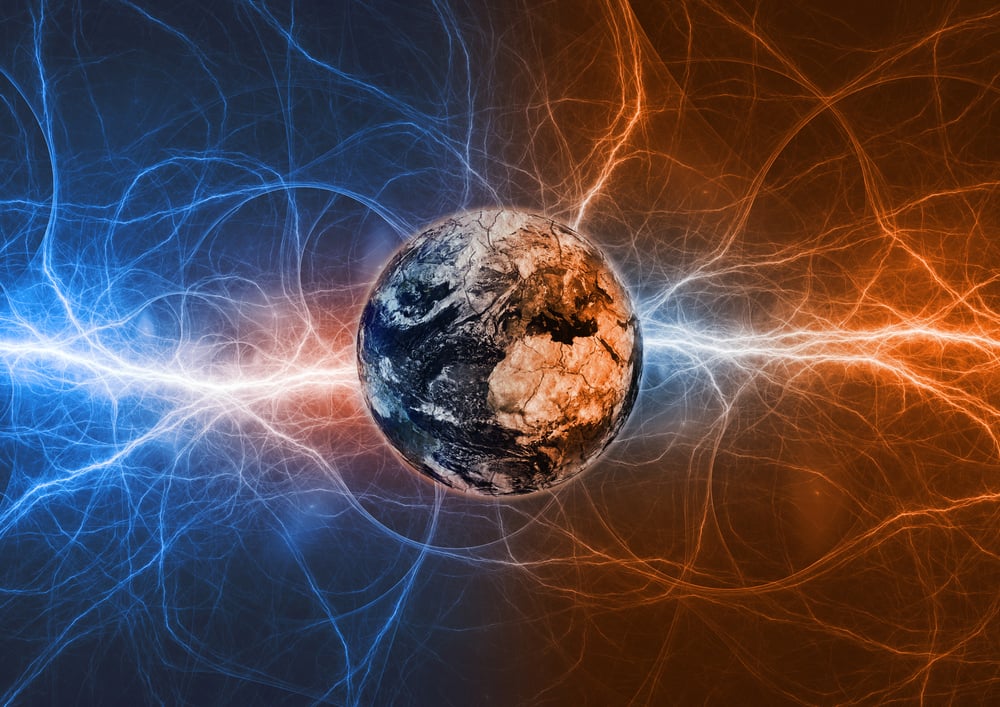
Lightning strikes Earth about 100 times per second, meaning there are roughly 8.6 million strikes per day. Though 100 cloud-to-ground lightning strikes hit Earth’s surface every second, some common types don’t hit Earth and are called cloud flashes.
This constant electrical activity makes lightning one of the most frequent natural phenomena on our planet. Most of these strikes occur over tropical regions where thunderstorm activity is highest.
Sprites Have Been Blamed for Aircraft Accidents

Sprites have been blamed for otherwise unexplained accidents involving high altitude operations above thunderstorms, including a NASA stratospheric balloon that suffered an uncommanded payload release while flying at 120,000 feet over a thunderstorm. Months after the 1989 accident, investigators concluded that a ‘bolt of lightning’ traveling upward from the clouds provoked the incident.
This discovery helped scientists realize that the upper atmosphere above storms is far from the empty, safe space they once thought it was.
Like Go2Tutors’s content? Follow us on MSN.
Lightning Can Strike 15 Miles Away From Storms

Lightning often strikes more than three miles from the center of thunderstorms, far outside the rain or storm cloud. ‘Bolts from the blue’ can strike 10 to 15 miles from the thunderstorm.
New data shows half of lightning flashes are about 9 kilometers apart, leading safety experts to recommend staying at least 6 to 8 miles away from previous flashes. This means you can be struck by lightning even when skies overhead appear clear and no rain is falling.
When Science Meets Ancient Wonder

From orb lightning’s century-old mystery to the recent discovery of gamma ray bursts in thunderclouds, these phenomena remind us that nature still holds secrets waiting to be unlocked. Understanding these atmospheric electrical events not only satisfies our curiosity about the upper atmosphere but also helps us learn more about the storms we face here on Earth.
What makes lightning particularly fascinating is how it bridges the gap between the everyday weather we experience and the exotic physics happening miles above our heads. The next time you watch a thunderstorm, remember that you’re witnessing just a small part of an enormous electrical light show stretching from the ground to the edge of space.
More from Go2Tutors!

- 16 Historical Figures Who Were Nothing Like You Think
- 12 Things Sold in the 80s That Are Now Illegal
- 15 VHS Tapes That Could Be Worth Thousands
- 17 Historical “What Ifs” That Would Have Changed Everything
- 18 TV Shows That Vanished Without a Finale
Like Go2Tutors’s content? Follow us on MSN.