15 Gardens That Changed Agricultural History
Gardens might seem like peaceful retreats meant for relaxation and beauty, but many have served as laboratories that revolutionized how we grow food and understand plants. These special places brought together scientists, explorers, and farmers to experiment with new crops, breeding techniques, and agricultural methods that shaped our modern food system.
Without these pioneering gardens, we wouldn’t have many of the fruits, vegetables, and grains that feed the world today. From royal estates to research institutions, these gardens connected distant continents through plant exchange and created the foundation for modern agriculture. Here is a list of 15 gardens that changed agricultural history.
Kew Gardens

The Royal Botanic Gardens at Kew transformed agriculture by becoming the world’s first truly global plant exchange center. Founded in 1759, emerging from the exotic garden at Kew Park, its living collections include some of the 27,000 taxa curated by Royal Botanic Gardens, Kew, making it a massive repository of agricultural knowledge.
Kew’s scientists sent economic botanists around the world to collect valuable crops and established research stations that introduced rubber to Malaysia, tea to India, and countless other crops to new regions where they thrived.
Bartram’s Garden
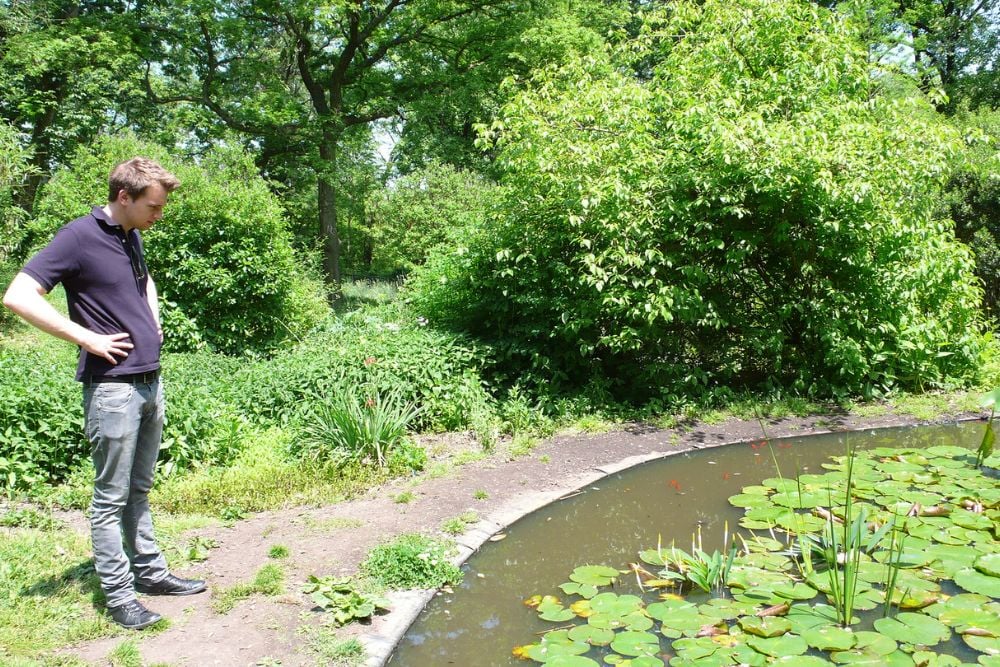
Located in Philadelphia, otherwise known as America’s Garden Capital, Bartram’s Garden is the oldest surviving botanical garden in the U.S. Renowned botanist John Bartram started the garden in 1728. This garden became America’s first serious plant exchange hub, connecting European and American flora in ways that transformed agriculture on both continents.
Bartram’s careful documentation and seed distribution helped establish many crops that became staples of American farming, while his international connections brought American plants to European gardens.
The Physic Garden of Padua
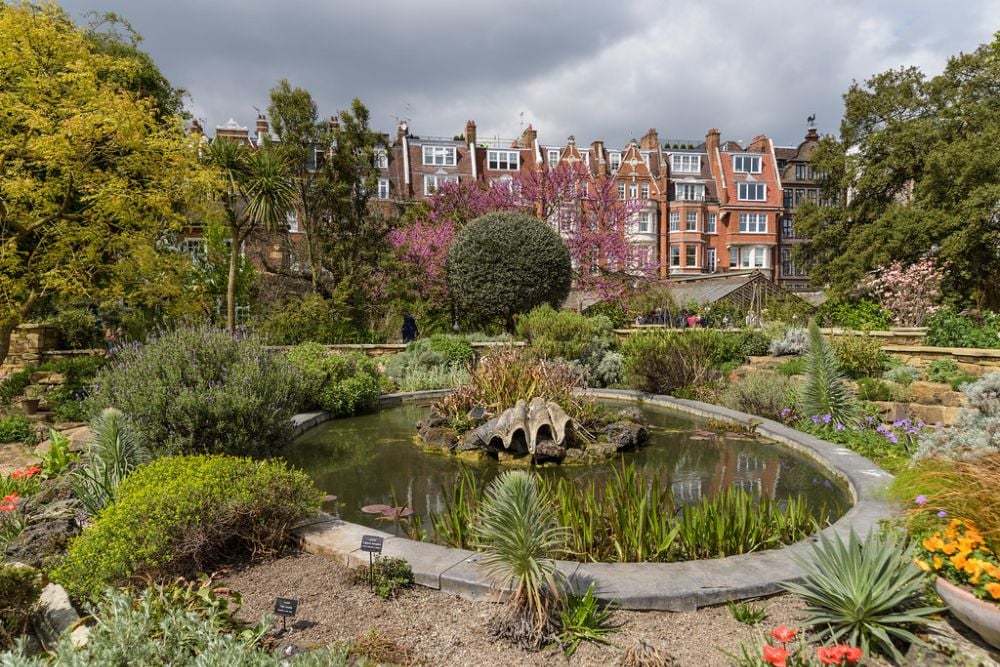
Established in 1545, this Italian garden pioneered the scientific study of medicinal and food plants. The garden’s systematic approach to plant classification and cultivation methods influenced agricultural practices across Europe.
Its innovative circular design became a model for botanical gardens worldwide, and the research conducted there helped distinguish between edible and poisonous plants, making food cultivation safer and more reliable.
The Garden of Versailles

While famous for its ornamental beauty, Versailles also housed the royal kitchen gardens that revolutionized European horticulture. The potager du roi (king’s kitchen garden) developed advanced techniques for growing exotic fruits and vegetables in France’s climate.
These methods spread throughout Europe and eventually to colonial territories, dramatically expanding the variety of foods available to different regions.
The Jardin du Roi in Paris

Later renamed the Jardin des Plantes, this garden served as France’s center for botanical research and agricultural innovation. It played a crucial role in introducing crops like the potato to French cuisine and agriculture.
The garden’s systematic approach to plant breeding and its extensive network of correspondents helped spread agricultural innovations across the French Empire and beyond.
The Chelsea Physic Garden

Founded in 1673 in London, this garden focused on medicinal plants but made equally important contributions to food crops. Its heated greenhouses allowed tropical plants to survive British winters, leading to successful cultivation techniques that were later applied in British colonies.
The garden’s research helped establish tea cultivation in India and improved the success rate of crop transplantation between different climates.
Linnaeus’ Garden at Uppsala

Carl Linnaeus used his garden at Uppsala University to develop the modern system of plant classification that revolutionized agriculture. His systematic approach to naming and categorizing plants made it possible for farmers and scientists worldwide to communicate precisely about different crop varieties.
This standardization was essential for spreading agricultural knowledge and improving crop breeding programs.
The Botanical Garden of Amsterdam

This Dutch garden became the staging ground for the Dutch East India Company’s agricultural empire. Plants collected from around the world were studied, propagated, and then distributed to Dutch colonies, where they established new agricultural industries.
The garden’s work with spices, coffee, and other tropical crops created some of the world’s first global agricultural supply chains.
Singapore Botanic Gardens

Established in 1859, the 82-hectare Gardens hold a unique and significant place in the history of Singapore and Southeast Asian agriculture. The garden became the center for developing Southeast Asia’s rubber industry, transforming the region’s economy and establishing one of the world’s most important agricultural commodities.
Its research on tropical crops helped establish modern plantation agriculture throughout the region.
The Imperial Botanical Garden of St. Petersburg
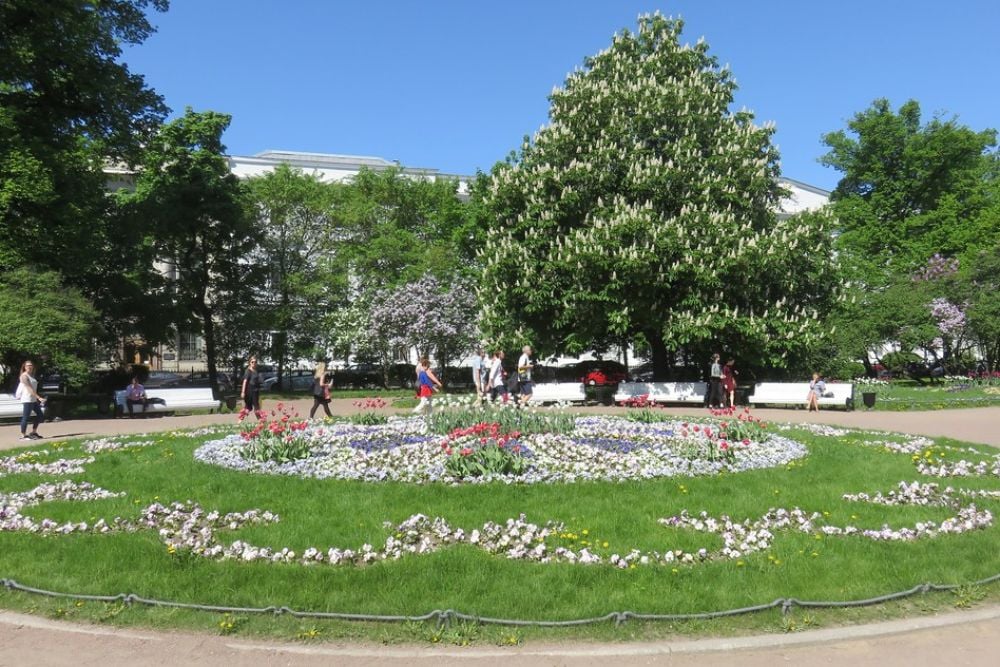
Founded by Peter the Great, this garden introduced countless European crops to Russia’s challenging climate. The garden’s cold-hardy plant breeding programs helped expand agriculture into previously unusable northern territories.
Its research on adapting Mediterranean and Western European crops to Russian conditions fed the expanding empire and influenced agricultural development across northern Eurasia.
The Calcutta Botanical Garden
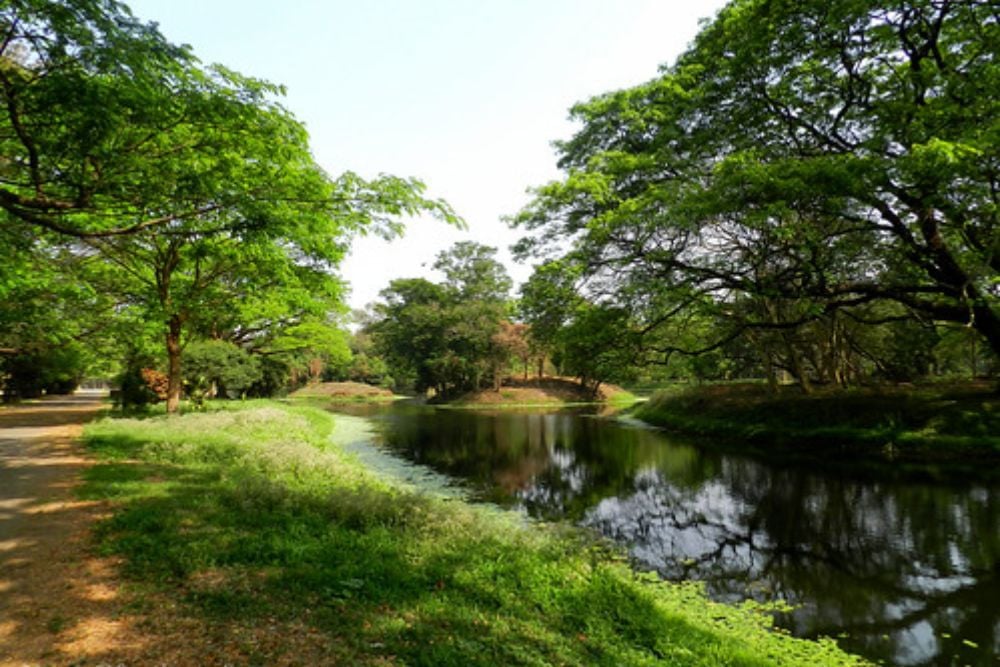
Established by the British East India Company, this garden transformed Indian agriculture by introducing crops from around the world. The garden’s most famous success was developing India’s tea industry by adapting Chinese tea plants to Indian growing conditions.
Its work with food crops helped diversify Indian agriculture and established many plants that became integral to Indian cuisine and farming.
The Cape Town Botanical Garden
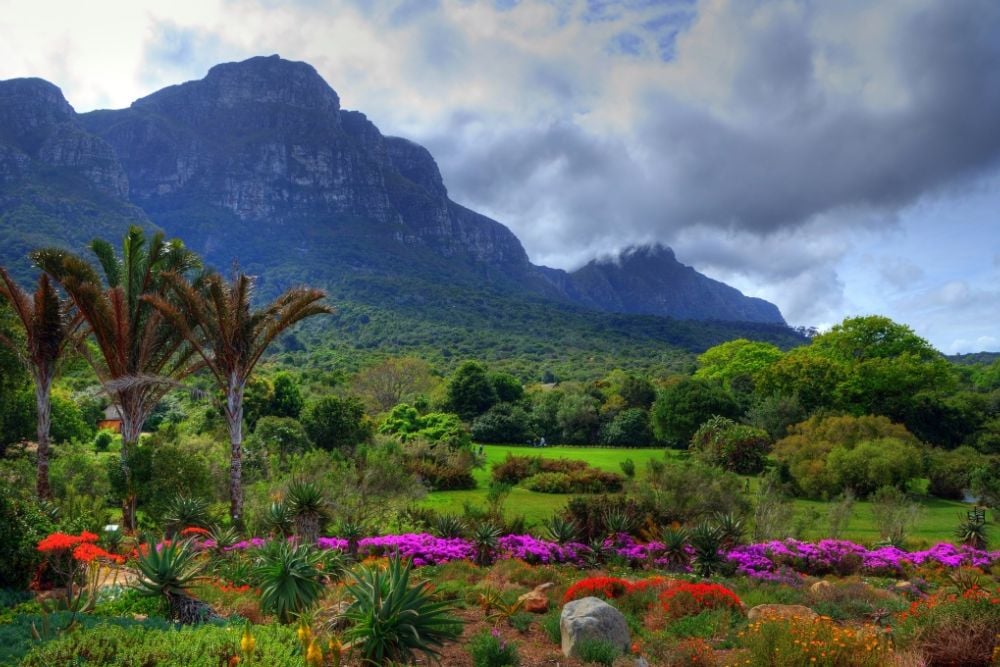
This South African garden served as the crucial stopover point for plant exchanges between Europe, Asia, and the Americas. Ships traveling around the Cape of Good Hope would stop to resupply and exchange plants, making this garden a global crossroads for agricultural innovation.
The garden’s research helped establish wine production in South Africa and introduced many crops that transformed southern African agriculture.
The Botanic Garden of Rio de Janeiro

Founded in 1808, this Brazilian garden became the center for developing tropical agriculture in South America. The garden’s work with coffee cultivation helped establish Brazil as the world’s leading coffee producer.
Its research on tropical fruits, spices, and other crops created the foundation for much of South America’s modern agricultural economy.
The Arnold Arboretum

Part of Harvard University, this Massachusetts garden revolutionized fruit tree cultivation in North America. The arboretum’s systematic study of different tree varieties and their growing requirements led to improved orchard management and the development of hardier fruit varieties.
Its work helped establish the commercial fruit industry that feeds much of North America today.
The U.S. Botanic Garden

Established in 1820, the United States Botanic Garden is the oldest continuously operating public garden in the United States and played a key role in American agricultural development. The garden tested new crops for American farmers and helped establish which foreign plants could thrive in different American climates.
Its research supported the westward expansion of agriculture and helped settlers choose appropriate crops for their new territories.
Where Science Meets Sustenance
These gardens transformed agriculture by treating plant cultivation as a science rather than just a craft passed down through generations. They created the first global networks for sharing agricultural knowledge, connecting farmers and scientists across continents in ways that were previously impossible.
The systematic approach to plant breeding and cultivation developed in these gardens laid the groundwork for modern agricultural research, from developing disease-resistant crops to improving nutritional content. Today’s agricultural innovations, from drought-resistant grains to vitamin-enhanced foods, trace their roots back to the methodical work begun in these historic gardens centuries ago.
More from Go2Tutors!

- The Romanov Crown Jewels and Their Tragic Fate
- 13 Historical Mysteries That Science Still Can’t Solve
- Famous Hoaxes That Fooled the World for Years
- 15 Child Stars with Tragic Adult Lives
- 16 Famous Jewelry Pieces in History
Like Go2Tutors’s content? Follow us on MSN.