18 Family Vacation Traditions We’ve Lost
Family vacations used to follow predictable patterns that created lasting memories across generations. The anticipation started weeks before departure, with careful planning and preparation rituals that made the journey as exciting as the destination.
Modern travel has become more convenient and accessible, but something valuable got lost along the way. Today’s families often miss out on the simple traditions that once made vacations feel truly special.
Here is a list of 18 family vacation traditions that have largely disappeared from the American travel experience.
Road Trip Planning Sessions
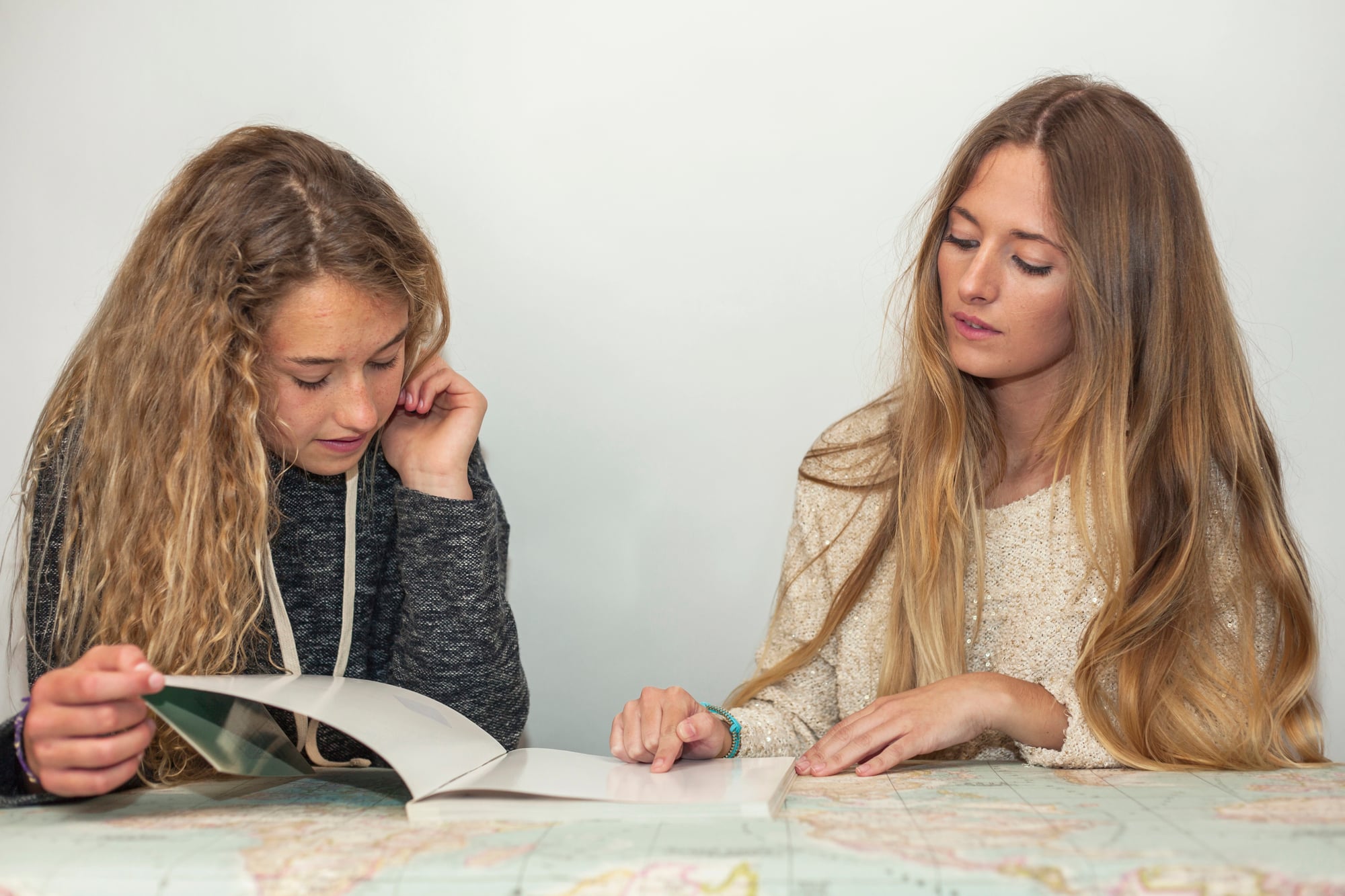
Families used to gather around kitchen tables with maps spread everywhere, plotting routes and marking interesting stops along the way. Parents would highlight potential attractions, calculate driving times, and let kids choose which roadside curiosities to visit.
These planning sessions built anticipation for weeks and gave everyone a sense of ownership in the upcoming adventure.
Gas Station Souvenir Stops
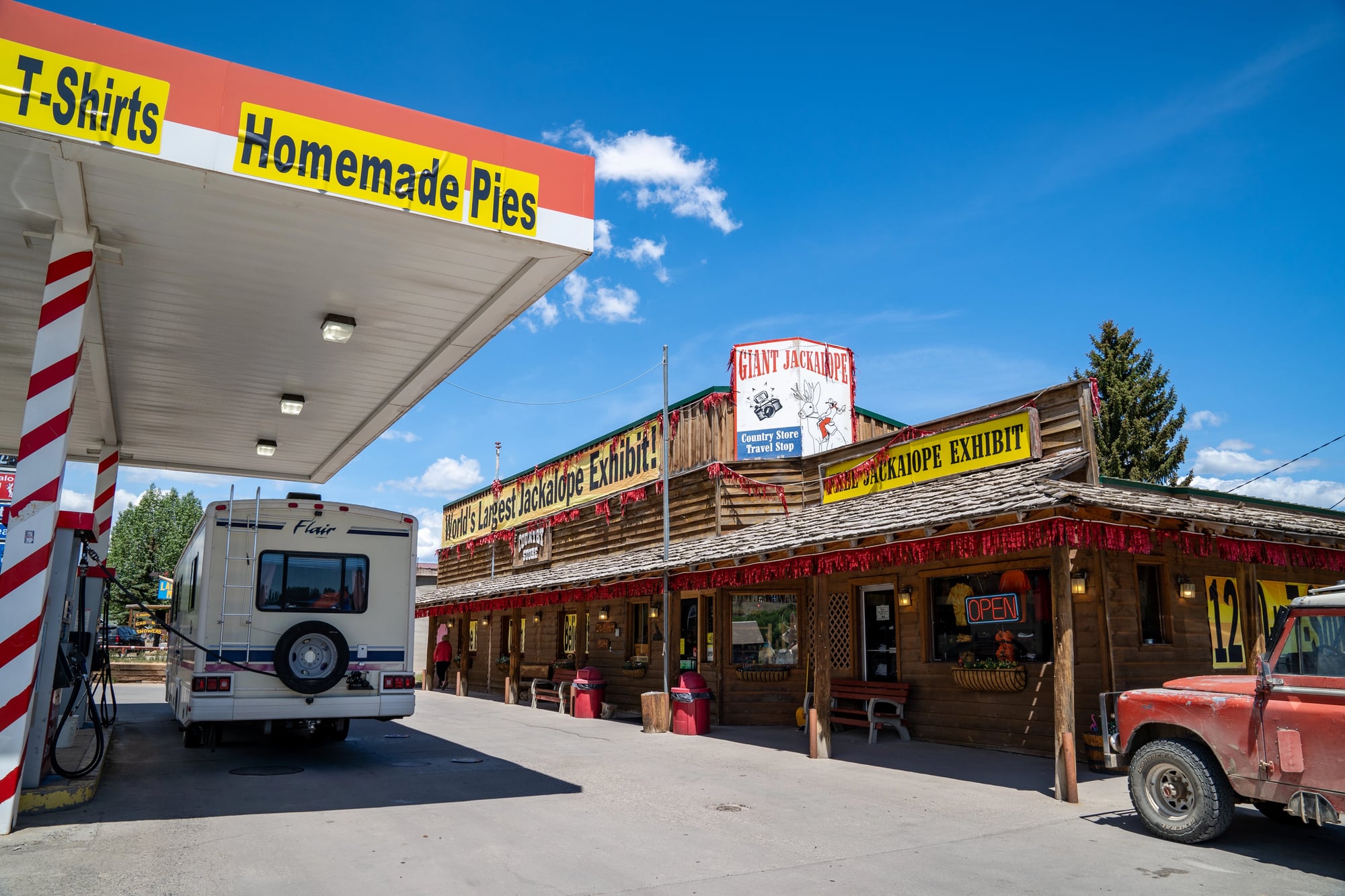
Every gas station along major highways used to double as a mini tourist attraction, complete with postcards, snow globes, and regional specialties. Families made it a tradition to stop at these roadside establishments, where kids could pick out one small memento from each state they visited.
The souvenirs were cheap and often cheesy, but they created a tangible collection of travel memories.
Like Go2Tutors’s content? Follow us on MSN.
Motel Swimming Pool Rituals
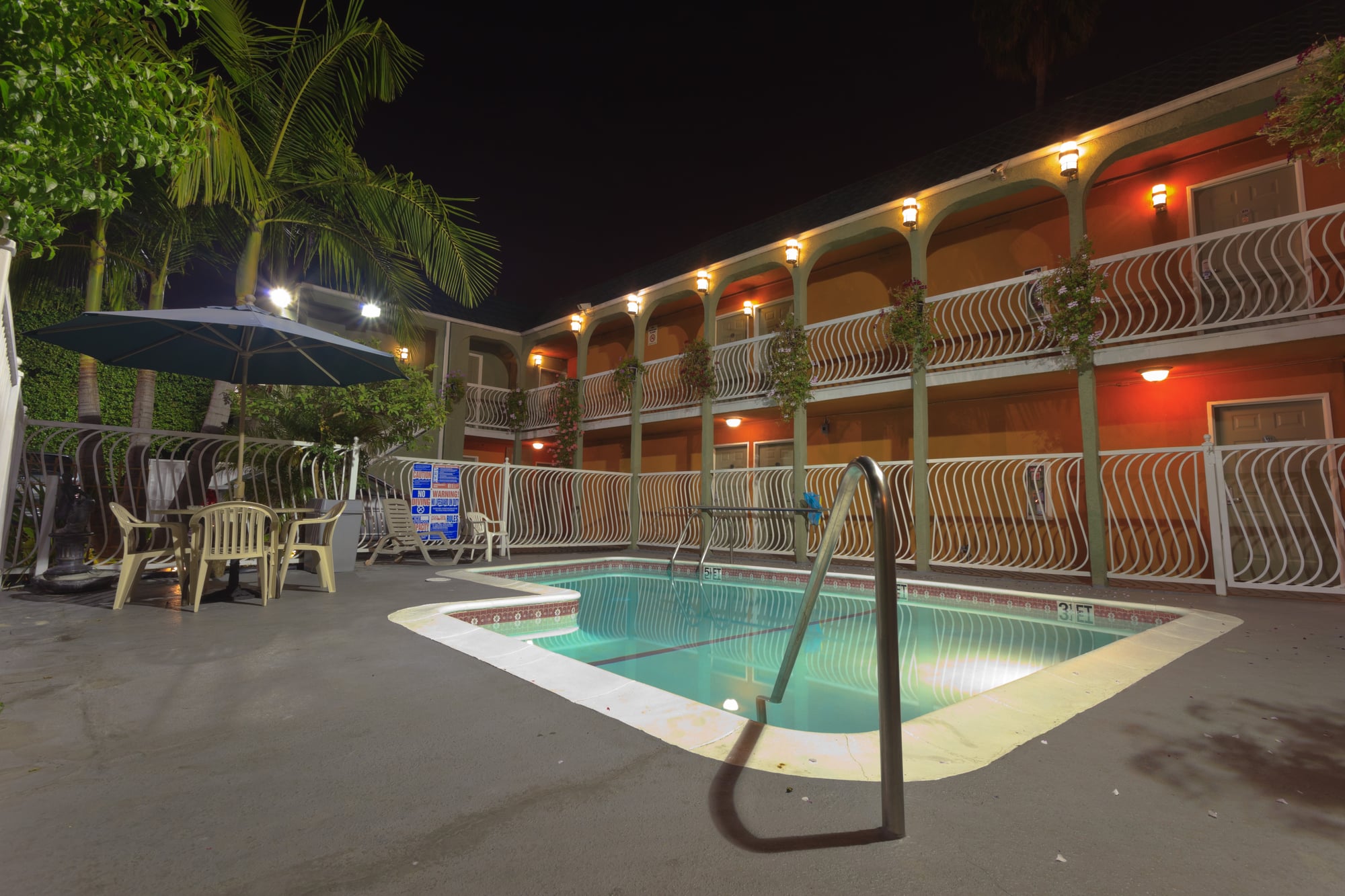
The motel pool was often the highlight of any family road trip, regardless of the destination. Parents would unpack just enough to get the kids into swimsuits, and the whole family would spend the evening splashing around in water that was probably too chlorinated but felt like pure luxury.
These pools were social gathering spots where traveling families would meet and kids would make temporary friendships.
Postcards to Grandparents
Sending postcards was a sacred vacation duty that taught kids about geography and thoughtful communication. Families would stop at every gift shop to buy postcards featuring local landmarks, and kids would carefully write messages to grandparents, neighbors, and friends back home.
The ritual of finding a mailbox and sending these little pieces of vacation magic made everyone feel connected to their travels.
Packing the Station Wagon
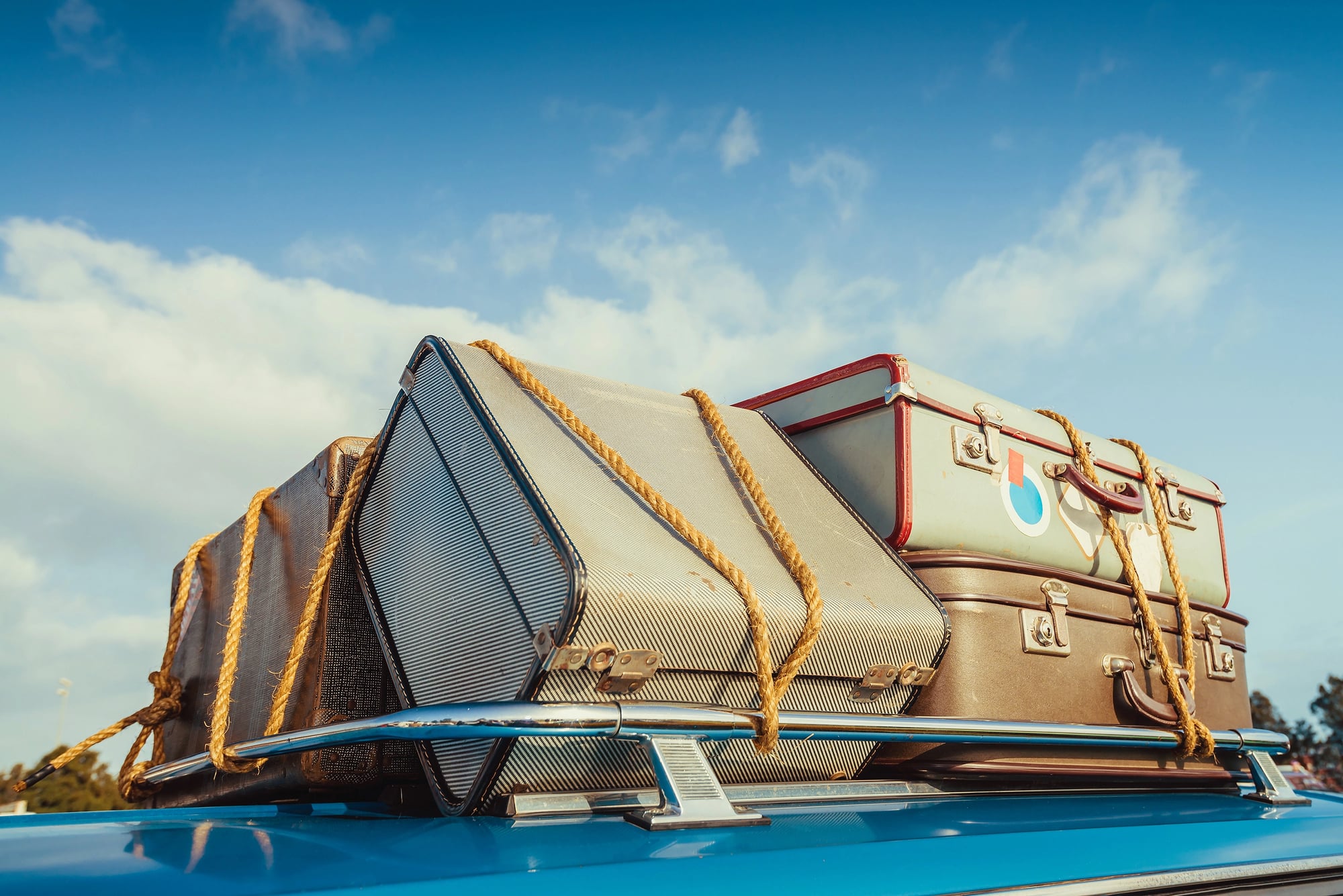
Loading up the family station wagon was an art form that required strategic planning and multiple attempts to fit everything perfectly. Dad would spend an hour arranging suitcases, coolers, and sports equipment like a three-dimensional puzzle, while Mom double-checked that nothing essential was forgotten.
The fully packed wagon, with its rear window barely visible, became a symbol of adventure and family togetherness.
Roadside Picnic Lunches
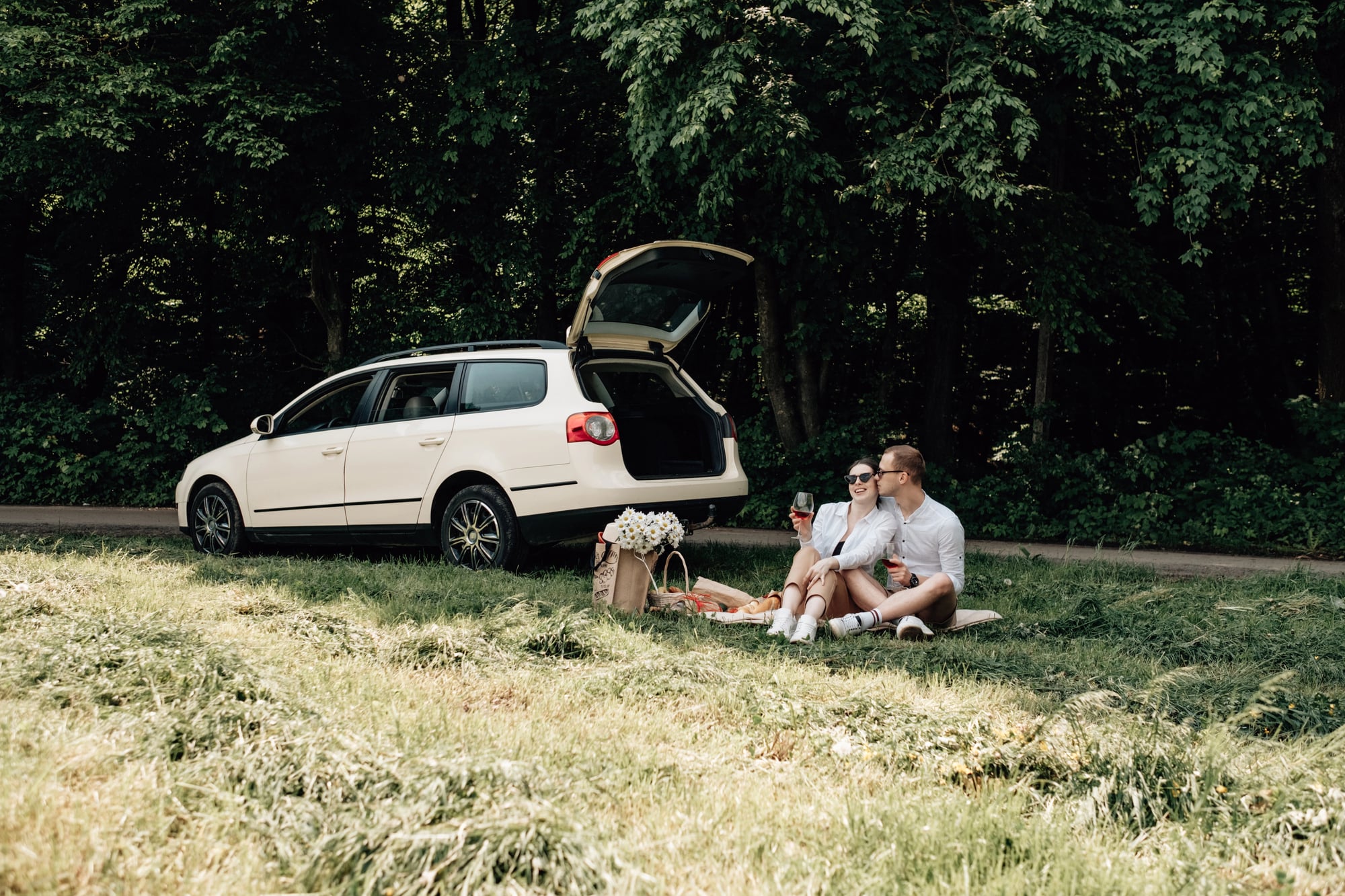
Families used to pack elaborate lunches in coolers and eat at roadside picnic tables or scenic overlooks instead of hitting drive-throughs. These impromptu meals often became the most memorable parts of the trip, complete with ants trying to steal sandwiches and kids running around to burn off energy.
The simple act of eating together outdoors created a sense of adventure that fast food couldn’t match.
Vacation Photo Development Anticipation
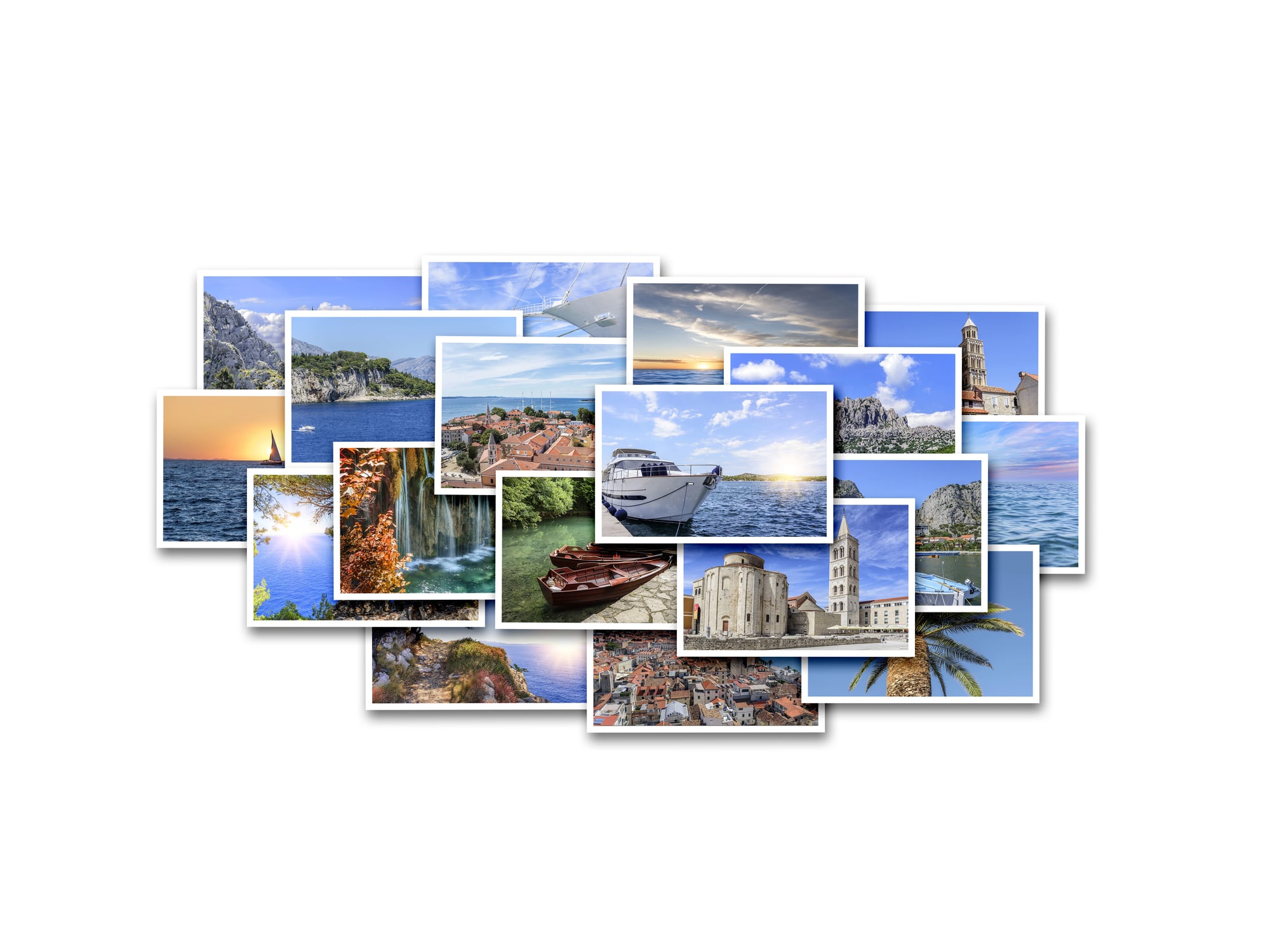
Getting vacation photos developed was like receiving a surprise gift weeks after returning home. Families would drop off rolls of film and wait anxiously to see which shots turned out well and which captured unexpected moments.
The physical act of flipping through prints and discovering forgotten memories made the vacation feel like it lasted longer than it actually did.
Car Games and Sing-Alongs
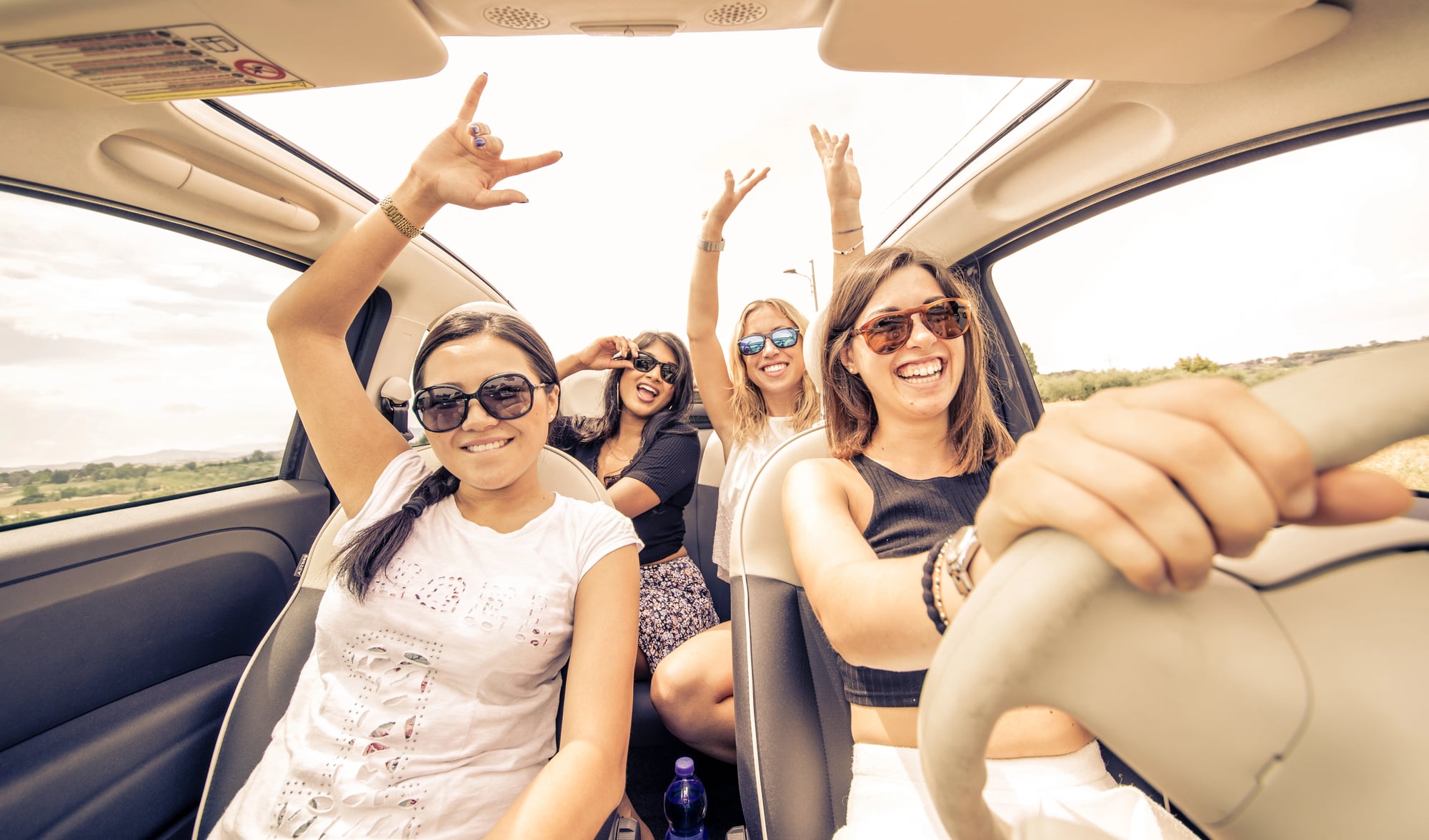
Long car rides meant hours of ‘Twenty Questions,’ ‘I Spy,’ and group sing-alongs to radio favorites. These activities weren’t just entertainment but bonding experiences that created shared family jokes and memories.
The slightly off-key renditions of popular songs and the creative answers to guessing games became part of each family’s unique vacation folklore.
Souvenir Budget Allowances
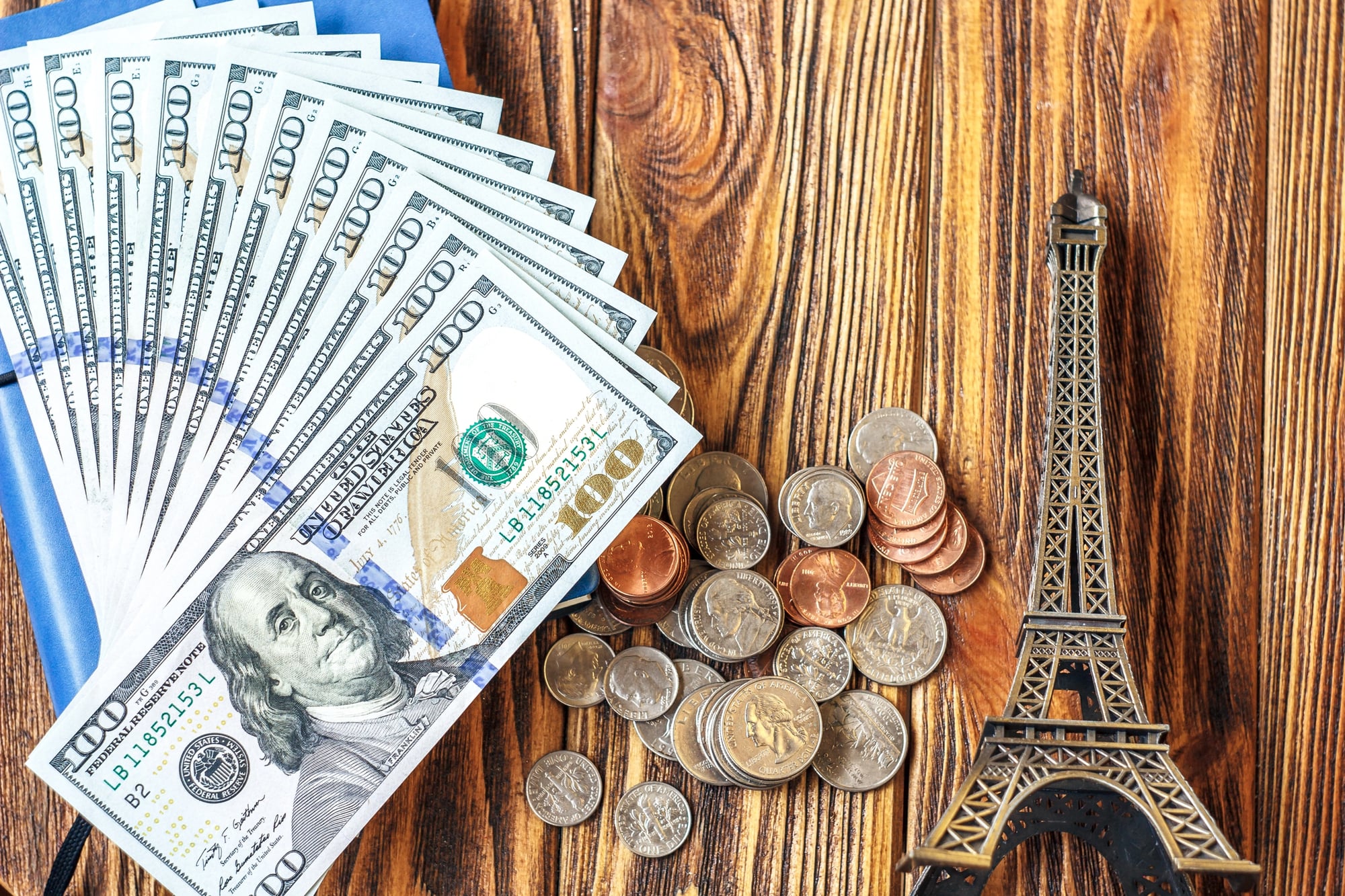
Parents used to give each child a specific amount of spending money for souvenirs, teaching them to budget and make thoughtful purchasing decisions. Kids would carefully consider each potential purchase, weighing the merits of a rubber tomahawk against a miniature license plate.
This tradition taught valuable lessons about money management while giving children agency in their vacation experience.
Vacation Journals and Scrapbooks
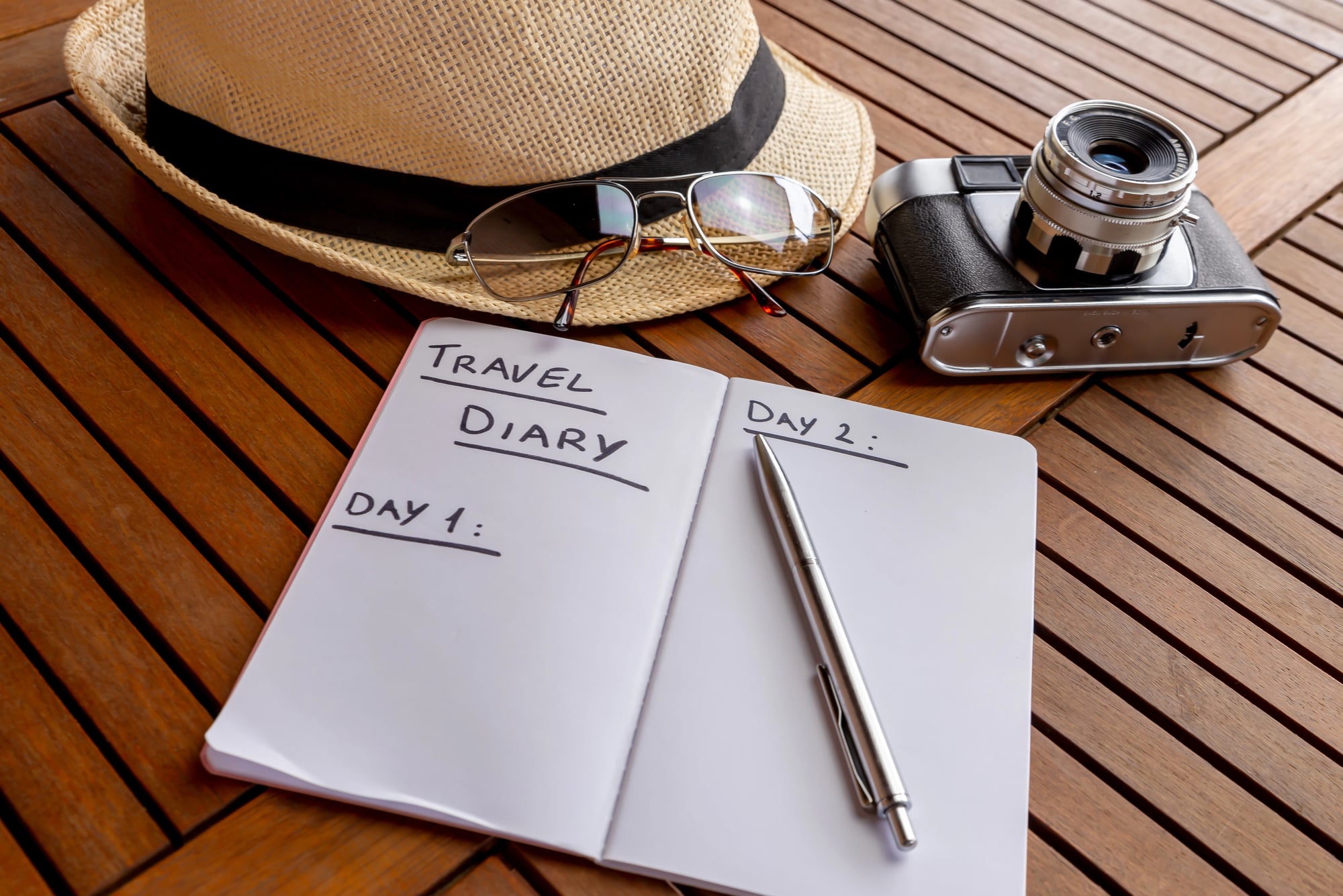
Many families maintained vacation journals where they recorded daily activities, funny incidents, and memorable quotes from the trip. Kids would write about their favorite moments, paste in ticket stubs and brochures, and create lasting documentation of their adventures.
These handmade keepsakes became treasured family artifacts that were pulled out and shared for years afterward.
Campfire Stories and S’mores
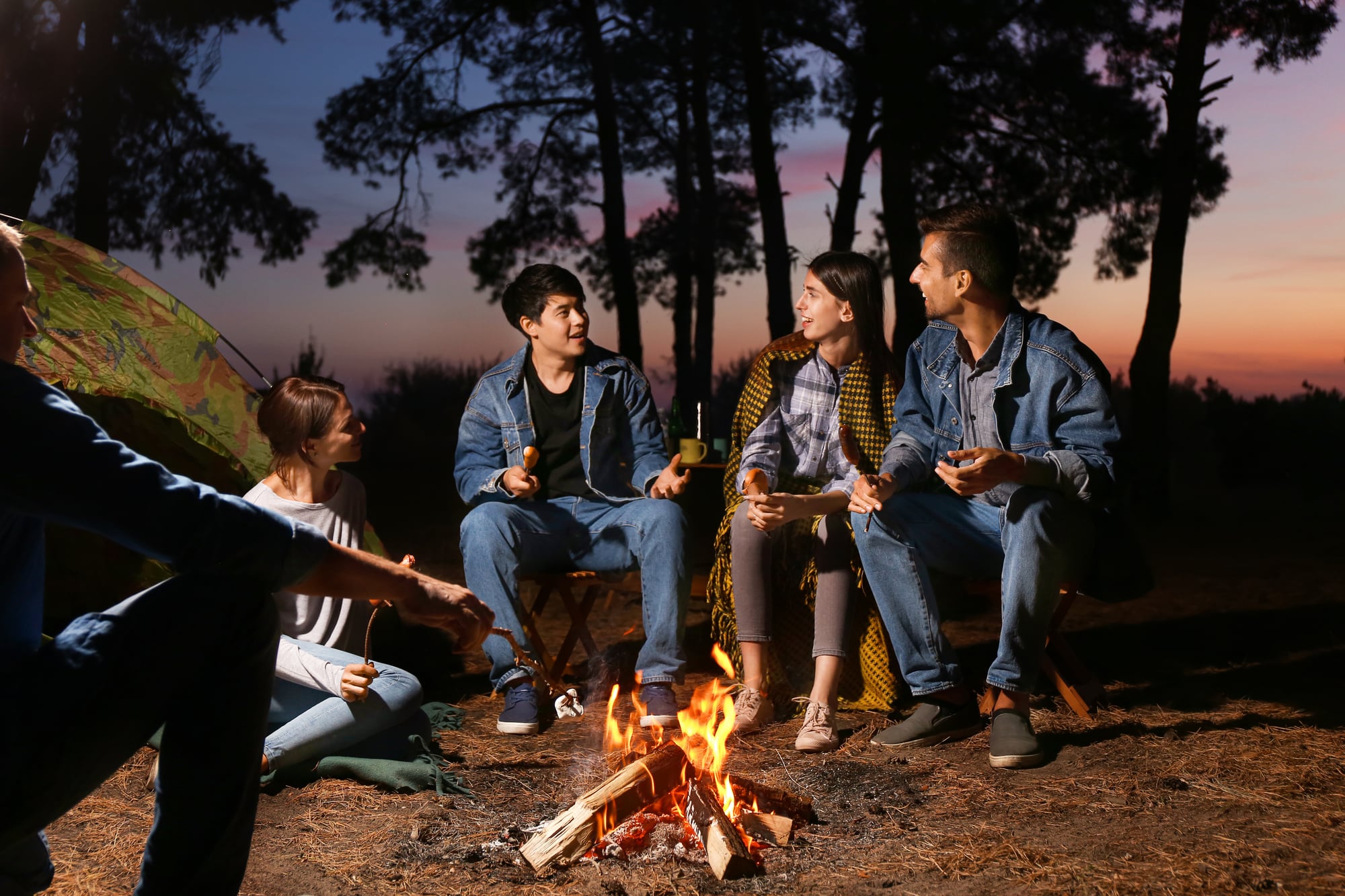
Camping trips always concluded with campfire gatherings where families would tell stories, roast marshmallows, and make s’mores together. These evening rituals created a sense of communion with nature and each other that couldn’t be replicated indoors.
The combination of flickering flames, shared treats, and storytelling made ordinary family moments feel magical and significant.
Attraction Brochure Collections
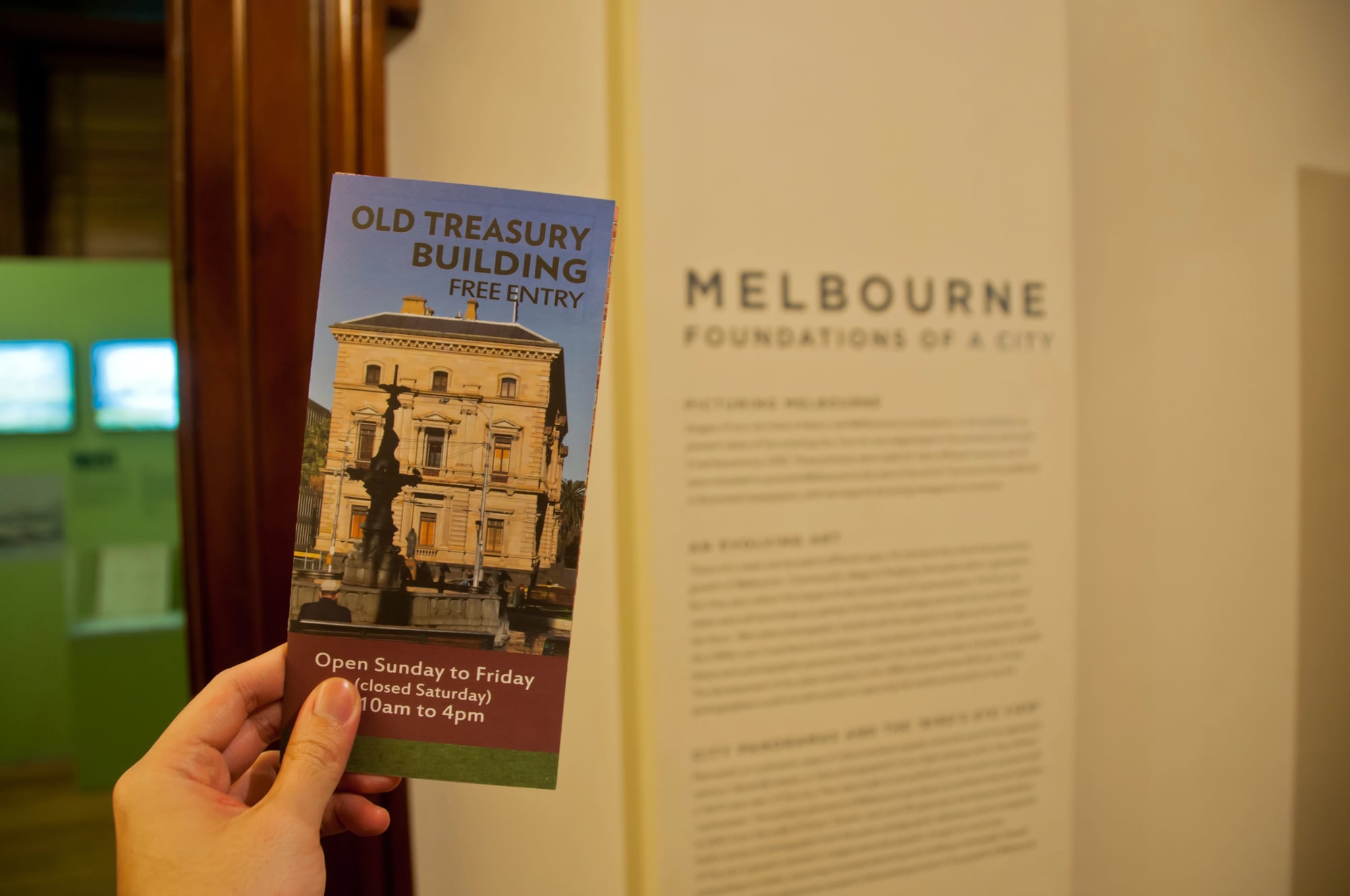
Tourist information centers used to be mandatory stops where families would gather armfuls of colorful brochures advertising local attractions. Kids would study these pamphlets like treasure maps, circling interesting destinations and building excitement for upcoming stops.
The brochures served as both planning tools and souvenirs that documented all the possibilities each location offered.
Vacation Countdown Calendars
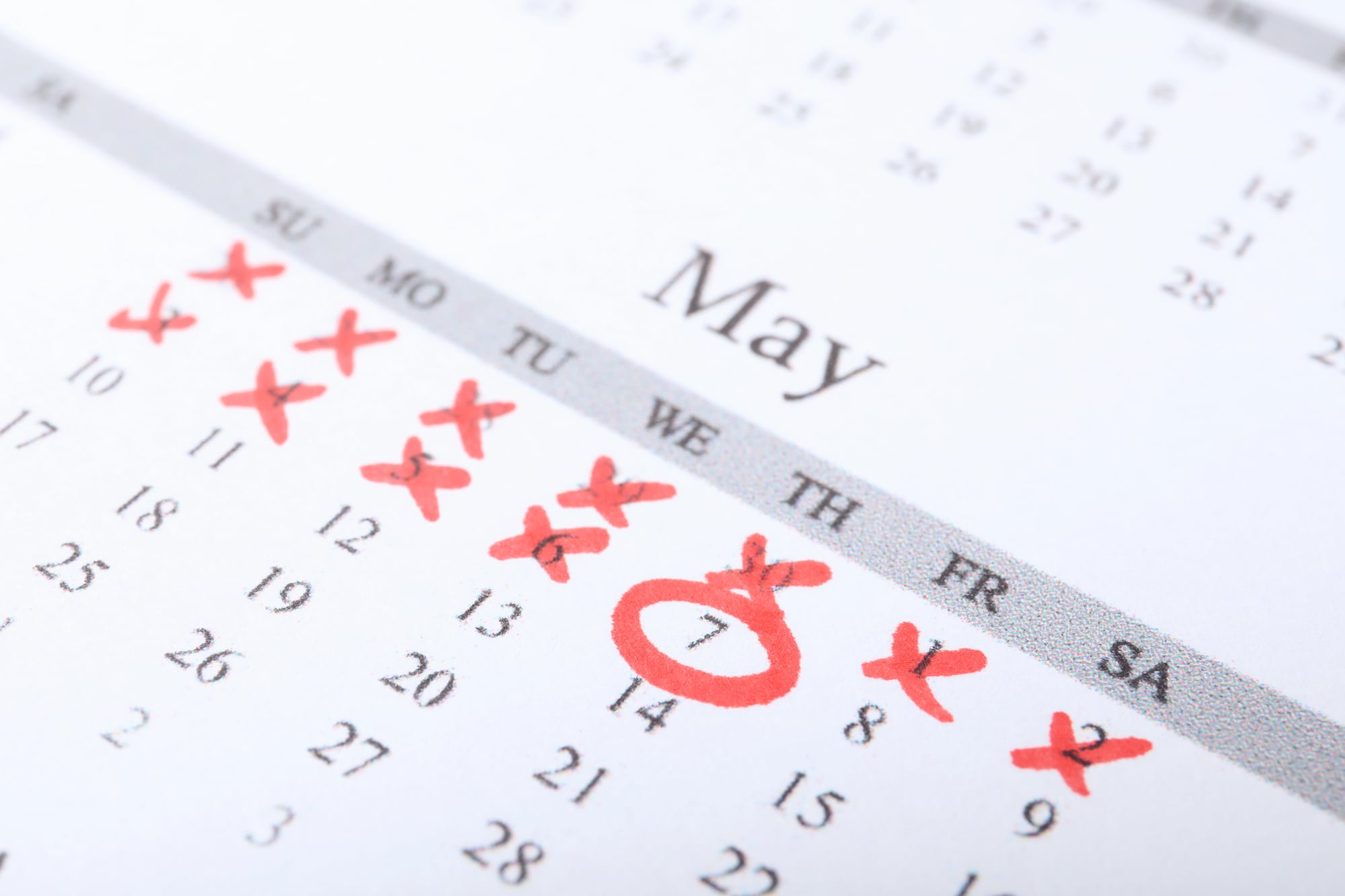
The anticipation for family vacations used to build through elaborate countdown calendars that marked off each day until departure. Kids would cross off dates and add stickers, while parents would use the countdown to build excitement and manage expectations.
This ritual made the vacation feel like a special event worthy of careful anticipation rather than just another trip.
Regional Food Sampling
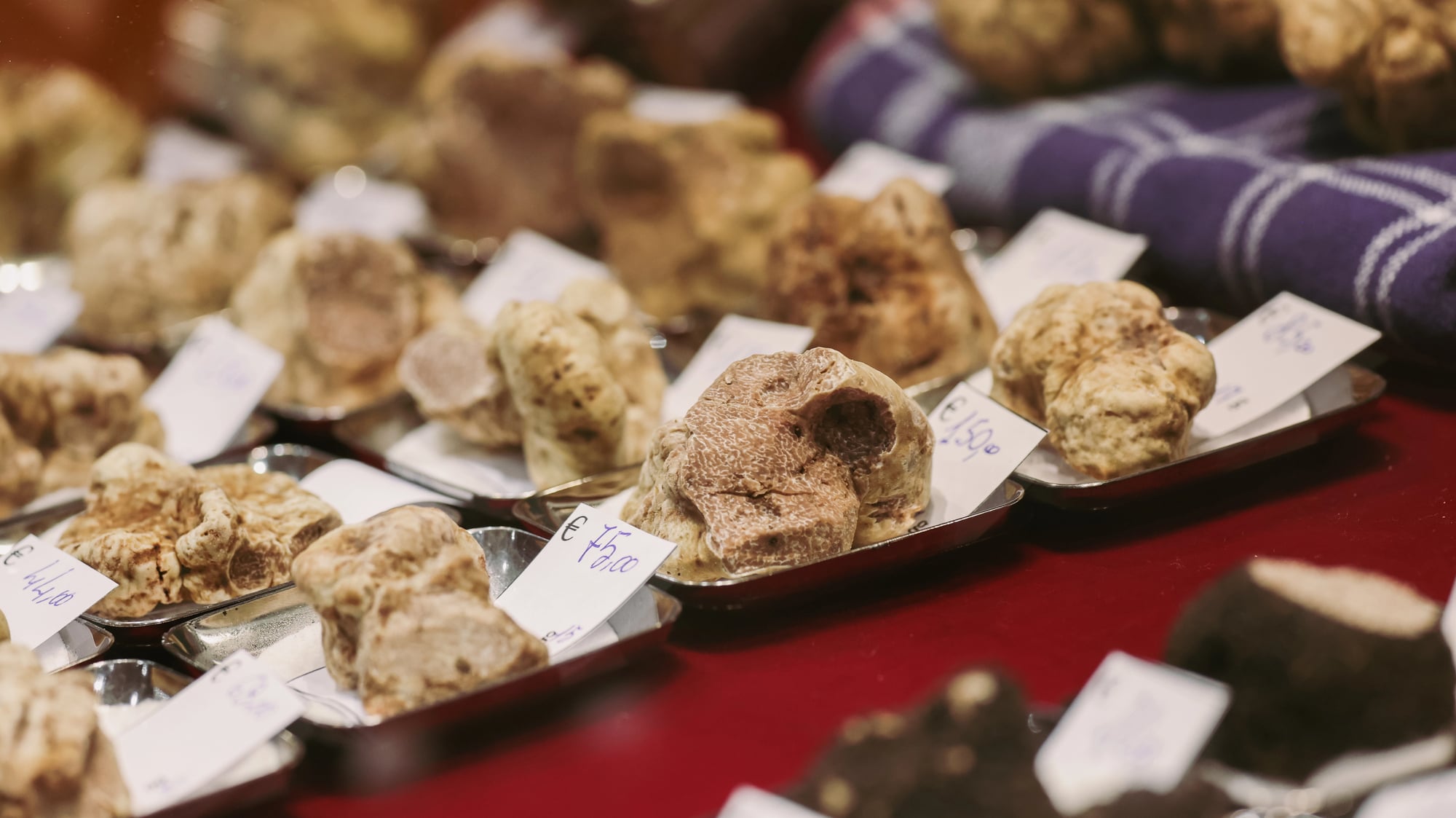
Families made it a point to try local specialties and regional dishes wherever they traveled, turning meals into cultural adventures. Kids were encouraged to taste new foods and learn about different culinary traditions, even if they didn’t always appreciate the experience at the time.
These food explorations often became running family jokes and created lasting associations between places and flavors.
Vacation Photo Albums
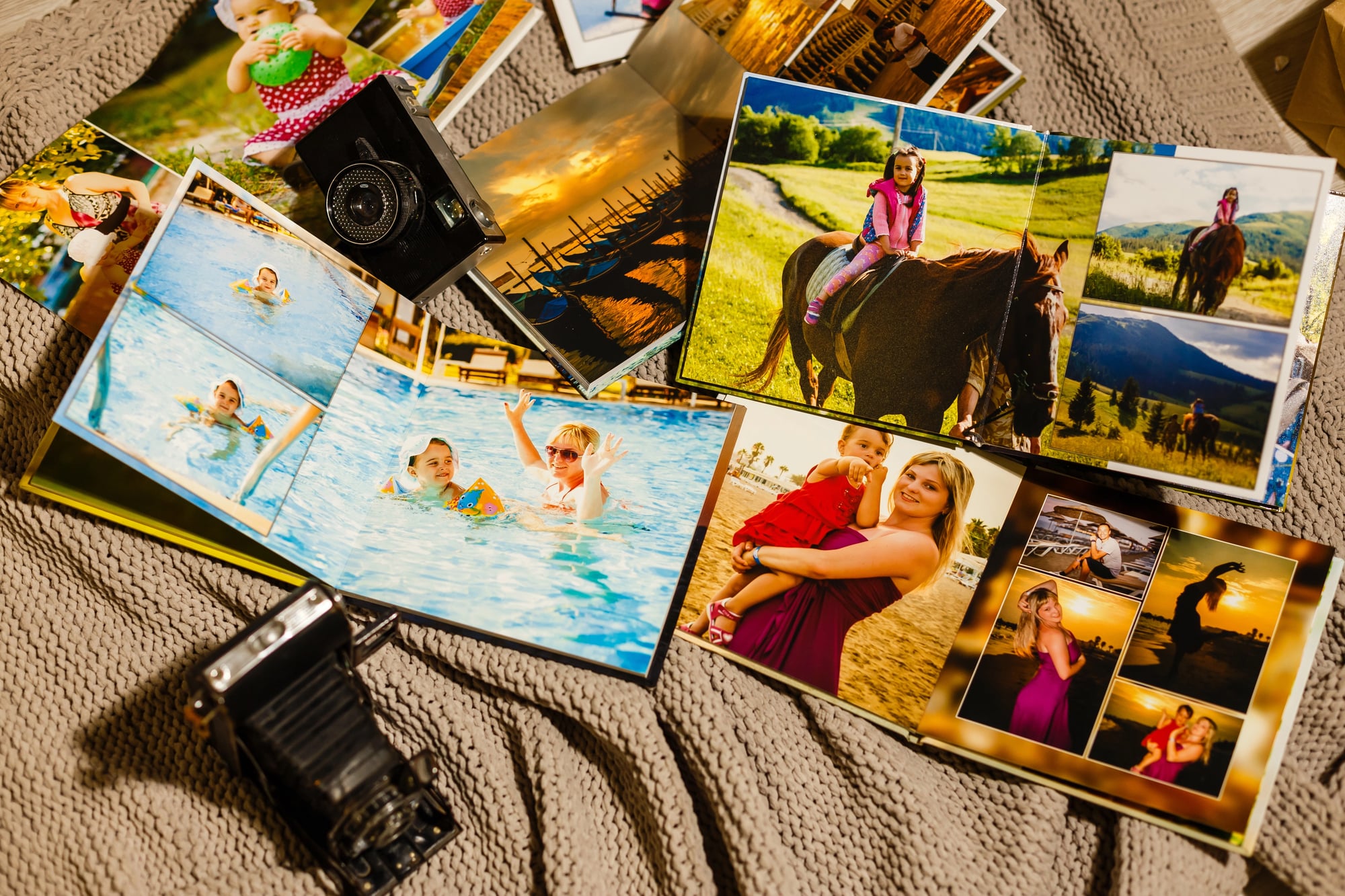
Creating physical photo albums was a post-vacation tradition that extended the joy of the trip for weeks after returning home. Families would carefully select the best shots, arrange them chronologically, and add captions that captured the story of their adventure.
These albums became centerpieces for family gatherings where vacation stories would be retold and memories would be shared with friends and relatives.
Scenic Route Detours
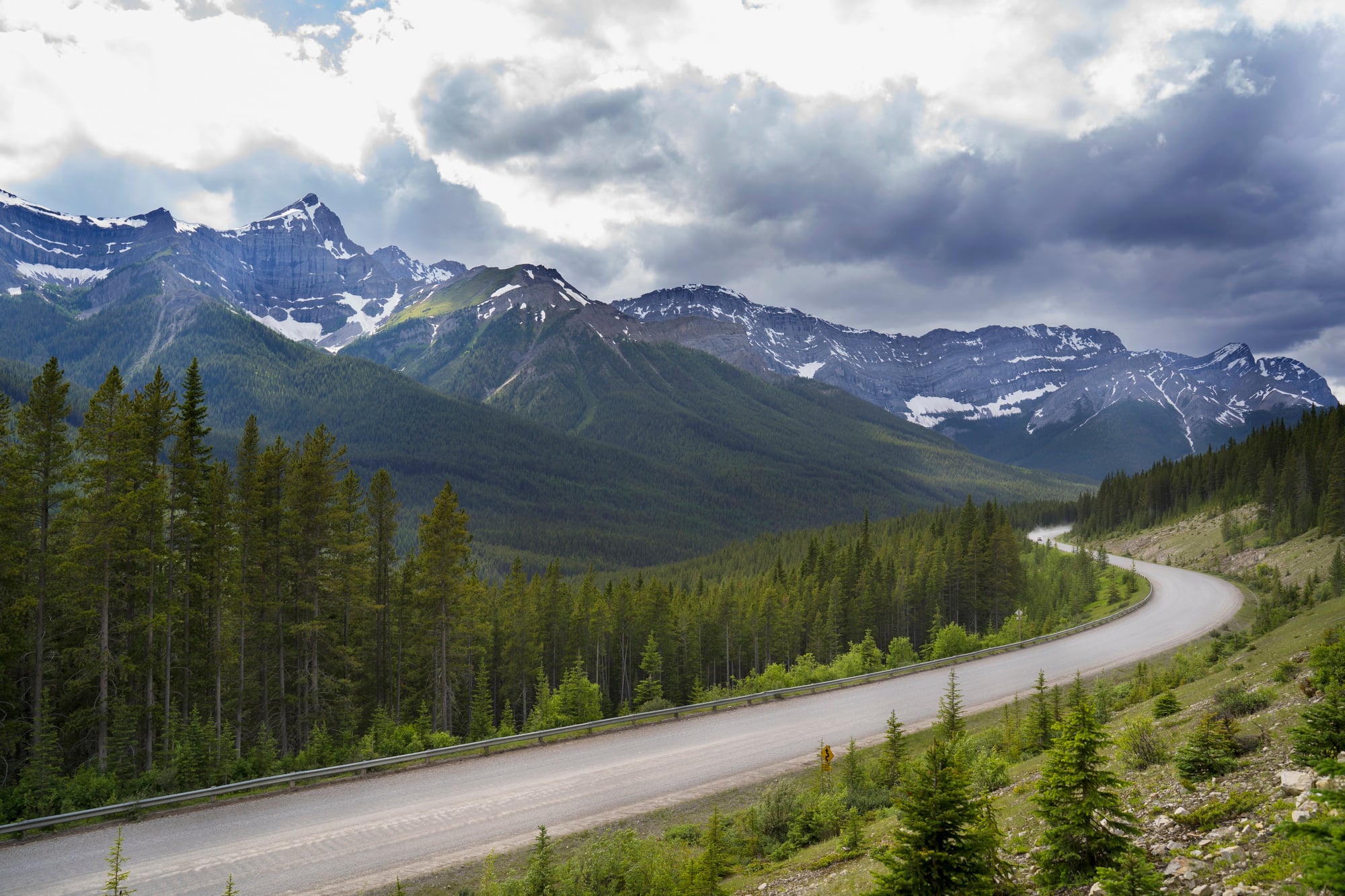
Families used to deliberately choose scenic routes over faster highways, understanding that the journey was as important as the destination. These detours led to unexpected discoveries like hidden waterfalls, charming small towns, or spectacular viewpoints that weren’t mentioned in any guidebook.
The willingness to take the long way meant that every trip included elements of surprise and spontaneous adventure.
Vacation Preparation Rituals
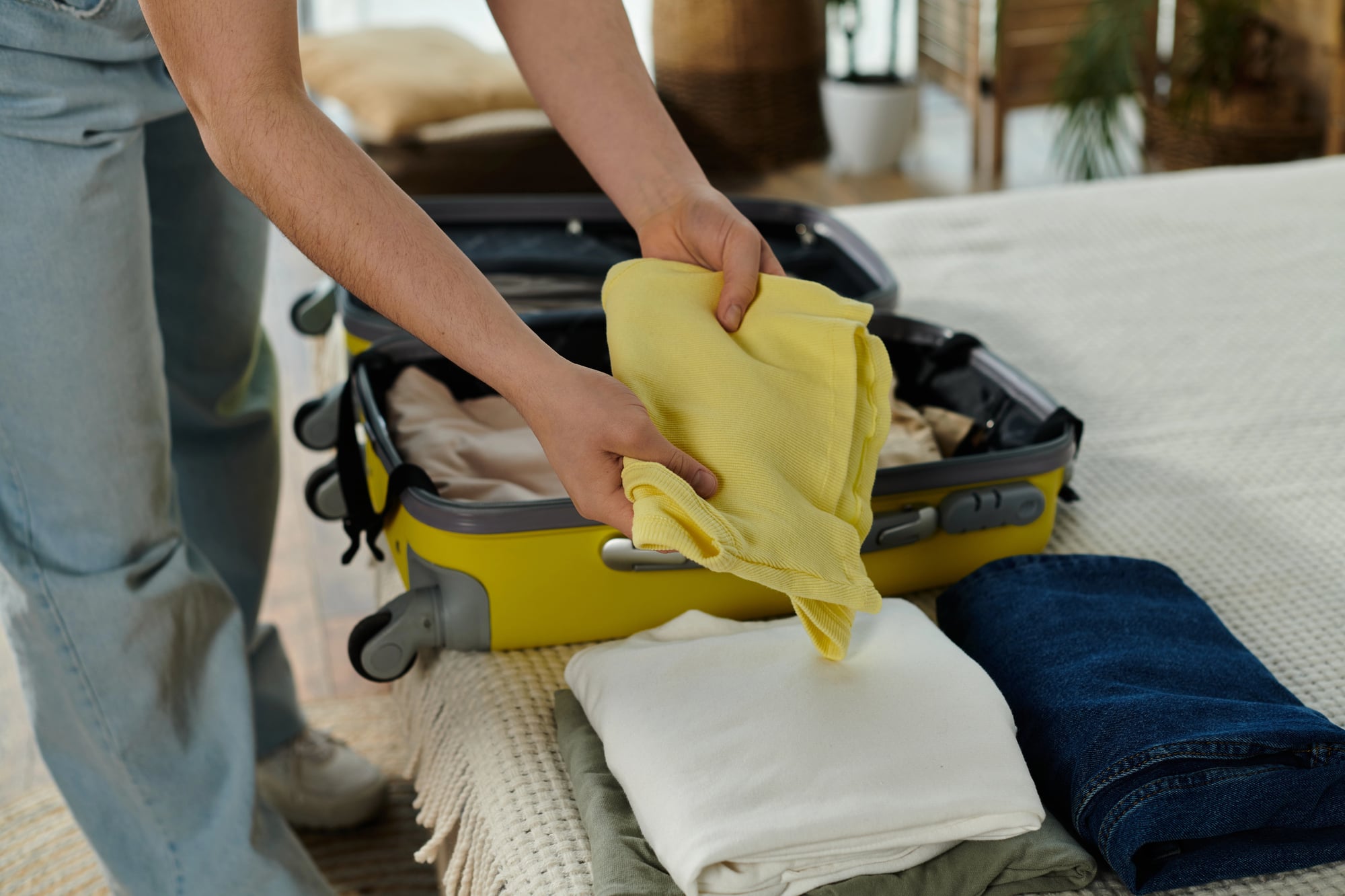
The weeks leading up to vacation were filled with specific rituals like getting the car serviced, organizing travel documents, and creating detailed packing lists. These preparations were part of the vacation experience itself, building anticipation and ensuring that nothing important was forgotten.
The methodical approach to vacation planning made the actual departure feel like the culmination of weeks of exciting preparation.
Vacation Recovery Days
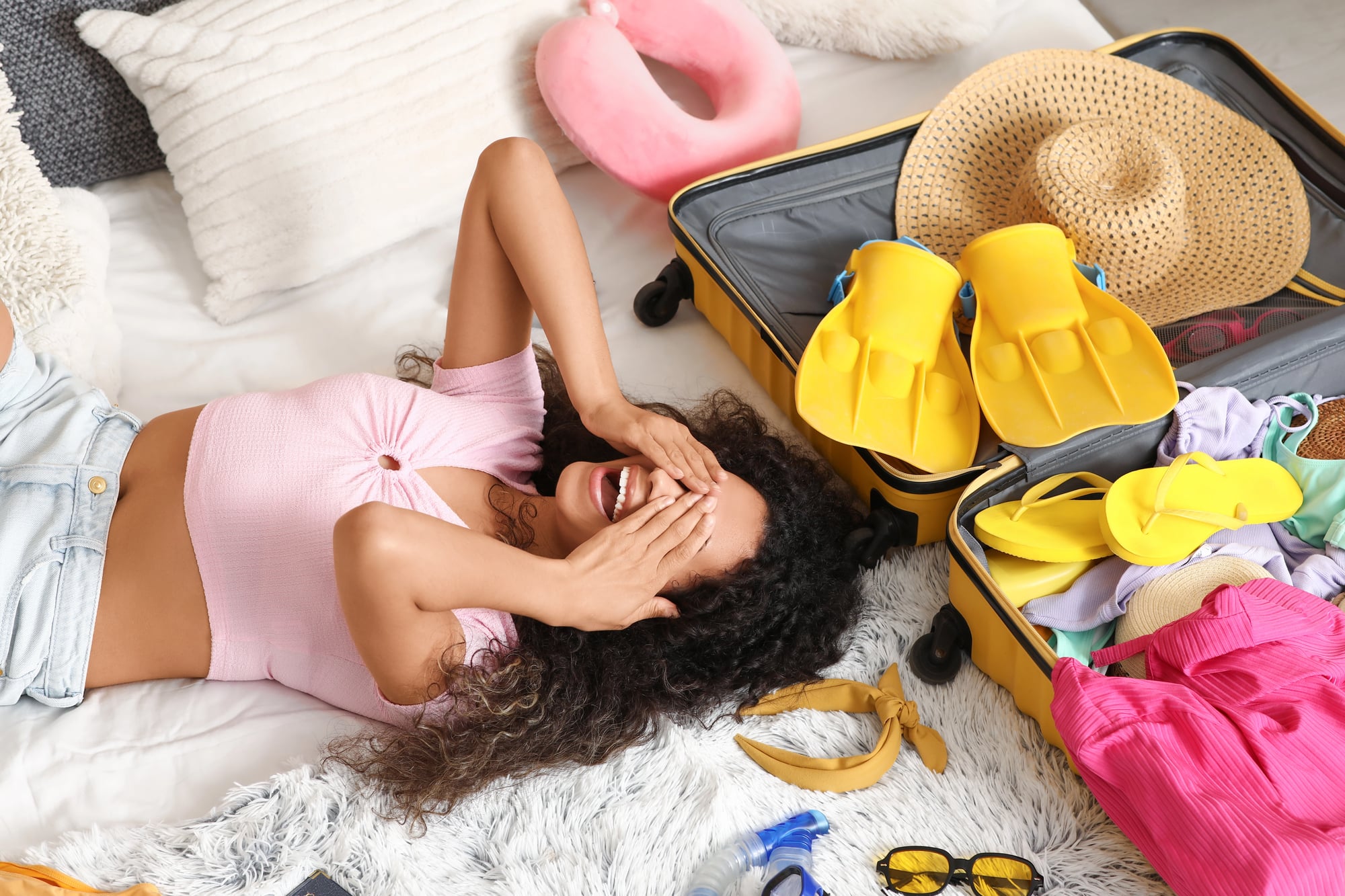
Families used to plan ‘recovery days’ after returning from vacation, understanding that everyone needed time to readjust to normal routines and process their experiences. These buffer days allowed for unpacking, laundry, and sharing stories with neighbors and friends who had watched the house.
The gradual transition back to regular life helped preserve the vacation’s positive effects instead of immediately jumping back into hectic schedules.
When Slower Meant Better
These lost traditions remind us that the best family vacations weren’t necessarily about seeing the most attractions or covering the greatest distances. The rituals and routines that surrounded travel created anticipation, fostered family bonding, and extended the joy of vacation far beyond the actual trip dates.
Modern families who intentionally incorporate some of these slower, more deliberate practices often discover that the journey itself becomes as memorable as any destination they reach. The key was understanding that vacation magic happened in the small moments between destinations, not just at the places marked on the map.
More from Go2Tutors!

- The Romanov Crown Jewels and Their Tragic Fate
- 13 Historical Mysteries That Science Still Can’t Solve
- Famous Hoaxes That Fooled the World for Years
- 15 Child Stars with Tragic Adult Lives
- 16 Famous Jewelry Pieces in History
Like Go2Tutors’s content? Follow us on MSN.



