15 Historic Crowns And Their Priceless Gems
Throughout history, crowns have represented far more than simple headwear—they’ve been symbols of divine authority, political power, and extraordinary wealth. These magnificent creations, adorned with the world’s most precious gemstones, have witnessed coronations, conquests, revolutions, and the rise and fall of empires. Each crown tells a story not just through its design, but through the priceless gems that have been carefully selected to represent the glory and might of the rulers who wore them.
From diamonds that once adorned Hindu temple statues to rubies that survived the French Revolution, these royal treasures represent the intersection of human ambition and nature’s most spectacular creations. The gemstones embedded in these crowns often have traveled further and lived through more drama than most people ever will.
Here’s a list of 15 historic crowns that showcase some of the most priceless and legendary gemstones ever assembled in a single collection.
St Edward’s Crown

The official coronation crown of British monarchs, St Edward’s Crown is made of solid 22-carat gold and weighs nearly five pounds. Used exclusively for coronation ceremonies, this ancient crown contains semi-precious stones including amethysts, sapphires, garnets, topazes, and tourmalines set in beautiful crosses and floral designs.
The crown has been used to crown every British monarch since Charles II in 1661, making it one of the most historically significant pieces of regalia in the world.
Imperial State Crown
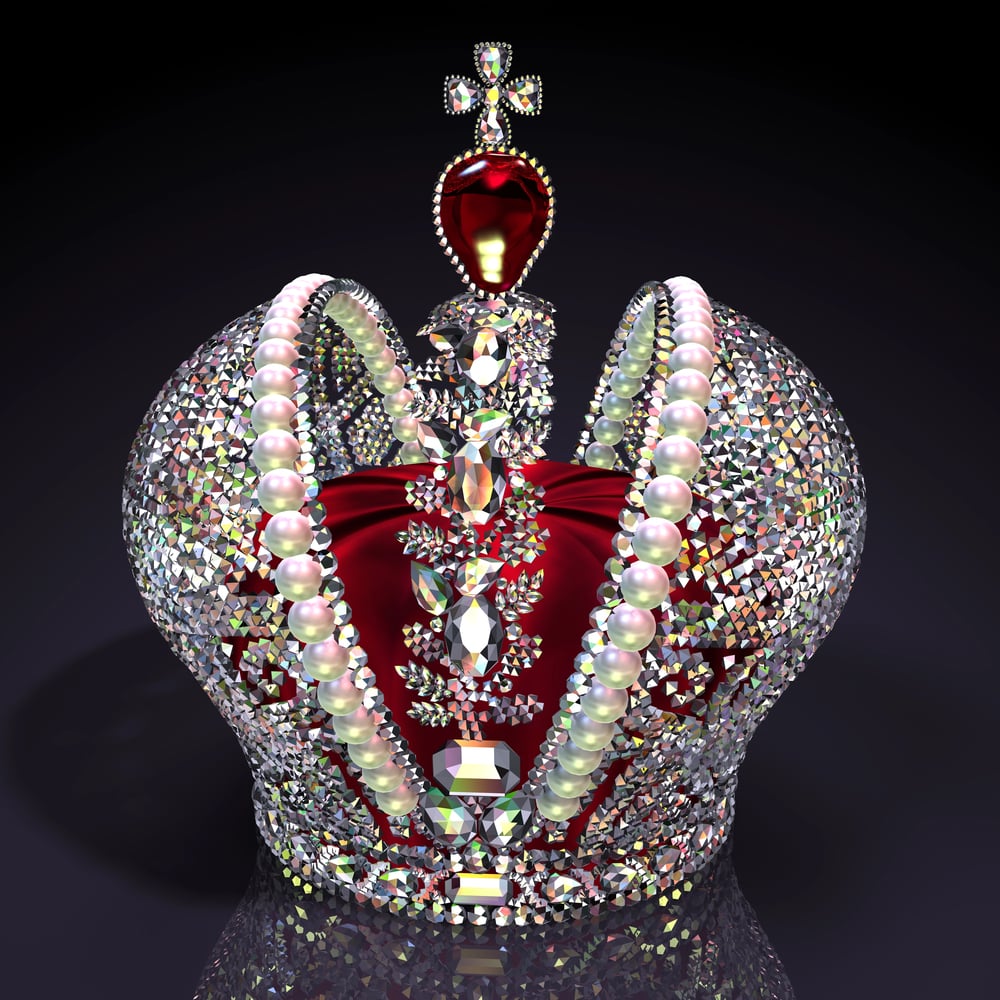
Perhaps the most famous working crown in the world, the Imperial State Crown contains 2,868 diamonds, 17 sapphires, 11 emeralds, 4 rubies, and 269 pearls. The crown features the legendary Black Prince’s Ruby, a 170-carat red spinel worn by Henry V at the Battle of Agincourt, and the stunning Cullinan II diamond, the second-largest stone cut from the famous Cullinan Diamond.
St Edward’s Sapphire, said to have been worn in a ring by Edward the Confessor, sits at the crown’s back, connecting modern royalty to medieval kings.
Like Go2Tutors’s content? Follow us on MSN.
Imperial Crown of Russia

Created for Catherine the Great’s coronation in 1762, this magnificent crown contains 4,936 diamonds totaling 2,858 carats, along with 75 natural pearls. The crown’s centerpiece is a massive 398.72-carat red spinel, historically known as the ‘balas ruby,’ which is believed to be the second-largest spinel in the world.
The crown survived the Russian Revolution and remains one of the most spectacular examples of 18th-century imperial regalia, now housed in the Moscow Kremlin’s Diamond Fund.
Holy Crown of Hungary
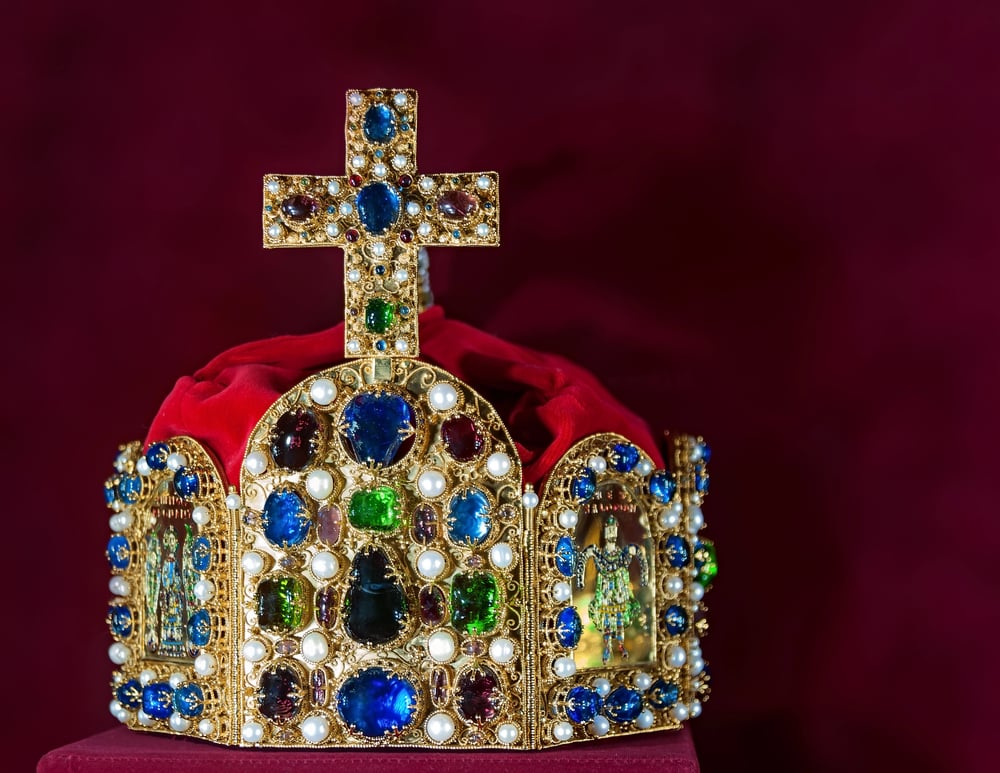
Also known as the Crown of Saint Stephen, this unique crown combines Byzantine and Western European influences in its design. The lower band features beautiful enamel plaques depicting Byzantine emperors and saints, created in Constantinople in the 1070s.
The crown contains numerous precious stones, pearls, and intricate goldwork that has survived over 900 years of turbulent Hungarian history. More than fifty Hungarian kings were crowned with this sacred crown, making it one of Europe’s most historically significant pieces of regalia.
Imperial Crown of the Holy Roman Empire
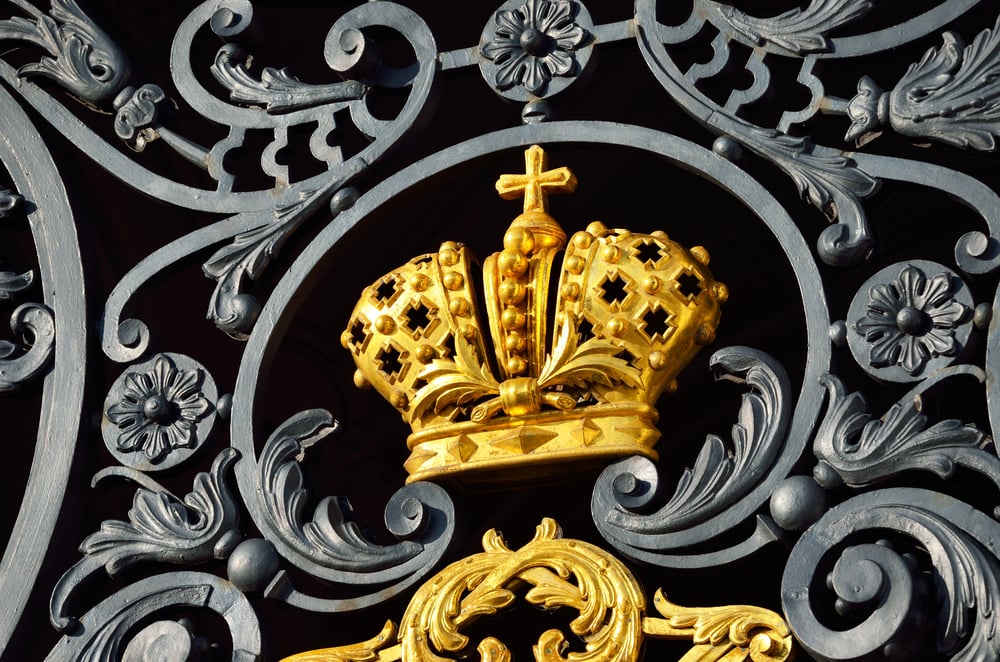
Dating from the late 10th century, this octagonal crown was designed to resemble Byzantine imperial crowns. The eight hinged golden plates are studded with large uncut gems including sapphires, emeralds, amethysts, and pearls in settings that emphasize size over uniform brilliance.
The crown’s front cross contains a magnificent sapphire, while precious stones of enormous size dominate each panel. This crown was used for Holy Roman Emperor coronations until the empire’s dissolution in 1806.
Like Go2Tutors’s content? Follow us on MSN.
Crown of Queen Elizabeth The Queen Mother

Made for the 1937 coronation, this platinum crown is set with approximately 2,800 diamonds and famously contains the Koh-i-Noor diamond. The 105.6-carat Koh-i-Noor, meaning ‘Mountain of Light,’ has a legendary history spanning centuries and is considered one of the most famous diamonds in the world.
The crown also features brilliant-cut diamonds arranged in stunning geometric patterns that showcase the exceptional craftsmanship of the 20th century’s finest jewelers.
Crown of Anna Ioannovna

Created for the Russian Empress Anna Ioannovna’s coronation in 1730, this extraordinary crown contains 2,500 diamonds and rubies. The crown features a large tourmaline as its central stone and was originally adorned with around 100 pearls.
This massive silver and gilt crown survived when most Russian imperial crowns were broken up after ceremonies, and it was later used for the coronation of Nicholas I in Warsaw in 1829.
Iron Crown of Lombardy

This ancient crown, traditionally used for coronating the Kings of Italy, is said to contain one of the nails from Christ’s crucifixion, beaten into a thin band that forms the crown’s inner circle. The outer crown is made of six golden segments decorated with precious stones including emeralds, sapphires, and garnets, along with enamel work and pearls.
Napoleon Bonaparte famously crowned himself with this crown in 1805, declaring ‘God gave it to me, woe to him who touches it.’
Like Go2Tutors’s content? Follow us on MSN.
Crown of Charlemagne
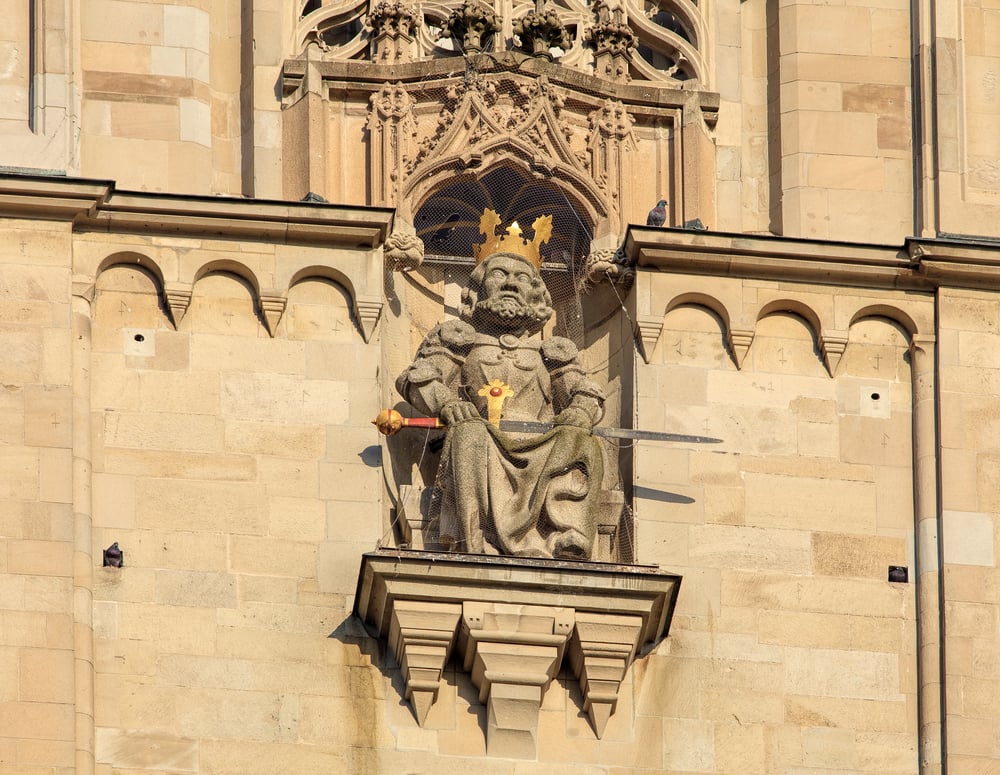
The traditional coronation crown of French kings, used from the reign of Charles the Bald until the French Revolution. This ancient crown featured four curved rectangular plates adorned with precious stones, later enhanced with four large jeweled fleur-de-lis added by Philip Augustus around 1180.
The crown contained numerous sapphires, emeralds, and other precious gems in religious and royal symbolism before being destroyed during the French Revolution along with most of the French royal regalia.
Papal Tiara

The traditional three-tiered crown of the Popes, the Papal Tiara has been made in various forms since the 8th century. Historic versions contained hundreds of precious stones including diamonds, emeralds, sapphires, and rubies, along with extensive gold work and religious symbolism.
The most famous papal tiaras featured massive gemstones donated by Catholic monarchs and wealthy faithful, representing the spiritual authority of the papacy over Christendom.
Imperial Crown of Austria

Made in Prague in 1602 for Holy Roman Emperor Rudolf II, this crown became the official crown of the Austrian Empire in 1804. The crown combines a traditional circlet with a mitre representing royal authority and divine right, and contains numerous precious stones including diamonds, emeralds, and sapphires.
The crown features elements copied from the earlier Imperial Crown of the Holy Roman Empire, maintaining the connection to imperial tradition.
Like Go2Tutors’s content? Follow us on MSN.
Crown of Napoleon

Napoleon’s imperial crown, created for his coronation in 1804, featured a distinctive design inspired by Roman laurel wreaths made of gold leaves. While simpler than many royal crowns, it contained carefully selected diamonds and precious stones that reflected the emperor’s vision of imperial grandeur.
The crown represented Napoleon’s claim to be the successor of both Roman emperors and Charlemagne, combining classical and medieval imperial traditions.
Crown of Bavaria
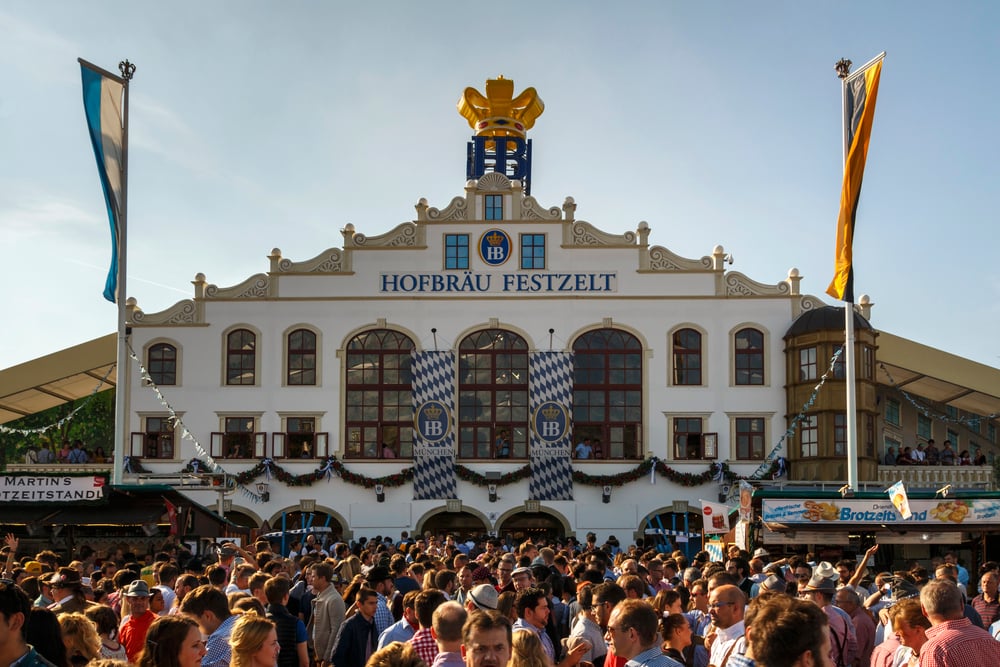
The Bavarian royal crown, part of the Bavarian Crown Jewels, featured a distinctive design with precious stones including diamonds, emeralds, sapphires, and rubies. Created for the Kingdom of Bavaria, the crown contained a remarkable collection of gems that reflected the wealth and status of the Wittelsbach dynasty.
The crown’s design incorporated both traditional Germanic elements and more modern European royal styling.
Crown of Christian IV of Denmark

One of the most impressive pieces of Danish royal regalia, this crown contains table-cut diamonds, sapphires, emeralds, and garnets in a design that reflects Renaissance craftsmanship. The crown features intricate goldwork combined with precious stones that demonstrate the wealth and artistic sophistication of the Danish court.
Created in the early 17th century, it represents one of the finest examples of Scandinavian royal regalia.
Like Go2Tutors’s content? Follow us on MSN.
Lesser Imperial Crown of Russia
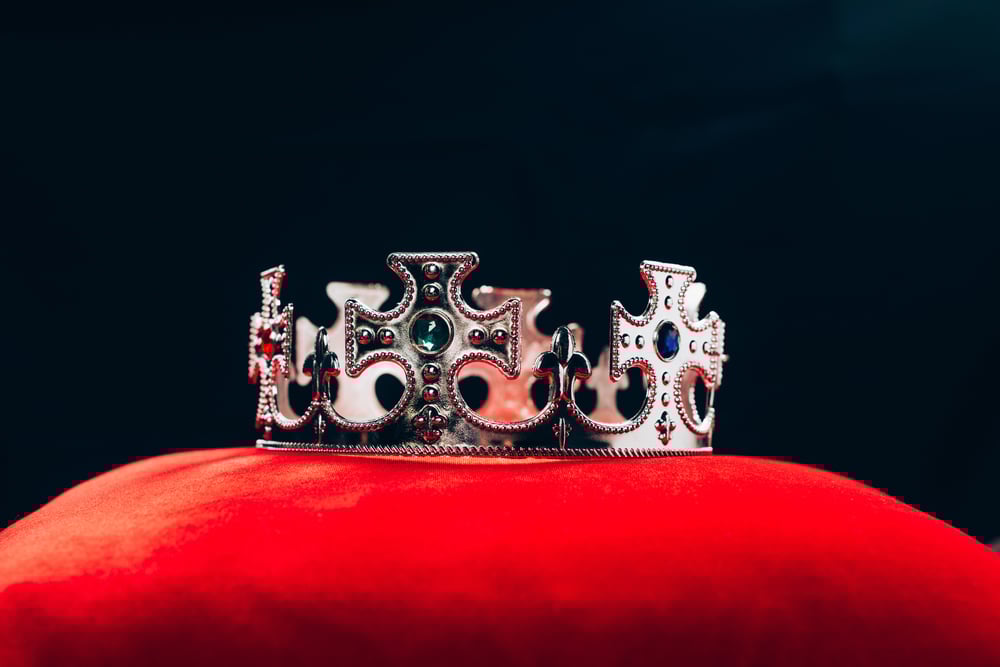
Used for the coronation of Russian consorts, this smaller but magnificent crown contains 48 large diamonds and 200 smaller ones by imperial standards. Made of silver and richly decorated with precious stones, the crown represents the refined elegance of Russian imperial jewelry design.
While much smaller than the Great Imperial Crown, its exceptional craftsmanship and gem quality make it a masterpiece of royal regalia that survived the tumultuous events of Russian history.
Eternal Symbols of Power

These fifteen historic crowns represent more than mere collections of precious stones—they embody the dreams, ambitions, and power struggles of entire civilizations. The priceless gems adorning these crowns have witnessed the coronation of saints and the downfall of tyrants, survived revolutions and wars, and continue to captivate millions of visitors in museums around the world.
Each diamond, ruby, sapphire, and emerald carries within it not just geological history spanning millions of years, but human stories of conquest, divine right, and the eternal quest for legitimacy through beauty and magnificence. While some of these crowns were destroyed by revolutionaries or lost to history, those that survive serve as glittering reminders of humanity’s endless fascination with power, beauty, and the precious treasures of the Earth.
More from Go2Tutors!

- 16 Historical Figures Who Were Nothing Like You Think
- 12 Things Sold in the 80s That Are Now Illegal
- 15 VHS Tapes That Could Be Worth Thousands
- 17 Historical “What Ifs” That Would Have Changed Everything
- 18 TV Shows That Vanished Without a Finale
Like Go2Tutors’s content? Follow us on MSN.