15 Historic Photos Capturing The Famous Grand Central Terminal
There’s something magical about stepping into Grand Central Terminal that stops you in your tracks. Maybe it’s the celestial ceiling that makes you crane your neck, or the way thousands of people flow through the concourse like a choreographed dance they’ve all somehow memorized.
This isn’t just a train station — it’s a cathedral of movement, a monument to human ambition, and one of the most photographed spaces in America. These 15 historic photographs tell the story of Grand Central from its earliest days to its transformation into the icon we know today.
Each image captures a moment in time when this architectural marvel was still finding its place in the fabric of New York City.
Construction and Early Foundation Work
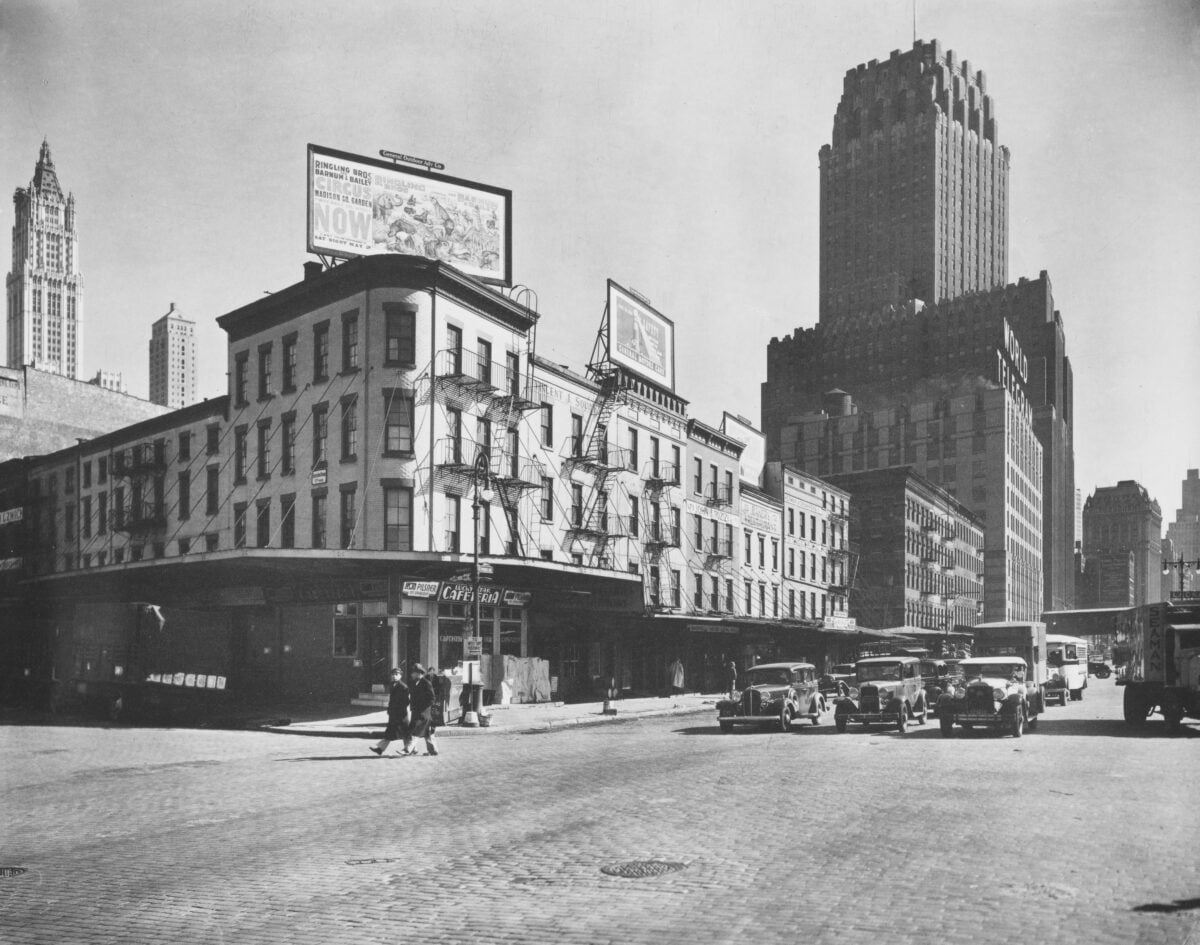
The photographs from Grand Central’s construction phase reveal something most people never consider: this masterpiece required demolishing an entire city block. Workers had to excavate two stories below street level while keeping Park Avenue traffic flowing overhead, which was (according to engineers at the time) like performing surgery on a patient who refuses to lie still.
And yet the ambition was even grander than the logistics suggested — they weren’t just building a train station, they were creating an underground city that would eventually handle more daily foot traffic than some entire metropolitan areas, complete with its own police force, post office, and enough retail space to qualify as a shopping district, though calling it that would miss the point entirely since Grand Central was designed to be a destination, not just a place you passed through on your way somewhere else.
The Grand Opening Ceremony of 1913
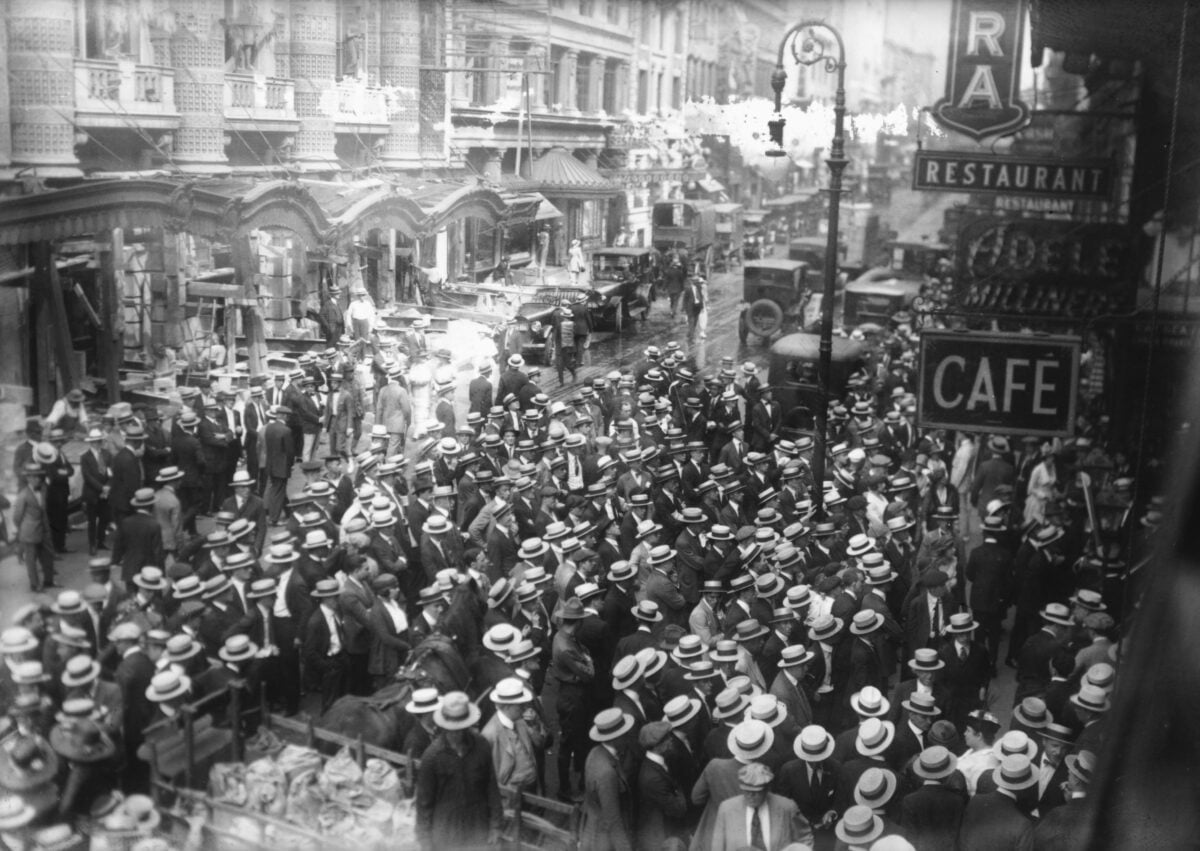
Picture this: February 2, 1913, and every dignitary in New York is crammed into a space designed for travelers, not ceremonies. The irony wasn’t lost on anyone present.
Here was a building conceived around movement, around the idea that people would arrive and depart, yet on its opening day, everyone wanted to stay and gawk. The photographs from that day capture something you can’t quite put your finger on — a collective holding of breath.
Not because anyone doubted the engineering, but because Grand Central represented something bigger than transportation. It was New York announcing to the world that it had arrived as a city worthy of monuments.
The Information Booth Takes Center Stage
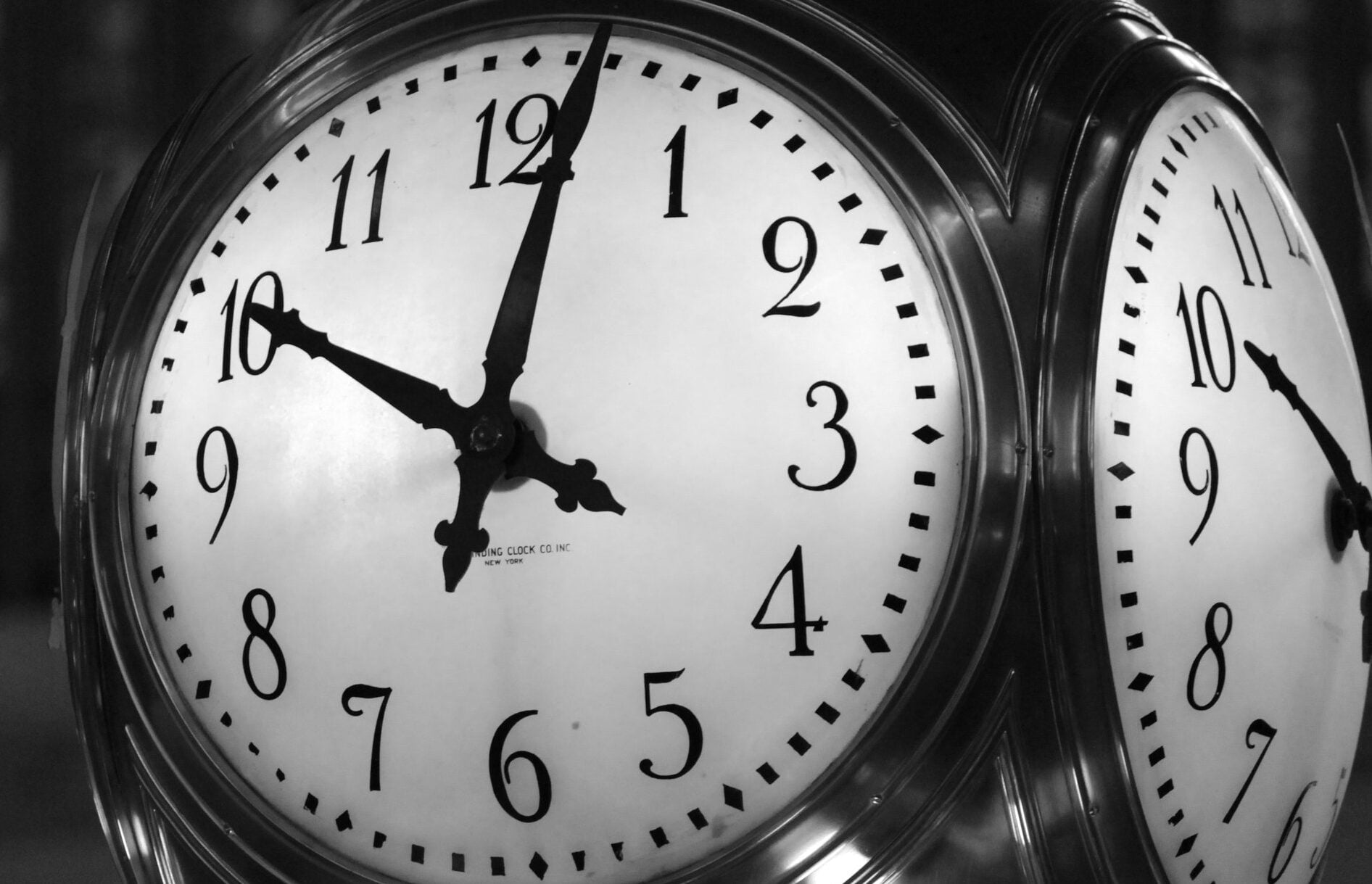
Grand Central’s information booth is the most overrated landmark in New York. There, it’s been said. Every tourist treats it like some sacred meeting spot, when really it’s just four-sided clock surrounded by perpetually lost people asking directions to places they could reach faster by walking.
The early photos of the booth tell a different story, though. Back then, it actually served a purpose — this was before smartphones, before GPS, before you could Google “how to get to Brooklyn” while standing in Midtown Manhattan.
The booth was genuinely useful, which is saying something for a piece of furniture that now exists mainly to anchor Instagram photos.
The Famous Celestial Ceiling
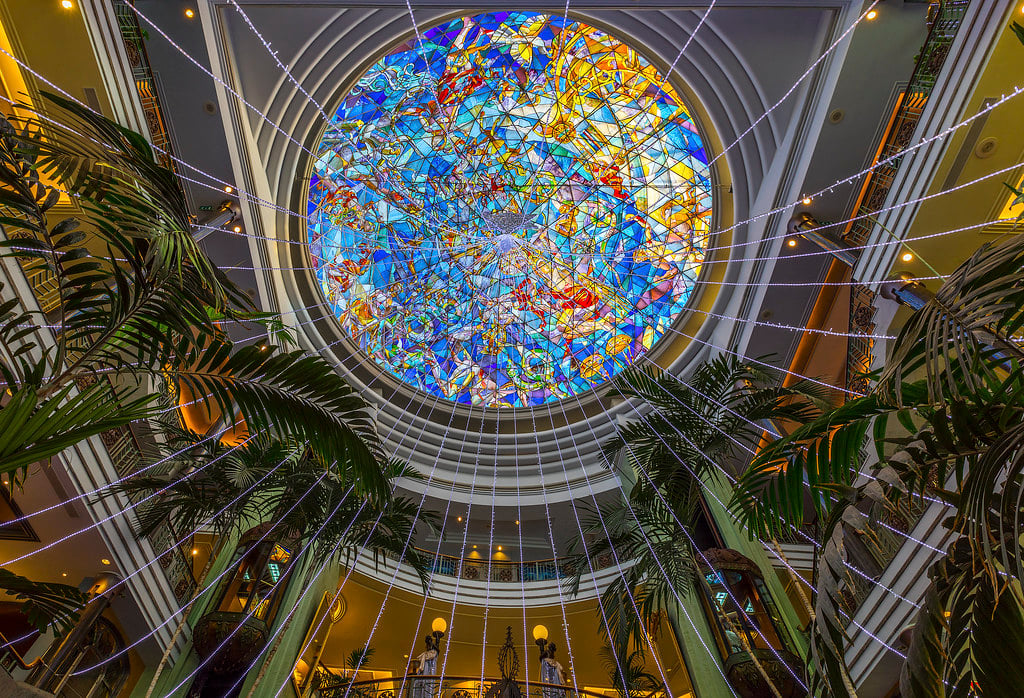
There’s a reason the ceiling at Grand Central makes people stop walking and just stare upward, mouths slightly open, like they’ve never seen a painted surface before. It’s not really about the astronomy (though the constellations are backwards, which bothers some people more than it should).
It’s about scale and the way it makes you feel simultaneously significant and utterly small. The historic photographs of the ceiling’s installation show something remarkable: dozens of artists working flat on their backs, painting stars they couldn’t step back to evaluate, trusting that when viewed from 125 feet below, their individual brush strokes would combine into something that looked like the night sky.
The faith required for that kind of work — both in your own skill and in the project’s vision — explains why the ceiling still stops people in their tracks a century later.
Rush Hour in the 1920s
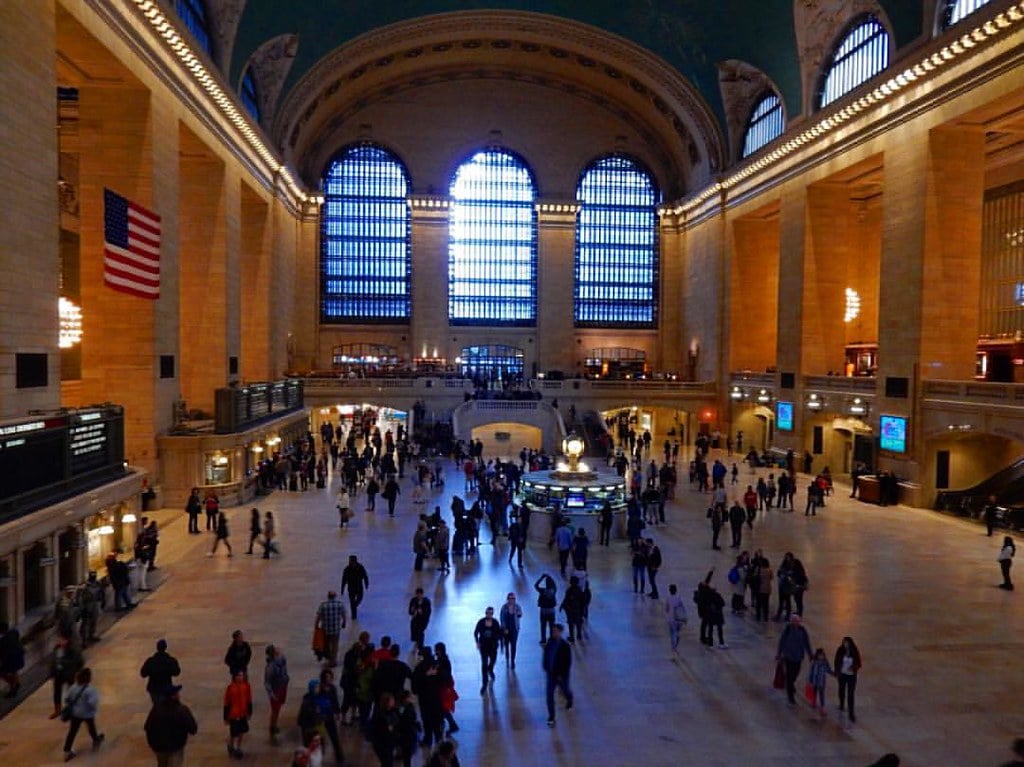
The 1920s rush hour photos reveal Grand Central at its most honest. No posing, no staging — just thousands of people in wool coats and fedoras moving with the kind of purpose that only comes from needing to catch a specific train at a specific time.
The crowd flows like water finding its level. What strikes you about these images is how orderly everything appears despite the obvious chaos.
People knew where they were going. The signage worked.
The architecture guided movement instead of fighting it, which seems almost quaint now when most public spaces feel like they were designed by people who never actually have to use them.
World War II Troop Movements
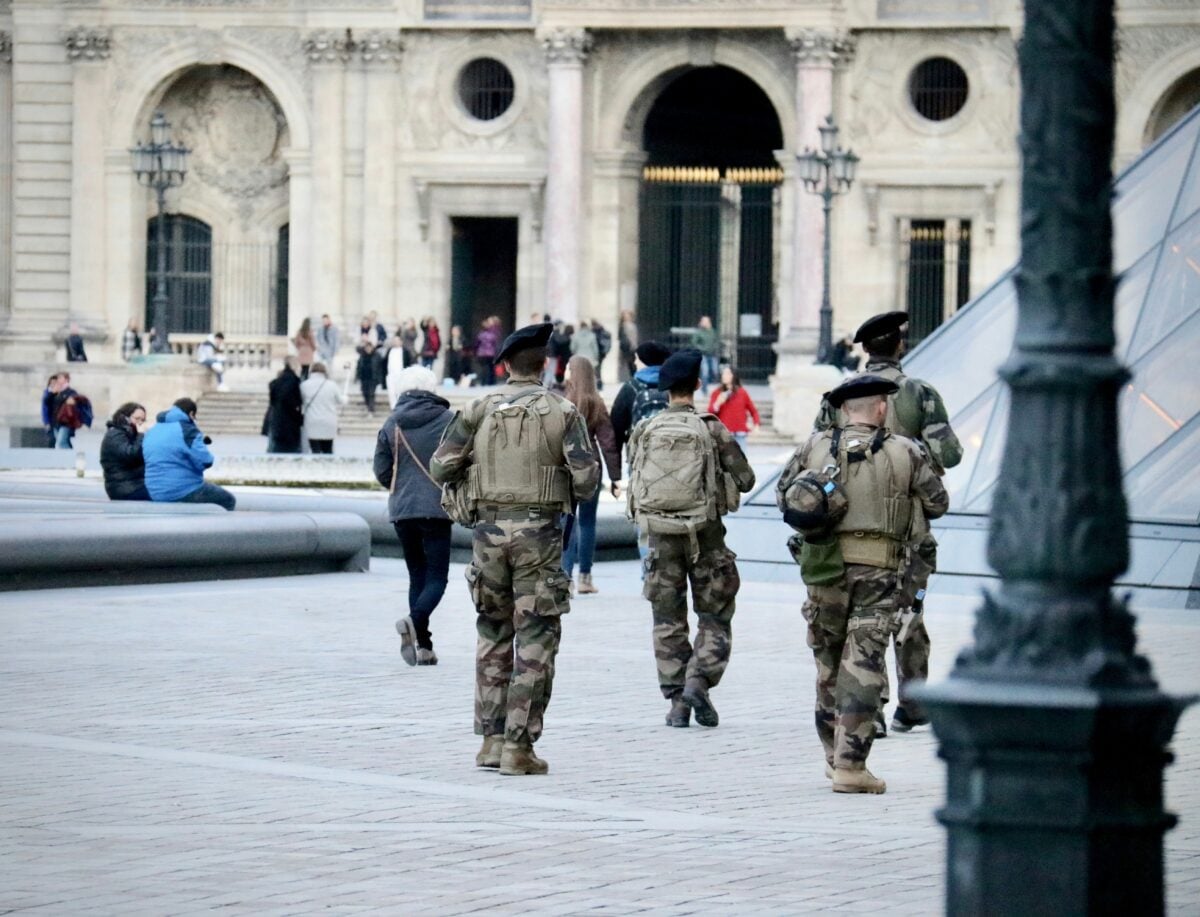
Grand Central became something it was never designed to be during World War II: a gateway for young men leaving home, possibly forever. The photographs from this period carry weight that has nothing to do with the building’s architecture and everything to do with the human stories unfolding beneath that backwards constellation ceiling.
You can see it in the posture of the people — the way families cluster around soldiers, the way goodbyes stretch longer than they should, the way the terminal’s vastness seems to shrink around these intensely personal moments. These weren’t commuters catching the 5:47 to Westchester.
These were farewells that mattered, taking place in a building that suddenly felt too public for such private grief.
The Golden Age of Rail Travel
The 1940s and 1950s photos capture rail travel when it still meant something beyond mere transportation. People dressed for train trips.
They brought actual luggage, not rolling duffel bags. The experience had ceremony to it, which made Grand Central the perfect stage.
These images show the terminal at its most glamorous, when taking the train to Chicago or Boston was an event worth commemorating with good clothes and careful grooming. Air travel hadn’t yet reduced rail to a quaint alternative for people afraid of flying or too stubborn to embrace progress.
The Decline Years of the 1960s and 1970s

The photographs from Grand Central’s decline tell a story nobody wanted to document but couldn’t ignore. Paint peeling from that famous ceiling.
Shops closing. The kind of general shabbiness that creeps into public spaces when maintaining them stops being a priority.
But here’s what’s interesting about those images — the bones of the building still showed through the neglect, like good posture maintaining dignity even when everything else falls apart (which explains why renovation was possible rather than demolition being the only option, though plenty of people argued for tearing the whole thing down and starting over, missing the point that you can’t recreate what took decades of daily use to perfect). The architecture was stubborn enough to outlast its temporary abandonment.
The Threatened Demolition Period
There’s something almost absurd about the fact that Grand Central Terminal — this cathedral of transportation, this architectural triumph — nearly got torn down to make room for another office building. The photographs from the late 1960s show a building under siege, surrounded by the kind of urban “improvement” that mistakes bigger for better.
The preservation fight that saved Grand Central wasn’t just about architecture. It was about admitting that some things, once lost, can’t be replaced.
The images from this period capture that urgency — a city finally realizing it had been systematically destroying the very things that made it worth living in.
The Restoration Process Begins
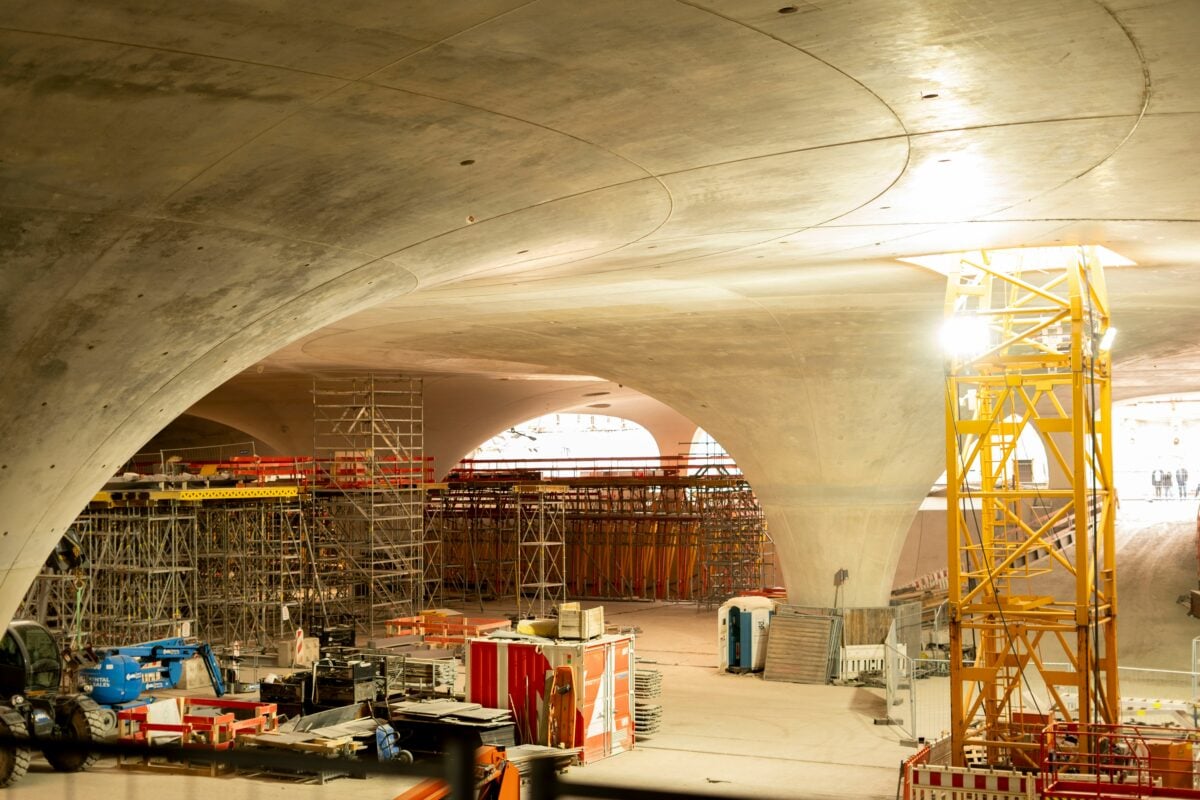
Watching Grand Central come back to life through restoration photographs is like seeing someone recover from a long illness. The before-and-after shots don’t just show cleaner surfaces and brighter lights — they reveal a building remembering how to be itself again.
The restoration team faced a challenge that would have broken lesser projects: how do you repair a ceiling 125 feet in the air while keeping a functioning train station operating below? The answer, it turned out, required the same kind of audacious engineering that built the place originally.
Sometimes the best way forward is to remember what worked before and trust it to work again.
Celebrity Visitors Through the Decades
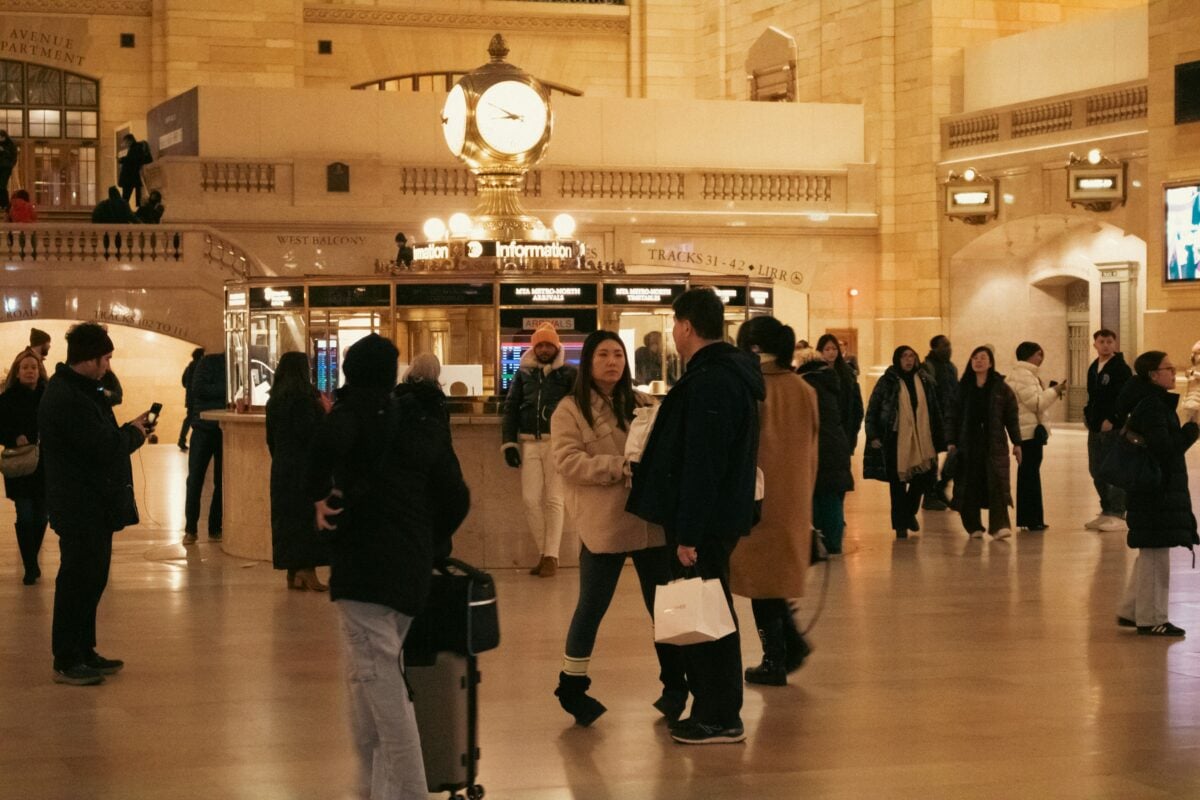
Grand Central has hosted everyone from presidents to movie stars, though calling them “visitors” misses the point — they were using the terminal the same way everyone else did, which was the beauty of it. The photographs of famous people in Grand Central show them looking remarkably ordinary, which says more about the building than about celebrity culture.
The terminal has a way of democratizing the experience of being there. Doesn’t matter if you’re catching a train to Poughkeepsie or posing for LIFE magazine — that ceiling makes everyone look up, and that crowd makes everyone part of something larger than themselves.
The Food Court and Dining Evolution
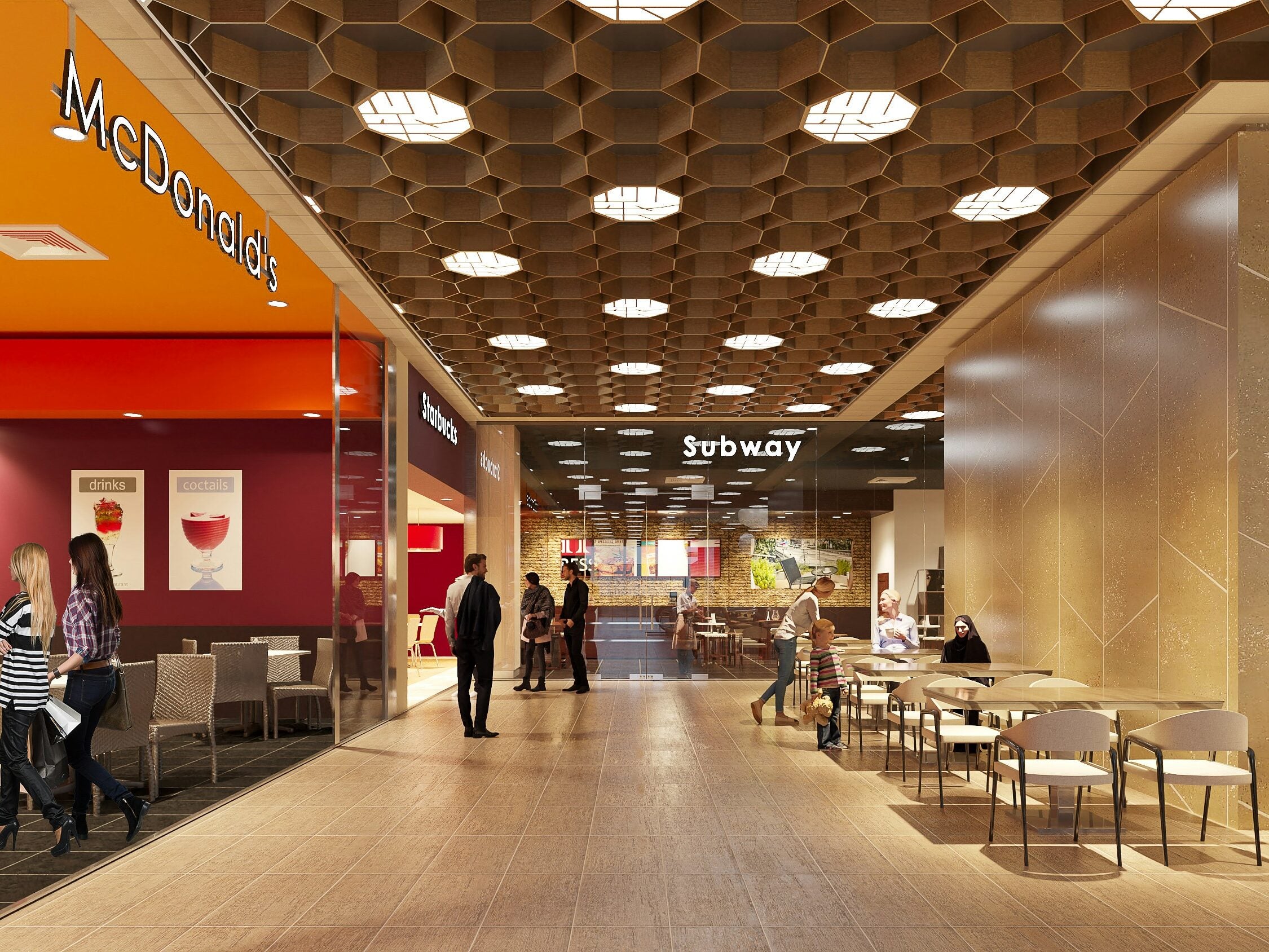
Grand Central’s relationship with food tells the story of American eating habits in miniature. Early photos show formal dining rooms where people sat down for actual meals.
Later images reveal the gradual shift toward grab-and-go convenience that mirrors how we started treating travel itself — less ceremony, more efficiency. The current food court represents a compromise between these two approaches: better than fast food, faster than fine dining.
It works because it matches the building’s essential character — functional beauty that doesn’t take itself too seriously.
Holiday Decorations and Seasonal Changes
The holiday photographs of Grand Central reveal something touching about human nature: our need to mark time and celebrate seasons even in the most utilitarian spaces. Christmas trees in the main concourse, holiday lighting reflecting off marble surfaces — these aren’t architectural necessities, but they transform the building into something warmer.
These seasonal images show Grand Central at its most welcoming, when the terminal becomes not just a place to pass through but a destination worth visiting. The building’s bones are strong enough to support whatever temporary magic people want to drape over them.
Modern Digital Age Transformations
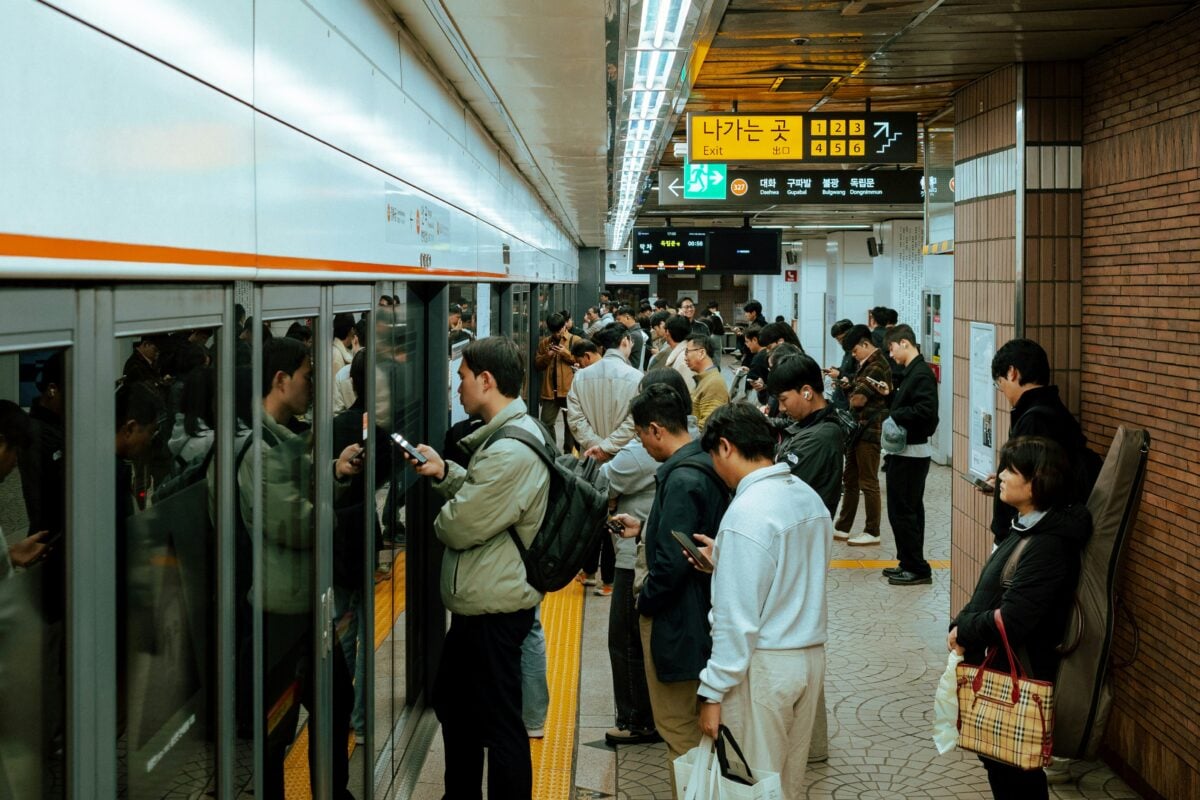
The most recent photographs show Grand Central adapting to technologies its original architects couldn’t have imagined. Information boards that change in real-time.
Smartphone screens glowing in the main concourse. The eternal dance between old infrastructure and new needs.
What’s remarkable is how well the building has absorbed these changes without losing its essential character. The ceiling still draws eyes upward.
The crowd still flows. The arrival and departure boards still create that particular tension between anticipation and urgency that defines train travel.
The Apple Store Installation

Grand Central’s Apple Store deserves its own mention because it represents everything right and wrong about modern retail in historic spaces. The store itself is beautifully designed, respectful of the building’s architecture, and completely unnecessary in a train station.
But here’s the thing — it works. People browse iPhones while waiting for trains, which isn’t fundamentally different from browsing newspapers at a newsstand, except for the price point and the fact that everyone pretends this represents some kind of technological progress rather than just expensive window shopping in a really nice setting.
Where Time Stands Still
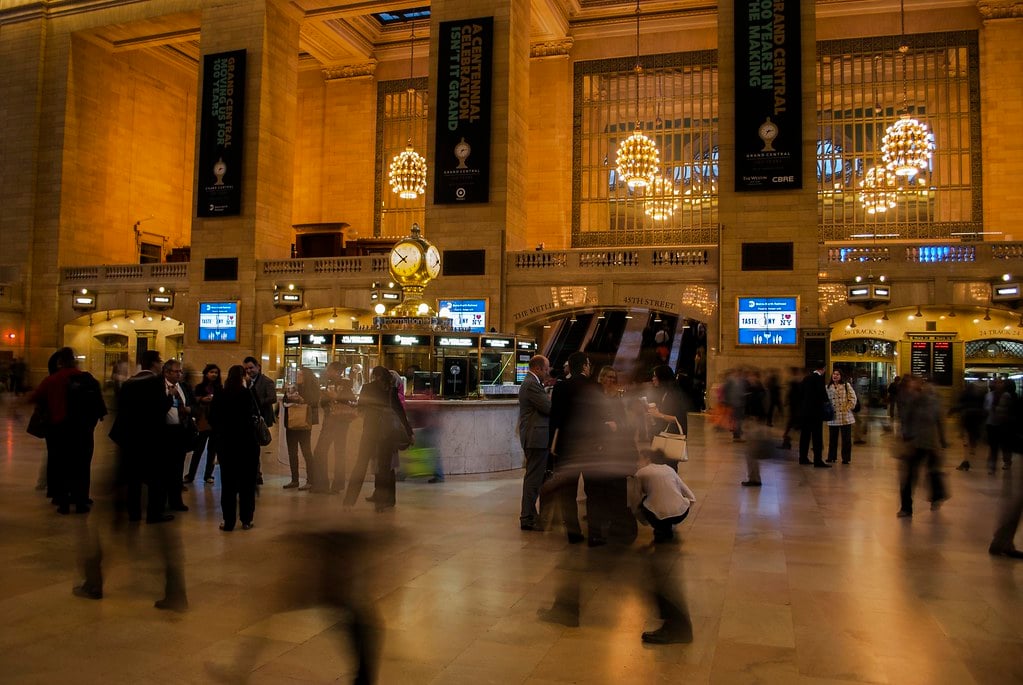
Standing in Grand Central today, surrounded by commuters and tourists and the eternal flow of people going somewhere else, you realize that all these photographs — from construction to restoration to daily life — capture the same essential truth. Some spaces transcend their intended function and become something larger: gathering places, monuments, reminders of what’s possible when ambition meets craftsmanship.
The building has outlasted the golden age of rail travel, survived its own near-demolition, and adapted to changes its creators never anticipated. These historic photos don’t just document Grand Central’s past — they explain why it endures, why it matters, and why people still stop in the middle of the concourse just to look up at those backwards stars and remember that sometimes, the journey really is more important than the destination.
More from Go2Tutors!

- The Romanov Crown Jewels and Their Tragic Fate
- 13 Historical Mysteries That Science Still Can’t Solve
- Famous Hoaxes That Fooled the World for Years
- 15 Child Stars with Tragic Adult Lives
- 16 Famous Jewelry Pieces in History
Like Go2Tutors’s content? Follow us on MSN.



