15 Historical Figures Terrible at Their Famous Jobs
History loves a good success story, but sometimes the most fascinating tales come from those who spectacularly failed at what they’re remembered for. These aren’t your typical underdog narratives—these are people who somehow became famous despite being remarkably bad at their chosen professions.
From military commanders who couldn’t win a battle to explorers who got hopelessly lost, history is filled with individuals whose legacies far outweigh their actual competence. Here is a list of 15 historical figures who were surprisingly terrible at their most famous jobs.
George Armstrong Custer
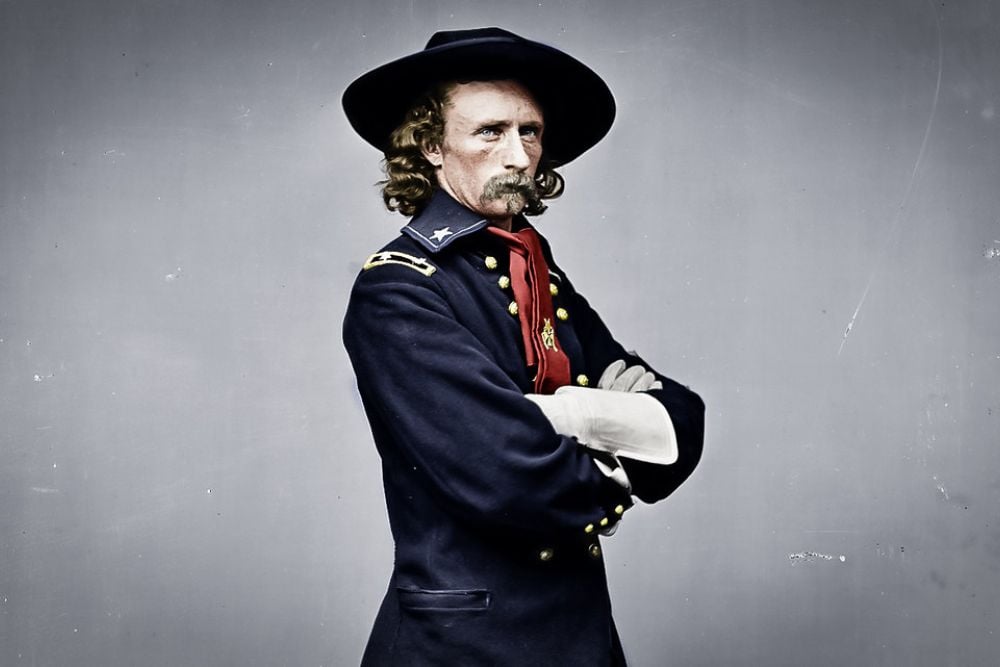
Custer graduated dead last in his West Point class of 1861, which should have been everyone’s first clue about his military capabilities. His aggressive tactics and poor judgment led to countless unnecessary casualties throughout his career.
The Battle of Little Bighorn wasn’t just a defeat—it was the predictable result of a man who consistently underestimated his enemies and overestimated his own abilities. Custer’s legacy survives more because of his dramatic death than any actual military prowess.
Christopher Columbus
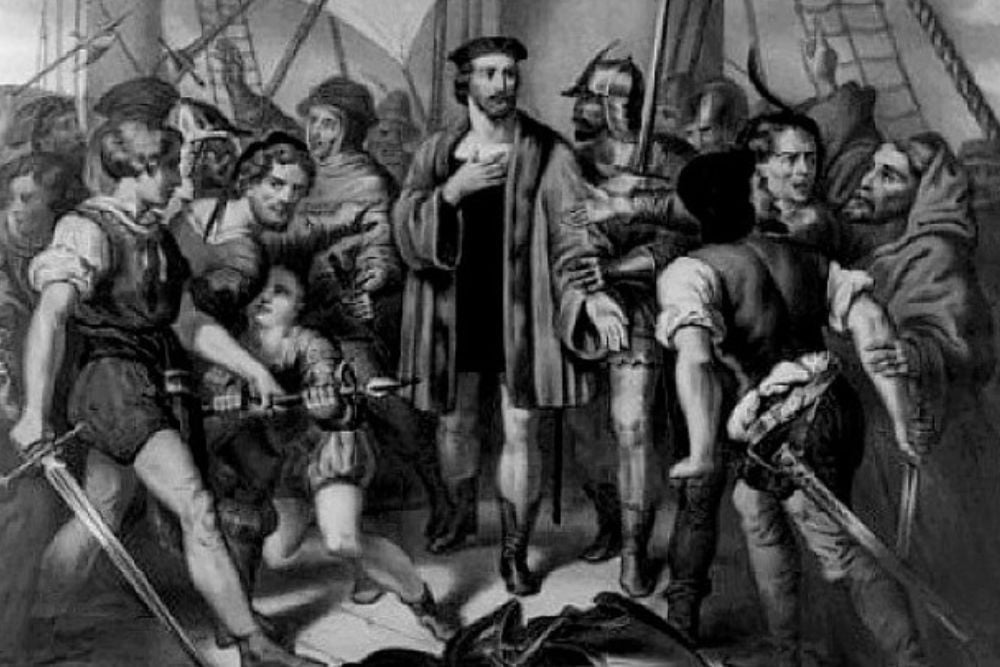
Columbus was convinced he could reach Asia by sailing west, but his calculations were completely wrong about the Earth’s size. He thought the planet was about 25% smaller than it actually was, which is why he was so surprised to bump into the Americas.
Even after four voyages, he stubbornly insisted he’d found islands off the coast of Asia rather than admitting he’d discovered a new continent. His navigation skills were so poor that he needed constant help from more competent sailors just to find his way around.
Like Go2Tutors’s content? Follow us on MSN.
Benedict Arnold
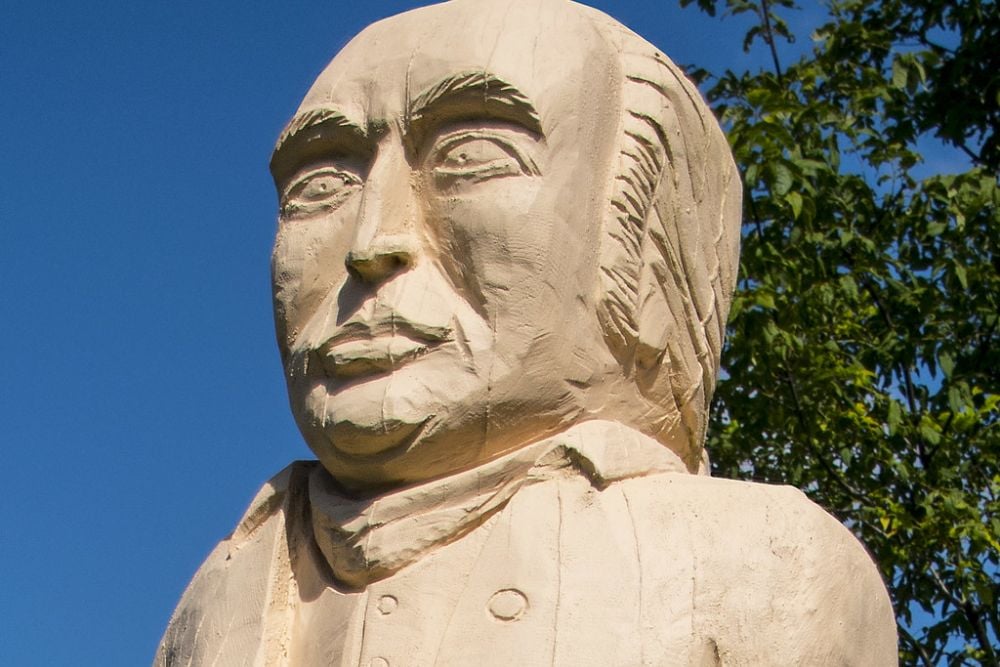
Before becoming America’s most famous traitor, Arnold was actually a terrible military strategist who burned through resources and made enemies everywhere he went. His financial management was so bad that he was constantly in debt, partly because he lived way beyond his means and partly because he was genuinely incompetent with money.
Arnold’s decision to switch sides wasn’t just treachery—it was probably the most predictable career move for someone who had failed at everything else. Even his treason plot was botched when his contact was captured.
Caligula

Caligula managed to blow through Rome’s entire treasury in just one year of rule, which is impressive even by imperial standards. He appointed his horse as a consul and declared war on Neptune, ordering his soldiers to collect seashells as ‘spoils of war.’
His political decisions were so erratic that even his own guards couldn’t predict what he’d do next. Running an empire requires at least some basic leadership skills, but Caligula seemed to think it was all an elaborate game.
Captain William Bligh

Bligh’s crew mutinied against him not once, but three separate times during his career, which suggests the problem wasn’t just bad luck. His management style was so harsh and unreasonable that even hardened sailors couldn’t stand working under him.
The famous mutiny on the Bounty happened because Bligh created such a toxic work environment that his men preferred to risk execution rather than continue the voyage. Good ship captains inspire loyalty, but Bligh seemed to specialize in inspiring rebellion.
Like Go2Tutors’s content? Follow us on MSN.
King John of England

John lost most of England’s French territories through a combination of military incompetence and diplomatic disasters. His financial policies were so unpopular that his own nobles rebelled and forced him to sign the Magna Carta, essentially admitting he couldn’t be trusted with absolute power.
He managed to get excommunicated by the Pope and then had to humiliatingly submit to papal authority to get back in the church’s good graces. Even his own chroniclers struggled to find positive things to say about his reign.
Emperor Nero

Nero was so focused on his artistic ambitions that he neglected actually running the Roman Empire. His singing and acting were reportedly awful, but he forced audiences to sit through his performances anyway.
When the Great Fire of Rome broke out, he was more concerned with using the cleared land for his personal building projects than helping the victims. His reign ended with multiple revolts breaking out simultaneously because he’d alienated pretty much everyone.
General Ambrose Burnside

Burnside’s attack at Fredericksburg was such a disaster that he sent wave after wave of Union soldiers directly into Confederate defensive positions for no tactical reason. His facial hair was more famous than his military victories, which makes sense because he didn’t have any significant victories.
The Battle of the Crater was another Burnside special—a brilliant plan that he managed to execute so poorly it became a complete catastrophe. He was so incompetent that other Union generals actively tried to avoid serving under him.
Like Go2Tutors’s content? Follow us on MSN.
Marie Antoinette

Marie Antoinette’s political instincts were so bad that she managed to make the French monarchy even more unpopular during a revolution. She consistently gave her husband terrible advice and seemed completely oblivious to how her actions appeared to the French people.
Her spending habits during a financial crisis showed a complete lack of awareness about the country’s situation. Even when her life was literally on the line, she continued making decisions that sealed her fate.
Czar Nicholas II

Nicholas inherited the largest empire in the world and managed to lose it all within two decades. His decision to personally command Russian forces during World War I was a disaster that demoralized the entire army.
He had no understanding of modern economics or politics, which made him completely unprepared for the challenges of ruling in the 20th century. His abdication letter was so poorly written that it didn’t even legally transfer power, leaving Russia in constitutional chaos.
General John Sedgwick

Sedgwick’s famous last words were reportedly ‘They couldn’t hit an elephant at this distance’ right before being shot by a Confederate sniper. His tactical awareness was so poor that he regularly exposed himself and his men to unnecessary danger.
While brave, his leadership style seemed to confuse recklessness with courage. His death at the Battle of Spotsylvania was almost inevitable given his habit of standing in obvious sniper positions.
Like Go2Tutors’s content? Follow us on MSN.
King Louis XVI
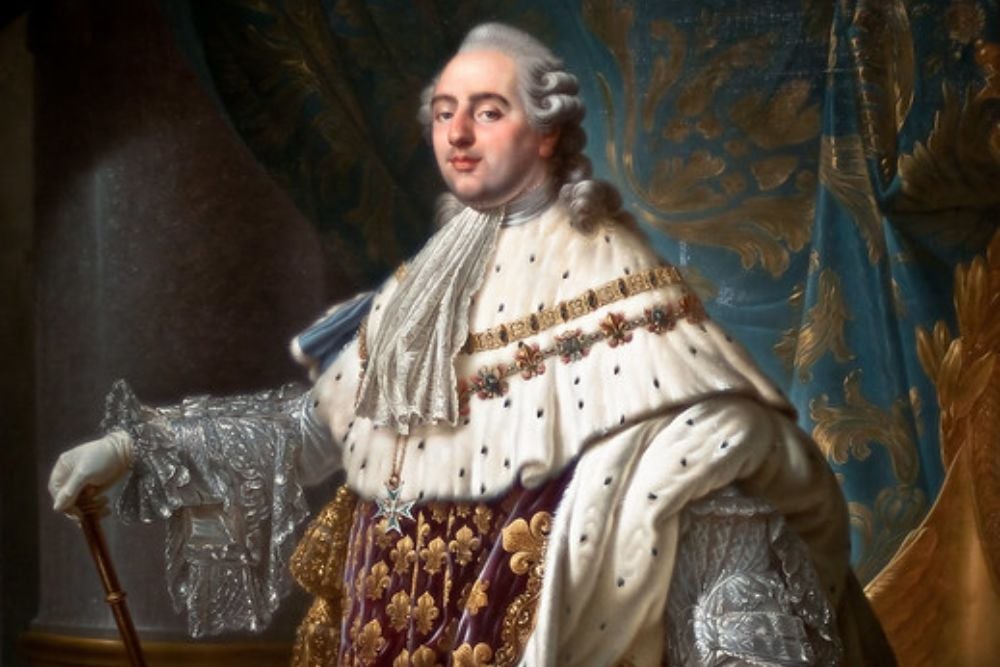
Louis XVI was more interested in locksmithing than governing, which would have been fine if he wasn’t the king of France during a revolution. His indecisiveness during crucial moments helped turn a manageable crisis into a complete disaster.
He consistently chose the worst possible advisors and ignored the good ones he accidentally appointed. His execution wasn’t just the end of his reign—it was the logical conclusion of years of political incompetence.
General Antonio López de Santa Anna

Santa Anna lost the same leg multiple times in different battles, which somehow became a metaphor for his entire military career. He managed to lose Texas, California, and about half of Mexico’s territory through a combination of poor strategy and worse diplomacy.
His ego was so massive that he declared himself ‘Napoleon of the West’ while consistently losing to smaller, less equipped armies. Mexico might have been a completely different country if it had found a competent general instead of Santa Anna.
Emperor Commodus

Commodus was so obsessed with gladiator fights that he spent more time in the arena than running the empire. His performances were rigged, but he genuinely believed he was a skilled fighter rather than understanding that everyone was letting him win.
He renamed Rome after himself and declared that every month should be named after one of his titles. His assassination was planned by his own advisors because they realized he was completely incapable of governing.
Like Go2Tutors’s content? Follow us on MSN.
General Braxton Bragg
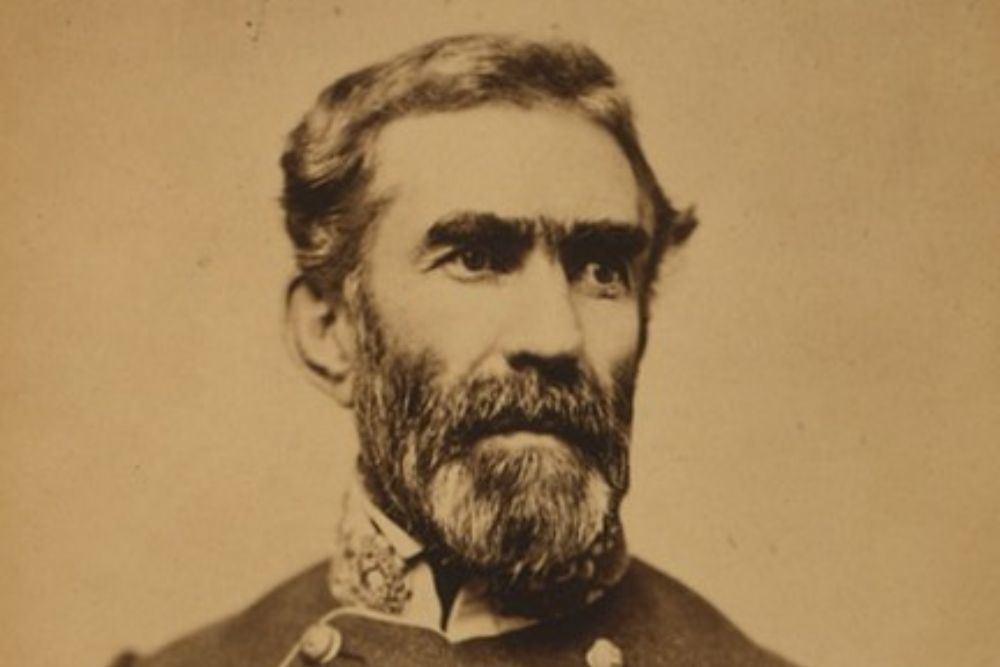
Bragg had such a terrible relationship with his own officers that they regularly petitioned to have him removed from command. His strategic decisions were so consistently wrong that Confederate soldiers began to expect defeat whenever he was in charge.
He managed to snatch defeat from the jaws of victory so many times that it became his signature move. Even Jefferson Davis, who was famously loyal to his generals, eventually had to admit that Bragg was hopeless.
When Failure Becomes Fame

These historical figures remind us that sometimes the biggest disasters make the most memorable stories. Their failures shaped history just as much as other people’s successes, often in ways that changed entire nations and civilizations.
While we shouldn’t celebrate incompetence, there’s something oddly comforting about knowing that even people with tremendous power and resources can be spectacularly bad at their jobs. Perhaps their legacies endure precisely because their failures were so dramatic and consequential that they became impossible to ignore.
More from Go2Tutors!

- 16 Historical Figures Who Were Nothing Like You Think
- 12 Things Sold in the 80s That Are Now Illegal
- 15 VHS Tapes That Could Be Worth Thousands
- 17 Historical “What Ifs” That Would Have Changed Everything
- 18 TV Shows That Vanished Without a Finale
Like Go2Tutors’s content? Follow us on MSN.



