15 Iconic Movie Cars That Were Destroyed During Filming
Movie magic comes at a cost. Sometimes that cost is measured in horsepower, chrome, and the sound of metal crumpling against pavement.
These weren’t just props — they were automotive legends that met their end in the name of entertainment.
1968 Dodge Charger R/T from “Bullitt”
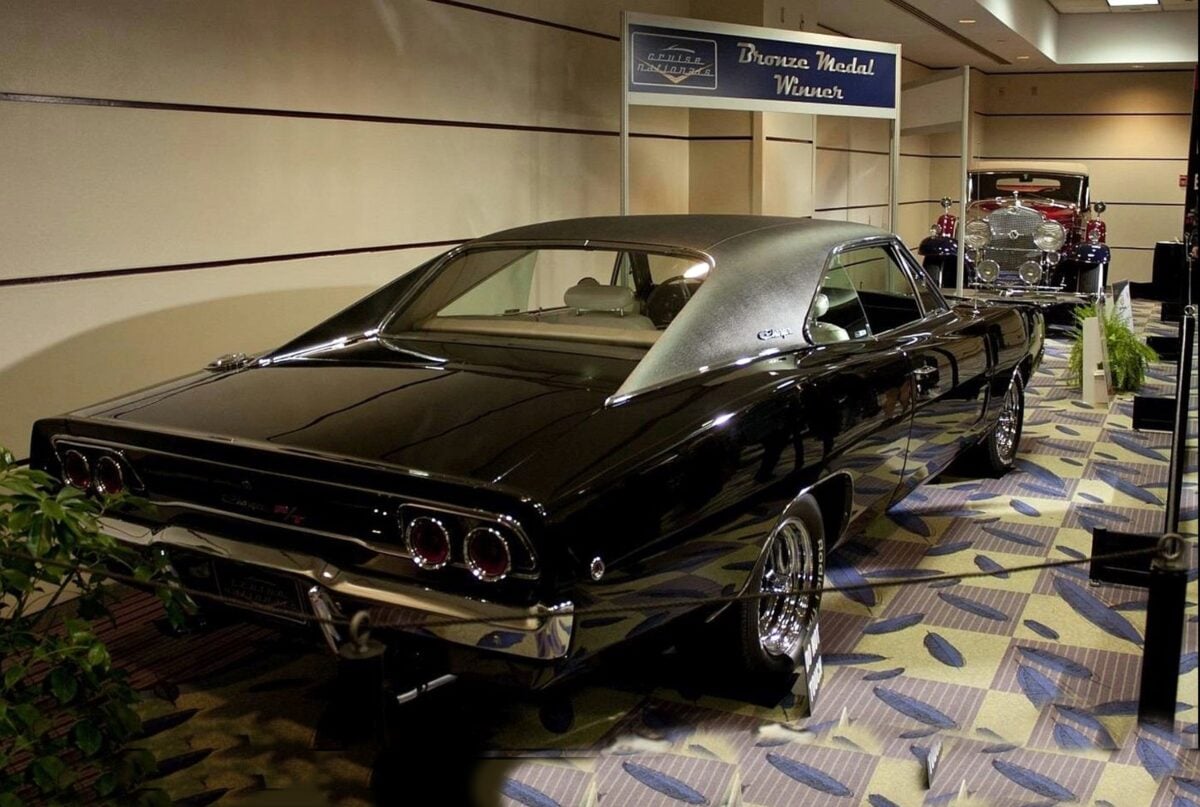
Two identical Dodge Chargers were used for the legendary chase scene through San Francisco. One survived. The other was damaged during filming.
Steve McQueen drove a Ford Mustang (not a Charger) as the hero car in the famous chase scene, making the black Charger the antagonist’s car — equally important to the scene’s success.
1977 Pontiac Trans Am from “Smokey and the Bandit”
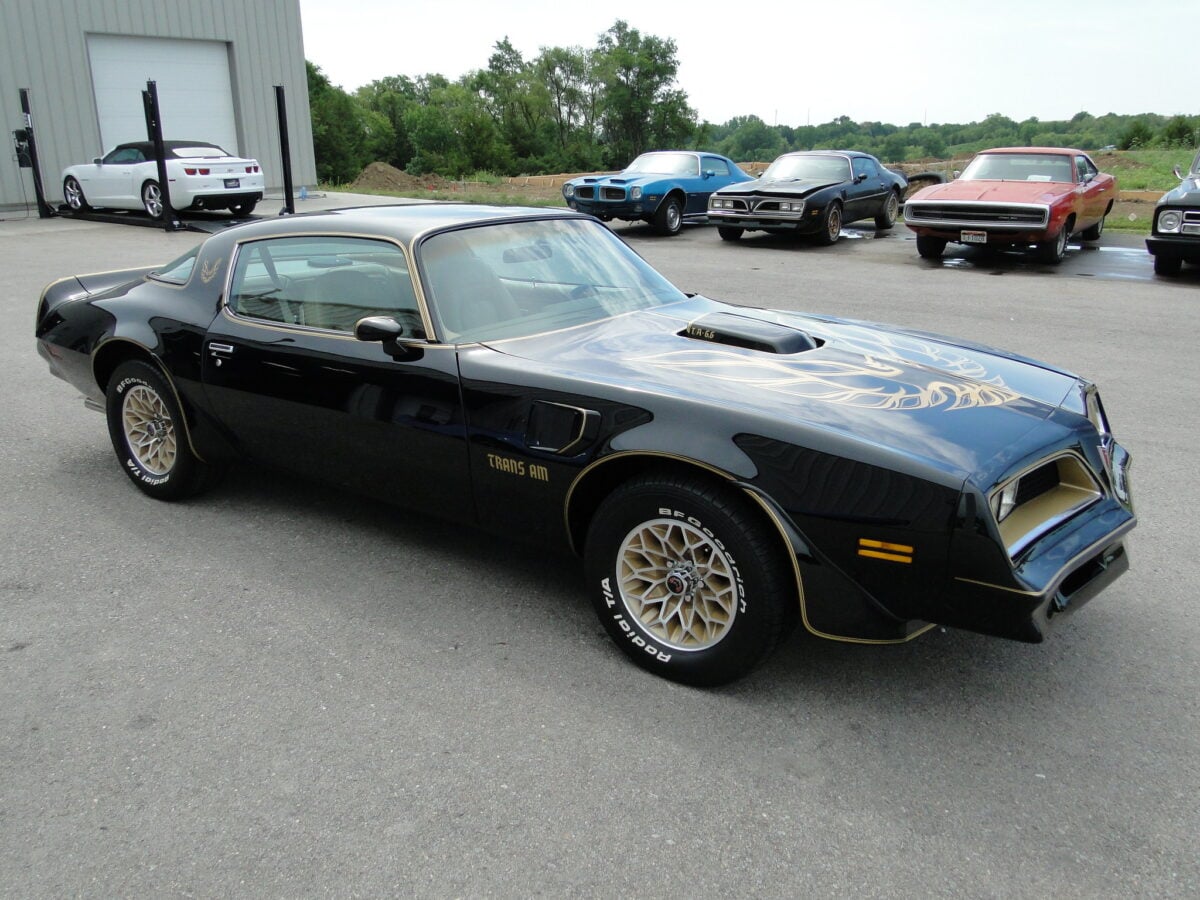
The Bandit’s ride became a symbol of rebellious freedom, which makes its destruction during filming feel almost sacrilegious. Multiple Trans Ams were used (and destroyed) during production, particularly during the various jumps and crashes that punctuated Burt Reynolds’ cross-country bootlegging adventure.
The car that taught America to love the screaming chicken hood decal didn’t survive its own success.
Ford Econoline Van from “Dumb and Dumber”
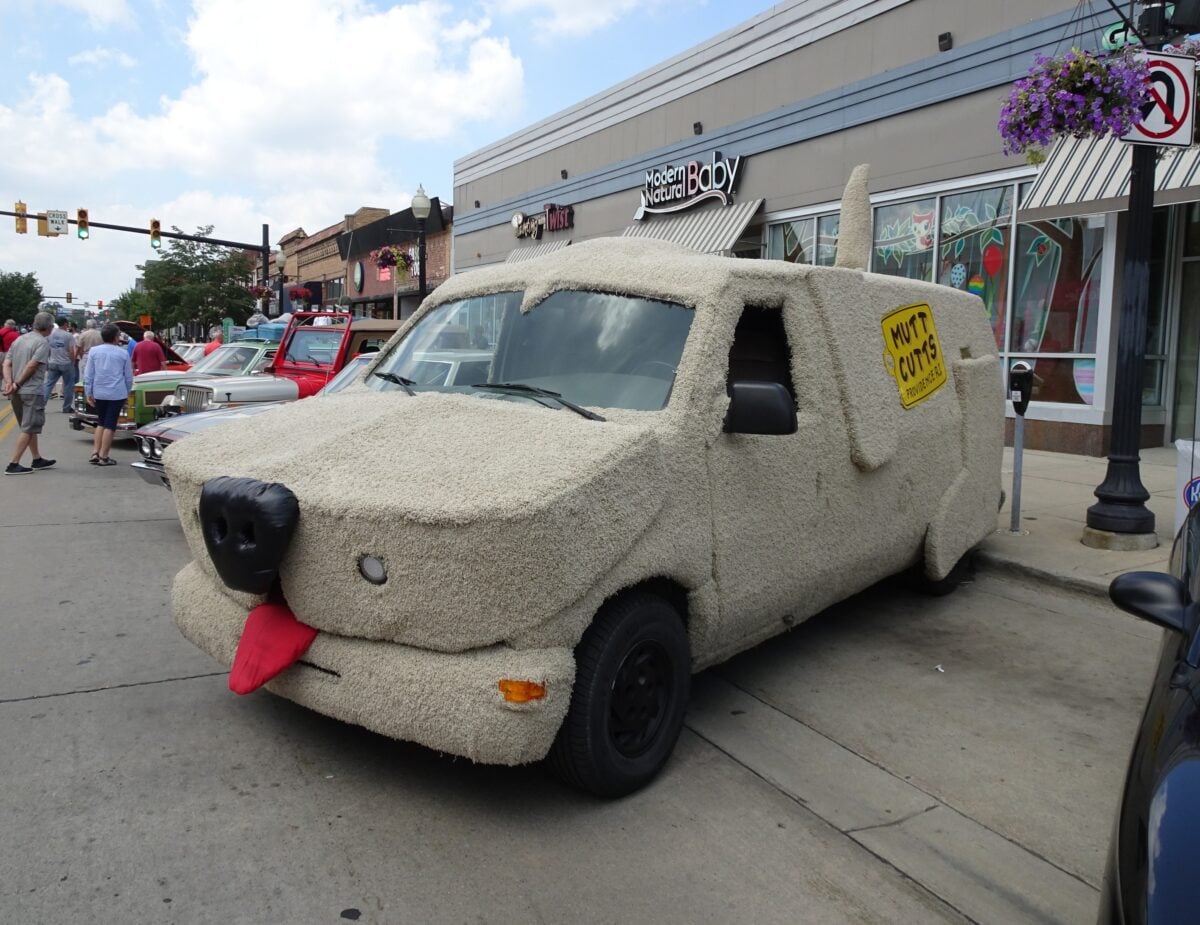
This one hurts in a different way — not because the van was particularly valuable (it wasn’t), but because of what it represented in the film. Lloyd Christmas and Harry Dunne’s shaggy dog-shaped vehicle was destroyed during the infamous fire scene, and watching it burn felt like watching a beloved pet meet an unfortunate end.
The van’s destruction was both literal and metaphorical: the death of innocence, wrapped in cheap blue carpet and bad decisions. And yet there’s something poetic about a vehicle that looked like it was already falling apart finally succumbing to its mechanical fate (though admittedly, the fire wasn’t exactly a mechanical failure).
The production went through several of these converted vans, but the one that burned was the hero car — the main vehicle used for close-ups and interior shots. So when you watch Jim Carrey’s face illuminate in the glow of those flames, you’re witnessing the destruction of automotive cinema history, even if that history involves a carpet-covered Econoline with a ridiculous dog head attached to it.
Eleanor from “Gone in 60 Seconds” (2000)
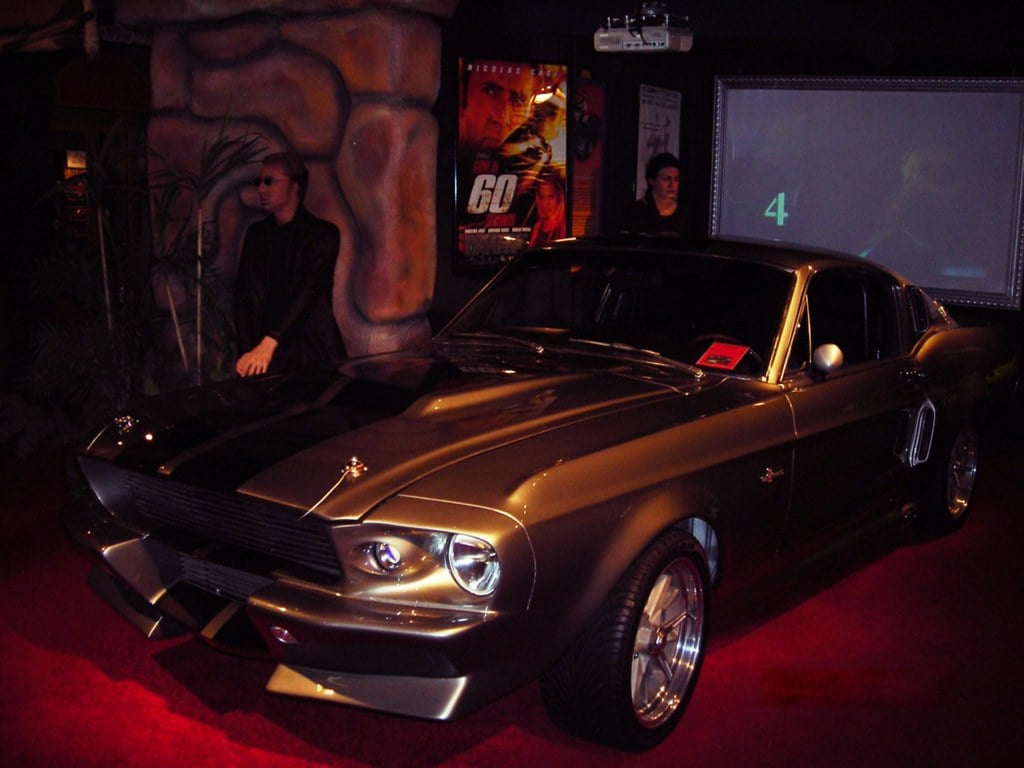
Eleanor wasn’t just a car — she was the holy grail that Nicolas Cage’s character couldn’t leave behind. Multiple 1967 Shelby GT500s were destroyed during the film’s elaborate chase sequences, though calling them “real” Shelbys might be generous.
Most were modified Mustangs dressed up to look the part. The destruction of these cars sparked controversy among automotive purists who felt that even replica Shelbys deserved better than being launched through the air at dangerous speeds.
DeLorean DMC-12 from “Back to the Future III”
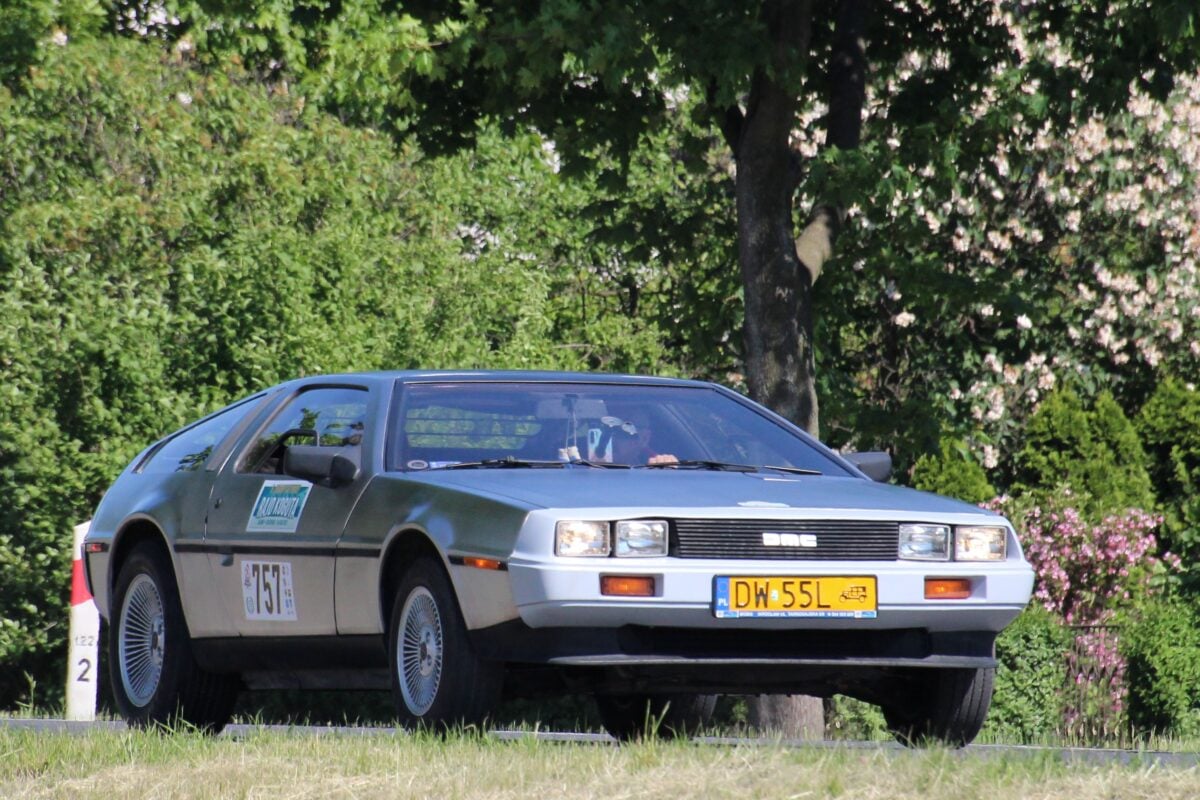
The time machine’s final appearance ended with it being destroyed by a train — a fitting end for a car that had spent three films defying the laws of physics. Several DeLoreans were used throughout the trilogy, but the one that met the locomotive in the third film was a real DMC-12, complete with all the flux capacitor modifications.
Watching it get obliterated felt like witnessing the end of an era, which in many ways, it was.
Aston Martin DB5 from “GoldenEye”
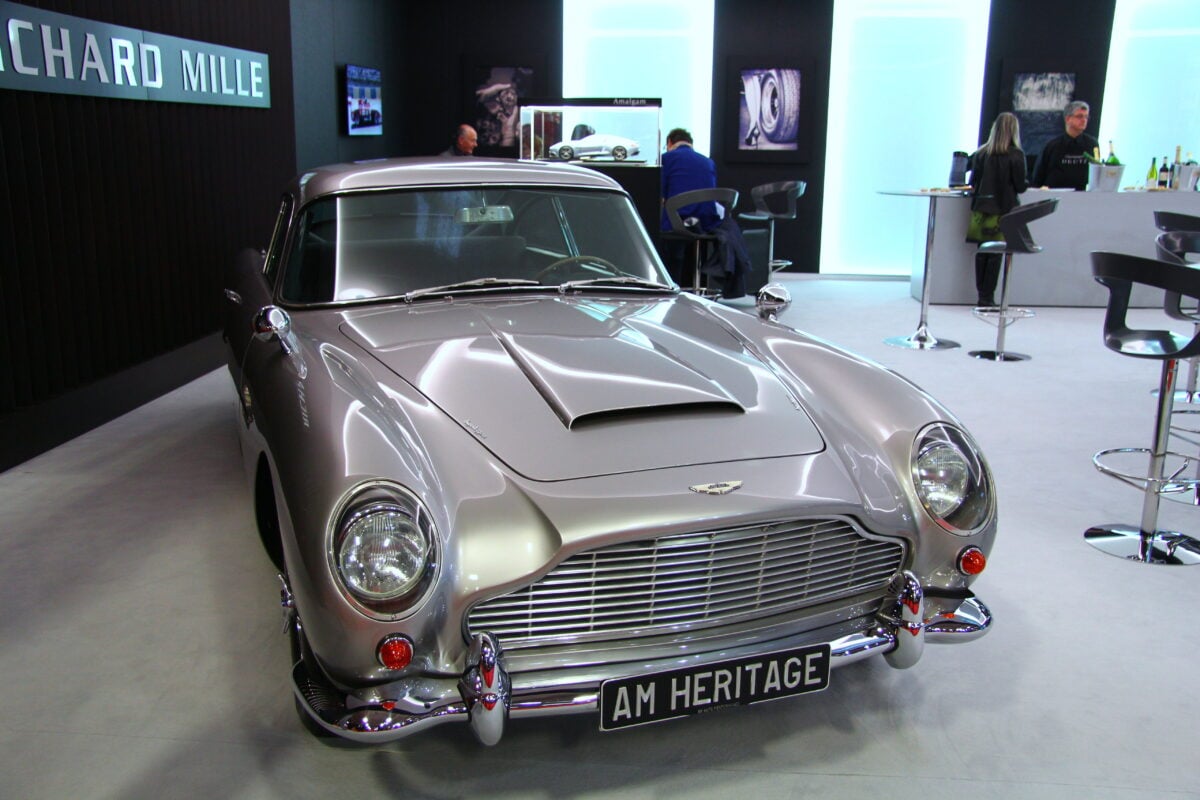
Pierce Brosnan’s introduction as Bond came with a steep price: the destruction of one of cinema’s most famous cars. The DB5 that gets crushed by a falling statue in the film’s opening sequence wasn’t a cheap replica — it was a genuine Aston Martin that had been modified for the stunt.
The scene lasted seconds, but the loss was permanent. That particular DB5 would never purr through another chase scene or deploy another ejector seat.
1970 Dodge Challenger from “Vanishing Point”
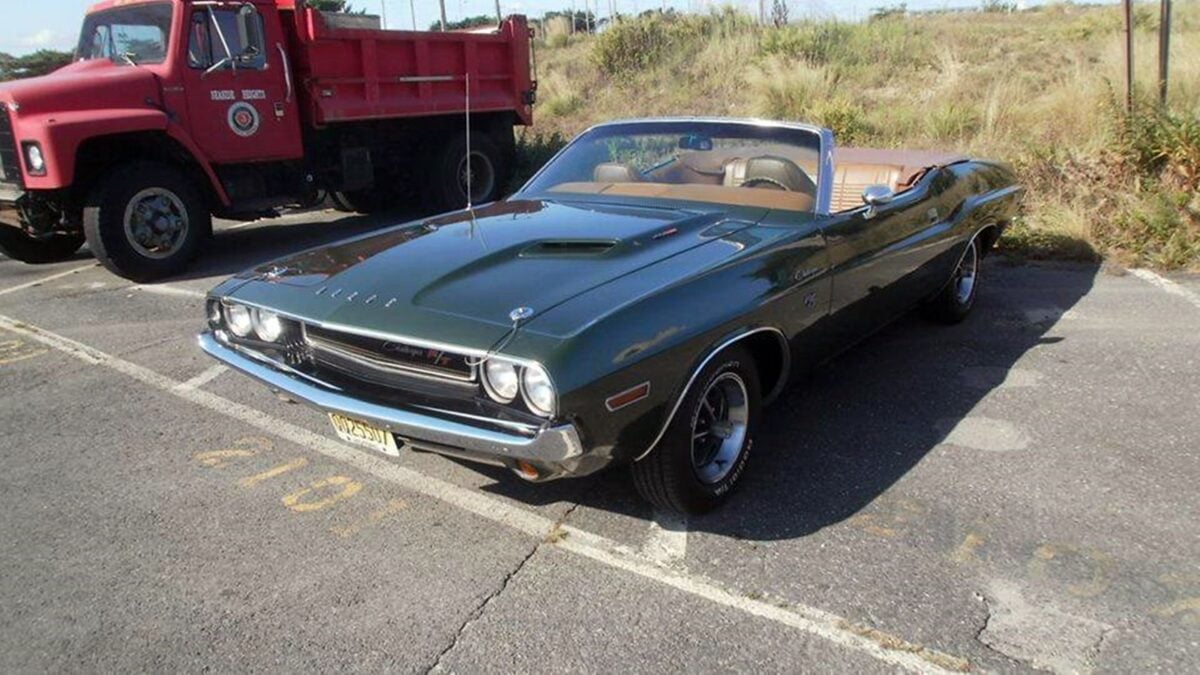
The white Challenger that Kowalski drives to his fate wasn’t just destroyed — it was obliterated in one of cinema’s most shocking endings. The car that had spent the entire film outrunning police, crossing deserts, and embodying pure automotive rebellion met its end in a fiery collision with two bulldozers.
Multiple Challengers were used during filming, but the hero car’s destruction was final and absolute.
Ford Gran Torino from “Starsky & Hutch” (2004)
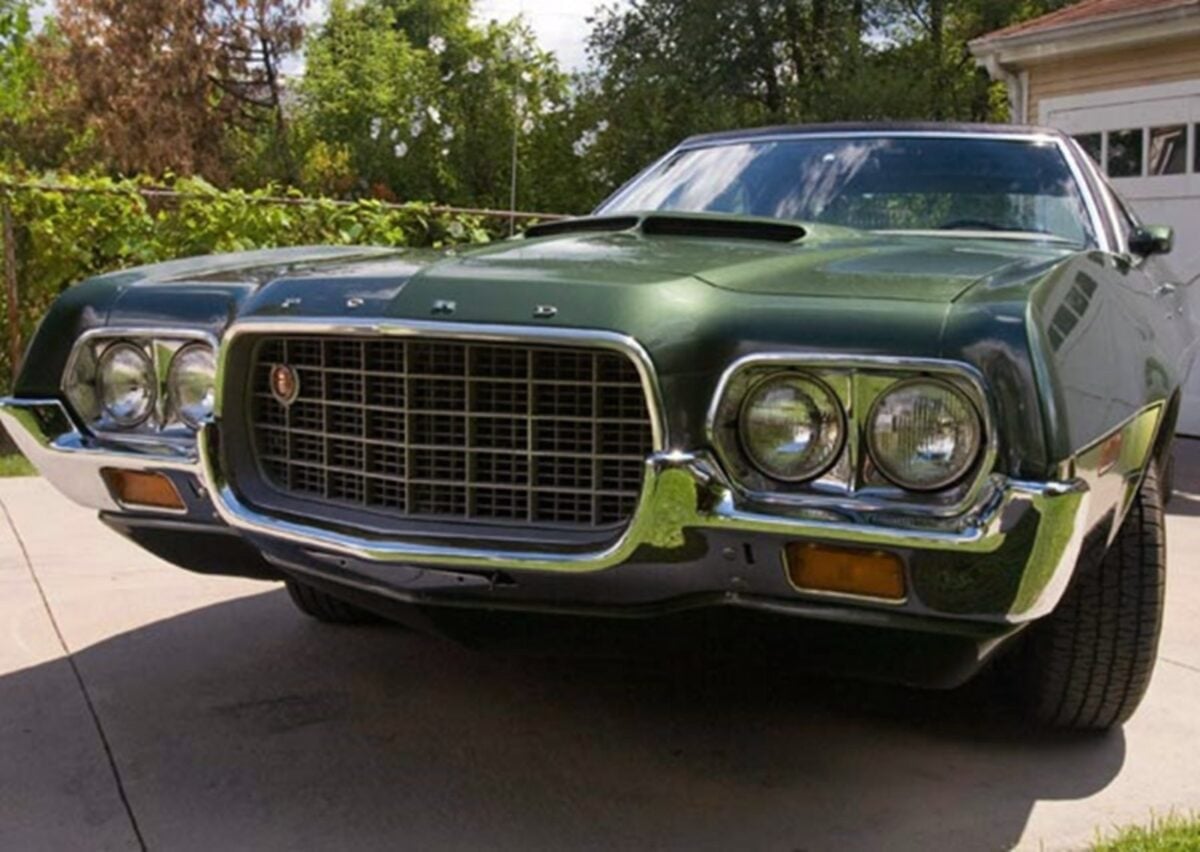
The red Gran Torino with its distinctive white stripe was as much a character in the original TV series as the detectives themselves, which makes its destruction in the 2004 film adaptation feel like a betrayal of everything the car represented. But perhaps that was the point — Ben Stiller and Owen Wilson’s comedic take on the classic cop show required sacrifices, and Torino’s demise served as both visual gag and symbolic statement about the distance between the original series and its big-screen reboot.
The car that explodes in the film wasn’t the original TV series vehicle (that one is safely preserved), but it was a genuine Gran Torino that had been carefully prepared to match the show’s iconic look. Watching it burn was like watching childhood memories go up in smoke — which, considering the film’s irreverent tone, might have been exactly what the filmmakers intended.
Herbie from “Herbie: Fully Loaded”
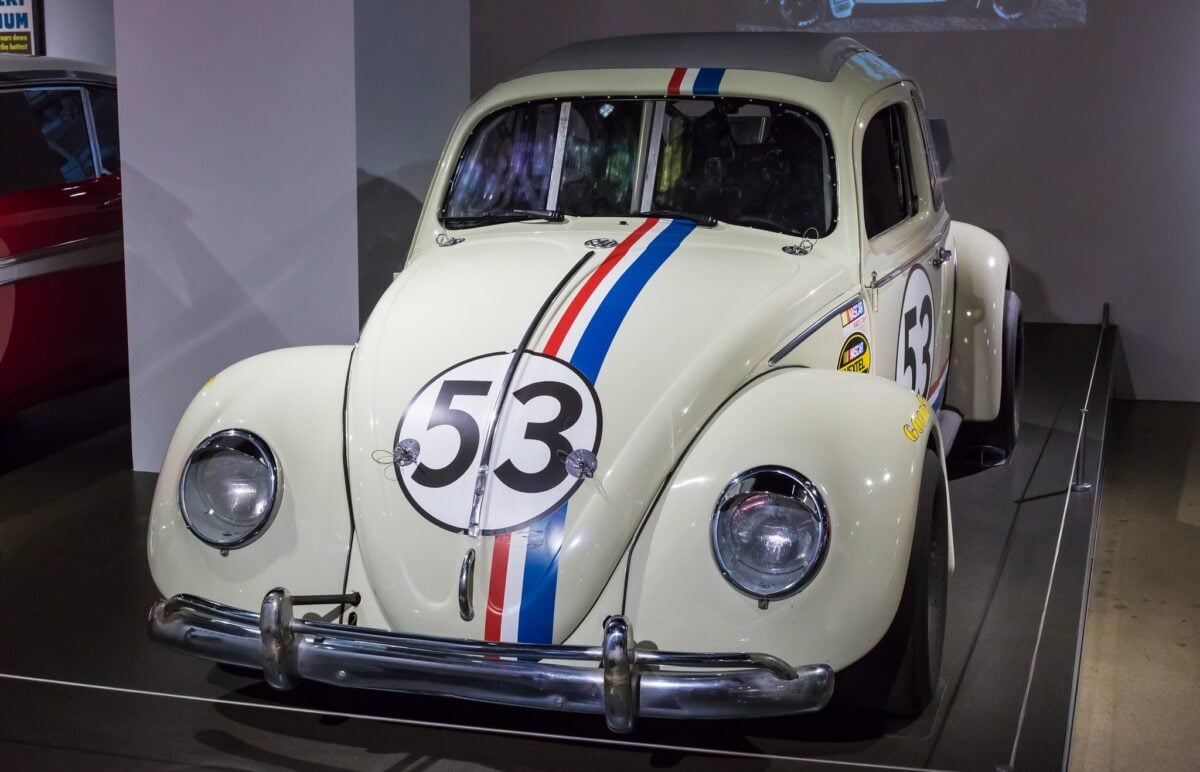
Multiple Volkswagen Beetles were destroyed during the making of Lindsay Lohan’s attempt to revive the Love Bug franchise. The crashes, jumps, and stunts required for the film’s racing sequences took their toll on several cars that had been converted to look like the famous #53.
Each destroyed Beetle represented not just automotive history, but a piece of Disney’s legacy being ground up in the name of updating a classic for modern audiences.
1969 Dodge Charger from “The Fast and the Furious”
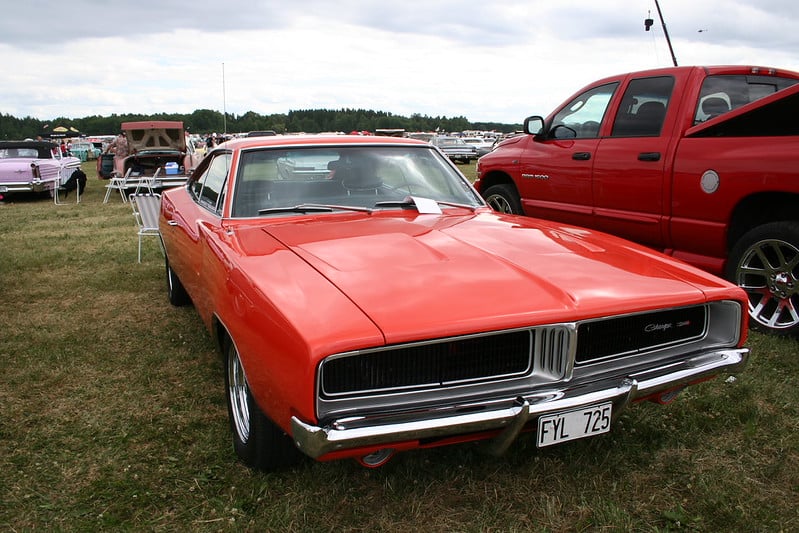
Dominic Toretto’s Charger doesn’t just get destroyed — it gets totaled in spectacular fashion during the final drag race against Brian O’Conner. The black beast with its supercharged engine and nitrous system was built specifically for the film, but that doesn’t make its destruction any less painful to watch.
The car represented everything the Fast and Furious franchise would become: loud, powerful, and ultimately expendable in service of bigger and more ridiculous stunts.
Plymouth Fury from “Christine”
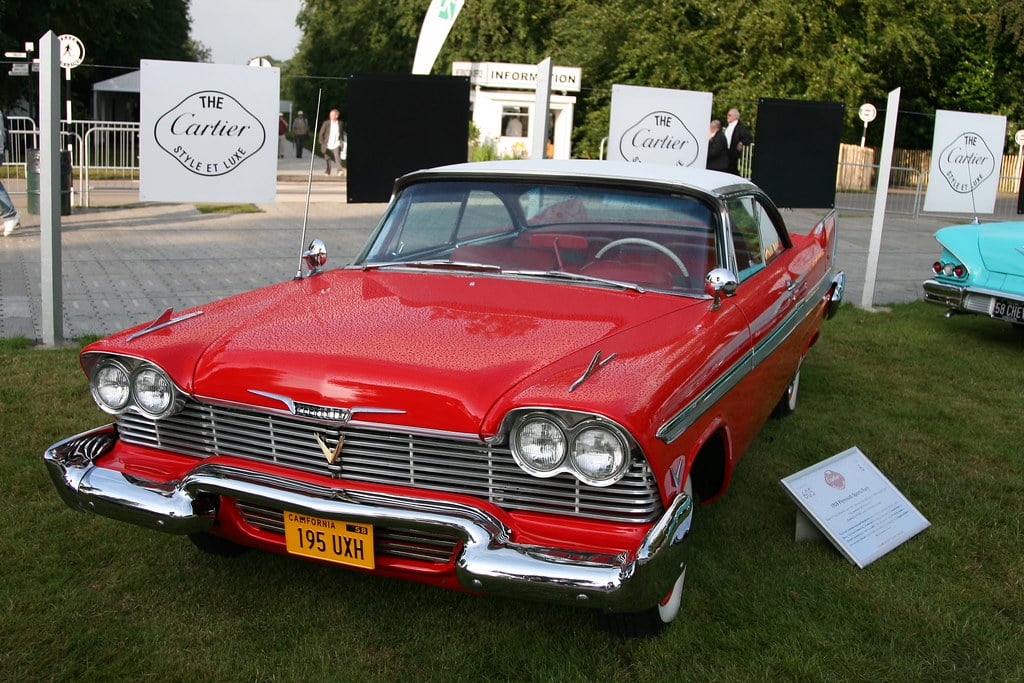
Stephen King’s 1957-1958 Plymouth Fury (the film primarily features 1958 models, though some sources reference earlier years) required multiple cars for the various destruction scenes throughout the film. Cars were crushed, burned, and smashed to create the illusion of supernatural resurrection and destruction.
The irony is that Christine was supposed to be indestructible in the story, but the real cars used to portray her were anything but. Multiple Furys died to bring one fictional killer car to life.
Lamborghini Countach from “The Cannonball Run”
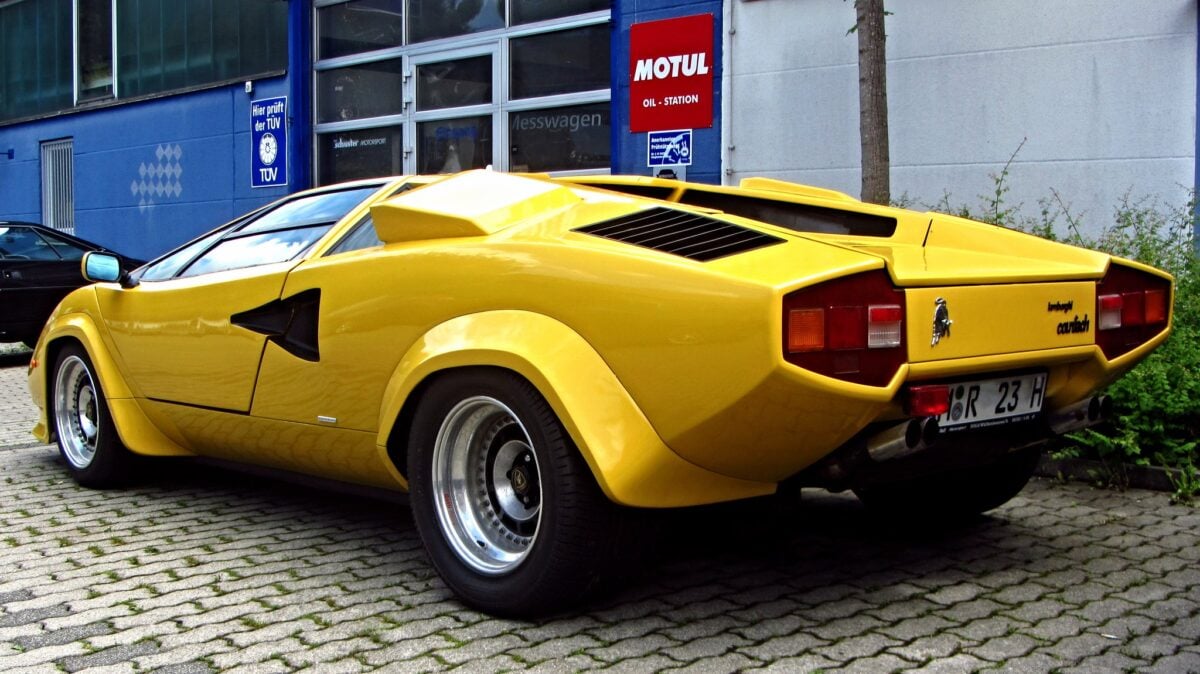
The yellow Countach that gets destroyed during the film’s climactic moments wasn’t a real Lamborghini — it was a replica built specifically for the crash sequence. That fact doesn’t make watching it crumple any less painful for automotive enthusiasts who had spent the entire film admiring what they thought was a genuine supercar.
The destruction served the story, but it also served as a reminder that movie magic often comes at the expense of beautiful machines, real or otherwise.
1973 Ford Falcon XB from “Mad Max”
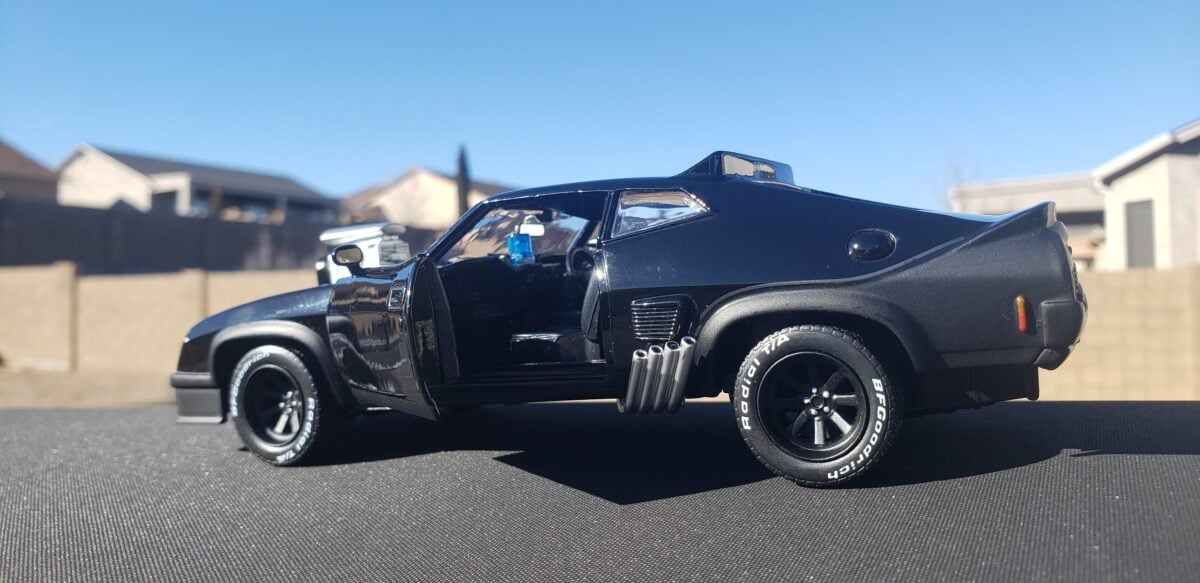
The Interceptor that Max Rockatansky drives through the Australian wasteland gets destroyed not once, but twice across the Mad Max franchise (though technically in different films). The black Pursuit Special with its distinctive supercharger and menacing presence was as important to the film’s success as Mel Gibson’s performance, which made its various destructions feel personal.
These weren’t just cars getting wrecked — they were symbols of civilization’s last stand being ground into the dust of the wasteland.
Mini Cooper from “The Italian Job” (2003)
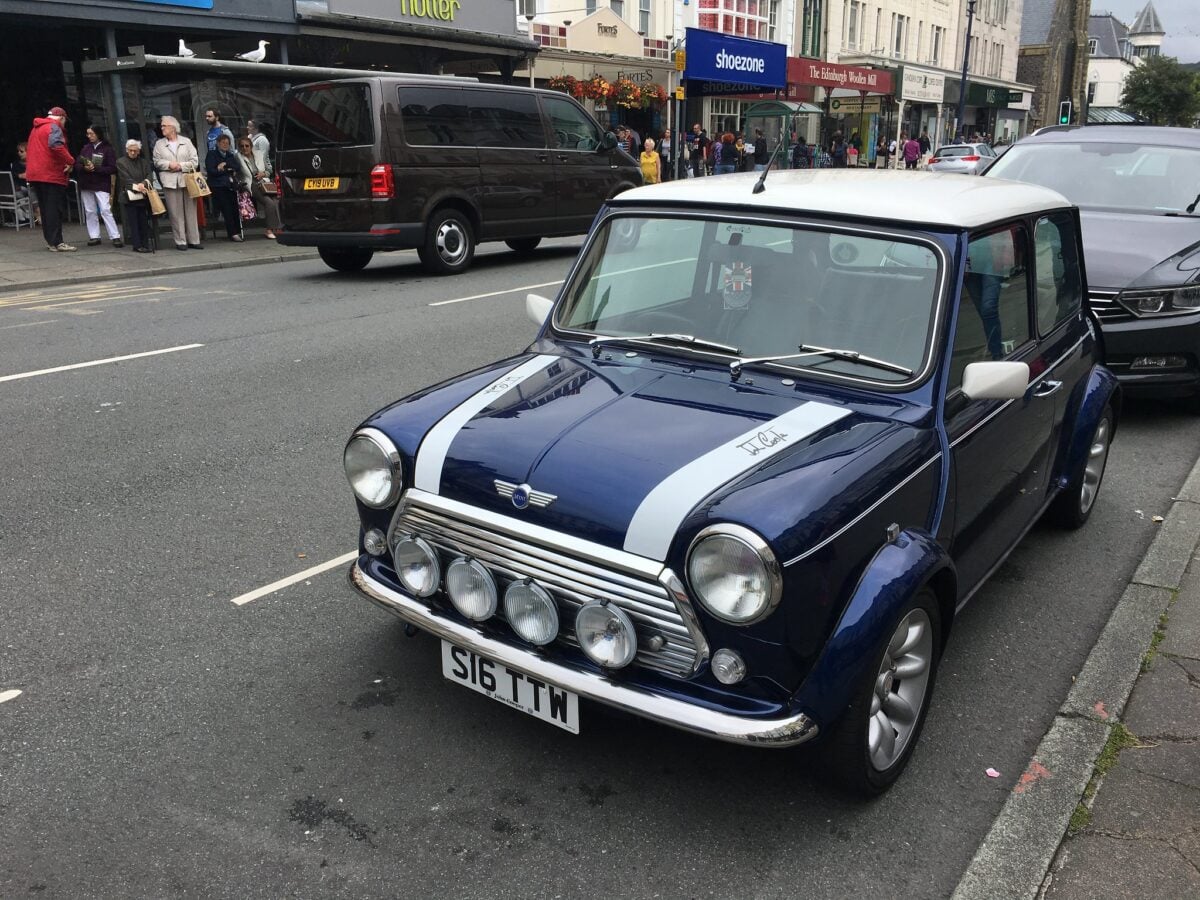
The red, white, and blue Mini Coopers that dance through the Los Angeles subway system weren’t all lucky enough to survive filming. Several cars were destroyed during the elaborate chase sequences, though the film’s stunt coordinators tried to minimize the carnage given the Mini’s iconic status.
Still, automotive history was made and destroyed in equal measure as these classic British cars proved their mettle (and met their demise) on American streets.
General Lee from “The Dukes of Hazzard” (2005)
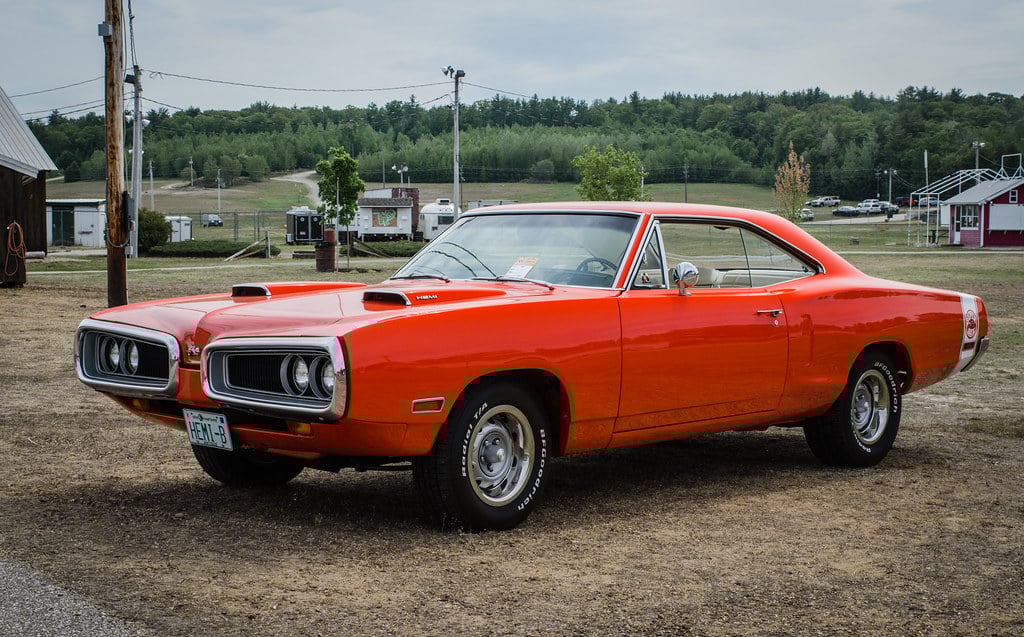
The orange Dodge Charger with the Confederate flag on its roof was already controversial by 2005, but that didn’t stop filmmakers from destroying multiple cars during the movie’s production. Several General Lees were jumped, crashed, and demolished in service of bringing the TV series to the big screen.
The destroyed cars represented not just automotive history, but a complicated piece of American pop culture meeting its inevitable end in a changed cultural landscape.
When Heroes Fall

These destroyed cars remind us that movie magic requires real sacrifice. Behind every spectacular crash and explosive chase scene lies the genuine destruction of automotive history — sometimes valuable, sometimes not, but always final.
The cameras stop rolling, but the cars don’t get up and drive away. They become part of cinema history in the most permanent way possible: by ceasing to exist at all.
More from Go2Tutors!

- The Romanov Crown Jewels and Their Tragic Fate
- 13 Historical Mysteries That Science Still Can’t Solve
- Famous Hoaxes That Fooled the World for Years
- 15 Child Stars with Tragic Adult Lives
- 16 Famous Jewelry Pieces in History
Like Go2Tutors’s content? Follow us on MSN.