15 Iconic Outfits That Changed Fashion Forever
Fashion moves in cycles, but every so often something appears that doesn’t cycle back — it just stays. A single outfit worn at the right moment by the right person can shift what’s considered possible, what’s considered beautiful, what millions of people decide to wear the following season and then the season after that.
These fifteen looks did exactly that. Some were designed to provoke. Others were accidents of timing. All of them left the industry permanently different.
Audrey Hepburn in Breakfast at Tiffany’s (1961)
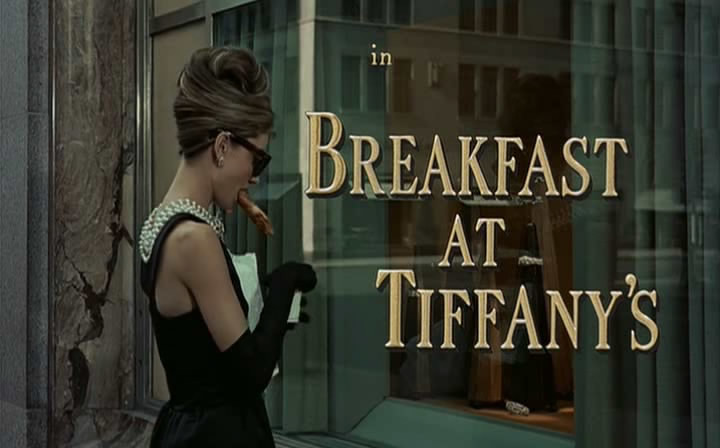
That black sleeveless dress on Holly Golightly in the first moments of Breakfast at Tiffany’s came from Hubert de Givenchy’s hands, later rising as perhaps the most echoed outfit ever seen in fashion. Long, clean, quiet – it defied everything people thought dazzling should be back in 1961.
A little black dress had existed before, yet this one rewrote the rulebook without saying a word. When put up for sale in 2006, it fetched £467,200. Her stance outside Tiffany’s, holding coffee, biting into a roll, repeats across images until familiarity dulls its impact – though somehow that numbness proves its power.
Marilyn Monroe’s White Subway Dress (1955)
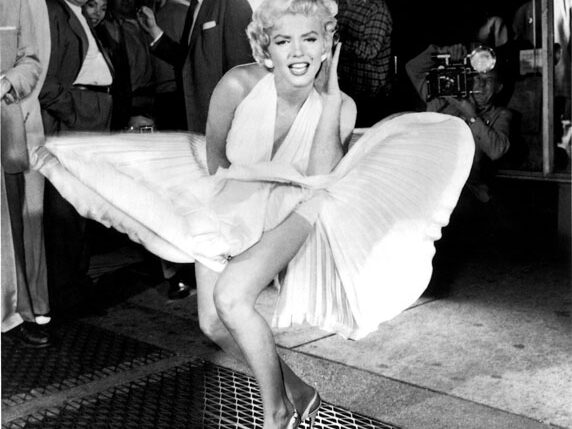
A gust from below catches the fabric mid-air – that moment from The Seven Year Itch still lingers in public memory like few others. Created by William Travilla, the pleated white halter had no back, looked effortless, yet carried quiet boldness.
During a photo session shot on location, Monroe stepped into view wearing it, drawing crowds thick enough to unsettle her husband at the time, Joe DiMaggio. He walked away from New York not long afterward.
Years passed before the garment surfaced again, selling at auction in 2011 for four point six million dollars.
Coco Chanel’s Jersey Suit (1920s)
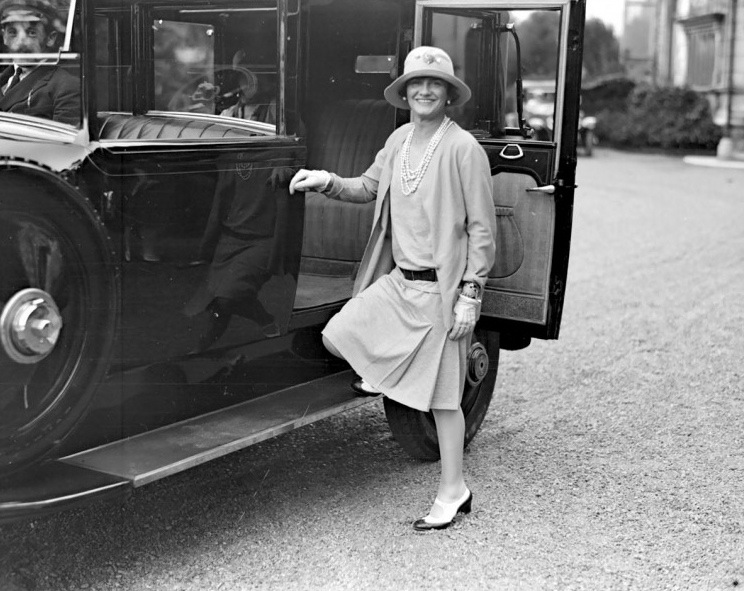
Before Chanel popularised jersey fabric for women’s clothing, it was used almost exclusively for men’s underwear. She took the material, cut it into relaxed suits and separates, and gave women clothes they could actually move in at a time when fashion was still largely built around restriction.
The idea that comfort and elegance could coexist wasn’t obvious then. The Chanel suit — updated but recognisable — has remained in production ever since and continues to be copied so frequently that the original barely needs defending.
David Bowie as Ziggy Stardust (1972)
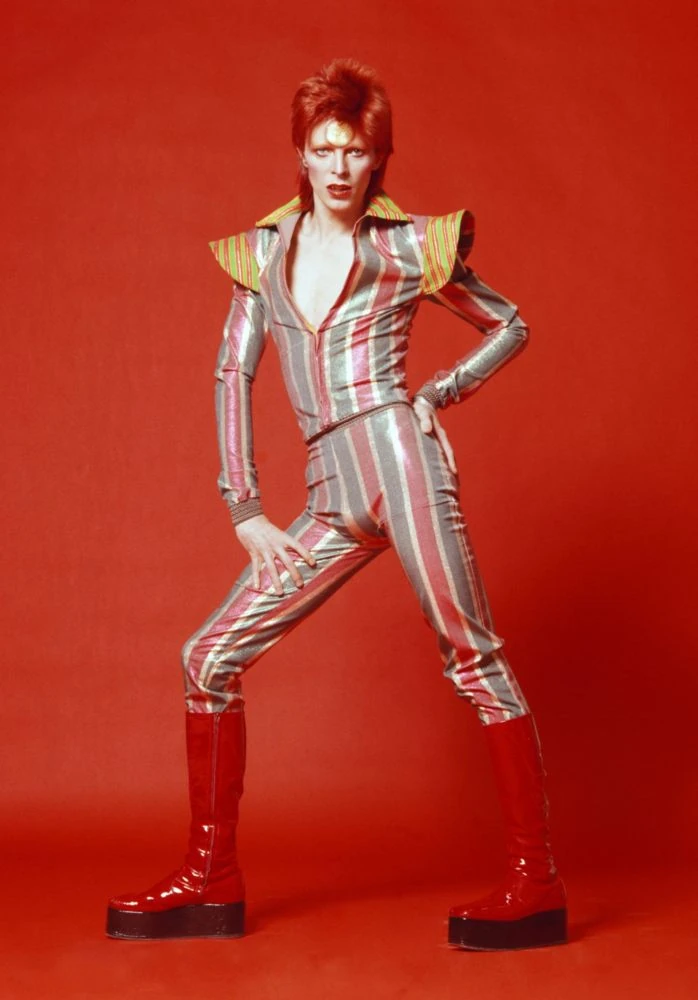
The Ziggy Stardust era gave Bowie a character to inhabit, and the costumes that came with it — designed largely by Kansai Yamamoto — redrew the line between fashion and performance in ways the industry is still processing. Asymmetric cuts, platform boots, bodysuits, the lightning bolt makeup: none of it was subtle, and none of it was meant to be.
What Bowie demonstrated was that clothing could be a complete act of self-invention, not just decoration. An entire generation of designers and musicians absorbed that and built careers on it.
Princess Diana’s Revenge Dress (1994)
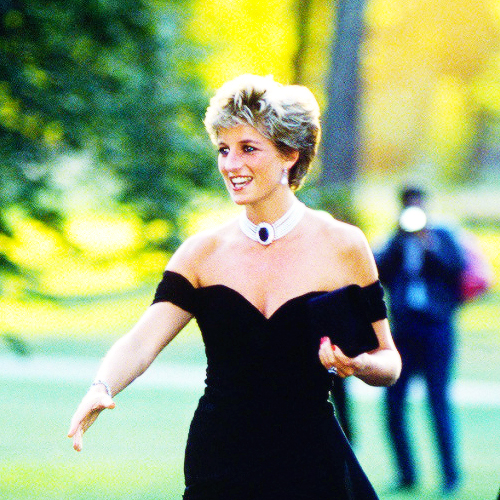
On the night that Prince Charles publicly admitted to adultery in a televised documentary, Diana attended a gala at the Serpentine Gallery in a short, off-the-shoulder black Christina Stambolian dress she had reportedly owned for years but held back from wearing because it felt too daring. The timing was entirely deliberate.
Fashion journalists called it the revenge dress, and the phrase stuck. It demonstrated that clothing could function as a statement with the precision of a press release — and it marked a shift in how public figures understood the communicative power of what they wore.
Alexander McQueen’s Bumster Trousers (1993)
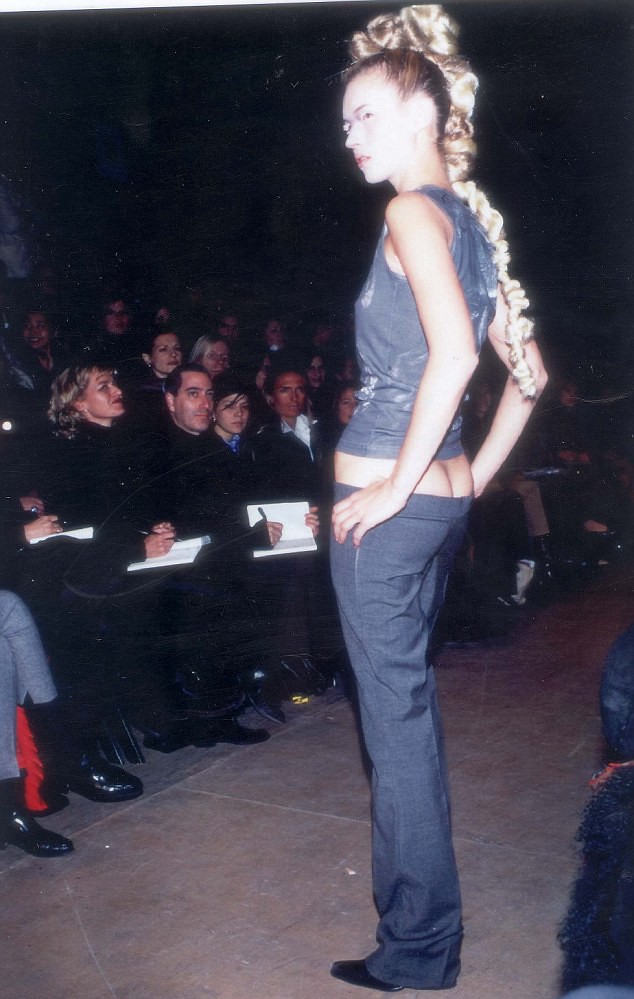
McQueen introduced the bumster — trousers cut so low they exposed the base of the spine — in his 1993 graduate collection, and the fashion world reacted with the mixture of outrage and fascination that tends to follow genuinely new ideas. The silhouette elongated the torso, shifted the focal point of the body downward, and established low-rise as a legitimate fashion direction years before it went mainstream.
McQueen said at the time that he was interested in exposing the area of the body considered most animalistic. Whether or not that framing worked, the shape certainly did.
Marlene Dietrich in a Tuxedo (1930)
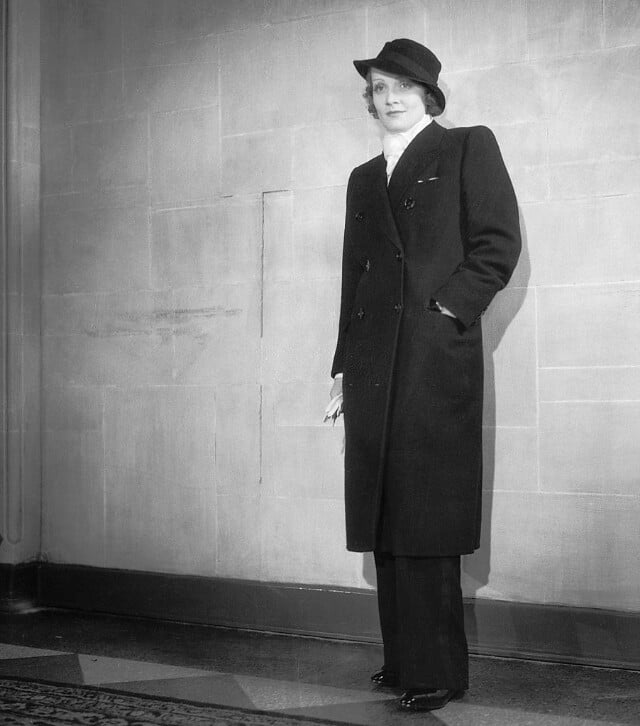
Dietrich wore a white tuxedo in Morocco and, in doing so, stepped into territory that was considered genuinely transgressive. Women simply did not wear men’s suits in public, let alone on screen in a major Hollywood production.
The response was split: some found it scandalous, others found it magnetic. Over the following decades, the image became a reference point for designers who wanted to explore masculine tailoring for women.
Yves Saint Laurent’s suit in 1966 traced a direct line back to that white tuxedo. And the suit traced a direct line to almost everything that followed.
Madonna’s Jean Paul Gaultier Cone Bra (1990)
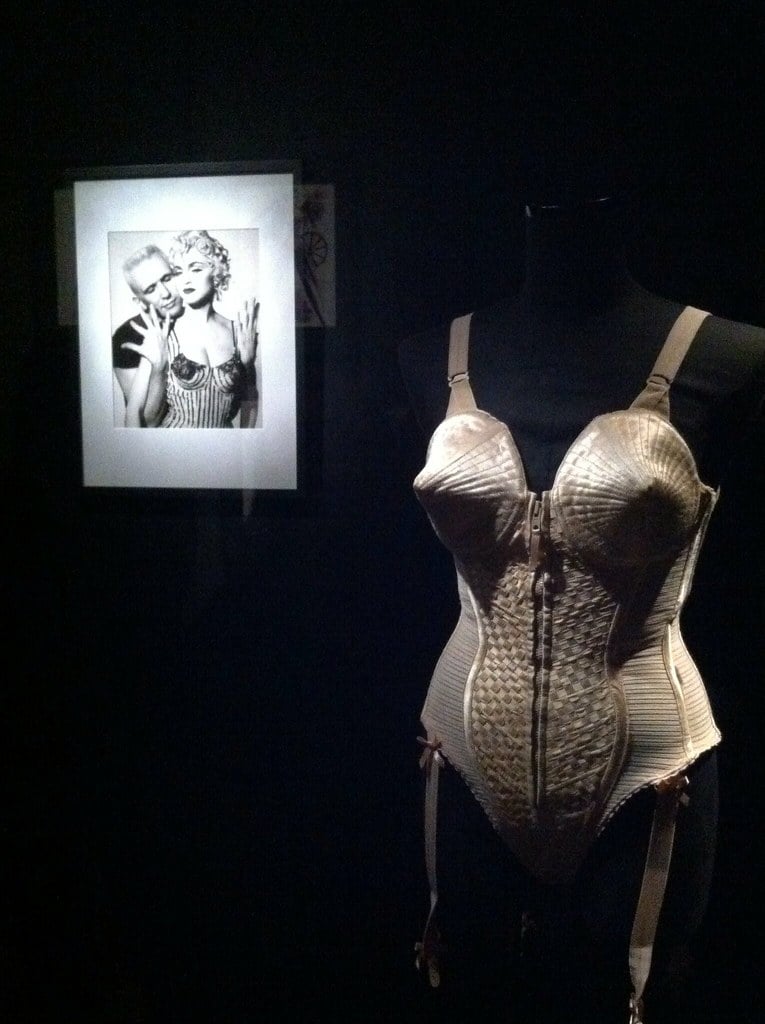
The pink satin corset with the conical bra cups that Madonna wore on her Blond Ambition tour was designed by Jean Paul Gaultier, and it did something specific: it took underwear and placed it firmly on the outside. The look was theatrical, pointed, and impossible to ignore.
It sparked a conversation about the relationship between underwear and outerwear that designers have been continuing ever since. The corset-as-outerwear trend that resurfaces every few years owes a debt to that tour that most people don’t explicitly acknowledge.
Yves Saint Laurent’s Suit (1966)
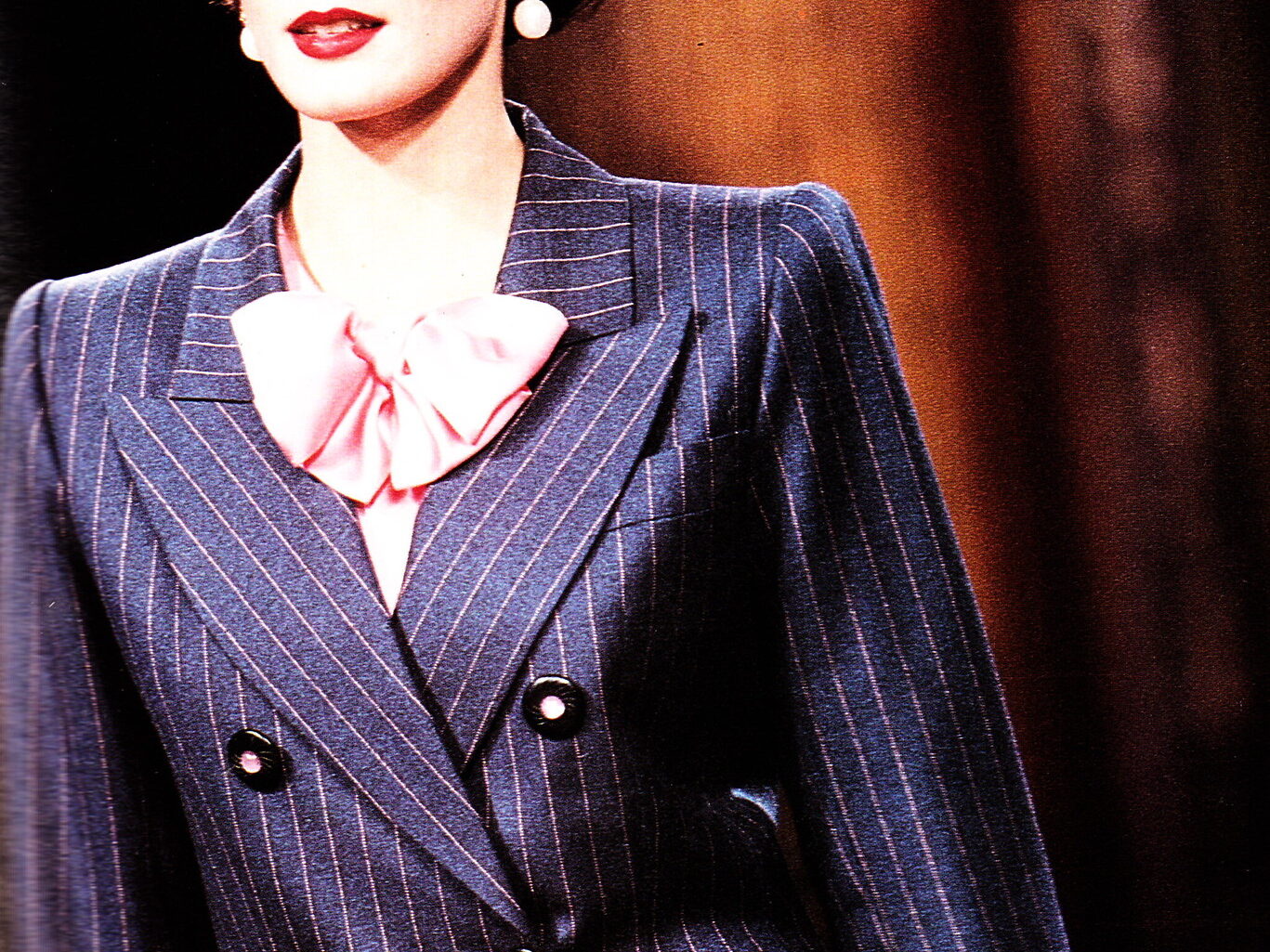
Saint Laurent created a women’s tuxedo suit in 1966, and the fashion establishment largely refused to accept it. Women were turned away from restaurants for wearing it.
It took years for the look to gain the foothold it deserved. Saint Laurent kept making it — in different fabrics, different cuts — across more than four decades, and it became the garment most associated with his legacy.
The idea that a woman in a suit was the equal of any man in the room felt political at the time. Eventually it just felt obvious.
Elizabeth Hurley’s Versace Safety Pin Dress (1994)
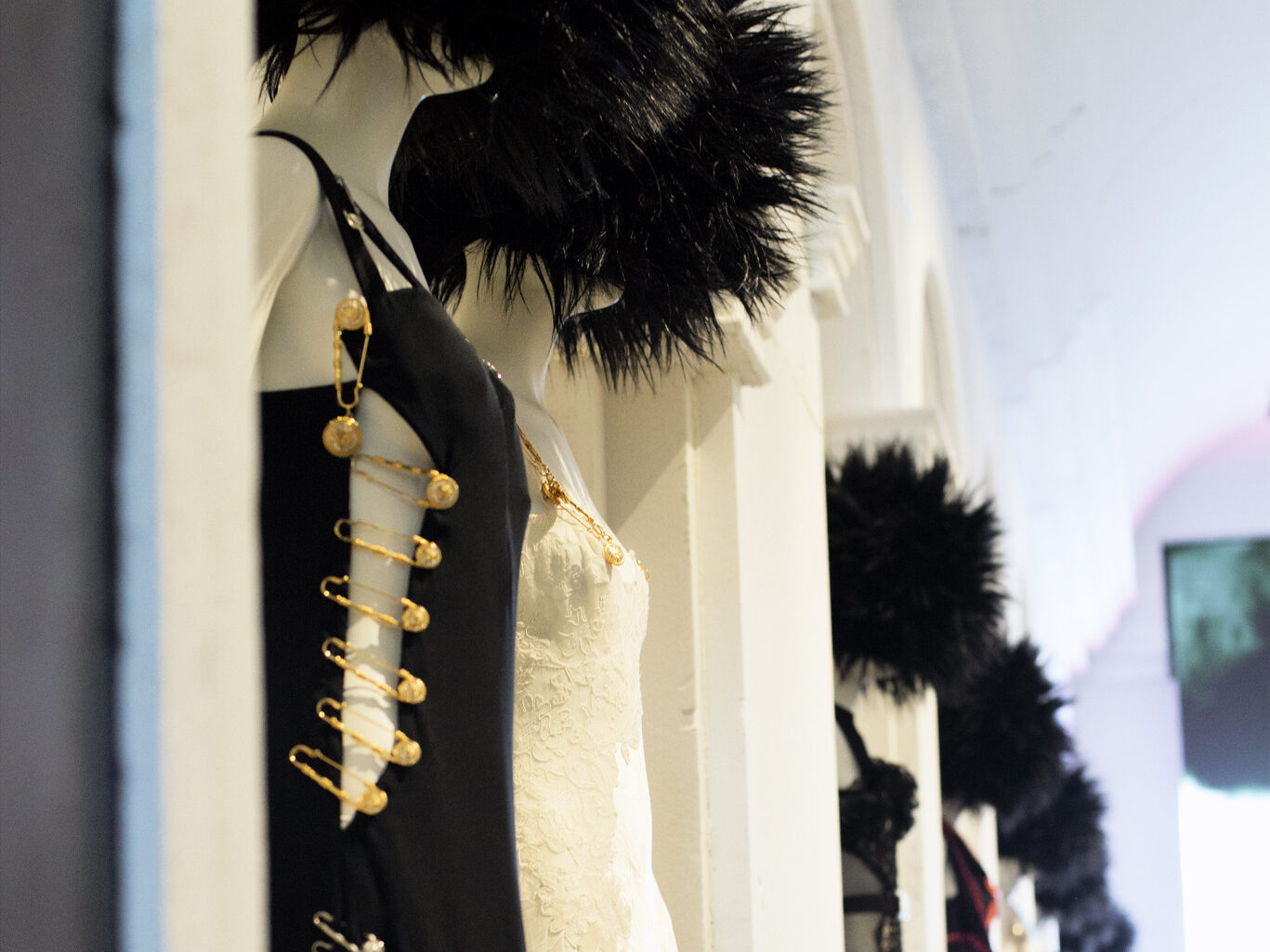
Hurley wore a black Versace dress held together with gold safety pins to the premiere of Four Weddings and a Funeral, and it made her instantly famous. She was there as Hugh Grant’s girlfriend.
She left as a household name. The dress was borrowed at the last minute when she had nothing to wear, and Gianni Versace sent it over as a favour.
It generated so much press that it became a defining moment for Versace and helped establish the red carpet as a serious fashion venue rather than just a walkway. The idea that a single outfit could launch a career became harder to dismiss after that night.
Katharine Hepburn’s Wide-Leg Trousers (1930s)
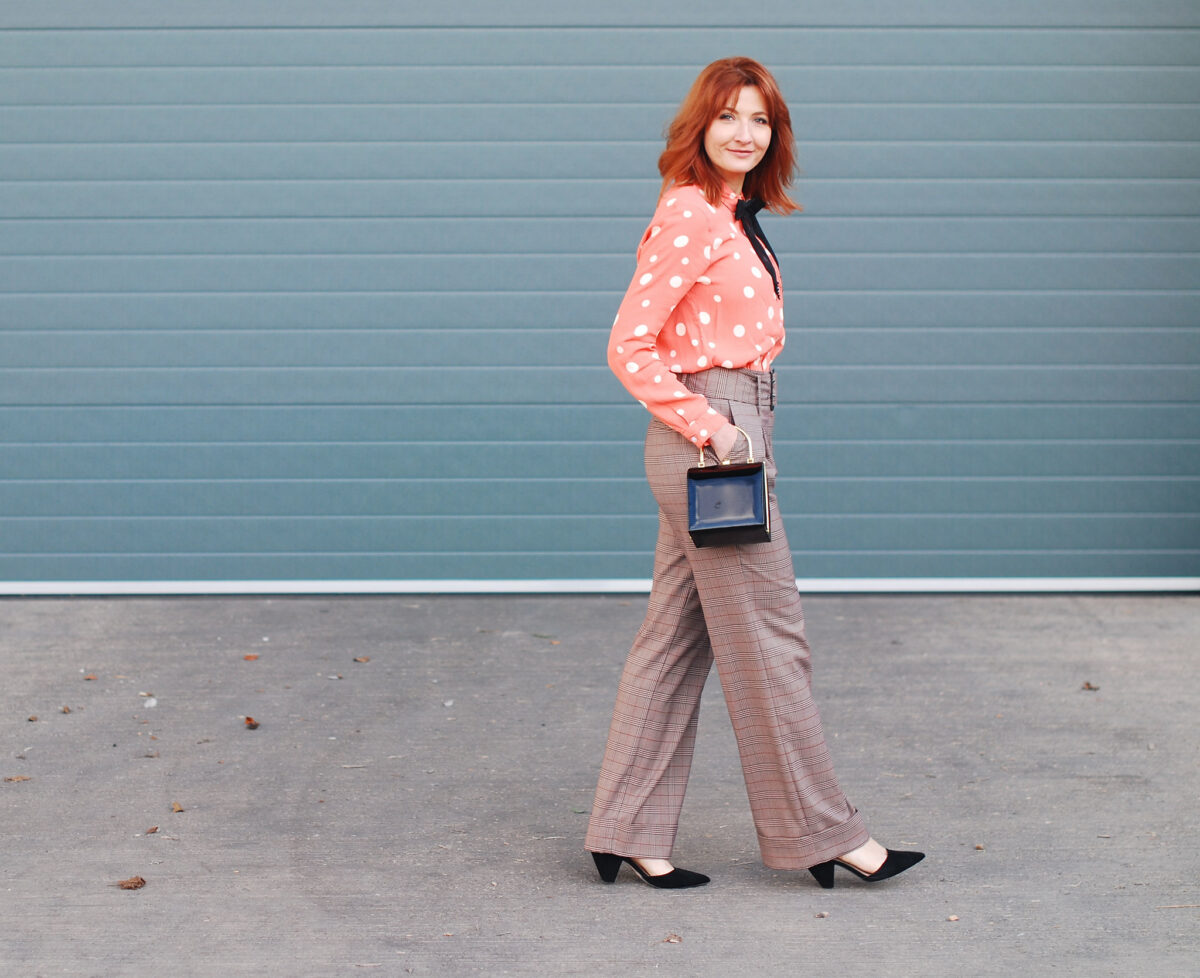
Hepburn wore trousers almost constantly at a time when it was considered deeply improper for women to do so, and she refused to stop when studio executives asked her to. The story goes that someone at RKO once hid her trousers to force her into a skirt, and she walked around the studio lot in her underwear until they were returned.
Whether or not that’s precisely true, the principle it illustrates is accurate. Hepburn wore what she wanted, looked extraordinary in it, and made the argument through sheer consistency that trousers and femininity were not in conflict.
Princess Diana’s Black Sheep Jumper (1981)
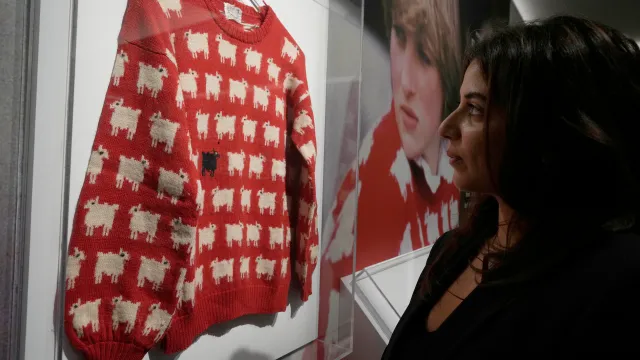
Before Diana became one of the most photographed women in the world, she wore a cream jumper printed with red sheep — and one black sheep standing apart from the rest — to a polo match. It was a Warm & Wonderful design, and it became famous partly because of the person wearing it and partly because the image of the single black sheep seemed, in retrospect, to say something true about her position.
The jumper sold at auction in 2024 for $1.1 million. It had been worn once, casually, to watch a polo game.
Björk’s Swan Dress (2001)
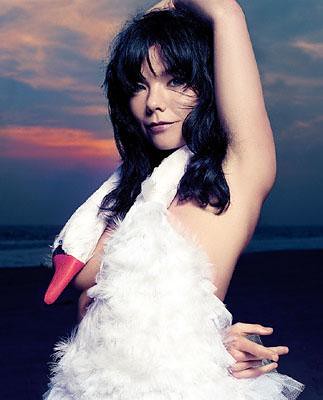
Björk arrived at the Academy Awards in 2001 wearing a white dress designed by Marjan Pejoski that featured a giant swan wrapped around her body, its neck draping over her shoulder. She appeared to lay an egg on the red carpet.
The response was immediate and divided, as the best fashion moments tend to be. It has since been cited repeatedly as one of the most memorable red carpet looks in awards history, and it established the principle that dressing for an awards ceremony didn’t have to mean dressing safely.
Designers took note.
Rihanna’s Met Gala Yellow Gown (2015)
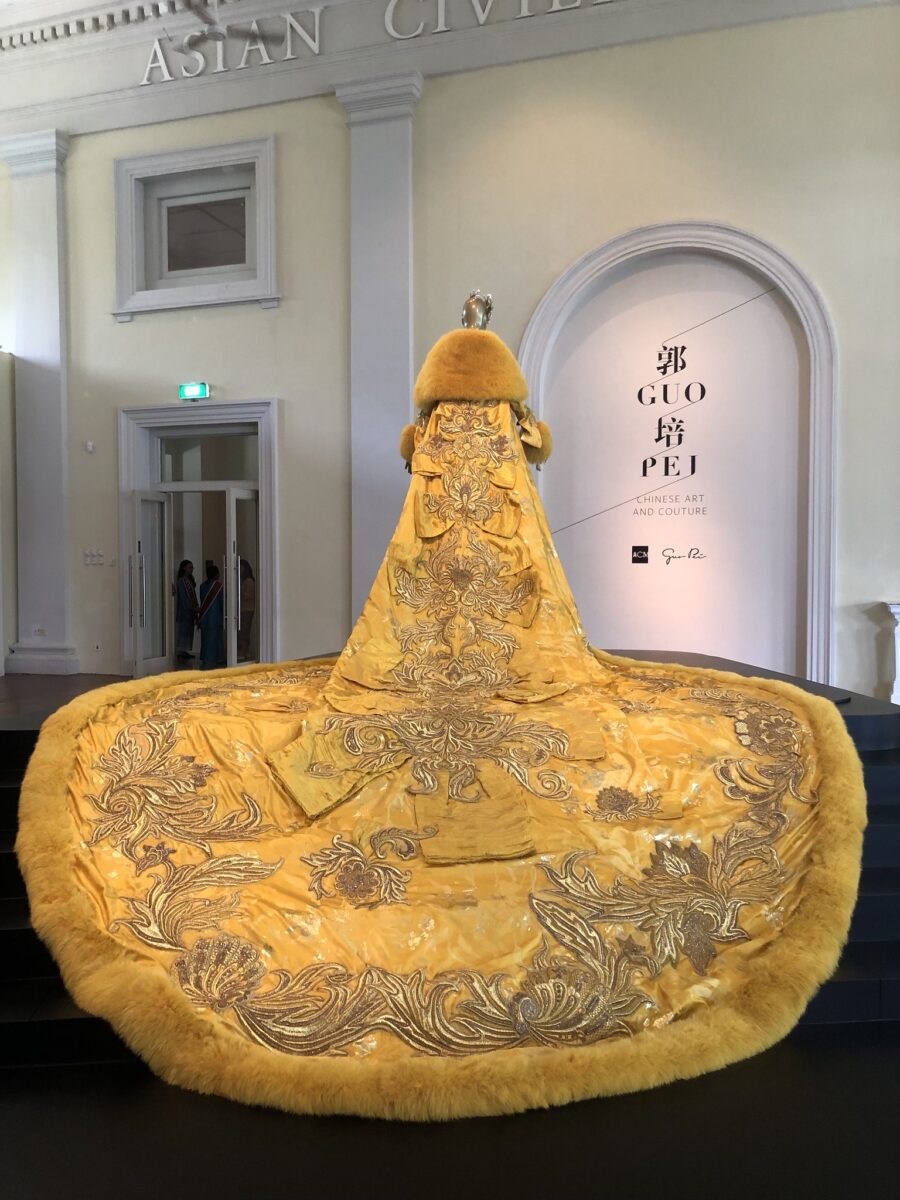
The canary yellow Guo Pei gown Rihanna wore to the 2015 Met Gala — with a train that stretched for meters behind her — immediately generated its own internet vocabulary. The dress became a meme, a reference point, and a masterclass in how to own a room through sheer commitment to a look.
More than that, it brought Chinese couturier Guo Pei to international attention almost overnight. Pei had been working in Beijing for decades.
After that night, she had a global profile. The dress weighed approximately 25 kilograms.
Rihanna wore it like it weighed nothing.
Kurt Cobain’s Cardigan (1990s)
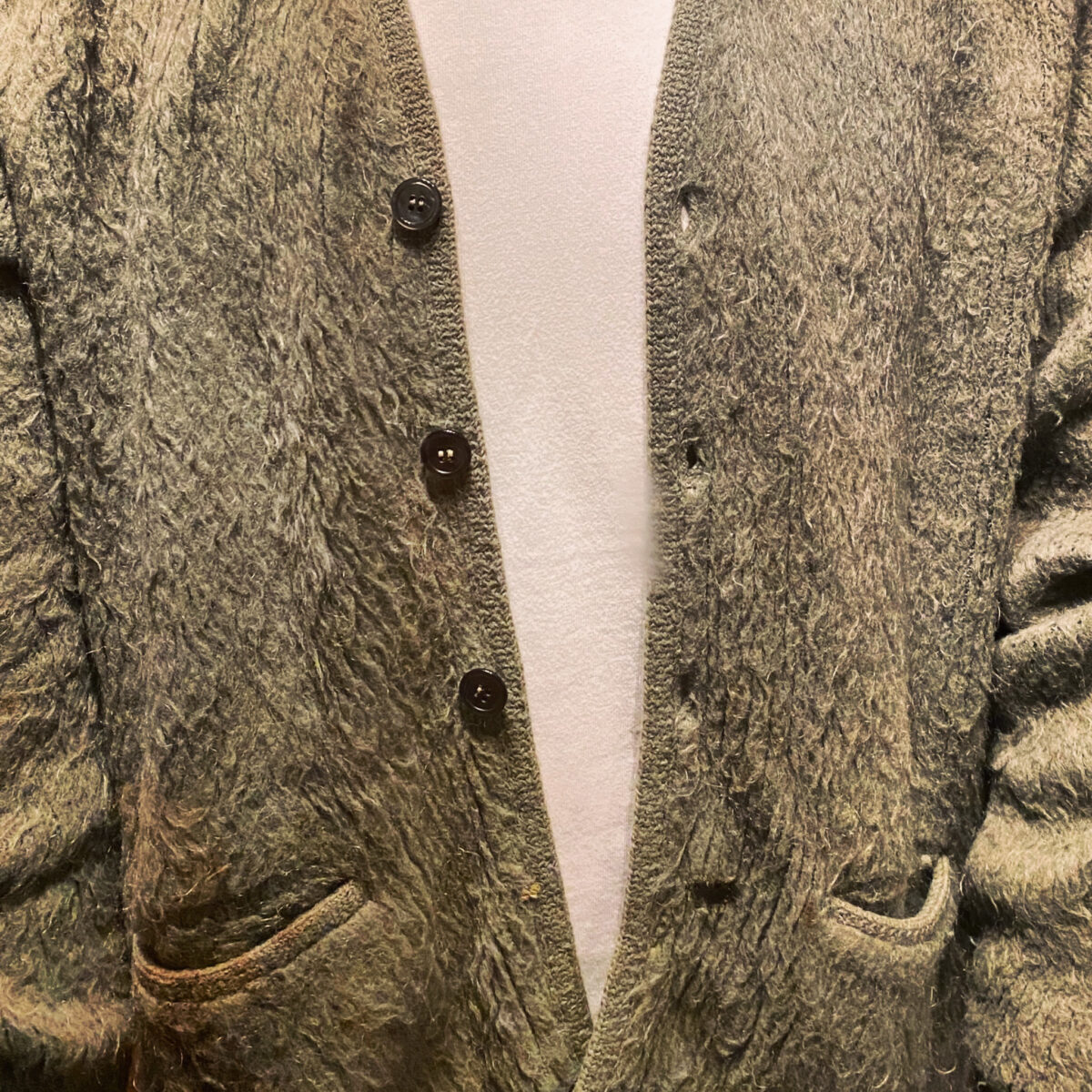
Secondhand sweaters, really worn out, that Cobain wore, were simply those that by chance fell into time with his feelings. Besides torn denim and old concert t-shirts, there were no decisions for these that looked to be a very good fit.
It is an interesting question whether a guy like that would even want to play the famous celebrity. The fact that he had no desire to do so, his nonchalance actually formed something else.
An apathetic style, built on shrugs, is what gradually also entered fashion shows. A 1992 collection of clothes borrowing heavily from that style was introduced by Marc Jacobs at Perry Ellis.
The leadership of the brand was so blind that they even gave no thought to clothes as a medium of communication. He was dismissed soon thereafter.
It didn’t take long, one season was enough, to give up the show. At the time of his MTV Unplugged in New York performance, the legendary Kurt Cobain was wearing a cardigan, a fact that, 30 years later in 2023, that particular garment was sold for a whopping $334, 000 at an auction.
The Clothes That Stay

Many of these clothes weren’t designed to turn heads, though a few of them did. Rather, they possess a silent confidence, an ensemble picked because it reflected the person, or was in accordance with the mood at the moment, and others simply saw it after.
Fashion is the one that typically spots such choices first. Years later, the versions that people keep wearing, researching, or trade usually aren’t the safe options.
There are instances when a person committed to a style, for reasons only known to them, yet went outside anyway.
More from Go2Tutors!

- The Romanov Crown Jewels and Their Tragic Fate
- 13 Historical Mysteries That Science Still Can’t Solve
- Famous Hoaxes That Fooled the World for Years
- 15 Child Stars with Tragic Adult Lives
- 16 Famous Jewelry Pieces in History
Like Go2Tutors’s content? Follow us on MSN.