15 Illegal Plants Hiding in Plain Sight
Most people know that growing certain plants can get you into legal trouble, but you might be surprised by just how many seemingly innocent plants are actually restricted, banned or heavily regulated in some states across the US. While everyone’s aware that cannabis is restricted in many areas, there’s a whole world of forbidden flora that could be lurking in gardens, nurseries, and even growing wild in your neighborhood.
From beautiful flowering vines that seem perfect for landscaping to cute little cacti that look harmless enough for a windowsill, these plants have earned their illegal status for reasons ranging from environmental destruction to their ability to produce powerful substances. The penalties for growing them can range from hefty fines to serious jail time, depending on the plant and your location.
Here is a list of 15 illegal plants that might be hiding in plain sight, waiting to cause trouble for unsuspecting gardeners and property owners.
Opium Poppy
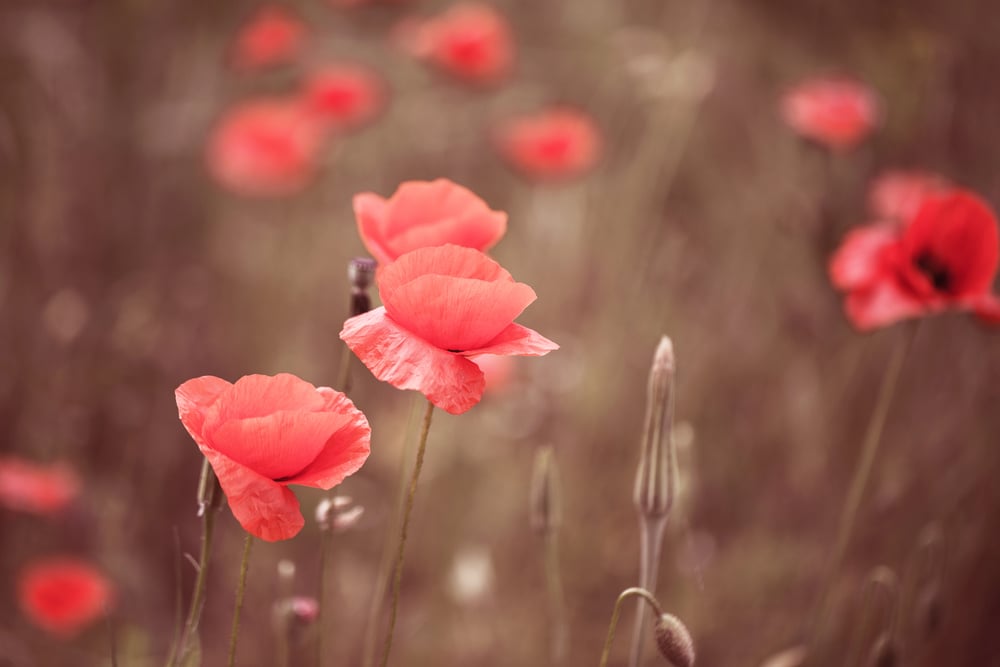
The opium poppy (Papaver somniferum) contains the opium needed to create powerful drugs, and the DEA forbids it from being grown on U.S. soil. What makes this particularly tricky is that the same species produces those innocent poppy seeds you buy for baking.
Congress passed the Opium Poppy Control Act of 1942, making it unlawful for any person to produce the opium poppy except under license. The beautiful flowers come in colors ranging from white to pink to red to purple, making them tempting for gardeners who don’t realize they’re breaking federal law.
Even possessing the plant can result in serious legal consequences, regardless of your intentions.
Peyote Cactus

Lophophora williamsii has become a hot collector’s plant, but its cultivation is illegal for most people, though exemptions exist for members of the Native American Church. Texas is one of the few states where licensed cultivation for religious use is permitted.
This plant contains natural amounts of the psychoactive compound mescaline and is considered a Schedule 1 drug. These small, spineless cacti look deceptively innocent – almost like tiny green pumpkins with light pink flowers blooming from the top.
California law specifically prohibits the cultivation or processing of any plant of the genus Lophophora, with penalties including imprisonment in county jail or state prison for up to a year. While Native American tribes have exemptions for religious ceremonies, anyone else caught growing peyote faces serious federal charges.
Like Go2Tutors’s content? Follow us on MSN.
Coca Plant
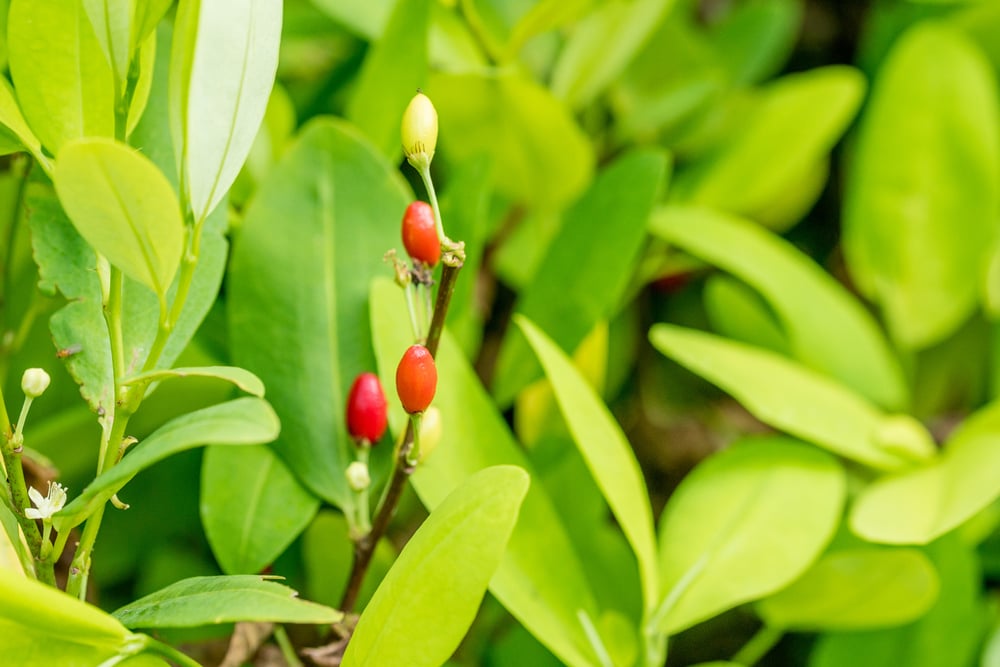
The coca plant (Erythroxylum coca) is best known as the source of cocaine, making it completely illegal to grow anywhere in the United States. These South American shrubs have leaves that contain alkaloids used in drug production, and the legal ramifications of cultivating them are severe.
Cultivation of coca is restricted largely to its native phytogeographic region in South America, but the plants can actually grow in other climates. The DEA treats coca cultivation as seriously as any other major drug manufacturing operation.
Even a single plant can result in federal trafficking charges.
Kudzu

Once considered great livestock feed, the woody vine known as Pueraria montana (kudzu) is native to East Asia and able to grow over a foot a day, quickly taking over entire forests. This aggressive invader earned the nickname ‘the vine that ate the South’ because of its relentless expansion across southern landscapes.
Once established, Kudzu grows at a rate of up to one foot a day and 60 feet annually, taking over areas in the Southeast by smothering plants and killing trees. It’s now illegal to plant, sell, or transport kudzu in multiple states.
The vine’s purple flowers might look pretty, but property owners can face fines for allowing it to spread from their land.
Japanese Barberry

Japanese barberry plants are gorgeous ornamental plants that burst into popularity around 1875, absolutely adored for their wine-red coloring, but unfortunately they’re massively invasive and also harbor ticks. Japanese barberry was introduced to the United States in the 1800s as an ornamental, with seeds sent from Russia to the Arnold Arboretum in 1875.
Many states, including Pennsylvania and Maine, have banned the growth and sale of Japanese barberry because it spreads uncontrollably and creates perfect habitat for disease-carrying ticks. The thorny shrubs might add beautiful fall color to landscapes, but they’re environmental nightmares that crowd out native plants.
Like Go2Tutors’s content? Follow us on MSN.
Yellow Iris

Pseudocorus (Yellow Iris) is a stunning plant native to Europe, though not illegal in all parts of the U.S., a growing list of states have already added it to plants that shouldn’t be grown there. When planted in wetlands, it creates thick, impenetrable barriers similar to cattails but quickly starves the growth of surrounding native plants.
Many states ban the growth of yellow iris plants completely because of their high invasiveness, while others only ban their release in public spaces. These bright yellow flowers look innocent enough in garden centers, but they’re ecological disasters waiting to happen.
The legal landscape around yellow iris is constantly changing as more states recognize the threat.
Giant Hogweed
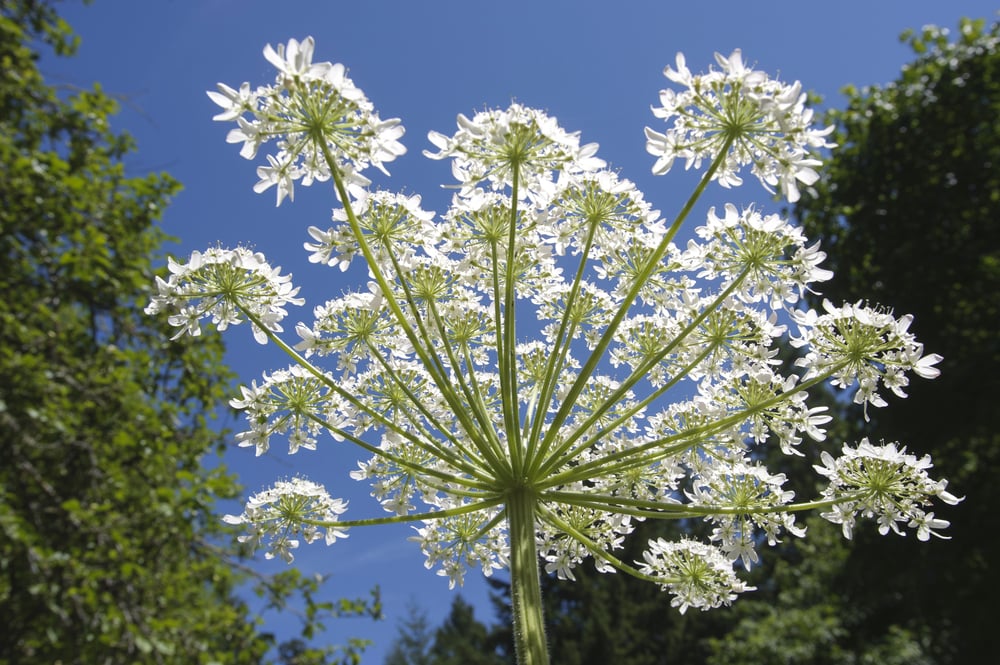
Growing Giant Hogweed is prohibited in numerous states due to its classification as a public health threat. This imposing plant can grow up to 15 feet tall with umbrella-like flower clusters that might seem impressive for landscaping.
However, the sap from giant hogweed causes severe burns and blistering that can last for months, and even brief contact can result in permanent scarring. The plant’s aggressive spreading capability makes it particularly problematic in wild areas where it can quickly establish dominance.
Several states have made it illegal to plant, sell, or transport giant hogweed, with hefty fines for violations.
Cogongrass
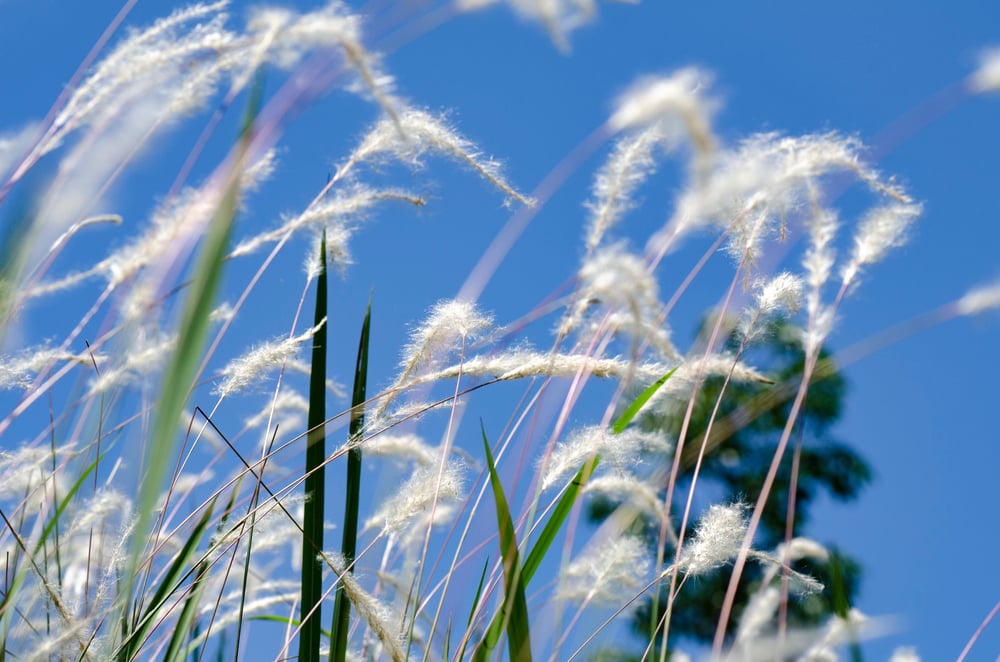
The US didn’t just ban cogongrass; it named it one of the world’s top 10 worst weeds because this type of grass grows so quickly and densely that it leaves native plants with a near-zero chance of survival. This innocent-looking grass forms dense stands that are nearly impossible to penetrate and burns extremely hot, creating fire hazards.
Mississippi should focus on cogongrass, kudzu, and seven other noxious weeds spreading within their state. The grass spreads through both seeds and underground rhizomes, making it incredibly difficult to eradicate once established.
Multiple states have banned its cultivation, and some impose criminal penalties for intentionally spreading it.
Like Go2Tutors’s content? Follow us on MSN.
Water Hyacinth

Water hyacinth presents deceptive beauty with its lavender blooms and buoyant green foliage, but this plant poses significant environmental threats as an aggressive invasive species with a reproduction rate that can double its population within just 14 days. These floating plants create dense mats that block sunlight from reaching underwater ecosystems and clog waterways completely.
Due to these ecological risks, water hyacinth has been banned in numerous states. What starts as a few decorative plants in a backyard pond can quickly become an ecological disaster that spreads to nearby lakes and rivers.
The penalties for releasing water hyacinth into public waterways can include both fines and criminal charges.
English Ivy
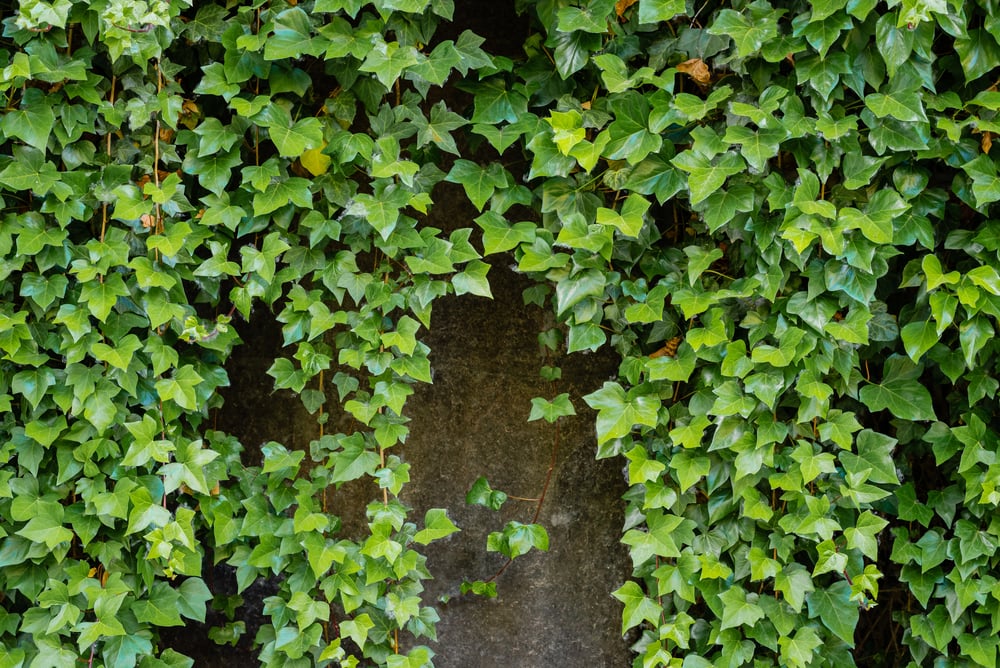
The introduction of English ivy dates back to the early 1700s when European colonists imported the plant as an easy-to-grow evergreen groundcover, but it is now one of the worst-spread invasive plants in the country. This climbing vine damages both buildings and trees by attaching with rootlets that can penetrate and destroy surfaces.
Several regions have implemented bans on English ivy to protect both natural ecosystems and built environments. The vine’s dense growth creates ‘ivy deserts’ where nothing else can survive, and it harbors bacterial leaf scorch disease that affects native trees.
Some regions have banned or restricted English ivy due to its damage to ecosystems and infrastructure, with some offering bounties for its removal.
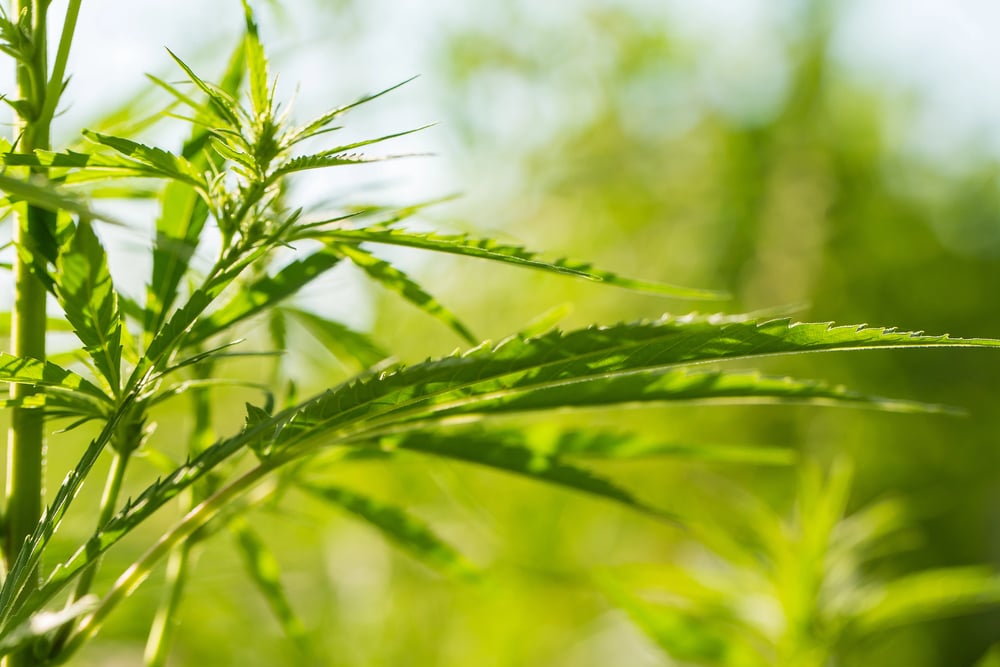
Cannabis
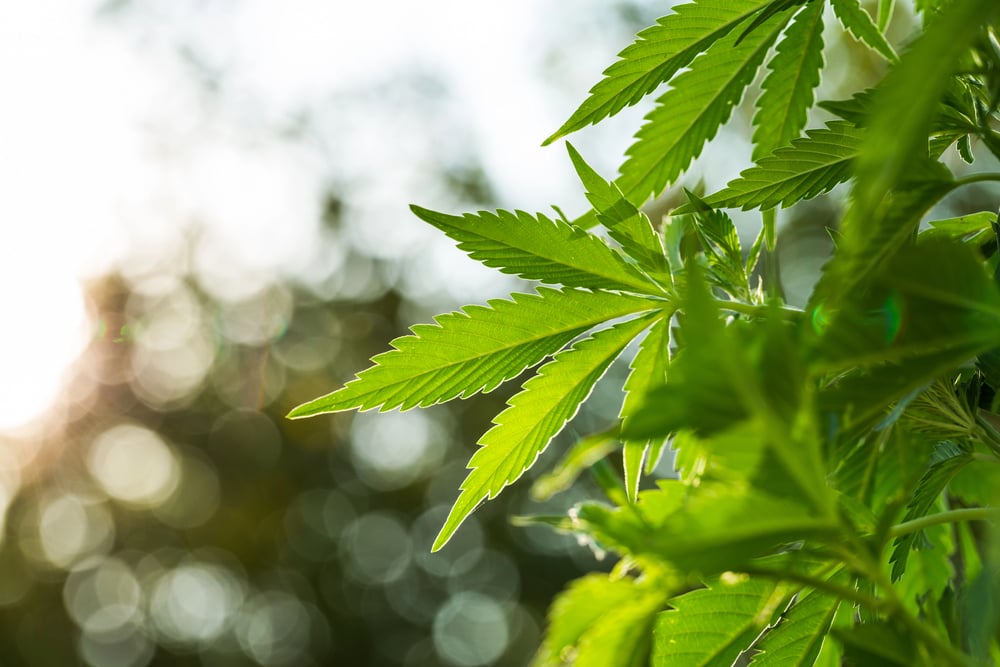
While cannabis laws are rapidly changing across the United States, growing it without proper licenses remains illegal in many areas, with the plant containing THC as the psychoactive component and regulations varying widely. Even in states where cannabis is legal for recreational or medical use, unauthorized cultivation can still result in serious criminal charges.
Home growing limits vary dramatically by location, and exceeding those limits can trigger felony charges. Unauthorized cultivation can lead to hefty fines or legal consequences.
The complex patchwork of state and federal laws makes cannabis cultivation a legal minefield for anyone not thoroughly familiar with their local regulations.
Like Go2Tutors’s content? Follow us on MSN.
Tree of Heaven

The Tree of Heaven produces chemicals that inhibit the growth of other plants, giving it a competitive edge, and its strong root system can damage sidewalks and foundations, making it a problem in urban areas. This fast-growing tree was originally imported as an ornamental but has become an ecological nightmare.
It spreads aggressively through both seeds and root suckers, and cutting it down often makes the problem worse by triggering more shoots. Because of its invasive tendencies, it’s banned in several states.
The tree also serves as the preferred host for the spotted lanternfly, an invasive insect that’s causing billions in agricultural damage.
Garlic Mustard
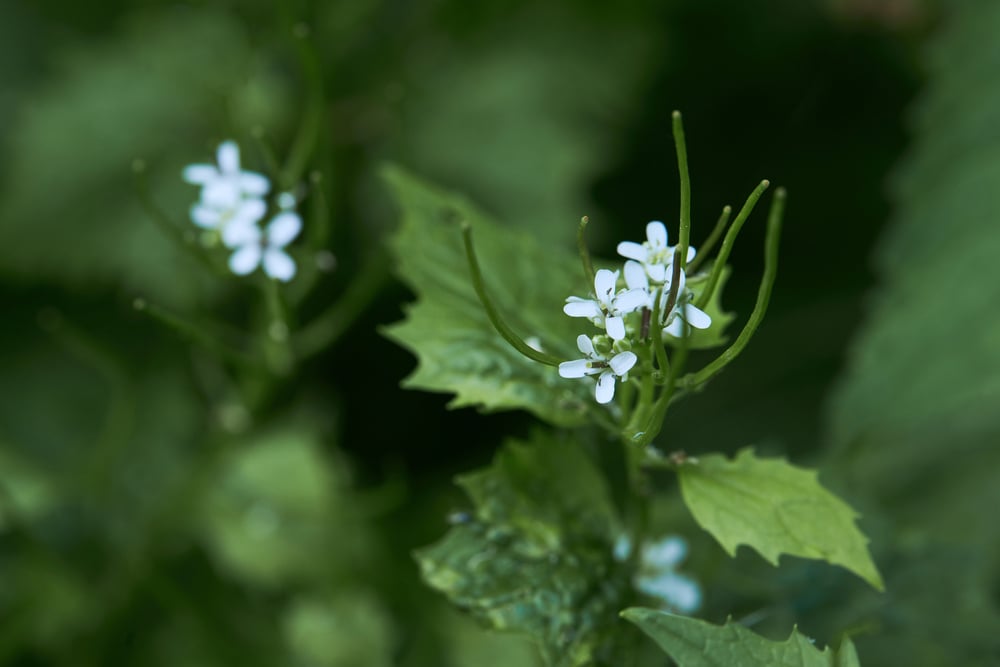
Garlic mustard spreads like rapid fire and destroys almost anything in its wake, being tactical by spreading seeds in the wind in early spring, therefore beating the reproduction rates of native plants. This European import might seem like just another wildflower, but it’s actually a biological weapon against native forest ecosystems.
It grows so thick and in such wide clusters that the plant dominates all natural resources, from sunlight to water. The plant releases chemicals into the soil that prevent other seeds from germinating, creating bare patches where only garlic mustard can survive.
Many states prohibit planting or transporting garlic mustard, and some require property owners to remove it.
Giant Salvinia

Originally valued as a decorative addition to water gardens, Giant Salvinia has since been prohibited in numerous states across America with reproductive capabilities that are particularly concerning. This floating fern forms thick mats that can completely cover water surfaces, blocking all light and oxygen exchange.
Small fragments of the plant can generate extensive new infestations when introduced to favorable conditions, making it nearly impossible to control once established. The plant has no natural predators in the United States, allowing it to spread unchecked through waterways.
States with Giant Salvinia infestations spend millions annually trying to control its spread, leading to outright bans on possession and transport.
Like Go2Tutors’s content? Follow us on MSN.
Cotton
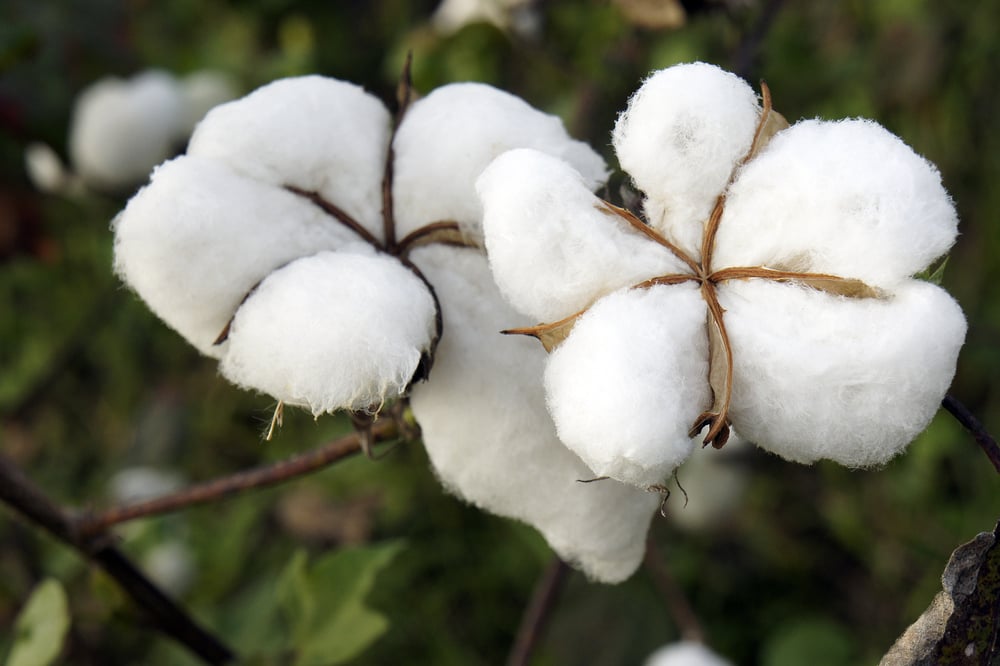
Cotton may seem like an innocent plant, but it’s illegal to grow in many home gardens across the Southern U.S., primarily due to pest control, specifically the weevil that can devastate commercial cotton crops. Home-grown cotton plants can harbor weevils and other pests that threaten the multi-billion dollar commercial cotton industry.
Many cotton-producing states have laws requiring permits for any cotton cultivation, even small decorative plantings. This pest can devastate commercial cotton crops, and homegrown plants can harbor these insects.
Violations can result in significant fines and the destruction of crops, as agricultural authorities take these restrictions seriously to protect commercial farming operations.
The Hidden Dangers in Your Garden
These illegal plants serve as reminders that not everything beautiful or natural is legal to grow. Whether banned for their ability to produce controlled substances, destroy ecosystems, or threaten agricultural industries, each of these plants carries serious legal and environmental consequences.
Before adding any new plant to your garden or property, it’s worth checking both federal and state regulations to avoid unintentional legal troubles. The penalties for growing prohibited plants can range from minor fines to serious criminal charges, making plant identification and legal awareness essential skills for responsible gardeners and property owners.
More from Go2Tutors!

- 16 Historical Figures Who Were Nothing Like You Think
- 12 Things Sold in the 80s That Are Now Illegal
- 15 VHS Tapes That Could Be Worth Thousands
- 17 Historical “What Ifs” That Would Have Changed Everything
- 18 TV Shows That Vanished Without a Finale
Like Go2Tutors’s content? Follow us on MSN.