15 Important Inventions Originally Designed for War
Human ingenuity has always been tested by war. Nations invest enormous amounts of money in creating technologies that will give them a competitive advantage when they face existential threats.
Ironically, a lot of these military innovations eventually made their way into civilian life, changing the way we interact with one another, eat, and move through the environment. Homecoming from the battlefield frequently occurs more quickly than you might anticipate.
This is a list of fifteen significant inventions that were initially intended for military use.
The Internet

ARPANET, the precursor to today’s internet, was developed by DARPA, the U.S. Department of Defense’s research arm, in the late 1960s to create a communication network that could survive partial outages. The first message was sent between UCLA and Stanford Research Institute on October 29, 1969, attempting to transmit ‘LOGIN’ but only the letters ‘LO’ got through before the system crashed.
In 1983, ARPANET split into two separate networks—MILNET for military communications and a civilian network that evolved into the internet we use today with billions of users worldwide.
GPS Navigation
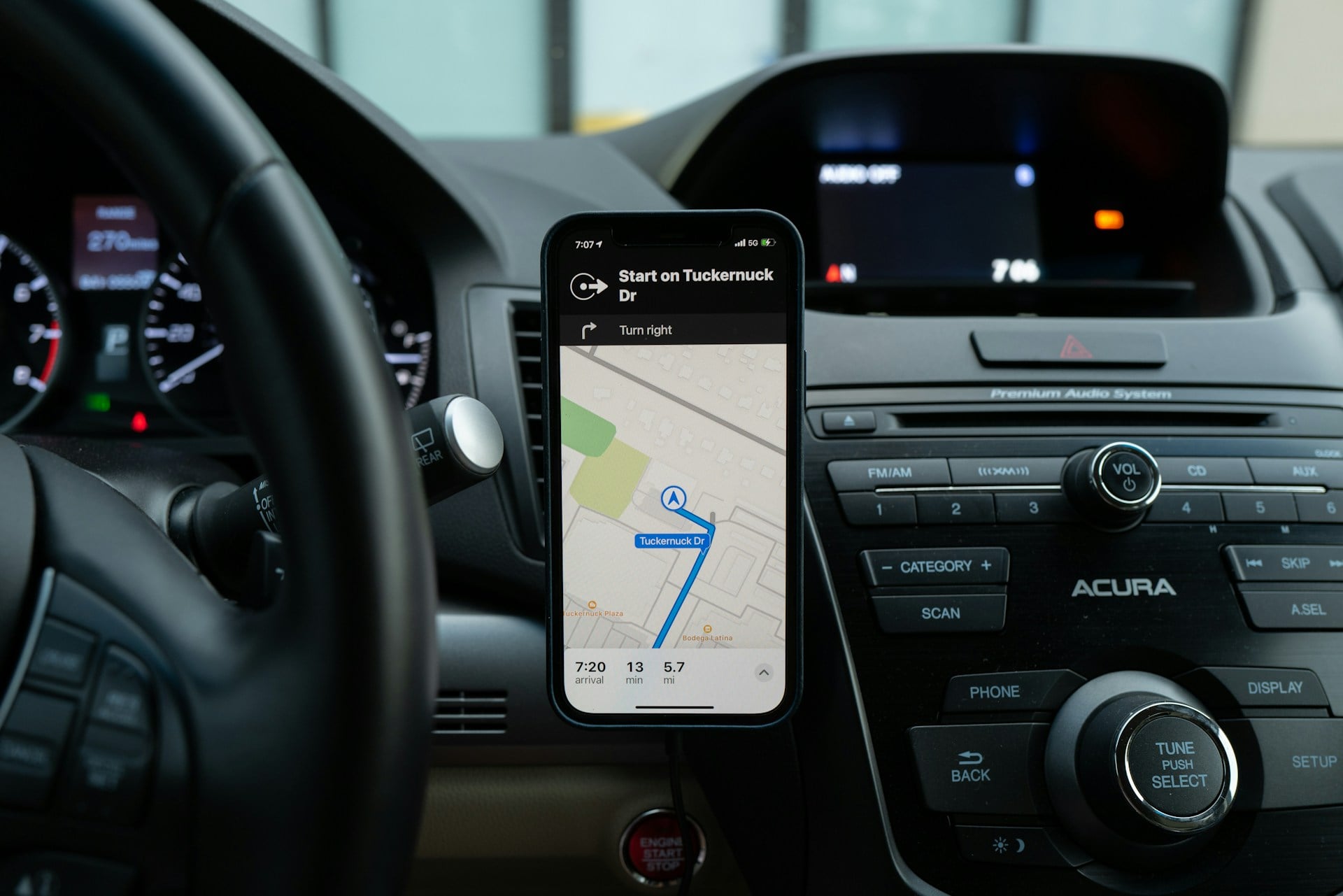
The Global Positioning System started as a military project by the U.S. Department of Defense, with full operational capability declared in 1995. President Clinton opened GPS to civilian users in the 1990s, and the military turned off selective availability in 2000, giving civilians access to the same accuracy previously reserved for military use.
Now the same satellites that once guided missiles help you find the nearest coffee shop. GPS has become so essential that most people can’t imagine navigating without it.
Microwave Ovens
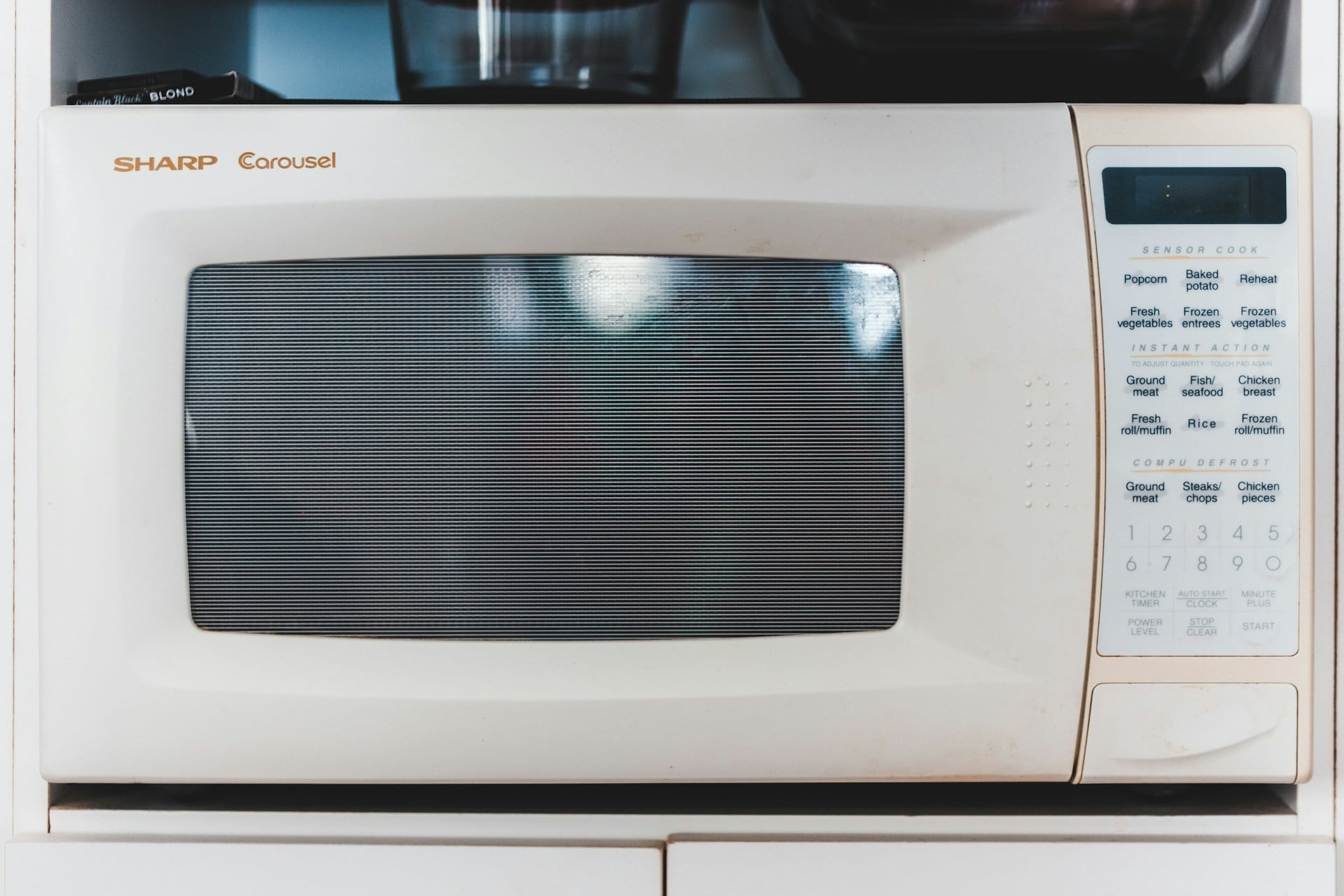
In 1945, engineer Percy Spencer at defense contractor Raytheon Company noticed that a candy bar in his pocket had melted while he worked on radar equipment that used cavity magnetrons developed for World War II. This accidental discovery revealed that microwaves used in military radar could cook food, leading Raytheon to file the first patent for a microwave oven later that year.
The original models were as large as refrigerators and too expensive for most households. By 1967 the technology had shrunk enough to fit in home kitchens where it revolutionized meal preparation.
Duct Tape
Johnson & Johnson created duct tape in 1942 after Vesta Stoudt, a factory worker at an ammunition plant, pitched the idea to President Roosevelt for a waterproof adhesive that could seal ammunition cases under harsh field conditions. Soldiers quickly realized it worked brilliantly for emergency repairs on gear and equipment, earning it the nickname ‘duck tape’ for its water-resistant properties.
After World War II ended, civilians adopted it enthusiastically during the postwar housing boom. They used it to seal ductwork in new homes, which led to the name change and the silver color we recognize today.
Freeze-Dried Food

The freeze-drying process, also called lyophilization, was used during World War II to preserve medical supplies like blood plasma that normally required refrigeration. The military later adapted this technology in the 1950s to create lightweight, long-lasting food rations for soldiers on extended missions where carrying heavy canned goods proved impractical.
The civilian market embraced freeze-drying for everything from instant coffee to camping meals. The technique even made space exploration possible by providing astronauts with edible food that weighed almost nothing.
EpiPen Auto-Injectors
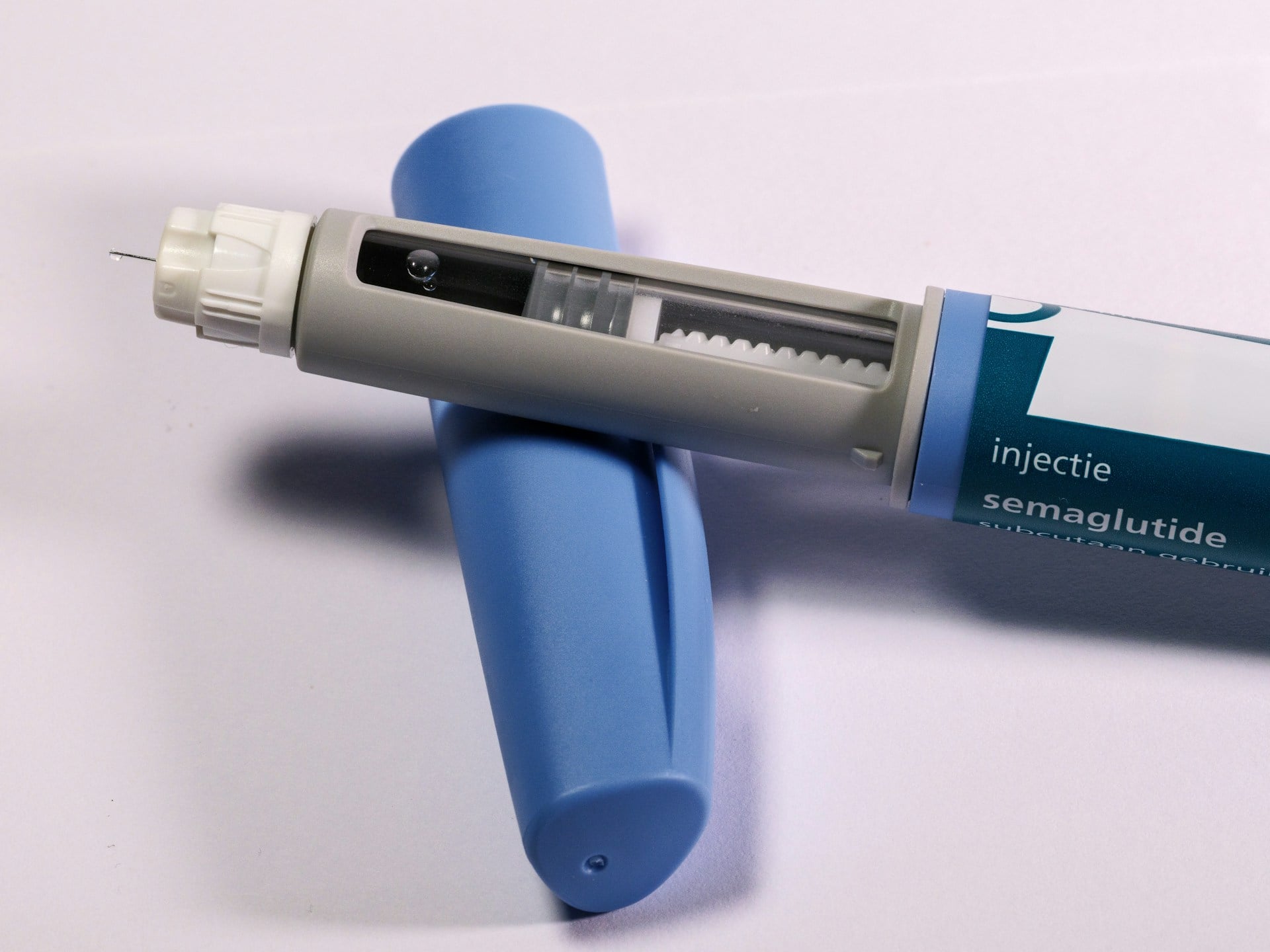
The auto-injector concept was developed for military use to deliver emergency antidotes to soldiers exposed to nerve agents and chemical weapons. This technology allowed soldiers to quickly inject themselves with life-saving medication in combat situations without fumbling with traditional syringes.
The first epinephrine auto-injector for civilian use was brought to market in the 1980s. It adapted military technology to help people with severe allergies self-administer epinephrine during anaphylactic reactions and saved countless lives in the process.
Cargo Pants

British soldiers started wearing cargo pants in the 1930s because the large pockets on the thighs provided convenient storage for ammunition, maps, and other essential military gear. American troops adopted them just a few years later during World War II, appreciating the practical design for carrying supplies without needing additional bags or packs.
The general public discovered cargo pants in the 1990s. They became a fashion staple appreciated for the same utility that made them valuable on the battlefield.
Digital Computers

ENIAC, one of the first general-purpose programmable computers, was built for the U.S. Army’s Ballistic Research Laboratory during World War II to calculate artillery firing tables. The massive machine took up 1,500 square feet with 40 cabinets standing nine feet tall and came with a $400,000 price tag when it was completed in 1945.
The U.S. government released ENIAC to the public in early 1946. This marked a pivotal moment in computing history that would eventually lead to the smartphones and laptops we carry today.
Walkie-Talkies
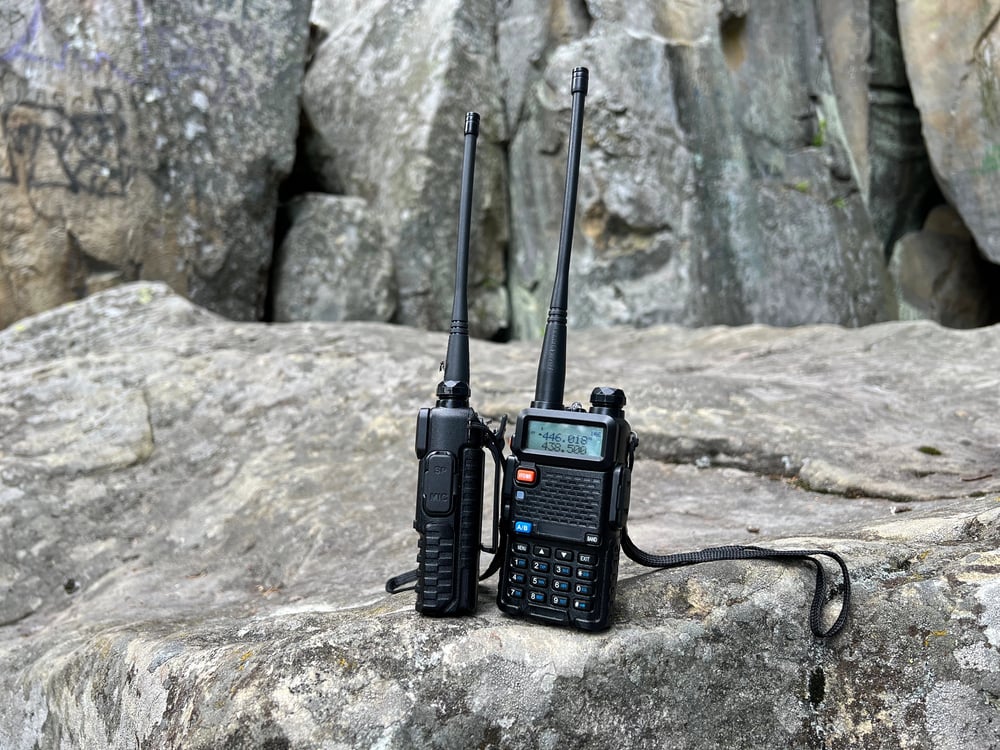
Canadian inventor Donald Hings created the first portable radio signaling system in 1937 for his employer, initially calling it a ‘packset’ before the term walkie-talkie caught on. The U.S. military recognized the value of portable communication and had Motorola develop handheld versions by 1941, with the SCR-536 becoming standard issue for infantry squads.
After the war, walkie-talkies spread to civilian uses ranging from construction sites to children’s toys. They made short-range wireless communication accessible to everyone.
Digital Cameras
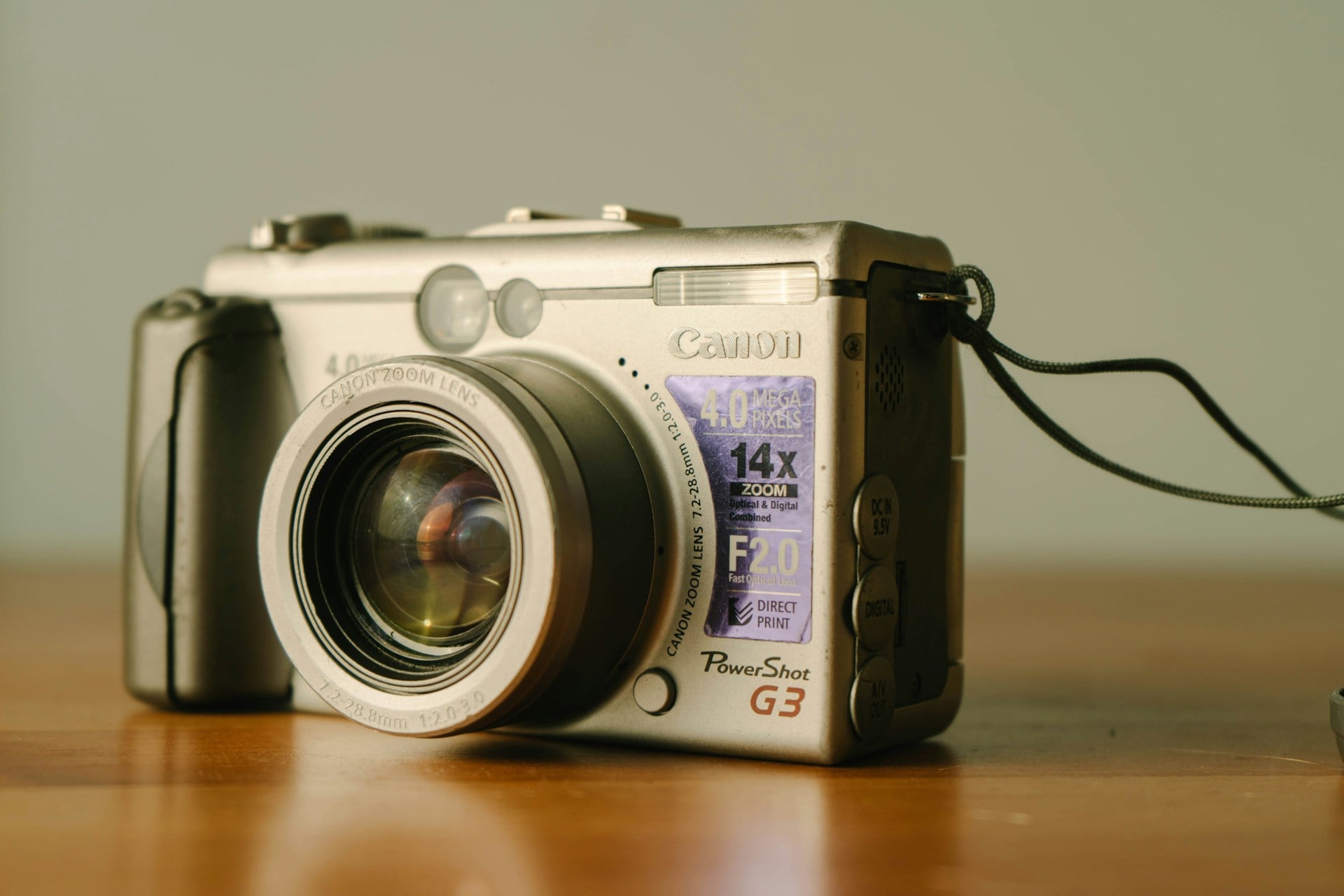
Digital photography technology was first developed for reconnaissance and surveillance missions using spy satellites during the Cold War. The military needed high-resolution aerial images of enemy installations, which led to the creation of cameras that could capture and transmit pictures electronically rather than using film.
This technology eventually trickled down to consumer markets in the 1970s. It has since revolutionized photography, with digital cameras now embedded in billions of smartphones worldwide.
Super Glue
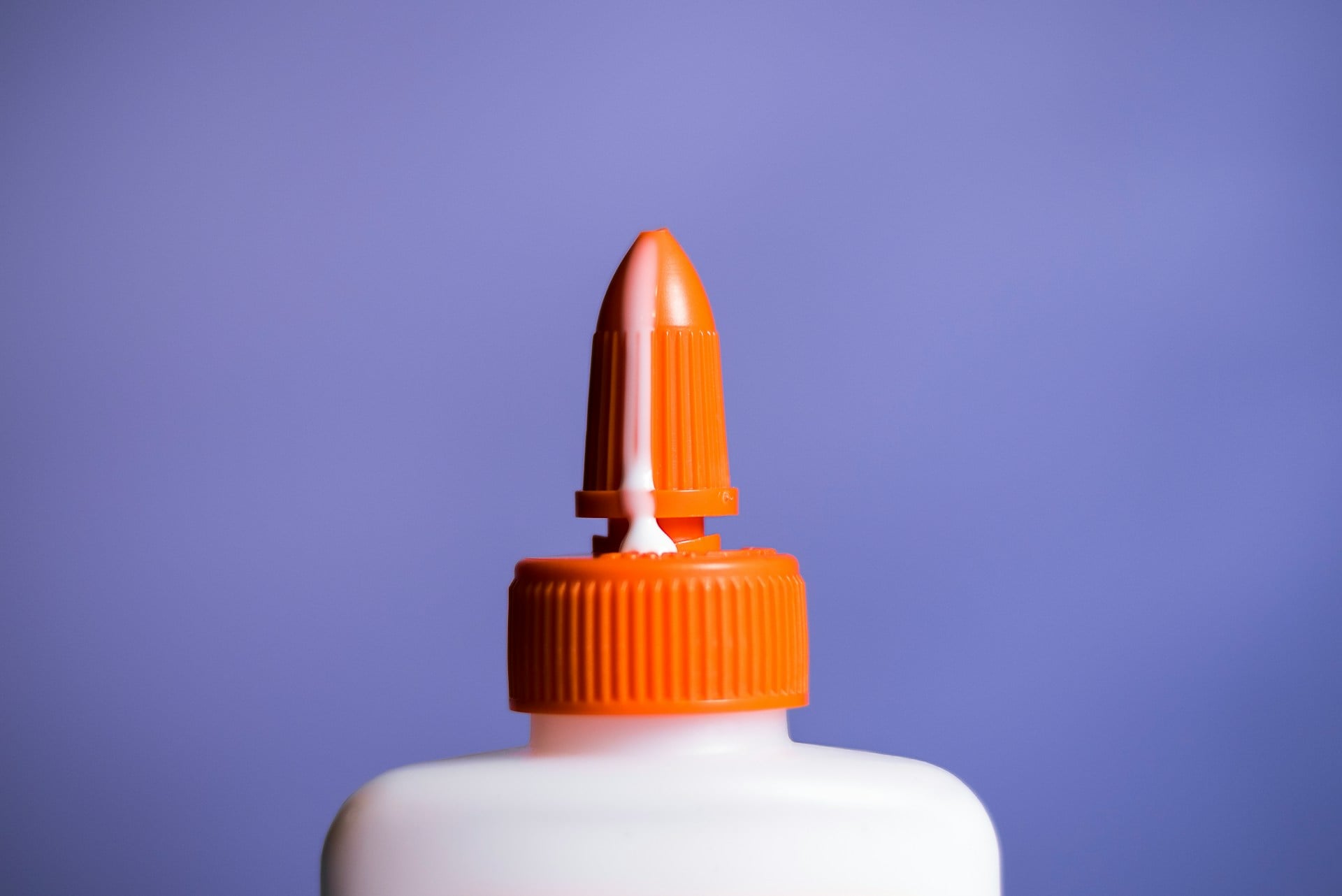
Chemist Harry Coover at Eastman Kodak accidentally created cyanoacrylate in 1942 while trying to develop clear plastic gun sights for the military during World War II. His invention proved far too sticky for the intended purpose and was initially dismissed as a failure.
Nine years later, researchers rediscovered the substance and realized its commercial potential. Super Glue hit store shelves in 1958 and even found use as a spray to seal wounds during the Vietnam War.
Canned Food
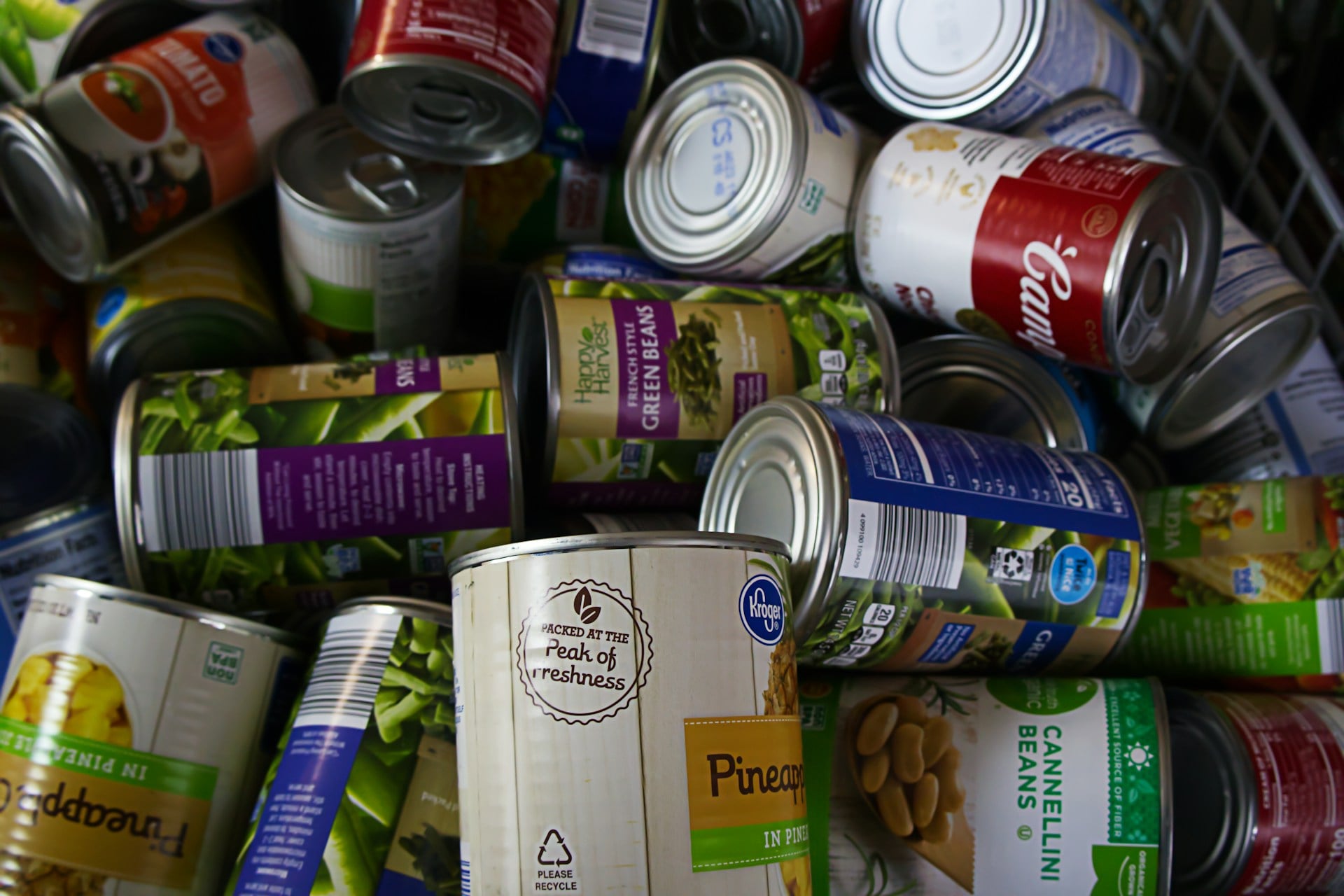
The French government offered 12,000 francs in the late 18th century to anyone who could develop a better food preservation method than traditional methods for army rations. Confectioner Nicolas Appert spent 14 years experimenting before discovering that sealing food in containers and boiling them prevented spoilage, collecting his prize in 1810.
Shortly after, tin-plated iron replaced his original glass jars. Canning swept across Europe and the United States, fundamentally changing how people stored and transported food.
Sanitary Napkins
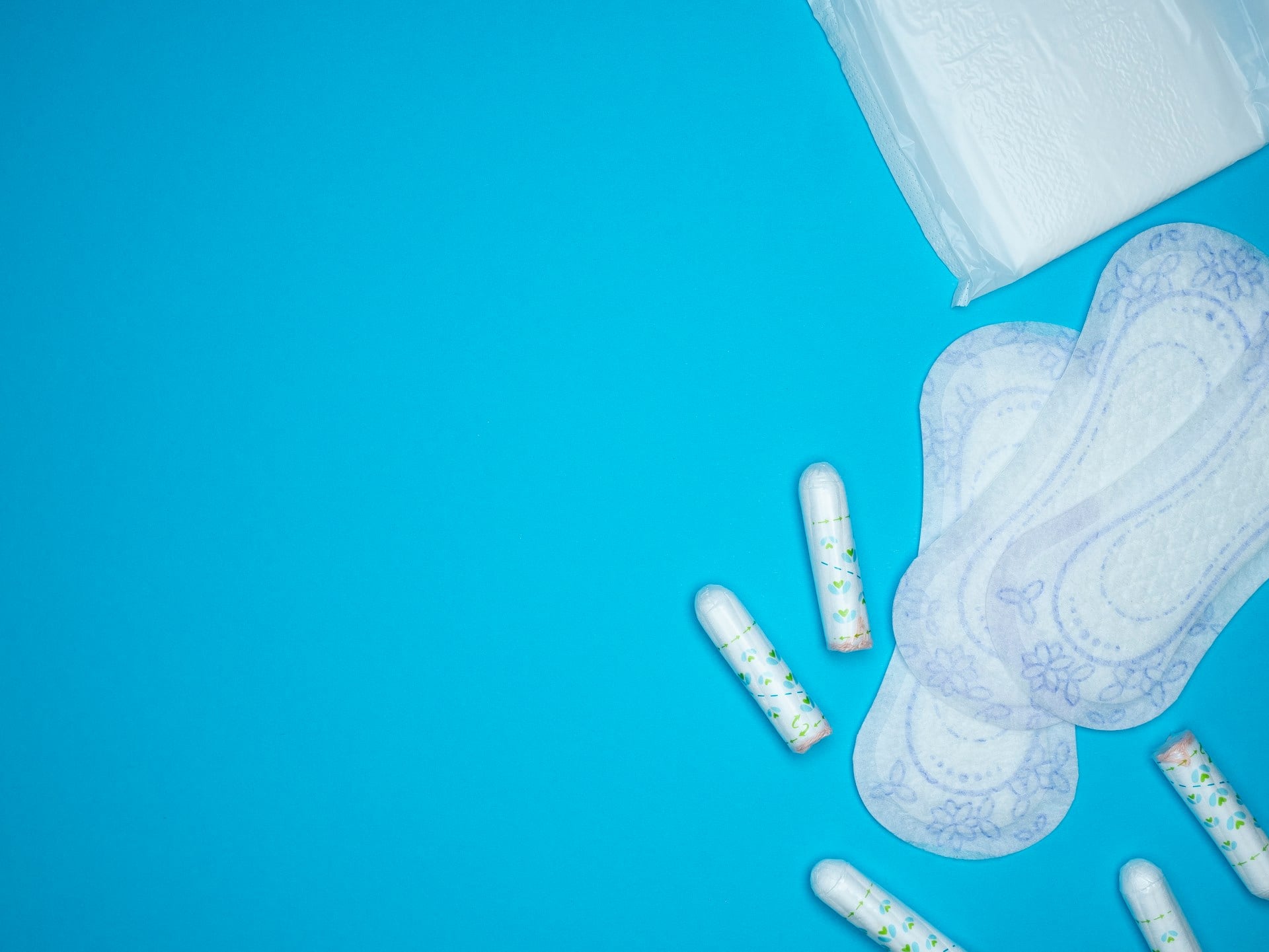
During World War I, nurses working for the Red Cross discovered that cellucotton, a highly absorbent material made from wood pulp and originally invented for bandages, worked better than homemade cotton products for menstrual needs. Kimberly-Clark had developed cellucotton to address a cotton shortage during the war, and nurses quickly recognized its versatility for personal hygiene.
After the war ended, Kimberly-Clark began manufacturing and marketing sanitary napkins with cellucotton. Many stores initially refused to carry them due to the taboo nature of the product.
Synthetic Rubber

The military developed synthetic rubber in 1942 because natural rubber supplies from Southeast Asia became unavailable during World War II when Japan occupied the region. This created an urgent need for tires, seals, and other rubber components essential for military vehicles and equipment.
The synthetic version proved so effective that it continued to dominate the market after the war. Today most rubber products from car tires to shoe soles use synthetic materials rather than natural rubber from trees.
Aerosol Cans

The first aerosol can was patented in 1941 and nicknamed ‘bug bomb’ by soldiers who used it to spray insecticide in the field during World War II. The partnership between the USDA and Department of Defense created this delivery system to help troops combat disease-carrying insects in tropical environments.
Engineer and veteran Robert Abplanalp improved the design in 1949 with a cheaper plastic valve for mass production. Aerosol cans quickly found civilian applications from deodorant to whipped cream dispensers.
From Battlefield to Daily Life
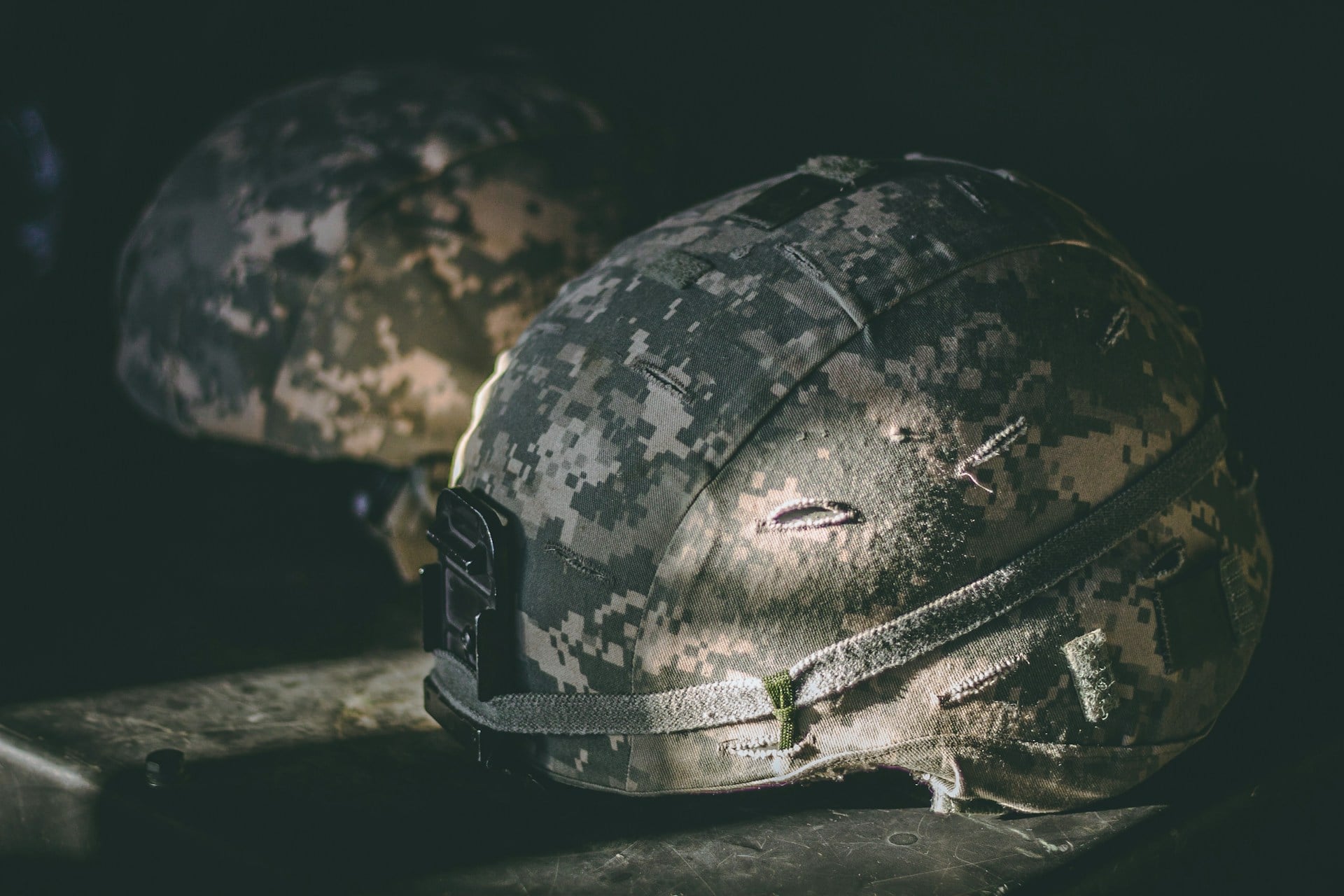
In addition to developing weapons, military research frequently finds solutions to issues that have untapped civilian uses. Innovations that eventually find their way into people’s homes, businesses, and pockets worldwide are funded by the billions of dollars spent annually on defense research and development.
These technologies demonstrate that, even when that necessity arises from the harsh demands of war rather than from convenience in peacetime, necessity is, in fact, the mother of invention.
More frMore from Go2Tutors!

- The Romanov Crown Jewels and Their Tragic Fate
- 17 Halloween Costumes Once Considered Taboo
- Famous Hoaxes That Fooled the World for Years
- 15 Child Stars with Tragic Adult Lives
- 16 Famous Jewelry Pieces in History
Like Go2Tutors’s content? Follow us on MSN.



