How Early Astronomy Guided Daily Human Routines
Long before smartphones buzzed with calendar reminders and digital clocks ruled our schedules, people looked up at the sky to organize their lives. The sun, moon, and stars weren’t just pretty things to admire.
They were tools that told farmers when to plant seeds, priests when to hold ceremonies, and travelers when to set off on long journeys. Ancient societies built their entire way of living around the patterns they saw overhead, turning the cosmos into the world’s first planning system.
Ready to see how our ancestors turned stargazing into a survival skill? Here’s how they did it.
The sun’s position marked work hours

People didn’t need watches when the sun moved across the sky in such a predictable way. Workers in ancient Egypt and Mesopotamia divided their day based on where the sun sat above the horizon.
Morning meant time to head to the fields, midday signaled a break from the scorching heat, and the sun’s descent told everyone to wrap up and head home. Temples often had sun markers built into their walls that cast shadows at specific times, acting like natural alarm clocks for the community.
Moon phases determined planting seasons
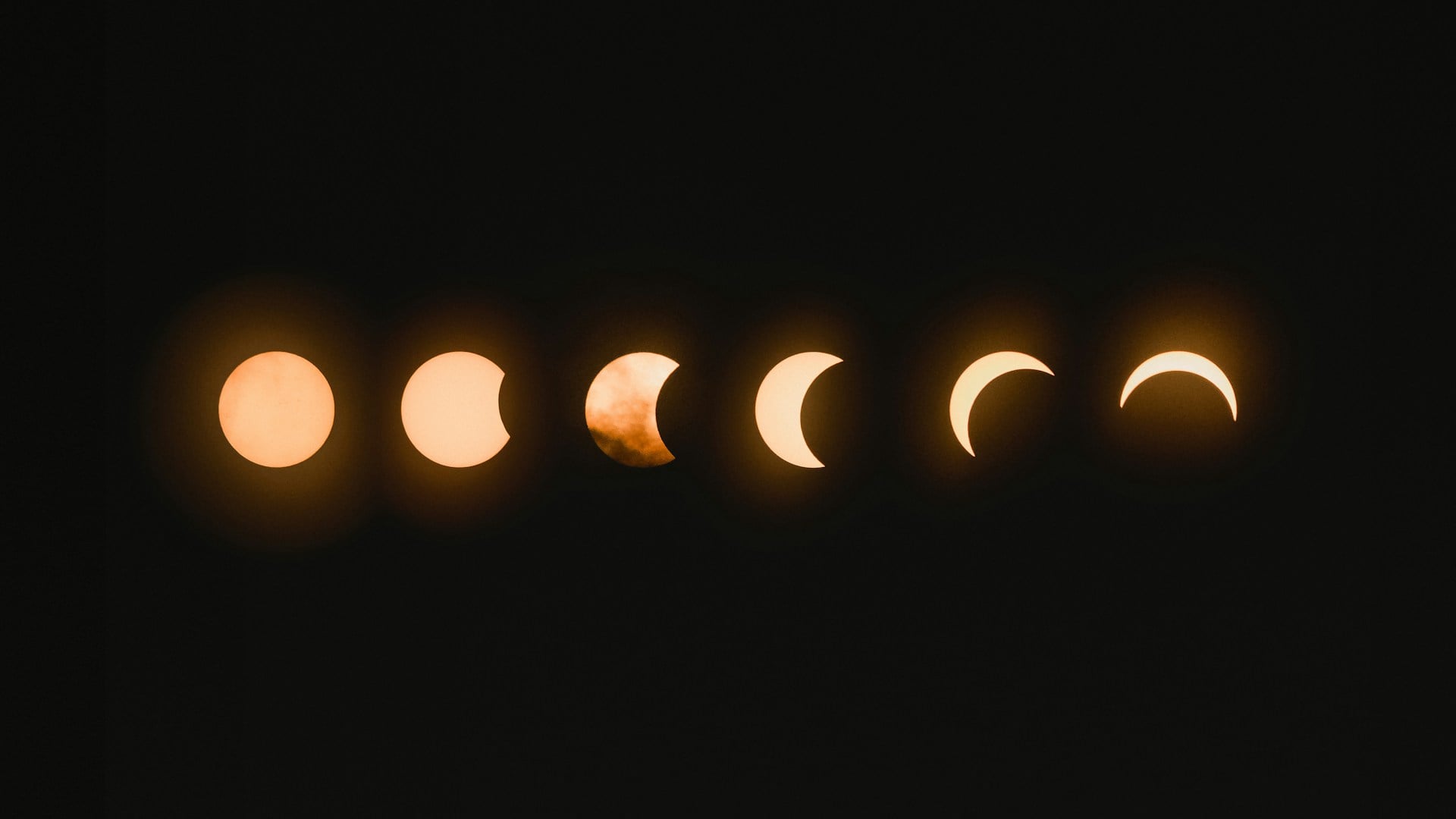
Farmers quickly figured out that certain crops grew better when planted during particular moon phases. The waxing moon, when it appeared to grow larger each night, became the preferred time for planting crops that produced above ground like wheat and vegetables.
Root vegetables went into the soil during the waning moon, when the light decreased night by night. This wasn’t superstition but observation passed down through generations who noticed real patterns in how moisture and growth responded to lunar cycles.
Seasonal star patterns signaled harvest time

Specific constellations appearing on the eastern horizon at dusk became nature’s calendar alerts. When ancient Greek farmers spotted Arcturus rising at twilight, they knew grape harvest season had arrived.
The appearance of the Pleiades cluster told communities across multiple continents that either planting time or harvest time approached, depending on whether the stars rose at dawn or dusk. These stellar signals gave farmers advance notice to prepare tools, gather workers, and get storage areas ready.
Solar year tracking prevented food shortages

Societies that figured out the solar year’s true length gained a huge advantage in food production. The Mayans calculated it to within seconds of our modern measurement, allowing them to plant crops at the exact right moment year after year.
Missing the planting window by even a few weeks could mean a failed harvest and potential starvation for the whole community. Priest-astronomers held powerful positions because their sky knowledge literally kept people alive.
Stonehenge aligned with solstice sunrises
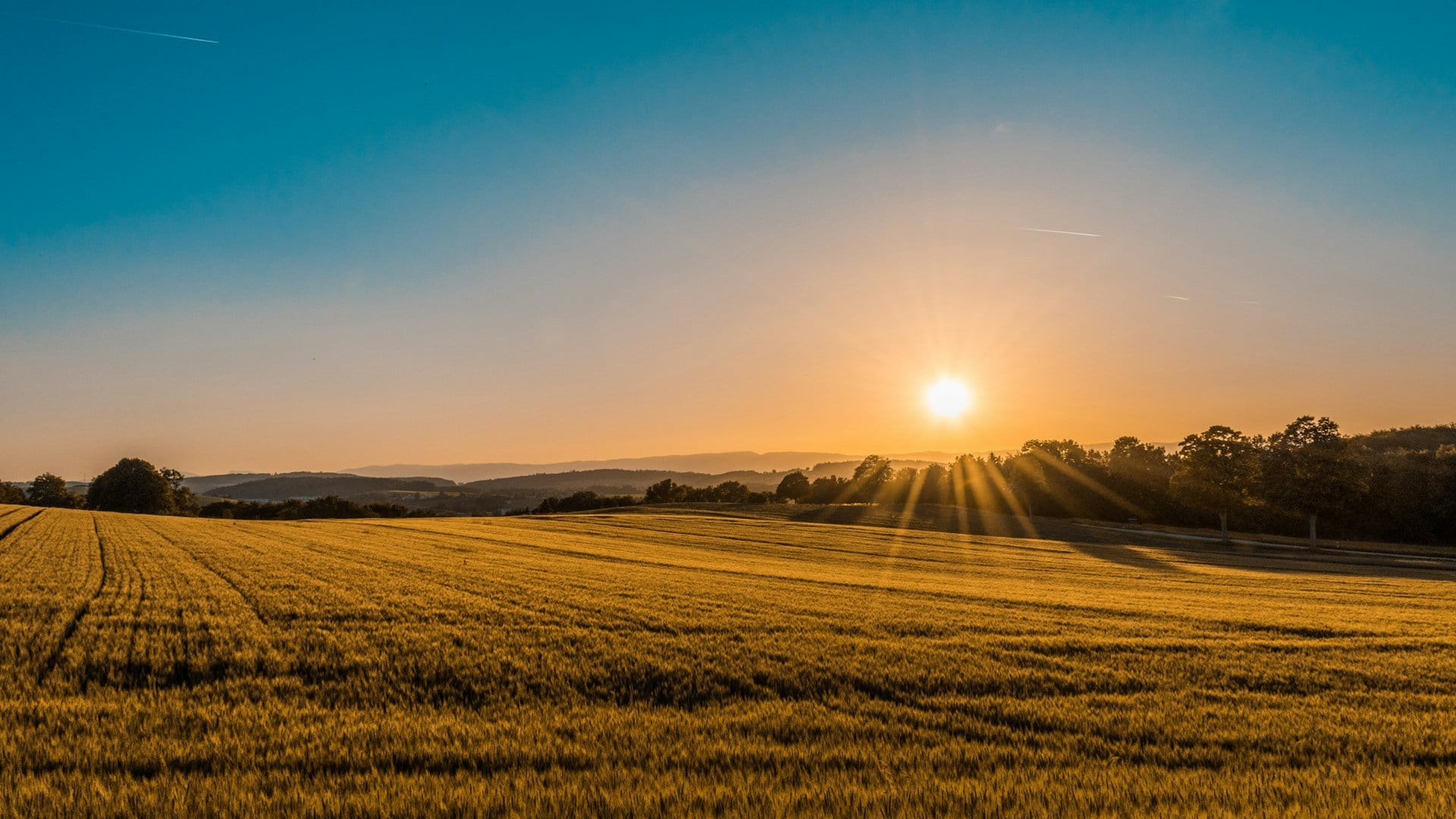
The massive stone circle in England wasn’t just built for show. Its carefully positioned stones frame the sunrise on the summer solstice and sunset on the winter solstice with remarkable precision.
These alignments helped Bronze Age communities track the year’s turning points, which mattered enormously for agricultural planning. The effort required to move those enormous stones and position them so accurately shows just how critical astronomical timing was to their survival.
Egyptian temples tracked Sirius rising
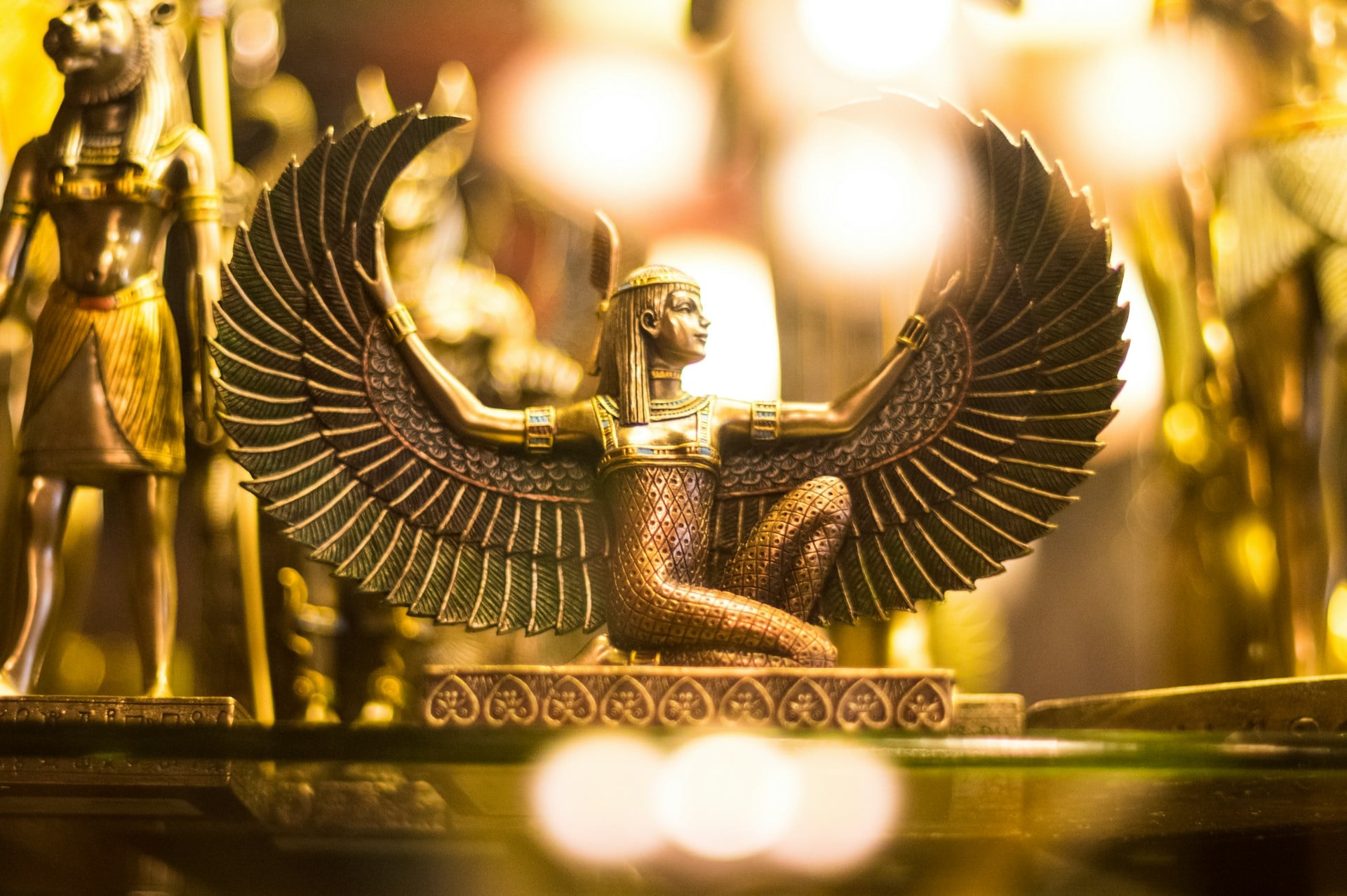
The appearance of the star Sirius just before sunrise warned Egyptians that the Nile River would soon flood its banks. This annual flooding deposited nutrient-rich silt across farmland, making Egypt’s agricultural success possible.
Priests watched for Sirius like hawks because spotting it gave communities time to move livestock to higher ground, reinforce irrigation channels, and prepare fields. The Egyptian calendar itself started each new year when Sirius made this heliacal rising.
Polynesian navigators used star paths

Pacific Islanders crossed thousands of miles of open ocean without instruments by memorizing which stars rose and set over different islands. They created mental maps connecting specific stars to destinations, knowing that following a particular star’s path would lead them home.
These voyagers also tracked wave patterns, bird behavior, and cloud formations, but the stars provided their primary navigation system during night journeys. Their astronomical knowledge enabled settlement across an ocean area larger than any ancient empire on land.
Chinese dynasties scheduled rituals by sky events

Imperial astronomers in ancient China held government positions because the emperor’s legitimacy partly rested on correctly predicting celestial events. Ceremonies, coronations, and important state decisions happened on dates chosen based on planetary positions and lunar phases.
A solar eclipse that caught astronomers by surprise could shake public confidence in the ruling dynasty. This pressure made Chinese astronomy incredibly advanced, with records of comets, supernovas, and planetary movements dating back millennia.
Lunar months structured religious calendars
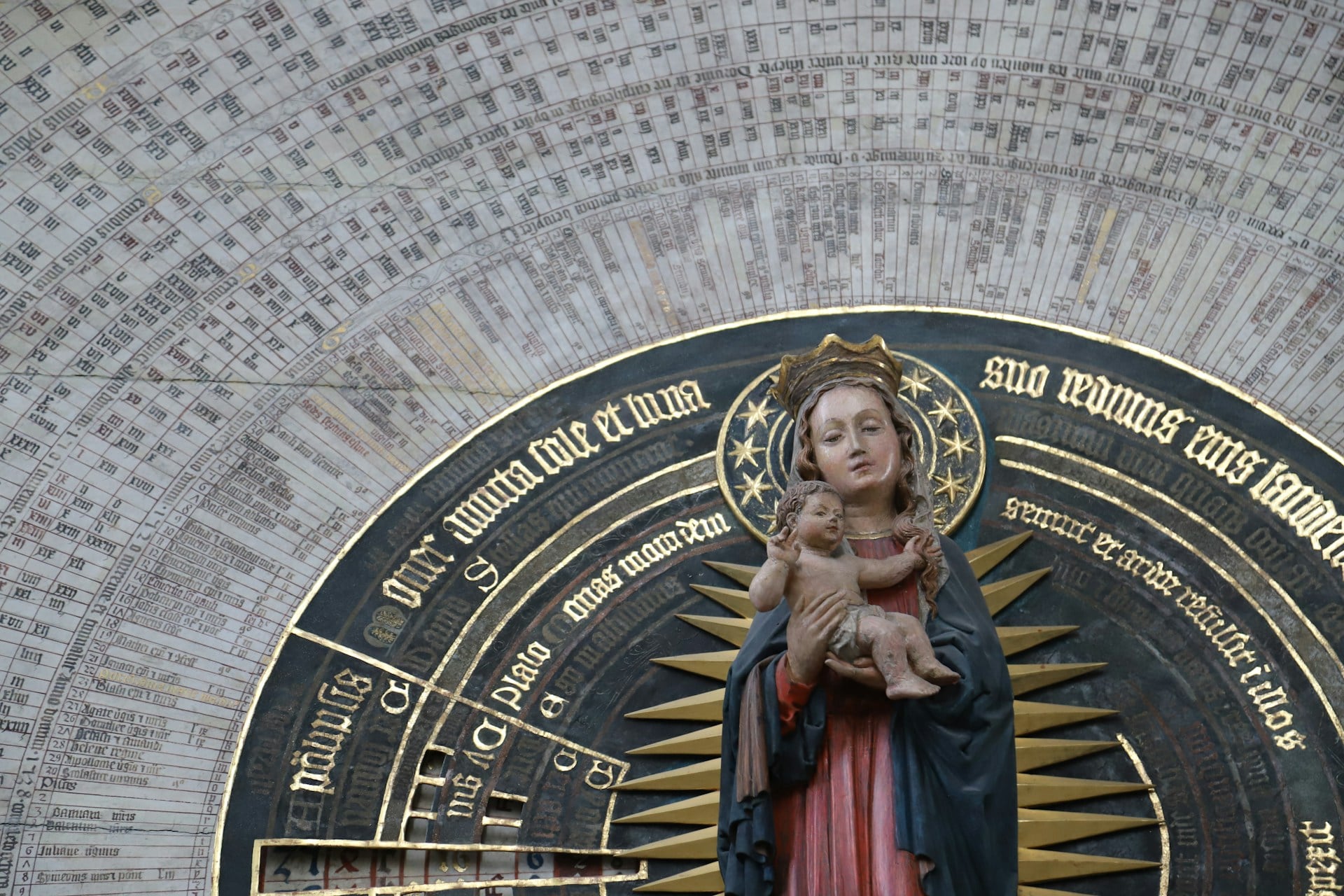
Many ancient cultures organized their religious observances around the moon’s 29.5-day cycle from new moon to new moon. Jewish, Islamic, and Hindu calendars still follow lunar months today, with holidays shifting dates on the solar calendar but staying fixed to moon phases.
The monthly pattern gave communities a natural rhythm for festivals, fasting periods, and sacred gatherings. New moons and full moons became spiritually significant partly because they were so easy to track and predict.
Equinox alignments marked new year celebrations

When day and night reached equal length twice a year, many cultures saw this balance as the proper time for renewal and fresh starts. Persian New Year still falls on the spring equinox, continuing a tradition over 3,000 years old.
Ancient structures from Cambodia to Mexico incorporate equinox alignments, where sunlight creates specific effects like the serpent shadow sliding down the stairs at Chichen Itza. These alignments transformed astronomical knowledge into shared cultural experiences that brought communities together.
Star altitude guided travel timing

Nomadic peoples and long-distance traders judged the best time to begin journeys by watching how high certain stars climbed above the horizon. Lower star positions indicated winter, when mountain passes might be snowed in, while higher positions signaled safer summer travel.
Caravans crossing the Sahara Desert traveled at night using star navigation and timed their trips to avoid the most brutal heat. The stars essentially told them both where to go and when to leave.
Venus appearances predicted weather patterns
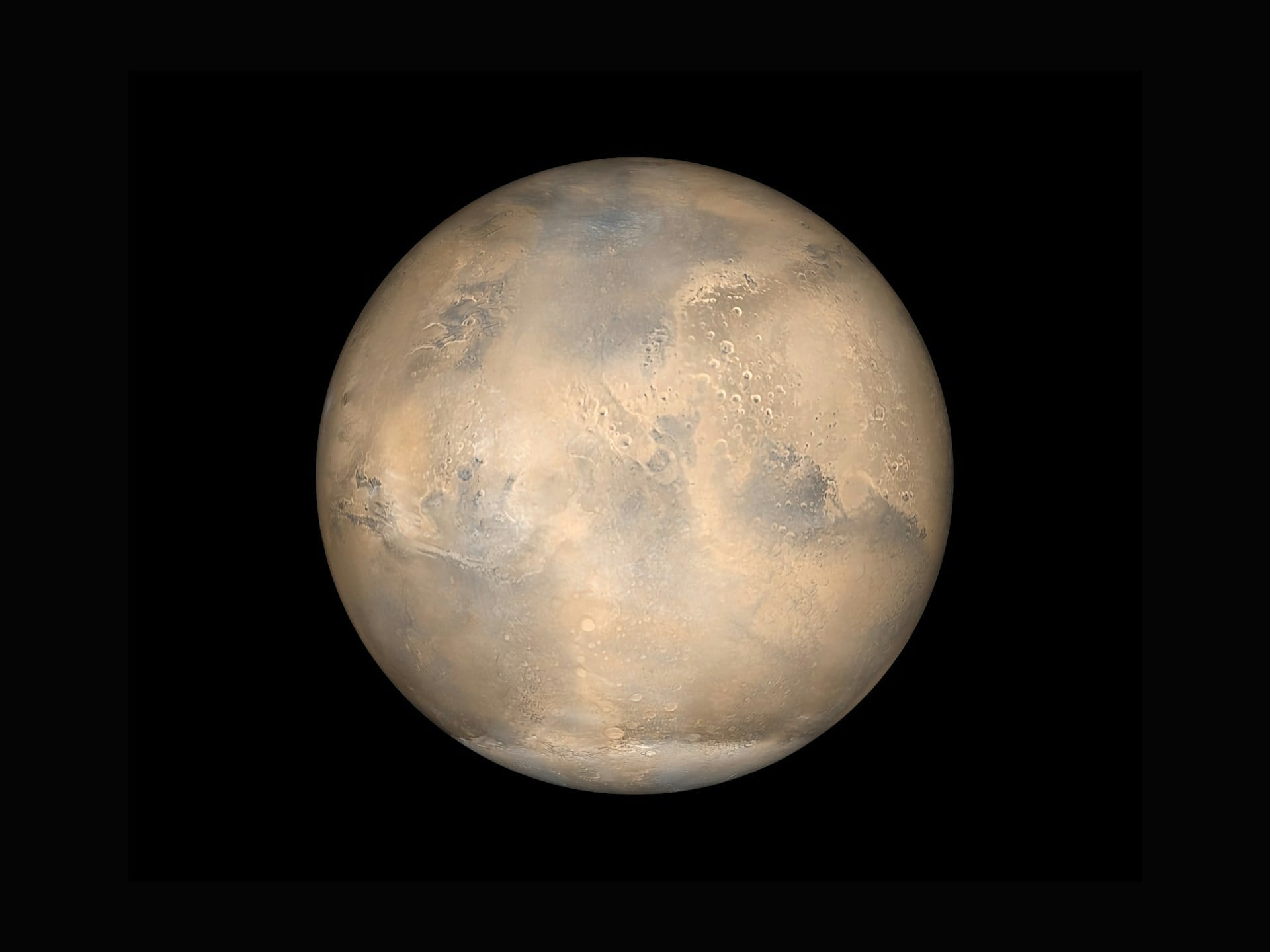
The planet Venus, blazing bright as either the morning or evening star, became associated with seasonal weather changes in many cultures. Mayan astronomers tracked Venus with obsessive detail, creating tables that predicted its appearances years in advance.
Some societies linked Venus positions to rainfall patterns, noticing correlations that helped them anticipate dry spells or wet seasons. Whether these connections were scientifically valid or not, they gave communities a framework for preparing storage and planning activities.
Zodiac constellations marked seasonal tasks

Long before astrology columns in newspapers, the zodiac served as a practical calendar system. When the sun passed through Aries, Mediterranean farmers knew spring planting should begin.
The sun in Cancer meant summer had arrived, and the harvest months came when it moved through Virgo and Libra. Each constellation’s appearance marked a different set of agricultural and pastoral activities. The zodiac divided the year into twelve convenient sections that everyone could recognize and remember.
Sundials regulated daily schedules

Ancient Egyptians created the first sundials around 1500 BCE, giving people a way to divide daylight into consistent segments. These devices became common in Greek and Roman cities, where they sat in public squares so anyone could check the time.
Markets opened and closed based on sundial readings, court sessions started at designated shadow positions, and workers agreed to meet when the shadow reached a particular mark. The sundial transformed vague notions of ‘morning’ or ‘afternoon’ into specific, measurable times.
Metonic cycle synchronized sun and moon calendars
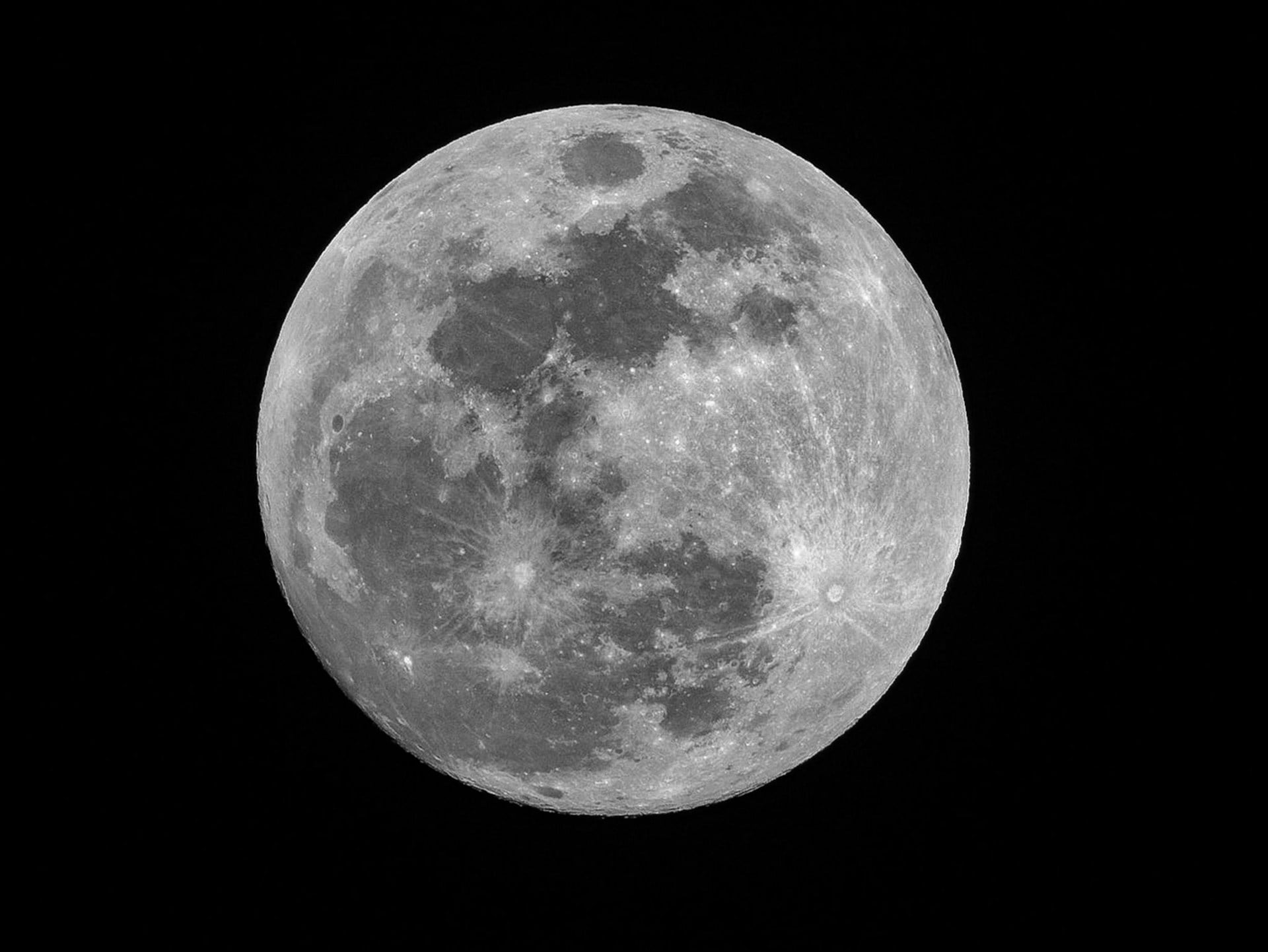
Greek astronomer Meton discovered that 19 solar years almost exactly equal 235 lunar months, solving a problem that had plagued calendar makers for centuries. This cycle allowed societies to create calendars that tracked both the sun and the moon without the two drifting apart over time.
The pattern repeats so precisely that it’s still used in calculating Easter dates today. This astronomical insight brought order to civil planning and religious observance across cultures that adopted it.
Predicting eclipses prevented panic
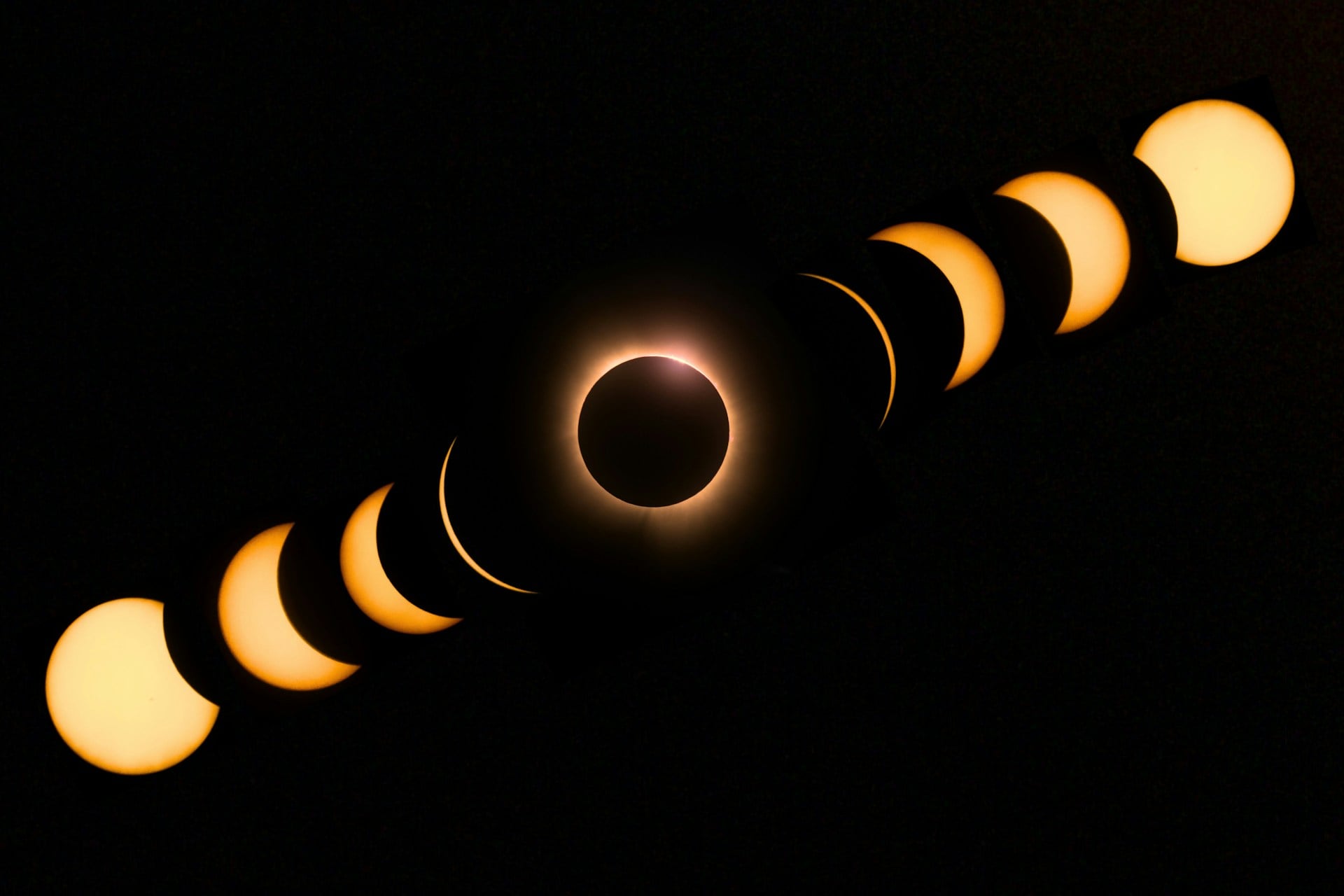
Ancient astronomers in Babylon and China learned to predict eclipses by noticing they followed an 18-year cycle. When priests or court astronomers could announce an upcoming eclipse beforehand, it prevented the terror that struck communities who thought the sun or moon was being destroyed.
This predictive ability gave astronomical experts tremendous authority and respect. The knowledge also had practical effects, as battles were postponed and important activities rescheduled around eclipse dates that were considered unlucky or dangerous.
Precession changed sacred directions over millennia
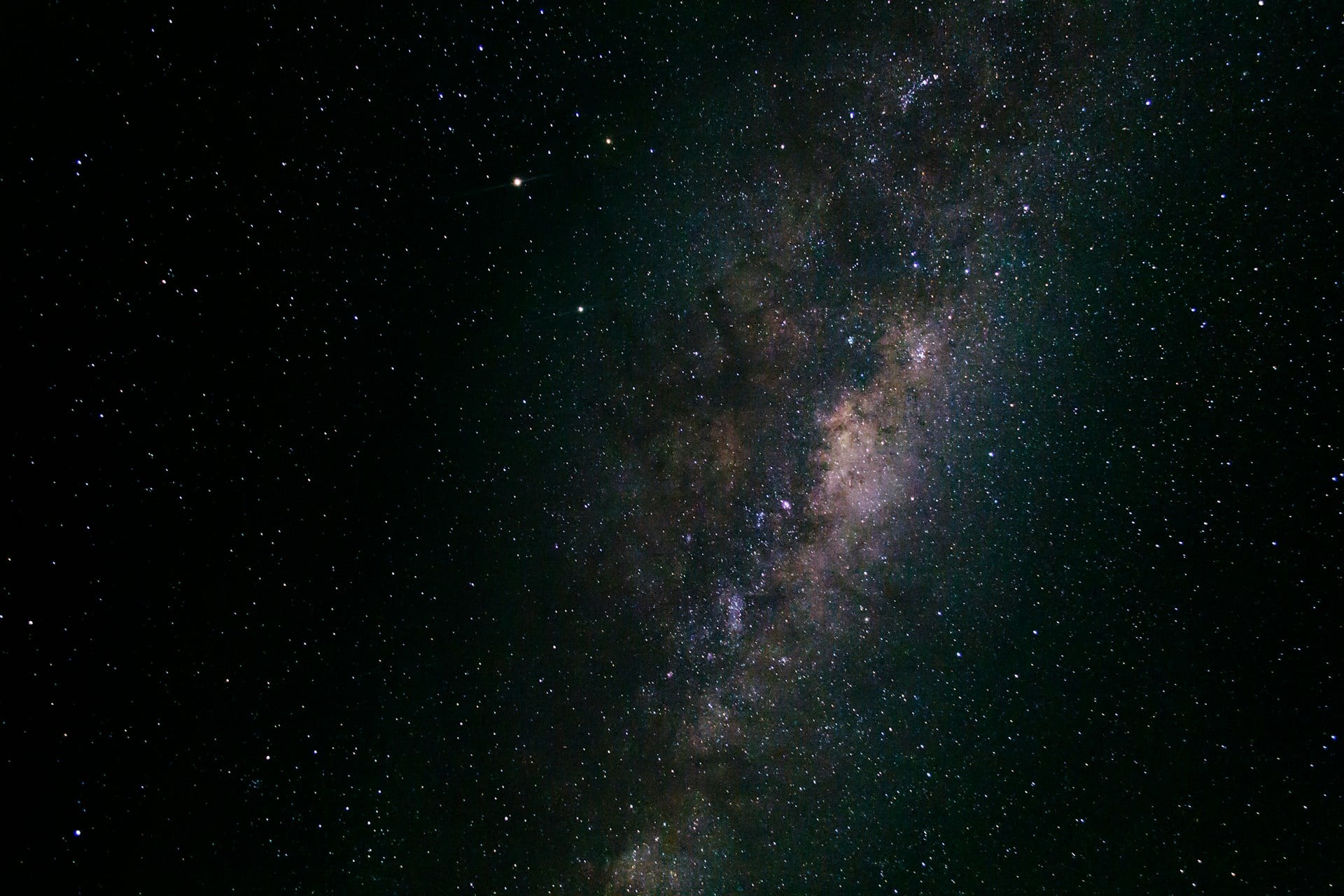
The sluggish tilt sway of our planet’s axis shifts the star hovering near the North Pole over ages. Back then, Egyptian builders aimed monuments at stars now out of place.
Over time, the sky’s northern point drifted from Thuban to Polaris, a journey lasting roughly five millennia. As skies changed slowly, cultures adjusted holy designs and wayfinding knowledge, proving stargazing wasn’t fixed, it grew with people.
Star clocks divided the night into hours
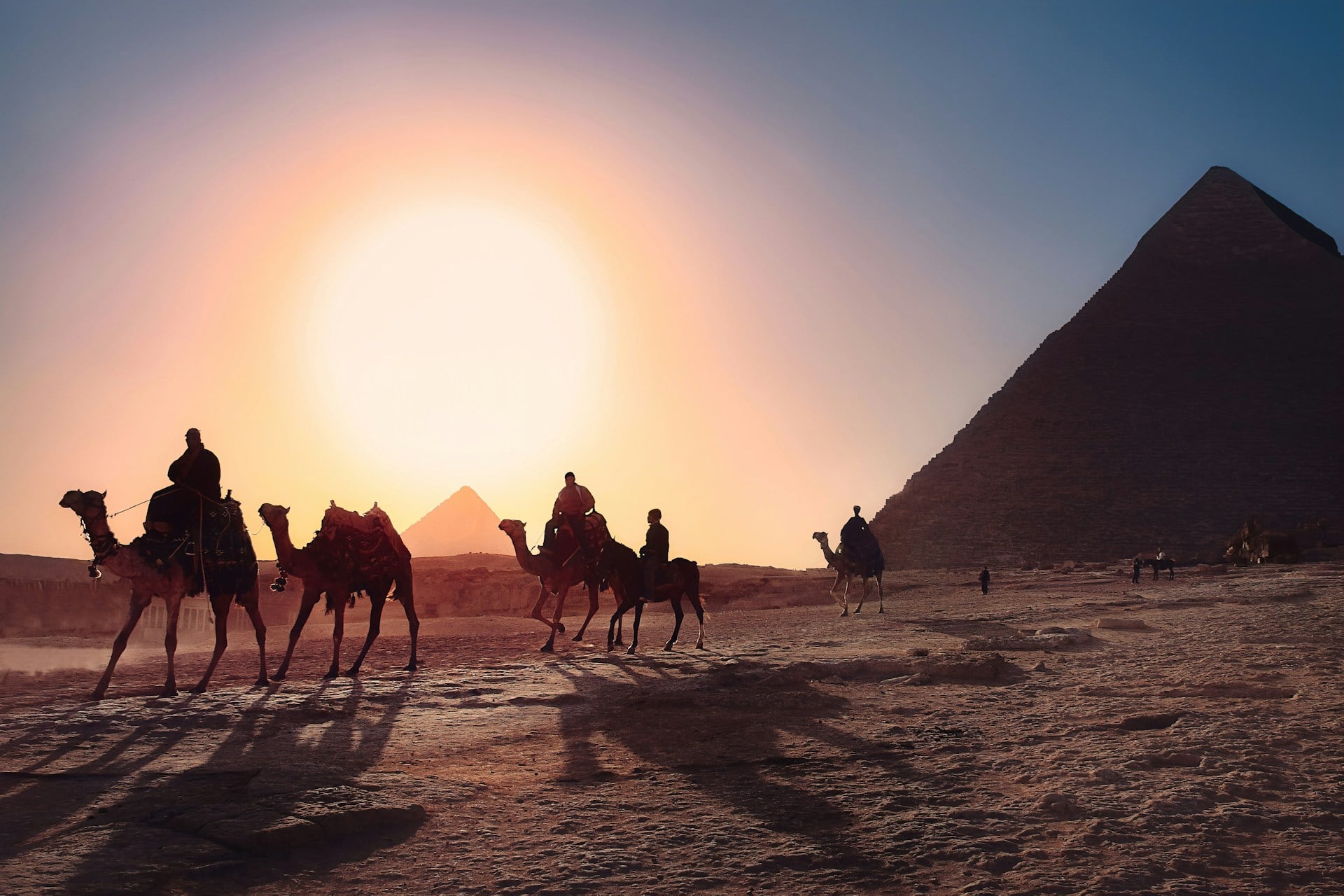
Egyptians made ‘star clocks’ by splitting the night into ten chunks using groups of stars called decans that passed overhead at set moments. You’d find these charts drawn under coffin covers or across temple roofs, so temple workers could nail down when to hold evening ceremonies.
One after another, each star cluster popped up every ten days, cycling through steadily like a slow-motion calendar. Night after night it rolled forward, helping folks keep track of seasons without sunlight.
As stargazing teams up with today’s timepieces

The change from star-based clocks to man-made ones took time, yet some older groups keep using lunar cycles for crops or festivals linked to heavenly signs. Today’s growers occasionally tap into old knowledge, noticing how specific sowing times can influence yields, something research barely grasps so far.
Above us, the heavens follow steady paths like they always did, though not everyone bothers checking anymore. People who tracked skies back then weren’t backward, they spotted complex details others missed, shaping lives around cosmic clues.
More from Go2Tutors!

- The Romanov Crown Jewels and Their Tragic Fate
- 13 Historical Mysteries That Science Still Can’t Solve
- Famous Hoaxes That Fooled the World for Years
- 15 Child Stars with Tragic Adult Lives
- 16 Famous Jewelry Pieces in History
Like Go2Tutors’s content? Follow us on MSN.



