15 Incredible Tree Species Found Across the Earth
Long before people walked the Earth, trees were already there. Feeding us comes naturally to them, while offering cover when needed.
Air turns clearer because they work without stopping. Some stay rooted in one place, unmoving, through entire centuries passing by.
A few trees stand out when you slow down enough to notice them. Each has its own quiet way of holding space in the world.
Some twist skyward like corkscrews while others spread wide without hurry. Not every giant wears bright colors or blooms often.
Their value shows up in subtle shifts across seasons. Few get talked about despite their stubborn grace.
Baobab Tree
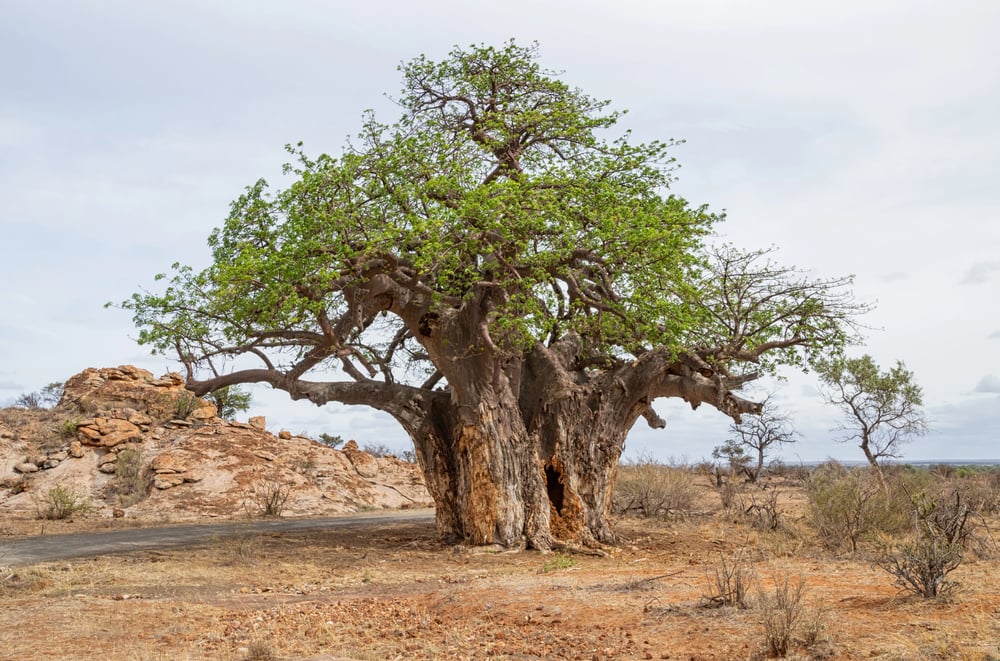
Up top, roots seem to dangle by mistake – like the earth got flipped on purpose. Water hides inside the thick stem, sometimes enough to fill a small pool, helping people when skies stay empty for months.
Older ones stood long before clocks ticked a thousand turns, feeding families, healing wounds, giving walls against wind. Respect comes easy when a plant acts more clever than most machines.
Dragon Blood Tree
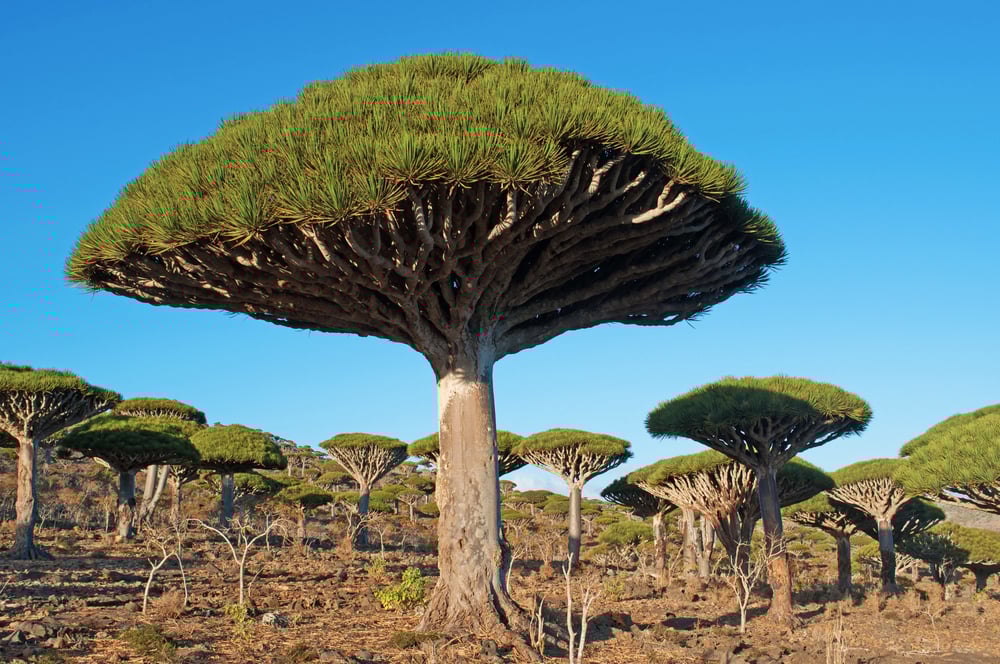
On Yemen’s Socotra Island grows a tree so odd it seems made for a movie. Spreading outward, its crown flattens into a broad dome – much like a parasol unfurled against mist.
Slice the trunk and out pours thick crimson fluid, tapped for ages to color cloth or treat ailments. Few plants on the planet look quite like this one.
General Sherman Tree
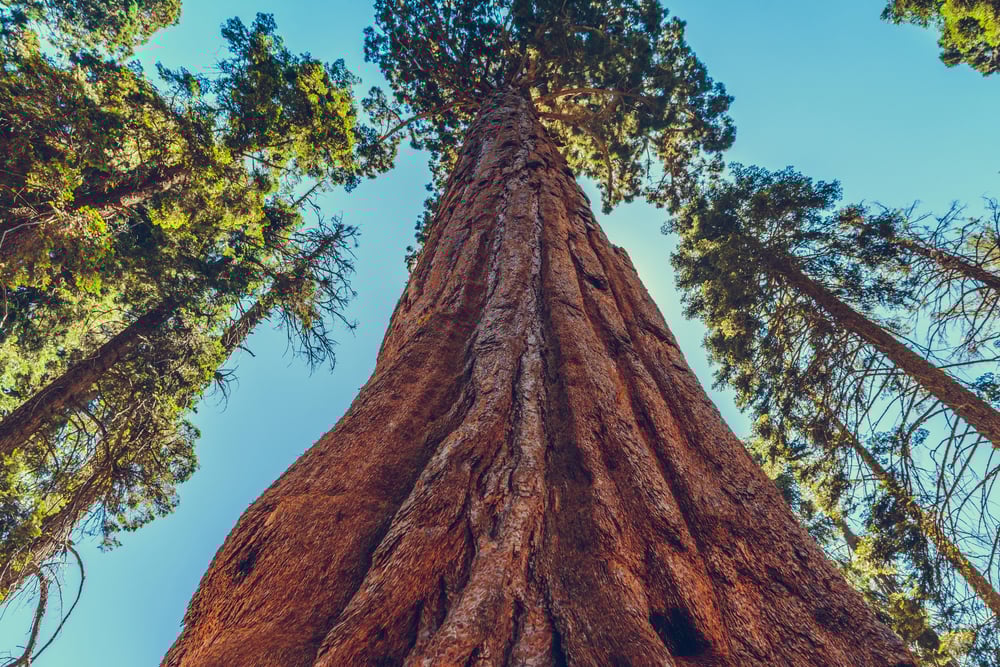
In California’s Sequoia National Park grows a tree known as General Sherman – the biggest living organism on Earth when measured by volume. Around 275 feet high, its trunk stretches past 36 feet across near the ground.
This giant tips scales at roughly 2.7 million pounds – more massive than fifteen blue whales combined. Although already enormous, it continues getting larger, forming fresh layers of wood annually.
Rainbow Eucalyptus
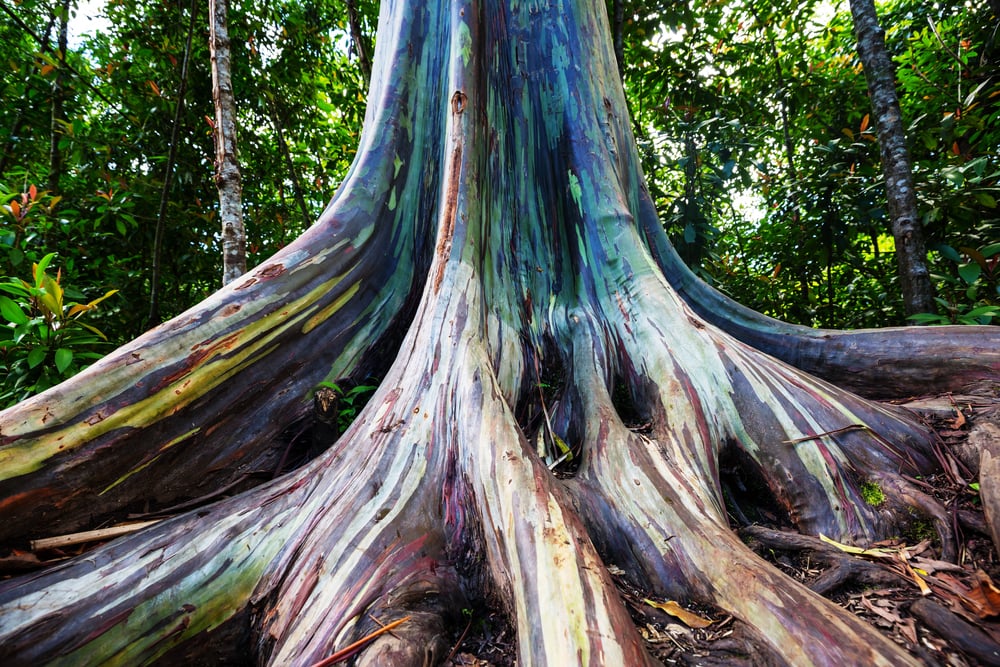
Every now and then, a tree shows up looking like it skipped the usual dress code. While most wear shades of brown or gray on their outside, one seems to have missed the rulebook entirely.
Peel by peel, its skin sheds at different times, uncovering layers beneath in vivid flashes – green mixing into blue, hints of purple curling beside orange strokes. This happens not just once but keeps going, season after season.
It grows wild in places like the Philippines and some Indonesian islands, where humidity hugs the air. People harvest it anyway, turn it into plain white paper, as if such brightness should quietly vanish into notebooks and printer trays.
Wollemi Pine
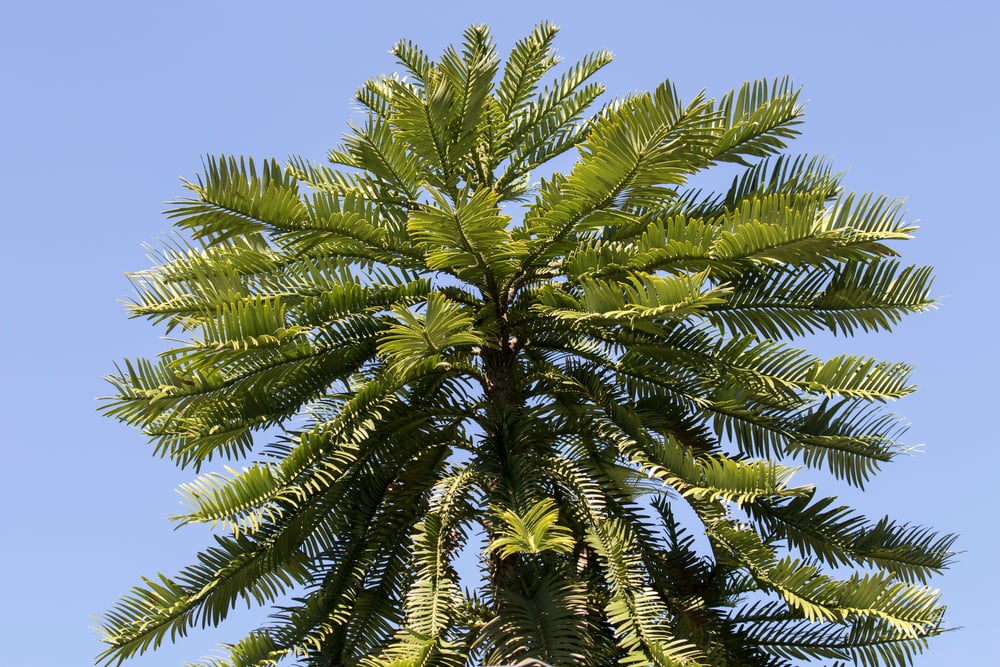
Out in a hidden gorge down under, nobody thought anything like the Wollemi pine still stood – then, suddenly, some turned up in 1994. Real surprises hit researchers hard when they saw living ones after thinking they were gone in two hundred million years.
Now? Less than a hundred full-grown specimens survive out there untouched by people. Because vanishing seemed likely once more, careful work has spread these plants into yards far beyond their original spot.
Their future now leans on growth outside native rock walls.
Bristlecone Pine
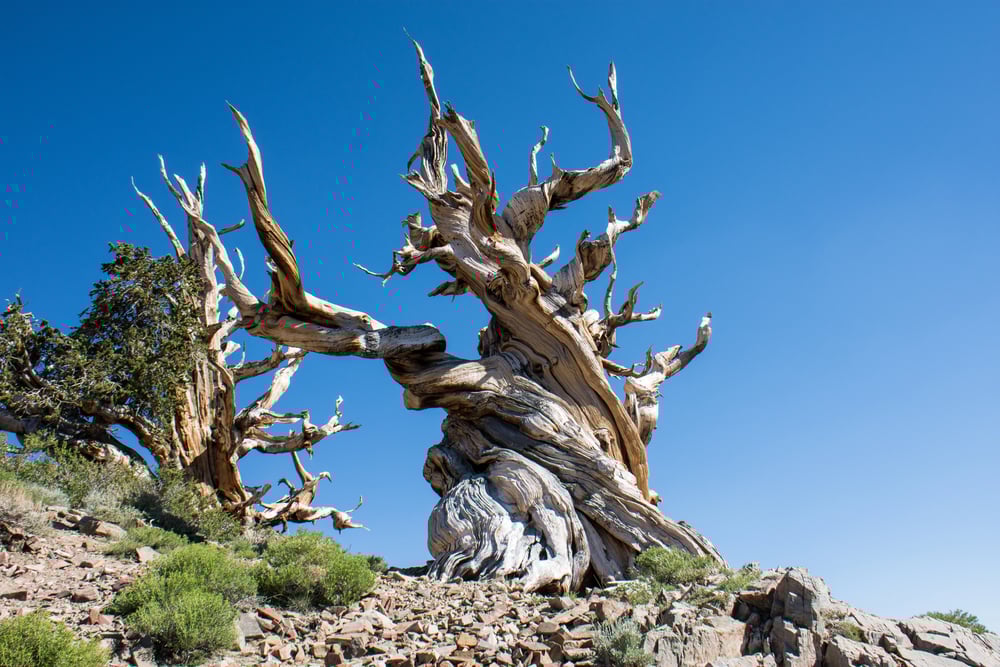
Should age be a contest, the bristlecone pine takes first place without trying. Over five thousand years have passed since some trees in California’s White Mountains began growing – older than any other life form alive today.
Harsh winds, thin air, little water – these are the things they thrive in, while others fail completely. Each gnarled branch and split trunk holds quiet records of centuries few will ever understand.
Cannonball Tree
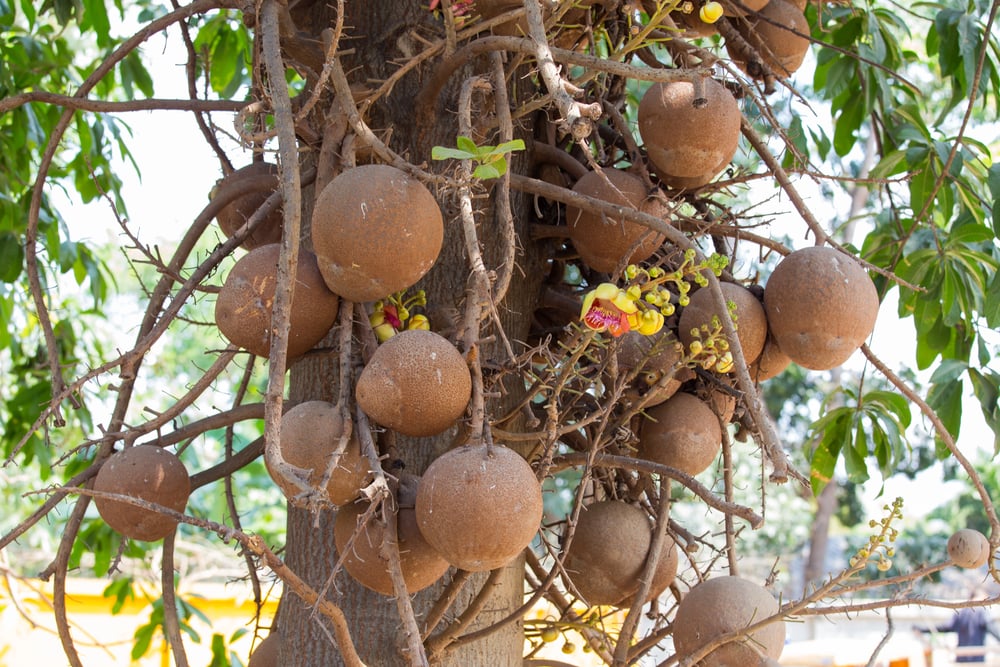
A round fruit, big as a dinner plate, gives this tree its identity. Hanging straight from the thick trunk of a South American species, the heavy globes might fall without warning – eight inches across, suddenly when they land.
Pink blooms, streaked with red, rise right from the bark, packed with sweet sharp scent. Not on limbs or twigs but along the main stem they open, odd and bright.
Most folks pause the first moment they spot one, unsure what to make of the sight.
Jacaranda Tree
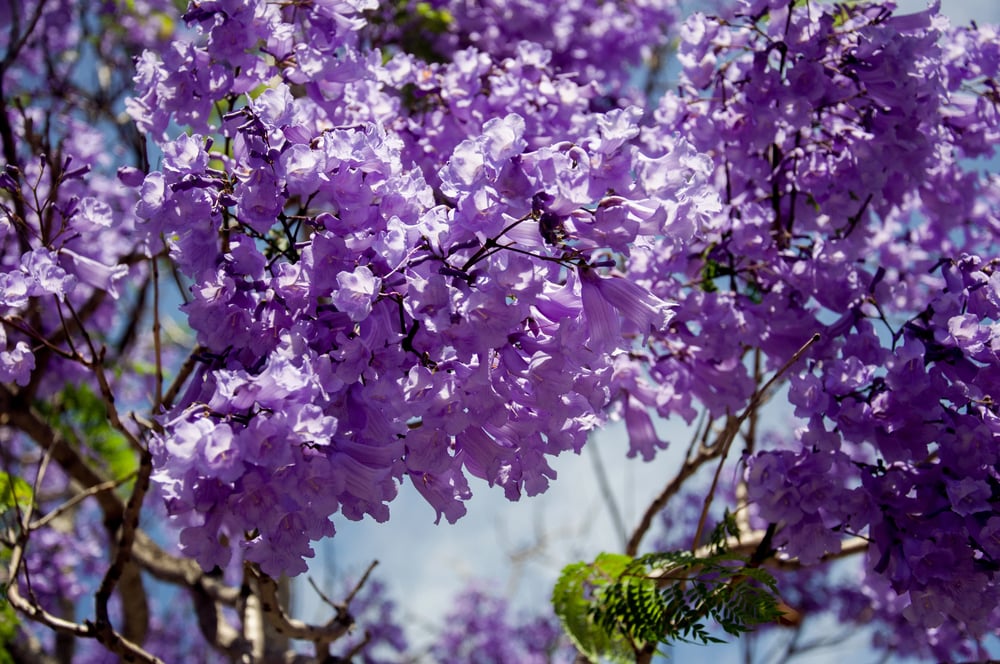
Purple flowers from jacaranda trees drape whole avenues in color during the blooming season – impossible to miss. Though native to South America, these trees thrive today across South Africa, spots in Australia, even sections of the southern U.S.
Petals drop steadily, forming a delicate violet layer under each tree; lovely to see, though slick underfoot after rain. Roads in Pretoria swim in blooms every year, so thick that locals simply call it Jacaranda City without hesitation.
Black Ironwood Tree
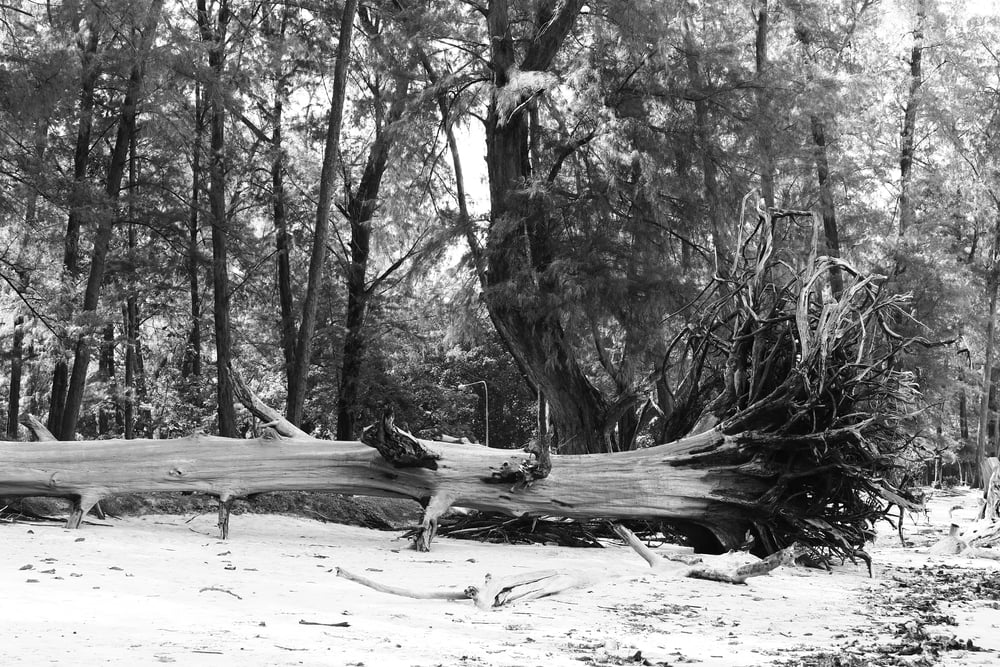
A heavy surprise comes from a South African tree called black ironwood – it earns the crown for heaviest timber on Earth. Water cannot hold it up; instead of bobbing like most wood, it drops straight down.
Growth takes time, patience, each year adding just a little height while offering tiny dark berries that draw hungry birds. Toughness makes craftsmen value it highly, yet shaping this material means battling resistance, demanding blades kept keen through constant care.
Quiver Tree
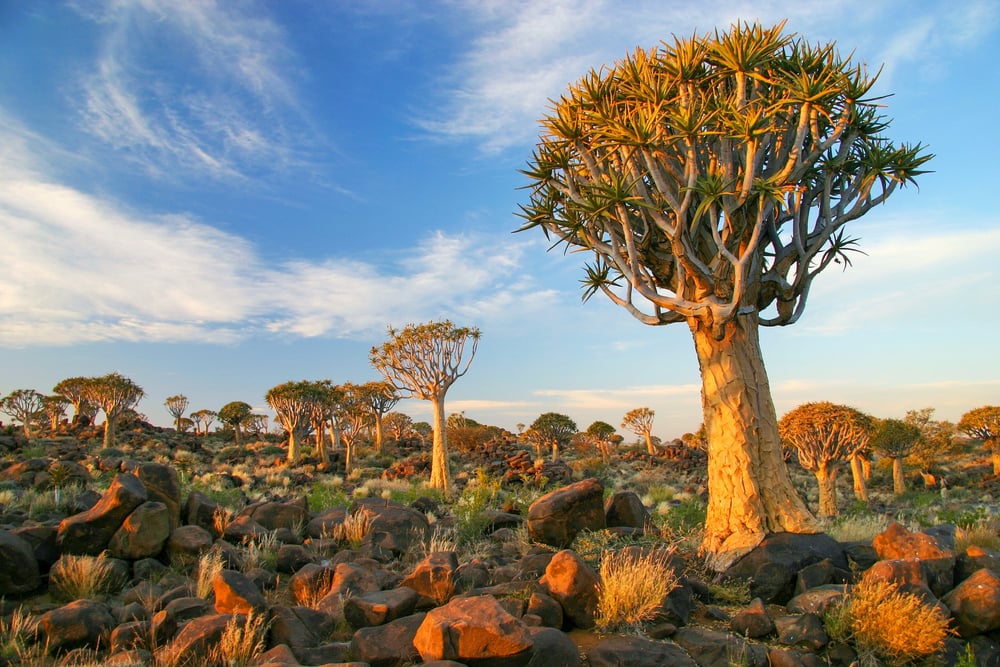
The quiver tree grows in the dry, rocky deserts of Namibia and South Africa. Indigenous San people historically hollowed out its branches to make quivers for their arrows, which is exactly how the tree got its name.
It stores water in its thick trunk and branches to survive months without rain. At night, in the open desert, groups of quiver trees look almost like they are posing against the sky.
Monkey Puzzle Tree
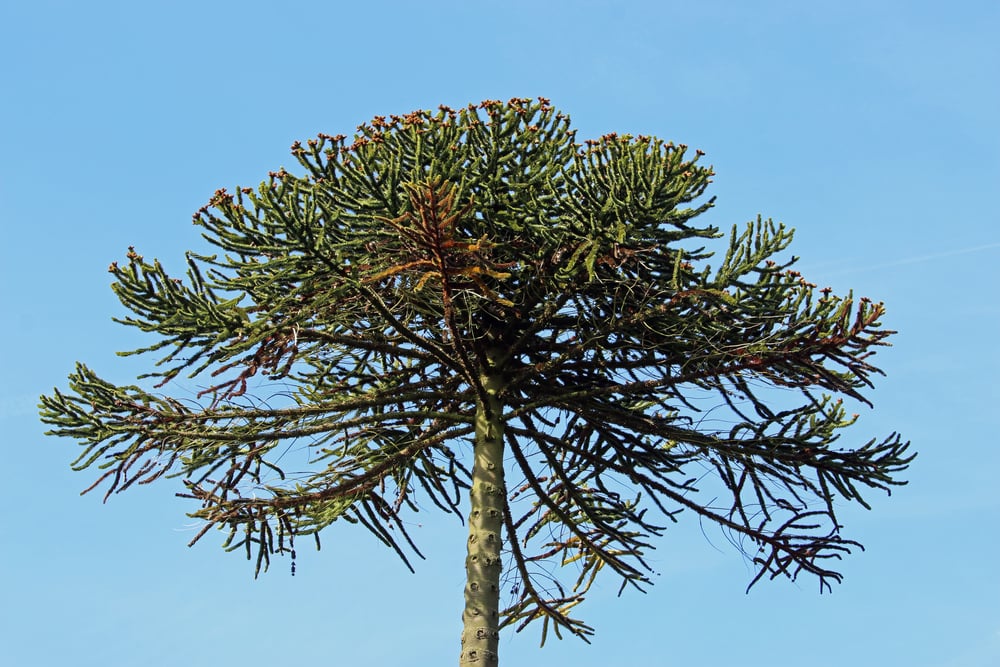
The monkey puzzle tree from Chile and Argentina has sharp, overlapping leaves arranged in a way that makes climbing it nearly impossible. A Victorian-era botanist once joked that it would puzzle a monkey to climb it, and the name stuck.
It can live for over 1,000 years and grows up to 130 feet tall. In Chile, it is a protected species because its numbers in the wild have dropped significantly over the decades.
Traveller’s Palm
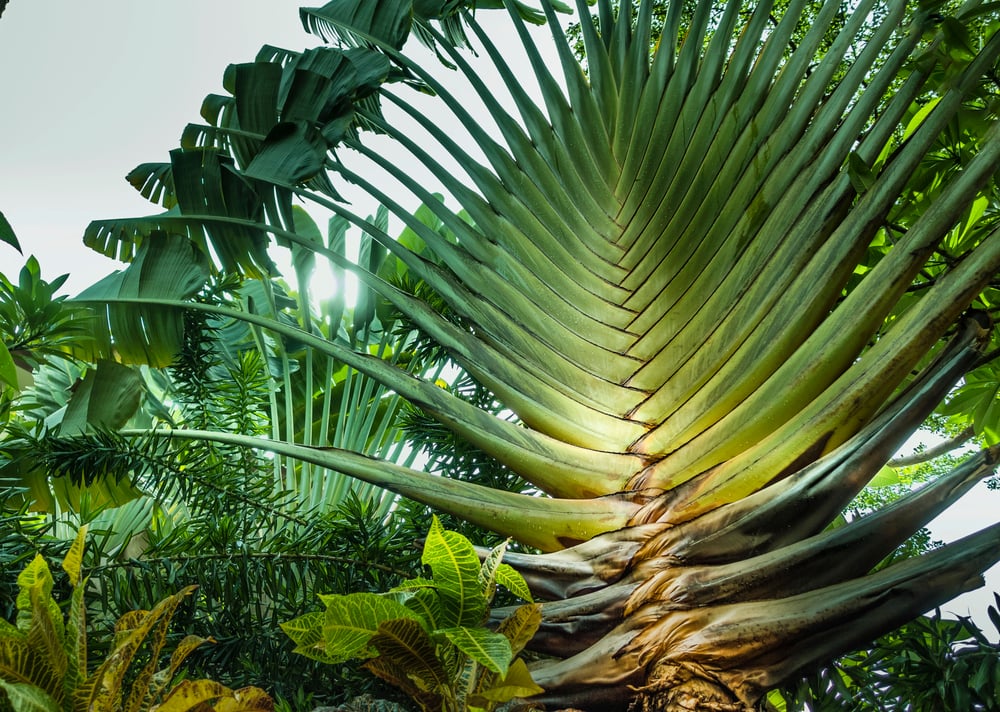
Despite its name, the traveller’s palm is not actually a palm tree. It belongs to a completely different plant family and is native to Madagascar.
Its giant fan-shaped leaves grow in a precise east-west direction, which travellers once used as a natural compass. The base of each leaf also collects rainwater, giving people in remote areas a source of drinking water.
It is basically a built-in navigation and hydration tool.
Banyan Tree
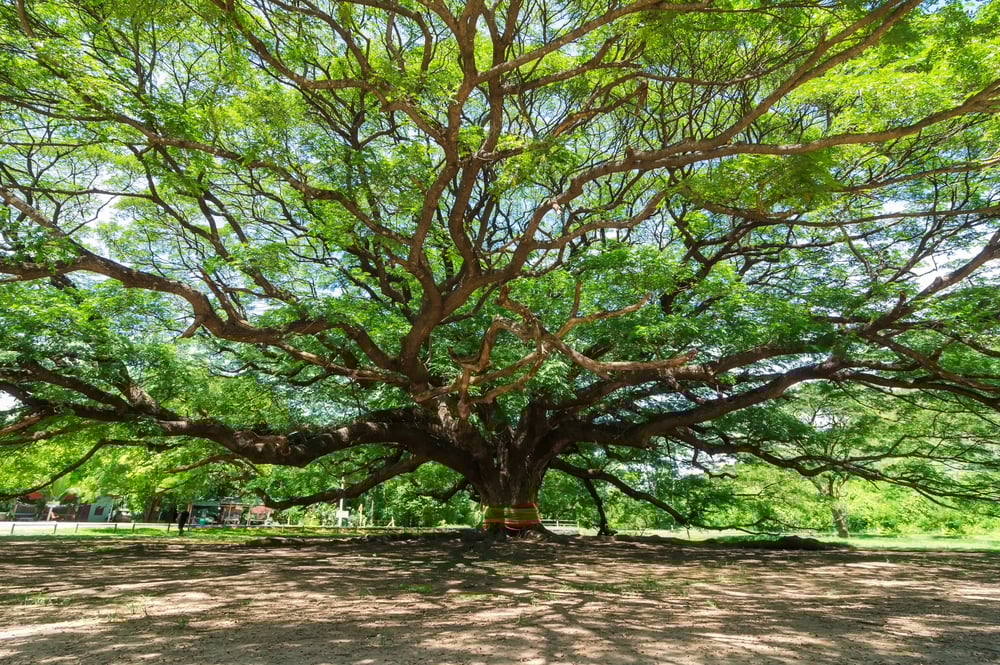
The banyan tree grows in a way that most trees do not. Its branches send down aerial roots that reach the ground and then thicken into new trunks, so one tree can eventually look like an entire forest.
The Great Banyan in India covers over 3.5 acres of ground and is considered the widest tree in the world. It has been growing for more than 250 years and continues to expand outward every year.
Welwitschia
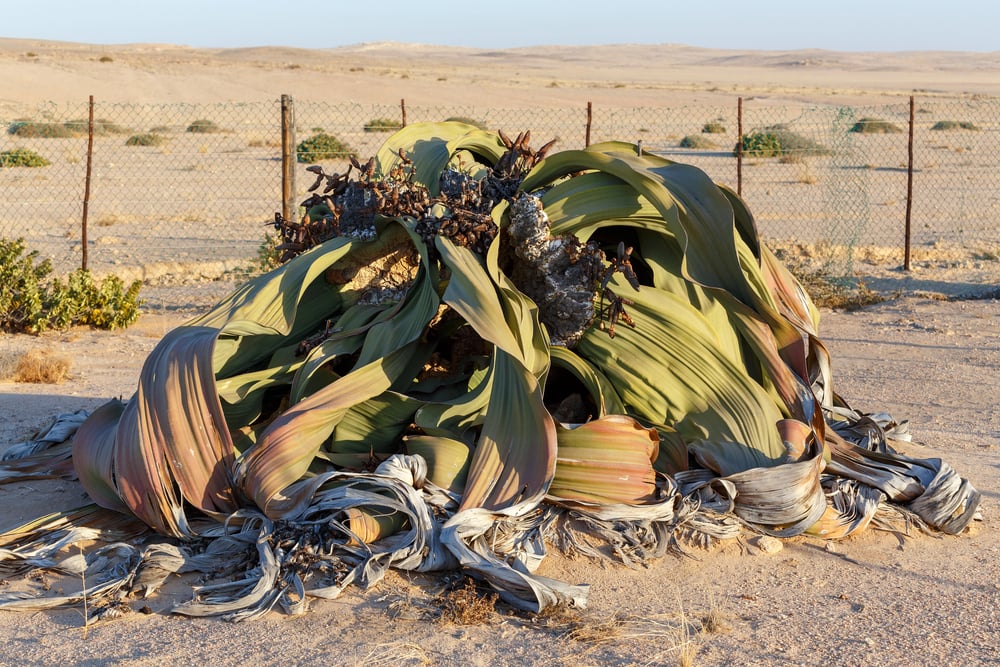
Welwitschia is one of the strangest plants on earth, growing only in the Namib Desert of southern Africa. Despite technically being classified as a tree, it never grows taller than about 6 feet, and it only ever produces two leaves in its entire lifetime.
Those two leaves grow continuously and split over time into a tangled mess that sits close to the ground. Some individual plants are estimated to be over 1,500 years old, surviving on almost no rain and little else.
Kapok Tree
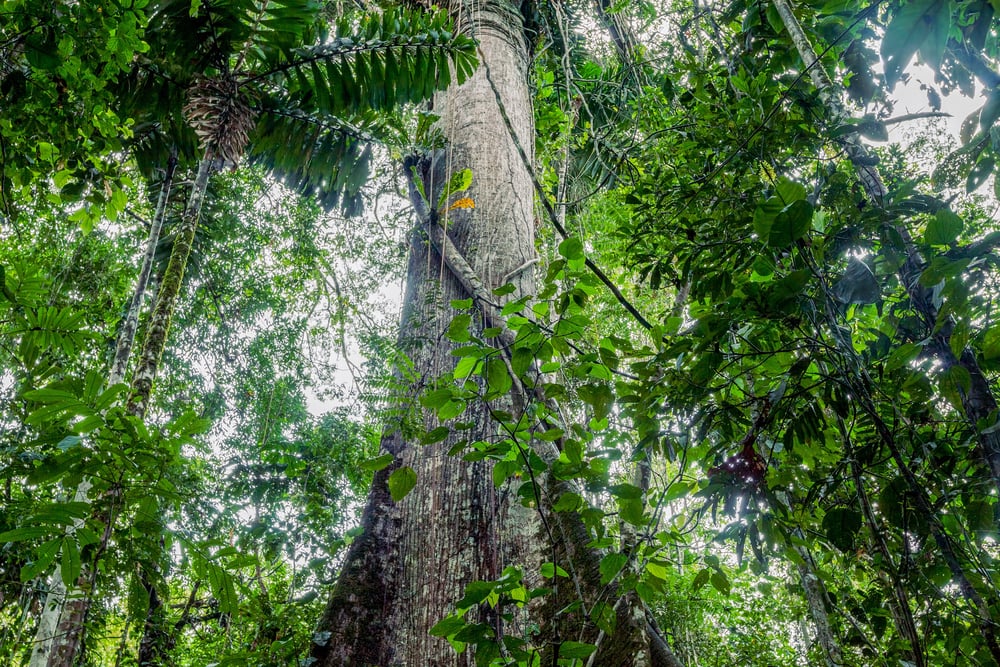
The kapok tree towers over the Amazon rainforest canopy, sometimes reaching heights of 200 feet. It is considered a sacred tree by several indigenous communities in Central and South America.
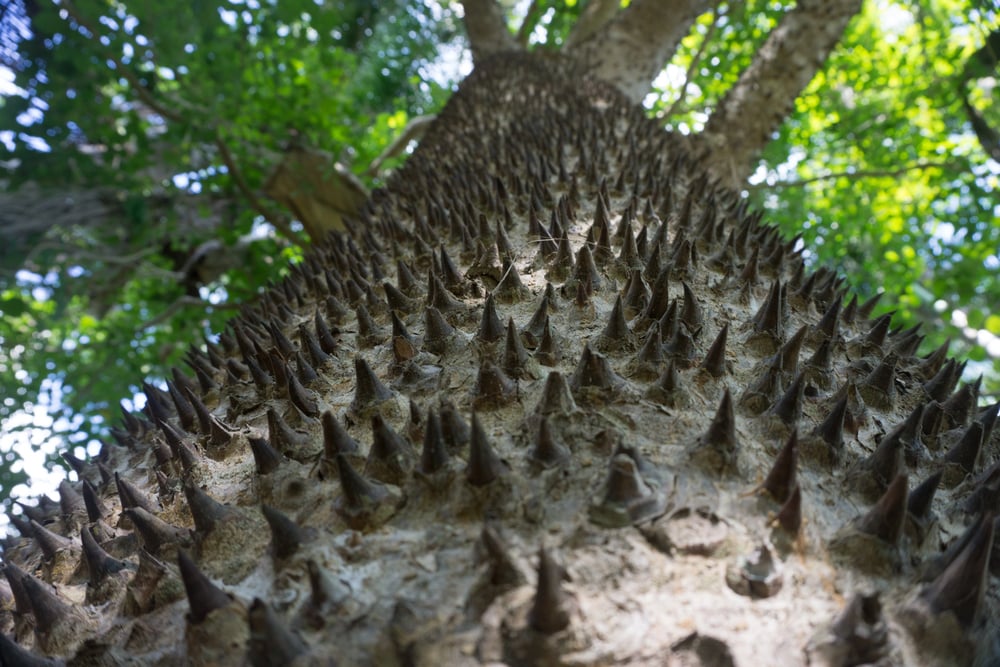
Its trunk is covered in thick, sharp spines that discourage animals from climbing it. The fluffy fibers surrounding its seeds were historically used to stuff mattresses and life jackets because of how light and water-resistant they are.
Still Standing, Still Growing
Trees do not ask for attention, but they deserve it. From a tree that stores enough water to outlast a drought to one that has been alive since before recorded history, these species show just how varied and tough plant life can be.
Many of them are threatened today by deforestation, climate change, and habitat loss, which means appreciating them cannot stay just a passing thought. Protecting these trees means protecting a living record of the planet’s past, one that took thousands of years to write.
More from Go2Tutors!

- The Romanov Crown Jewels and Their Tragic Fate
- 13 Historical Mysteries That Science Still Can’t Solve
- Famous Hoaxes That Fooled the World for Years
- 15 Child Stars with Tragic Adult Lives
- 16 Famous Jewelry Pieces in History
Like Go2Tutors’s content? Follow us on MSN.