16 Charleston dance origins you missed
The Charleston dance exploded onto the scene in 1923, defining an entire decade with its wild kicks and infectious energy. Most people picture flappers in fancy dresses when they hear the word ‘Charleston,’ but the real story runs much deeper than jazz-age glamour.
This iconic dance draws from a rich tapestry of cultures, traditions, and communities that stretch back centuries. The Charleston’s true origins reveal a fascinating journey from African villages to American plantations, from orphanage bands to Broadway stages.
Here’s a list of 16 Charleston dance origins that most people never knew existed.
The Juba Dance From Congo
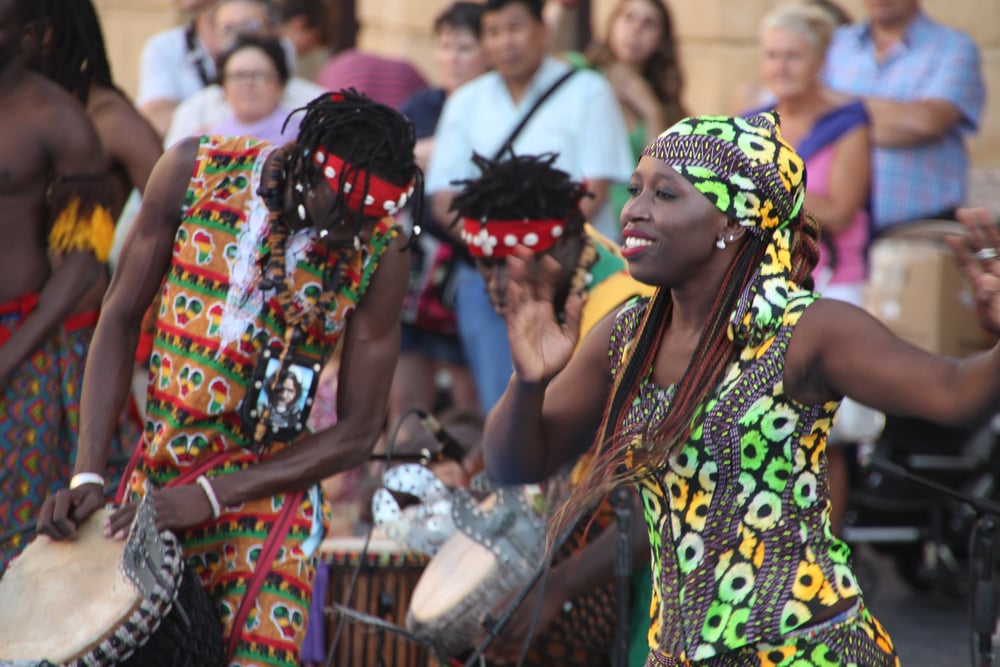
The Charleston’s roots trace directly back to the Juba dance (also called Djouba) brought by enslaved Africans from the Congo region to Charleston, South Carolina between 1735 and 1740. This wasn’t just any random folk dance – the Juba was a complete cultural expression involving rhythmic stamping, chest and arm patting, intricate clapping, and complex footwork patterns.
Even in the 18th century, the Juba became so popular that wealthy households specifically sought Black domestic workers who could teach them a few steps. Talk about cultural appropriation before the term existed.
Gullah Culture’s Musical Foundation
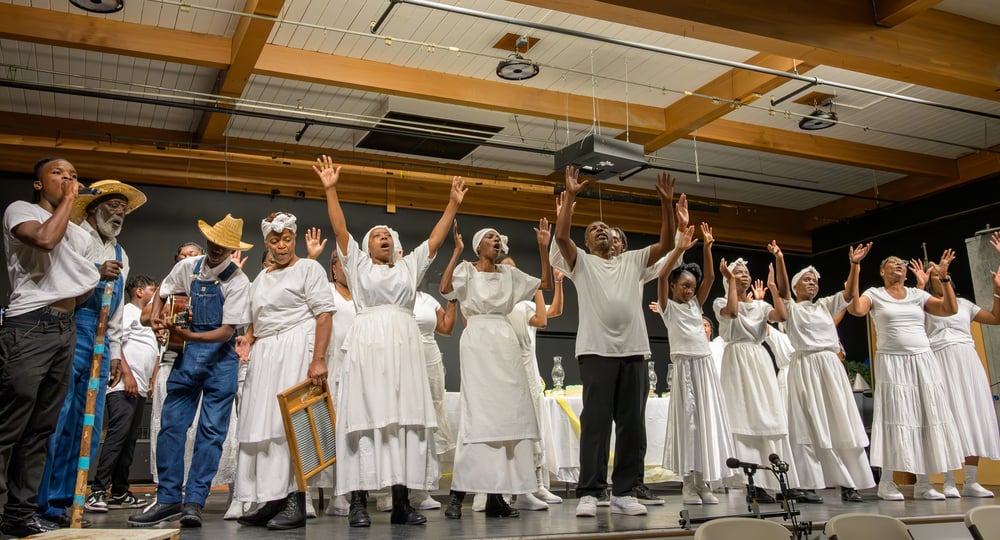
Many historians connect the Charleston directly to Gullah culture – descendants of West African rice-growing tribes who were enslaved and brought to the sea islands of South Carolina, Georgia, and Florida. The Gullah people developed their own unique language and cultural traditions that survived generations of oppression.
Music and dance were never separate entities in Gullah culture, creating unique rhythms and dance rituals that Charleston’s early jazz and ragtime musicians absorbed and transformed.
Like Go2Tutors’s content? Follow us on MSN.
The Jenkins Orphanage Band Connection
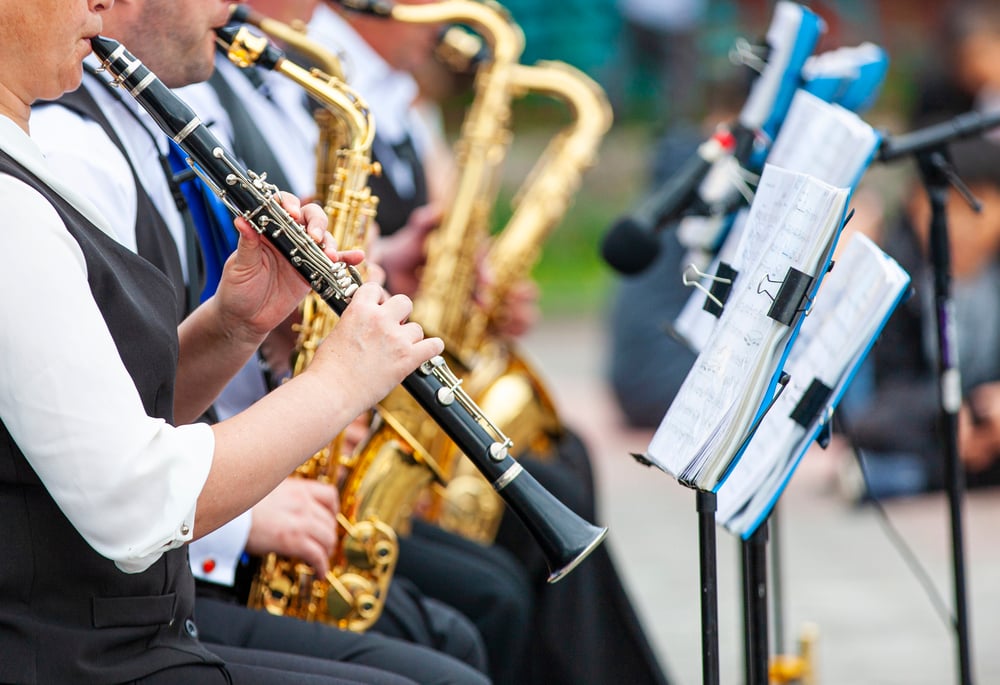
In 1891, Reverend Daniel Jenkins founded an orphanage for African American children in Charleston, South Carolina, and created a brass band to raise funds for the institution. The Jenkins Orphanage Band gained national notoriety traveling coast to coast and even performing overseas, with kids dancing ‘geechie’ steps in front of the musicians.
These young performers became cultural ambassadors. They spread Charleston-style dance moves throughout the country long before the 1920s craze began.
The Ring Shout Tradition

The Ring Shout was a primary dance of Gullah/Geechie culture, performed in a circle where dancers would tap and shuffle their feet, clap their hands, wave their arms, and shout. This communal dance form emphasized spontaneity and group participation, with both group and solo variations developing over time, particularly in North Carolina and Virginia where individual expression flourished alongside the collective movement.
Historians have identified specific Ring Shout steps that later appeared in Charleston dance movements, creating a direct lineage from sacred African traditions to jazz-age entertainment.
Plantation Cakewalk Influences

The Cakewalk was another famous plantation dance believed to derive from the Ring Shout, where enslaved people would mimic the European-style dancing they observed from white plantation owners. This dance represented a fascinating cultural exchange – African Americans took European ballroom elements and transformed them through their own movement vocabulary and rhythmic sensibilities.
The result was something entirely new that would later influence Charleston choreography. Irony at its finest, really.
Like Go2Tutors’s content? Follow us on MSN.
Charleston Dock Workers’ Rhythm

James P. Johnson, composer of the famous ‘Charleston’ tune, later said he borrowed the song’s distinctive syncopated rhythm from South Carolina longshoremen who had migrated to New York. The characteristic Charleston beat that Johnson first heard from Charleston dockworkers incorporated the clave rhythm and was considered synonymous with the Habanera and Spanish Tinge.
These working men carried their movement patterns and musical sensibilities north during the Great Migration, transforming labor into art without even realizing it.
The Jay-Bird Step Evolution

According to Frankie Manning, the Charleston may have been based on a step called Jay-Bird, which originated in South Carolina and was first sighted in Charleston around 1903. The Jay-Bird started as a simple twisting of the feet to rhythm in a lazy sort of way.
When the dance reached Harlem, it evolved into fast kicking steps both forward and backward. This transformation shows how regional dances adapted to new urban environments.
Great Migration Cultural Exchange

The Charleston phenomenon in New York City during the early 1920s was a direct result of the Great Migration, when millions of African Americans left Southern states and moved north seeking economic opportunities and greater civil liberties. This massive population shift infused Northern communities like Harlem with new practices and energy, creating the fertile environment that gave rise to the Harlem Renaissance and cultural expressions like the Charleston.
Six million people moved north between 1916 and 1970, carrying their traditions in their hearts and their feet.
Like Go2Tutors’s content? Follow us on MSN.
Ashanti Tribal Connections

Some historians assert that the Ashanti peoples of Africa were the originators of dance movements that influenced the Charleston, with these traditions being carried on and modified by enslaved people in America. According to jazz dance historian Marshall Stearns, the Charleston step most likely came from Ashanti African dance traditions.
This connection links the Charleston to specific West African kingdoms and their sophisticated dance cultures, though Stearns never fully explained how he reached this conclusion.
European Branle Dance Elements

In 1926, the director of the ballet of the Paris Opera claimed that ‘the Charleston of today is basically the Branle of the sixteenth century with a few frills added.’ The Branle dated back to 1520 and was one of the few Renaissance group dances performed in a circle.
This reveals how European influences cross-pollinated with African traditions. Creating new hybrid forms that would eventually become the Charleston.
Rice Coast Cultural Heritage

Because Charleston was the main port for slave ships and was growing rice, it received many enslaved people directly from the ‘Rice Coast’ of Africa – the land along West Africa’s coast where cultures knew how to cultivate rice. Unlike other Southern areas where enslaved peoples came from mixed African cultures, the large concentration of Coastal West Africans in the Carolinas helped maintain stronger cultural connections.
This cultural continuity preserved specific dance traditions that would later influence the Charleston, and it’s probably why the Gullah culture remained so distinct for so long.
Like Go2Tutors’s content? Follow us on MSN.
Geechie Dance Recognition

Willie ‘The Lion’ Smith noted that while the Charleston name was new, the dance was well known before 1923, particularly mentioning the version done by Russell Brown under the name ‘Geechie dance.’ Smith recalled how Harlem residents would holler at Brown, ‘Hey Charleston, do your Geechie dance,’ and some folks say that’s how the Charleston got its name.
This shows how regional identity became attached to specific movement styles, even so, it’s remarkable how one person’s nickname could define an entire cultural phenomenon.
Hambone Body Percussion

When slave owners prohibited the use of drums on plantations after a large uprising in 1739, enslaved Africans developed ‘hambone’ or ‘patting juba’ – using their own bodies as instruments by stamping feet, clapping hands, and patting their entire bodies. Also called ‘patting juba,’ this tradition involved stamping, patting the chest and arms, clapping, and intricate footwork.
These body percussion techniques became integral to Charleston dance movements. Necessity truly became the mother of invention.
Broadway Synthesized Creation

According to Harold Courlander, while the Charleston had characteristics of traditional Black American dance, it ‘was a synthetic creation, a newly devised conglomerate tailored for widespread popular appeal.’ The particular sequence of steps that appeared in the Broadway show ‘Runnin’ Wild’ were probably newly devised for popular appeal, still, the dance came from authentic African-American traditions.
This reveals how authentic cultural expressions were adapted for mainstream entertainment – a practice that continues today across all forms of media.
Like Go2Tutors’s content? Follow us on MSN.
Josephine Baker’s International Influence
Famous American/French dancer Josephine Baker danced the Charleston throughout the 1920s, adding moves to make it silly – like crossing her eyes – and when she traveled to Paris as part of La Revue Nègre in 1925, she helped make the Charleston famous in Europe. Baker gave the Charleston a funny and whimsical feel by making funny faces while performing it, transforming the dance’s character and international perception.
She basically turned the Charleston into comedy gold.
Prohibition Speakeasy Culture

During Prohibition (1920-1933), when alcoholic beverages were illegal, many took the Charleston dance underground, forming illicit speakeasies where there were thought to be over 100,000 such establishments in New York alone. These forbidden venues allowed social interactions between people of different race, ethnicity, gender, and socioeconomic statuses, creating the integrated environments where the Charleston truly flourished.
Dancing and drinking went hand in hand, apparently.
The Rhythm Lives On

More than a century after its Broadway debut, the Charleston continues connecting past and present in remarkable ways. Modern swing dancers worldwide still perform Charleston steps, and Roaring Twenties parties remain popular, especially in Charleston itself where locals take pride in keeping this cultural legacy alive.
The dance that began in African villages, survived plantation oppression, traveled through the Great Migration, and conquered Broadway stages proves that authentic cultural expression transcends any single era or community.
Like Go2Tutors’s content? Follow us on MSN.
More from Go2Tutors!

- 16 Historical Figures Who Were Nothing Like You Think
- 12 Things Sold in the 80s That Are Now Illegal
- 15 VHS Tapes That Could Be Worth Thousands
- 17 Historical “What Ifs” That Would Have Changed Everything
- 18 TV Shows That Vanished Without a Finale
Like Go2Tutors’s content? Follow us on MSN.



