Celebrities Who Became Political Leaders
Fame from entertainment doesn’t automatically qualify someone to run a country, but history shows that celebrity status can be a powerful stepping stone into politics. Voters recognize famous faces and already feel like they know these personalities from years of watching them on screen or hearing their music.
Some celebrities made the jump to politics and thrived, while others proved that star power doesn’t always translate to effective governance.
Let’s look at the famous entertainers who traded their stage for a seat in government.
Ronald Reagan went from Hollywood to the White House
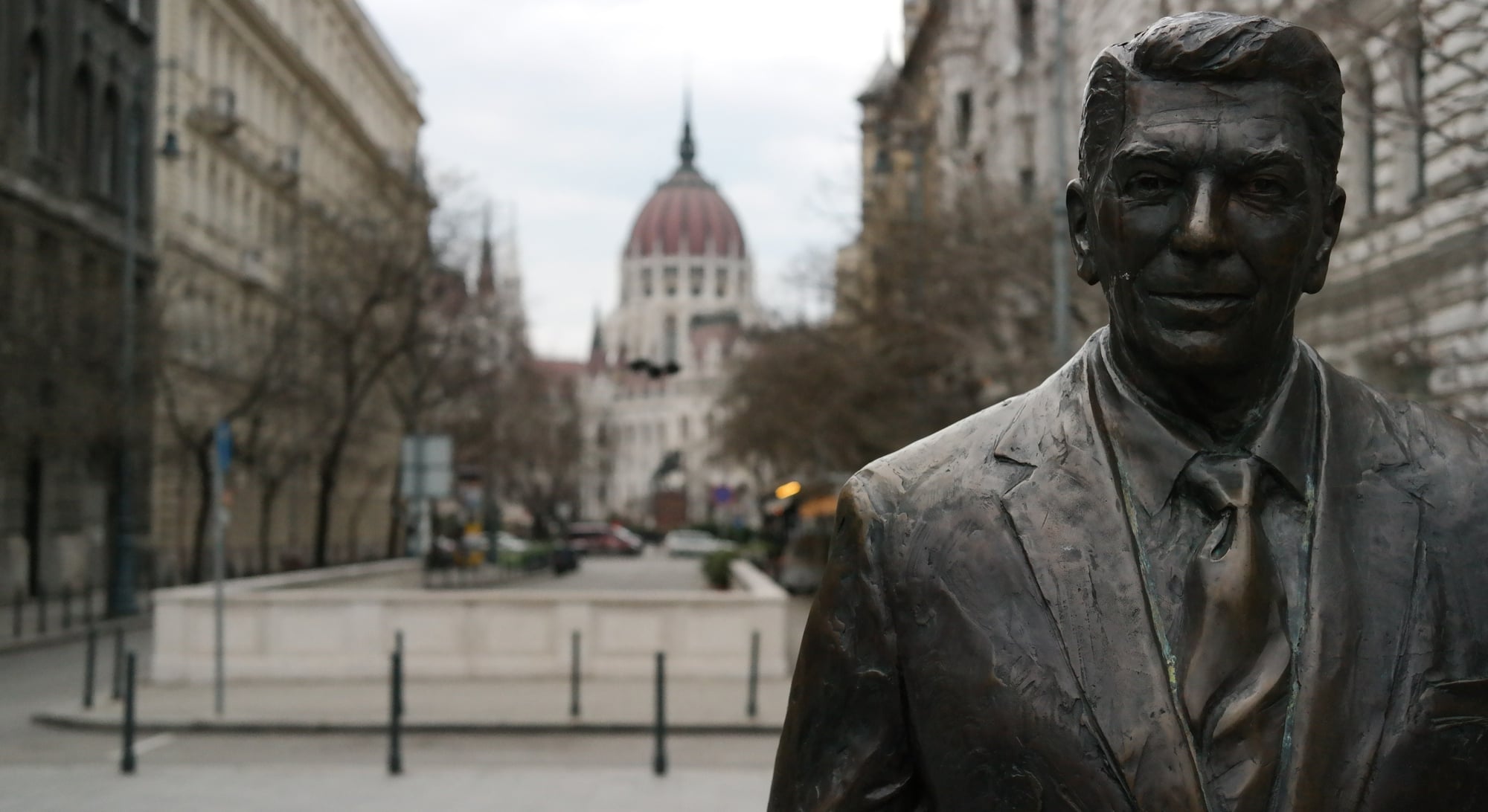
Reagan spent decades as a movie actor before becoming California’s governor in 1967 and eventually U.S. President in 1981. He starred in over 50 films and hosted a television show before entering politics.
His communication skills from acting helped him connect with voters in ways traditional politicians couldn’t match. Critics called him just an actor, but Reagan won two presidential elections by landslide margins.
His presidency reshaped American politics and proved that Hollywood experience could actually prepare someone for leadership.
Arnold Schwarzenegger governed California for two terms
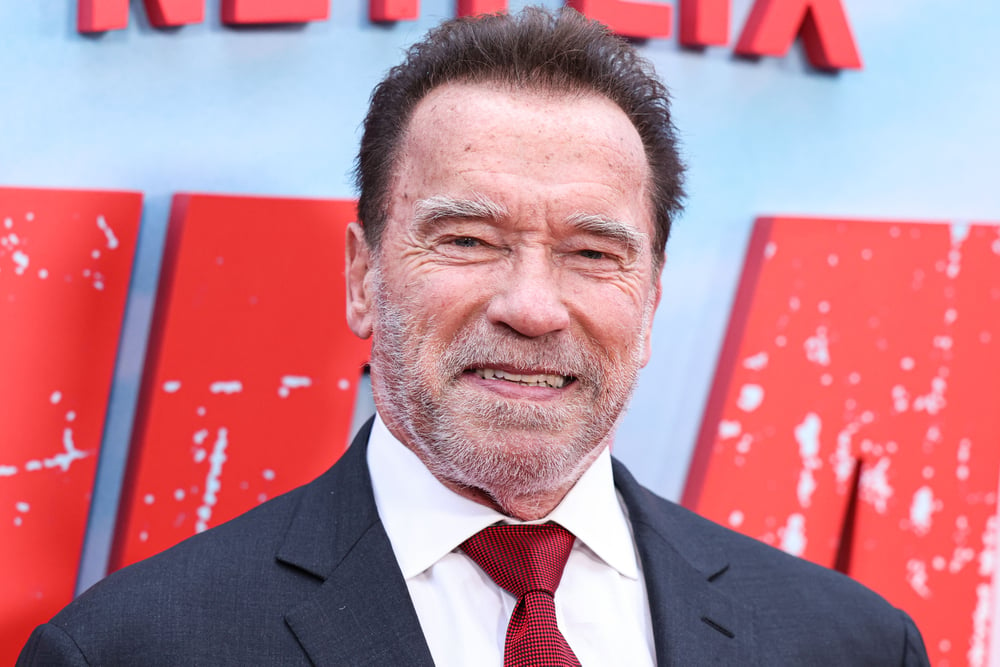
The Austrian bodybuilder turned action star became California’s governor in 2003 through a recall election. Schwarzenegger couldn’t run for president due to being foreign-born, but he wielded significant power as governor of America’s largest state.
He focused on environmental issues and government reform during his time in office. His movie catchphrases followed him into politics, though he tried to be taken seriously as a leader.
Schwarzenegger left office with mixed approval ratings but proved a celebrity could handle complex governance.
Volodymyr Zelenskyy played a president before becoming one
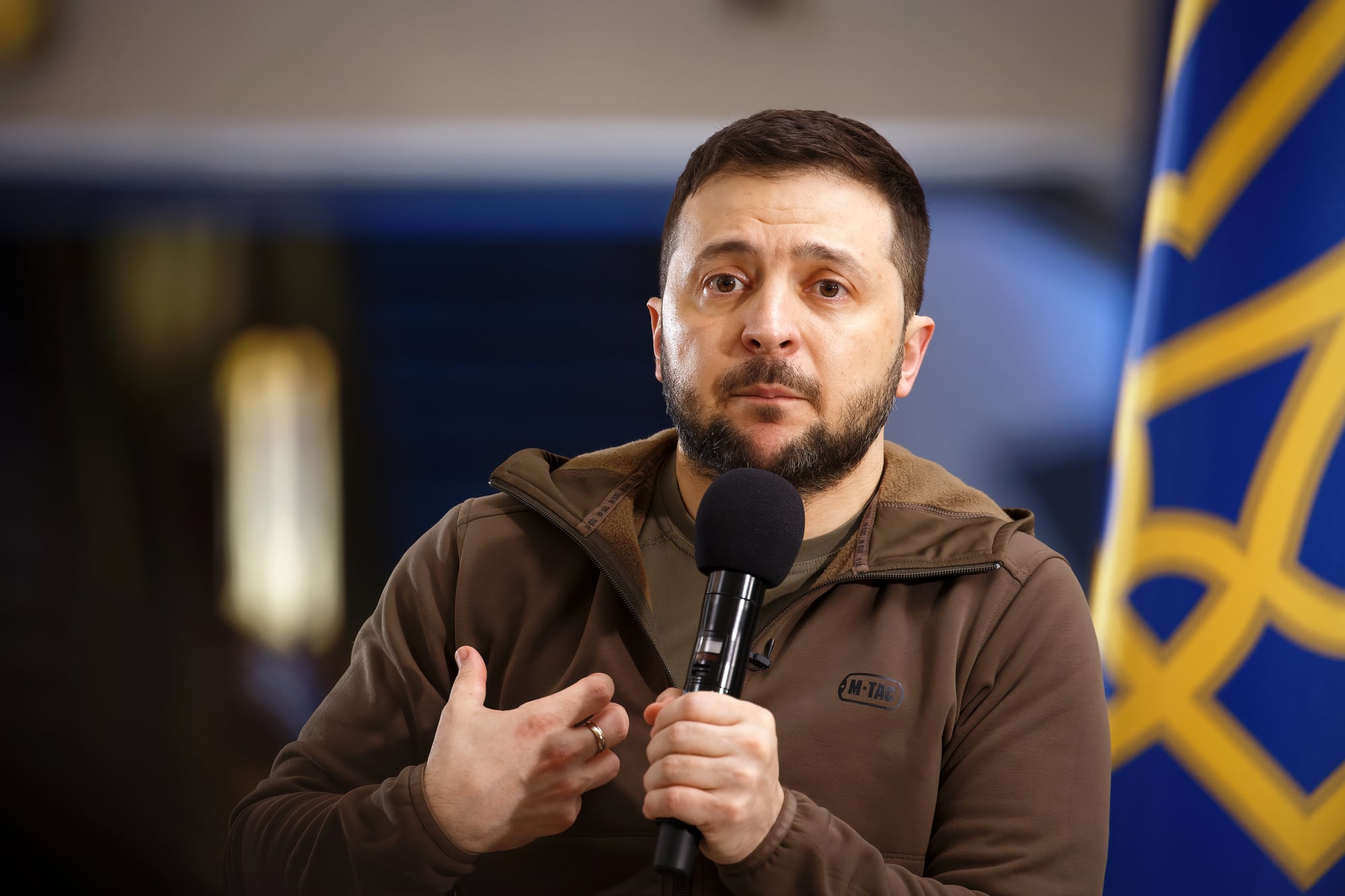
The Ukrainian comedian starred in a television show where he played a teacher who accidentally becomes president. Life imitated art when Zelenskyy ran for Ukraine’s presidency in 2019 and won with over 73% of the vote.
His comedy background seemed like a weakness until Russia invaded Ukraine in 2022. Zelenskyy’s brave leadership during wartime transformed him from a celebrity politician into a respected global figure.
His communication skills helped rally international support in ways traditional diplomats might not have achieved.
Clint Eastwood served as mayor of Carmel-by-the-Sea
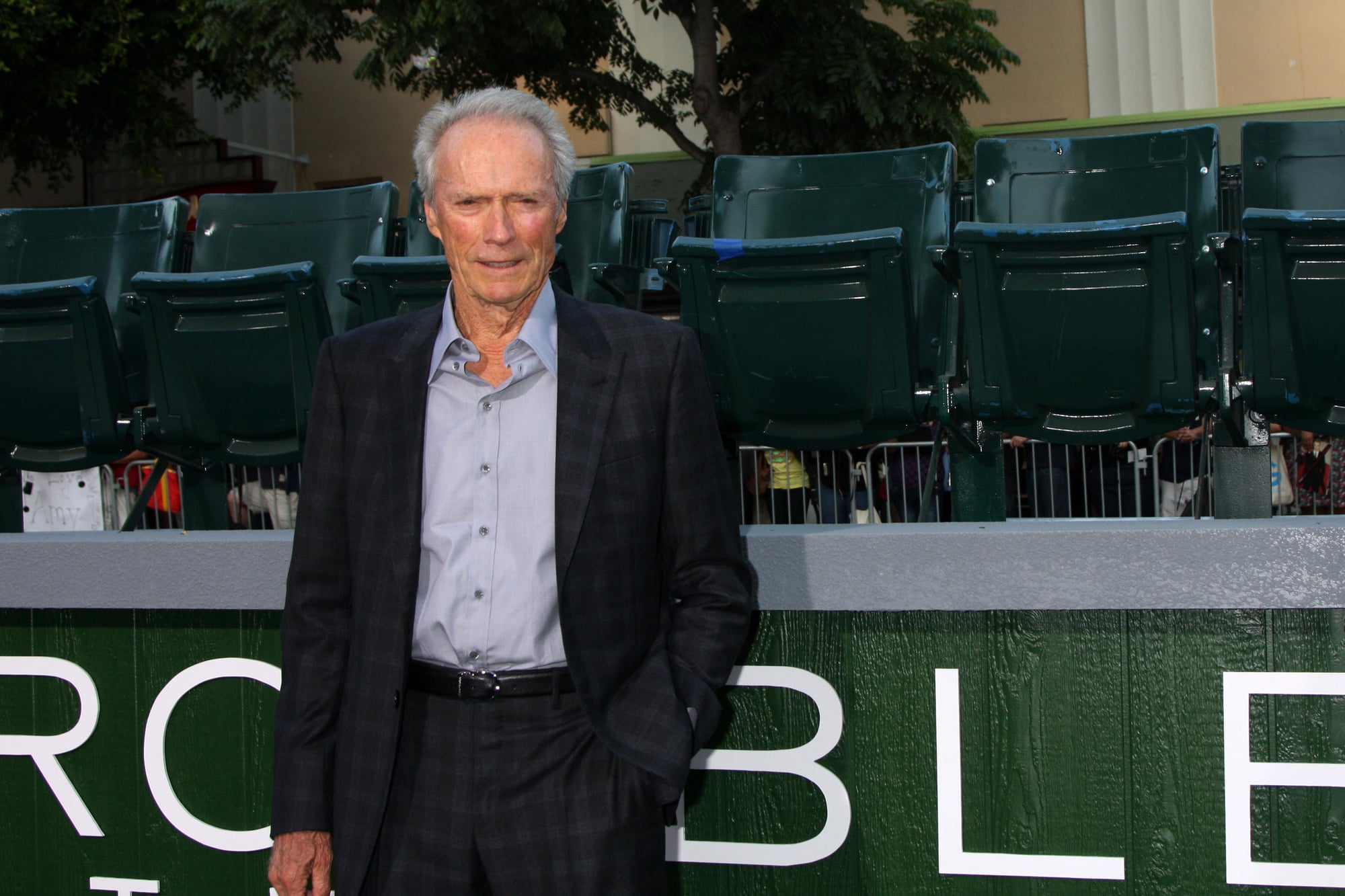
The legendary actor and director took on local politics in 1986 when he ran for mayor of the small California town. Eastwood won and served a two-year term focused on practical issues like ice cream vendor regulations and building codes.
He approached the job seriously despite its relatively small scope compared to his film career. Eastwood chose not to run for re-election, returning to Hollywood after making his point about civic involvement.
The experience showed that even A-list celebrities sometimes start small in politics.
Glenda Jackson left acting twice for Parliament
The Oscar-winning British actress walked away from Hollywood at the peak of her career to serve in Parliament. Jackson won a seat in 1992 and served until 2015, focusing on transport and disability issues.
She returned to acting only after leaving politics, performing in theater productions into her eighties. Jackson proved more committed to public service than many born politicians.
Her career path showed that some celebrities view fame as a means to impact society rather than an end itself.
Jesse Ventura shocked Minnesota as a wrestler-turned-governor
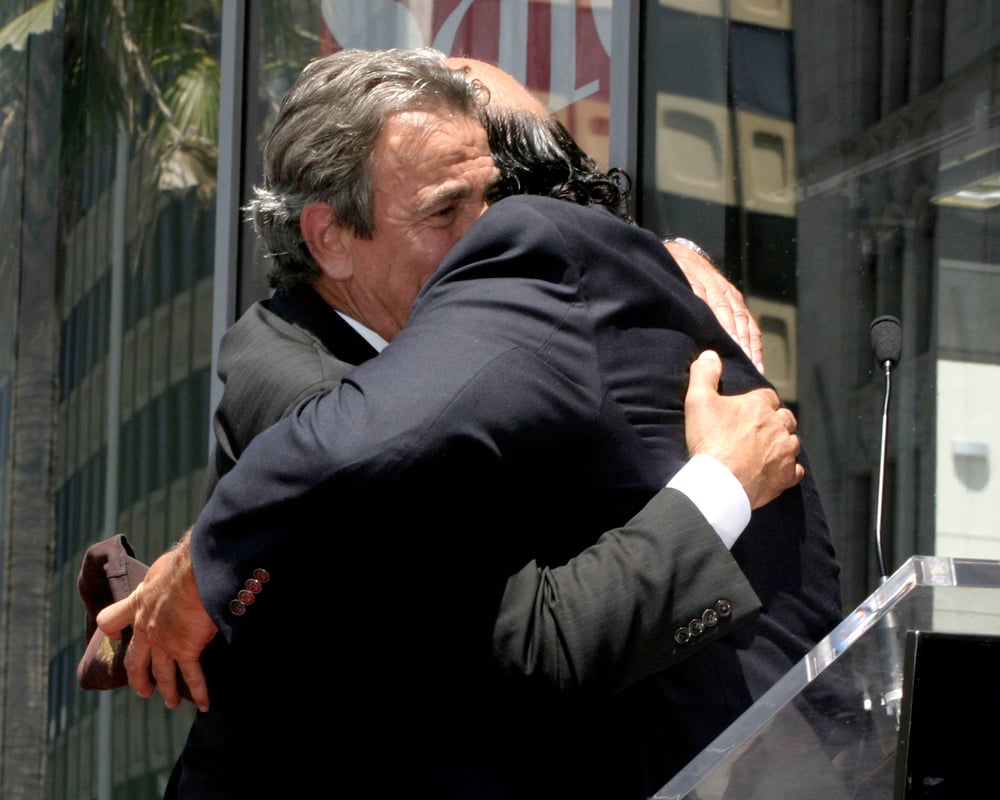
The professional wrestler and action movie actor won Minnesota’s governorship in 1998 as an independent candidate. Ventura’s straight-talk approach and outsider status appealed to voters tired of traditional politicians.
He served one term and chose not to seek re-election, citing frustration with partisan politics. His victory inspired other unconventional candidates to believe they could win.
Ventura proved that entertainment backgrounds could disrupt established political systems for better or worse.
Sonny Bono went from singing to Congress
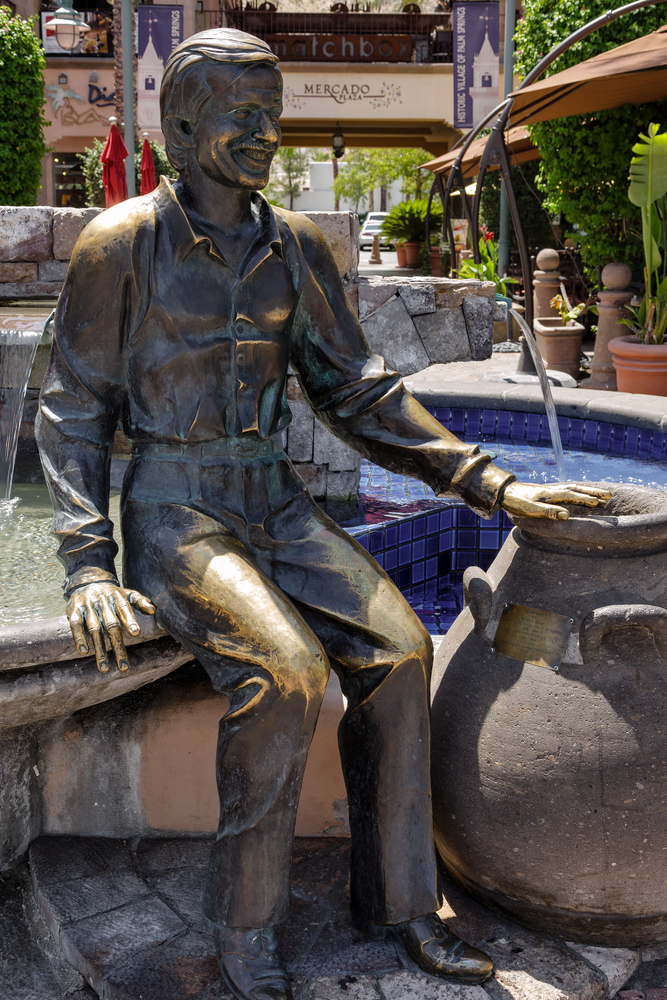
The ‘I Got You Babe’ singer transitioned from music and variety shows to become mayor of Palm Springs in 1988. Bono later won election to the U.S. House of Representatives in 1994.
He took his congressional duties seriously and worked on copyright and intellectual property issues. His political career ended tragically when he died in a skiing accident in 1998.
Bono showed that pop stars could handle the transition to serious legislative work.
Al Franken turned comedy writing into Senate seats
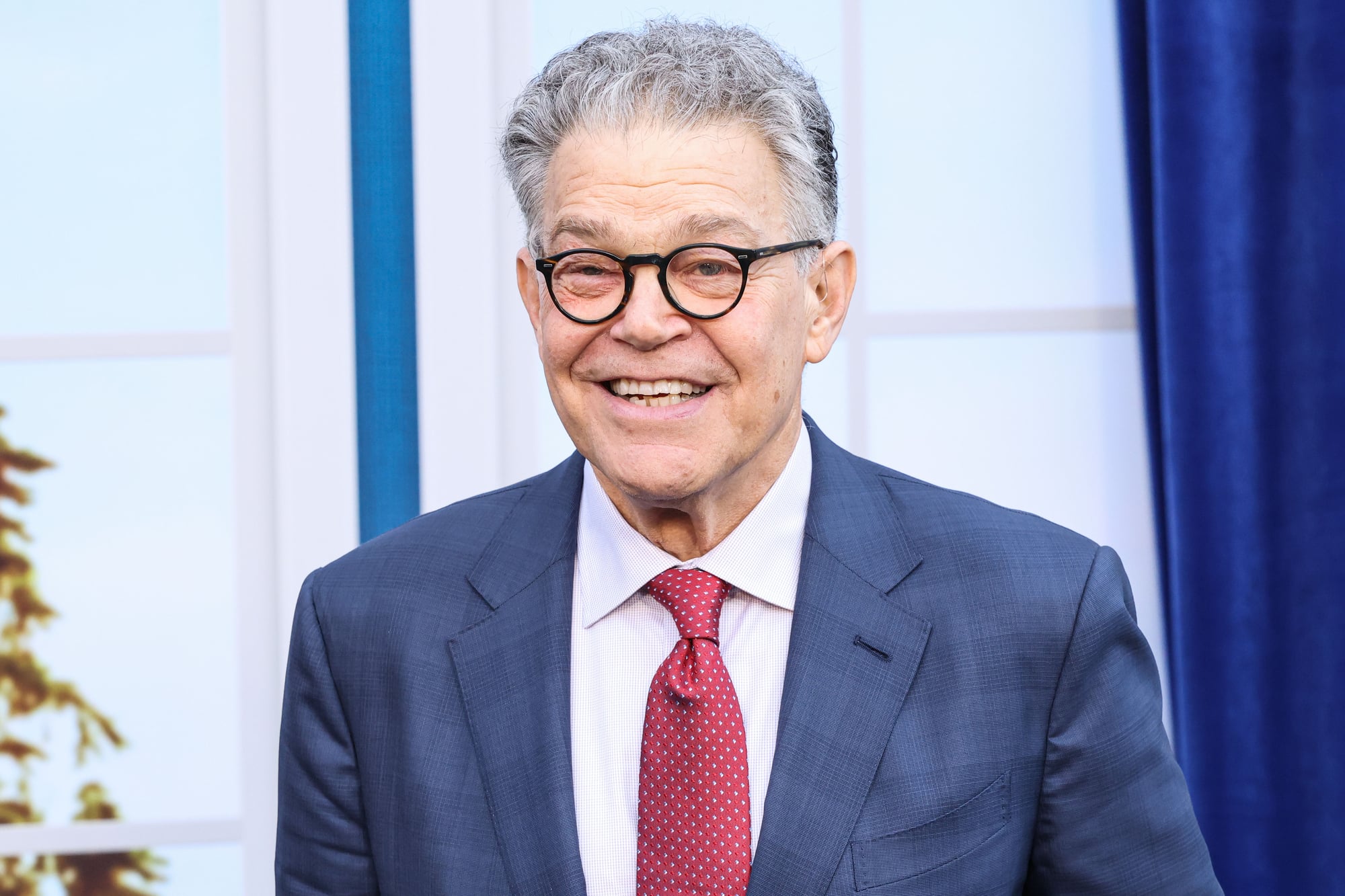
The Saturday Night Live writer and performer became a Minnesota senator in 2009 after a razor-thin election victory. Franken took the job seriously and earned respect from colleagues for his policy knowledge and debate skills.
He served until 2017 when allegations about his past behavior forced his resignation. His Senate career demonstrated that comedy backgrounds could produce effective legislators when taken seriously.
The way his career ended reminded everyone that past actions follow public figures into politics.
Fred Thompson balanced acting with politics throughout his career
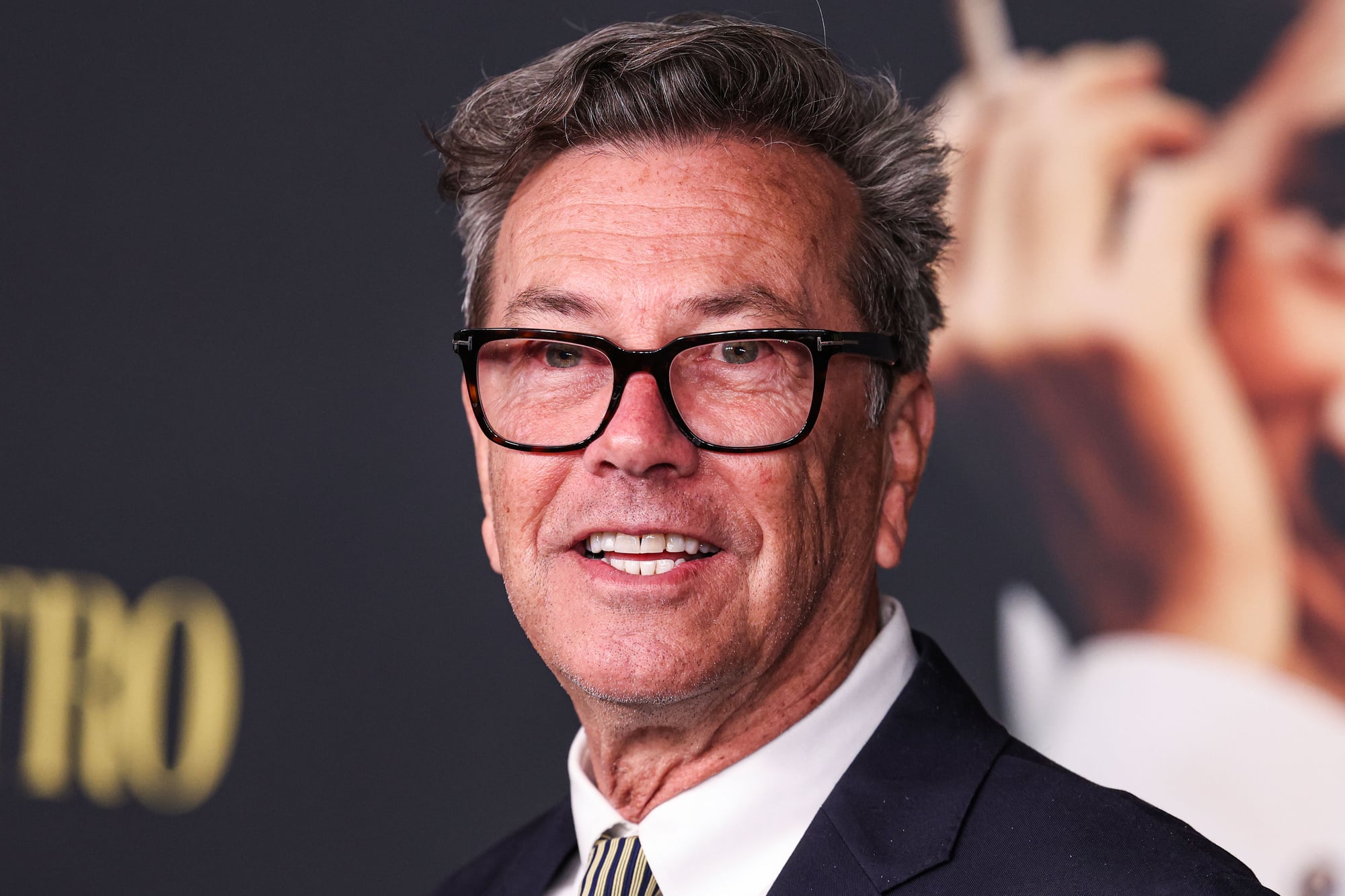
The Law & Order star actually worked as a lawyer and Senate counsel before becoming an actor. Thompson served as a U.S. Senator from Tennessee from 1994 to 2003 before returning to television.
He briefly ran for president in 2008 but dropped out early in the primaries. Thompson moved back and forth between entertainment and politics more fluidly than most celebrities.
His dual career showed these worlds weren’t as separate as people assumed.
Shirley Temple Black became a diplomat after child stardom
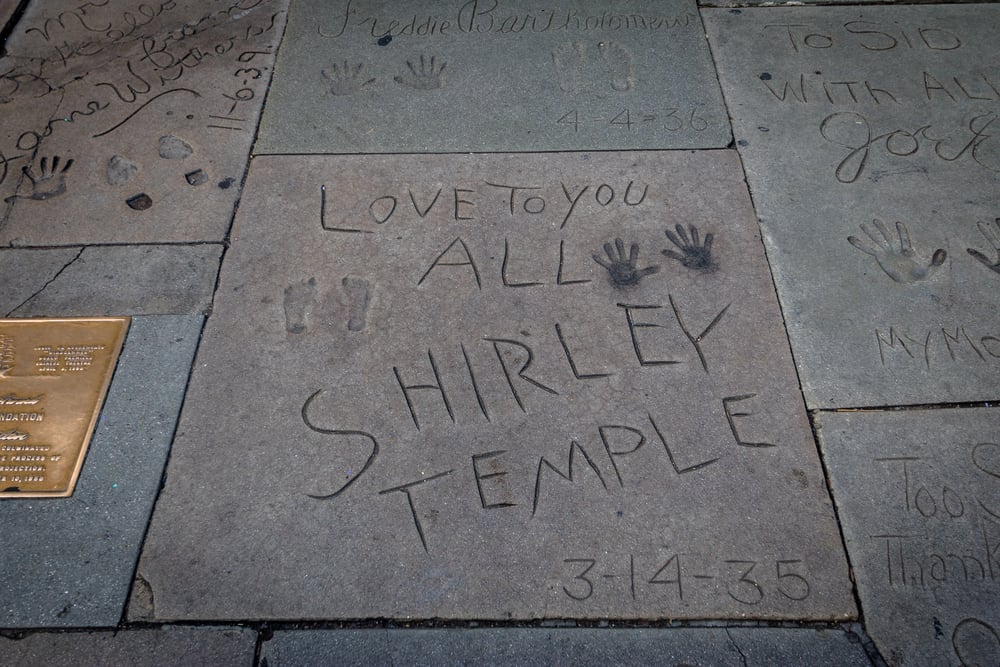
The most famous child actress of the 1930s reinvented herself as a public servant decades later. Temple served as a U.S. ambassador to Ghana and Czechoslovakia and held other diplomatic positions.
She took her roles seriously and earned genuine respect in foreign service circles. Temple proved that childhood fame didn’t have to define someone’s entire life path.
Her diplomatic career lasted longer than her acting years and probably made a more lasting impact.
Jimmie Davis sang his way to Louisiana’s governorship
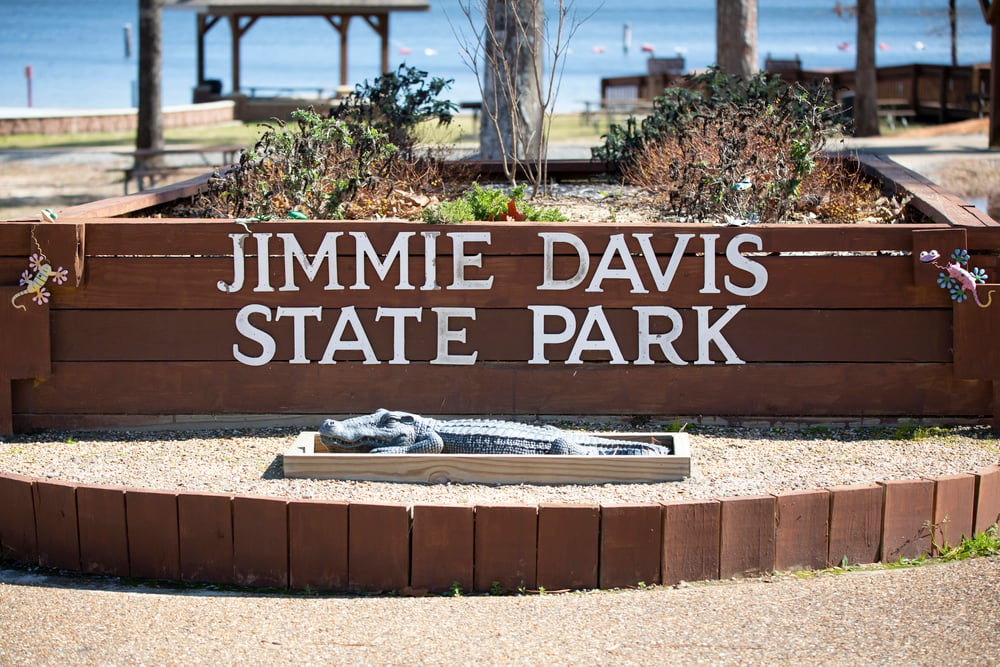
The country music star who wrote ‘You Are My Sunshine’ served two non-consecutive terms as Louisiana’s governor. Davis won his first election in 1944 and his second in 1960, decades apart.
He campaigned by performing at rallies and connecting with rural voters through music. His terms focused on infrastructure and education improvements.
Davis represents an earlier era when the boundary between entertainment and politics was more porous in Southern states.
Mim Carrigan leveraged drag fame into city council
RuPaul’s Drag Race contestant Carrigan won election to a Pennsylvania city council seat in 2021. The performer’s campaign focused on local issues like infrastructure and community development rather than identity politics.
Carrigan’s victory showed that reality TV fame could translate to grassroots political success. The council position gave Carrigan real power over local governance decisions.
This win demonstrated how modern celebrity operates on multiple levels from global superstars to local social media figures.
Cynthia Nixon ran for New York governor after acting career
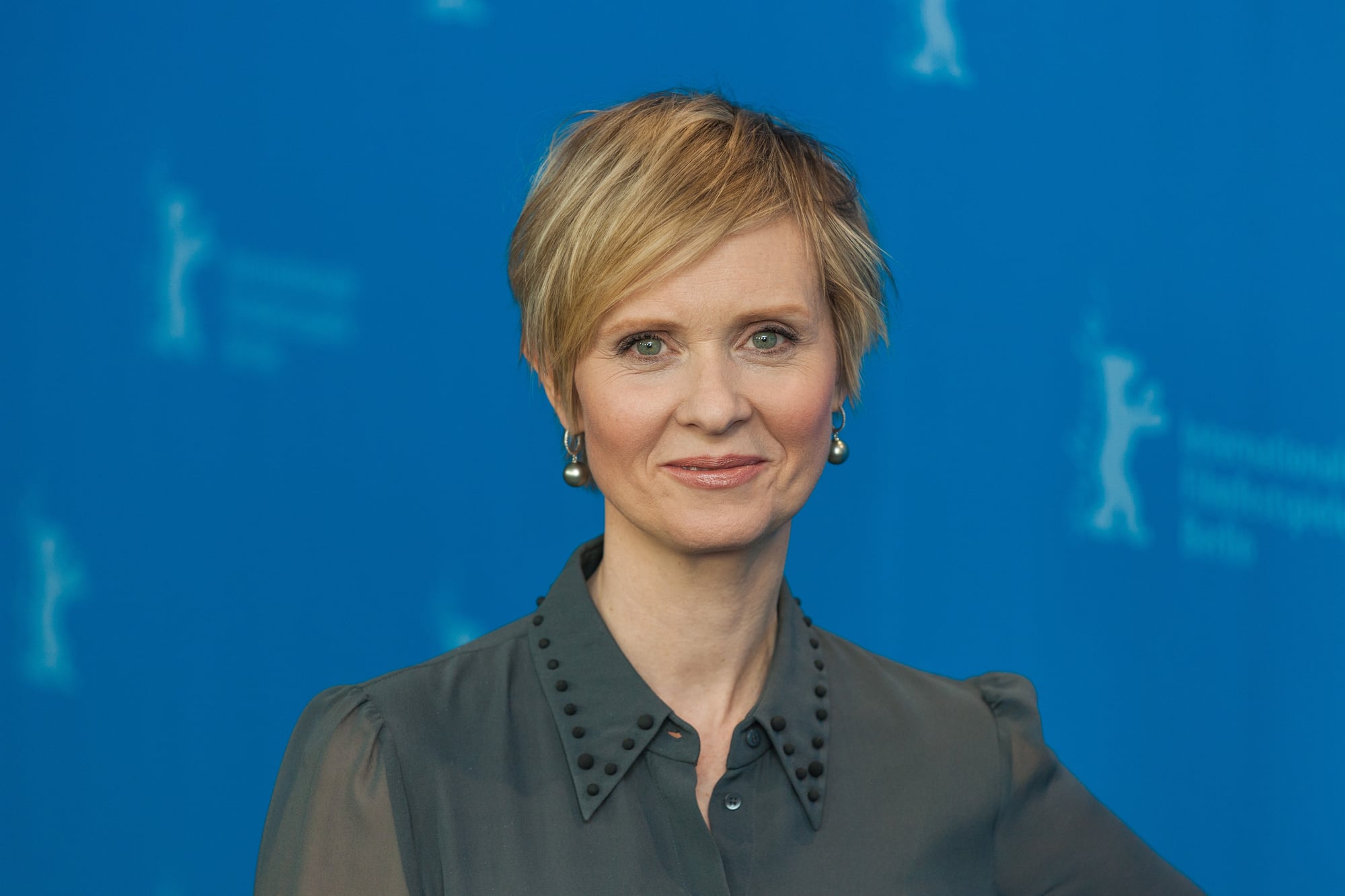
The star launched a serious campaign for New York’s governorship in 2018. Nixon focused on education, transit, and progressive policies during her primary challenge.
She lost the nomination but earned respect for running a substantive campaign. Her effort showed that celebrity alone wasn’t enough without organizational support and political experience.
Nixon continued activism after the loss, using her platform differently than through elected office.
Joseph Estrada brought movie stardom to the Philippines presidency

The Filipino action film star became president of the Philippines in 1998 after serving as vice president. Estrada’s movie popularity with working-class Filipinos translated directly into votes.
His presidency ended in disgrace when corruption scandals led to impeachment proceedings and his eventual resignation. The experience showed the dangers of electing celebrities without vetting their actual leadership capabilities.
Estrada’s fall from power became a cautionary tale about confusing screen personas with real character.
Beppe Grillo founded a political movement from comedy

Out of jokes and rallies came a wave that shook Italy’s halls of power. Not by taking a seat did he lead, yet seats were filled by those who followed his voice.
Laughter turned sharp, then sharper still – aimed at old systems falling out of favor. From stage rants grew something real: votes tallied, coalitions built, laws shifted.
It wasn’t about winning titles; it was about shifting weight behind the scenes. A spotlight stayed on him even when he stepped back.
Power moved through ideas more than positions. Someone once paid to make crowds laugh ended up making lawmakers tremble.
No ballot line carried his name, but fingerprints marked every bold move made in Rome. Fame became fuel – not for personal gain – but for pushing others forward.
What began as satire carved space where new players took charge. Entertainment blurred into engagement, changing who gets heard.
His path proved presence matters more than position. Anger dressed as humor found its audience – and they voted.
Influence doesn’t need an official title to leave marks on history.
Bobi Wine challenges Uganda’s government through music
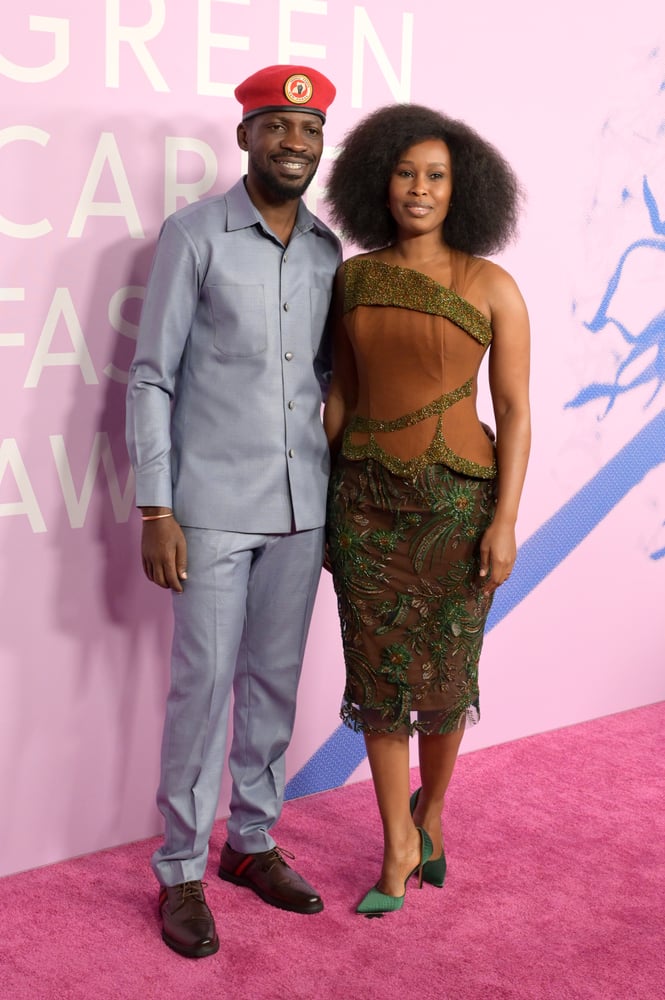
Music carries Bobi Wine’s defiance across Uganda. Not just a singer, he now stands as the main challenger to decades of presidential power.
Born Robert Kyagulanyi, he turns concerts into rallying points for youth demanding change. Arrests follow him, along with violence and threats, each time he speaks out.
Fame shields him a little – yet it spreads his words beyond borders at the same time. What unfolds reveals an uneasy truth: stardom can open doors where politics fails, even under heavy control.
From applause to governance

Famous actors turned leaders show us how much we rely on known names in big, crowded democracies. When choosing who to vote for, many pick someone they recognize from TV instead of learning about strangers running for office.
A few stars brought real change by stepping into politics seriously; meanwhile, others showed charm does not mean skill. Even with uneven success stories, performers still see political life as reachable.
That pull likely stays strong forever. Fame gives access that experience often can’t match – so stages may always feed into government seats, sometimes lifting nations, sometimes failing them badly.
More from Go2Tutors!

- The Romanov Crown Jewels and Their Tragic Fate
- 13 Historical Mysteries That Science Still Can’t Solve
- Famous Hoaxes That Fooled the World for Years
- 15 Child Stars with Tragic Adult Lives
- 16 Famous Jewelry Pieces in History
Like Go2Tutors’s content? Follow us on MSN.