15 Languages On The Edge Of Extinction
Language death happens quietly. One day children stop learning the words their grandparents knew, and something irreplaceable begins to fade.
Around the world, languages that once carried entire cultures are now spoken by just a handful of people — sometimes as few as one or two elderly speakers who hold thousands of years of knowledge in their memories.
When a language disappears, it takes with it unique ways of understanding the world. These aren’t just different words for the same concepts, but entirely different ways of organizing thought, describing relationships, and making sense of existence.
The languages below represent some of the most critically endangered on Earth, each one a universe of meaning balanced on the edge of silence.
Jedek

Jedek managed to hide in plain sight until 2017. Linguists had no idea this language existed until they stumbled across it in the Malaysian rainforest, spoken by about 280 people who had been quietly using it for generations.
The youngest fluent speakers are in their forties.
N|uu
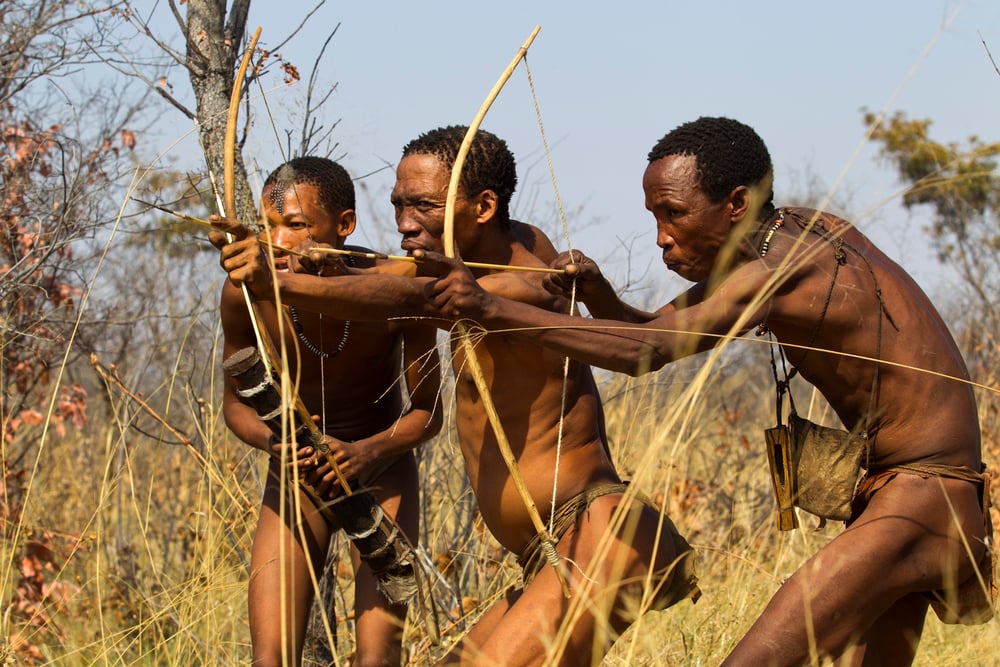
The vertical bars in N|uu aren’t typos — they represent clicks that form the backbone of this South African language (and even then, there’s no perfect way to write them using standard letters).
Only three elderly women remain who can speak N|uu fluently, which means when they pass away, an entire branch of human linguistic evolution goes with them.
So it matters more than most people realize.
Ainu

There’s something unsettling about watching a language die in real time, especially when that language carries creation stories older than most of the world’s major religions (the Ainu people have lived in northern Japan for thousands of years, developing oral traditions that European settlers never encountered).
But bureaucracy and assimilation policies pushed Japanese into every classroom and workplace — which was efficient for building a modern state, created a unified national identity, reduced regional conflicts.
But it also meant that children stopped learning the language their parents whispered to them at bedtime.
And yet the Ainu creation myths describe the world as a vast ocean where gods walked across the surface, their footsteps becoming islands — a cosmology that emerged from living closely with the sea and mountains of Hokkaido, impossible to translate cleanly into any other tongue.
So when the last fluent speaker passes away (there are perhaps 10 native speakers left), those particular ways of understanding creation disappear with them.
Kawésqar
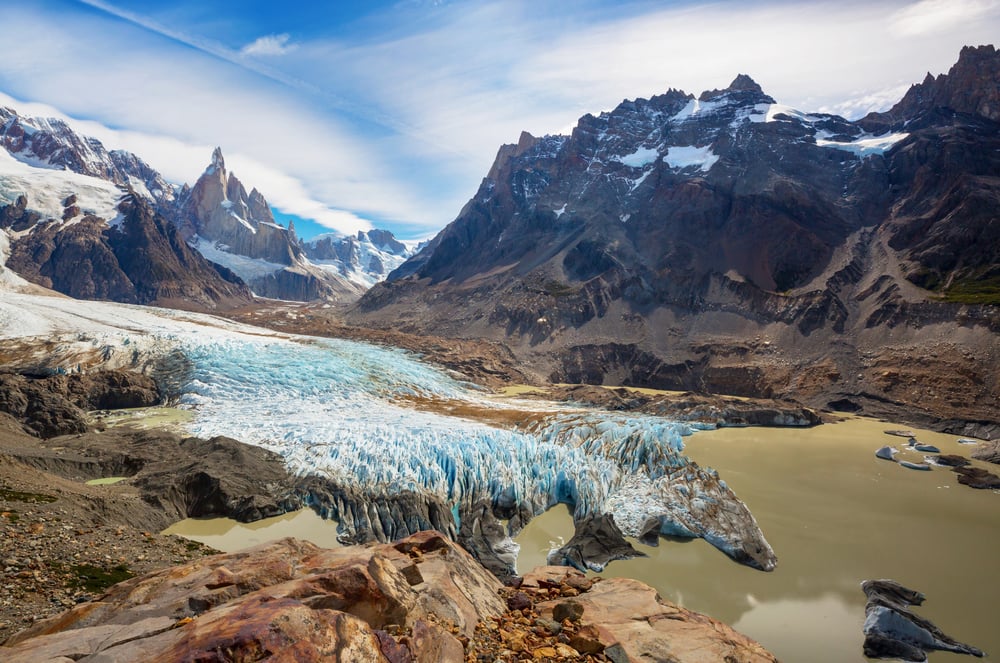
Kawésqar was built for life at the edge of the world. The language emerged among people who spent their lives navigating the channels and fjords of Patagonia, developing words for dozens of different types of wind and weather patterns that landlubbers never encounter.
Only eight elderly speakers remain, all over 70 years old.
The language contains knowledge about surviving in one of Earth’s harshest environments that simply doesn’t exist in Spanish or English.
When those eight people are gone, that wisdom goes silent.
Yagan

Yagan speakers were the southernmost people on Earth, living on islands scattered below the Strait of Magellan where the wind never stops blowing (Charles Darwin met them during his voyage on the Beagle and completely misunderstood what he was seeing — he thought they were primitive rather than recognizing a people perfectly adapted to an impossible environment).
The last fluent speaker, Cristina Calderón, passed away in 2022.
Her granddaughter speaks some Yagan, but the deep fluency that comes from thinking in a language is essentially gone.
And with it goes a particular way of understanding kinship, territory, and survival that developed over thousands of years at the bottom of the world.
The silence feels complete in a way that’s hard to accept.
Chulym
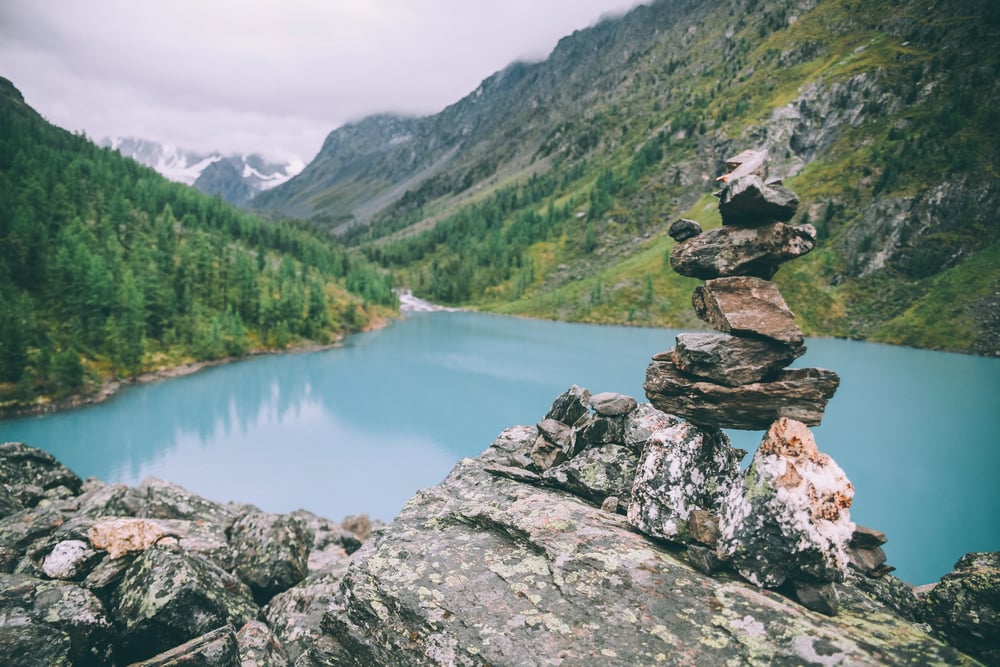
The eight fluent speakers of Chulym live scattered across Siberia.
That’s it — eight people holding onto a language that was once spoken across a region larger than most countries.
Russian became the language of education, employment, and opportunity.
Chulym became the language grandparents used when they didn’t want the children to understand.
Taushiro
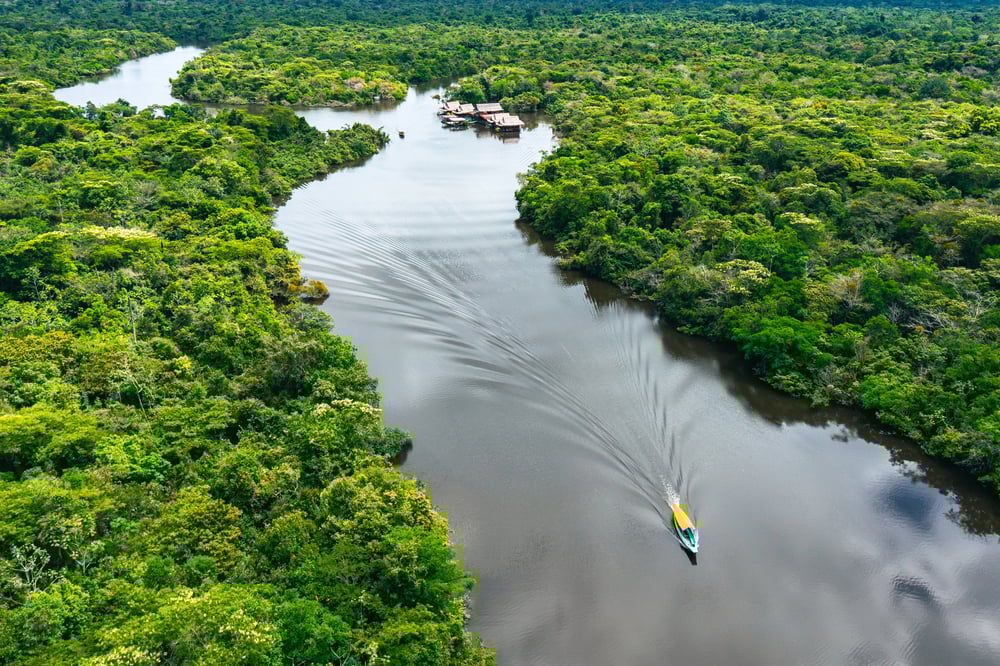
Amadeo García is the last person who can speak Taushiro fluently.
He lives alone in the Peruvian Amazon, carrying an entire language in his memory with no one left to share it with.
When linguists visit him, they’re essentially conducting exit interviews with a dying tongue.
García sometimes talks to himself in Taushiro, which means he’s having the last conversations that language will ever host.
Votic

Votic nearly disappeared twice — first under Soviet policies that pushed Russian into every corner of daily life, then again when Estonia regained independence and Estonian became the dominant language.
There are fewer than 100 speakers left, most of them elderly, living in a handful of villages where you can still hear this Baltic-Finnic language that has survived everything history could throw at it.
Votic developed its own peculiar grammar that linguists are still trying to fully document, but the window for understanding it completely is closing fast.
The language school that might have saved it never got built.
Pite Sami

The reindeer herders who spoke Pite Sami understood snow the way wine experts understand vintages.
The language contains dozens of words for different snow conditions — which matters when your survival depends on reading the landscape accurately.
Fewer than 50 people can still speak it fluently, and they’re scattered across northern Sweden and Norway.
Climate change is altering the Arctic faster than anywhere else on Earth, which means the environmental knowledge encoded in Pite Sami is becoming both more precious and more fragile simultaneously.
Chamicuro
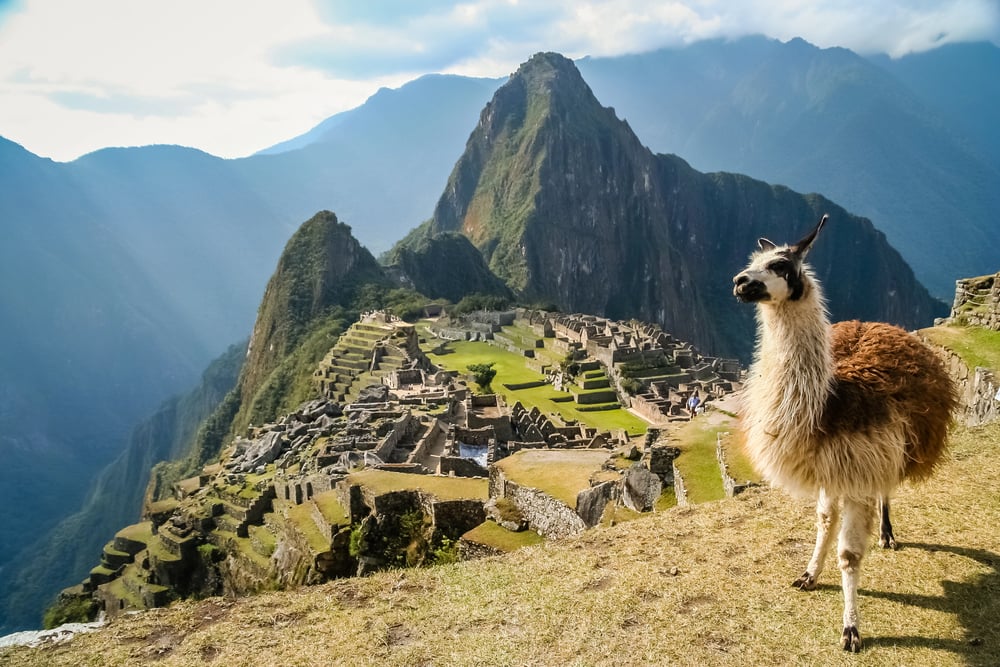
Three people in Peru can still speak Chamicuro with any real fluency.
Three people holding onto a language that once thrived along the Amazon tributaries, carrying knowledge about plants, navigation, and survival techniques that Spanish never absorbed (many indigenous languages contain pharmacological knowledge that took centuries to develop — ways of combining plants that modern medicine is only beginning to understand).
But when those three speakers die, that knowledge becomes archaeological rather than living.
The children learn Spanish because those languages connect them to jobs and education.
Chamicuro connects them to the past, which doesn’t pay bills or get you into universities.
Livonian

Livonian survived occupation, deportation, and decades of Soviet rule, only to face its greatest challenge during peace: simple irrelevance.
The language is spoken by fewer than 30 people along the Latvian coast, in fishing villages that once thrived but now watch their young people leave for Riga and beyond.
The Livonian Cultural Center tries to preserve what it can, but preservation isn’t the same as life.
Languages need daily use to survive, not museums.
Yuchi

The Yuchi language has a problem that sounds like something from a linguistics textbook but is actually quite practical: it uses a sound system that English speakers find nearly impossible to reproduce accurately.
There are fewer than four fluent speakers left, all elderly, and no immersion programs that might create new speakers who can handle the language’s complex sound system.
When those four people are gone, the particular way Yuchi organizes sounds and meanings — which is unlike any other Native American language — disappears from human experience entirely.
Aka

Aka speakers live in the Andaman Islands, where their ancestors have been isolated for tens of thousands of years.
The language they developed is unlike anything else on Earth — it belongs to no known language family and may represent one of the oldest continuously spoken languages in human history.
There are fewer than 10 fluent speakers left.
The younger generation speaks Hindi and English, which connect them to the modern world but sever the link to a linguistic lineage that stretches back to when humans first developed complex speech.
Elfdalian
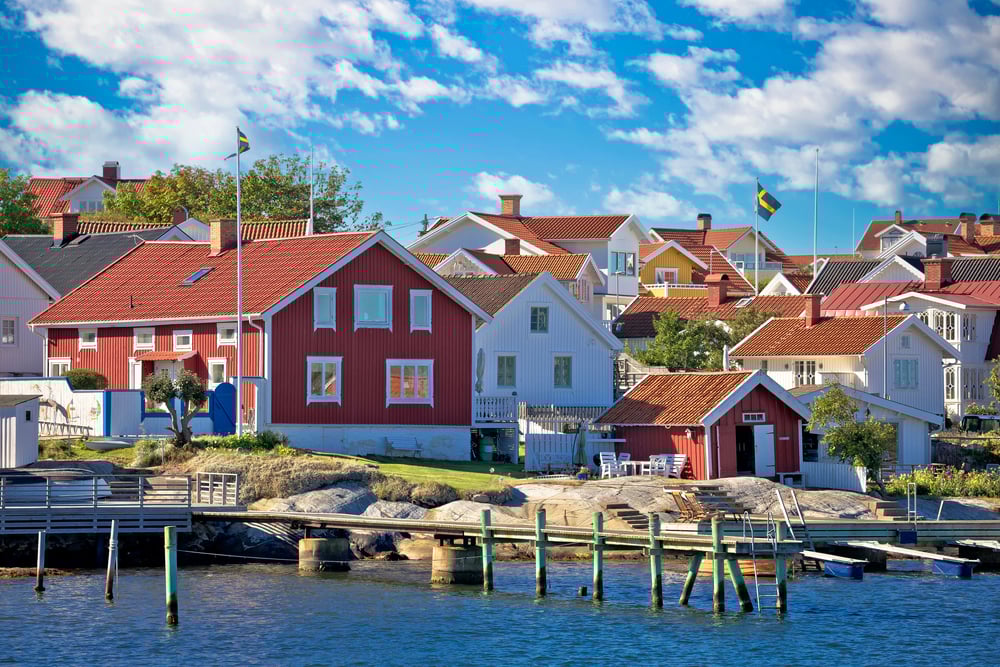
Elfdalian sounds like what Swedish might have become if it had developed in complete isolation for a thousand years.
It’s spoken in a single valley in central Sweden, where about 60 elderly people still use it fluently.
The language preserves grammatical features that disappeared from other Scandinavian languages centuries ago.
Swedish linguists are racing to document Elfdalian before it disappears, but documentation isn’t preservation.
The children in the valley speak standard Swedish because that’s what works everywhere else.
Resígaro

Rosa Andrade was the last fluent speaker of Resígaro when she died in the 1990s.
But her children remember fragments, and linguists have been working with them to reconstruct what they can of the language.
It’s like trying to rebuild a house from the pieces left after a fire — you can see the shape of what was there, but whole rooms are missing forever.
The reconstruction project captures something important about language death: it’s not always a clean ending.
Sometimes languages linger in fragments and memories, half-alive and slowly fading.
What Remains When Words Disappear

Each language carries solutions to problems other cultures never had to solve.
The Kawésqar words for different types of wind weren’t just vocabulary — they were survival tools.
The Yuchi sound system wasn’t just pronunciation — it was a way of organizing human expression that took thousands of years to develop.
When languages die, these solutions vanish, along with the problems they were designed to solve.
But language death isn’t inevitable.
Some communities are fighting back, creating immersion schools and digital archives.
The race is against time, but it’s not over yet.
More from Go2Tutors!

- The Romanov Crown Jewels and Their Tragic Fate
- 13 Historical Mysteries That Science Still Can’t Solve
- Famous Hoaxes That Fooled the World for Years
- 15 Child Stars with Tragic Adult Lives
- 16 Famous Jewelry Pieces in History
Like Go2Tutors’s content? Follow us on MSN.