17 Most Successful Shark Tank Products Ever
Since its debut in 2009, Shark Tank has become a launching pad for countless entrepreneurs seeking investment from billionaire ‘Sharks.’ While many pitches fail to secure deals, some products have gone on to achieve extraordinary success, generating hundreds of millions or even billions in revenue.
The show’s track record speaks for itself—from simple household items to revolutionary tech gadgets, these entrepreneurial ventures have transformed entire industries. Here is a list of 17 products that have achieved remarkable financial success after their Shark Tank appearances.
Bombas
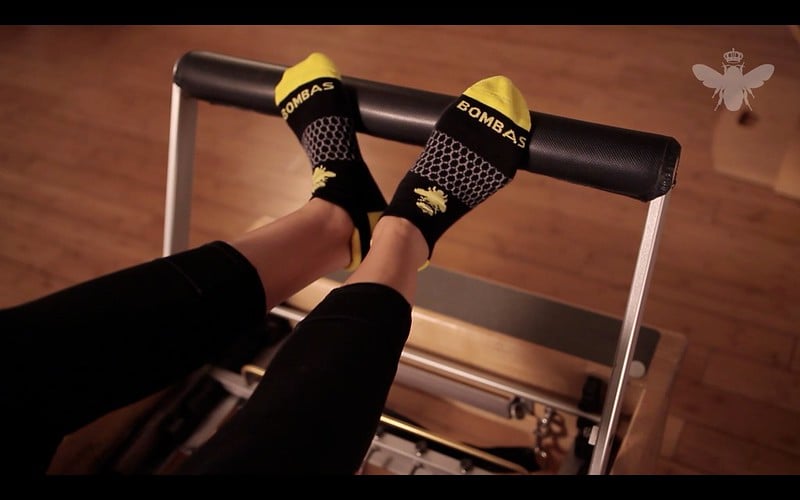
Bombas reigns supreme as the most successful Shark Tank business to date, not just financially but also in terms of social impact. In Season 6 (2014), David Heath and Randy Goldberg pitched their premium socks with a one-for-one donation model, seeking a socially driven brand that could still offer top-tier quality. By 2023, Bombas’ lifetime sales eclipsed $1.3 billion, and it ranks as the single largest Shark Tank revenue generator. Over 50 million items have been donated to homeless shelters, merging commerce with cause in a distinctly resonant way. Daymond John’s original investment of $200,000 for 17.5% equity has turned into a stake worth well over $100 million.
Everlywell
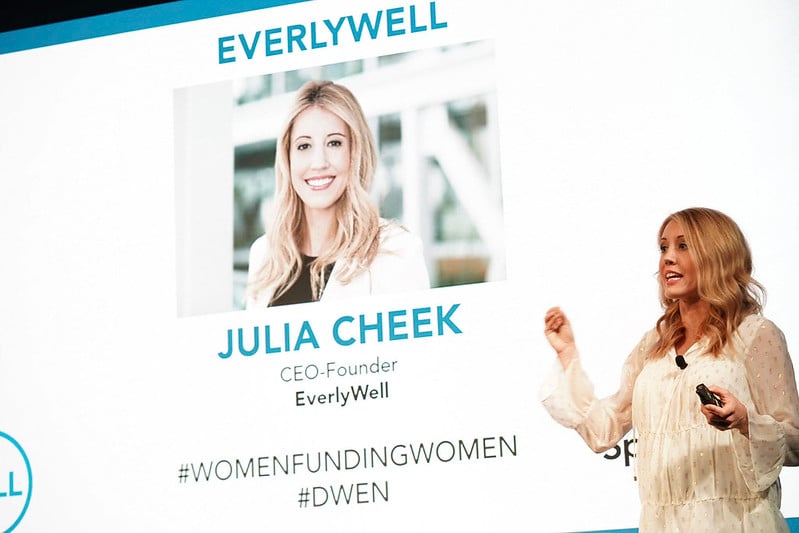
Julia Cheek introduced Everlywell in Season 9 (2017) to address a consumer shift toward do-it-yourself healthcare. The company sells at-home diagnostic test kits—for everything from fertility and vitamin levels to food sensitivities. Lori Greiner offered $1 million as a line of credit at 8% interest for 5% equity, effectively valuing Everlywell around $20 million. Everlywell experienced meteoric growth, especially as the COVID-19 pandemic amplified interest in home testing. By 2023, the brand hit $1.1 billion in sales and raised significant venture capital, pushing its valuation past $2 billion.
Scrub Daddy
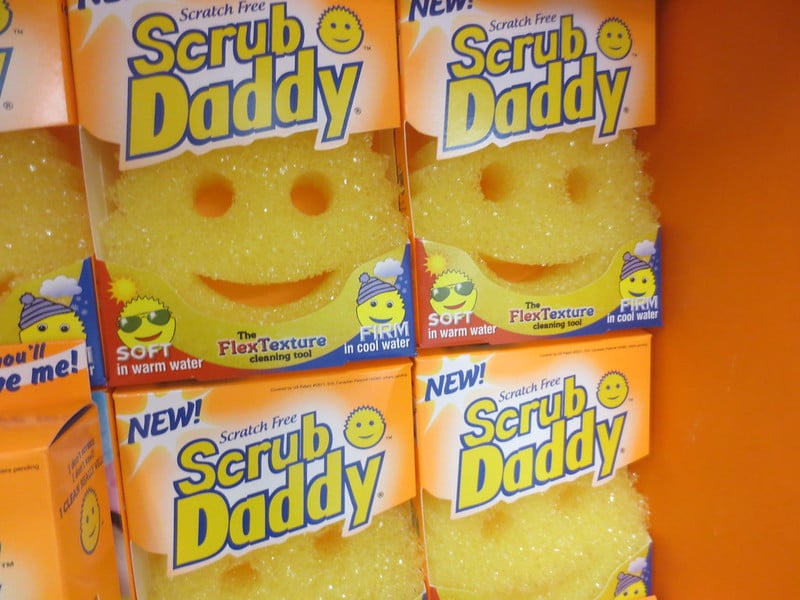
Aaron Krause’s smiling sponge became one of the most recognizable products in Shark Tank history. Its innovative smiley face design and foam polymer construction allows the texture to change with water temperature, enhancing its cleaning efficiency. Lori Greiner’s investment of $200,000 for a 20% stake helped Scrub Daddy scrub its way to $926 million in sales, cementing its status as a cleaning essential. The product started in just five supermarkets before its appearance on the show and is now available in thousands of retail stores worldwide.
Ring
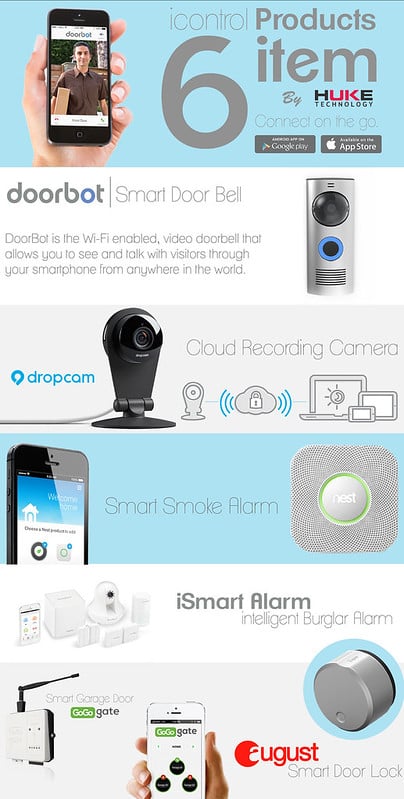
Perhaps the most famous ‘miss’ in Shark Tank history, Ring proves that rejection doesn’t equal failure. Jamie Siminoff pitched Doorbot, a smart video doorbell, on Shark Tank in 2013, but none of the Sharks saw enough potential to invest in it. Despite this rejection, Siminoff rebranded Doorbot as Ring, leveraged publicity and new investors, and ultimately sold the company to Amazon for about $1 billion. More than 10 million people now have a Ring doorbell, according to a 2023 stat cited by Politico.
The Bouqs Co.

This farm-to-table flower delivery service revolutionized the floral industry by cutting out middlemen and delivering fresh bouquets directly from eco-friendly farms. Initially overlooked, Robert Herjavec later recognized their potential, contributing an undisclosed amount later on, and propelling the company to a sales milestone of $640 million. The Bouqs Co. leads the way in eco-friendly floral delivery. Their sustainable approach and direct-from-farm model has resonated strongly with environmentally conscious consumers.
Cousins Maine Lobster
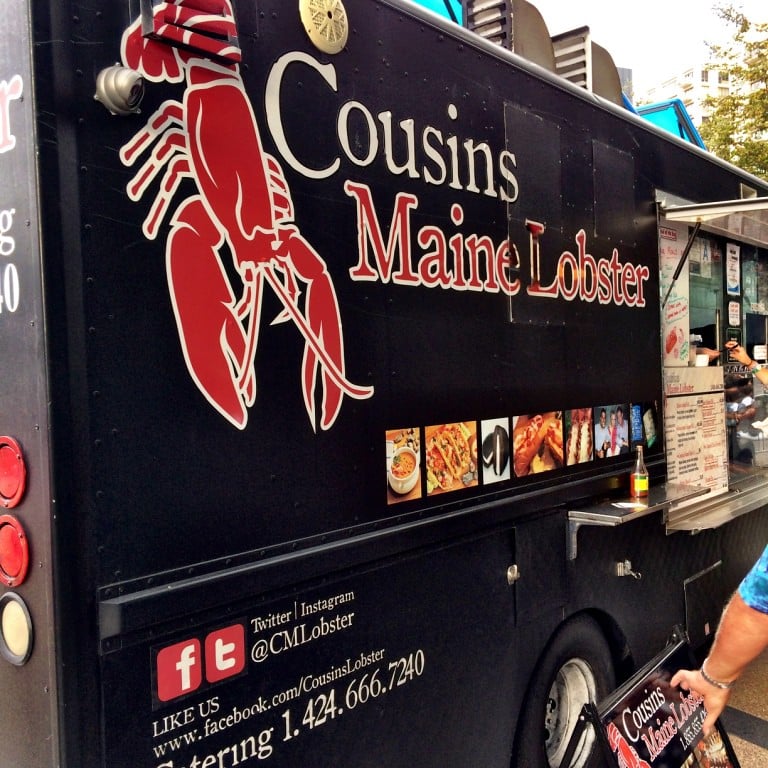
Barbara Corcoran saw the potential in bringing authentic Maine lobster to the masses through food trucks and franchises. Their commitment to high-quality seafood caught Barbara Corcoran’s attention, who invested $55,000 for a 15% stake. With a strong brand and over $585 million in sales, they continue to delight seafood aficionados across the country. The company has expanded far beyond its original food truck concept, now operating multiple locations and franchise opportunities.
The Comfy

This wearable blanket with a hood captured hearts and wallets across America. Barbara Corcoran invested $50,000 for a 30% stake, and the brand has since expanded its variety, leading to $550 million in sales. It’s a favorite for comfort lovers everywhere. The simple concept of combining a hoodie with a blanket proved that sometimes the most obvious ideas are the most profitable.
DUDE Wipes
— Photo by homank76
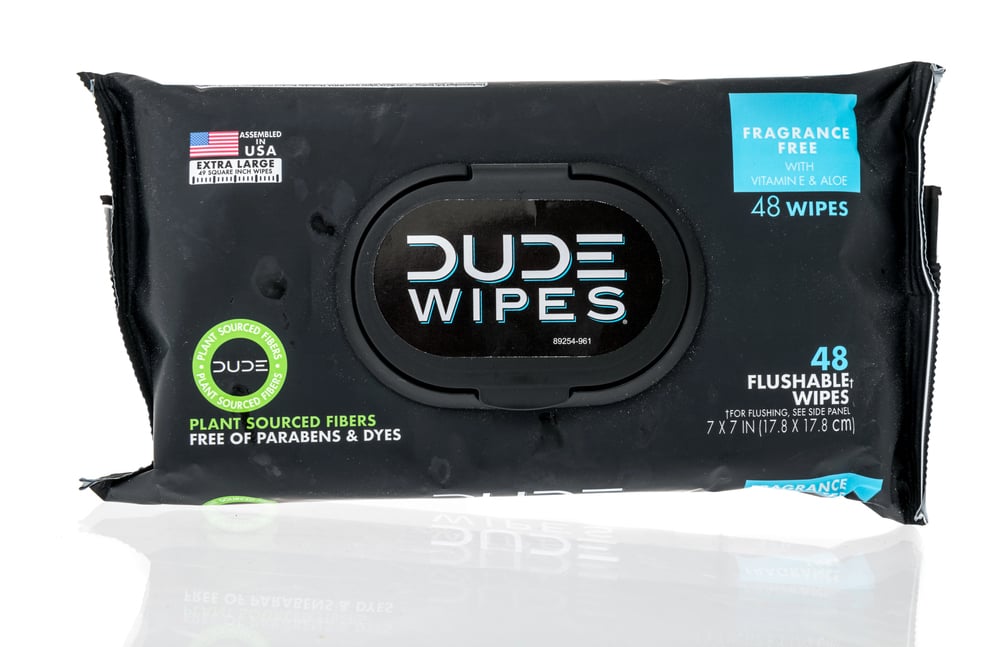
DUDE Wipes revolutionized personal hygiene with biodegradable, flushable wipes designed specifically for men. Mark Cuban’s $300,000 investment for a 25% stake helped propel the brand to $341 million in sales. The company cleverly marketed to an underserved demographic and expanded into multiple personal care products beyond their original offering.
Tipsy Elves
— Photo by mkopka
What started as a quirky holiday sweater company has become a year-round apparel brand. Starting with quirky holiday sweaters, Tipsy Elves expanded into a full-fledged line of festive apparel. Robert Herjavec’s investment of $100,000 for a 10% stake propelled the brand to over $317 million in sales, making it synonymous with festive fun and quirky fashion. The brand has successfully expanded beyond Christmas to cover all holidays and seasons.
Squatty Potty
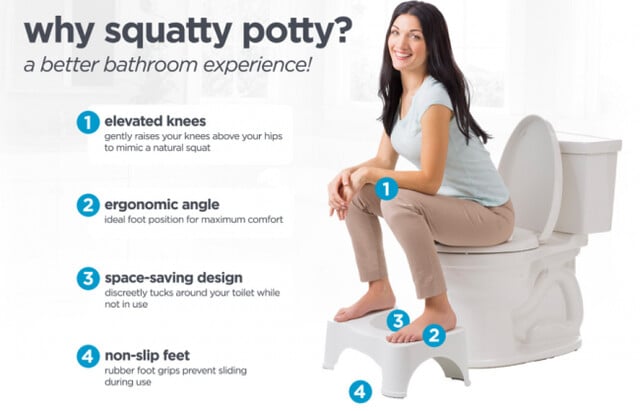
This bathroom footstool became a viral sensation thanks to one of the most memorable ads in internet history. Squatty Potty’s success is intertwined with one of the most viral ads in Shark Tank history: a whimsical video featuring a unicorn ‘pooping’ rainbow ice cream to illustrate the product’s benefits. This marketing masterstroke triggered a sales explosion, catapulting the brand to $260 million in lifetime revenue by 2023. Lori Greiner’s investment proved that even the most unusual products can find massive markets.
PhoneSoap
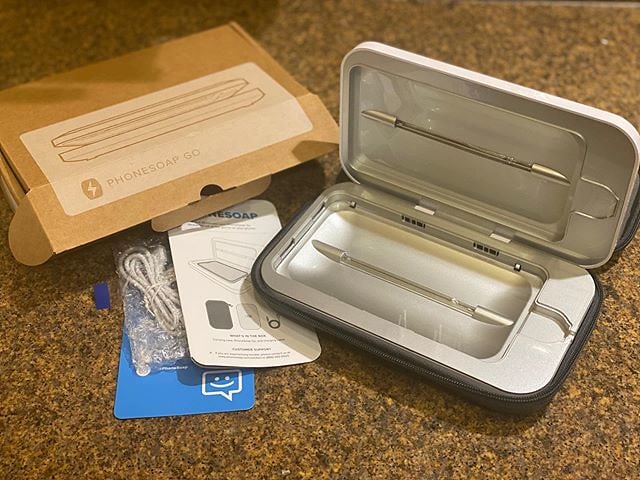
In an era of increasing hygiene awareness, PhoneSoap’s UV sanitizers found their perfect moment. The product that aims to help rid phones of these gross germs is a UV sanitizer. Place a phone, as well as other items like keys and credit cards, inside to be disinfected in just a few minutes. As at December 2022, according to Shark Tank Blog, PhoneSoap celebrated annual revenue of $13.5 million, and by October 2023, its lifetime sales were $187 million. Lori Greiner’s $300,000 investment for 10% proved prescient as health consciousness surged.
Simply Fit Board

This balance board designed for core strengthening became a fitness phenomenon. The Simply Fit Board engages fitness enthusiasts with its promise of fun and effective workouts. This balance board, designed for core strengthening, captured Lori Greiner’s interest, prompting a $125,000 investment for a 20% stake. Its engaging design and versatility have translated into over $160 million in sales. The affordable price point and easy-to-understand concept made it accessible to fitness enthusiasts of all levels.
Blueland

This eco-friendly cleaning company rode the wave of environmental consciousness to impressive heights. After refining their supply chain, they expanded from multi-surface cleaners to hand soaps, laundry tablets, and more. Blueland thrived on DTC (direct-to-consumer) sales, monthly subscriptions, and partnerships with major retailers like Target. By 2023, they topped $160 million in cumulative sales, securing a reputation as a formidable green brand. Kevin O’Leary’s royalty arrangement proved fruitful as the company expanded internationally.
Lovepop
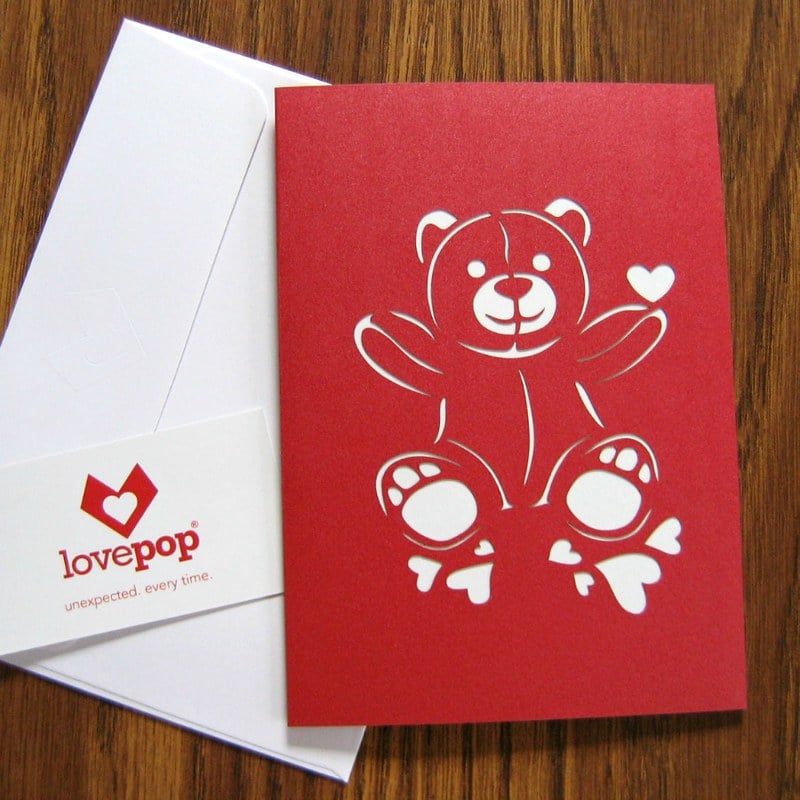
These intricate 3D pop-up greeting cards brought kirigami paper art to the mainstream market. Lovepop arrived in Season 7 (2015) with a fresh angle on greeting cards: intricate 3D pop-ups inspired by kirigami paper sculptures. Founders Wombi Rose and John Wise had reached $300,000 in sales on their own, but they believed a Shark’s connections could propel them into weddings, corporate events, and more. The company has successfully carved out a premium niche in the greeting card industry with their artistic, Instagram-worthy designs.
ReadeREST

A simple solution to a common problem, ReadeREST allows users to clip their reading glasses to their shirts. Rick Hopper, a former Home Depot manager, had a moment of inspiration when he couldn’t find his reading glasses. He developed a solution called ReadeREST that enables users to securely clip their glasses onto their shirts, preventing them from falling out of their pockets or getting lost during everyday activities such as bending over. Lori Greiner saw the potential in this invention and invested $150,000 in exchange for a 65% stake. The product’s first QVC appearance generated $100,000 in sales.
Buttercloth
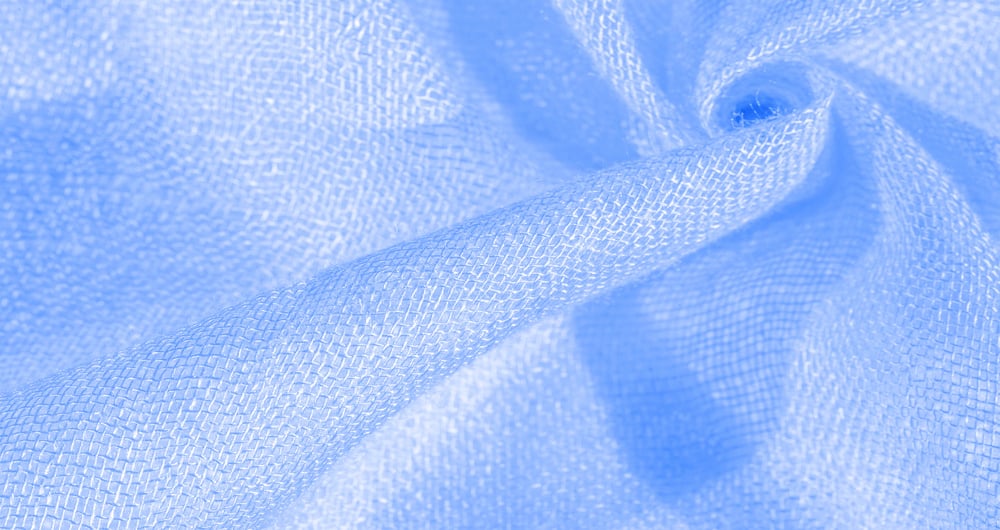
This men’s clothing company revolutionized dress shirts with their ‘Icy Cotton’ fabric technology. Buttercloth is a clothing firm that produces stylish and comfortable shirts made from cotton with just the right amount of tension. Founder Danh Tran has successfully positioned the brand by introducing unique Icy Cotton ingredients in the fabric to keep wearers cool in the summer. Danh Tran reported that the brand made $500,000 in sales within just two weeks after the episode aired. It is a remarkable accomplishment that helped launch Buttercloth’s career. As a result, the company’s projected net worth has climbed to over $15 million.
Kitu Super Coffee

Though they didn’t get a deal on the show, Kitu Super Coffee became one of the most successful ‘misses’ in Shark Tank history. Jordan DeCicco, the youngest DeCicco brother, founded Kitu Super Coffee after realizing that sports energy drinks had a high sugar content. With the help of his older brothers, they created an organic coffee beverage with lactose-free proteins and beneficial fats from coconut oil. During the show, Kitu Super Coffee was valued at $200 million, and today its valuation is between $70-150 million, making it one of the most successful shows in Shark Tank history.
From the Tank to the Top

The success of these 17 products demonstrates that Shark Tank has become more than just a television show—it’s a legitimate launching pad for entrepreneurs with genuine innovation and determination. Whether they secured deals with the Sharks or not, these companies prove that the right combination of product-market fit, smart marketing, and relentless execution can turn simple ideas into billion-dollar businesses. The show’s platform continues to create household names and transform entire industries, one pitch at a time.
More from Go2Tutors!

- 16 Historical Figures Who Were Nothing Like You Think
- 12 Things Sold in the 80s That Are Now Illegal
- 15 VHS Tapes That Could Be Worth Thousands
- 17 Historical “What Ifs” That Would Have Changed Everything
- 18 TV Shows That Vanished Without a Finale
Like Go2Tutors’s content? Follow us on MSN.



