15 Largest Versions of Everyday Objects Ever Built
There’s something deeply satisfying about taking a mundane object and making it comically, impossibly large. Maybe it’s the childlike joy of scale disruption, or perhaps it’s the stubborn human need to prove that if something can be built bigger, it absolutely should be.
Around the world, communities have embraced this impulse with startling dedication, constructing oversized versions of teapots, rubber ducks, and shopping carts that tower over the landscape like monuments to our collective sense of whimsy. These aren’t just tourist attractions (though they certainly serve that purpose) — they’re declarations that ordinary things deserve extraordinary treatment.
World’s Largest Round of Twine

Kansas takes its twine seriously. The orb sits in Cawker City, weighing over 20,000 pounds and measuring more than 40 feet around.
They still add to it during the annual Twine-a-Thon festival.
Giant Rubber Duck
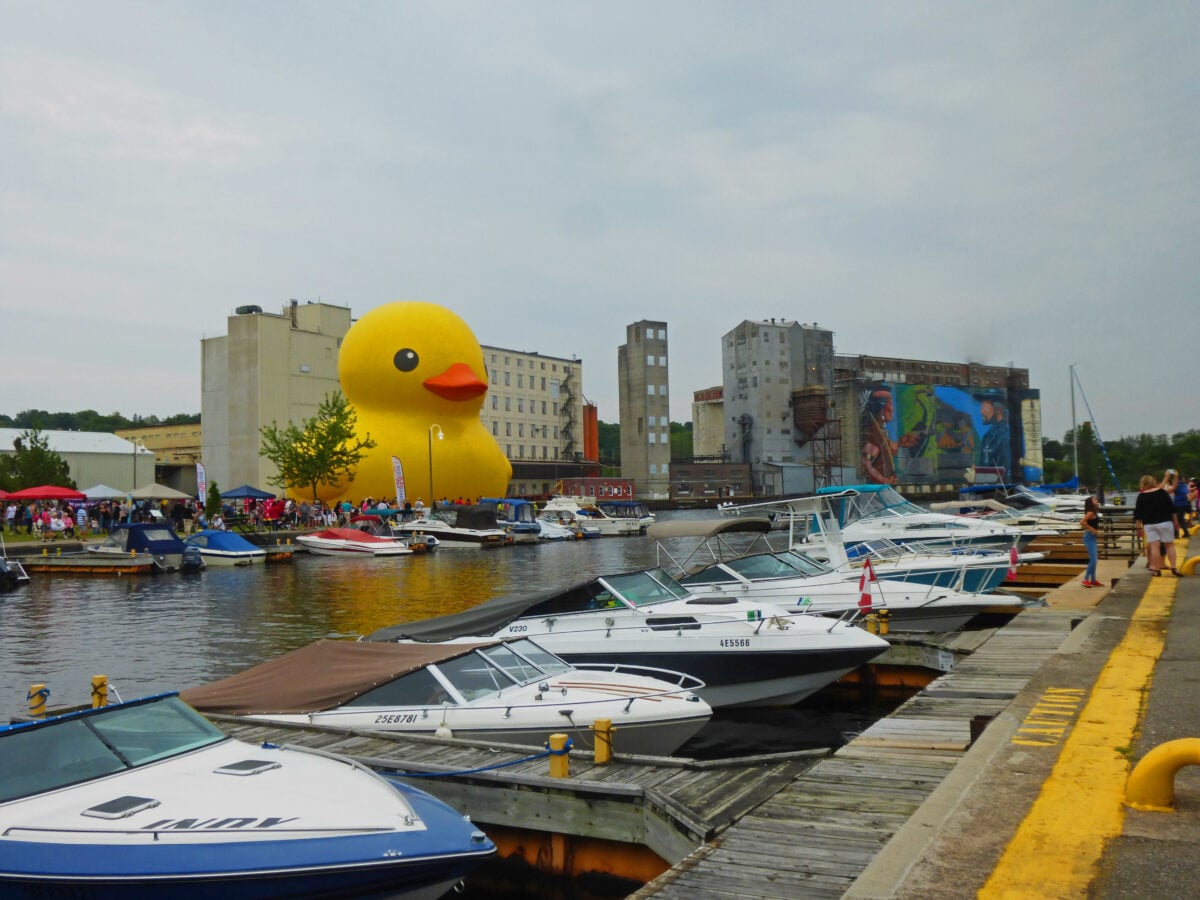
This 61-foot inflatable duck has traveled the world, appearing in harbors from Hong Kong to Pittsburgh. Dutch artist Florentijn Hofman created it to bring joy to urban waterways.
The thing requires constant air pumping and a small crew to monitor it — which is saying something for a bath toy.
Colossal Teapot
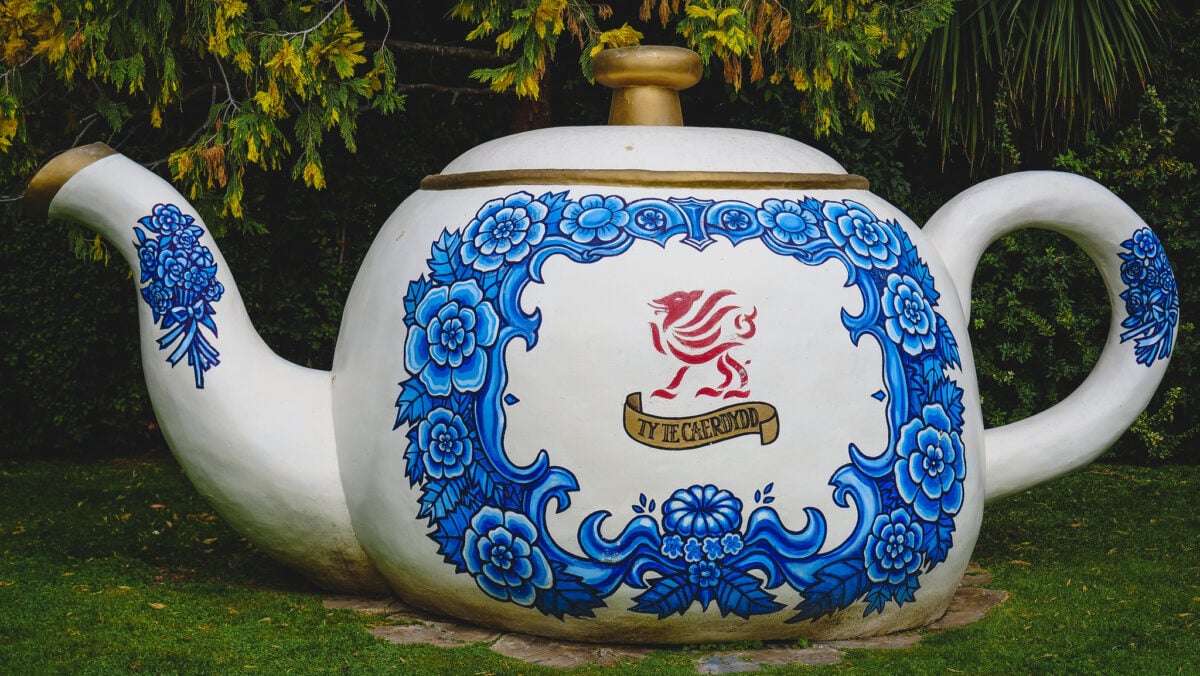
West Virginia’s answer to roadside attractions stands 14 feet tall and once served as both a teapot-shaped building and a functional restaurant (because of course it did, this being America where everything must serve at least two purposes). Built in 1938, the structure has weathered decades with the peculiar dignity that only oversized kitchen implements can manage.
And yet there’s something oddly comforting about a teapot large enough to walk inside — as if the promise of an infinitely large cup of tea might actually solve the world’s problems, one giant sip at a time. The building’s creator, William Devon, understood something fundamental about human nature: people will drive considerable distances to see familiar objects rendered at impossible scales.
Not because they’re particularly beautiful or meaningful, but because they shouldn’t exist at all.
Enormous Clothespin
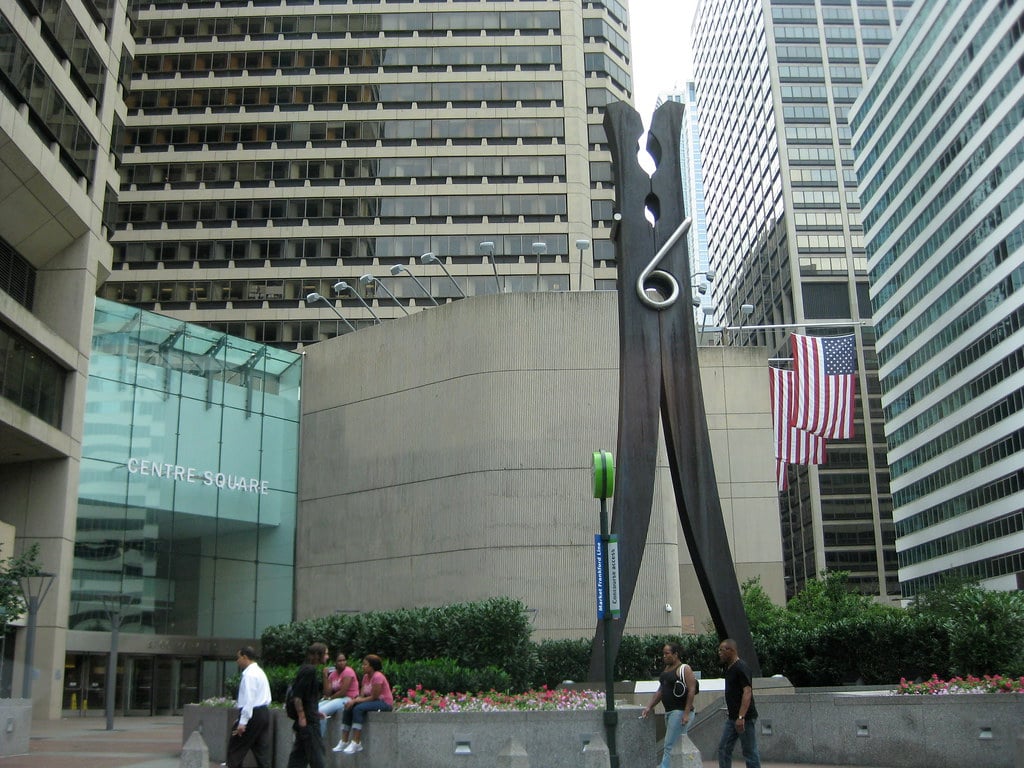
Philadelphia decided its downtown needed a 45-foot steel clothespin, and nobody questioned this decision. Claes Oldenburg’s sculpture has been pinning the city together since 1976, standing like a patient guardian between office buildings.
Massive Spoon and Cherry
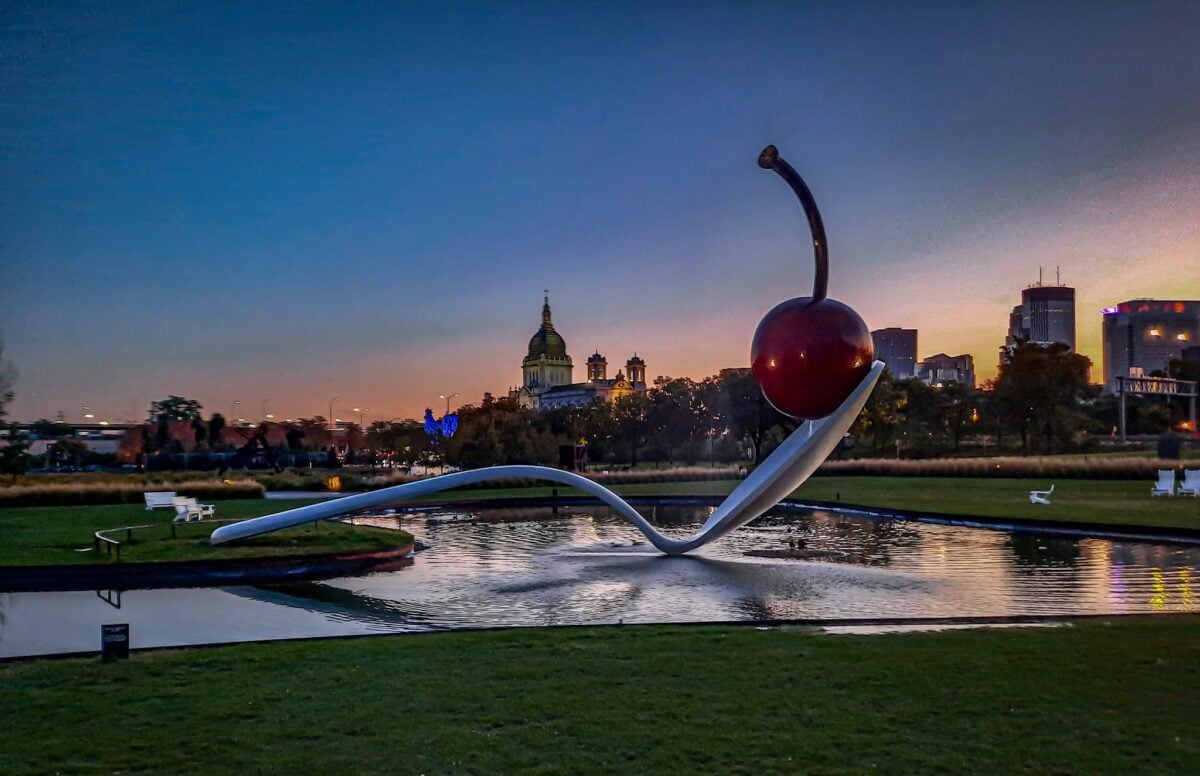
Minneapolis sits home to a 51-foot spoon balanced with a cherry on top (and when you think about it, this represents either the world’s most optimistic breakfast or the most inefficient way to serve fruit, though the distinction hardly matters when you’re standing beneath something that could theoretically ladle Lake Superior). The Oldenburg and van Bruggen collaboration sits in a sculpture garden where it anchors the landscape with the sort of domestic surrealism that makes you reconsider every utensil in your kitchen drawer.
But here’s what’s remarkable: people don’t just visit this thing once. They return with friends, with children, with visiting relatives — as if the spoon has become a touchstone for measuring life’s changes.
Standing next to it last year versus this year becomes a way of tracking time’s passage.
Giant Fork

Springfield, Missouri stuck a 35-foot fork in the ground and called it art. The stainless steel utensil stands outside a restaurant, doing what all good advertising should do: making the impossible seem perfectly reasonable.
World’s Largest Rocking Chair

Casey, Illinois built a 56-foot rocking chair that actually rocks (though sitting in it requires scaffolding and a complete disregard for personal safety, which seems to defeat the entire purpose of rocking chairs as symbols of peaceful contemplation). The town didn’t stop there — they’ve made it their mission to hold multiple world records for oversized objects, turning their main street into a catalog of things that shouldn’t exist at this scale but absolutely do.
The chair weighs 46,200 pounds and took two years to build, which represents either admirable dedication or spectacular misallocation of resources, depending on your perspective. Either way, it works exactly as intended: people drive hours just to stand underneath it and take photos that make them look like dolls.
Colossal Coffee Pot
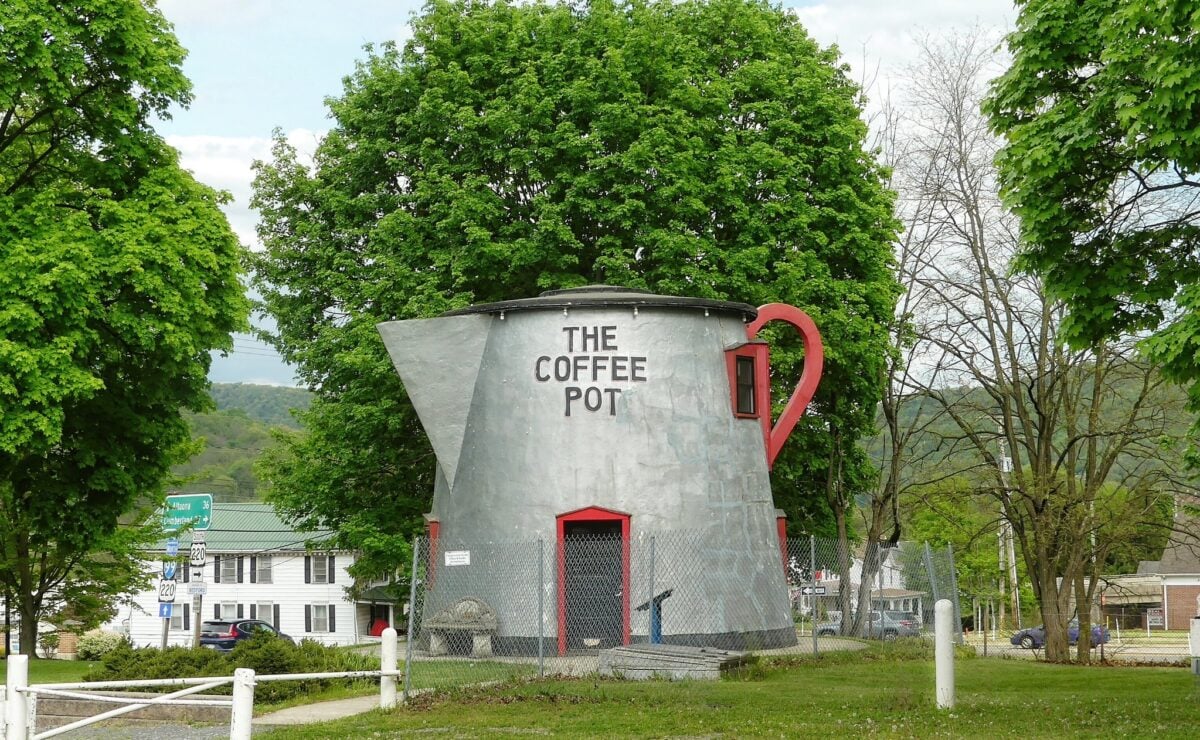
New Bedford, Massachusetts towers over visitors with its 20-foot coffee pot, built in 1858 as a way to advertise a tinsmith’s shop. The fact that it’s still standing proves that good advertising never goes out of style.
Gigantic Garden Gnome
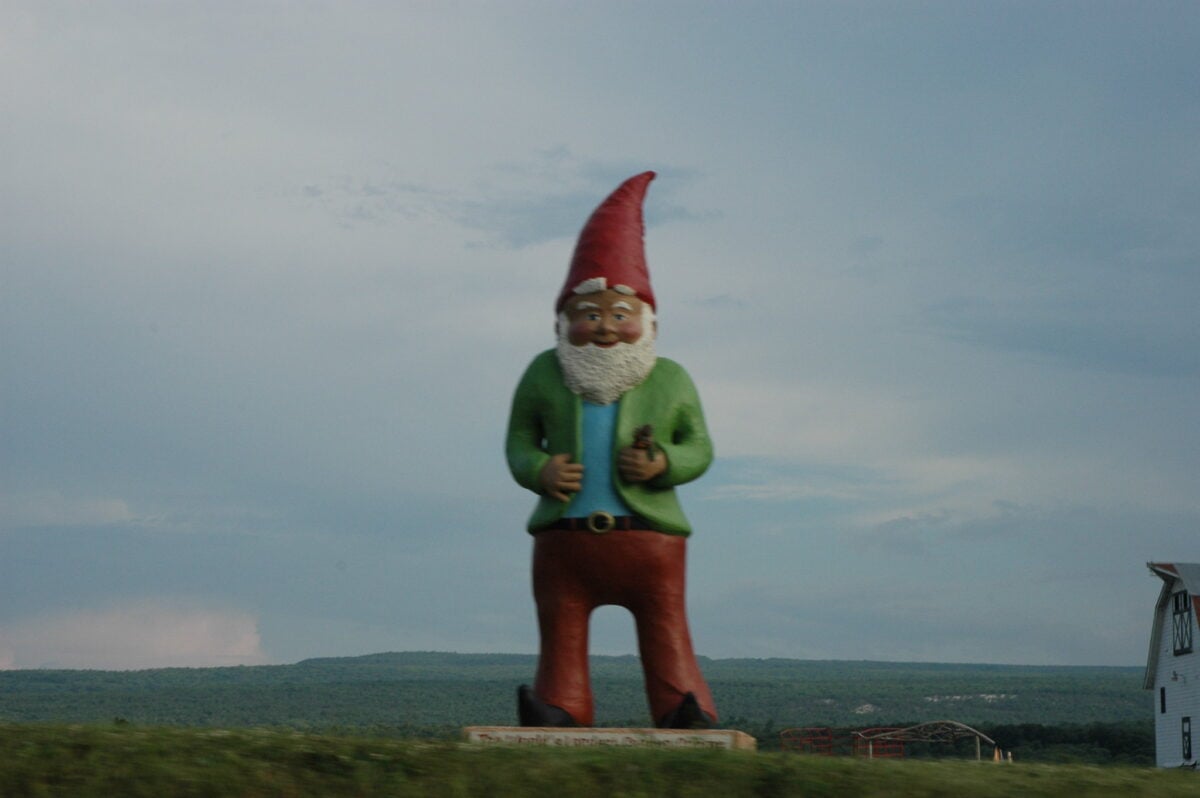
This 13-and-a-half-foot gnome in Poland guards a roundabout with the serious expression that only lawn ornaments can maintain (and there’s something deeply unsettling about a creature whose job description apparently involves staring at traffic patterns while wearing a pointed hat that could impale low-flying aircraft). The Slepsk town council commissioned this particular giant after deciding their intersection needed more whimsy, though “whimsy” might not be the right word for something that weighs several tons and could probably survive a direct meteor strike.
Gnomes traditionally protect gardens from evil spirits, but scaling one up to industrial proportions seems like overkill — unless Polish evil spirits are significantly larger than average, which the town council has never officially confirmed or denied.
Enormous Catsup Bottle
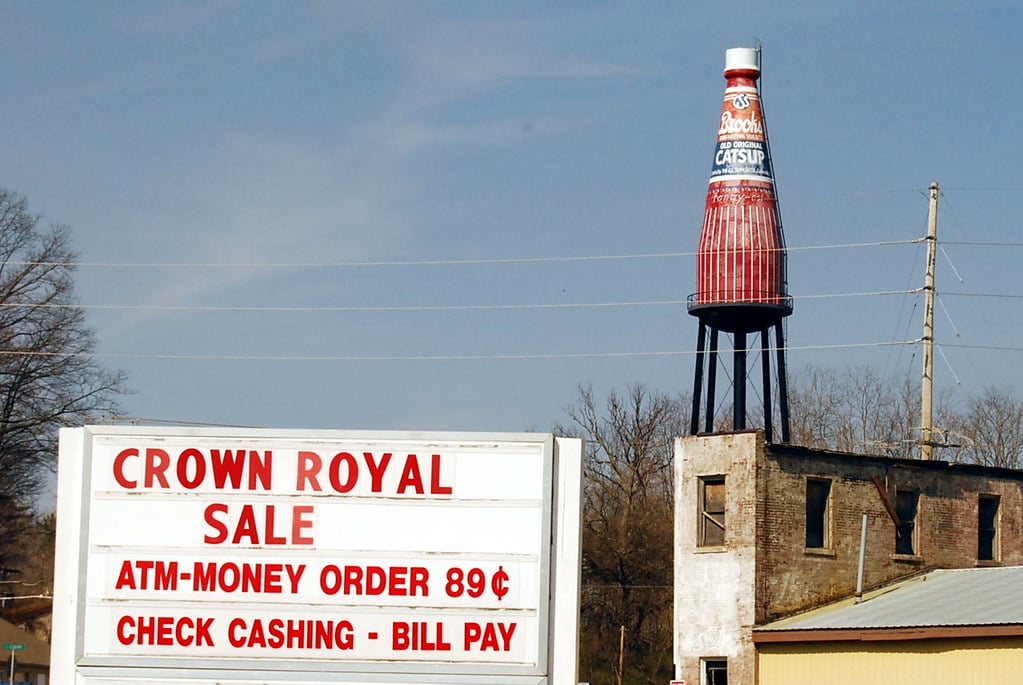
The 170-foot water tower in Illinois shaped like a Brooks Catsup bottle has been conditioning traffic for decades. Built in 1949, it holds 100,000 gallons and proves that American advertising will literally reach for the sky.
Massive Mailbox
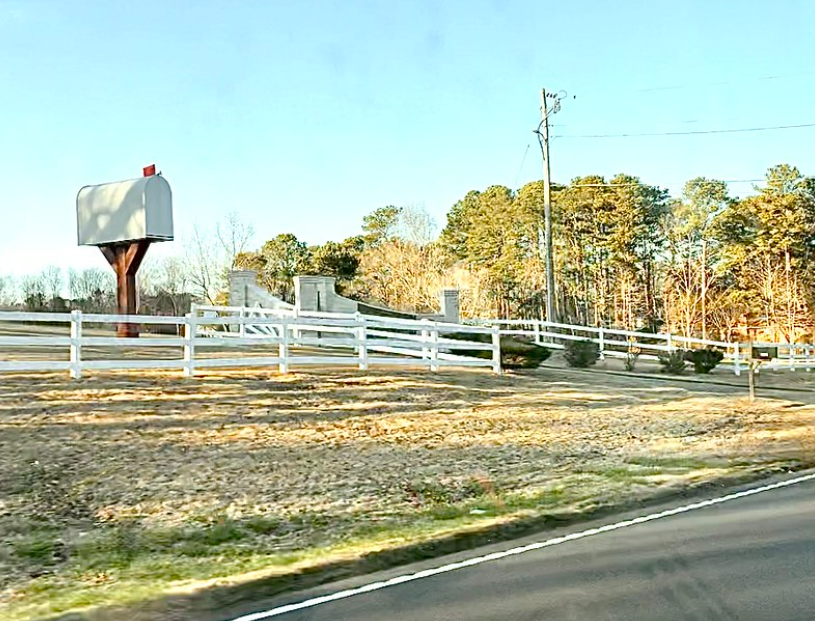
Georgia’s 32-foot mailbox stands ready to receive correspondence from giants, though the postal service has never clarified whether they’ll actually deliver mail to it (which seems like a missed opportunity for interspecies communication, assuming giants have developed a written language and understand ZIP codes). The structure serves as a roadside attraction in a state that clearly understands the tourism value of making everyday objects completely impractical.
The mailbox includes a working flag that can be raised and lowered, though doing so requires a ladder and considerable optimism about the giant postal system’s efficiency. But perhaps that’s the point — sometimes the gesture matters more than the function, and a mailbox that can’t receive mail still succeeds as a symbol of communication’s possibility.
Giant Scissors
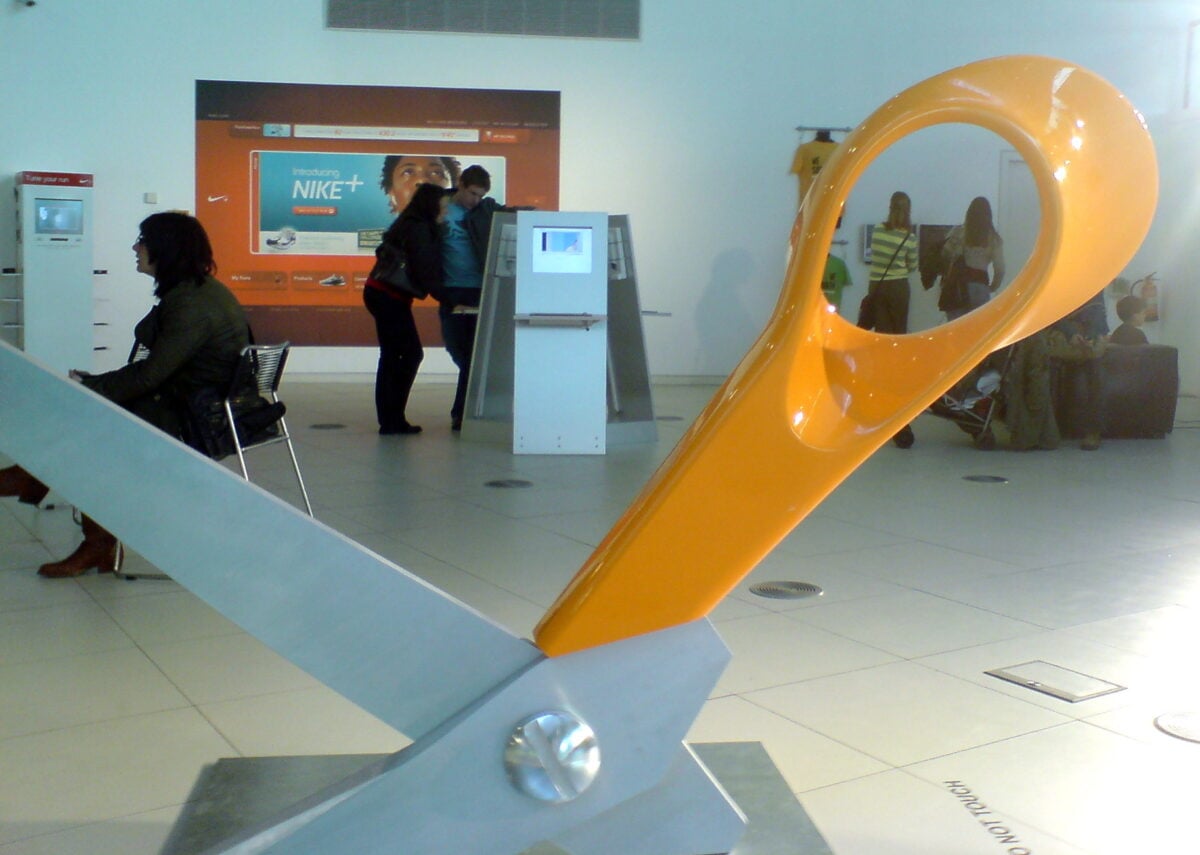
The 20-foot scissors in Connecticut cut through expectations of what roadside attractions should accomplish. They stand outside a hair salon, making the world’s most literal visual pun while somehow maintaining artistic dignity.
World’s Largest Thermometer
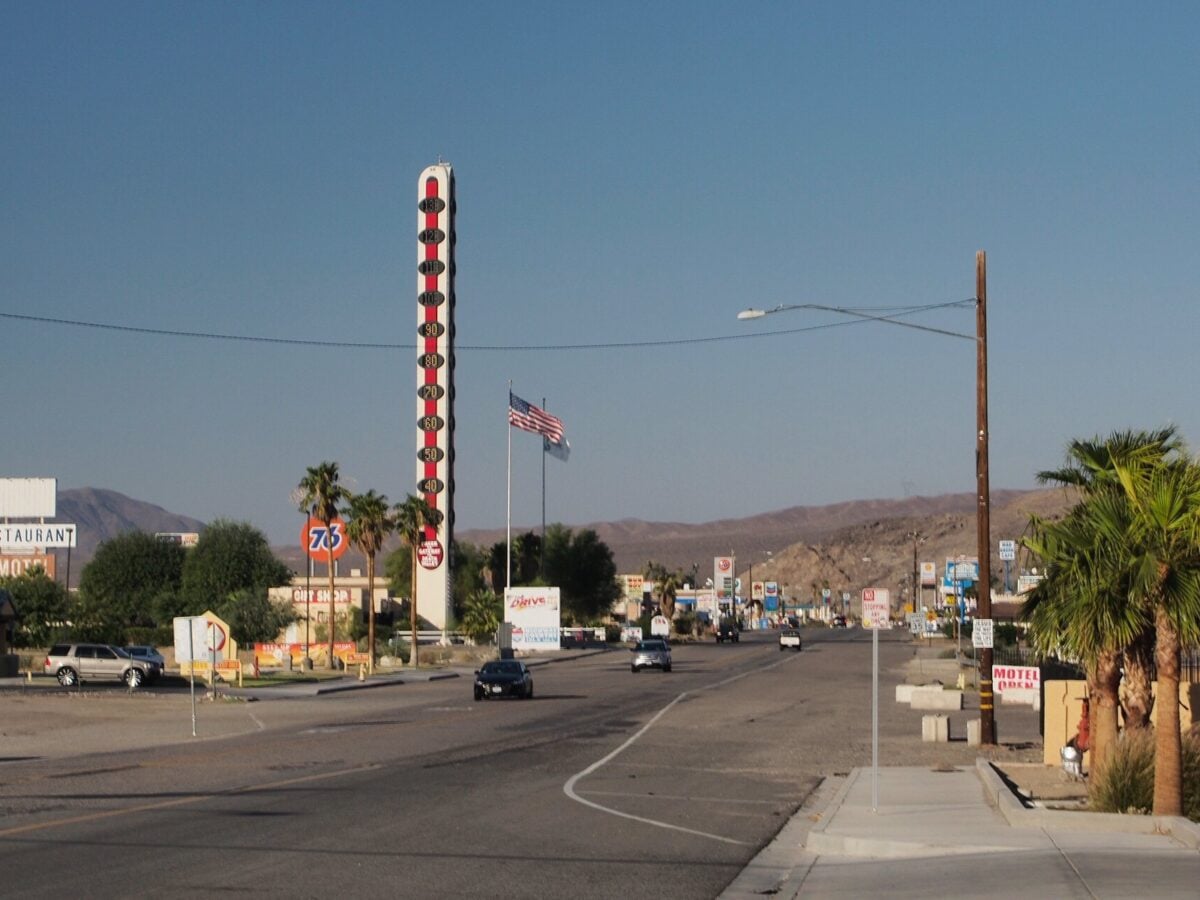
Baker, California installed a 134-foot thermometer that actually works, displaying the desert temperature for passing motorists (and given that Baker regularly experiences temperatures that could cook food, this feels less like helpful information and more like a warning system for anyone foolish enough to exit their air-conditioned vehicles). The electronic display updates in real-time, turning weather reporting into a roadside spectacle that’s visible from miles away.
At 134 feet, it matches the record high temperature ever recorded in Death Valley — 134 degrees Fahrenheit — which represents either thoughtful symbolism or an alarming coincidence that nobody wants to think about too carefully.
Colossal Cuckoo Clock

Ohio’s 23-foot cuckoo clock actually cuckoos on the hour, producing a sound that can be heard for blocks. The Swiss-inspired timepiece proves that some traditions improve dramatically when amplified to neighborhood-disrupting volumes.
Giant Shopping Cart

Oklahoma City built a 30-foot shopping cart that sits permanently in a grocery store parking area. The cart will never roll properly, never get stuck with that one wobbly wheel, and never be returned to the designated collection area — making it the most well-behaved shopping cart in existence.
Tremendous Pencil
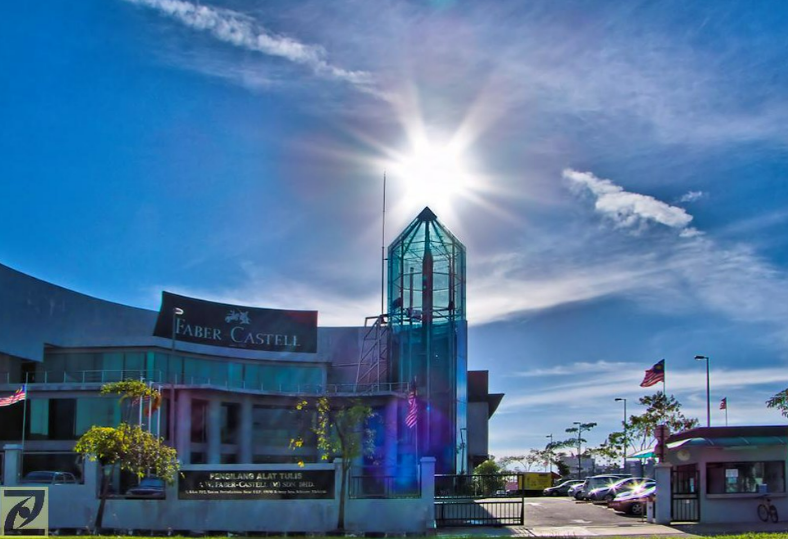
Malaysia’s 65-foot pencil stands as the world’s largest, though it has never been sharpened (which seems like a tremendous waste of graphite potential, but perhaps some things are too magnificent to reduce to wood shavings and lead dust). The pencil weighs over 1,900 pounds and required special engineering to prevent it from snapping under its own weight — a consideration that normal pencils never have to worry about, being designed for the modest task of making marks on paper rather than dominating skylines.
Built by a pencil company as both advertisement and art installation, it succeeds at being completely impractical while somehow making perfect sense as a monument to the simple act of writing.
The Impulse Toward Enormity

These monuments to scale represent more than quirky roadside attractions — they’re expressions of a fundamentally human need to make the ordinary extraordinary. There’s something both ridiculous and profound about a community deciding that their town needs a 45-foot clothespin or a giant teapot, then following through with the engineering, funding, and sheer stubborn persistence required to make it happen.
Perhaps these oversized objects succeed because they remind us that wonder doesn’t require complexity — sometimes it just requires taking something familiar and making it impossibly, gloriously, unnecessarily large.
More from Go2Tutors!

- The Romanov Crown Jewels and Their Tragic Fate
- 13 Historical Mysteries That Science Still Can’t Solve
- Famous Hoaxes That Fooled the World for Years
- 15 Child Stars with Tragic Adult Lives
- 16 Famous Jewelry Pieces in History
Like Go2Tutors’s content? Follow us on MSN.



