Classic Cartoons with Deeper Undertones
There has always been more to cartoons than lively characters and Saturday morning giggles. Beneath the memorable theme songs and hilarious chaos, many of them had unexpectedly profound messages.
The layers of satire, social commentary, and even philosophy that were hidden within the gags were entirely unknown to us as children. These timeless works, which span from the height of animation to the shows that shaped the 1990s, show that cartoons were not just kid-friendly but also insightful reflections of the times and of human nature in general.
These 15 animated favorites will mean different things when you’re old enough to comprehend them.
Looney Tunes
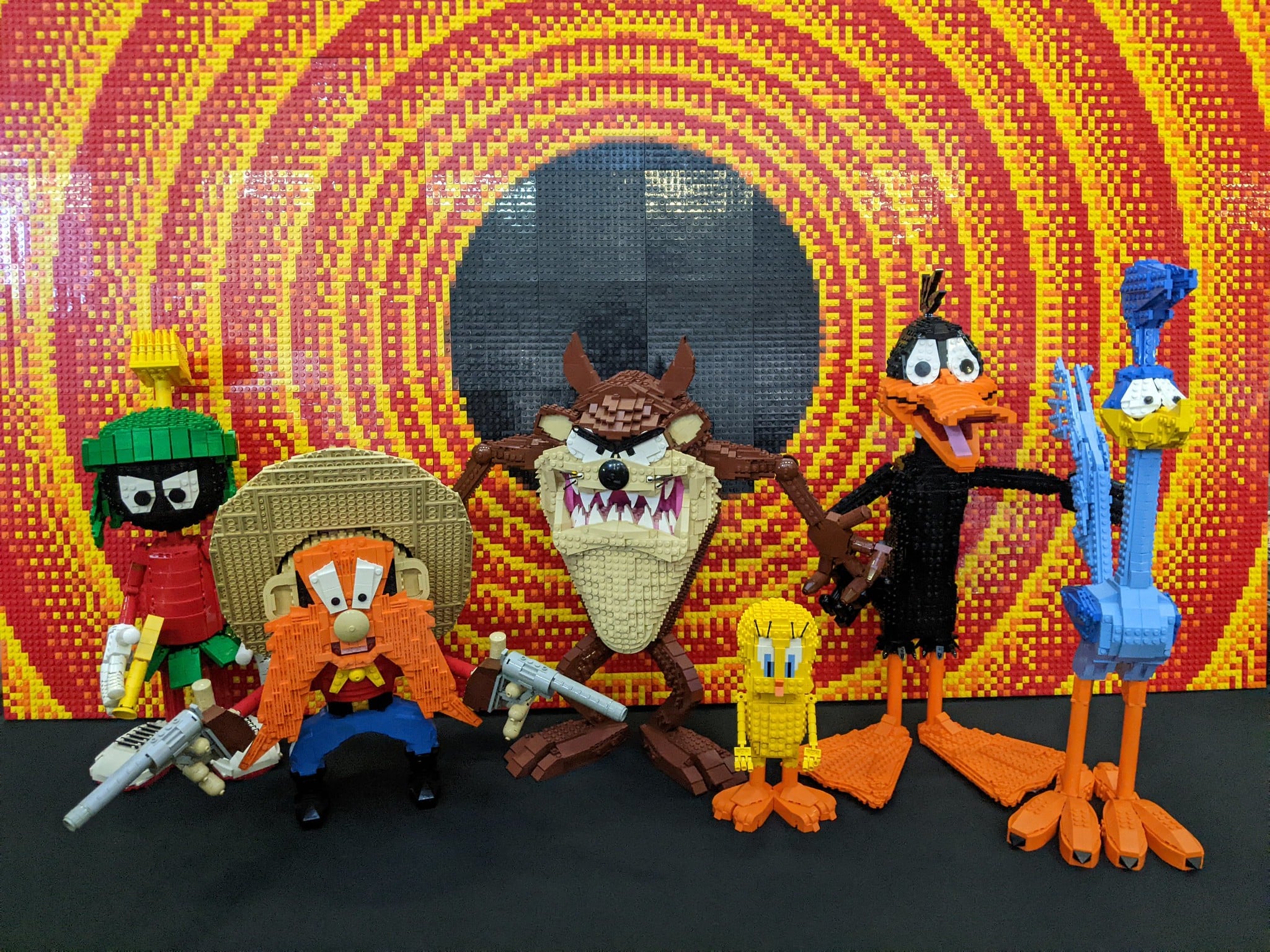
Although Looney Tunes may seem like pure slapstick entertainment, children were not the original target audience. These adult-oriented shorts, which were full of sardonic allusions and scathing commentary, aired before movies.
Daffy Duck’s insatiable need for attention skewered the desire for celebrity status, while Bugs Bunny’s one-liners frequently made fun of the upper class. A scathing social critique wrapped in cartoon chaos was hidden within the jokes.
The Flintstones
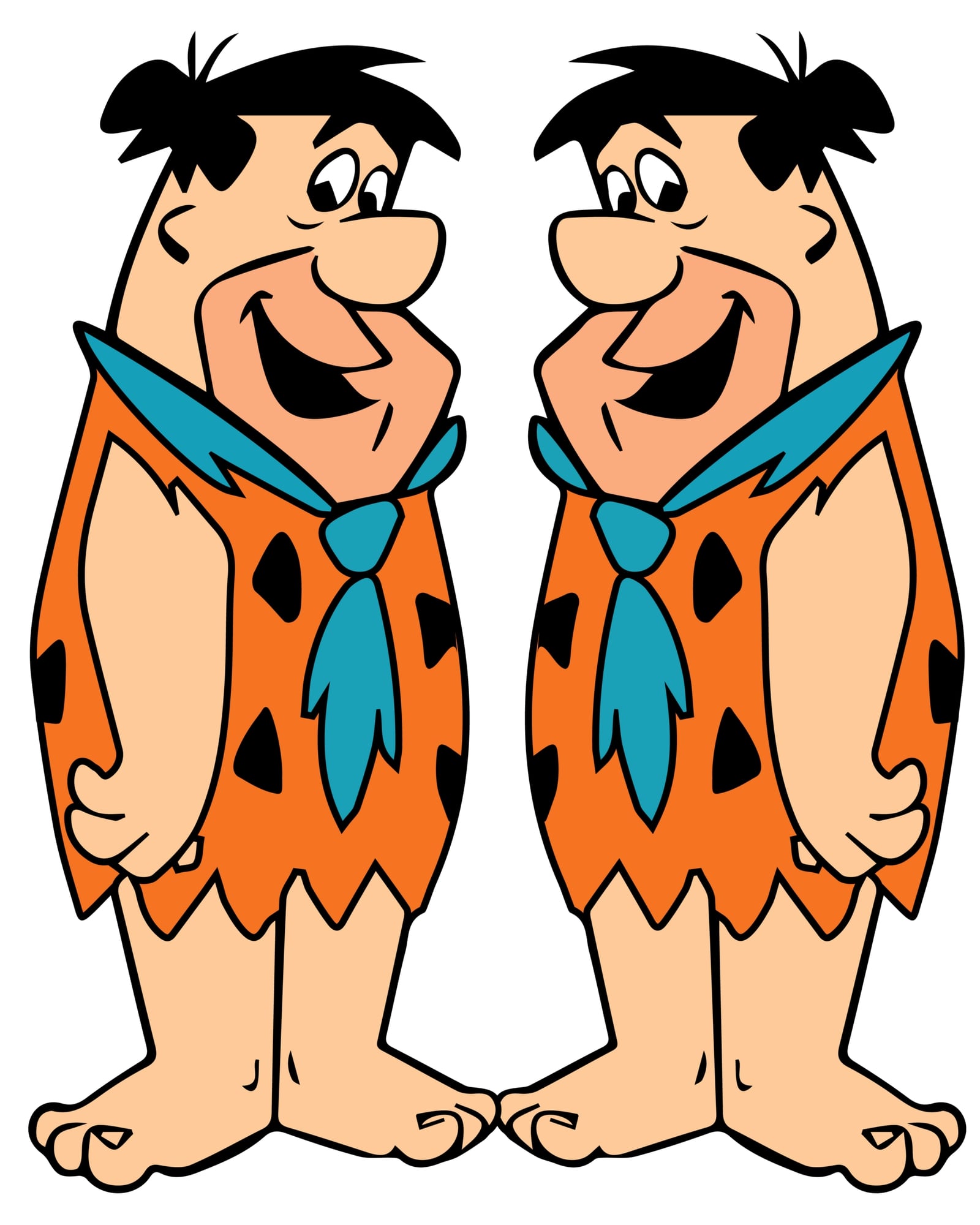
More than just oddballs, Fred Flintstone and his archaic neighbors reflected 1960s suburban America. By exaggerating it with brontosaurus dishwashers and mammoth-powered cars, the show made fun of the era’s expanding consumer culture.
Any middle-class home of the era would have recognized Fred’s financial concerns, job annoyances, and status-chasing.
Like Go2Tutors’s content? Follow us on MSN.
Scooby-Doo, Where Are You!

Every Scooby-Doo villain turned out to be someone with power or wealth hiding behind a mask. This recurring twist wasn’t just for fun — it mirrored a growing cultural skepticism toward authority in the late ’60s and early ’70s.
The show also had an underlying message: logic and teamwork unravel mysteries far faster than superstition ever could.
Fat Albert and the Cosby Kids
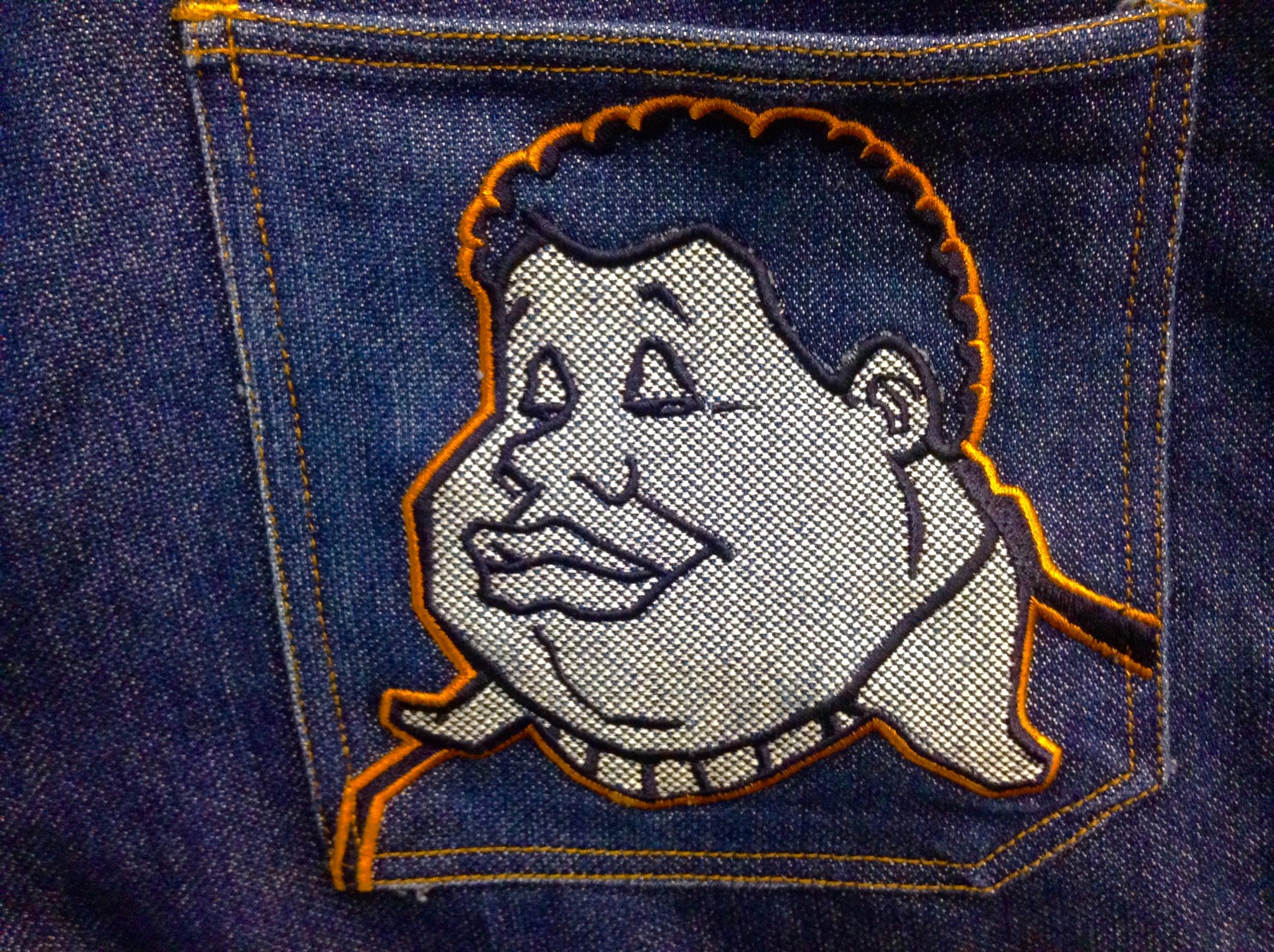
This series dared to address real problems head-on, something few cartoons had done before. Its stories explored poverty, bullying, friendship, and self-worth without sugarcoating them.
It didn’t rely on fantasy to connect with young viewers; instead, it reflected their world and taught compassion in ways that felt genuine.
The Smurfs
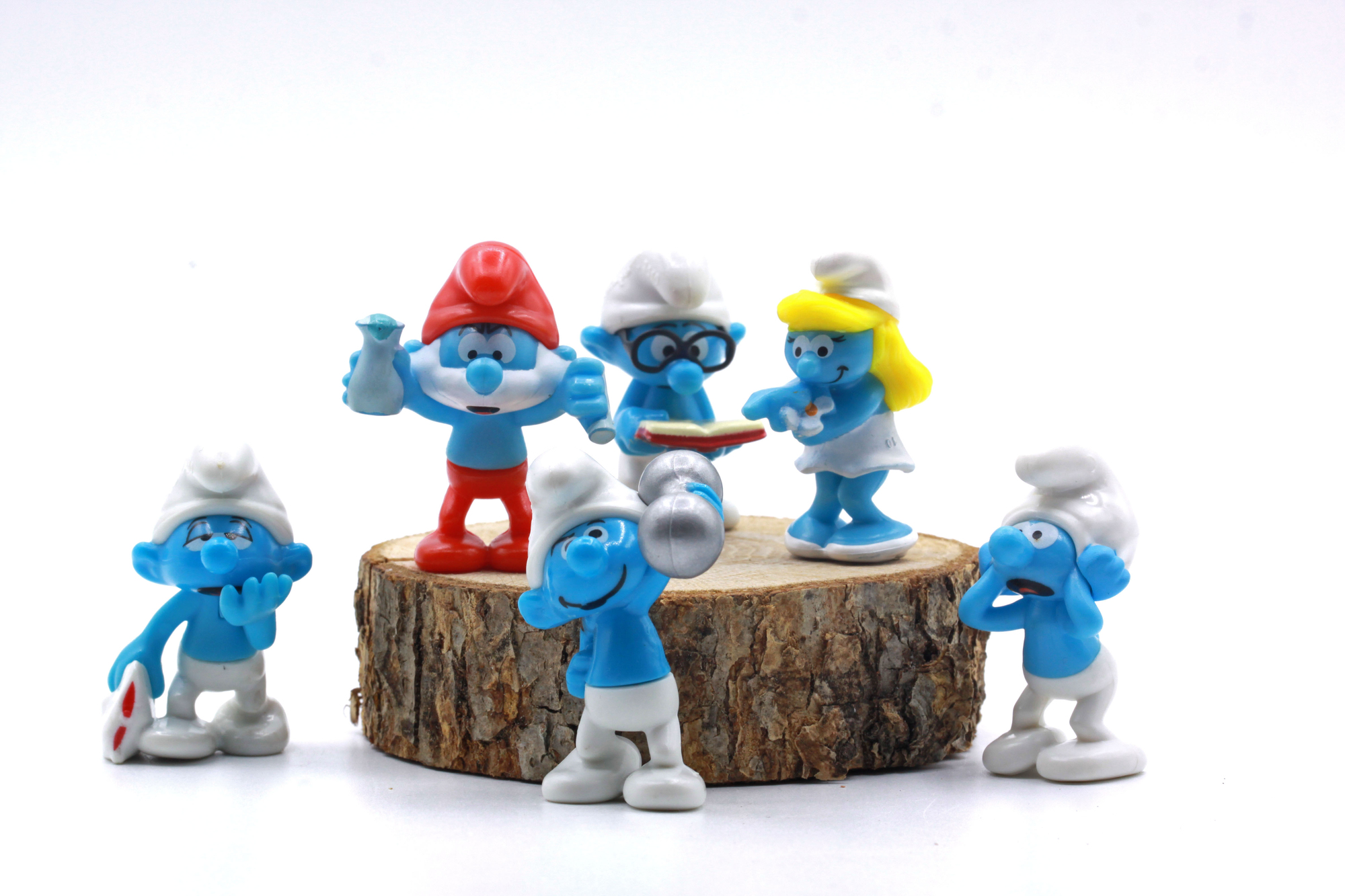
To children, the Smurfs were just tiny blue creatures living in harmony. But to some critics, the village hinted at something deeper — a collective society where everyone shared and contributed equally.
Gargamel, the greedy outsider, symbolized disruption and greed. Whether intentional or not, the show raised quiet questions about how societies thrive or fracture.
Like Go2Tutors’s content? Follow us on MSN.
He-Man and the Masters of the Universe
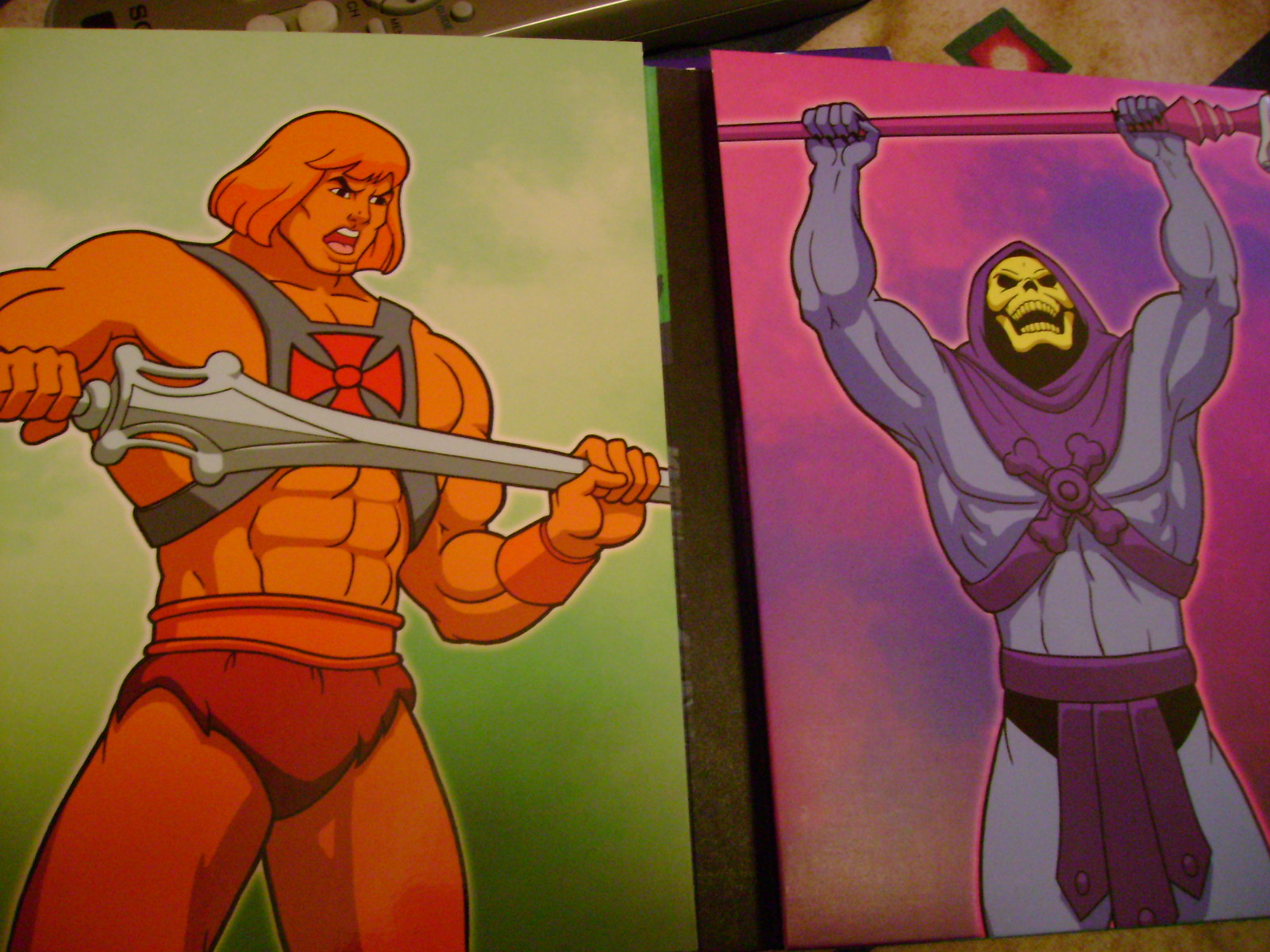
He-Man may have been created to sell action figures, but its themes ran deeper. Prince Adam’s secret identity represented the struggle between who we are inside and who the world expects us to be.
Each episode wrapped its lessons in epic battles, yet the heart of the story was about using power with care and integrity.
G.I. Joe: A Real American Hero
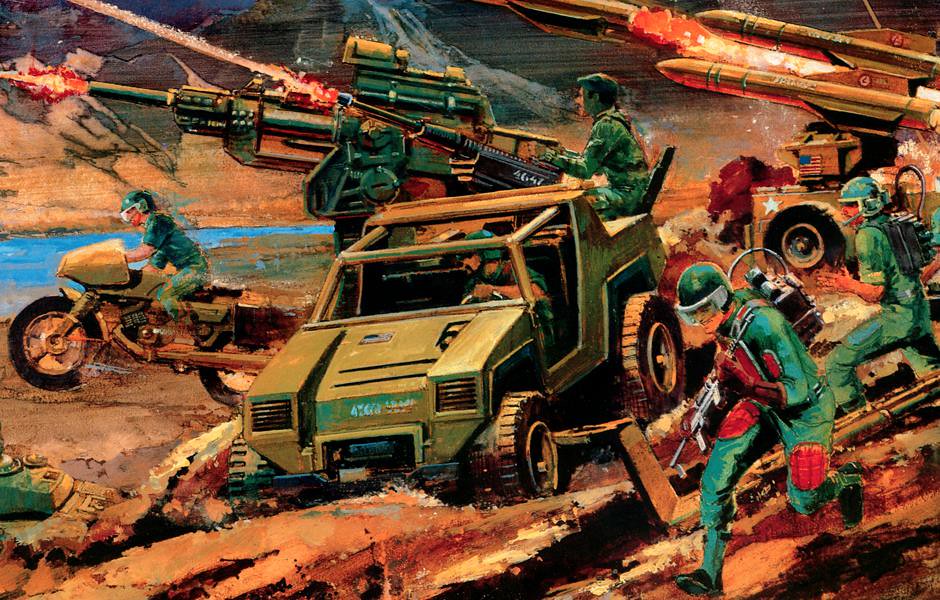
This show was equal parts military fantasy and moral instruction. It glorified soldiers as heroes, but every episode ended with a friendly PSA about peace, safety, or good behavior.
That strange mix reflected America’s complicated feelings about war — pride in strength, paired with a yearning for peace.
Captain Planet and the Planeteers
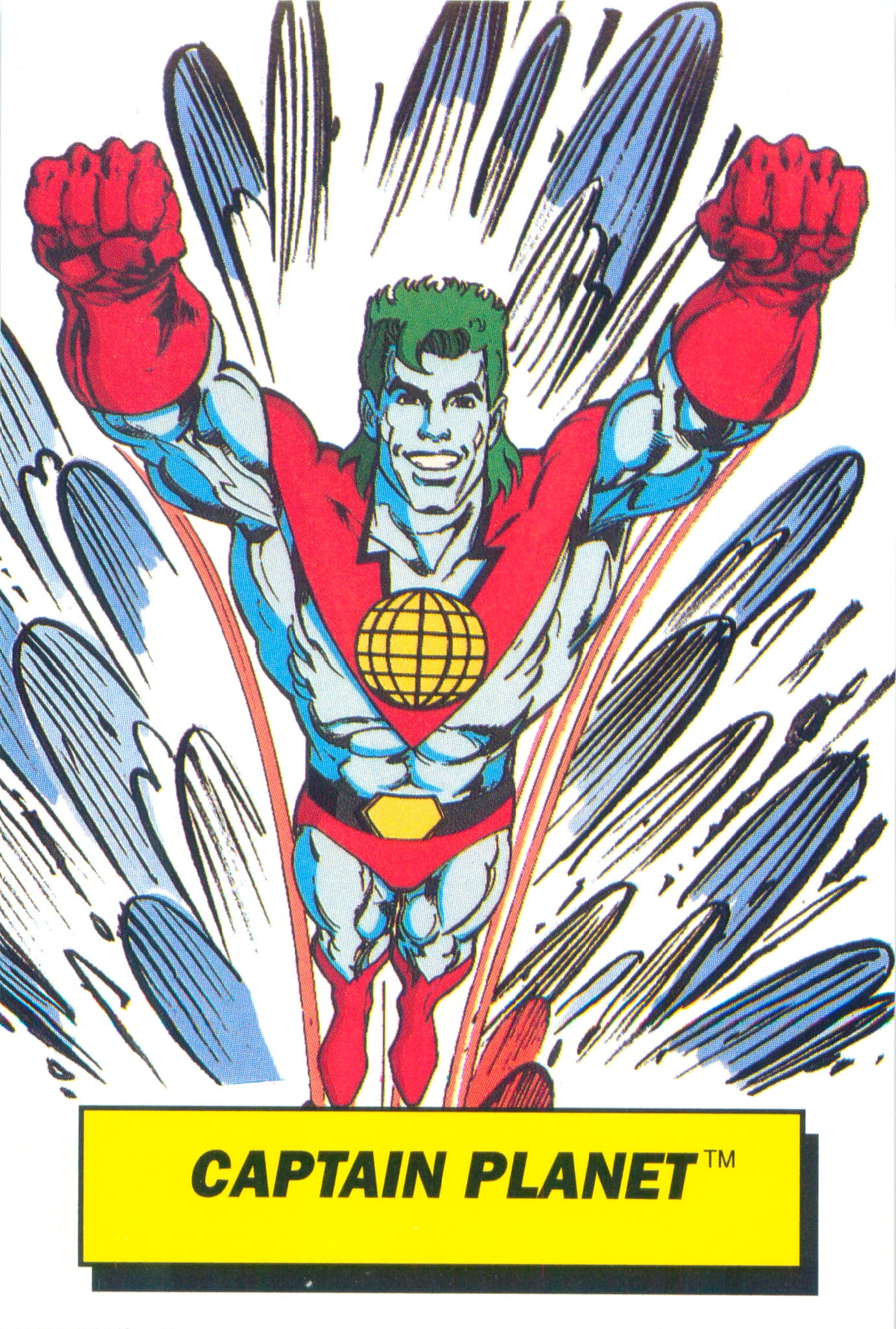
Captain Planet didn’t tiptoe around its message — it charged straight at it. Pollution, greed, and corporate destruction were the villains, while teamwork and personal responsibility were the heroes.
Its over-the-top approach may have been campy, but it was also ahead of its time. The message of collective action against environmental harm still rings true today.
Like Go2Tutors’s content? Follow us on MSN.
Rocko’s Modern Life
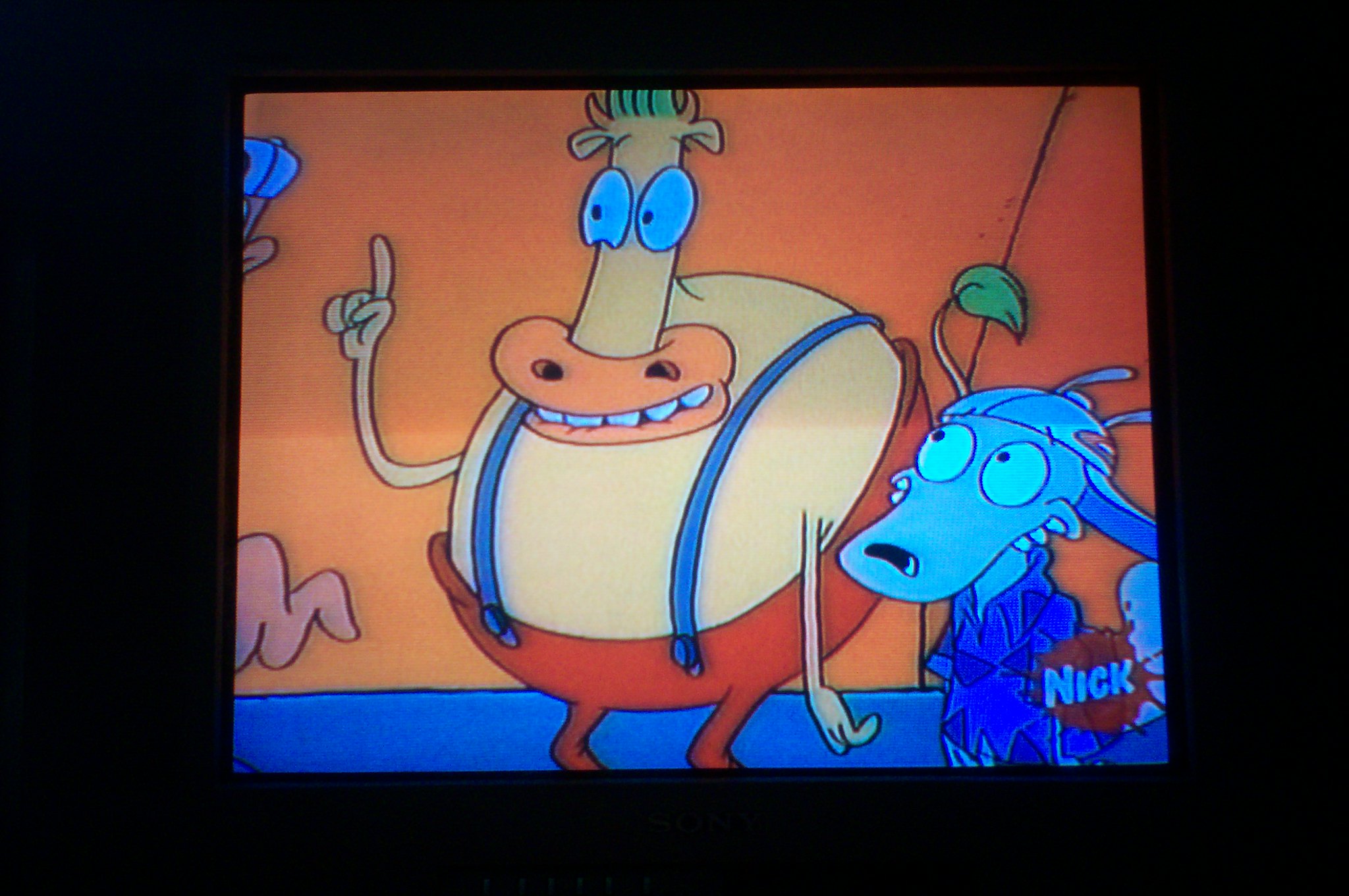
What looked like a zany cartoon about a wallaby was actually a biting satire of modern adulthood. Rocko faced soul-crushing jobs, endless bills, and bizarre neighbors who embodied the absurdities of modern life.
The show’s humor worked on two levels — fun for kids, painfully relatable for adults.
The Ren & Stimpy Show
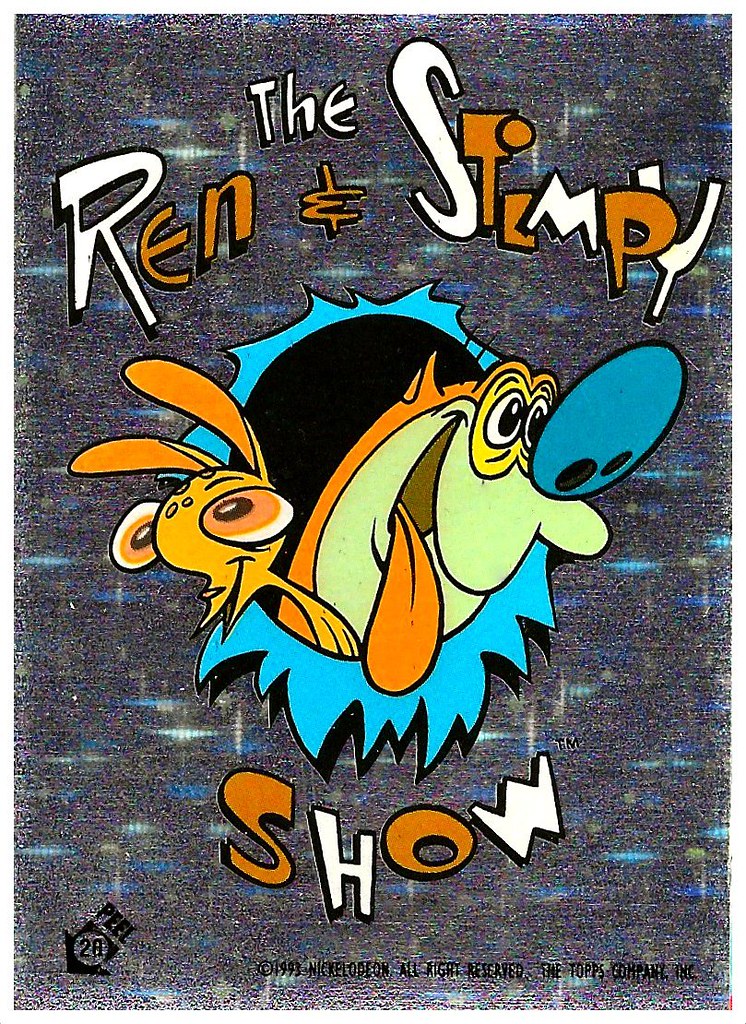
This cartoon pushed boundaries like few others. Underneath its chaotic, sometimes grotesque humor, it explored obsession, dependency, and emotional instability.
Ren and Stimpy’s volatile relationship was both uncomfortable and fascinating, turning a kids’ cartoon into a surprisingly complex psychological portrait.
Animaniacs
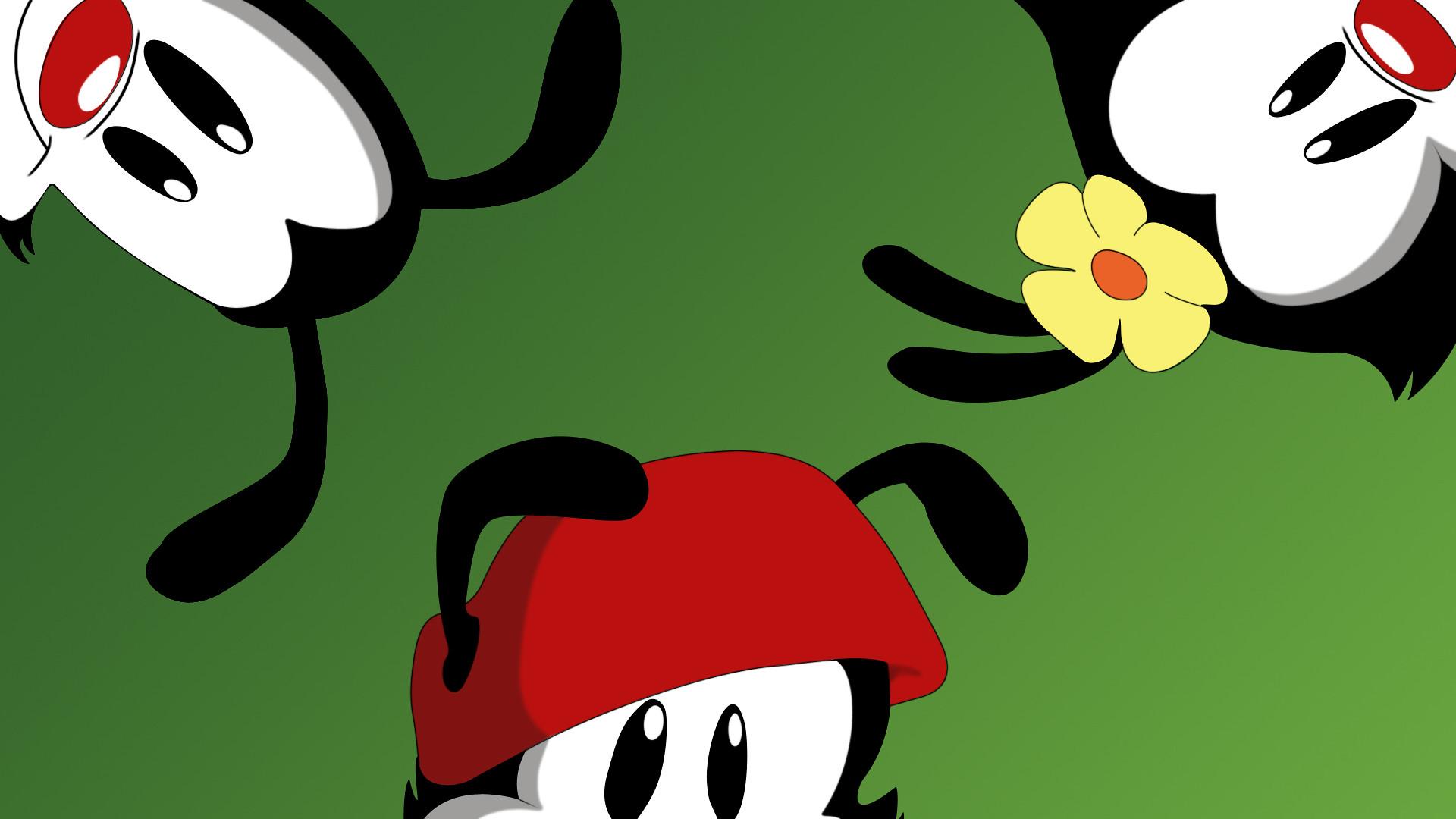
Animaniacs delivered jokes at lightning speed, many of which only adults truly understood. It poked fun at politicians, mocked Hollywood, and slipped in clever satire without missing a beat.
Its spinoff, “Pinky and the Brain,” layered in a surprisingly thoughtful take on ambition and failure — all through two genetically altered lab mice.
Like Go2Tutors’s content? Follow us on MSN.
Courage the Cowardly Dog

Beneath the jump scares and surreal monsters was a story about fear itself. Courage’s lonely farmhouse symbolized isolation, and the bizarre creatures often stood in for real human fears: change, aging, and loss.
In the end, the show wasn’t just about fear — it was about finding courage even when the world feels terrifying.
The Powerpuff Girls
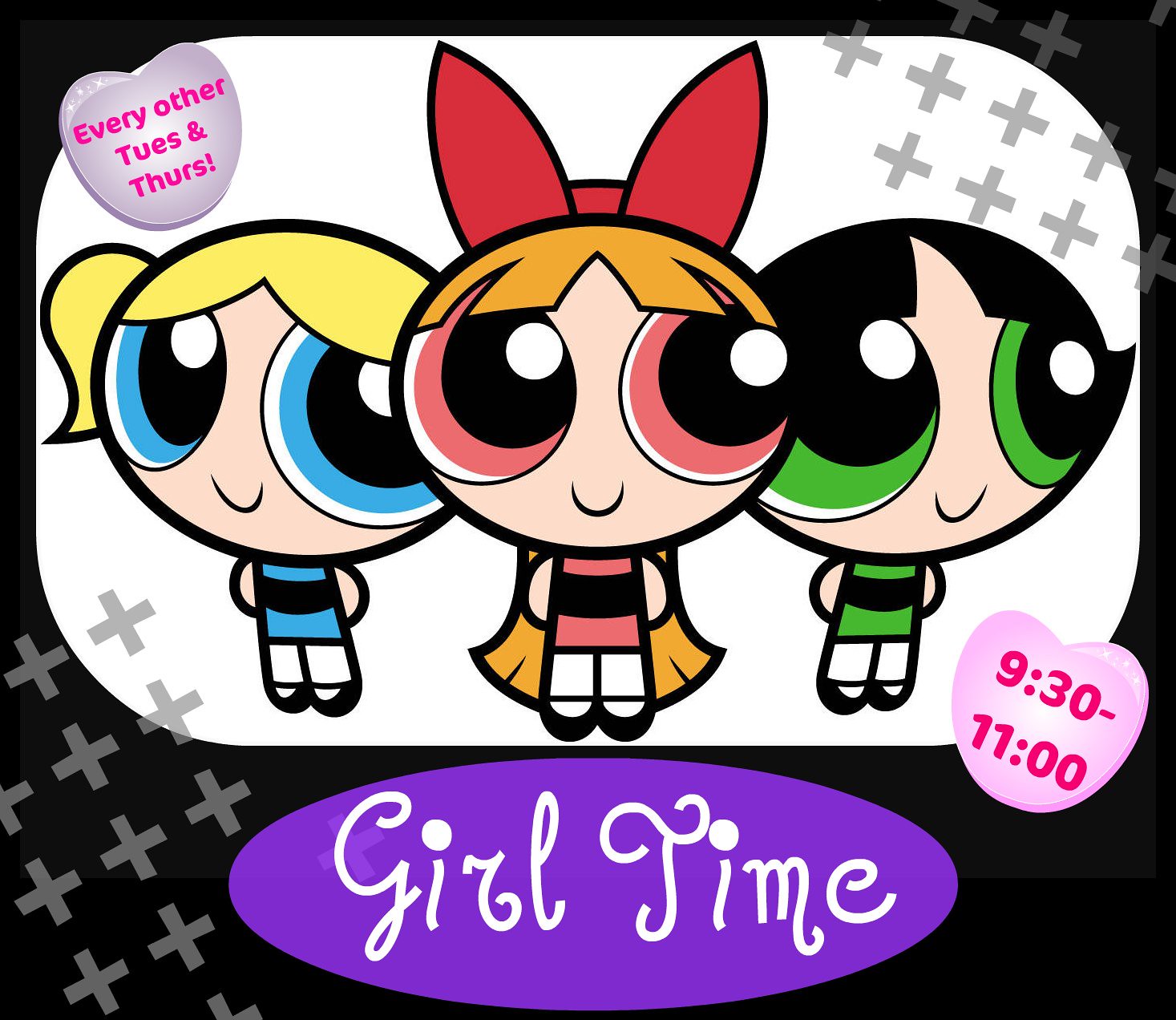
Sugar-coated visuals aside, this series packed powerful themes about strength, identity, and gender expectations. The girls were both gentle and fierce, proving toughness and kindness can coexist.
Many villains were shaped by neglect or rejection, turning the show into a subtle lesson on how society creates its own adversaries.
Dexter’s Laboratory
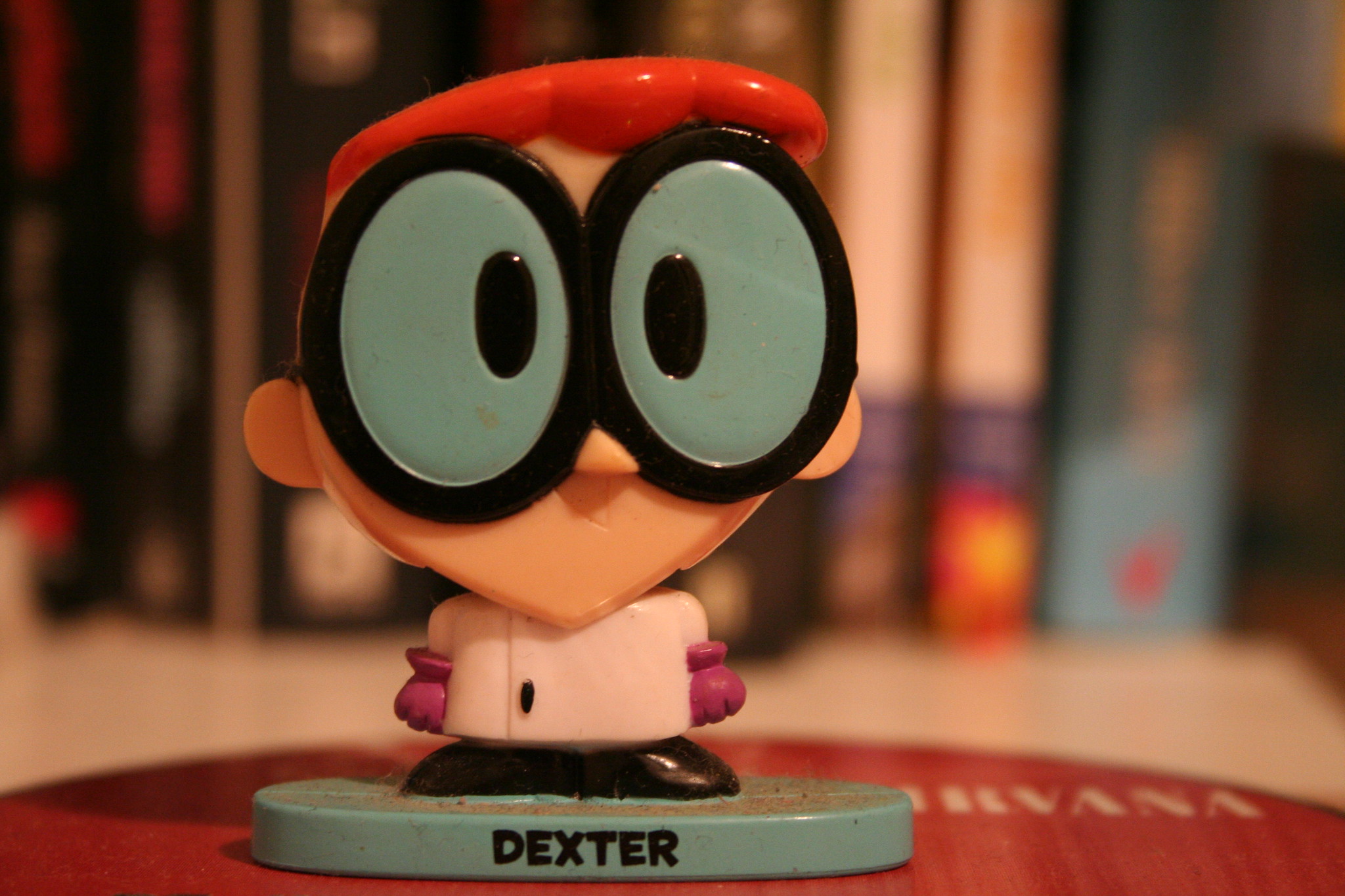
Dexter’s secret lab wasn’t just a cool backdrop for experiments — it symbolized isolation that can come with exceptional talent. His inability to balance genius with connection often led to failure, reminding viewers that intellect alone doesn’t guarantee fulfillment.
Behind the gadgets was a lonely boy trying to control a world that refused to stay orderly.
Like Go2Tutors’s content? Follow us on MSN.
Rugrats
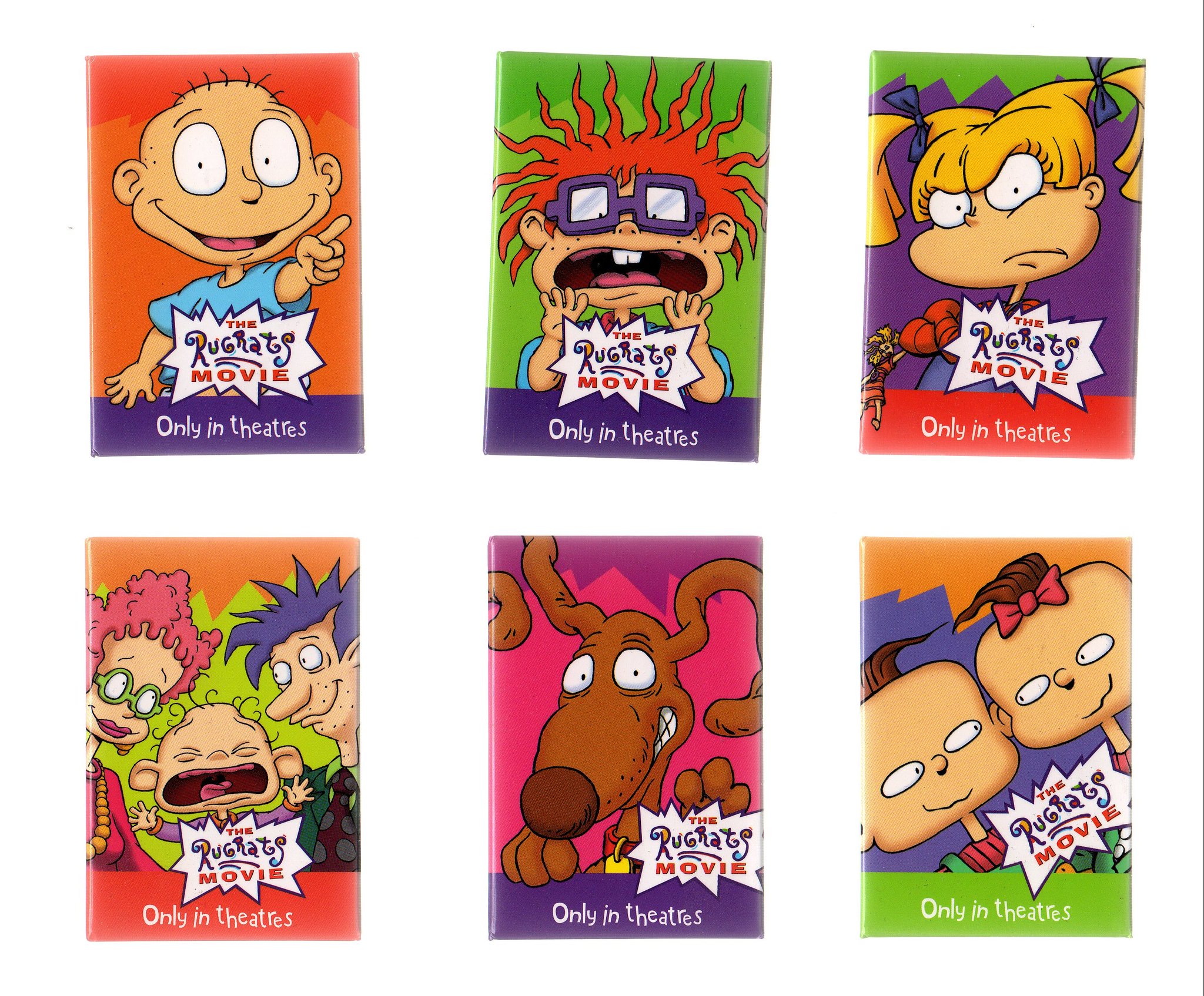
At first glance, Rugrats was a baby adventure story. But the background told a deeper tale — of parents juggling insecurities, careers, and relationships while raising kids.
Their struggles shaped the little ones’ experiences, making the show both lighthearted and quietly layered. It was a reminder that behind every child’s adventure, there’s an adult doing their best.
Animation’s Lasting Influence
These shows helped generations think, ask questions, and empathize; they taught more than just jokes or catchphrases. Their deeper meanings gave them a timeless quality without detracting from the pleasure.
The best cartoons never patronize their viewers; instead, they encourage deeper thought in all of us, young and old. The animated stories of today carry on this tradition.
More from Go2Tutors!

- 16 Historical Figures Who Were Nothing Like You Think
- 12 Things Sold in the 80s That Are Now Illegal
- 15 VHS Tapes That Could Be Worth Thousands
- 17 Historical “What Ifs” That Would Have Changed Everything
- 18 TV Shows That Vanished Without a Finale
Like Go2Tutors’s content? Follow us on MSN.



