15 Legendary Landmarks That Were Almost Never Built
The most famous structures in the world are frequently examples of human tenacity and inventiveness. Behind their imposing exteriors, however, are stories of monetary hardships, popular hostility, and technical difficulties that all but stopped their construction. These architectural wonders nearly became little more than drawings after being rejected at first and then experiencing construction horrors.
Many of the landmarks we take photos of today were once controversial projects hanging by a thread. Here is a list of 15 legendary landmarks that almost didn’t make it from concept to reality.
The Eiffel Tower
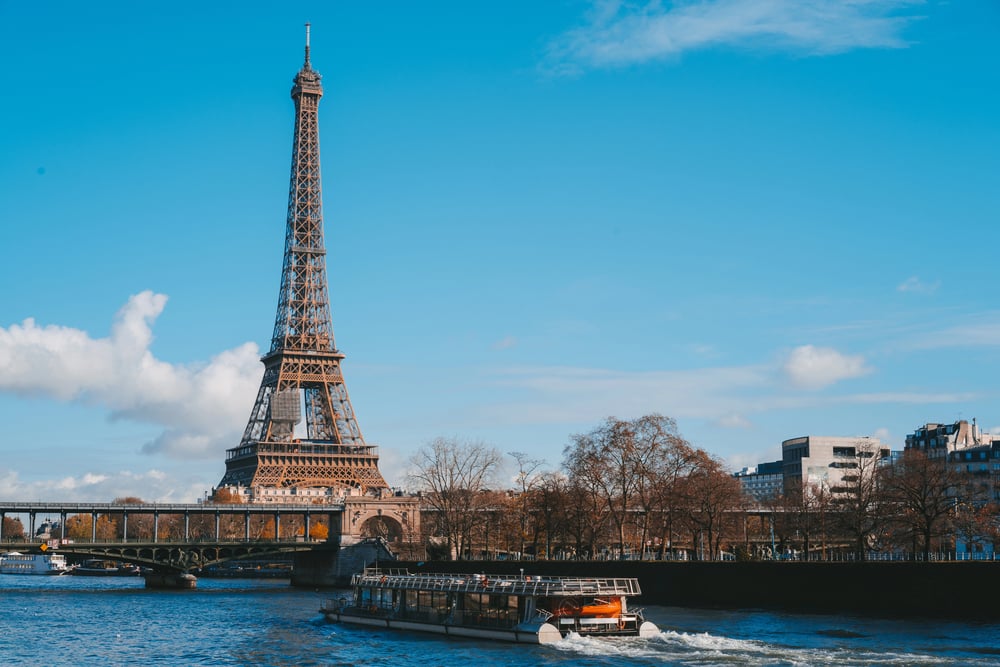
When the idea for Paris’ identifying sign was first put forth, many Parisians hated it. The ‘monstrous’ design of Gustave Eiffel was denounced by hundreds of intellectuals and artists who signed petitions against construction, claiming it would overshadow the city’s graceful skyline.
Actually designed as a temporary structure for the 1889 World’s Fair, the tower was supposed to be taken down after 20 years. Its unexpected use as a radio transmission tower saved it, demonstrating that occasionally practicality takes precedence over first-time aesthetic considerations.
Sydney Opera House
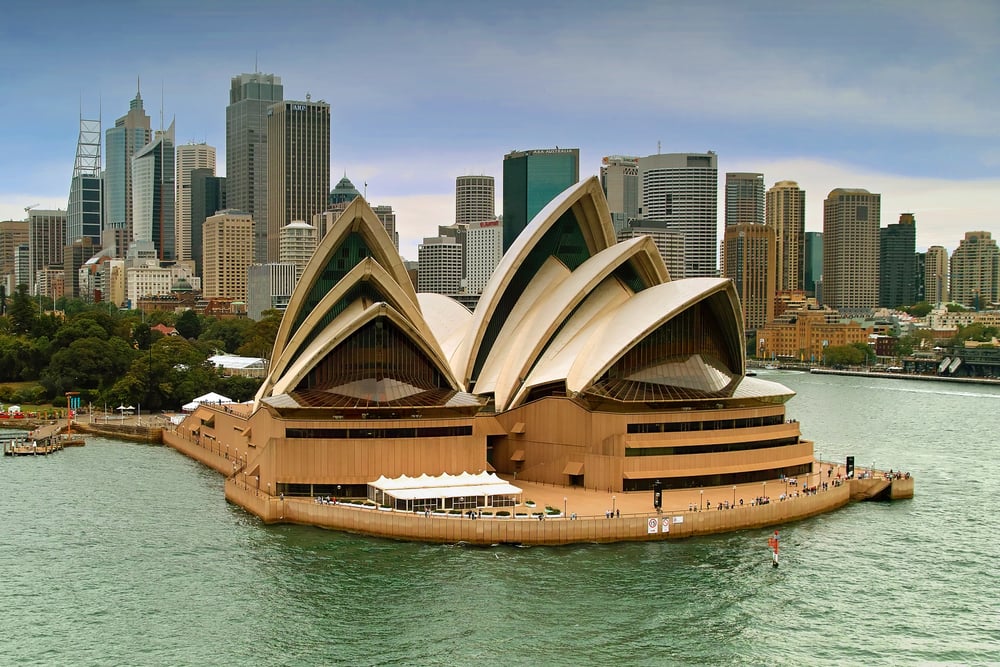
Due to numerous issues, Australia’s architectural masterpiece was never finished by its intended architect. Costs for Jørn Utzon’s ground-breaking design skyrocketed from $7 million to $102 million, exceeding both budget and time by a significant margin.
Utzon resigned in 1966 and departed Australia, never to return to see his creation because of the extreme political ramifications. The project took 16 years to finish instead of the 4 that were originally envisaged, showing how incredible dedication is frequently needed to realize innovative projects.
The Statue of Liberty
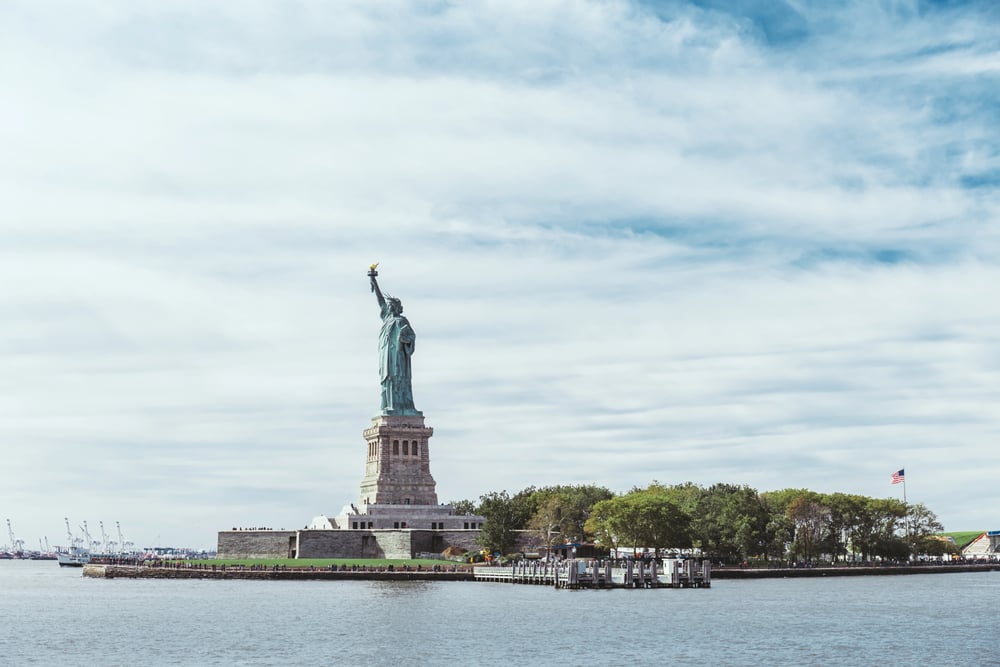
Lady Liberty’s journey to New York Harbor was fraught with funding problems on both sides of the Atlantic. While France struggled to fund the statue itself, Americans couldn’t raise money for the pedestal. The situation became so desperate that publisher Joseph Pulitzer launched a newspaper campaign promising to print the name of every donor, no matter how small the contribution.
This early crowdfunding effort saved the project, with children even donating their pennies to help complete what would become America’s symbol of freedom.
Empire State Building

The iconic New York skyscraper began construction just weeks before the 1929 stock market crash, earning it the nickname ‘Empty State Building’ as the Great Depression made finding tenants nearly impossible. Construction continued despite economic collapse, with workers risking their lives 1,250 feet above street level without modern safety equipment.
The building operated at a loss for nearly two decades before becoming profitable, showing how even the most ambitious projects can survive catastrophic timing.
Golden Gate Bridge
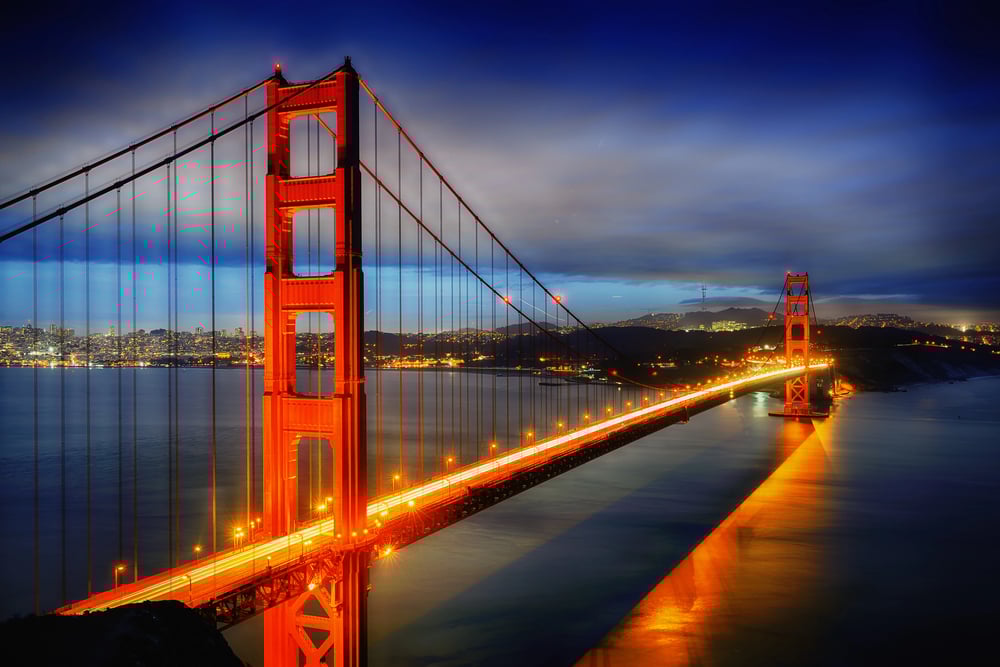
San Francisco’s beloved landmark faced over 2,300 lawsuits from opponents before construction could even begin. Many experts claimed the bridge couldn’t be built due to foggy conditions, strong winds, and powerful ocean currents.
The U.S. Navy worried the bridge might block ship traffic, while ferry companies feared losing business. Chief engineer Joseph Strauss persisted through 11 years of legal battles before breaking ground on what would become one of America’s most photographed structures.
St. Paul’s Cathedral
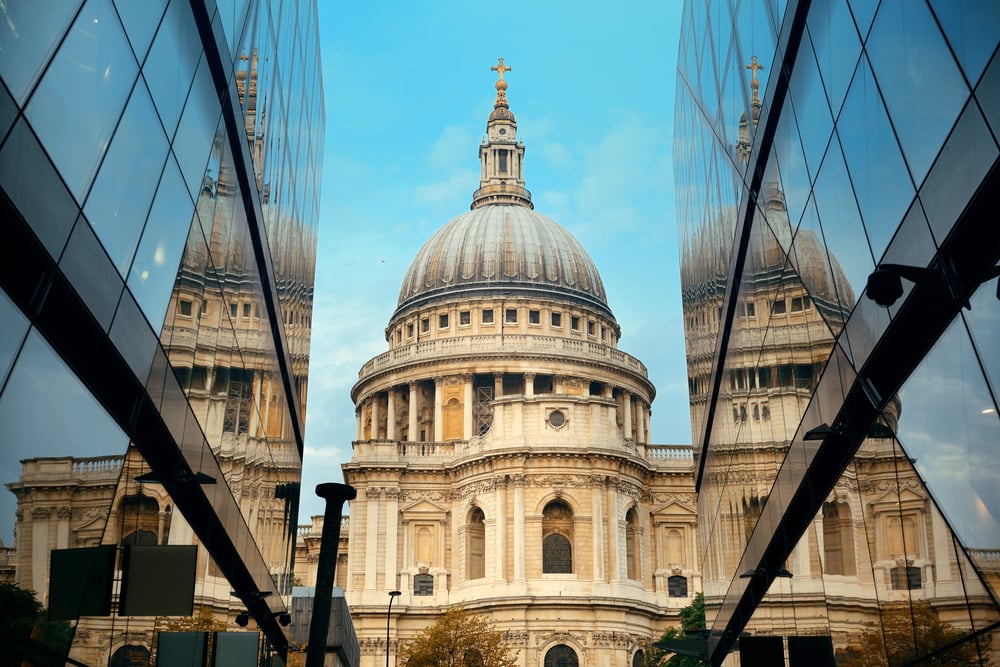
Christopher Wren’s masterpiece rose from the ashes of the Great Fire of London, but almost didn’t happen due to conservative opposition. The original design was rejected for being too modern and Italian-looking for English tastes.
Wren cleverly produced a more traditional design for approval, then gradually introduced his visionary elements during construction. The cathedral survived the Blitz of World War II when volunteers risked their lives to extinguish incendiary bombs that landed on its roof, preserving it for future generations.
Sagrada Familia
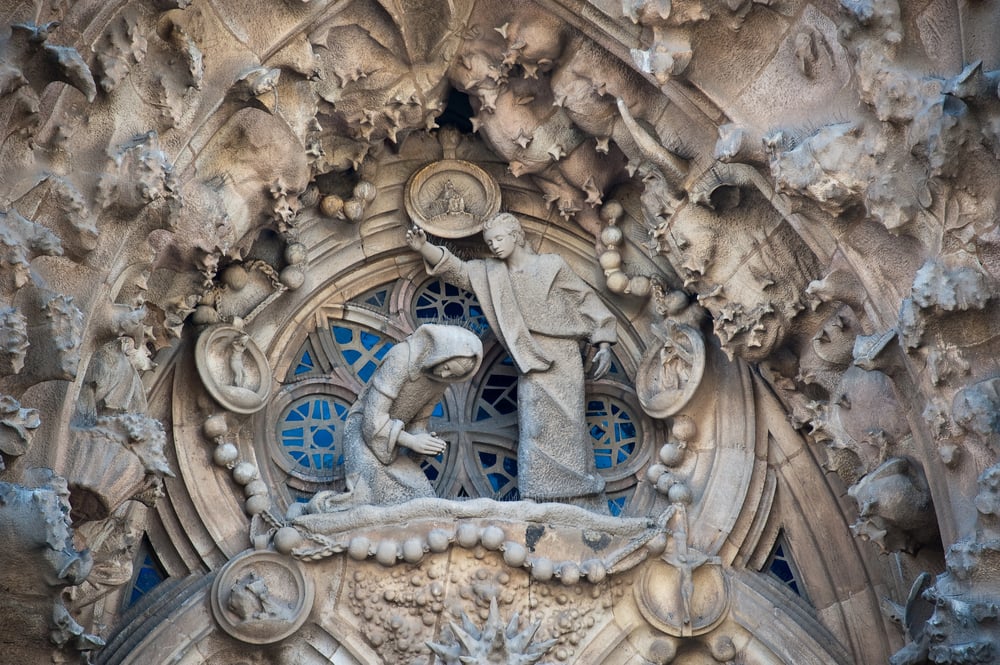
The construction of Antoni Gaudí’s incomplete Barcelona cathedral began in 1882 and is currently ongoing. Gaudí was forced to rely on private funding after the project’s main patron passed away early on.
Construction was delayed for decades when revolutionaries came into the workshop during the Spanish Civil War and burned plans and destroyed models. After over 150 years of construction, the cathedral is expected to be completed in the 2030s despite these delays and Gaudí’s death in 1926.
The Gateway Arch

St. Louis’s gleaming monument spent 15 years as nothing more than a cleared construction site after demolition began in 1939. World War II halted the project entirely, and funding issues kept it dormant until the 1960s.
Finnish-American architect Eero Saarinen won the design competition in 1947 but died of a brain tumor before seeing his creation completed. The arch’s unusual shape presented unprecedented engineering challenges, requiring custom-built equipment to construct its curved sections.
The Louvre Pyramid
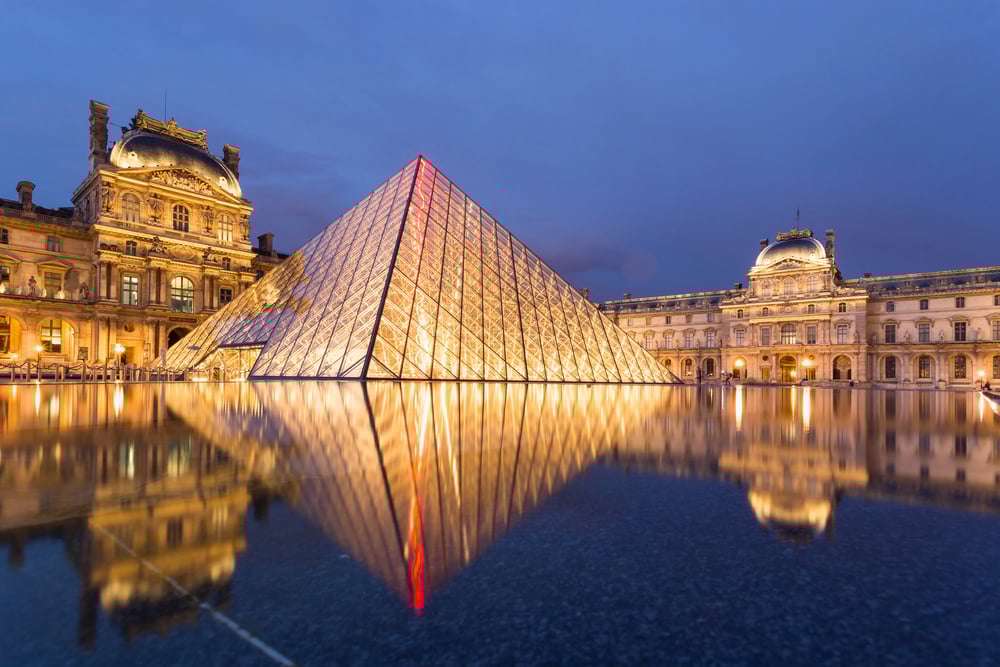
I.M. Pei’s glass pyramid entrance to Paris’s famed museum faced intense backlash when proposed in the 1980s. Critics called it an eyesore, an architectural abomination, and disrespectful to the historic palace surroundings.
French newspaper Le Monde described it as ‘an annex to Disneyland’ while preservationists launched fierce opposition campaigns. Today, the once-controversial structure is as photographed as the Mona Lisa inside, demonstrating how innovative designs often need time to be appreciated.
Burj Khalifa

The world’s tallest building nearly became a half-built abandoned project during the 2008 global financial crisis. Dubai’s economy crashed spectacularly, and construction was saved only by a last-minute $10 billion bailout from neighboring Abu Dhabi.
The rescue came with a price—the tower was renamed from Burj Dubai to Burj Khalifa to honor the Abu Dhabi ruler who provided the funds. The project survived, but as a monument to financial overreach as much as architectural achievement.
Cristo Redentor
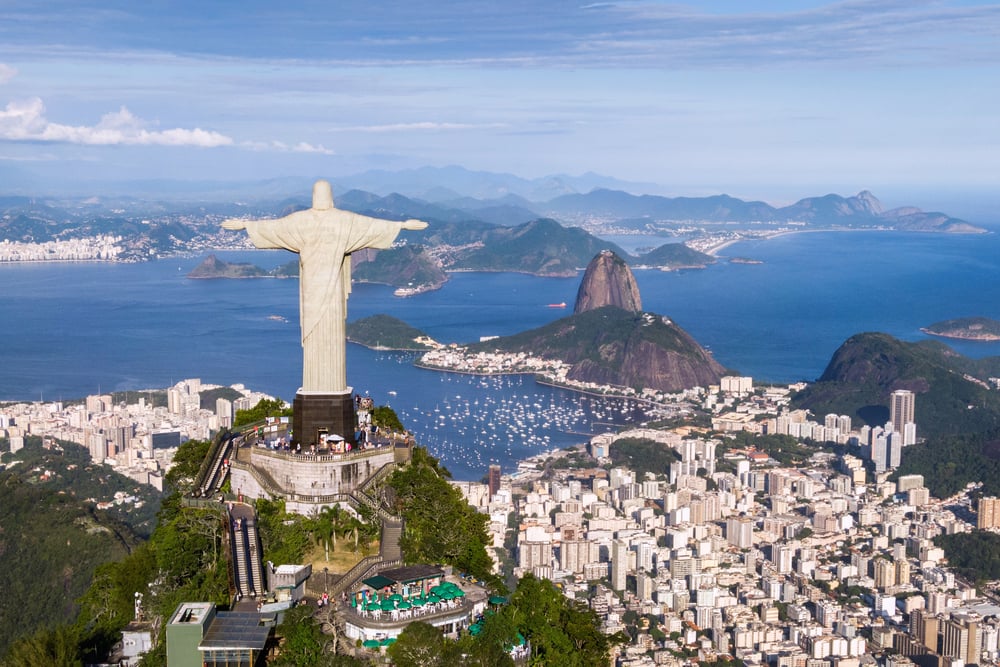
Rio de Janeiro’s Christ the Redeemer statue faced strong opposition from Brazil’s secular government, which initially rejected the proposal as inappropriate for a state with a separation of church and state. Funding struggled along for years through private donations, and the challenging location atop Corcovado Mountain meant materials had to be carried up by hand or small railways.
The statue’s reinforced concrete design was cutting-edge for the 1920s, with engineers developing new techniques to ensure it could withstand mountain winds.
The Washington Monument
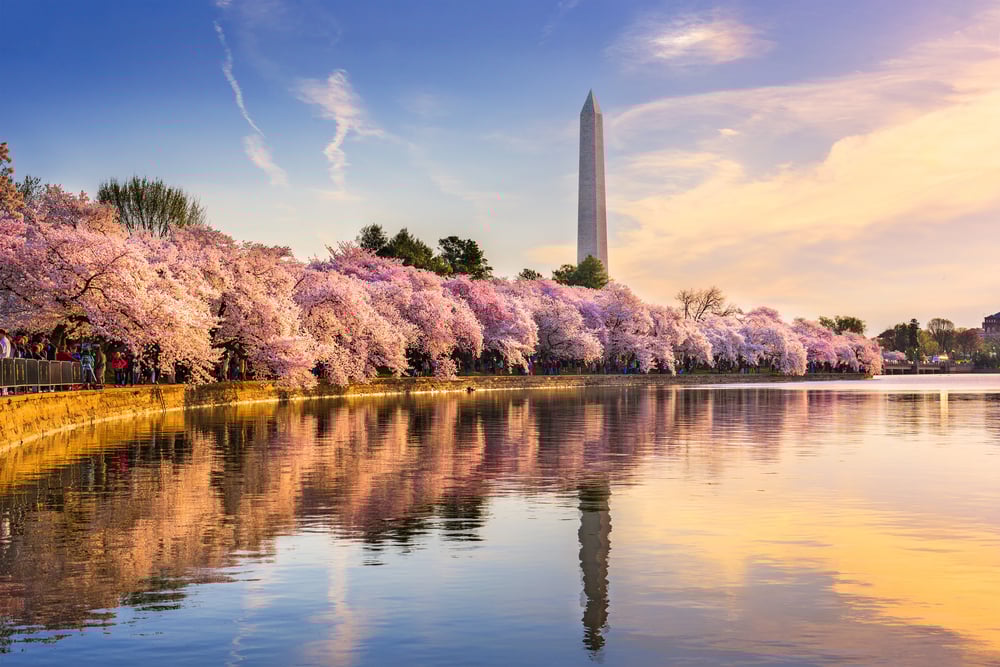
America’s tallest stone structure took nearly 40 years to complete due to funding problems, political squabbling, and Civil War interruptions. Construction stopped entirely for over two decades, leaving an embarrassing unfinished stump on the National Mall.
When work finally resumed, builders had to use slightly different colored stone, which is why the monument has a visible color change partway up. The project faced opposition from the anti-Catholic Know-Nothing party, who even stole a commemorative stone donated by Pope Pius IX.
The Brooklyn Bridge
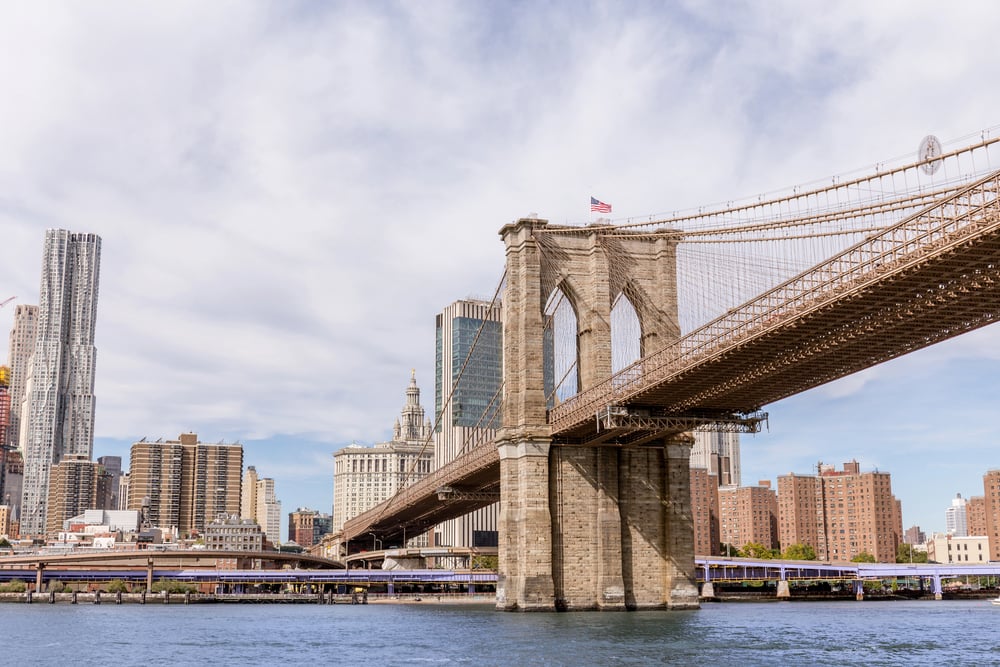
This revolutionary suspension bridge almost collapsed before completion when its designer, John Roebling, died from tetanus after a ferry accident crushed his foot while surveying the site. His son Washington took over but soon suffered debilitating decompression sickness while working in the underwater caissons.
Bedridden but determined, Washington directed construction through his wife, Emily, who relayed his instructions to engineers daily for 11 years. The bridge opened in 1883 despite political corruption, multiple deaths, and engineering challenges never before faced.
CN Tower
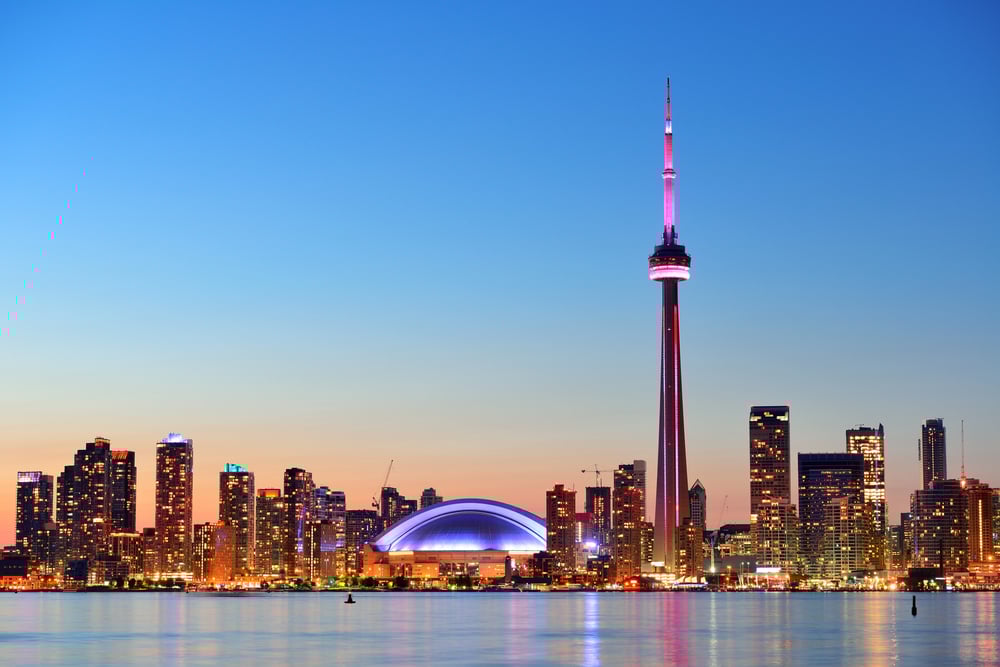
Toronto’s landmark faced continual funding threats during construction in the 1970s when Canada experienced economic turmoil and rising inflation. The practical need for the tower—improving television and radio signals—was being overtaken by satellite technology even as it was being built.
Workers constructed the concrete core in a continuous pour that couldn’t stop without compromising structural integrity, leading to 24/7 operations regardless of weather conditions. Helicopter installation of the final antenna section required precision flying in gusty conditions 1,815 feet above the ground.
Atomium
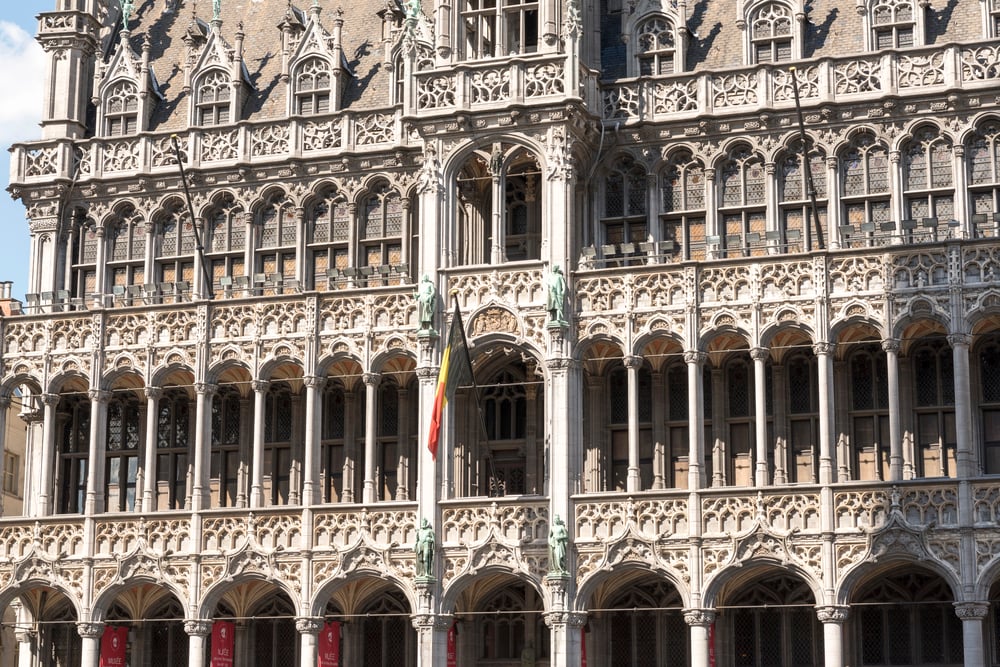
Brussels’s striking atomic structure was also intended as a temporary World’s Fair attraction in 1958. The unusual design, representing an iron crystal magnified 165 billion times, presented unique engineering problems as nothing similar had ever been constructed.
Maintaining the massive stainless steel spheres proved far more expensive than anticipated, leading to decades of neglect until a major restoration in the early 2000s saved the structure from potential demolition. The Atomium survived through a combination of public affection and its unique scientific significance.
Monuments That Endured

These landmarks remind us that the path from vision to reality is rarely straightforward for truly innovative projects. Each faced unique challenges that threatened their very existence—financial collapse, public ridicule, technical impossibilities, or political opposition.
Yet through perseverance, adaptation, and sometimes just fortunate timing, these structures overcame their troubled beginnings to become defining features of their cities and countries. The landmarks we admire today stand as monuments not just to architectural vision but to human determination in the face of seemingly insurmountable obstacles.
More from Go2Tutors!

- The Romanov Crown Jewels and Their Tragic Fate
- 13 Historical Mysteries That Science Still Can’t Solve
- Famous Hoaxes That Fooled the World for Years
- 15 Child Stars with Tragic Adult Lives
- 16 Famous Jewelry Pieces in History
Like Go2Tutors’s content? Follow us on MSN.