15 Lesser-Known Facts About the Colosseum
Standing amid the bustling streets of modern Rome, the Colosseum continues to captivate visitors with its imposing presence. While millions snap photos of its weathered exterior each year, most tourists barely scratch the surface of this ancient amphitheater’s fascinating story. Beyond the familiar tales of gladiatorial combat lie lesser-known aspects that reveal the true complexity of Rome’s most iconic structure.
Here is a list of 15 hidden facts about the Colosseum that shed new light on this architectural marvel – from engineering secrets to surprising uses throughout its long history.
Original Name
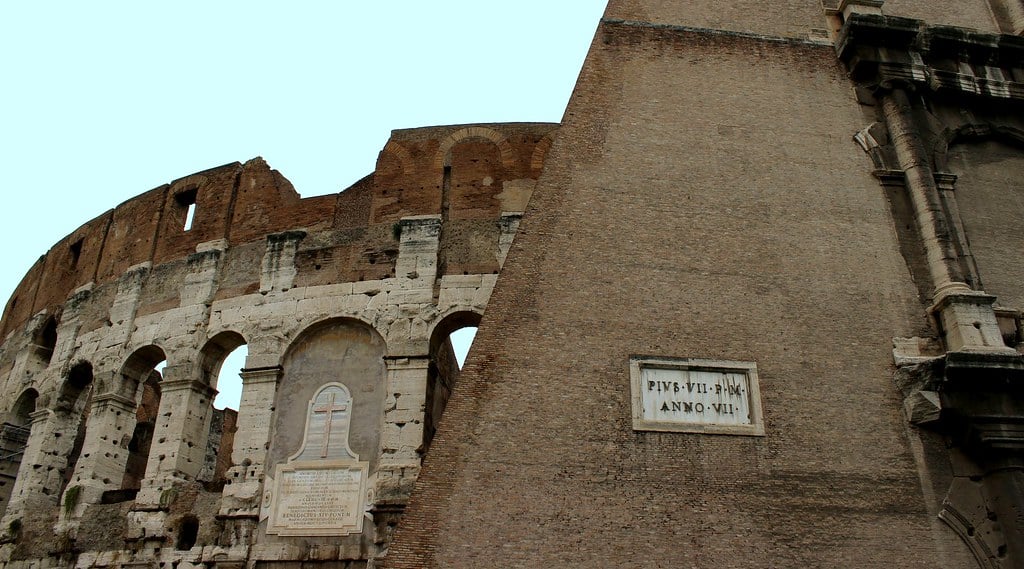
The structure wasn’t actually called the Colosseum during ancient times – Romans knew it as the Flavian Amphitheater. Its more familiar name emerged centuries later, likely in reference to the colossal statue of Emperor Nero that once stood nearby.
This 100-foot bronze monument – later modified to represent the sun god Sol – towered alongside the amphitheater for generations before disappearing during the medieval period.
Construction Speed
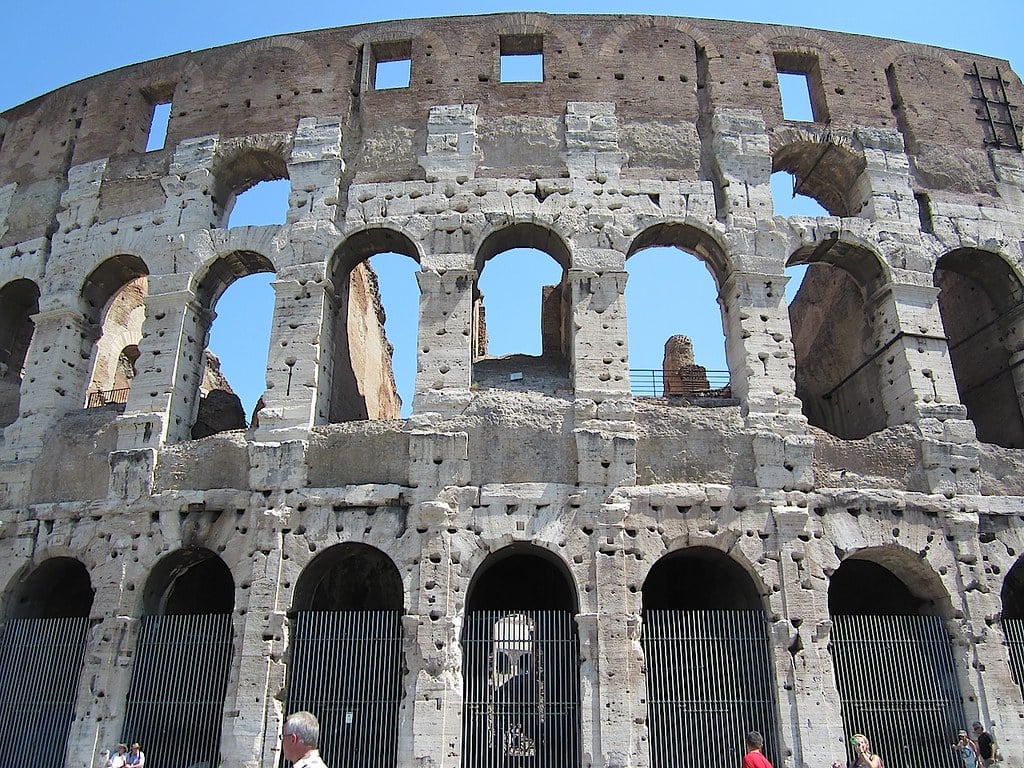
Despite its enormous size and complexity, builders completed the Colosseum with remarkable efficiency – finishing the core structure in just 8 years between 72-80 CE. This swift timeline becomes even more impressive considering they didn’t have modern machinery or advanced tools.
Workers relied on simple pulleys, lifts, and thousands of skilled laborers working in coordinated teams – achieving construction speeds that would challenge even today’s builders.
Seating Capacity
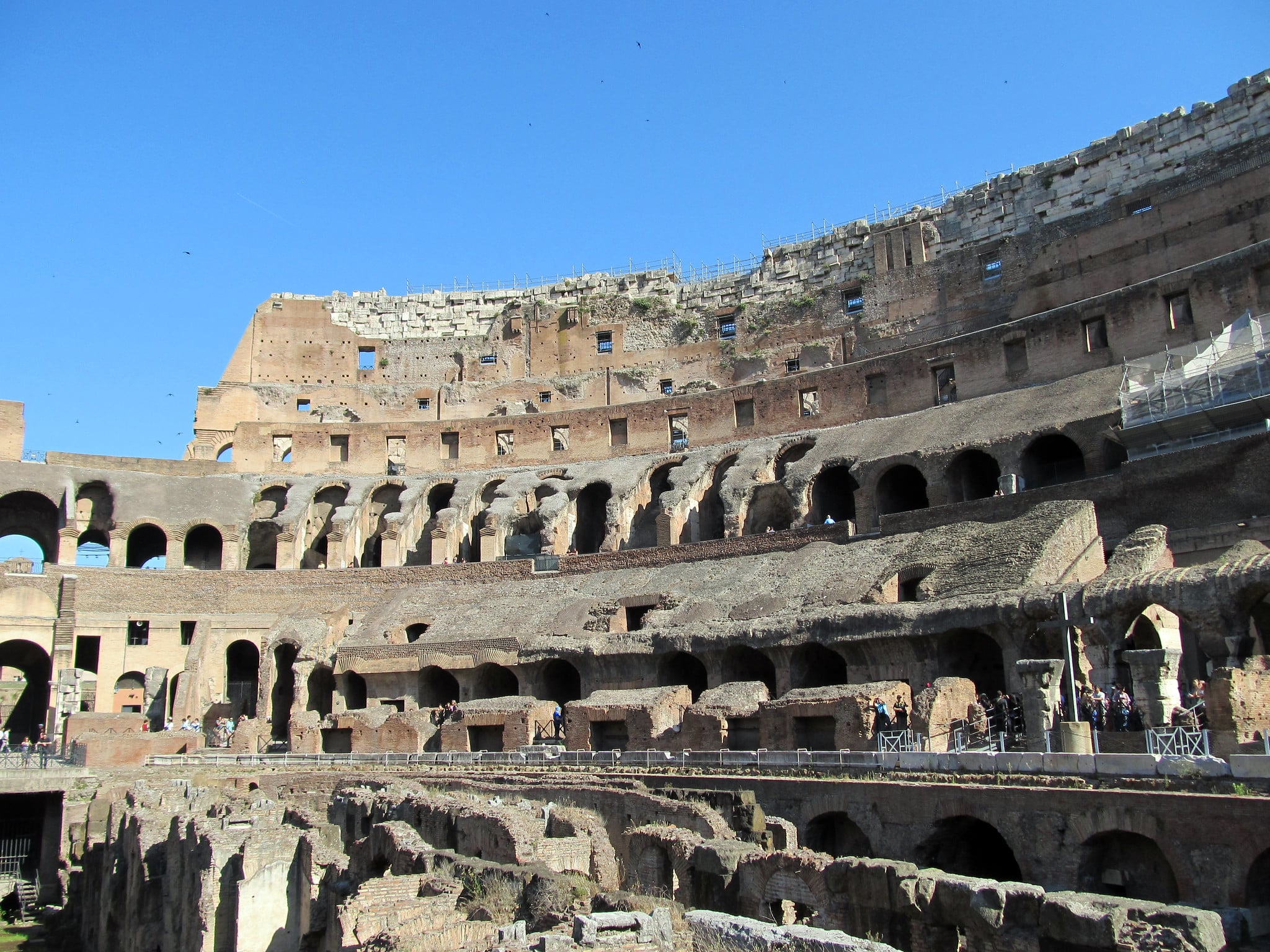
The amphitheater could accommodate between 50,000-80,000 spectators – roughly equivalent to many modern NFL stadiums. Unlike today’s equal-access venues, however, Roman society’s rigid hierarchy determined exactly where you sat.
The lowest levels housed senators in marble seats, while the middle sections welcomed wealthy citizens. Women (except for Vestal Virgins) and common folks got stuck with the highest, most distant seats – regardless of their ticket price.
Naval Battles
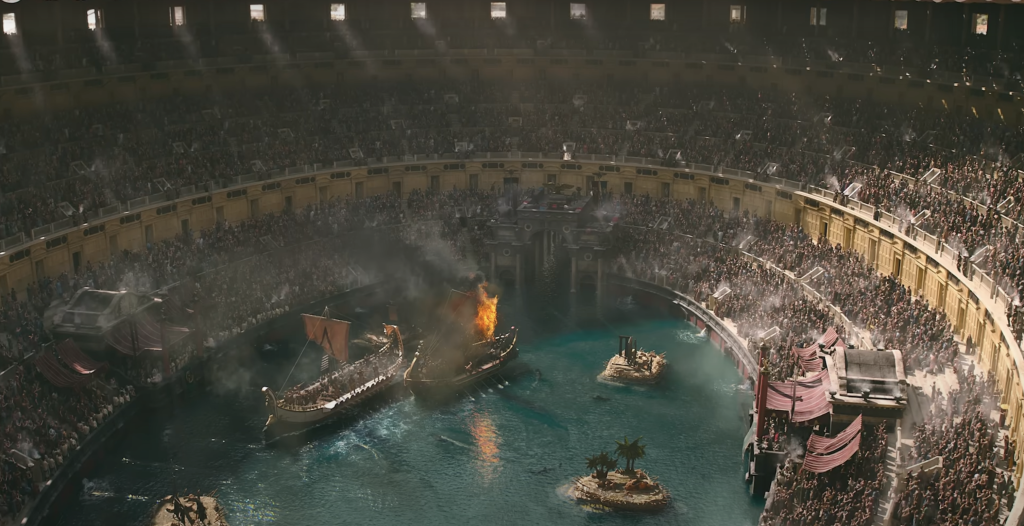
Before permanent underground chambers were added, the arena floor could actually be flooded for mock naval battles called naumachiae. Engineers designed an ingenious system of pipes and waterproof linings to fill the entire space with water.
These spectacular aquatic shows featured real ships and trained combatants fighting on water – though the depth couldn’t have been particularly great, perhaps just enough to float shallow-draft vessels for dramatic effect.
Sophisticated Plumbing

The Colosseum didn’t just impress above ground – its underground infrastructure represented cutting-edge Roman engineering. An extensive network of pipes, drains, and sewage channels ran beneath the structure, handling everything from rainwater drainage to waste removal from latrines.
Some hydraulic systems even supplied fountains and drinking facilities throughout the building – providing refreshment for thousands without modern pumping technology.
Free Admission
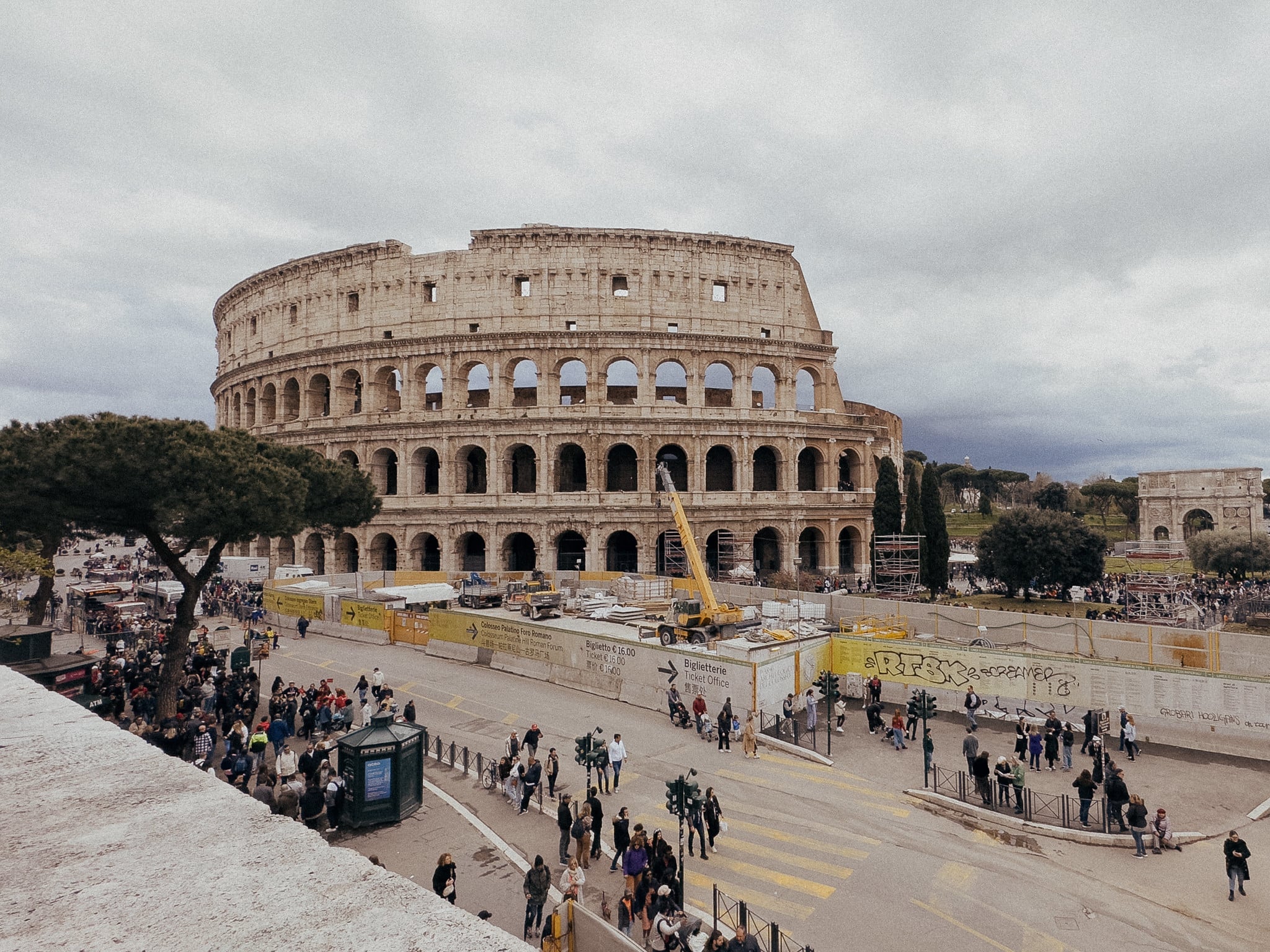
Contrary to what might be expected, Romans didn’t pay for tickets to the games – admission was entirely free to citizens. The expenses – which were astronomical – fell to emperors and wealthy politicians who sponsored events as a form of public relations.
These hosts distributed tokens called tesserae that assigned specific seating areas based on social status. The practice of providing ‘bread and circuses’ wasn’t just entertainment but a calculated political strategy to maintain public support.
Changing Rooms
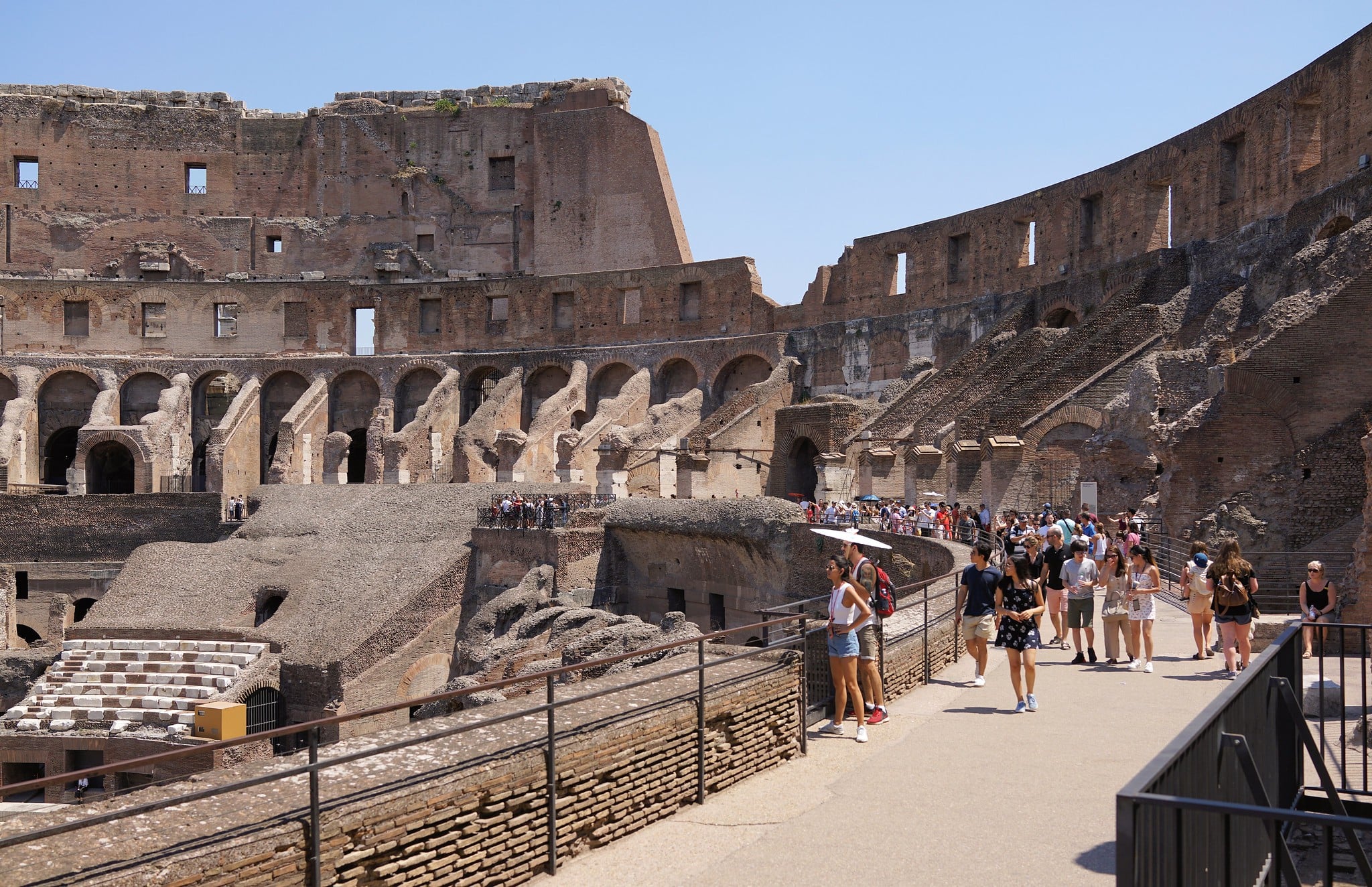
The arena featured advanced facilities that modern venues would recognize – including dedicated changing areas for performers. These specialized chambers – located in the vast underground hypogeum – provided spaces where gladiators prepared for combat and performers readied costumes.
The rooms contained benches, equipment storage, and even primitive plumbing facilities – demonstrating the sophisticated support infrastructure built to maintain the complex entertainment operations.
Retractable Roof
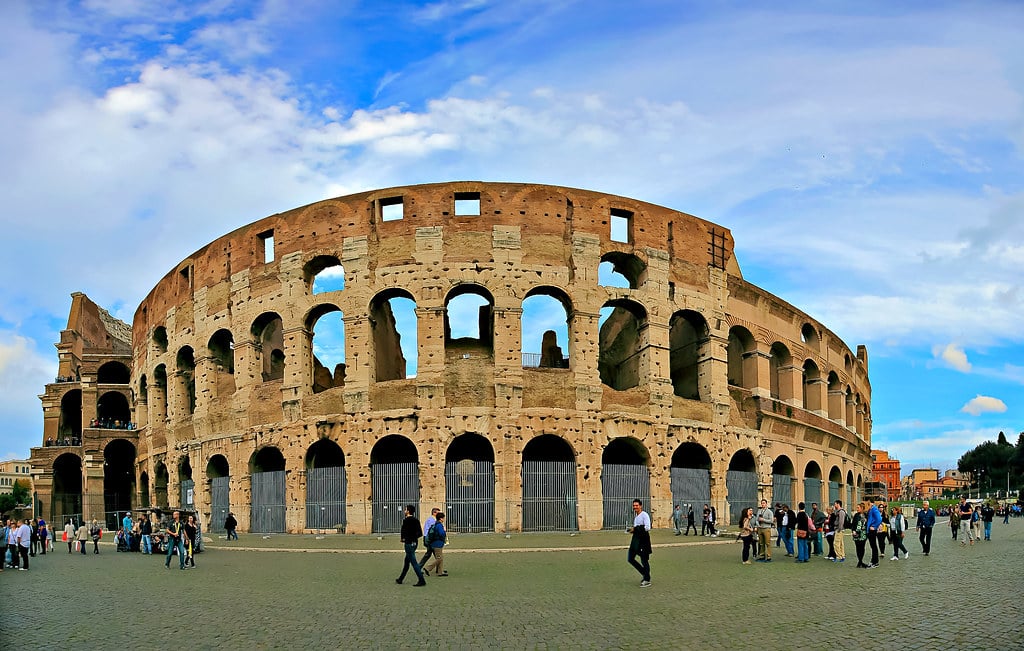
The Colosseum boasted a remarkable feature that even some modern stadiums lack – a sophisticated retractable awning system called the velarium. Sailors from the Roman navy – experts in managing large canvas sheets – operated this massive cloth covering that shielded spectators from intense sun or light rain.
The roof didn’t cover the entire structure but provided targeted shade that moved throughout the day – an impressive feat of engineering without modern materials or motors.
Inauguration Festival
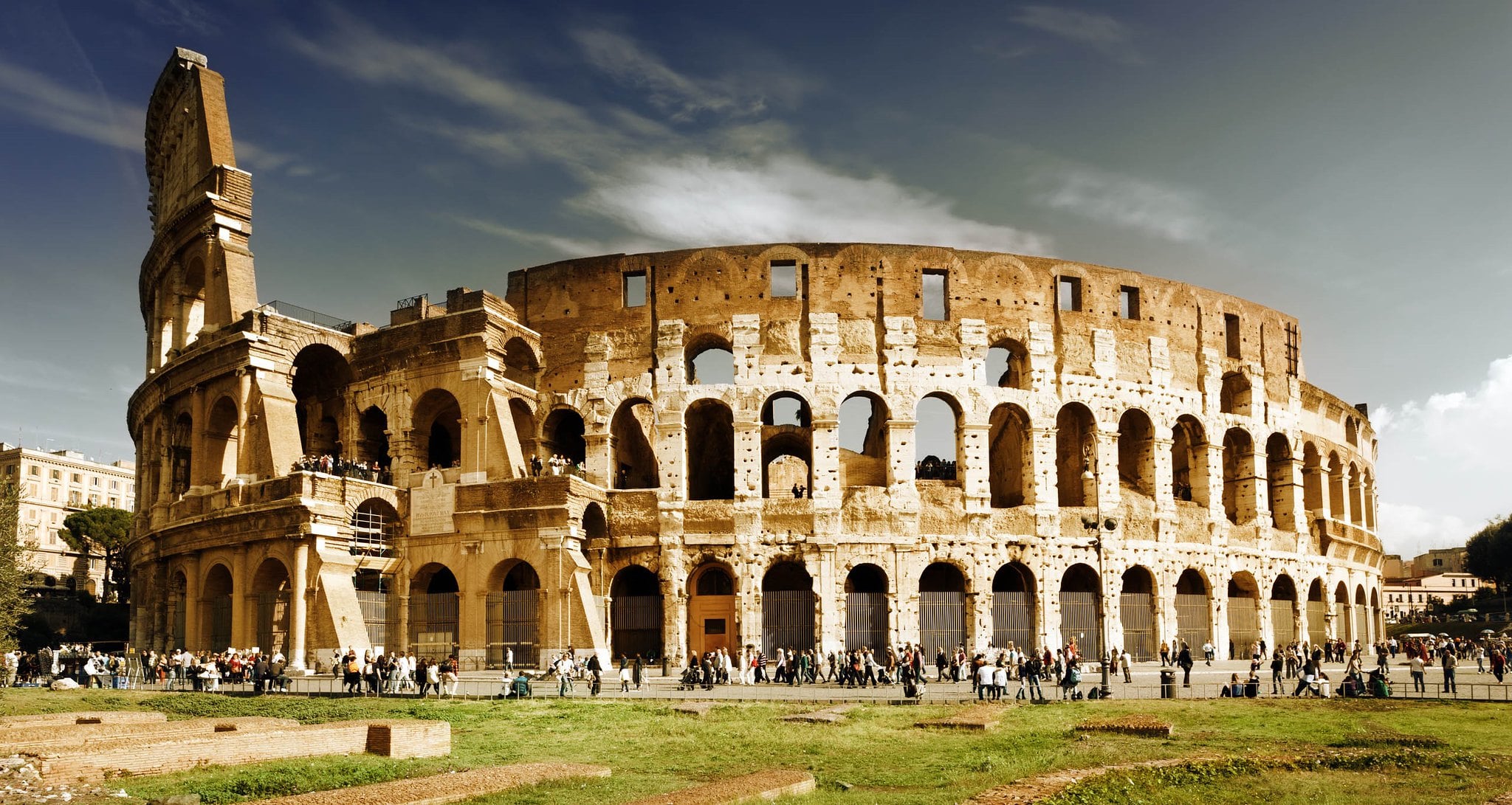
The Colosseum’s opening ceremonies weren’t just a single-night affair but an extravagant 100-day festival ordered by Emperor Titus. During this spectacular inaugural event – designed to cement Flavian dynasty popularity – approximately 9,000 animals were slaughtered in various hunts and exhibitions.
This staggering number included exotic species from across the Roman Empire – demonstrating Rome’s vast reach and power through the collection and display of wildlife from distant territories.
Earthquake Damage
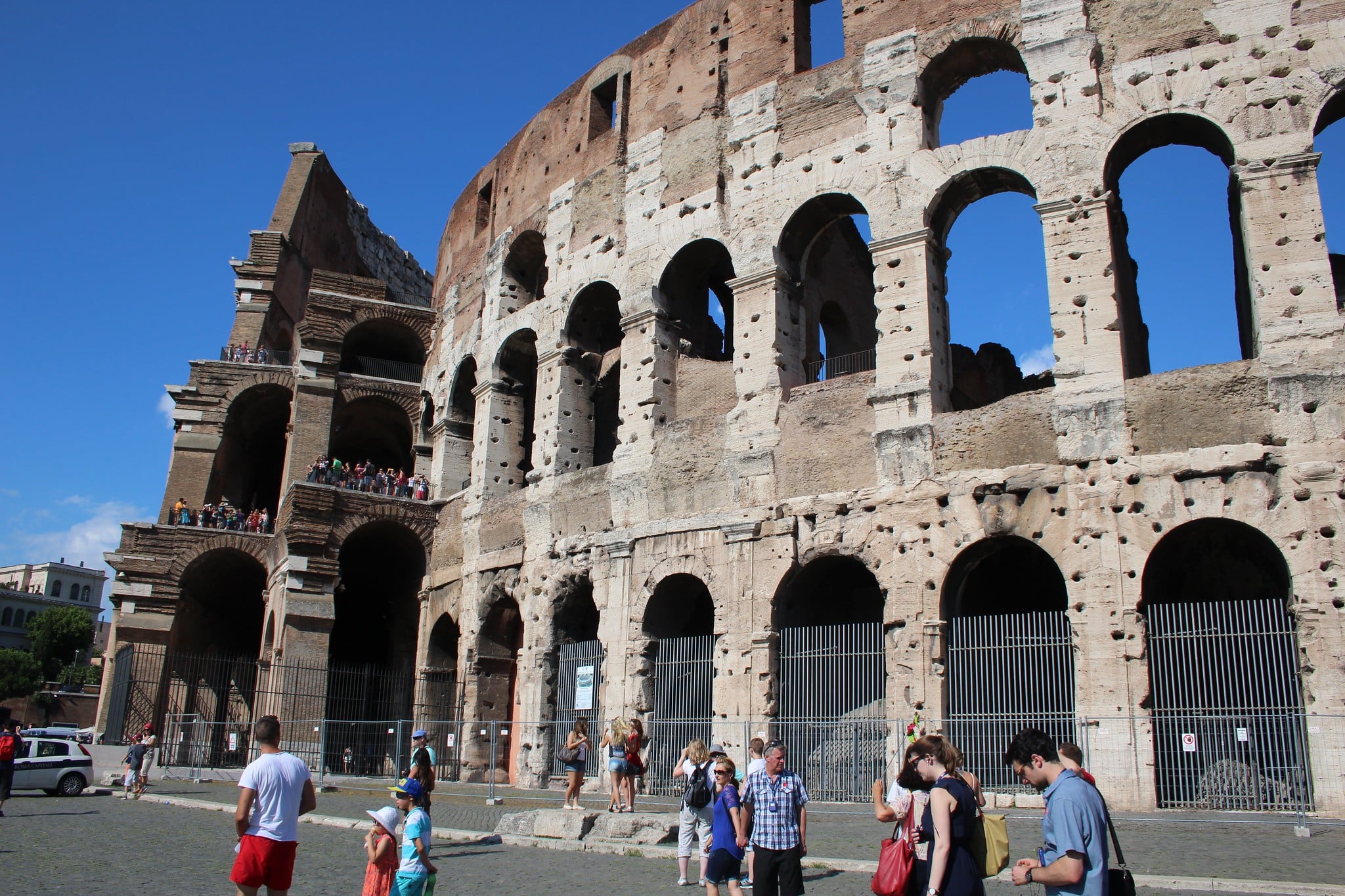
Much of the Colosseum’s ruined appearance comes not from human destruction but from powerful earthquakes that struck Rome – particularly severe tremors in 442 CE and 1349 CE. The southern side suffered the most damage since it was built on less stable alluvial soil compared to the northern section’s more solid travertine foundation.
Early Romans actually understood seismic risks – incorporating flexible concrete mixes and other innovations that helped the structure survive shakings that toppled many other ancient buildings.
Medieval Recycling
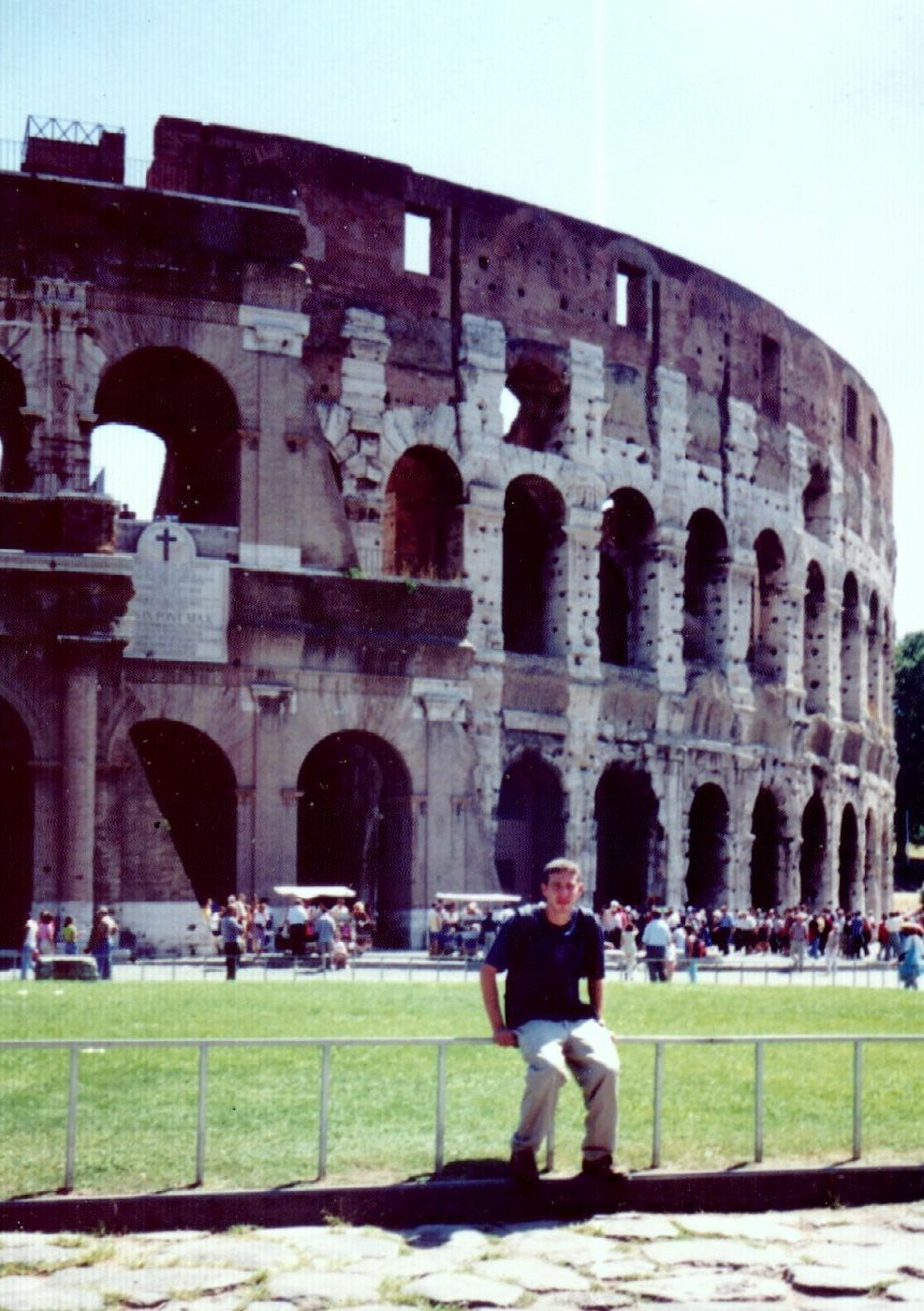
Following Rome’s decline, the Colosseum became an enormous stone quarry for other construction projects around the city. Builders harvested its high-quality marble, travertine blocks, and metal clamps during the Renaissance and Baroque periods.
This systematic recycling explains why the structure appears so skeletal today – especially compared to better-preserved Roman buildings. Many of Rome’s famous palaces and churches contain materials repurposed from the amphitheater’s original elements.
Christian Significance

For centuries, the Catholic Church embraced the Colosseum as a sacred site where early Christians faced martyrdom. Pope Benedict XIV officially consecrated the building in 1749, establishing the Stations of the Cross tradition that continued until quite recently.
Modern historians, however, have found little evidence of systematic Christian executions specifically in this venue – suggesting this powerful narrative developed much later as the structure gained symbolic importance in Christian tradition.
Botanical Haven

During less glamorous periods of its history, the abandoned Colosseum transformed into an accidental botanical garden of remarkable diversity. A 19th-century survey documented over 420 different plant species growing among its ruins – many introduced accidentally through seeds carried on imported exotic animals centuries earlier.
This unexpected ecosystem flourished until extensive archaeological cleanups in the 1870s removed most vegetation – though specialists still monitor rare plants that continue to establish themselves in crevices.
Changing Colors
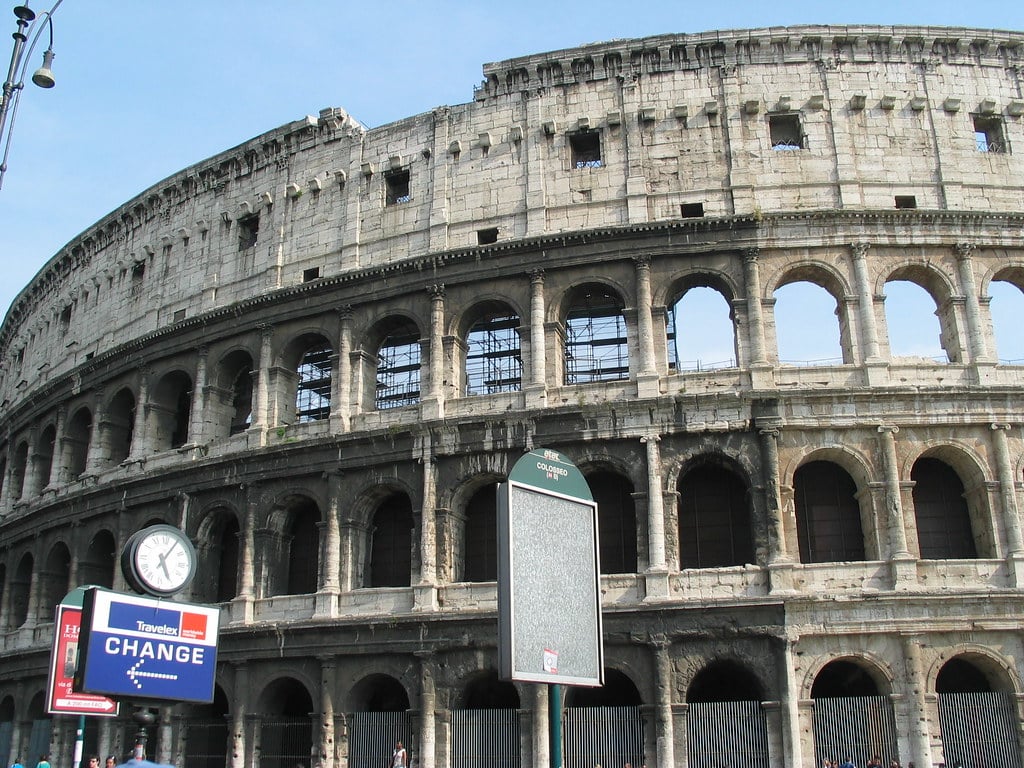
The Colosseum wasn’t always the weathered, grayish-brown monument we see today – its original appearance featured vibrant decorative elements throughout. Archaeologists have discovered traces of red paint, gilded bronze ornaments, and colored marbles that once adorned the façade and interior spaces.
Spectators would have experienced a much more colorful environment than modern visitors might imagine – with painted statues, bright awnings, and polished surfaces catching the Mediterranean sunlight.
Modern Symbol
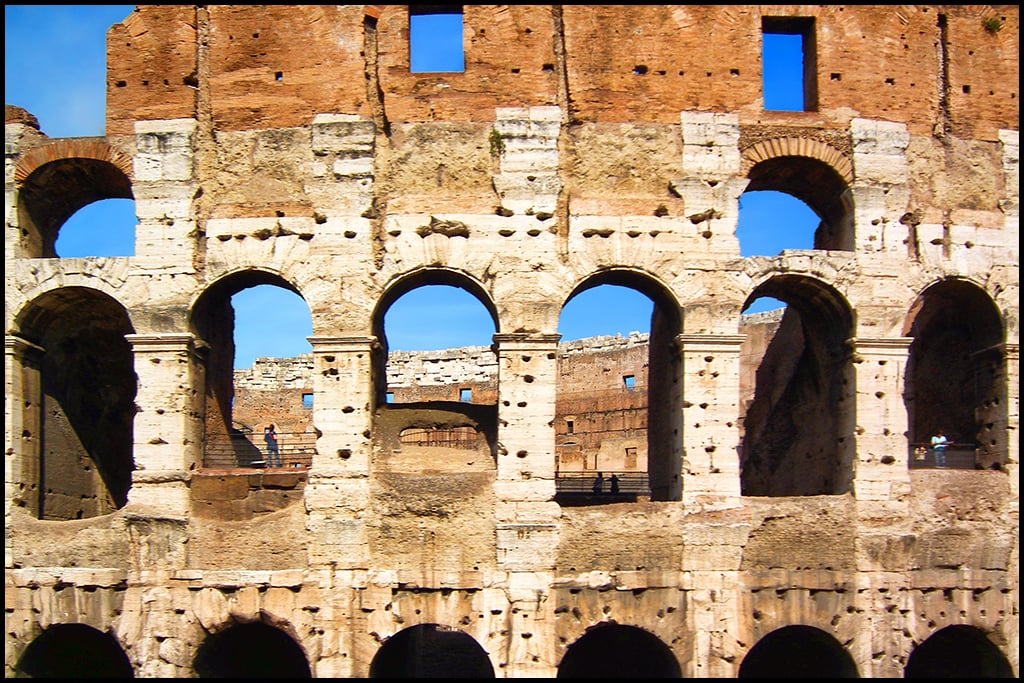
Beyond serving as a tourist destination, the Colosseum has gained powerful symbolic status in contemporary culture. Italian authorities illuminate the structure with golden light whenever any jurisdiction worldwide abolishes the death penalty – transforming the ancient arena associated with violent spectacle into a beacon for human rights.
This practice began in 2000 following a campaign by the Community of Sant’Egidio, creating a meaningful connection between Roman history and modern humanitarian values.
Enduring Questions

The Colosseum continues to reveal new secrets despite centuries of study, challenging our understanding of ancient Roman society and engineering. Recent archaeological discoveries beneath and around the structure regularly revise historical timelines and construction methods previously considered settled fact.
While millions visit for quick photographs and tours, the amphitheater remains an active research site where conservators and historians piece together fragments of the past that connect directly to our present understanding of architecture, entertainment, and social organization.
More from Go2Tutors!

- The Romanov Crown Jewels and Their Tragic Fate
- 13 Historical Mysteries That Science Still Can’t Solve
- Famous Hoaxes That Fooled the World for Years
- 15 Child Stars with Tragic Adult Lives
- 16 Famous Jewelry Pieces in History
Like Go2Tutors’s content? Follow us on MSN.