Misunderstood Creatures That Are Vital for Nature
Most people reserve their affection for pandas, dolphins, and puppies. Fair enough—they’re adorable.
But nature doesn’t run on cuteness alone. Some of the planet’s most essential workers get dismissed as creepy, dangerous, or downright disgusting.
These misunderstood creatures keep ecosystems humming along, often doing jobs nobody else wants. Without them, things would fall apart faster than you’d think.
Here is a list of 13 misunderstood creatures that are vital for nature.
Wolves
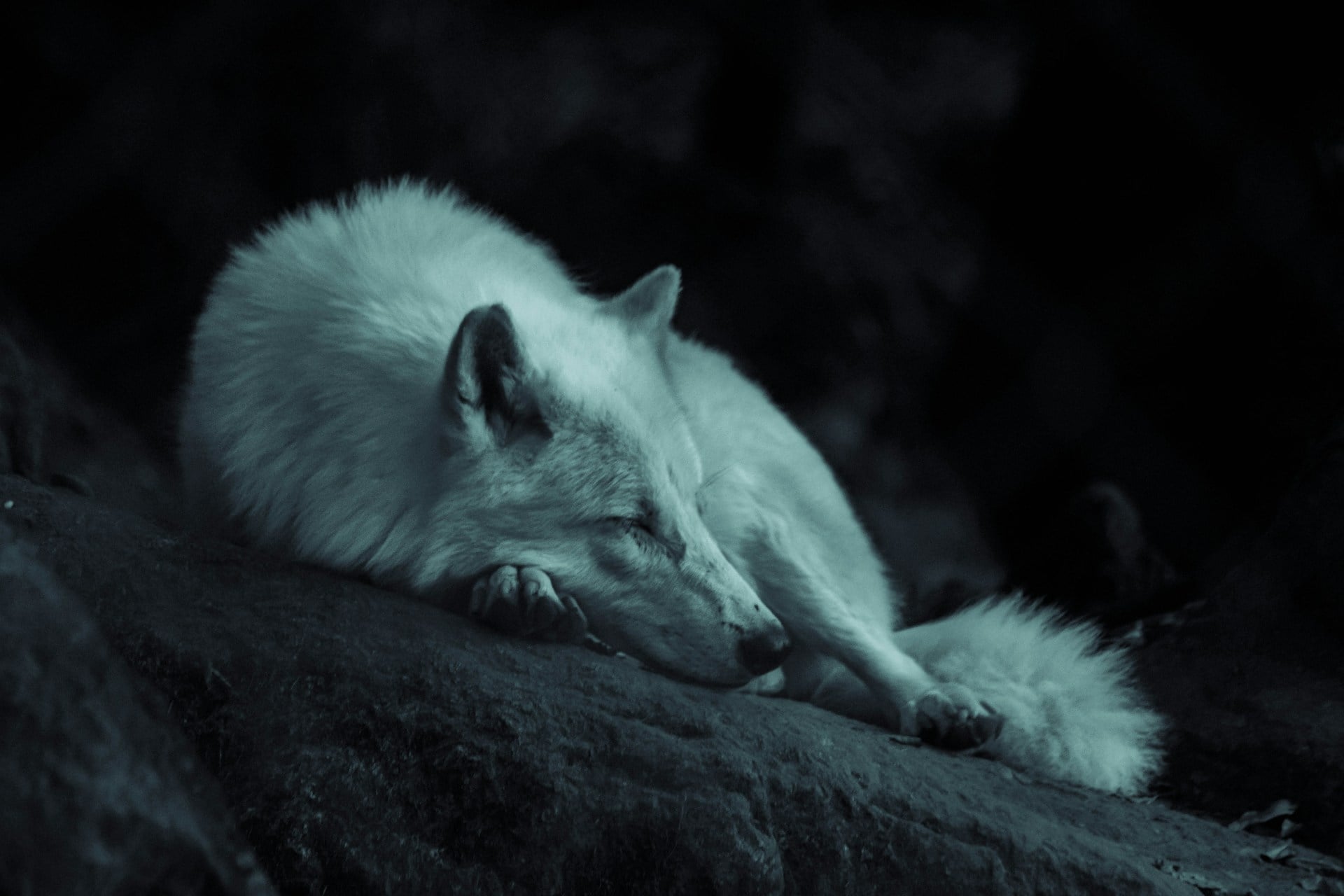
Wolves have been villainized in folklore for centuries, but they’re actually keystone species that hold entire ecosystems together. When wolves were removed from Yellowstone National Park between 1926 and 1995, everything fell apart—elk populations exploded, vegetation disappeared, and even the rivers changed course.
After wolves were reintroduced in 1995, the landscape began healing itself: trees grew back, beavers returned, and stream banks stabilized. Wolves control prey populations and create opportunities for dozens of other species to thrive, proving that apex predators aren’t just important—they’re irreplaceable.
Snakes
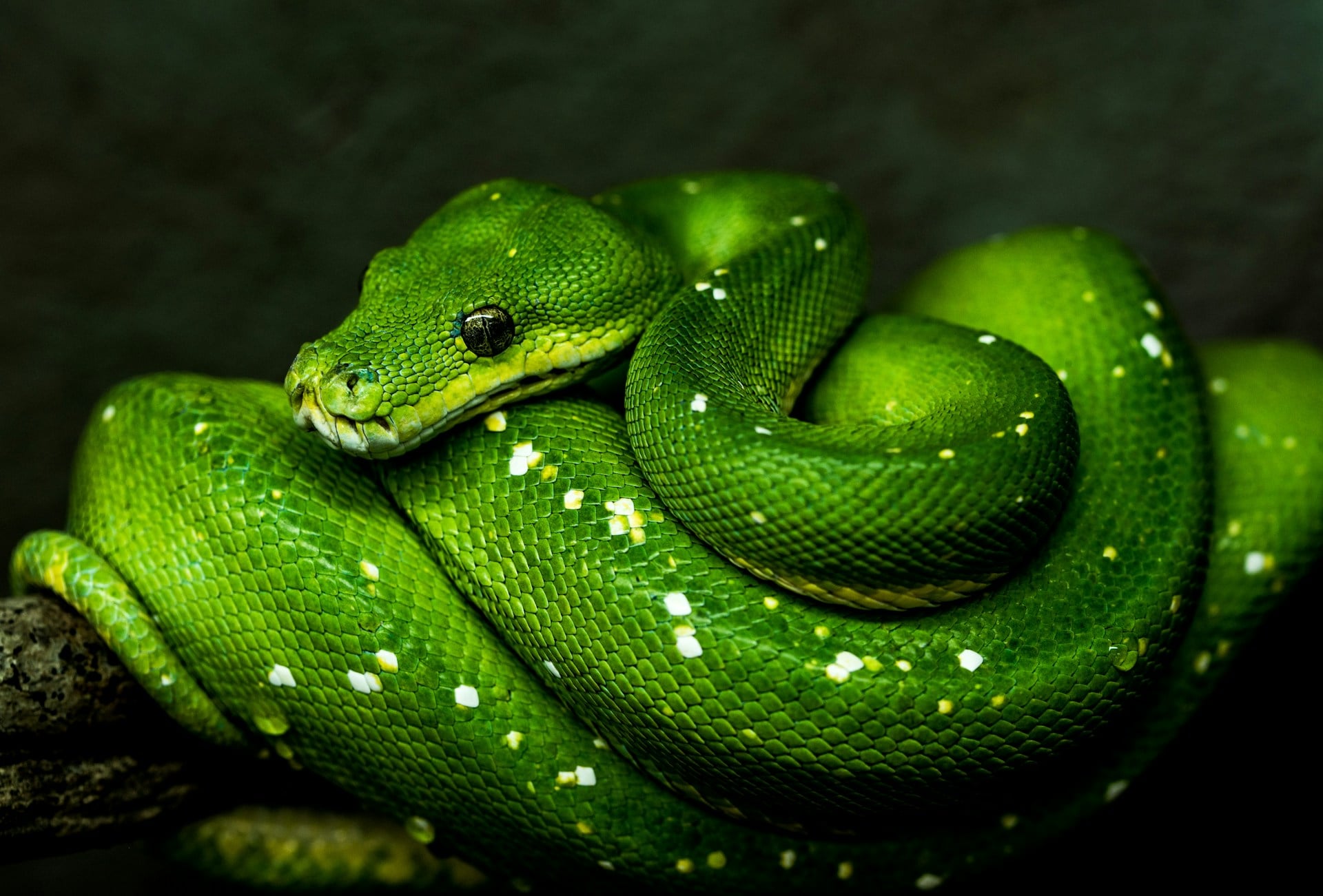
Snakes make people’s skin crawl, but these reptiles are essential pest controllers and ecosystem regulators. They keep rodent populations in check, which prevents crop damage and reduces the spread of rodent-borne diseases.
Snakes also disperse seeds through their droppings, helping forests regenerate. Out of more than 3,000 snake species worldwide, only 200 have venom toxic enough to seriously harm humans, and most snakes would rather avoid people entirely.
Ironically, without snakes doing their job, we’d be overrun by the actual pests—like rats and mice.
Spiders
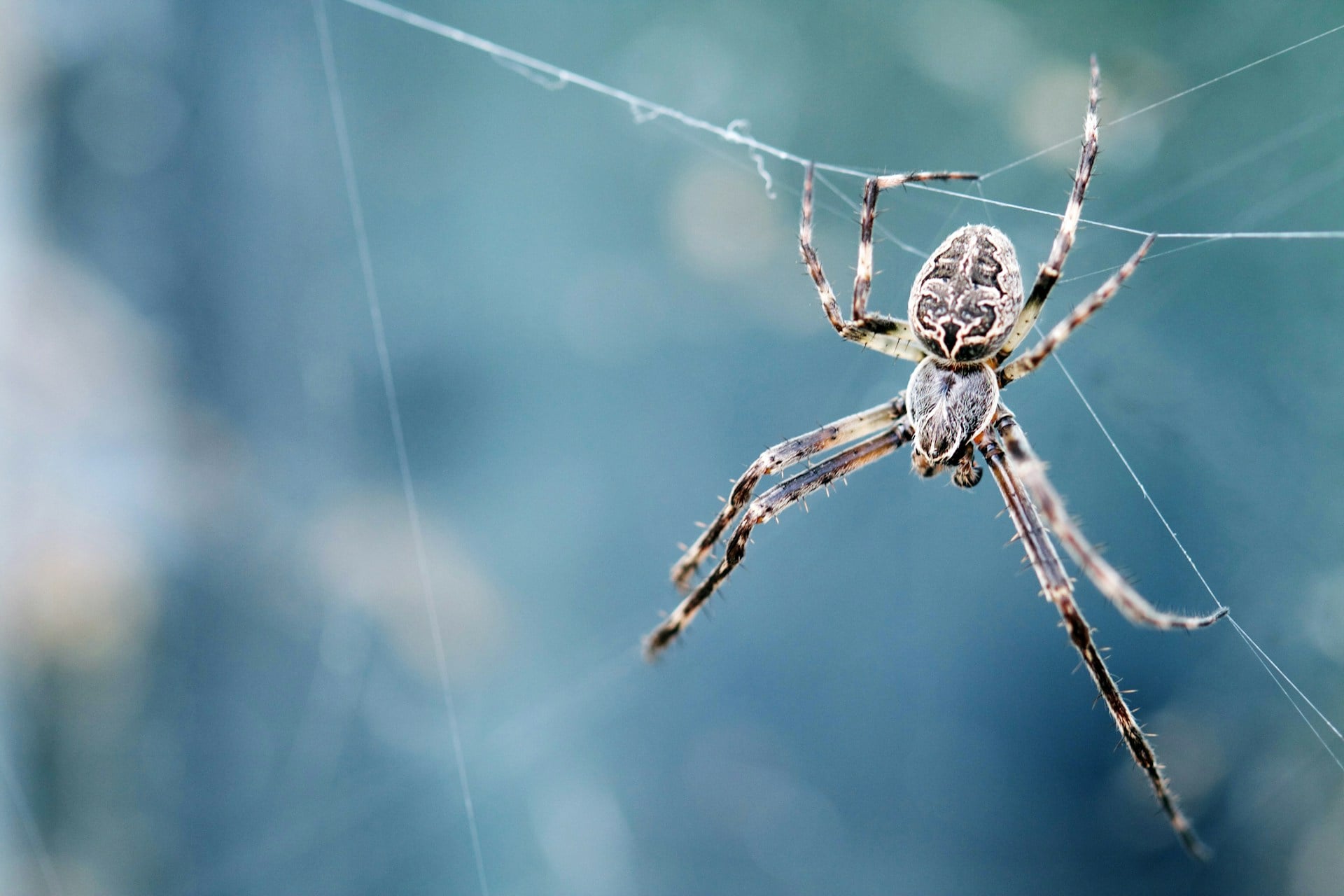
Spiders trigger fear in millions of people, but they’re actually tireless insect assassins that keep bug populations under control. Every spider spinning a web in your garden or basement is catching flies, mosquitoes, and other pests that would otherwise multiply out of control.
They’re found on every continent except Antarctica, adapting to nearly every habitat imaginable. Most spiders pose zero threat to humans and would much rather hide than bite.
If spiders suddenly disappeared, we’d be drowning in insects within weeks.
Sharks

Sharks have been demonized as mindless killers ever since “Jaws” hit theaters, but they’re actually critical apex predators that maintain ocean health. They control populations of sick and weak fish, preventing disease spread and keeping prey species from overgrazing coral reefs and seagrass beds.
When shark numbers decline, entire marine ecosystems can collapse—a phenomenon scientists have observed in multiple ocean regions. Shark attacks are incredibly rare, with more people dying annually from falling coconuts than shark bites.
These ancient predators have been fine-tuning ocean ecosystems for over 400 million years, and we need them now more than ever.
Coyotes
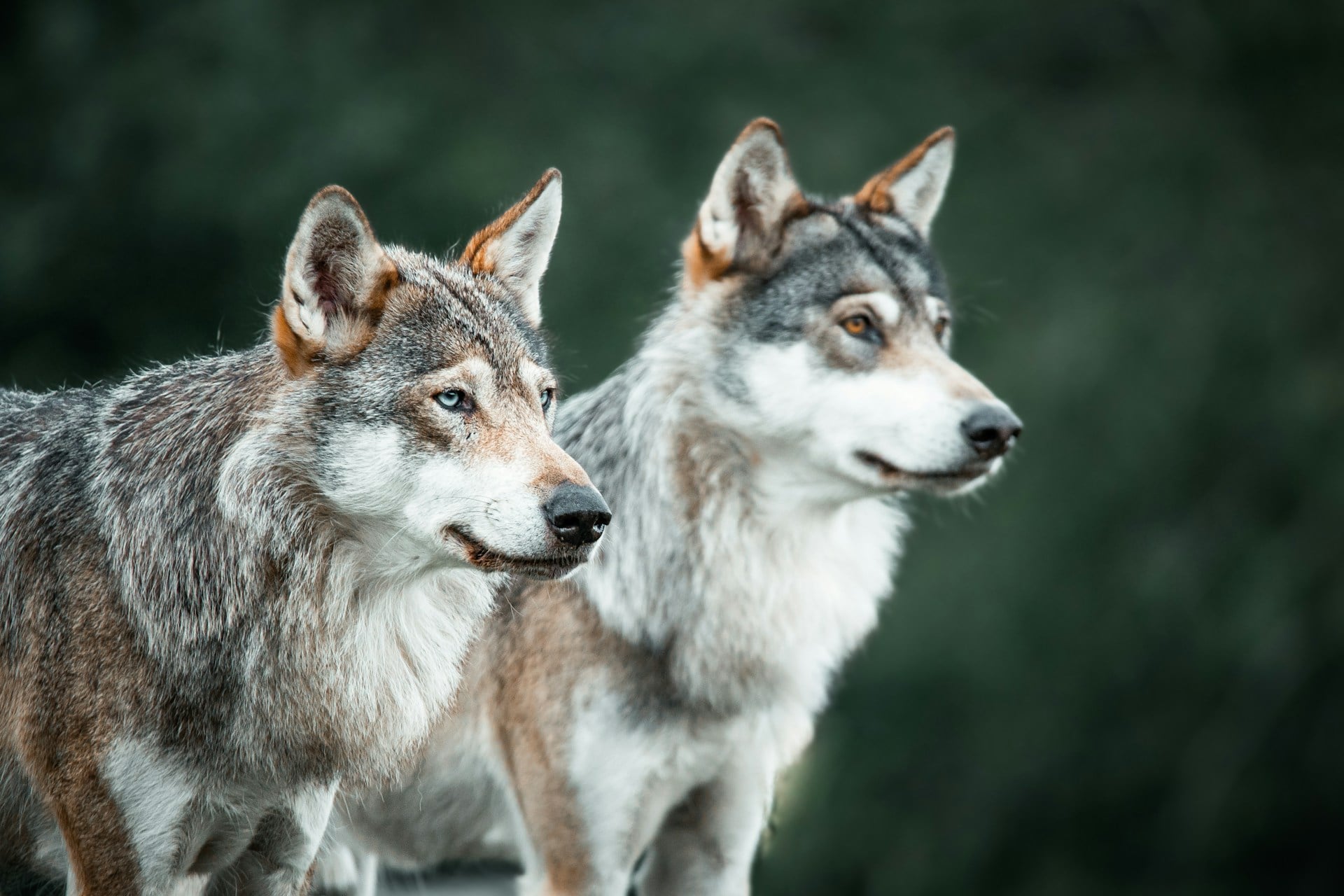
Coyotes get blamed for everything from missing pets to declining wildlife, but they’re actually skilled ecosystem managers. They control rodent and rabbit populations, preventing overgrazing and crop damage.
Coyotes also scavenge carrion, helping clean up the landscape and recycle nutrients. They’ve proven incredibly adaptable, learning to thrive in both wilderness and suburban environments.
Their presence often indicates a healthy, balanced ecosystem where prey and predator populations are properly regulated.
Hyenas
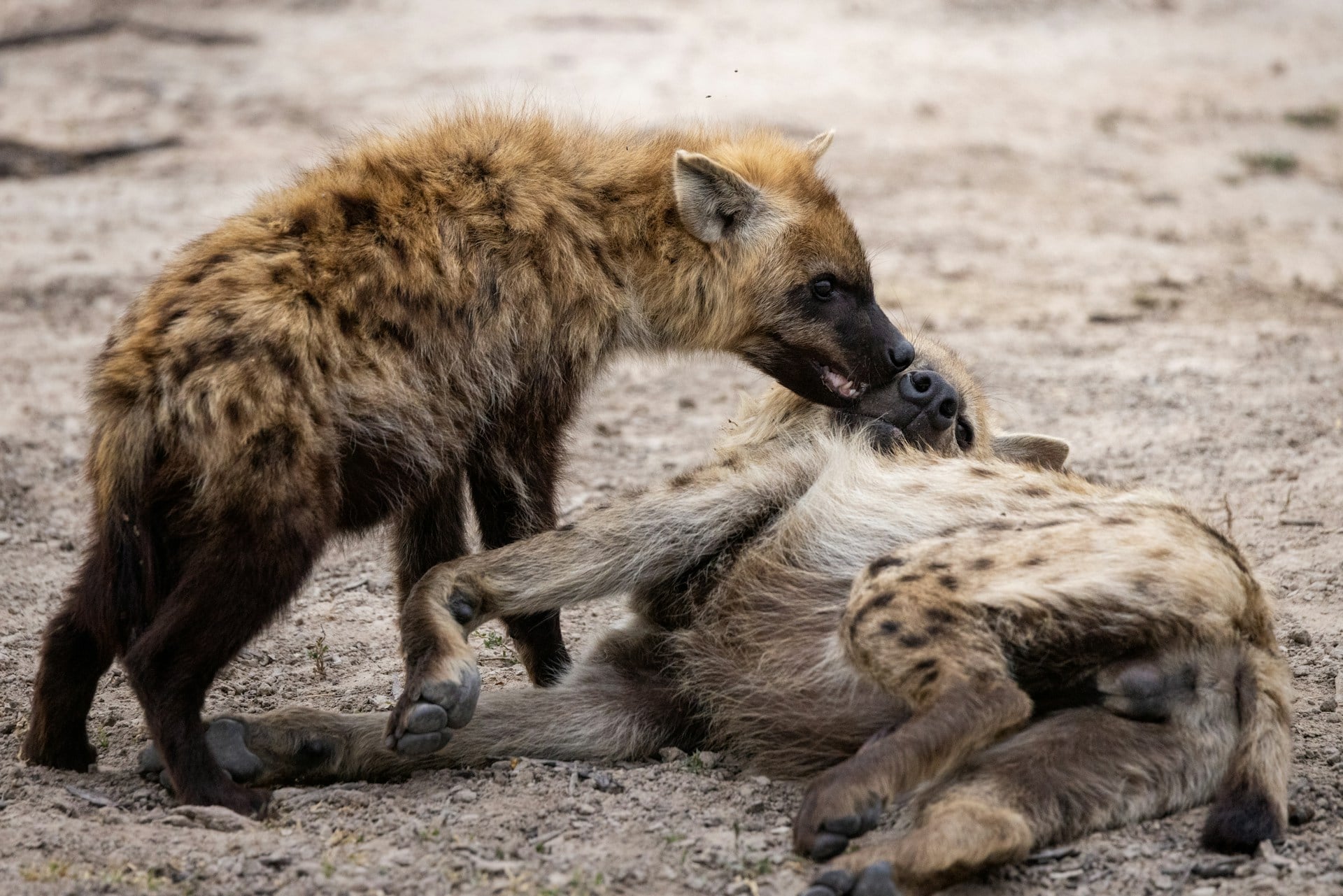
Hyenas have been cast as villains in movies and stories, portrayed as cowardly scavengers with sinister laughs. In reality, spotted hyenas are skilled hunters that catch most of their own food, and their scavenging services are invaluable.
They clean up carcasses that would otherwise spread disease, earning them the nickname “cleaners of the landscape.” Hyena societies are also fascinating—they live in complex matriarchal clans with social structures as intricate as those of primates.
Their powerful jaws can crush bones that other scavengers can’t touch, allowing them to extract every bit of nutrition from a carcass.
Jellyfish
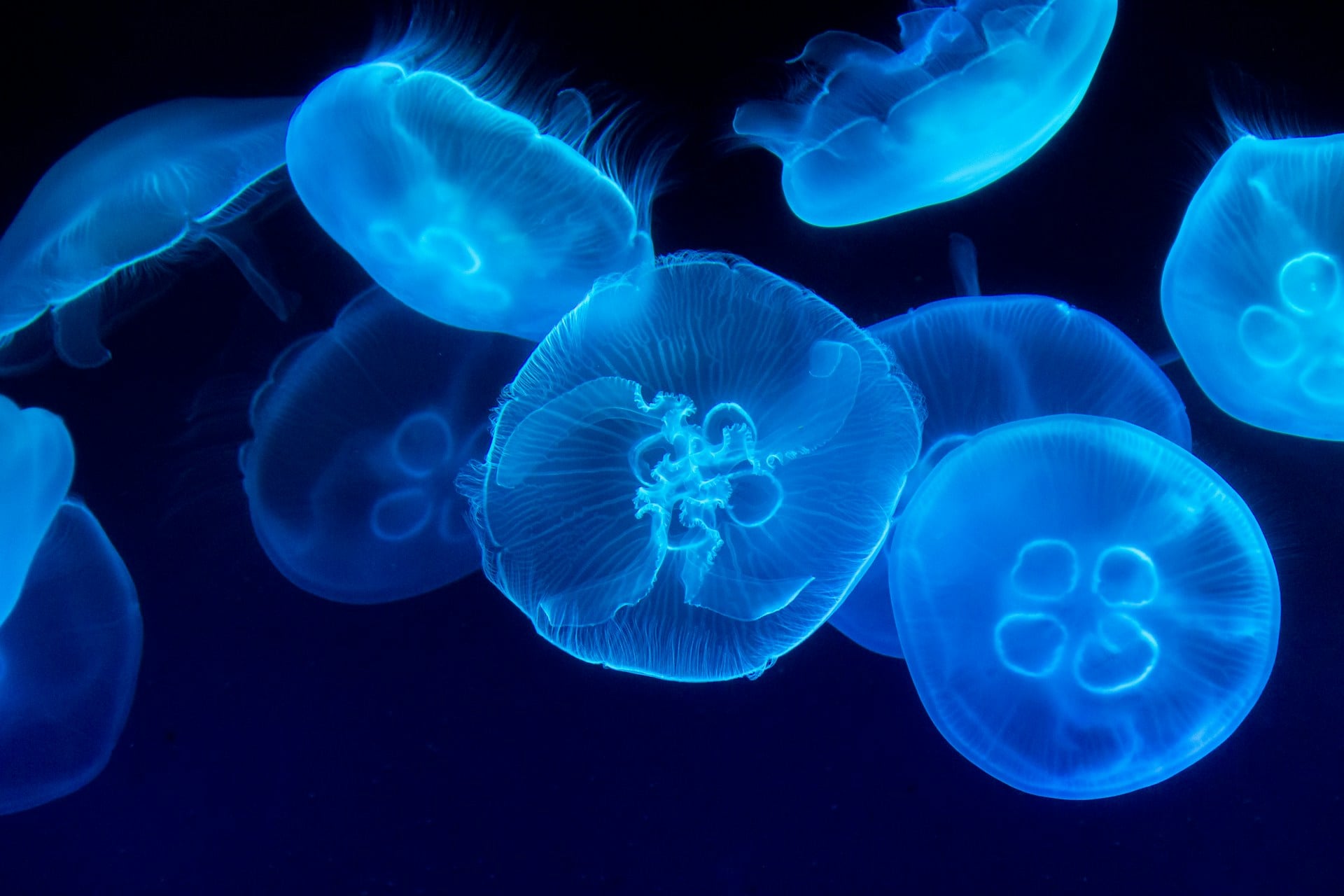
Jellyfish seem like mindless blobs drifting through the ocean, stinging unsuspecting swimmers for no reason. But they play crucial roles in marine food webs, controlling plankton populations and providing food for sea turtles, sunfish, and various fish species.
Their droppings sink to the seafloor, fertilizing plants and feeding tiny organisms that form the base of ocean food chains. Most jellyfish species are harmless to humans, and their stings are typically defensive rather than aggressive.
These ancient animals have been maintaining ocean balance for over 500 million years.
Opossums
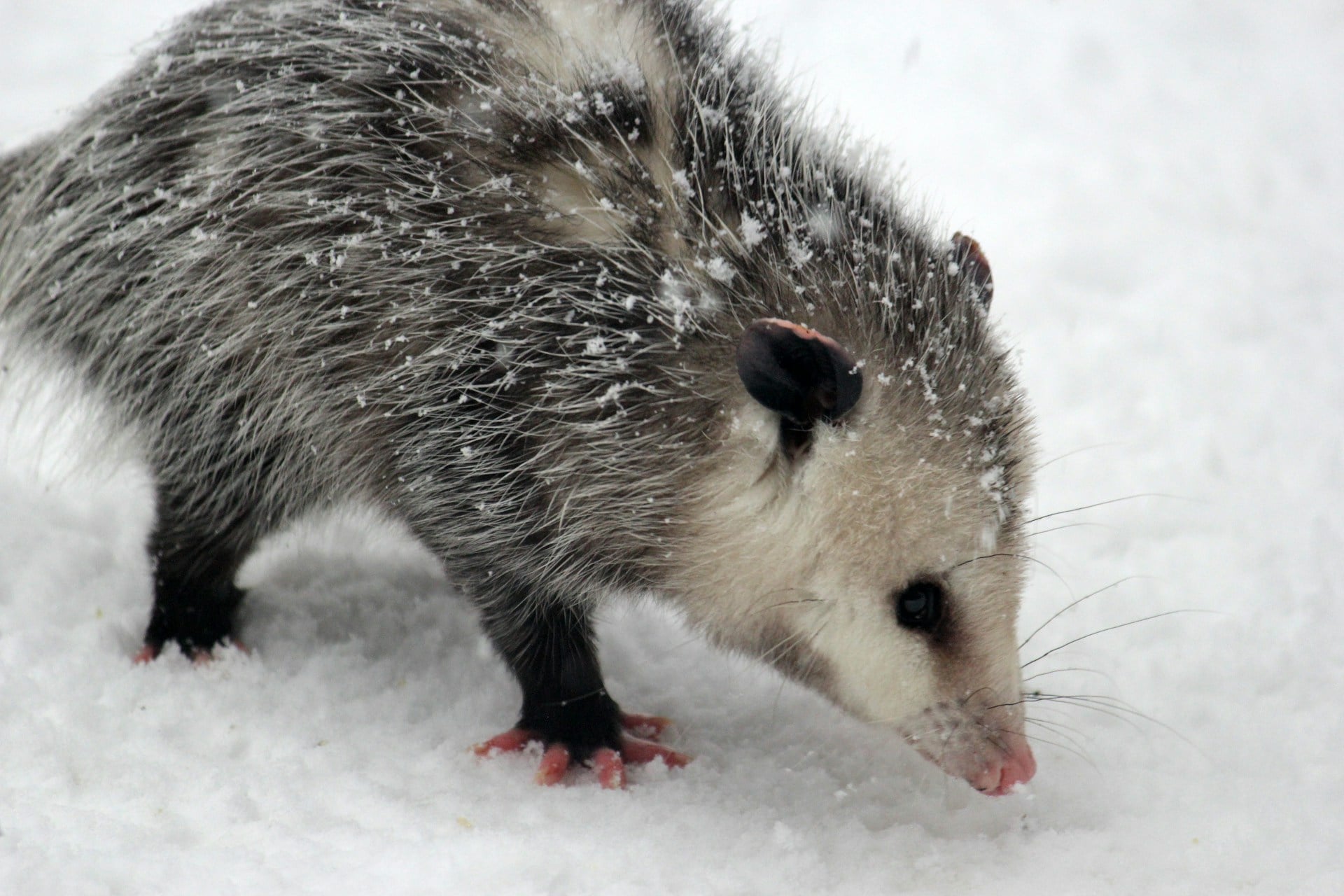
Opossums look like oversized rats and have a reputation for rummaging through garbage, but they’re actually helpful neighbors. These marsupials eat cockroaches, rats, mice, and carrion, acting as nature’s cleanup service.
They’re also resistant to snake venom and prey on venomous snakes like copperheads and rattlesnakes. Despite myths about disease, opossums are eight times less likely to carry rabies than feral dogs due to their low body temperature.
Their grooming habits keep them remarkably clean, and they’re far more beneficial than bothersome.
Wasps
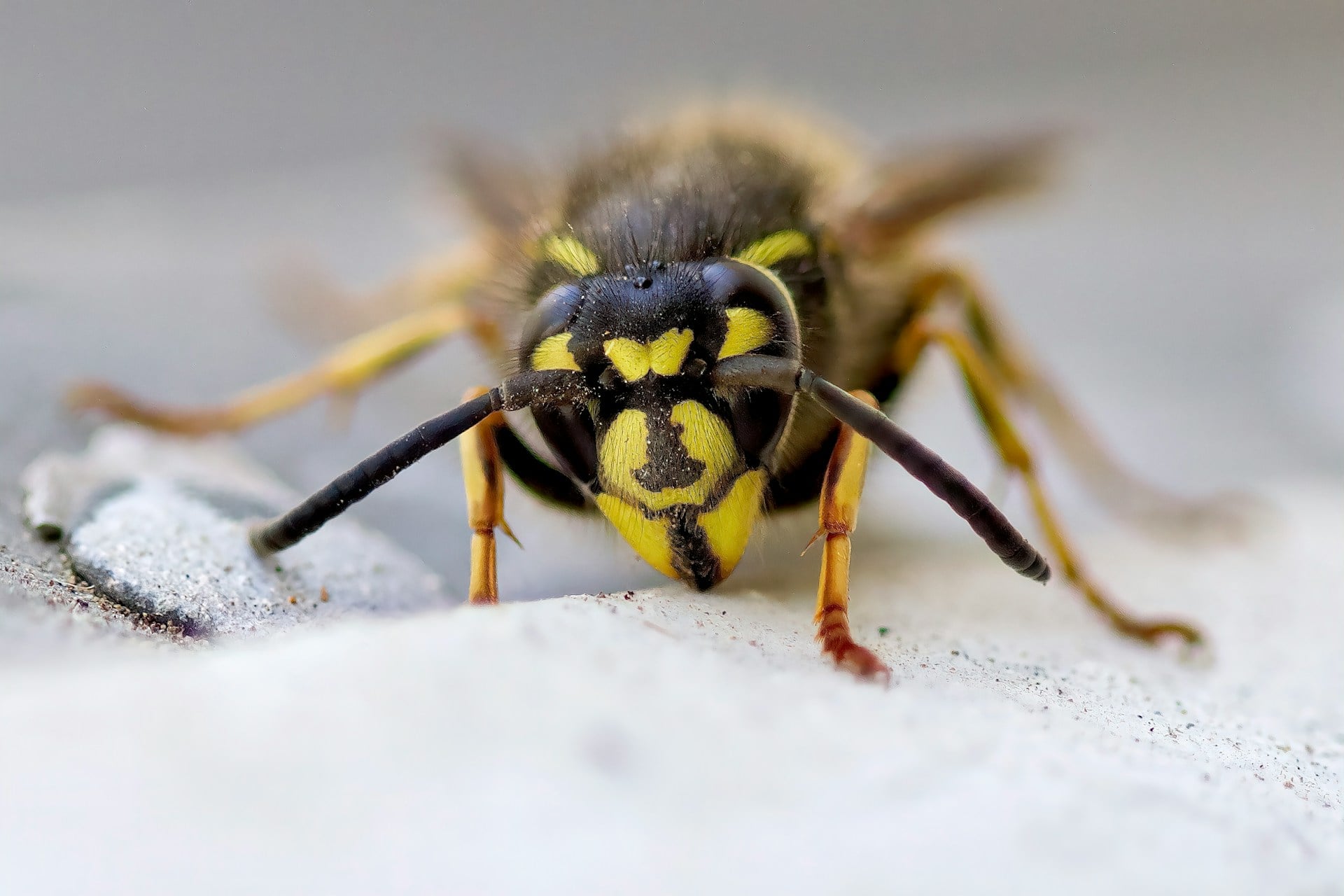
Wasps send people running and flailing, but these insects are sophisticated pollinators and pest controllers. They pollinate many plant species and hunt caterpillars, flies, and other garden pests to feed their larvae.
Wasps only sting when they feel threatened or their nests are disturbed—standing still usually keeps you safe. Without wasps controlling agricultural pests, farmers would need significantly more pesticides.
These insects deserve recognition as hardworking members of the ecosystem, not just as summer nuisances.
Pigeons
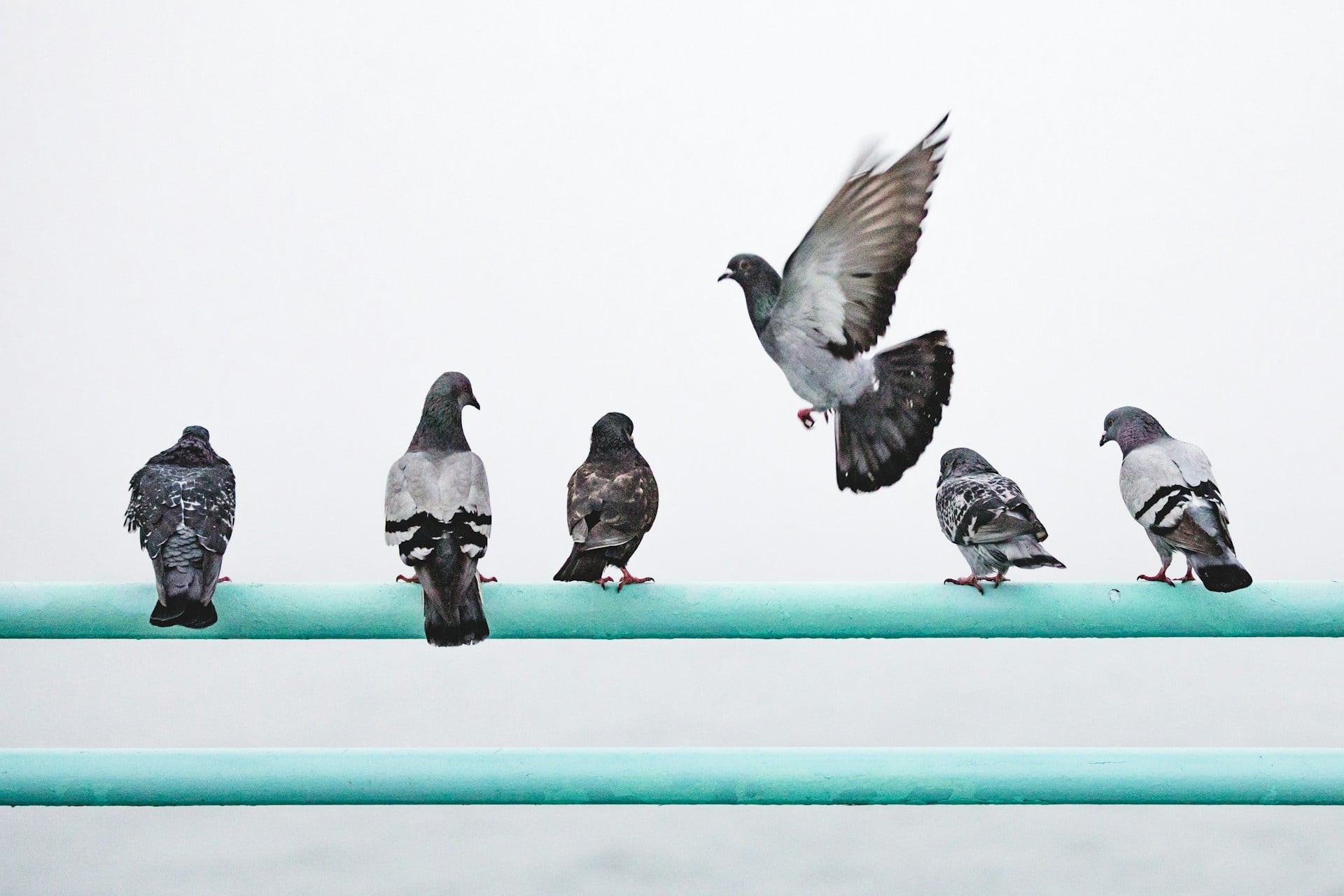
Pigeons get labeled as “rats with wings” and are seen as dirty, disease-ridden pests cluttering city squares. But these intelligent birds were once among the most respected animals on Earth—ancient Greeks used them to announce Olympic results, and they served as crucial messengers during both World Wars.
Pigeons are actually quite clean, spending considerable time grooming themselves. The risk of disease transmission from pigeons to humans is extremely low.
Their bad reputation stems more from their abundance in urban areas than any actual threat they pose.
Rats
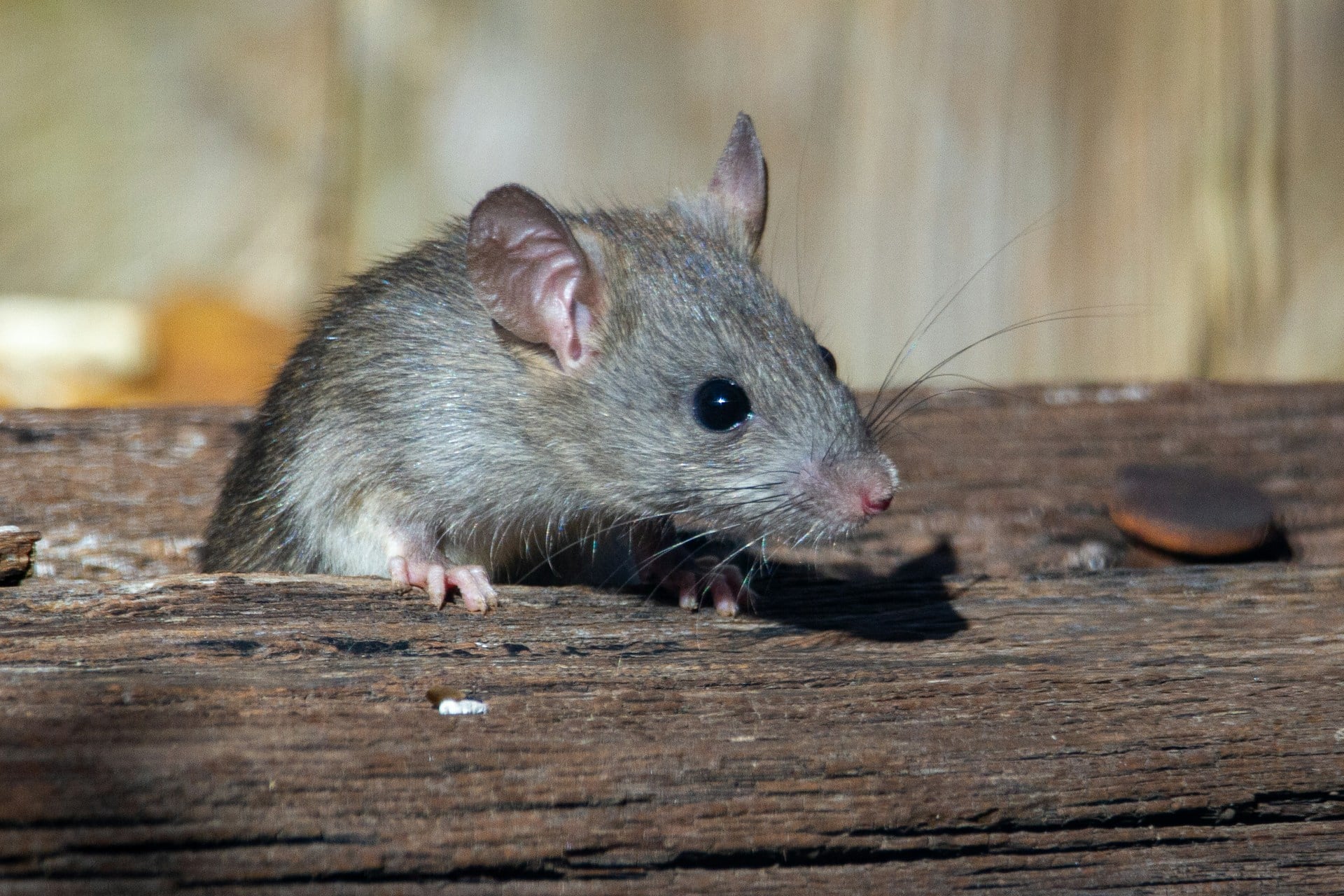
Rats are universally despised as filthy disease spreaders, but they’re actually meticulous groomers that spend more time cleaning themselves than most pet cats. They play huge roles in ecosystems as prey for countless predators, helping sustain food chains.
Rats are also incredibly intelligent, capable of learning from each other and solving complex problems. They’ve contributed enormously to medical research, leading to breakthroughs in understanding human diseases.
While nobody wants them in their house, rats serve important ecological functions in the wild.
Seagulls

Seagulls have earned a reputation as noisy, aggressive food thieves that mess up beaches and parking lots. But these intelligent birds are excellent indicators of ocean health and play important roles in coastal ecosystems.
They control fish and invertebrate populations, clean up carrion, and disperse seeds across vast distances. Gulls are highly adaptable and have learned to exploit human food sources because their natural habitats have become increasingly threatened.
Their presence at the seaside is perfectly natural—they’re just trying to make a living like every other creature.
Crows
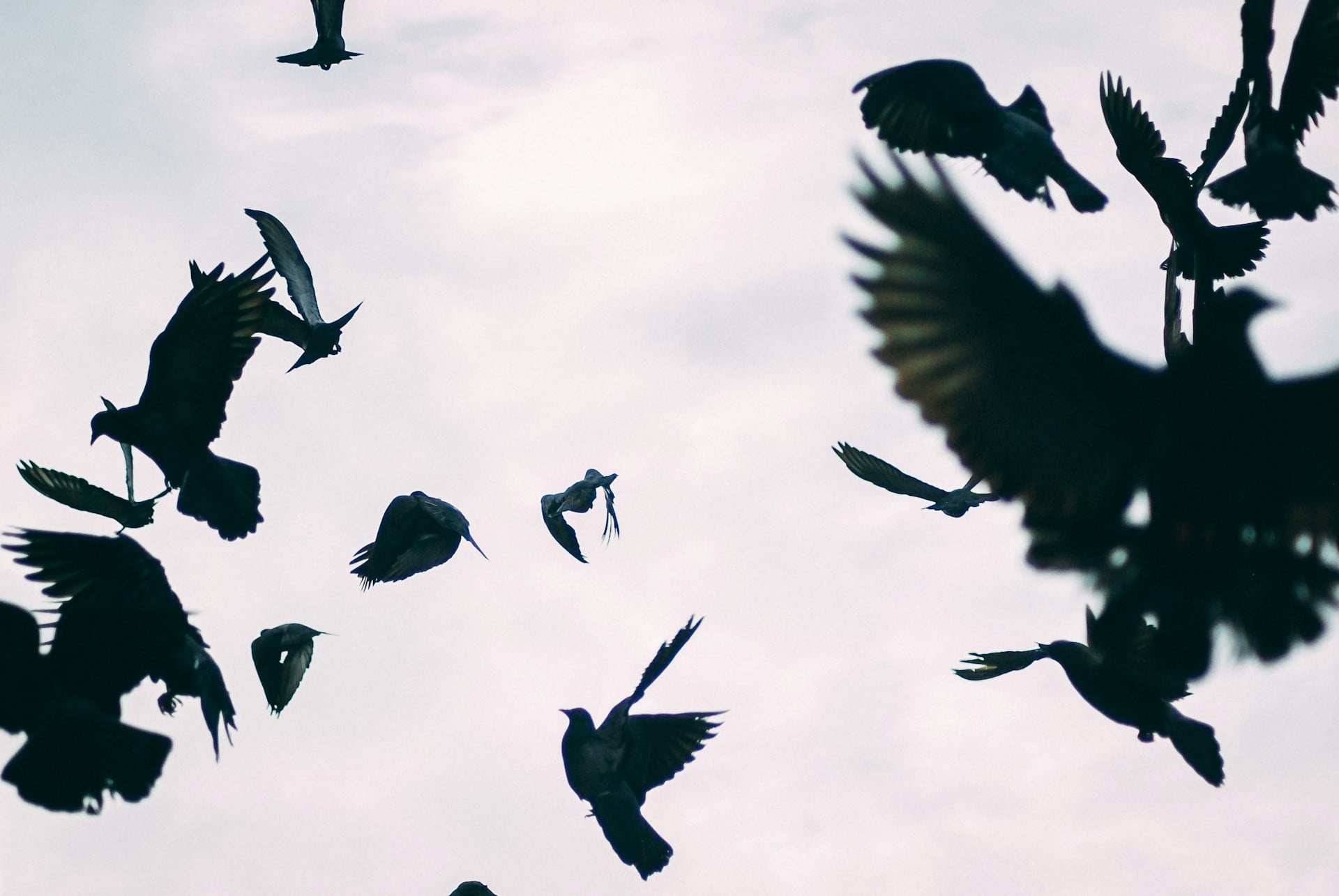
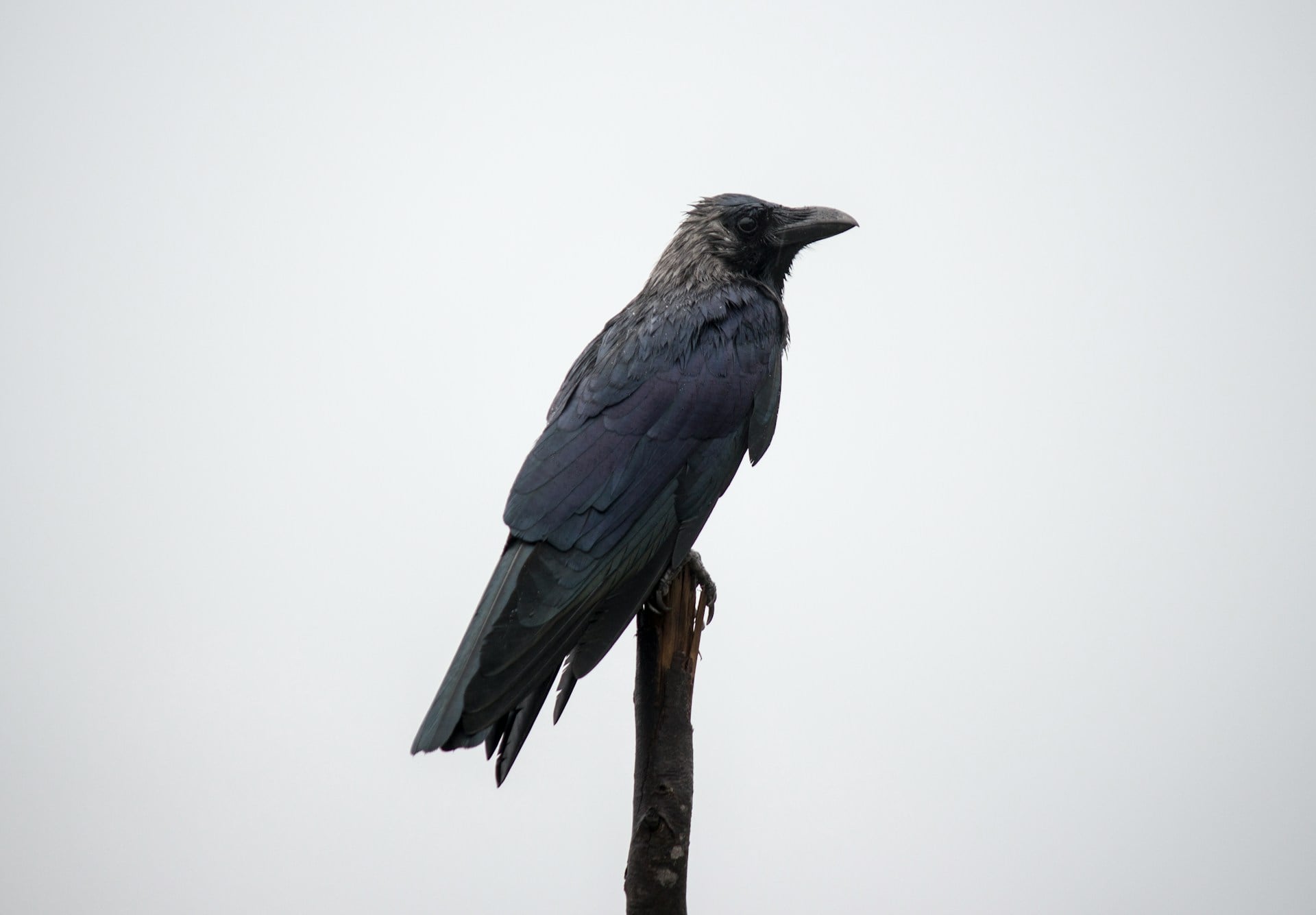
Crows are often associated with death and bad omens, viewed as sinister black birds with eerie calls. In reality, they’re among the most intelligent animals on the planet, capable of using tools, recognizing human faces, and even holding “funerals” for their dead.
Crows control insect populations, disperse seeds, and clean up carrion, providing multiple ecosystem services. Their adaptability and problem-solving skills are remarkable.
These birds aren’t harbingers of doom—they’re clever survivors that contribute far more to their environments than most people realize.
Beyond First Impressions
Nature doesn’t hand out roles based on popularity contests. The creatures we find creepy or threatening often turn out to be the hardest workers, keeping diseases in check, controlling pest populations, and maintaining the delicate balance that allows ecosystems to function.
Vultures prevent pandemics, bats save billions in crop damage, and wolves reshape entire landscapes. The next time you encounter one of these misunderstood animals, remember they’re not the problem—they’re usually the solution to problems we don’t even see.
Our survival depends on theirs, whether we find them beautiful or not.
More from Go2Tutors!

- The Romanov Crown Jewels and Their Tragic Fate
- 17 Halloween Costumes Once Considered Taboo
- Famous Hoaxes That Fooled the World for Years
- 15 Child Stars with Tragic Adult Lives
- 16 Famous Jewelry Pieces in History
Like Go2Tutors’s content? Follow us on MSN.