Roads That Disappear At High Tide
You might think a road should always be there when you need it. But some roads operate on a different schedule.
They appear when the tide goes out and vanish beneath the waves when it comes back in. These disappearing roads create a strange experience—part driving, part racing against the ocean.
The Passage du Gois in France

This causeway stretches nearly three miles across the Bay of Bourgneuf. For about twelve hours each day, it sits underwater.
When the tide recedes, the road emerges from the Atlantic, slick with seaweed and barnacles. Locals know the timetable by heart.
Tourists often misjudge it. Refuge towers dot the length of the causeway—tall poles where people can climb when they miscalculate.
Cars have been abandoned to the rising water more times than anyone bothers counting. The road appears in the Tour de France occasionally, adding an element no other race stage can match.
Lindisfarne’s Holy Island Causeway
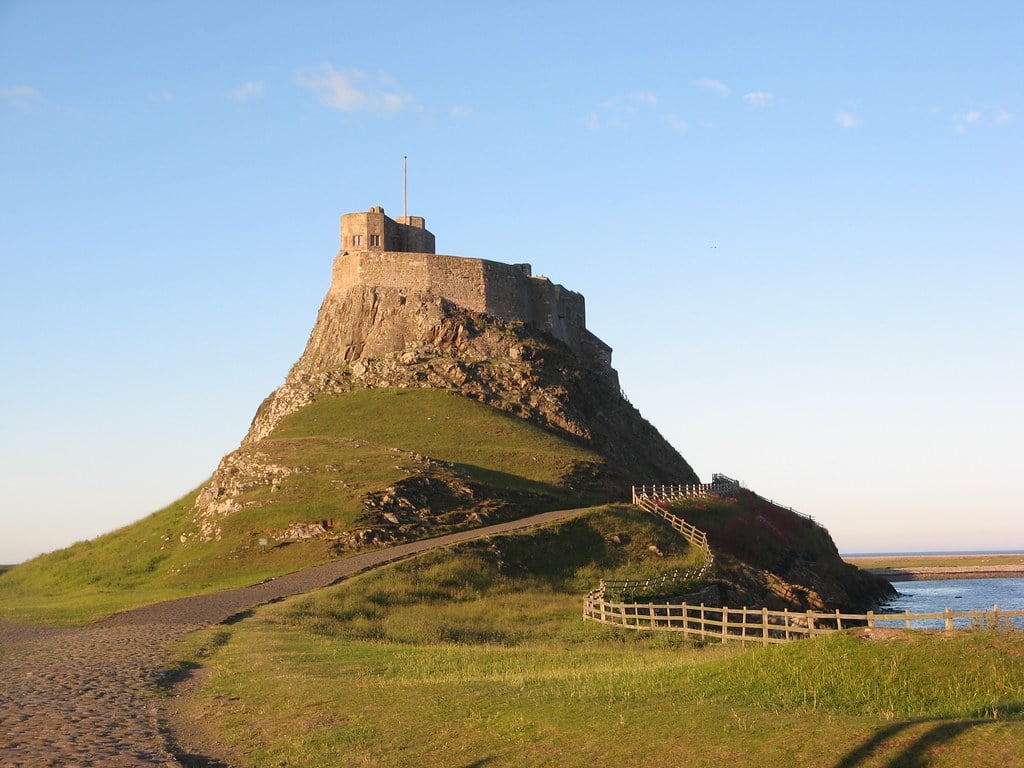
Twice a day, the North Sea cuts off Holy Island from mainland England. The causeway connecting them only works at low tide.
Miss your window and you either wait six hours or abandon your vehicle to the water. Warning signs post the safe crossing times, but every year someone ignores them.
The refuge box halfway across provides shelter for stranded travelers. It contains nothing but a cold seat and a view of your mistake slowly drowning.
The island’s 180 residents treat the tides like most people treat traffic lights—as a basic fact of life that outsiders somehow find complicated.
Jindo’s Sea-Parting Festival
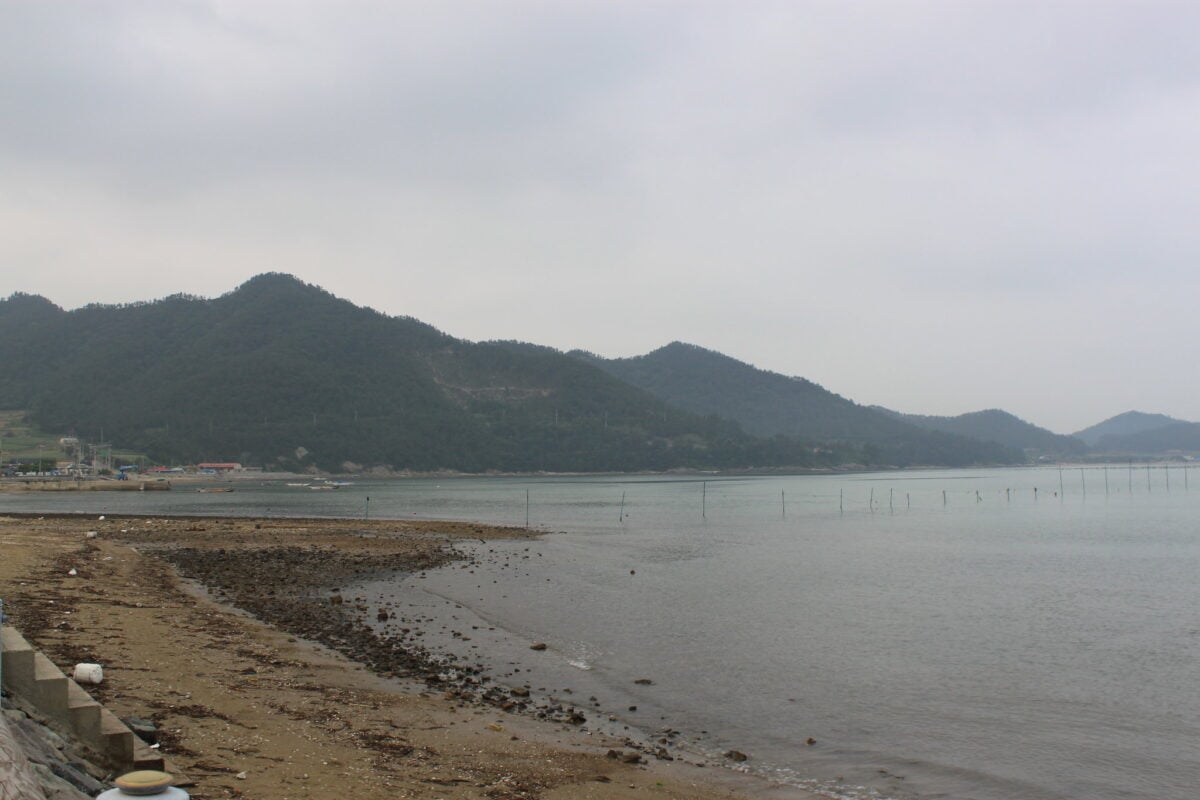
Once or twice a year, the sea between Jindo and Modo Island in South Korea pulls back far enough to reveal a land bridge. The road only lasts about an hour.
Thousands of people walk the exposed seabed during this brief window, picking up shellfish and taking photos. Korean legend attributes this phenomenon to a dragon or a dutiful daughter, depending on who tells the story.
Science credits extreme tidal variations and the shape of the seafloor. Either way, you can walk between two islands that normally require a boat.
The event draws such crowds that it became an official festival, complete with performances and food vendors who work against the same tidal deadline as everyone else.
Brough of Birsay in Orkney

A tidal island off Scotland’s coast connects to the mainland via a concrete causeway. The road appears at low tide and disappears completely when the water returns.
Visitors come to see Pictish and Norse ruins, but the tide determines when they can arrive and when they must leave. Signs warn you to check tide times before crossing.
People ignore these signs regularly. Being stranded on the island means waiting hours, and the ruins offer limited entertainment once you’ve seen them.
The rocky causeway gets slippery, and the water rises faster than it looks like it should.
Mont Saint-Michel’s Changing Access

For centuries, Mont Saint-Michel in France could only be reached at low tide. Pilgrims timed their journeys carefully.
Some didn’t make it. The bay’s tides move fast—supposedly as fast as a galloping horse, though horses rarely gallop through tidal zones for comparison.
A causeway built in the 1870s stayed above water permanently, changing the island’s character entirely. Recent restoration work replaced that with a bridge that lets water flow underneath.
The new design brings back some of the old tidal drama without the same risk of drowning. You can still see the vast mudflats during low tide, but your car stays dry.
Cramond Island’s Concrete Path

Edinburgh residents treat this tidal causeway like a local secret, though it appears on tourist maps now. The path connects the mainland to Cramond Island at low tide.
Concrete and stone make up most of the walkway. Seaweed makes it treacherous.
Warning sirens sound when the tide starts coming in. People still get stuck.
The water rises around the path from both sides, not just from one direction, which confuses first-time visitors. You watch the road you just walked across disappear behind you.
The island itself offers abandoned fortifications and not much else, but the disappearing path draws people anyway.
Noirmoutier’s Passage des Fromentines
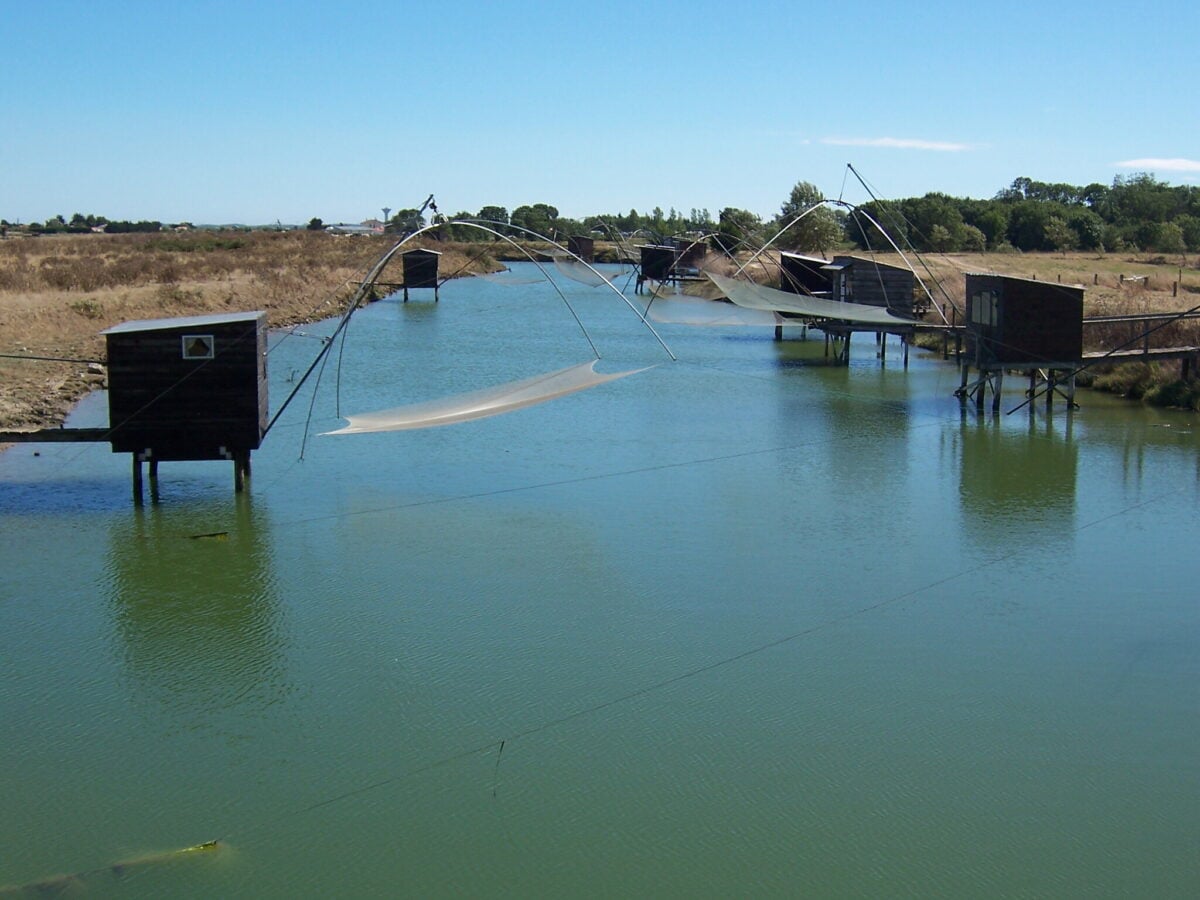
Another French tidal road, this one in the Vendée region. Less famous than Passage du Gois but just as unforgiving.
The road to Noirmoutier Island goes underwater twice daily. A bridge offers an alternative route, but the tidal causeway remains popular.
Driving across it feels like racing the ocean. The water leaves behind salt and shells and sometimes fish flopping on the pavement.
The road surface deteriorates constantly from the salt water. Crews repair it during low tide, working against the same deadline as everyone else.
The Tidal Roads of the Outer Hebrides
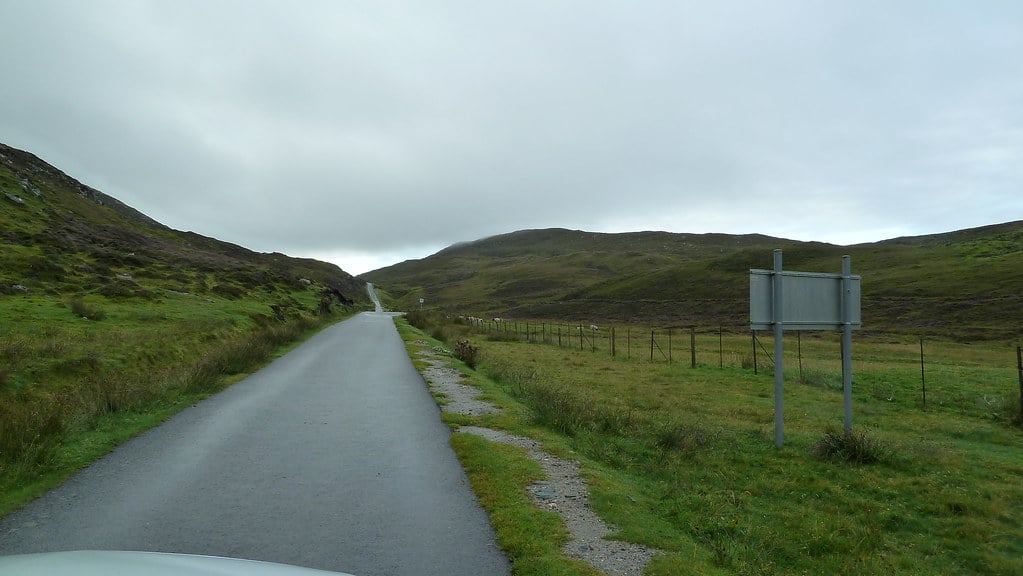
Several Scottish islands use causeways that flood at high tide. Some connect inhabited islands to each other.
Others link small islands to larger ones. These roads shape daily life in ways mainland residents never consider.
School runs depend on tide charts. Grocery shopping requires planning.
Medical emergencies get complicated. Residents develop an intuitive sense of the tides, the way other people develop an intuitive sense of traffic patterns.
Children growing up there learn tide times before they learn to drive.
St. Michael’s Mount in Cornwall
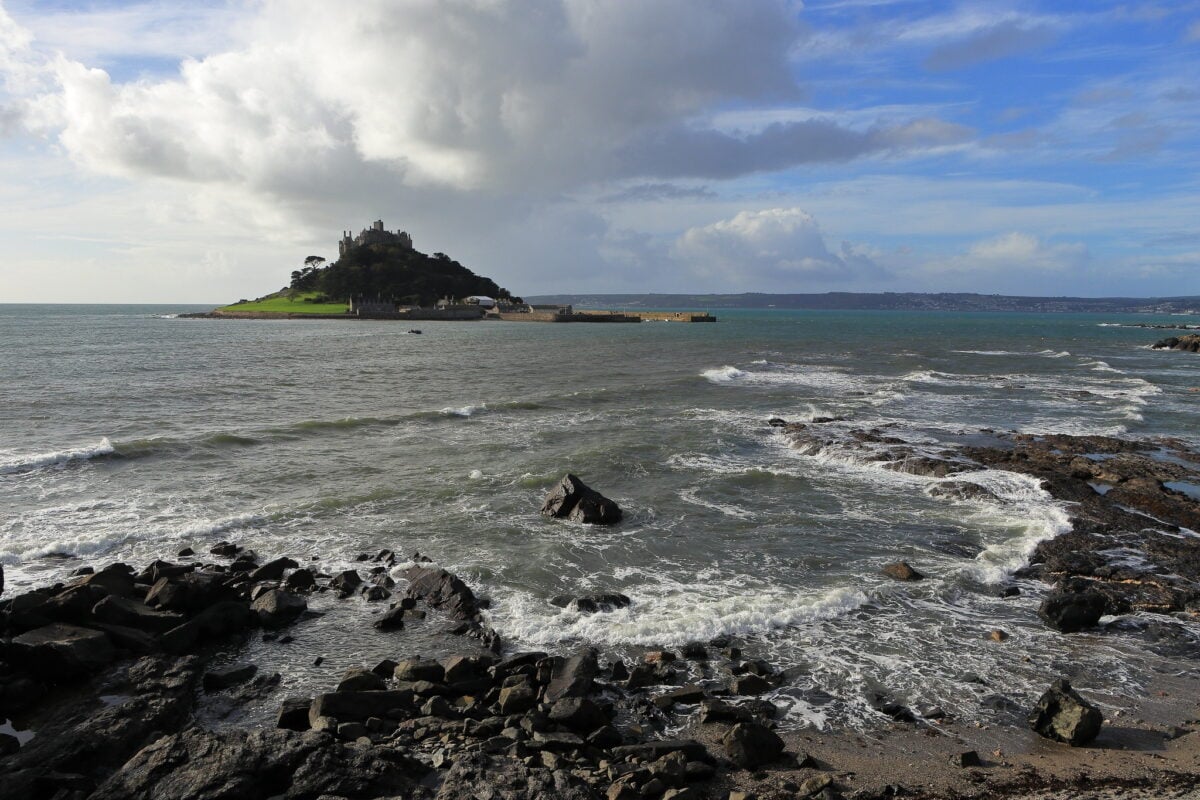
A cobbled causeway links this tidal island to Marazion. At low tide, you walk across stones worn smooth by centuries of feet.
At high tide, you take a boat. The castle and village on the island have belonged to the same family for generations.
The causeway floods predictably, but walking it still feels like tempting something. The stones get slippery.
Waves sometimes wash over the edges even before high tide fully arrives. Tour guides time their groups carefully.
Stragglers end up buying boat tickets.
Burgh Island in Devon

An art deco hotel dominates this small island. At low tide, you walk across the beach.
At high tide, a sea tractor carries passengers—a strange vehicle on tall stilts that drives through the water. The road beneath it disappears.
The hotel charges enough that most visitors just come for the walk at low tide. The beach crossing feels easier than it is.
Sand hides rocks. Water comes in from unexpected angles. The sea tractor operators run a steady business pulling people out who misjudged their timing.
Nishinoshima’s Twice-Daily Window

This small Japanese island becomes accessible when the tide retreats. Locals use the brief connection for supplies and visits to the mainland.
The exposed path stays usable for only a few hours. Community life revolves around tidal schedules.
Deliveries arrive at specific times. Visitors must plan entire trips around a chart.
The island’s population stays small partly because living there requires accepting that the ocean controls your schedule, not the other way around.
The Tidal Crossings of Brittany

Multiple causeways cross the tidal zones of Brittany’s coast. Each has its own timing and dangers.
Some flood gradually. Others get cut off quickly.
Local knowledge matters more than maps.
Fishermen use these roads to access productive spots during low tide. They work fast, gathering shellfish and seaweed before the water returns.
Their vehicles show the wear of constant salt water exposure. Rust becomes part of the aesthetic.
Tombolo Connections Worldwide

Some tidal paths show up on their own when sand piles up near islands and shorelines. Yet these sandy strips come and go as the sea moves in and out.
Though they don’t stick around like man-made links do, they still connect land areas just fine. Strolling over a tombolo’s surface isn’t like stepping on paved pathways.
Your shoes sink slightly as grains slide beneath you. It’s tricky to know when firm soil turns mushy.
Such landforms appear in many places around the globe – each one follows its own tide pattern.
Living Between the Tides

You adjust when paths disappear – or just walk away. Those who stick around start seeing time differently.
Instead of watching the clock, they study tides like some watch rain chances. Their routines shift based on moments that come and go, fair timing or not.
This kind of living holds onto a thing – not sure if it’s just hassle or some link to nature’s pace, which regular days brush off. Roads come and go, steady only in how spotty they are.
Tides call the shots here. Go with them – or don’t leave at all.
More from Go2Tutors!

- The Romanov Crown Jewels and Their Tragic Fate
- 13 Historical Mysteries That Science Still Can’t Solve
- Famous Hoaxes That Fooled the World for Years
- 15 Child Stars with Tragic Adult Lives
- 16 Famous Jewelry Pieces in History
Like Go2Tutors’s content? Follow us on